In October 2026 the local roaster Ritual Coffee Roasters opens on a corner of California Street in San Francisco's Financial District, right on the cable car line. Starbucks held the space for 20 years before walking away. Before that, the person running the cafe on this corner was the woman who now owns Ritual.
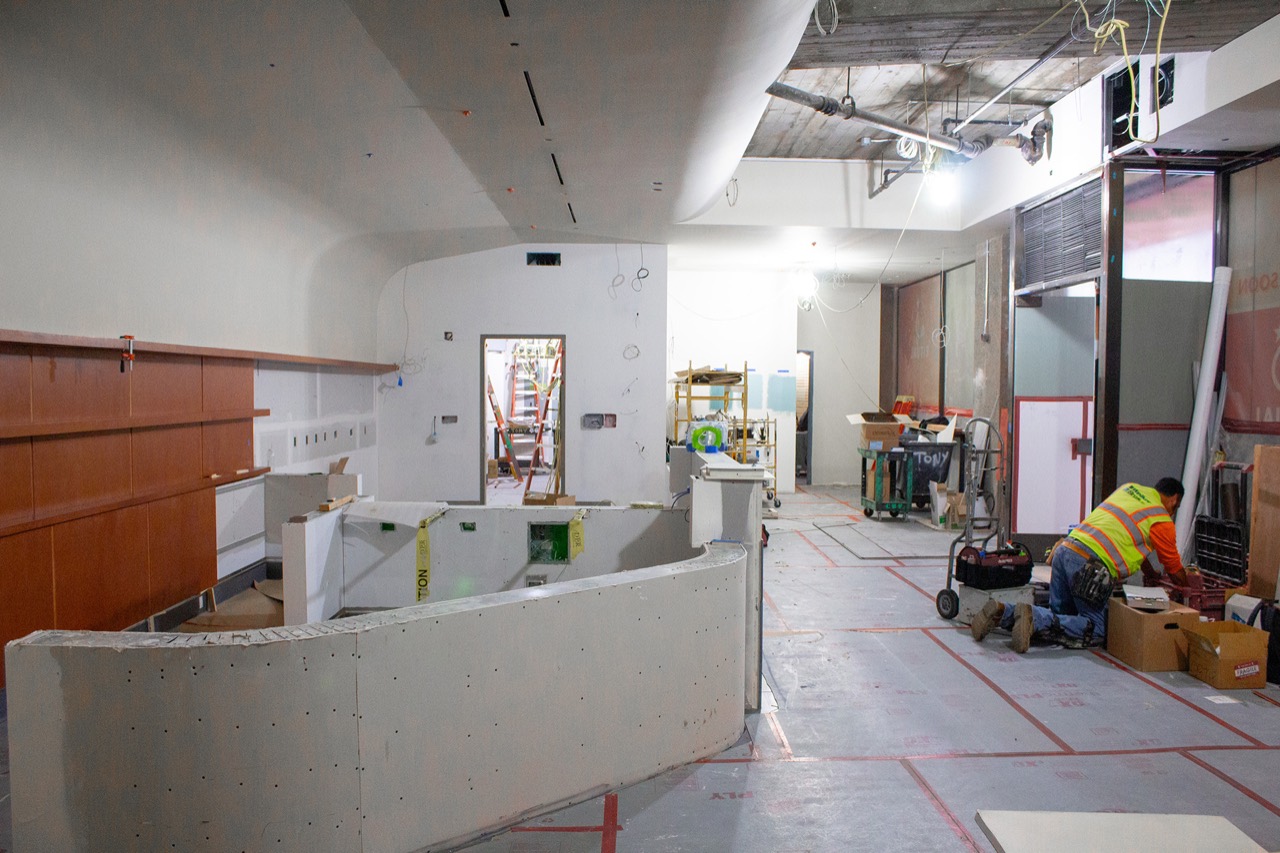
1.The address is 255 California Street, where it meets Battery Street. The shop covers 1,800 square feet, about 167㎡, close to the size of the original cafe on Valencia Street. For 20 years this corner was a Starbucks. It went dark when Starbucks shut Bay Area stores in bulk, and Ritual picked up the lease.
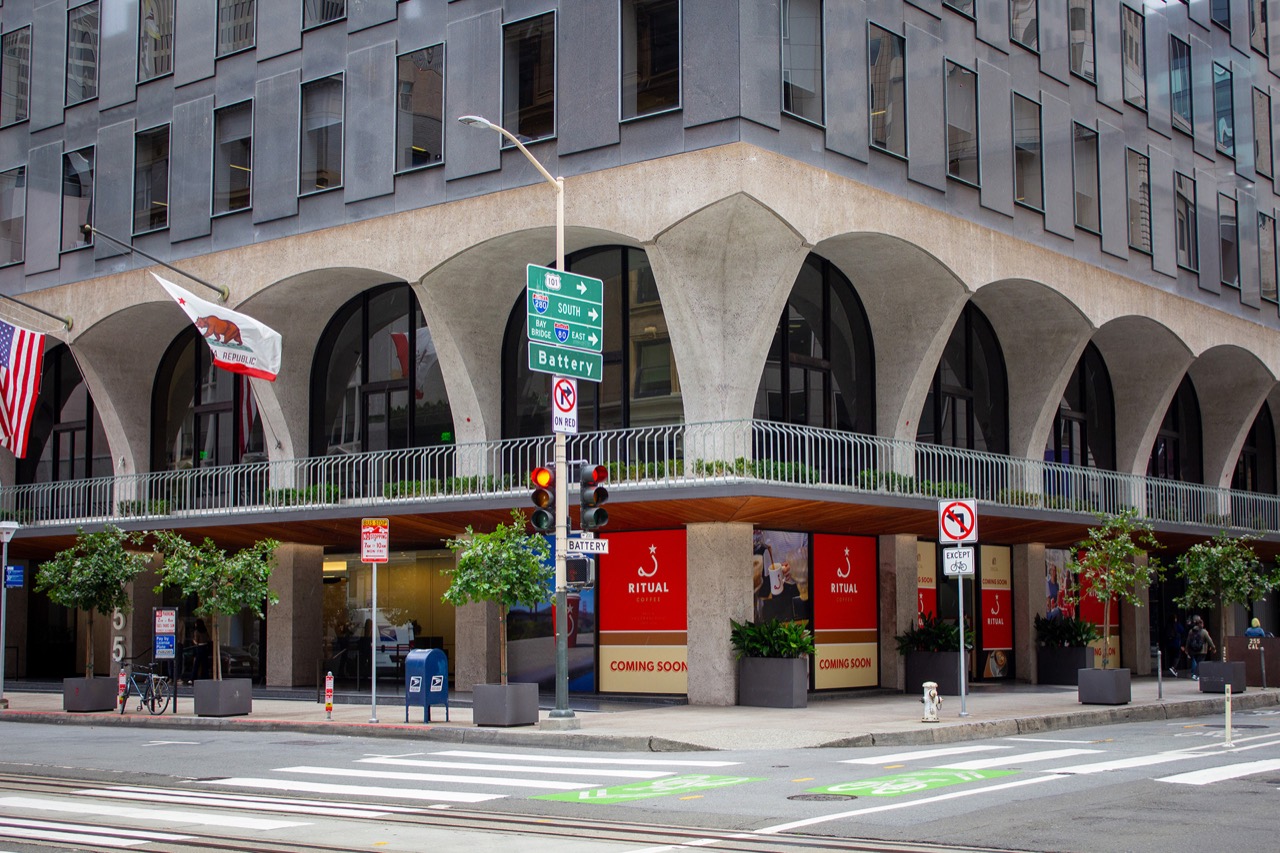
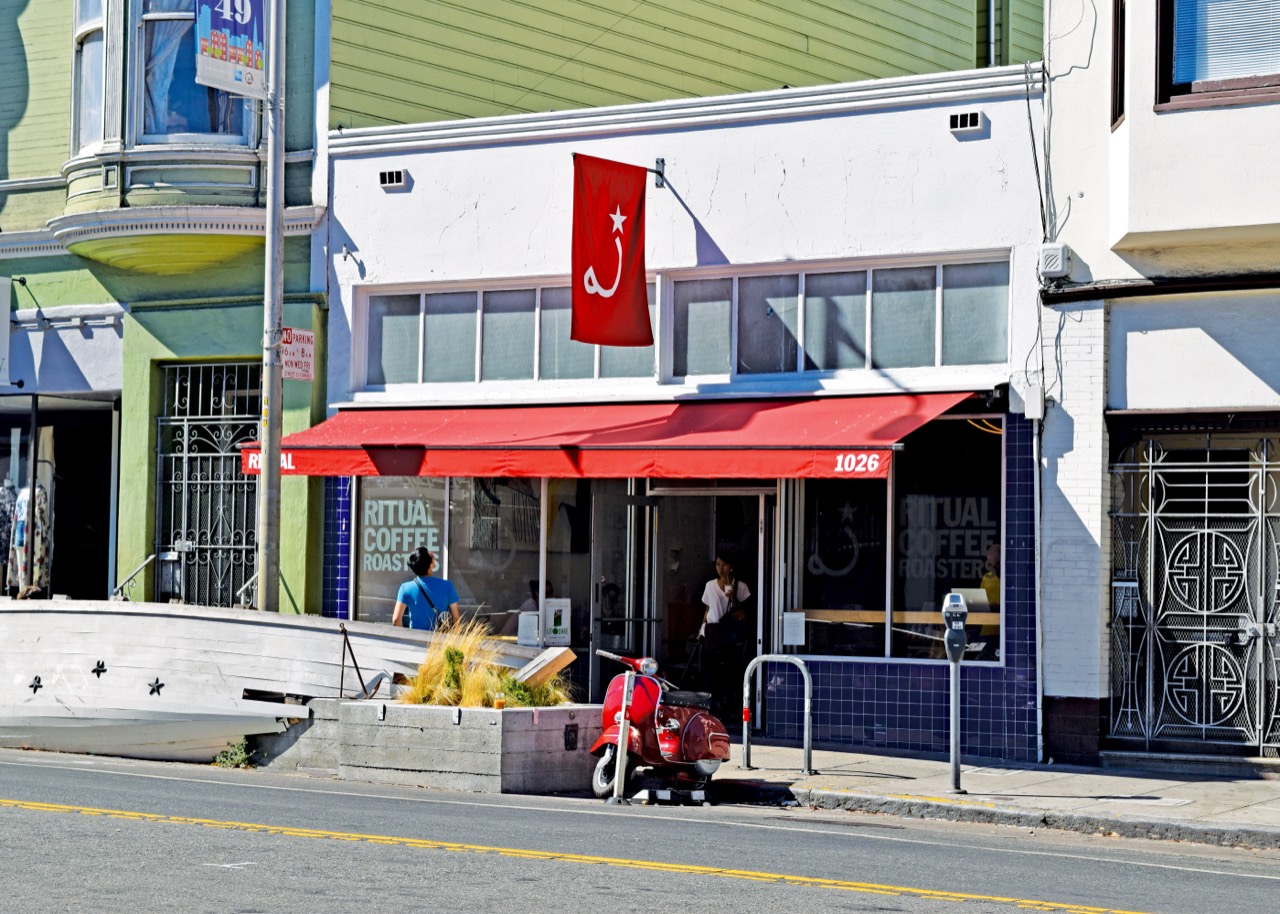
2.In 2003 the corner belonged to Torrefazione Italia, an Italian-style cafe out of Seattle. It was the chain's first San Francisco shop and its busiest. The manager was Eileen Rinaldi. Starbucks bought the company that same year; Rinaldi left and opened Ritual on Valencia Street in 2005. The corner got a Starbucks sign and kept it for 20 years. In a company post, Rinaldi wrote that not even her wildest, most ambitious dreams had her taking the space back.
3.The building is a mid-rise office block wrapped in concrete arches at street level, and the cafe takes the glass at its corner. The architect is Seth Boor of Boor Projects, who worked with Ritual once before, in 2007. Rinaldi gave him three references: the stand-up coffee bars of Italy, the seafood house across the street, Tadich Grill, open since 1849, and Edward Hopper's Nighthawks, the painting of a lit counter seen through a corner window.
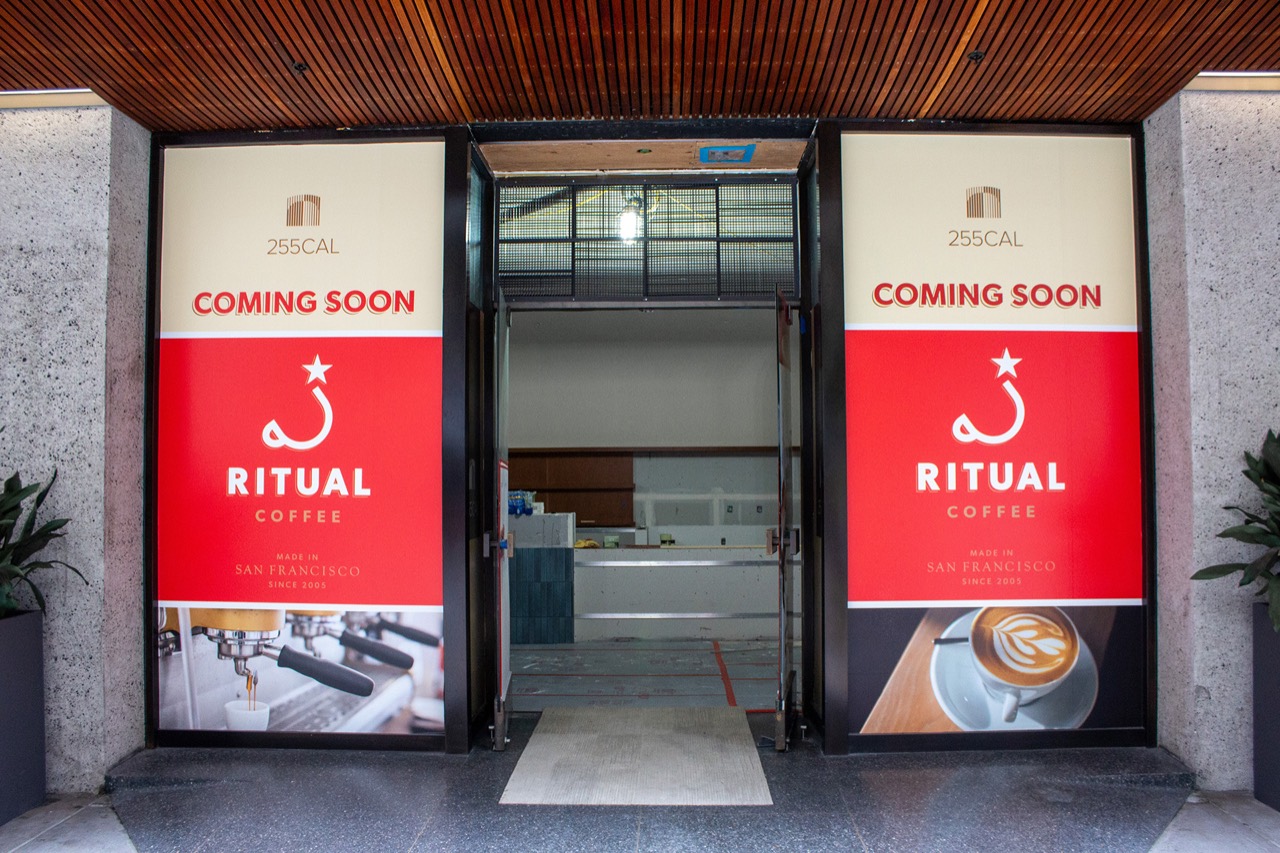
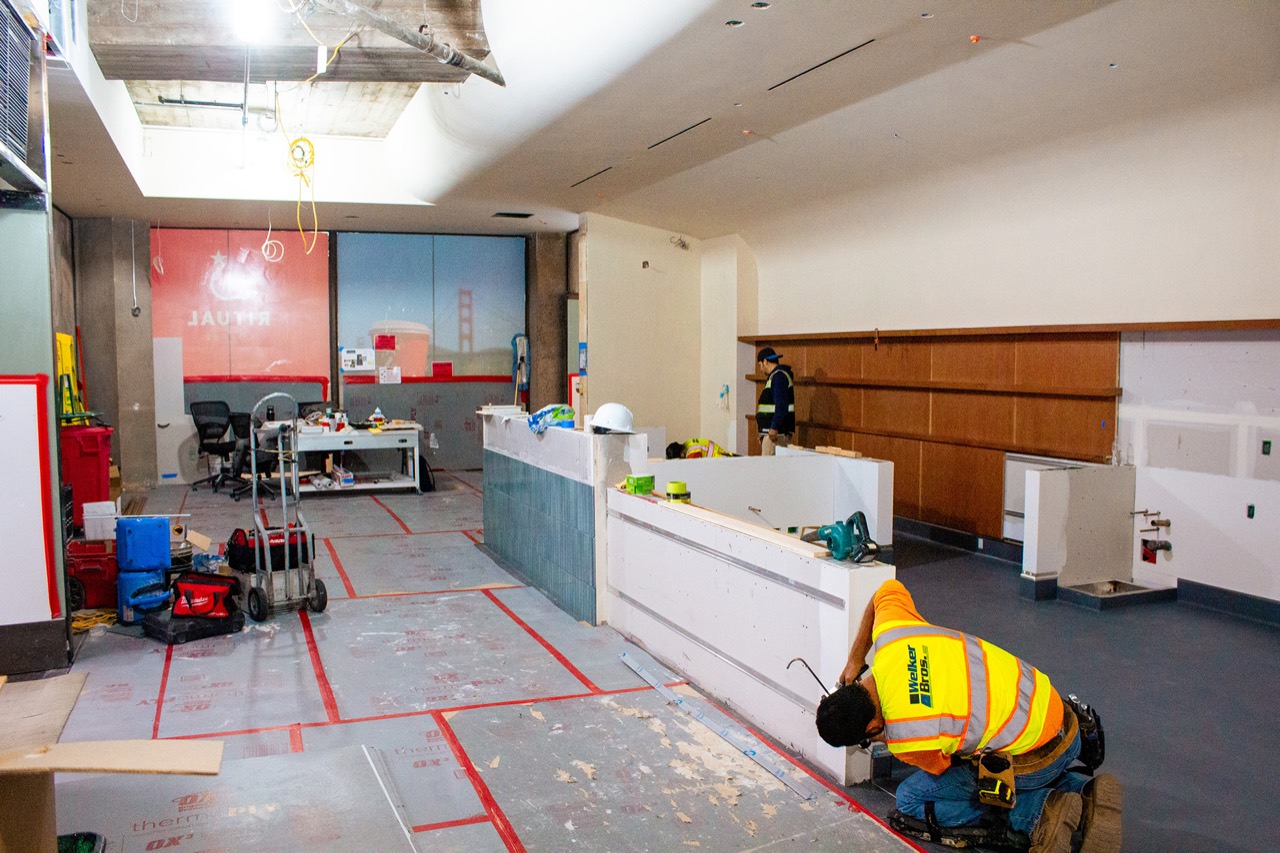
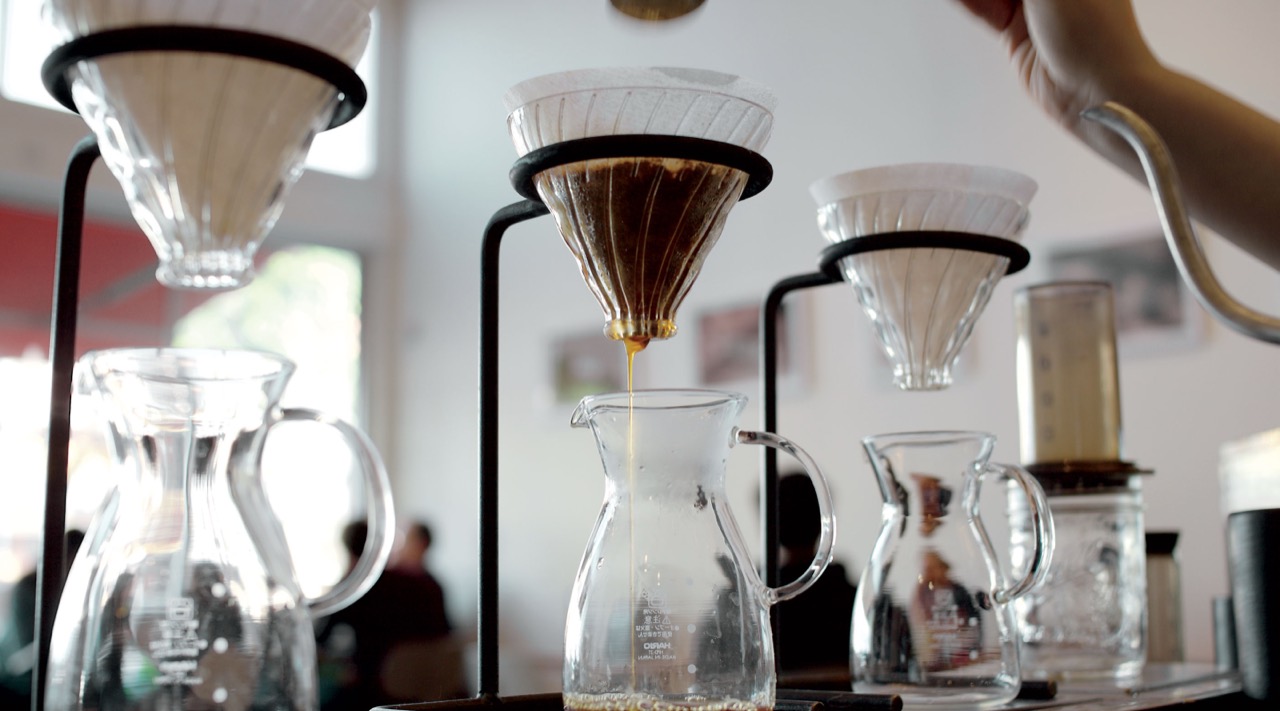
4.A La Marzocco espresso machine anchors the bar, with a pour-over line of V60 and Kalita Wave brewers beside it. There is also coffee for two, a shared pot on the menu. Single origins bought from smallholders and cooperatives are the default, and there is only one espresso blend each season. The walls and bar carry tile from Heath Ceramics, the Sausalito pottery. Rinaldi says she chose only materials that had already survived years in her other cafes.
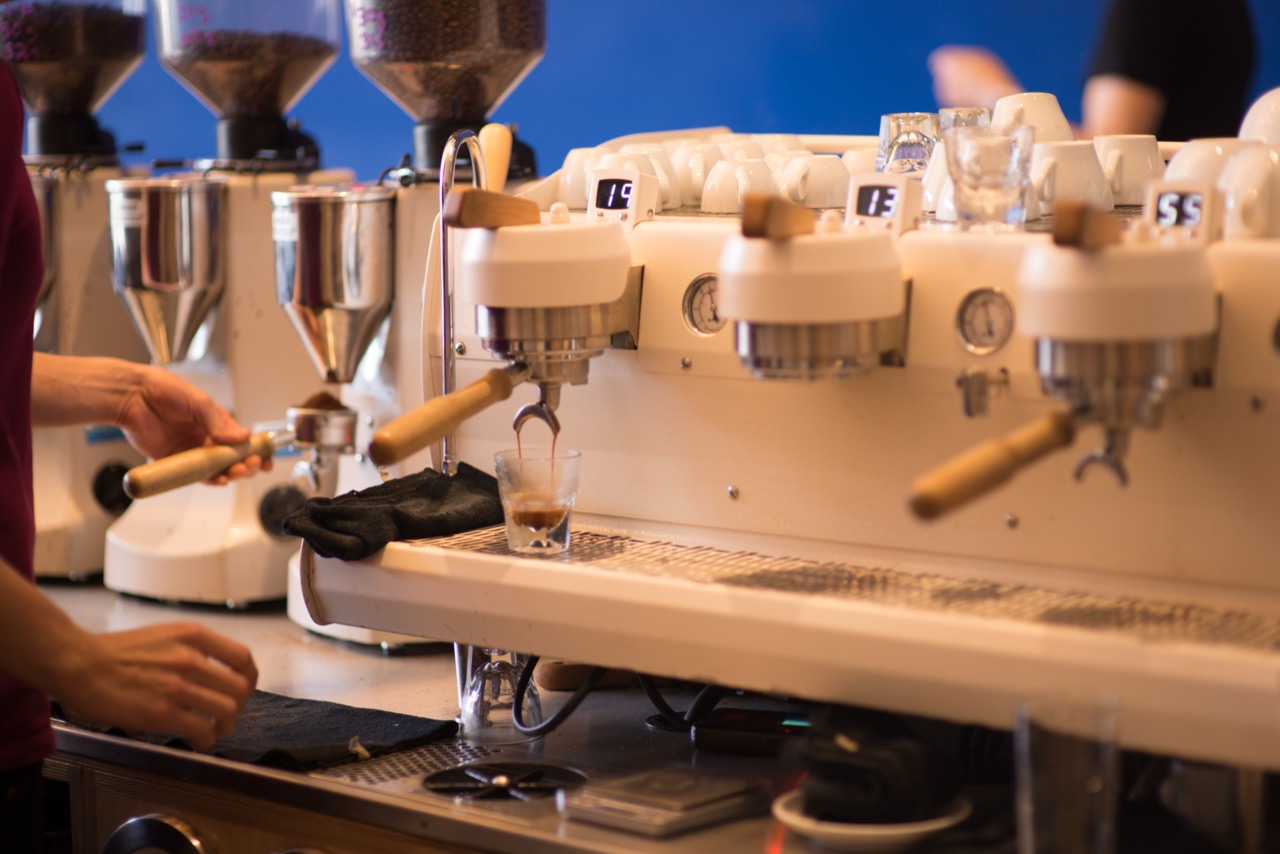
5.Ritual's best-known espresso is Sweet Tooth. It is not a blend but a single farm's coffee pulled as espresso, and the origin changes several times a year. When it came from Guatemala the tasting notes read jasmine, blackberry and milk chocolate; another season they read raisin, pomegranate and peach. Pull coffees like these as espresso and the acidity leads while sweetness holds up the back. The 8 a.m. line in the Financial District will not wait for one cup at a time, though, so the front of the queue goes to batch brew made in advance.
6.The door opened from the Starbucks side. In September 2025 Starbucks announced a $1 billion restructuring and closed about 1% of its company-operated North American stores, dozens of them in the Bay Area alone. More than ten disappeared from San Francisco in three years, and Peet's Coffee closed several in January 2026. Local roasters are moving into what the chains left. Andytown Coffee Roasters, which started in the Sunset, also took over a former Starbucks on Kearny Street.
7.A few years ago a corner like this was out of reach for a local roaster. Chains held Financial District corners on long leases, and landlords usually want a tenant backed by a corporate guarantee. Offices emptied after the pandemic and the math changed. Rinaldi says that with big chains like Starbucks and Walgreens pulling out, companies born in this city finally get a foothold. She calls the shift in downtown's mood palpable.
8.What Ritual built over 20 years is a neighborhood. Rinaldi heads the Valencia Corridor merchants' association, and pastries come from shops within walking distance of the first cafe. Local artists' work goes on the packaging and on the walls of the airport cafe. A brand that made its name as a neighborhood cafe in the Mission and Hayes Valley is now stepping onto a downtown commuter corner.
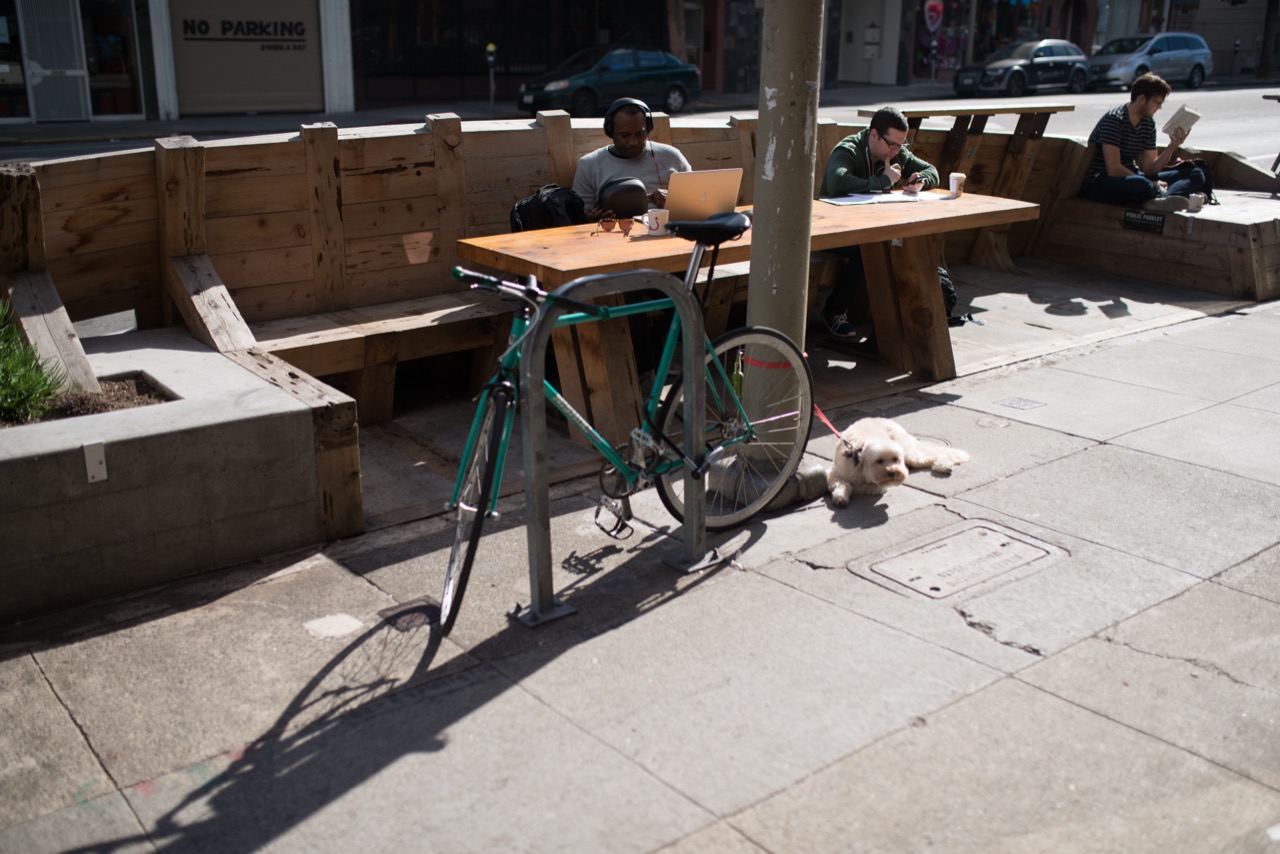
9.At the first cafe a pour-over costs $7 and a signature drink $7.50. Mix in lattes and drip and call the average cup $6.50, about KRW 9,000. Sell 450 cups a weekday and 150 on weekends and a month comes to roughly $72,000, around KRW 100 million. That is an estimate. Of it, 89% comes from 22 weekdays. A Financial District cafe's sales sheet has the same shape as an office attendance sheet.
10.The rent is not public. Put Financial District ground-floor retail at $60 per square foot a year and 1,800 square feet costs $9,000 a month, 13% of those sales. Also an estimate. People weigh more. San Francisco's minimum wage has been $19.61 an hour since July 2026. Add the city's mandatory employee health spending, payroll taxes and what a skilled barista actually earns, and the employer's cost lands around $30 an hour. Run 40 labor hours a day and staffing alone passes $30,000 a month.
11.The offices upstairs set the weekday cup count. By Cushman & Wakefield's count, AI companies leased just over 2.9 million square feet of new office space in San Francisco in the first half of 2026. That beat the 2.1 million they took in all of 2025, in six months. Over the same stretch AI firms accounted for 47% of new leasing.
12.Cafe sales alone make a tight budget, so beans fill the gap. Ritual roasts its own on Howard Street in SoMa and ships to its cafes, wholesale accounts and online buyers, and it makes canned coffee too. The airport cafe opened only after Ritual had tested that market through wholesale. The Financial District shop is also a shop window that puts those beans in front of commuters. When someone who grabbed a cup on the way to work buys a bag on the weekend, bean sales take a little weight off the weekday skew.
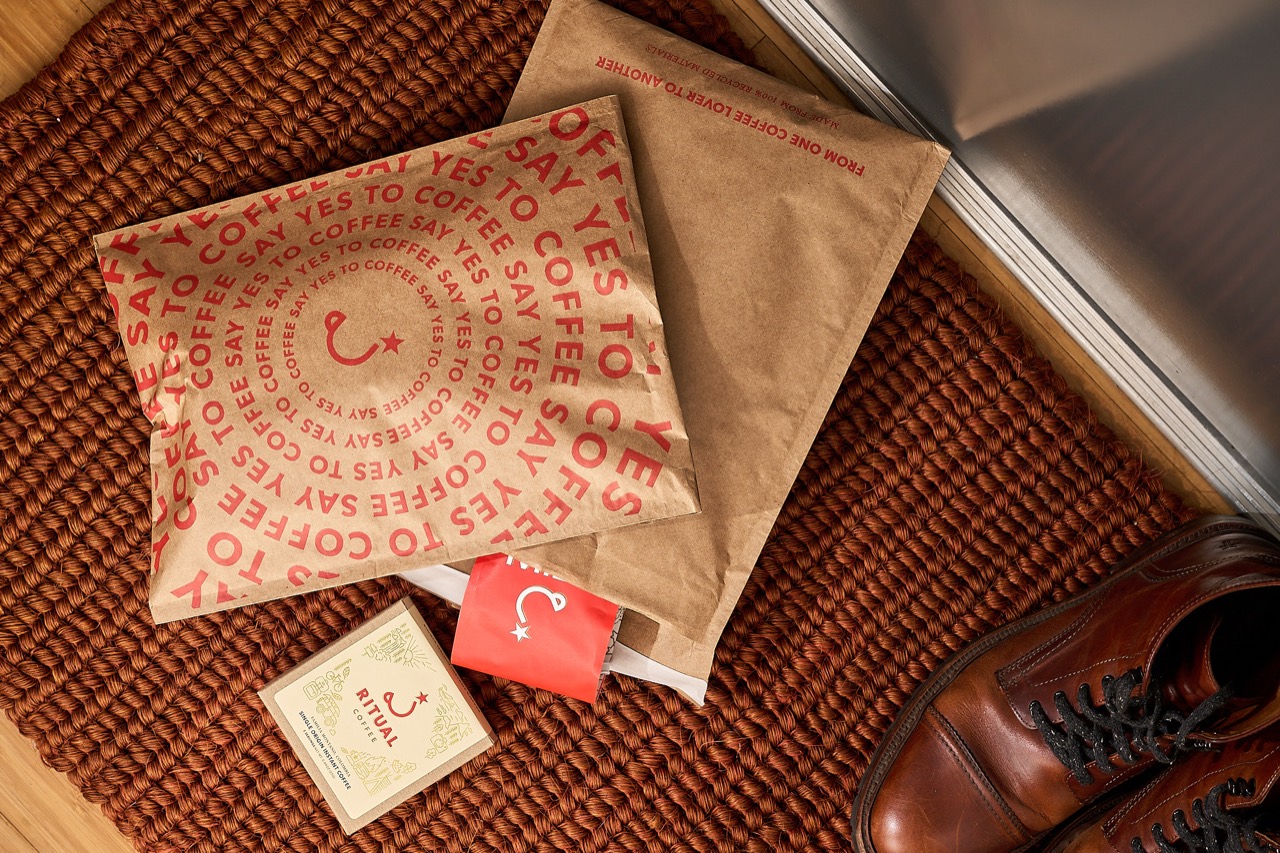
13.San Francisco's third-wave coffee of the 2000s started from wanting to do things differently from Starbucks. Ritual, Blue Bottle and Four Barrel were that crowd. They sold beans by origin and farm and let customers watch baristas make each cup. Twenty years later those shops are taking over downtown corners that Starbucks has left, one by one. For Ritual, this one is also the exact spot its founder walked out of after the chain bought it.
14.Ritual has not only grown. It had six cafes in 2019, then closed its Haight Street shop in March 2025 after nine years; today there are four, on Valencia, in Hayes Valley, in Napa and at SFO. This corner makes five. A company that closed a neighborhood cafe is taking a downtown space a chain gave up. Starbucks's closures were a head-office call made with every North American store on one spreadsheet. A company running five cafes in one city reads the same corner off a different sheet.
15.That sheet has columns Starbucks cannot use: a price that puts a $7 pour-over on 1,800 square feet, a neighborhood name built over 20 years, and the margin on beans from its own roastery. What it lacks is a corporate guarantee and thousands of stores to spread costs across. If the offices empty out again, who lasts longer? On that count the chain wins.
16.Local roasters are taking over what Starbucks left in downtown San Francisco, and in October Ritual opens the 167㎡ corner where its founder worked 23 years ago. By our estimate 89% of that shop's money will come on weekdays. A ground-floor cafe in a Korean office district holds the same sheet. In places like Yeouido or Gwanghwamun, where weekends go quiet, five days of sales pay seven days of rent. Staff hired for the weekday lunch peak also earn a paid weekly rest day under Korean law, so weekday cups have to cover the cost of the day off too.