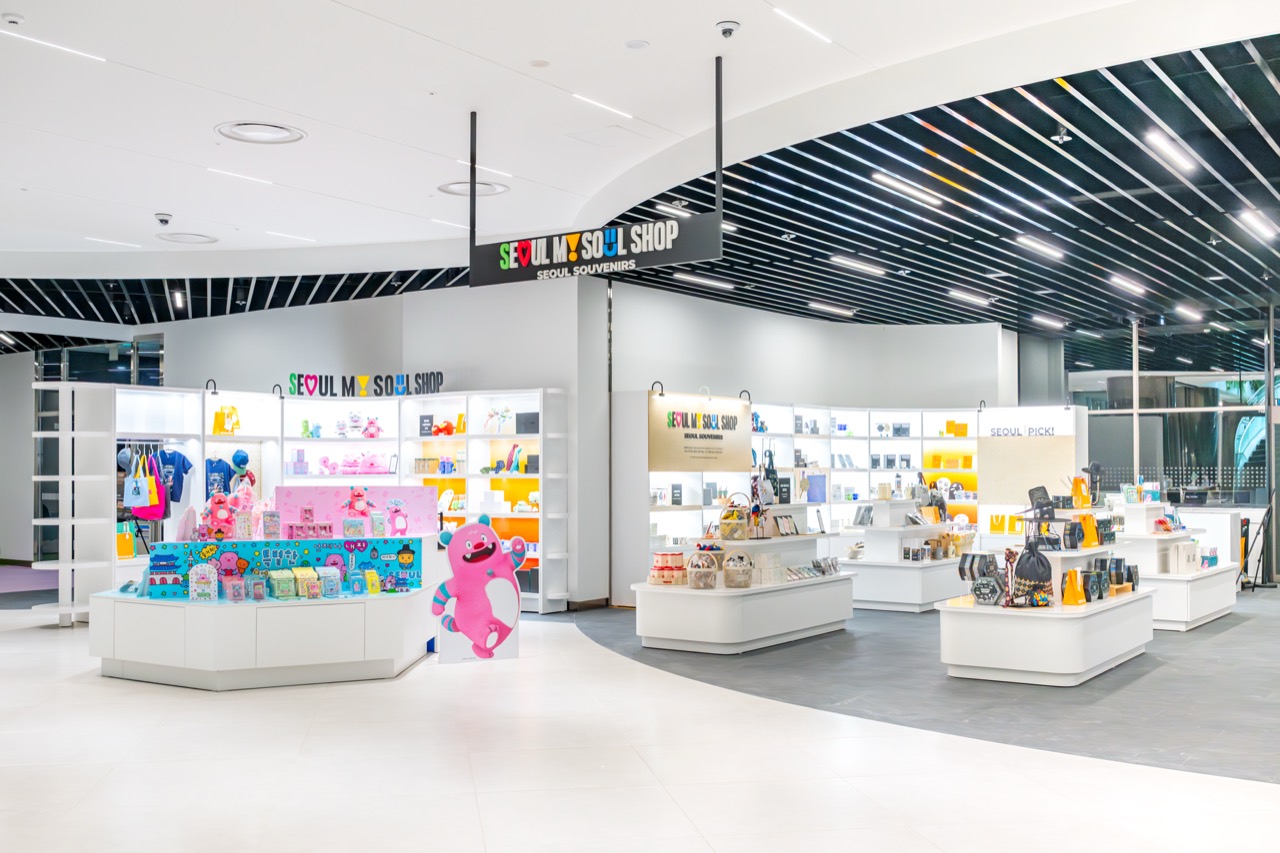
Seventy-four official Seoul souvenirs go on display under COEX Mall starting today, for two weeks. The best seller is a 3,000-won sticker pack. The one that traveled farthest is a 63,000-won cap. Why a city runs a souvenir shop is a question the sales ledger does not answer.
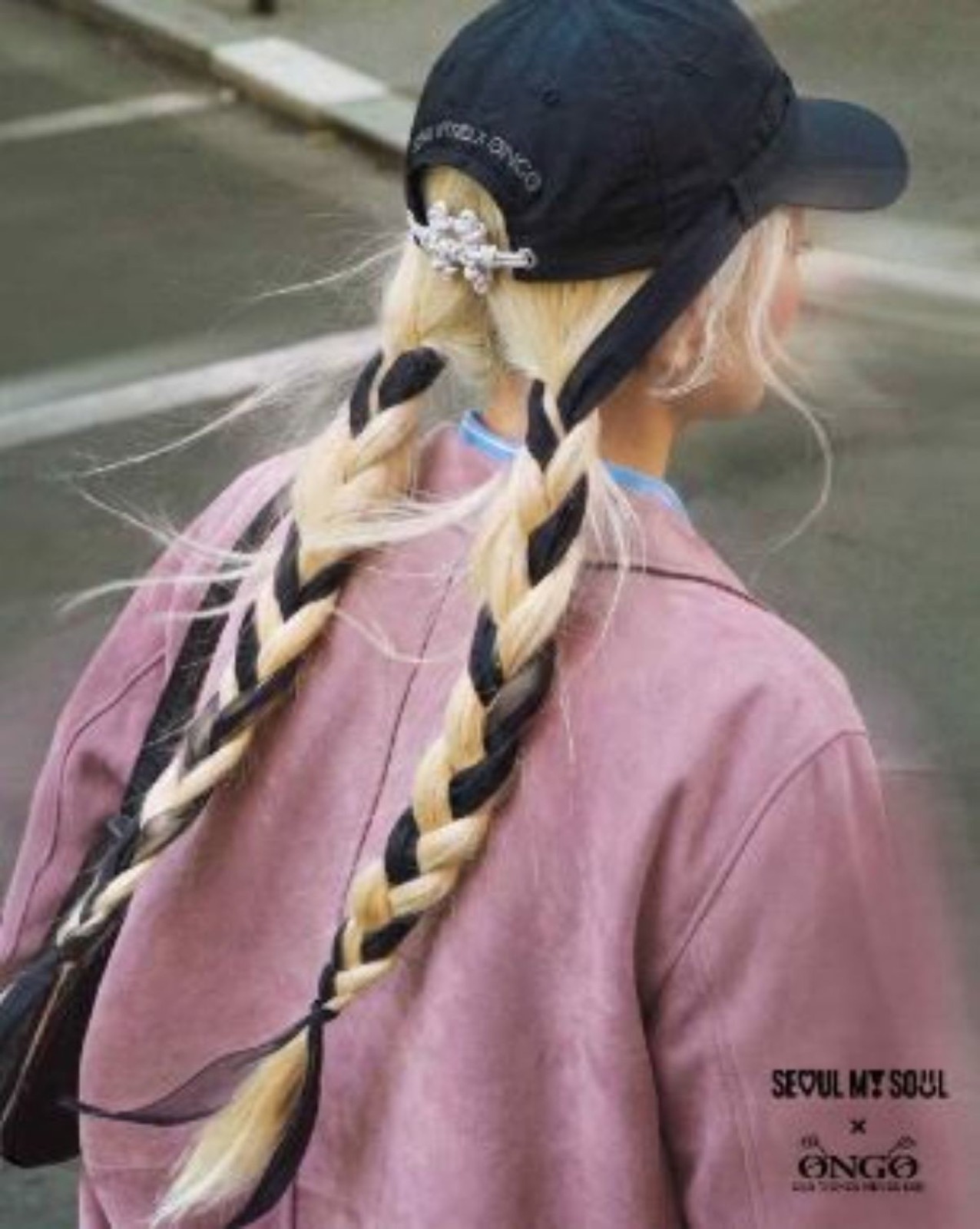
1.Early this month, Seoul released a cap. It is a belt cap made by the city brand SEOUL MY SOUL with ONGO, a fashion label built on traditional Korean knots, and it costs 63,000 won. Four days later a Japanese user posted a photo of the back of their head wearing it on X, and that single post reached 2.7 million views. Seoul says it spent nothing on advertising.
2.Collaboration goods from ONGO, the label behind that cap, reach the shelves at COEX Mall today too. The Seoul Tourism Organization's "Light Up Your SEOUL" pop-up runs at Live Plaza on B1 of Starfield COEX Mall until October 7. No ticket, no reservation. It opens at noon on Chuseok day only and stays open until 10 p.m. on the other days.
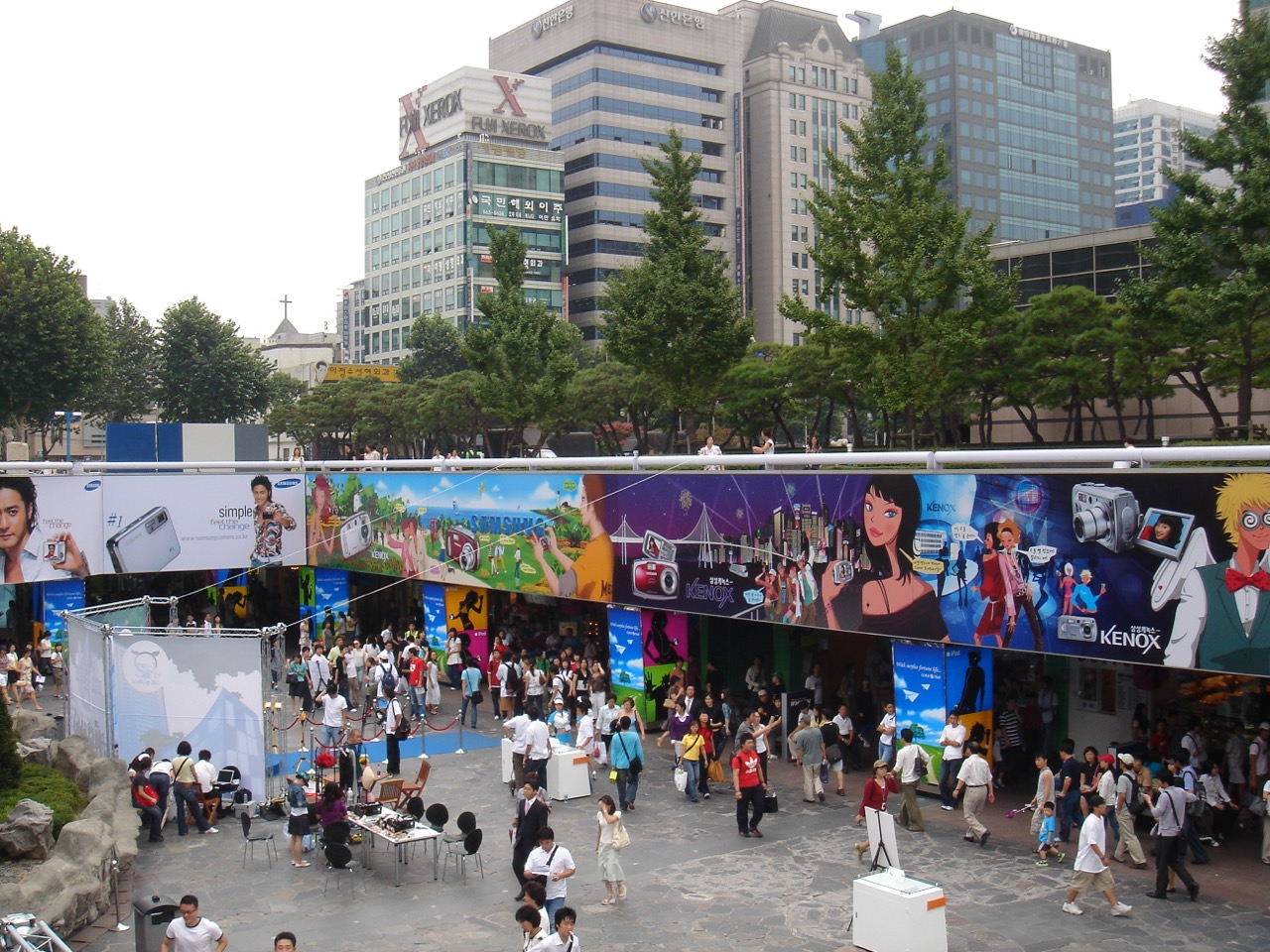
3.The shelves split Seoul's night into four: a night walk, late-night food, rest, and time to look back on the day. Collaboration goods from Pulmuone, Amorepacific, Mediheal, Poongsimdang and ONGO fill the gaps and bring the count to 74. Spend over 10,000 won and you get a character balloon; over 20,000 won, a limited tote bag. The plan is to catch Chuseok holiday visitors in the middle of Gangnam.
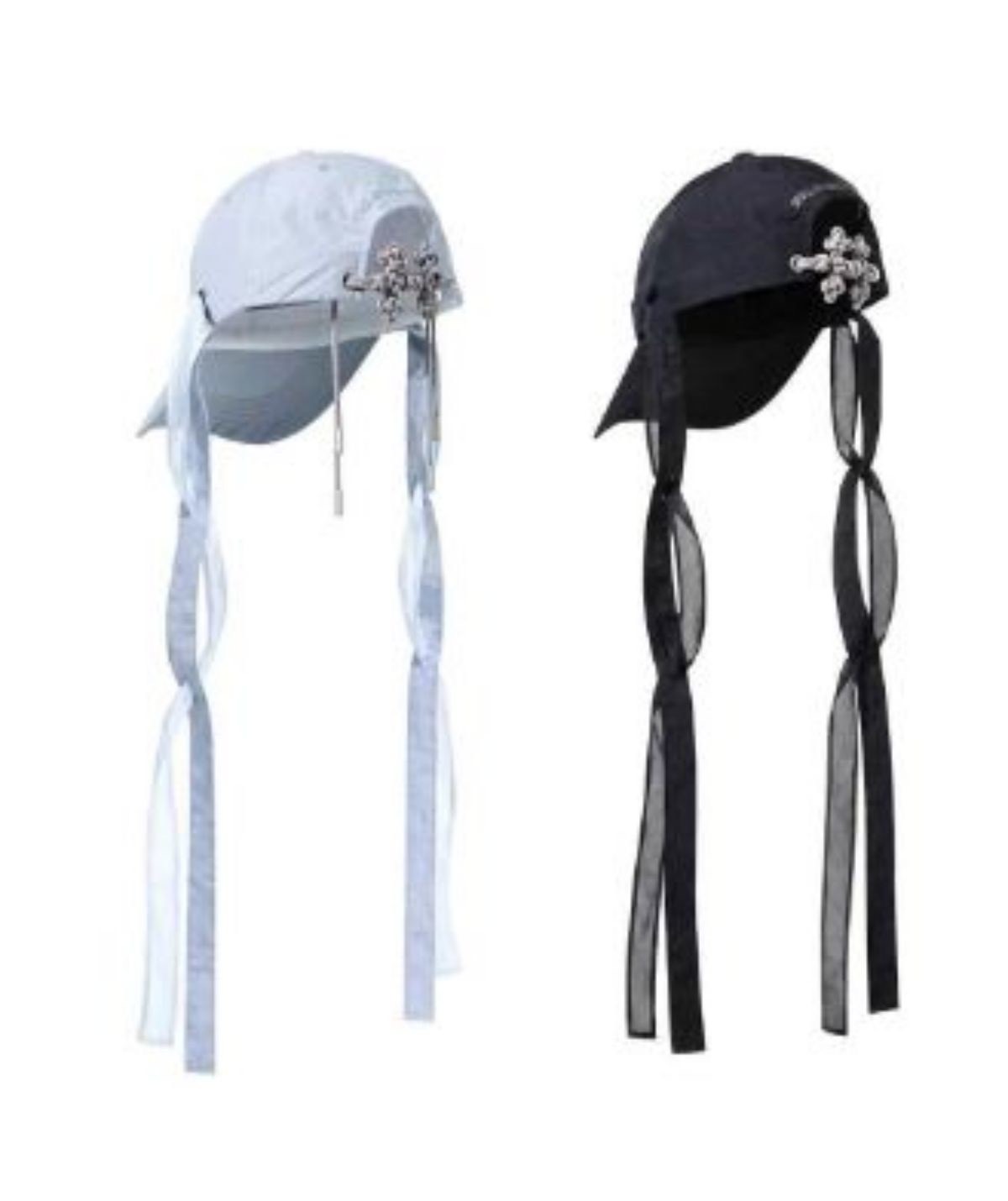
4.From the front, the belt cap is an ordinary baseball cap. The difference is at the back. Where the strap would be sits a silver knot, and from it two long cords, like the ties of a hanbok jacket, fall past the shoulders. Wearers let them hang or braid them into their hair. It comes in pale blue and black, and the words SEOUL MY SOUL appear only as a small embroidery.
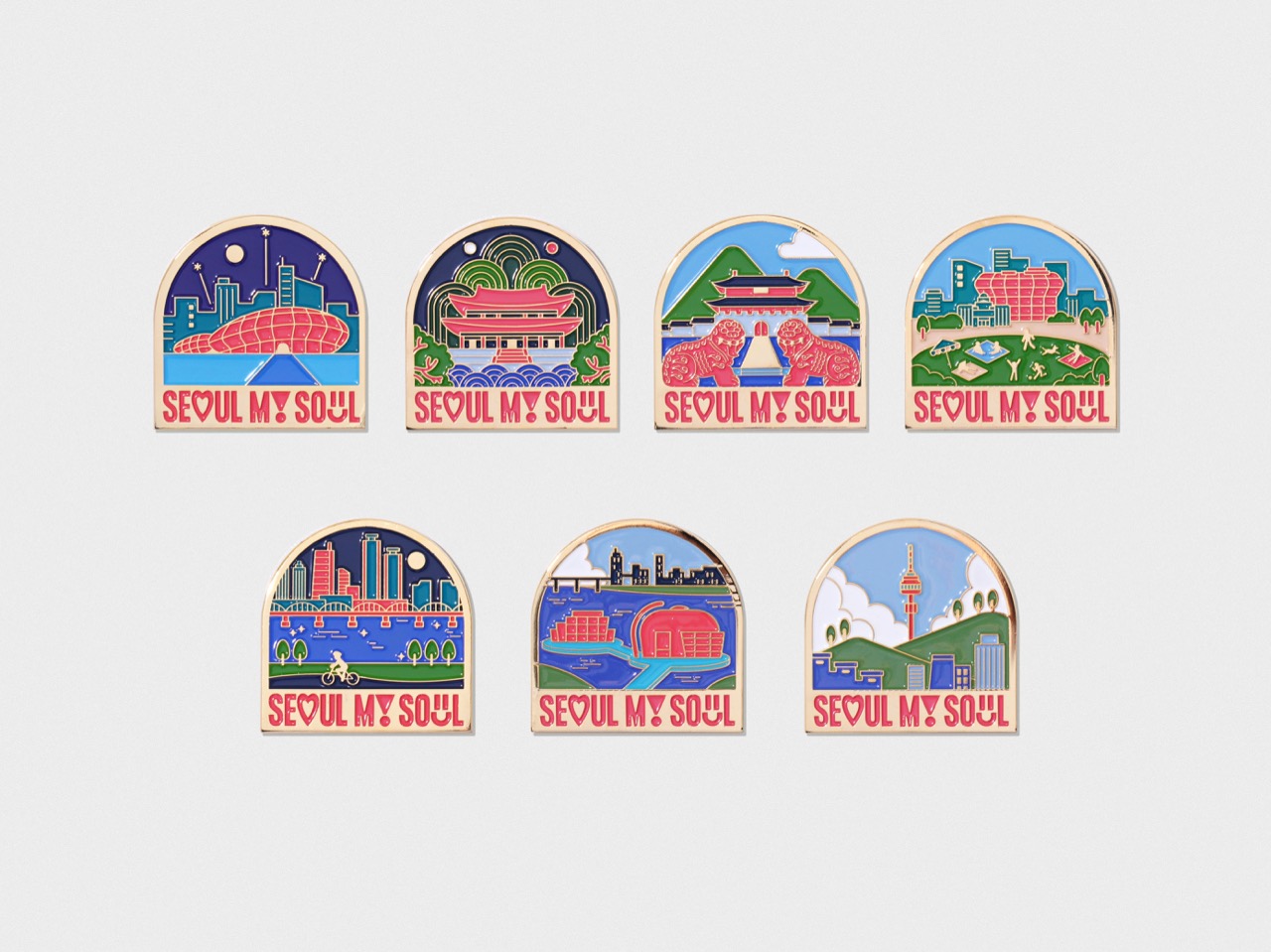
5.According to the city's figures, the volume comes from somewhere else entirely. This year the top seller at the DDP Design Store was the 3,000-won "Seoul Sticker Collection, 50 Types." Second came postcards of the four gates and four palaces, then instant-photo magnets of Namsan and Gwanghwamun. At the SEOUL MY SOUL shops, too, the top of the list belonged to figures, magnets and pens under 10,000 won.
6.Online, the ranking flips. First place went to a 23,500-won Haechi playing card deck, followed by white tiger plush keychains and a wooden block tower. And the expensive items? The 99,000-won durumagi raincoat sold out, and the 59,000-won mother-of-pearl landscape box sells steadily at the Seoul Gallery shop, where many customers are foreign.
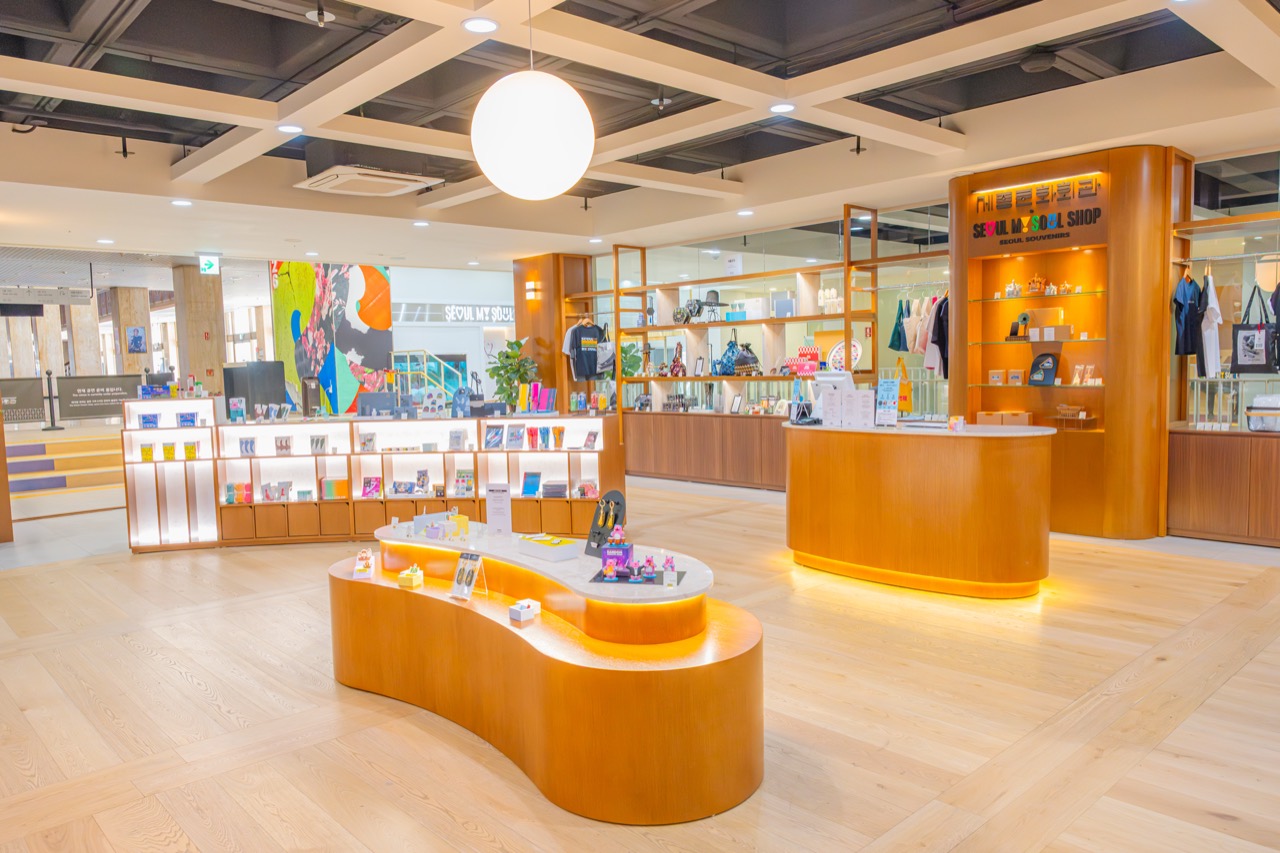
서울굿즈 가격대별 대표 상품
7.The reason the two rankings split is simple. On the trip, people buy a postcard of the Gwanghwamun they just walked out of; back home, they order the character they grew fond of. One is proof of having been there, the other a way to remember it, so the same person buys them on different days. In the city's data, the core buyers on both channels are in their 20s and 30s.
8.The belt cap spread for the opposite reason. City souvenirs usually print the city's name big. This cap shrinks the name and hangs a knot off the back of the head. The buyer is not wearing a cap that says they went to Seoul, but a shape that could only come from Korea. What mattered was that the shape sits right where a photo of someone's back catches it. A 3,000-won sticker goes into a drawer; a cap goes into the picture.
9.That is also how 2.7 million views came free. The post drew 32,000 likes and 9,300 bookmarks, and a bookmark is a save made to look at something again. What would the same exposure have cost as advertising? Yet the person who posted it was a traveler with no contract with Seoul at all.
10.Seoul does not disclose goods revenue. What it does disclose is units. In the year after the first SEOUL MY SOUL shop opened on the ground floor of Seoul Tourism Plaza, 180,000 people visited the shops and about 50,000 items were sold. One item for every 3.6 visitors.
서울마이소울샵 첫 1년 매출 추정
11.At an average of 10,000 to 15,000 won per item, first-year shop revenue comes to between 500 million and 750 million won (estimate). A private gift shop could not carry rent and staff for six downtown stores on that. But the shops sit in Seoul Tourism Plaza, the Myeongdong Tourist Information Center, the Sejong Center and Seoul City Hall, all public buildings. The business was never designed as retail in the first place.
12.The bigger money moves through collaborations. Seoul Ramyeon has been exported to 19 countries and sold more than 1.66 million packs, and Seoul Bread passed 40,000 units in its first month. Neither went out through city shops; both rode the food companies' own distribution.
13.This year's first open call for shop products drew 119 entries, and 20 were chosen. The city does not buy designs; it lends its name and its shelves. Private brands make the goods and carry the inventory, and the city's share is running the shops and managing the brand.
14.Seoul names its target openly: New York's I♥NY. Graphic designer Milton Glaser drew the logo for free for a New York State tourism campaign, and the trademark is held by Empire State Development. As reported in 2011, official merchandise bearing it sold about 30 million dollars a year, while the state's licensing income was a little over 1 million dollars.
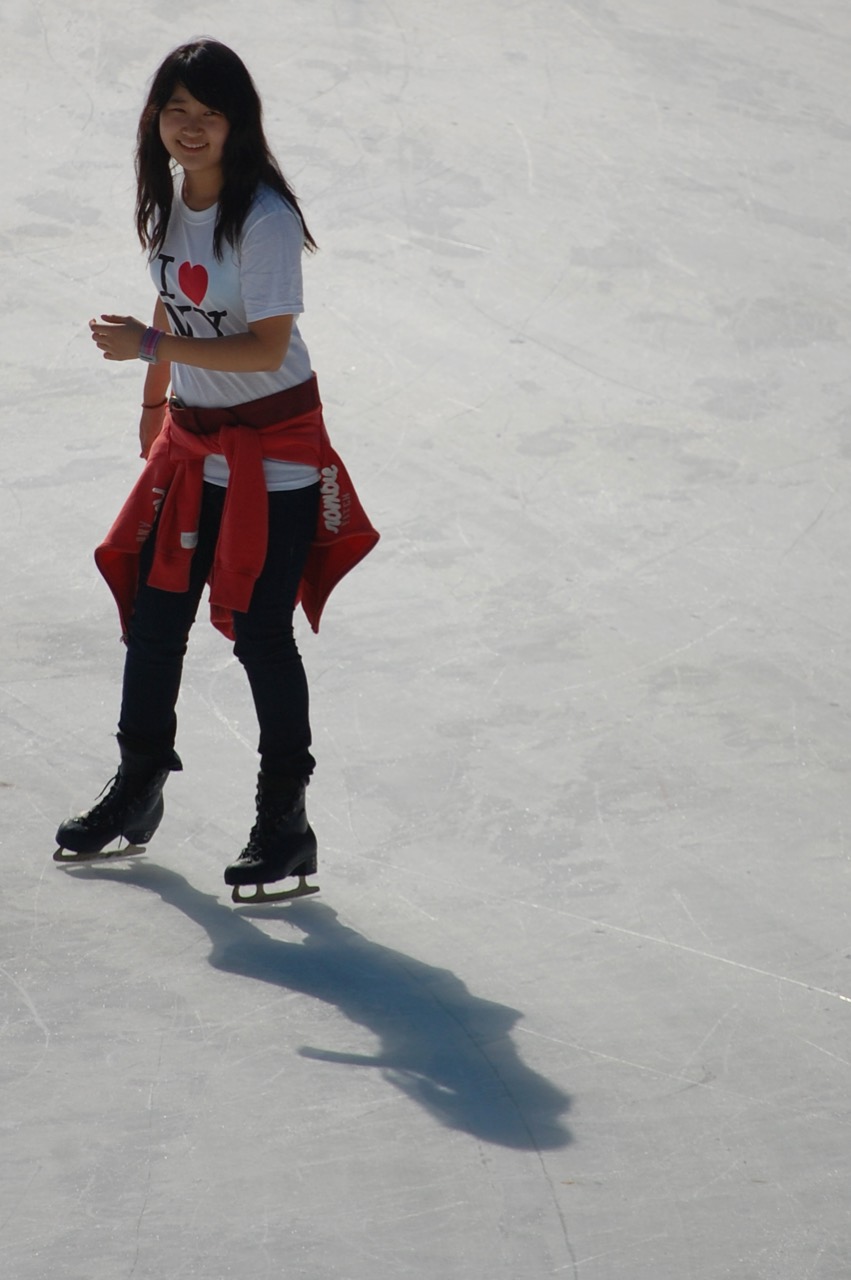
15.New York has run a business that keeps roughly 3% of sales since 1977, nearly 50 years. The logic is that the logo pays off in the tourists it brings, not in licensing fees. Seoul's path is a little different, though. I♥NY was a shirt sold on big letters across the chest; the Seoul cap that went far this time shrank the letters and led with a shape. A city that set out to sell its logo got known through an object that hides it.
16.Seoul's official goods have spread across the basement of COEX Mall for the Chuseok holiday. The sticker pack sells the most, but what carried Seoul's name across the sea was one cap that reached 2.7 million views without a won spent on ads. When a local government or public body makes goods, the first obstacle is not revenue but who decides the design. If the design is not handed to a private brand and the internal push to stamp the logo big wins, nothing that ends up in photos gets made.