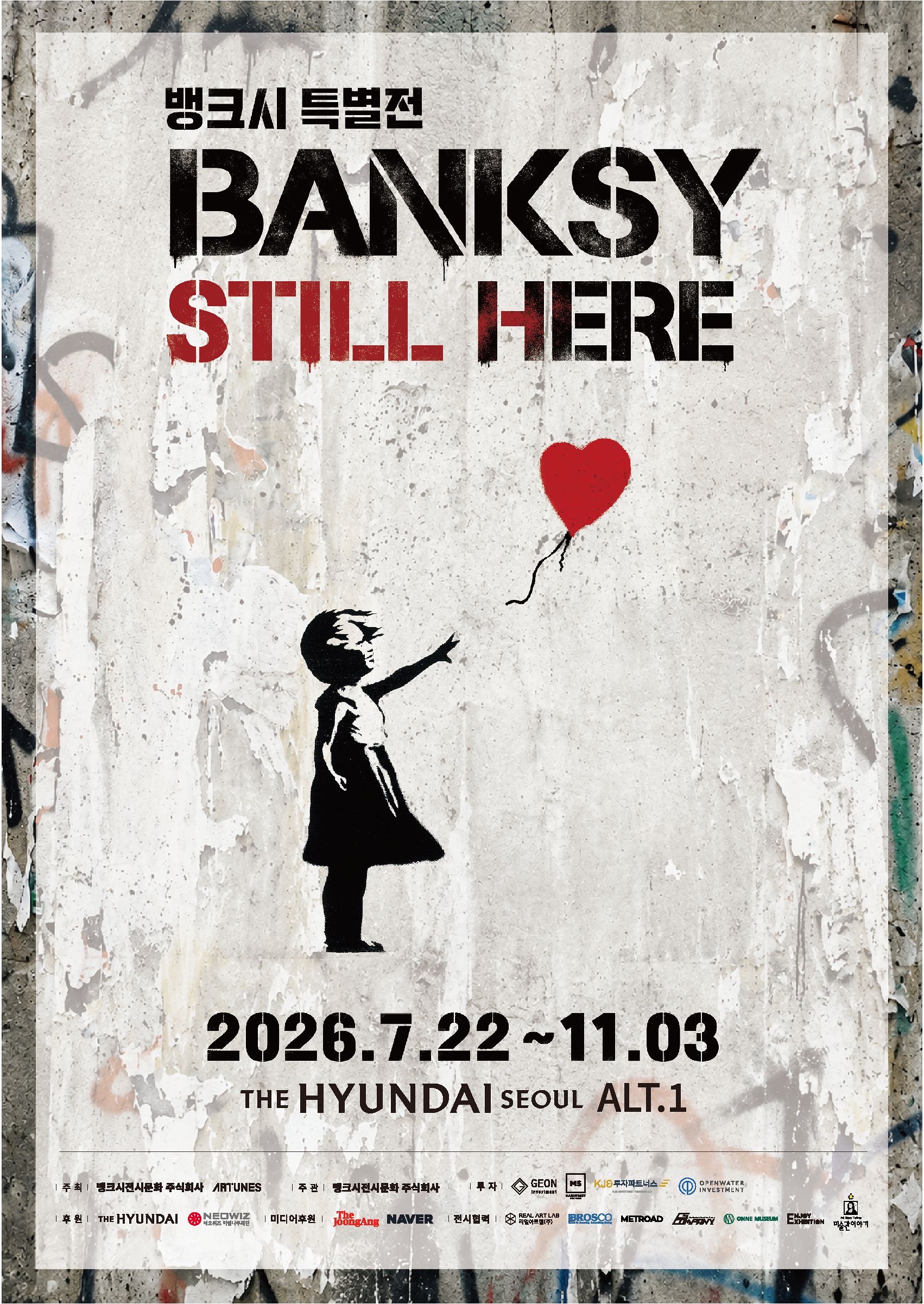
A solo show by a faceless graffiti painter opened yesterday in the basement gallery of The Hyundai Seoul in Yeouido, by a man who has spent his life denying exhibitions under his own name. Thirty thousand tickets sold within a fortnight of booking opening. 23,000 won for an adult. These pictures were originally something you saw on the street for nothing.
1.BANKSY : Still Here. It opened yesterday, July 22, 2026, at ALT.1 on the second basement level of The Hyundai Seoul in Yeouido, and runs more than 100 days through November 3. Hours are 10:30 to 20:00, until 20:30 on Fridays, weekends and holidays.
2.Adults are 23,000 won, students and children 18,000. The organizers said they passed 30,000 tickets within a fortnight of booking opening, so 600 million won went out before the doors opened on day one.
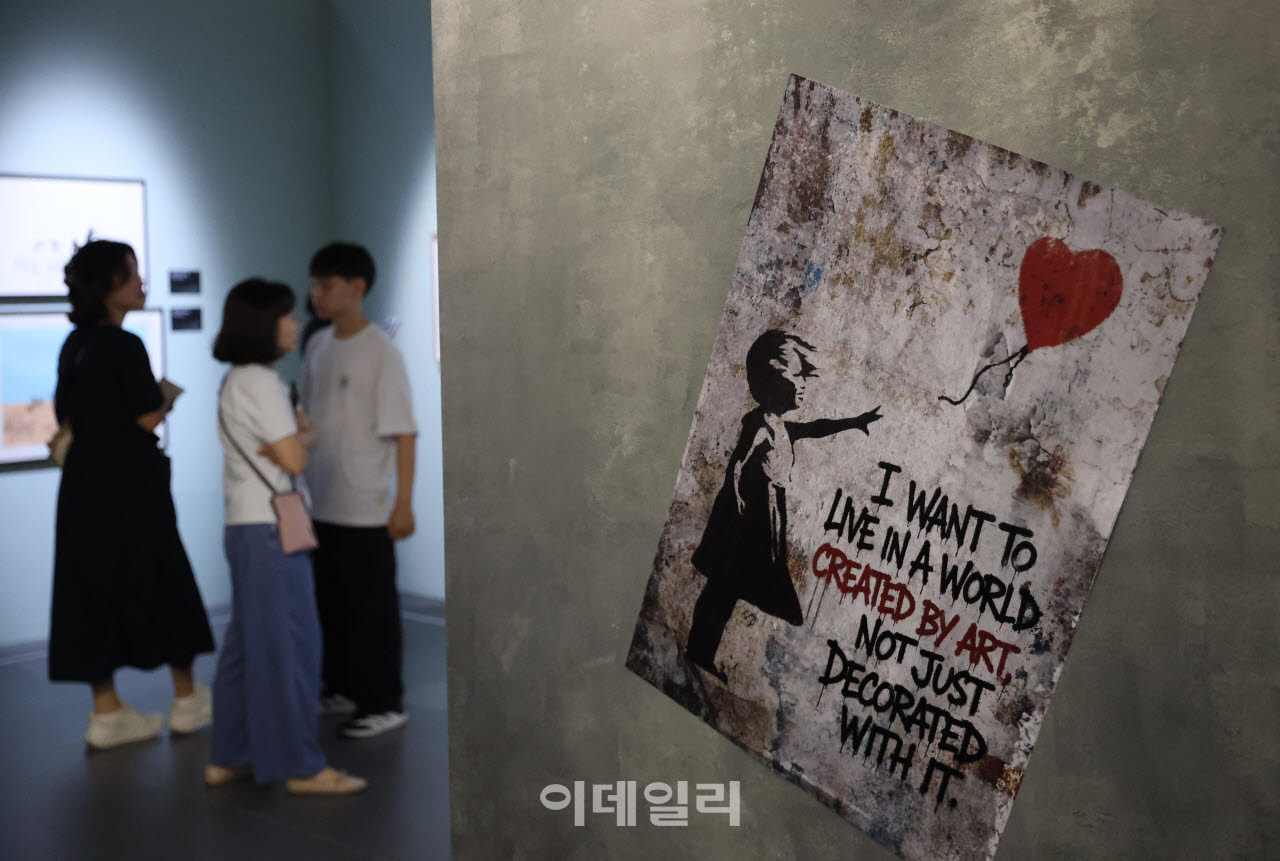
3.The route runs through six rooms. Intro: Mask, then Wall, Laugh Now, Icon, Peace, and Outro: After the Mask. Both the beginning and the end are the mask. You enter through an artist who hides his face and leave through the same.
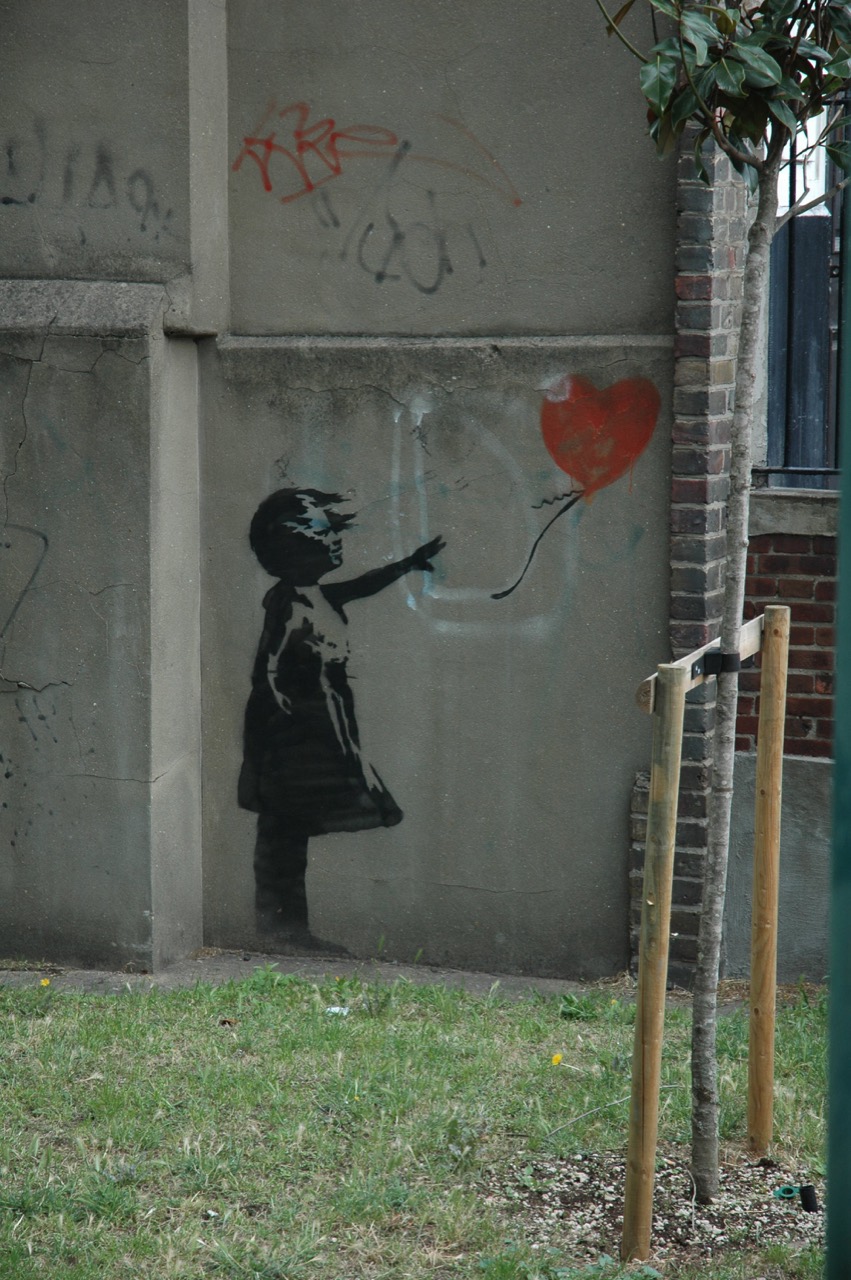
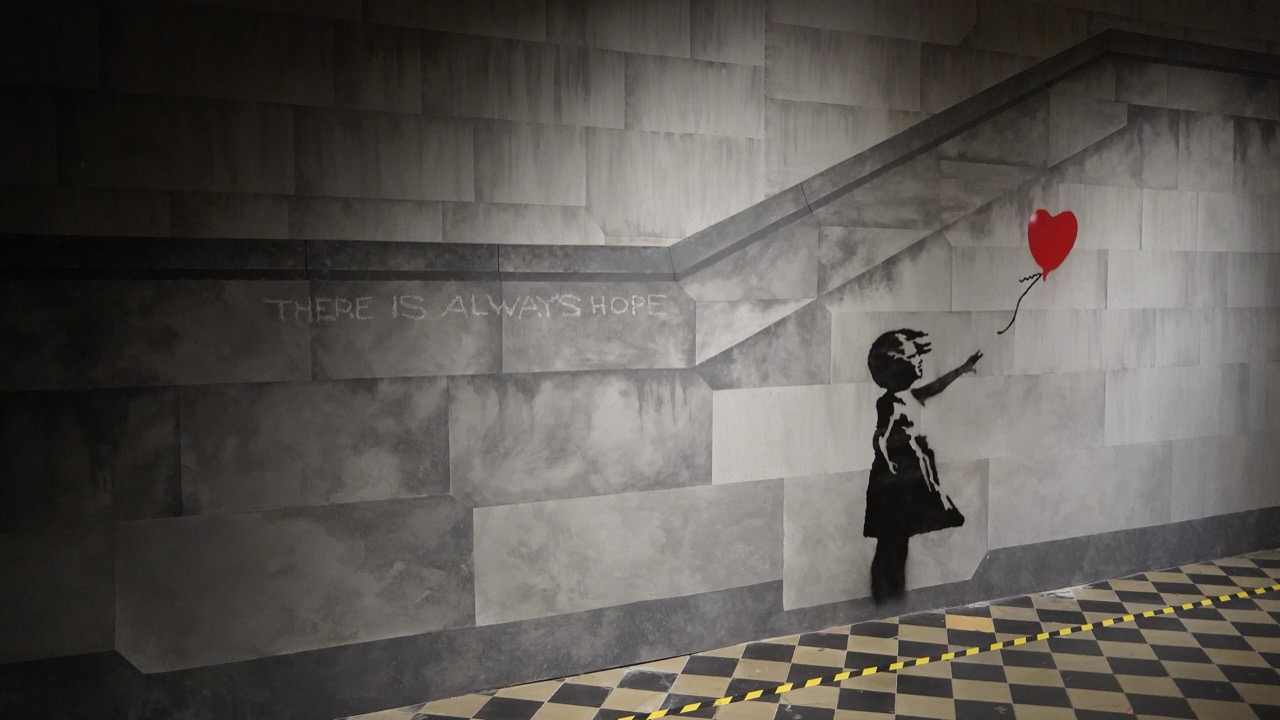
4.The works on the walls are familiar. Girl with Balloon, which shredded itself at auction, Love is in the Air, where a bouquet is thrown instead of a bomb, Flying Copper with its smiley face, and Love Rat. The gallery dropped the white museum wall and put on the rough concrete of the city.
5.The premise is strange from the start. Nobody knows who the subject is. Banksy has kept both face and name hidden for more than 25 years, and although he ranks among the most expensive living artists in the world, his identity remains rumor.
6.Start with what this exhibition actually sells. Not the pictures. The images are everywhere online, and stencil is a technique cut on the assumption of copying in the first place. What sells here is the guarantee that it is real.
7.The phrase the organizers push hardest is certification. They repeat that the works were verified by Pest Control, PCO, the only official authentication body Banksy created, and that they come from the collection of Pictures on Walls, POW, the print workshop he ran himself.
8.Why push real this hard. Because fake Banksy shows are that common. An unauthorized Banksy exhibition in Seoul in 2021 turned out to have only 27 genuine works out of 150 and ended in a refund scandal. The more the market is polluted with fakes, the more the guarantee of authenticity becomes the product.
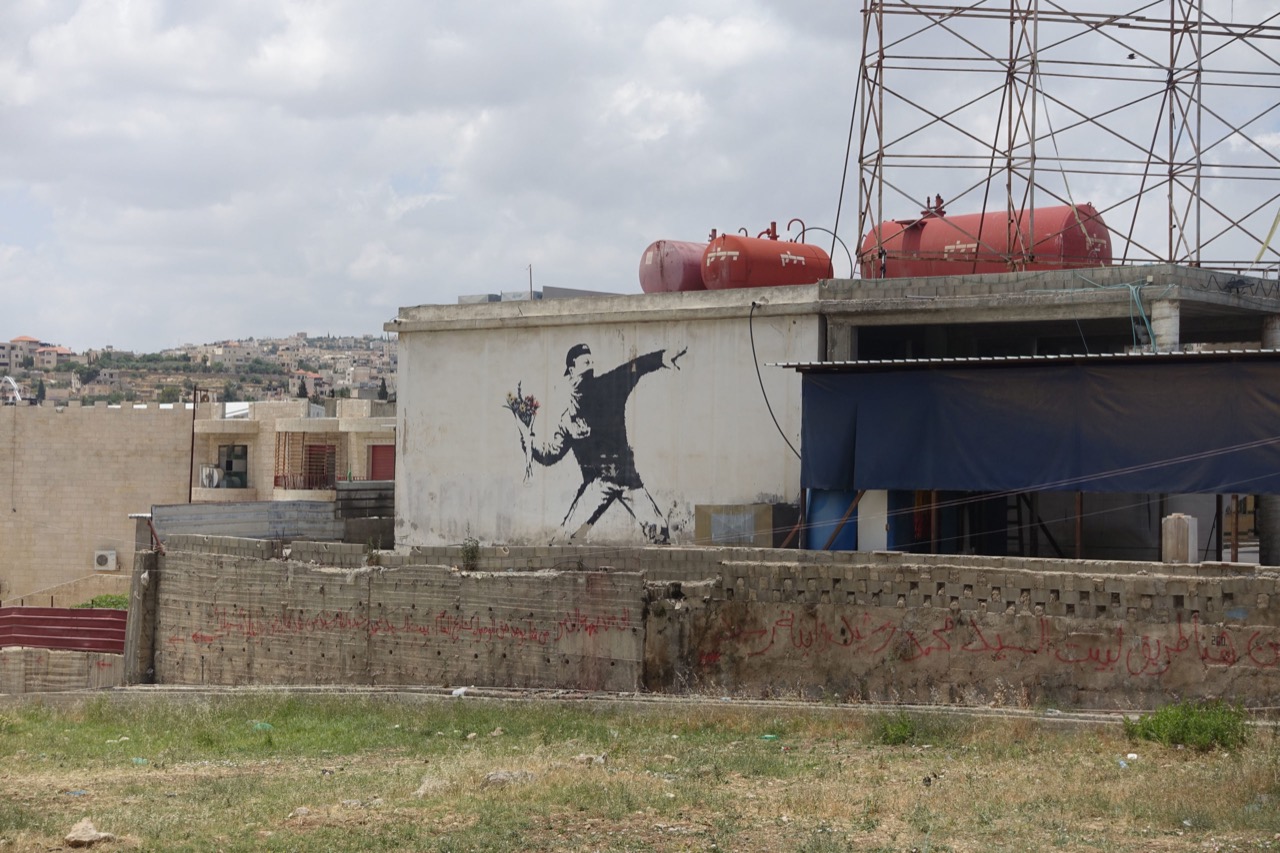
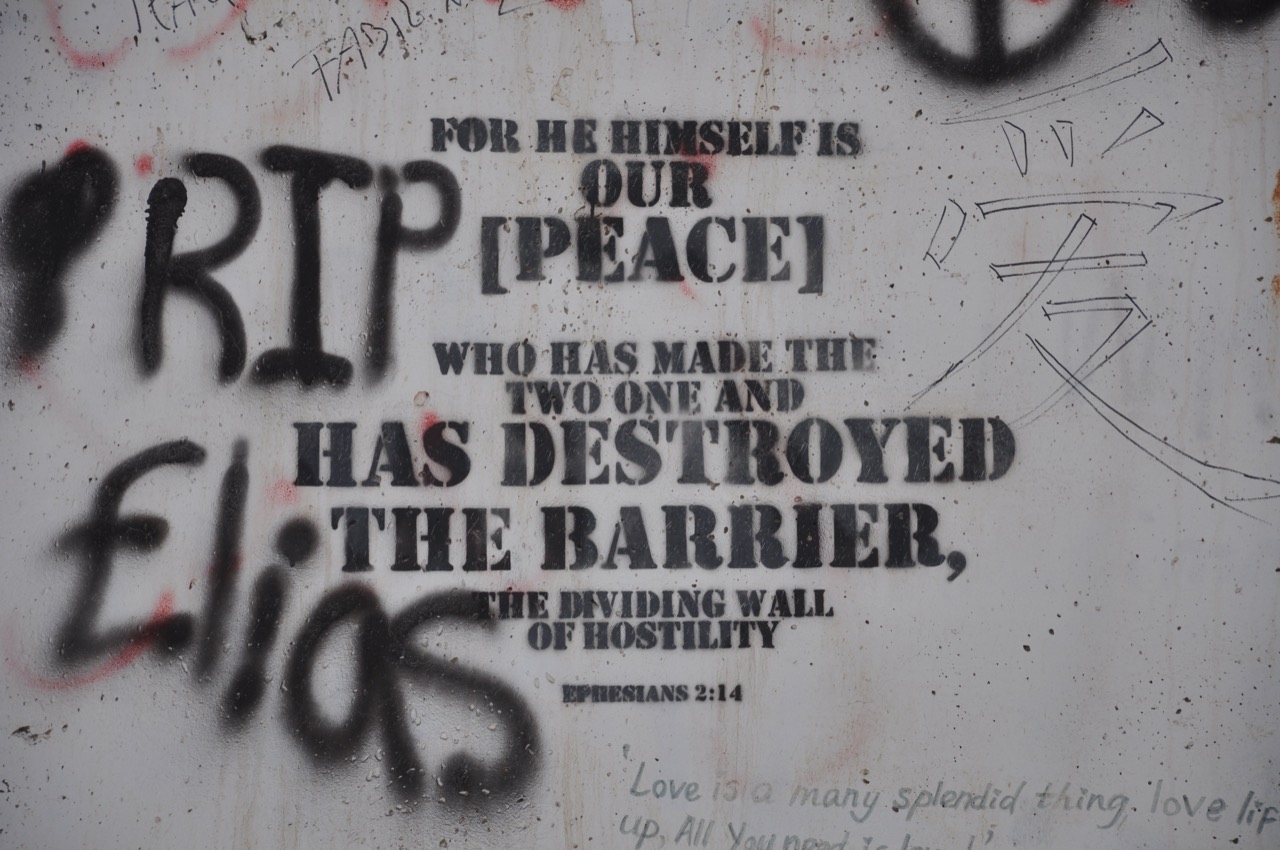
9.The staging was calculated in one direction too. The worth of a Banksy comes less from the picture than from the place it hung. Somebody else's wall, a barrier, under a bridge. That context has to be moved across whole before a framed print turns back into street graffiti.
10.Add the price and the structure comes clear. What you used to see on the street for nothing, you now see with a ticket, in the basement of the most glamorous department store in Korea. Pictures that mocked capitalism went up on the smoothest counter capitalism has, and that worked exactly.
Still Here · 전시 한눈에 보기
11.It is not because the pictures are good. Dozens of good contemporary art shows open in Seoul every week. Why did 30,000 people pay in advance for pictures by a man whose face nobody knows, pictures that can be printed at will.
12.The first answer. Anonymity is itself the product. Everyone sells themselves now, creators put their faces up, chefs come out of the kitchen to greet you, founders give interviews. In the middle of that, a man who has not shown his face for 25 years. Not showing became the strongest exposure available.
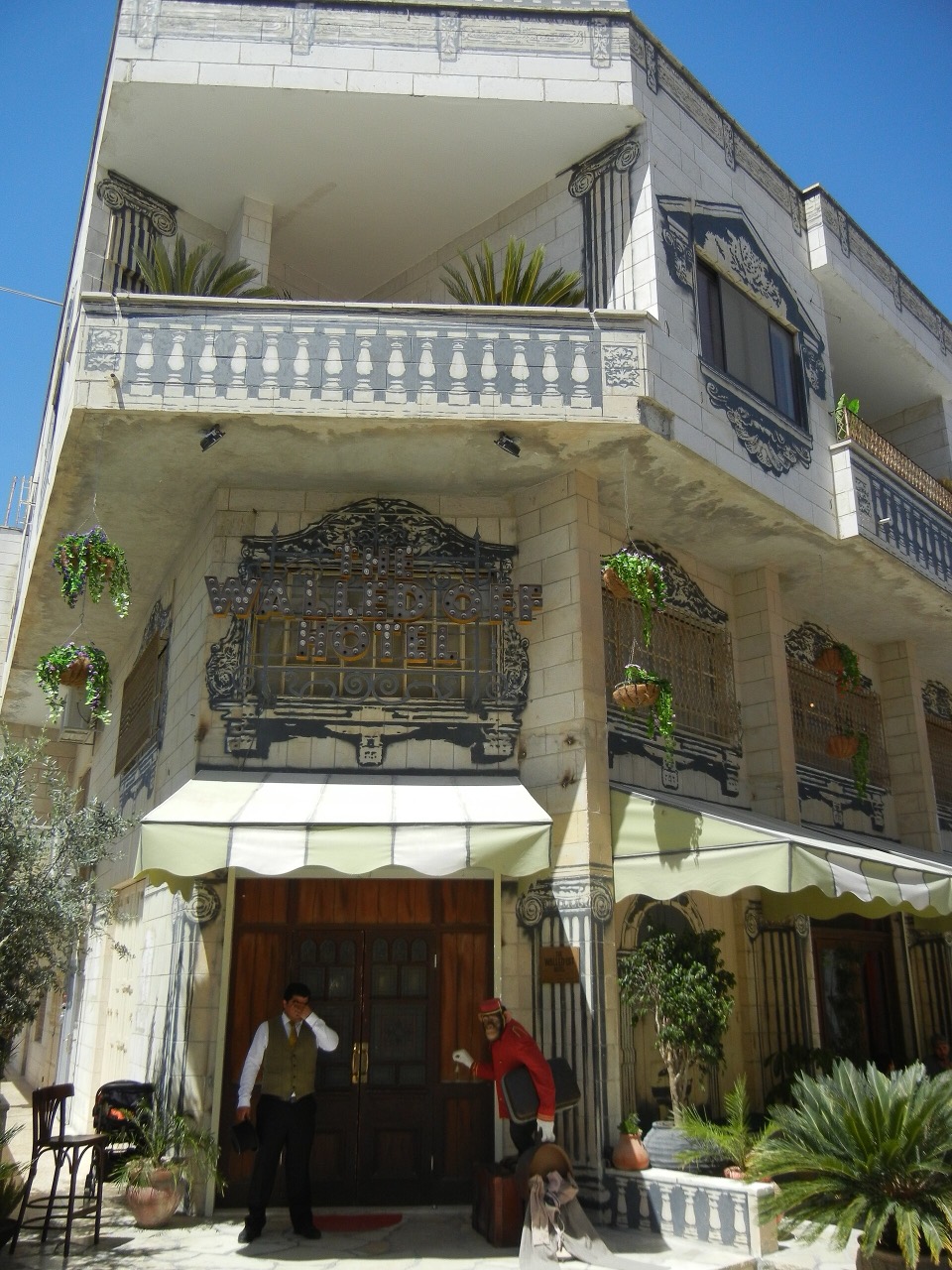
13.The second is buying deviation safely. Banksy's pictures mock war, surveillance and consumerism, and visitors borrow that feeling of rebellion for two hours, ticketed, inside a department store. Actually spraying a wall is a crime, and a 23,000 won ticket removes the risk and leaves only the mood. A feeling that sells well.
14.The third is this artist's signature. Destruction makes the price. At a Sotheby's auction in 2018, the moment Girl with Balloon sold, a shredder hidden in the frame turned and cut the picture about halfway through. He destroyed his own work.
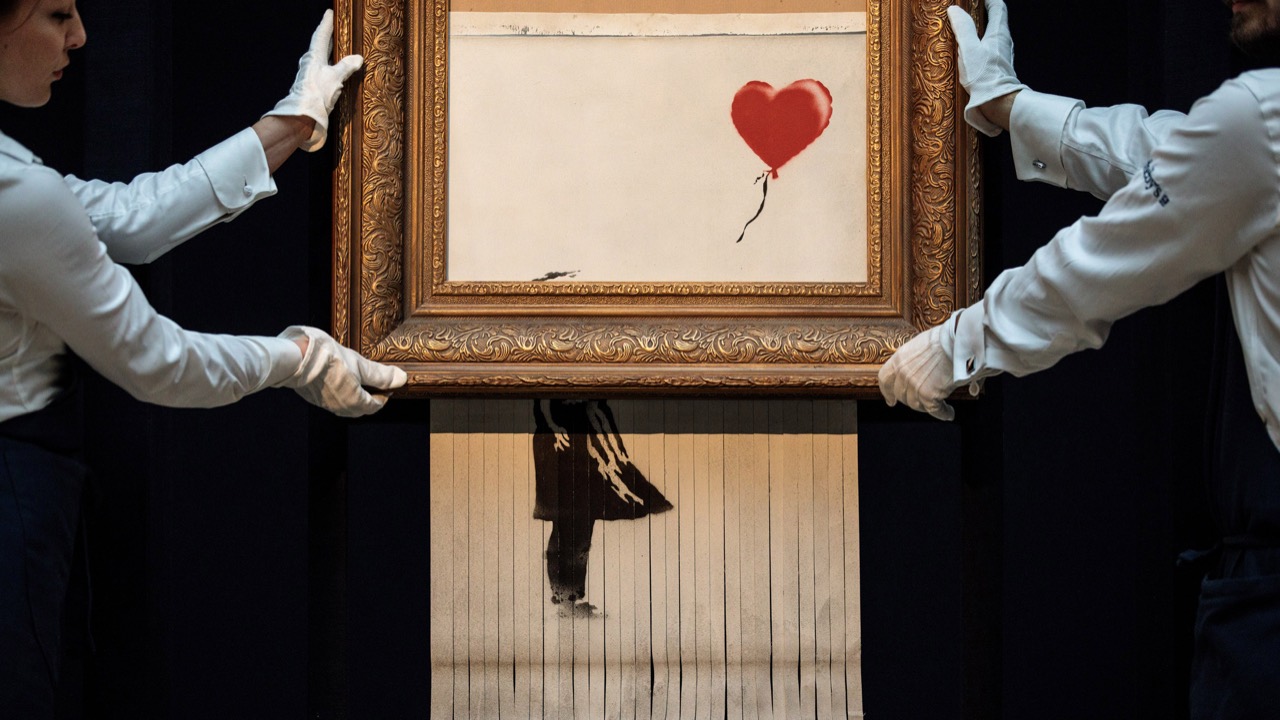
15.The result was the opposite. The picture, which had gone for about £1.04 million, roughly 1.5 billion won at the time, just before the shredding, came back to auction in 2021 cut, under the new name Love is in the Bin, and sold for about £18.6 million, roughly 30 billion won. About 18 times in three years. The act of breaking it became the price.
부순 그림이 18배가 됐다 · '소녀와 풍선' → '쓰레기통 속의 사랑'
16.Street pictures moving into museums is not Banksy's invention, and 1980s New York is the source. Jean-Michel Basquiat wrote on subways and walls under the name SAMO before moving into galleries, and Keith Haring drew in chalk on empty subway advertising panels before becoming a star. Starting in the street and being pulled indoors the moment a price attaches is the old formula of this genre.
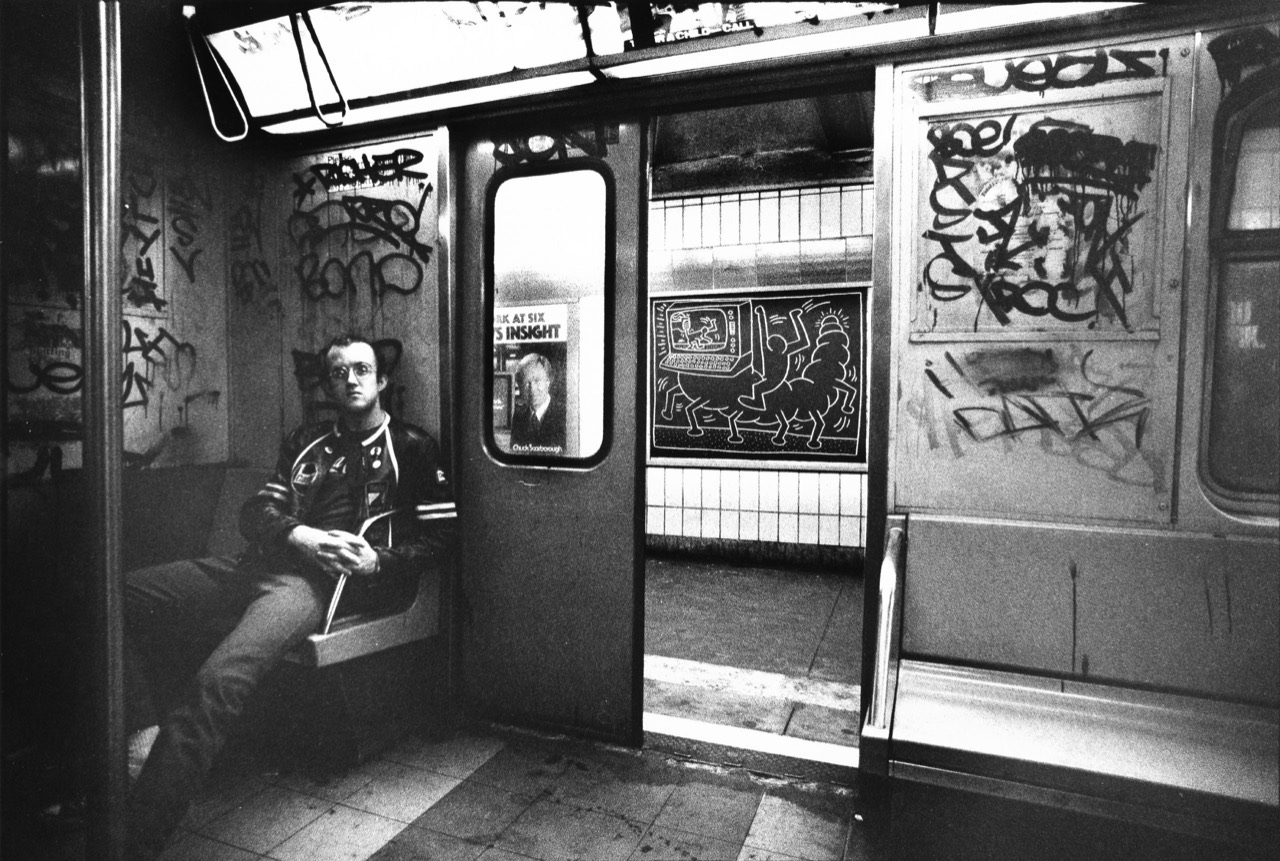
17.What is different about Banksy is the pose of refusing that recovery. He officially denies most exhibitions bearing his name and has nailed it to his website: exhibitions with my name on them are staged with nothing to do with me, so treat them accordingly.
18.And still those exhibitions keep opening and keep selling. Unauthorized touring shows around Europe alone have been seen by more than a million people. The more the artist denies, the more the audience comes. A structure in which even the words of denial feed the brand.
19.The official certification this Seoul show puts forward and Banksy's I deny this are both true and not a contradiction. Pest Control certifies objects, not exhibitions. An individual work being genuine and the artist having permitted the show are entirely different questions.
20.So this exhibition can say these are genuine Banksy works while Banksy can say at the same time that he has nothing to do with it. The audience is looking at genuine work while sitting somewhere the artist does not welcome. That this misalignment rolls on as material for talk rather than as discomfort is what makes this artist singular.
21.That famous shredding was actually a failed performance. The plan was to grind the picture up completely, and the machine stopped halfway so only half was cut, and that awkward failure produced the 18 times. Had it gone to plan and piled up as paper on the floor, would 30 billion won have attached. Half-finished destruction cost more than perfect destruction.
22.BANKSY : Still Here, which opened yesterday at ALT.1 in The Hyundai Seoul, charges adults 23,000 won through November 3 and had already sold 30,000 tickets before opening. Pictures once seen on the street for nothing carry a price in a department store basement not because the images are scarce but because the guarantee that they are real has become scarce, and the devices building that guarantee are PCO certification, POW prints, and the street concrete transplanted in place of a white wall. Move the same method to your own space or brand and one thing catches. Copying the part where hiding is stronger is easy, and after hiding there has to be something left to actually look at, or it turns from mystique into fraud. The 2021 unauthorized Seoul show, which mixed 27 genuine works with 123 fakes and collapsed into refunds, marks that line.