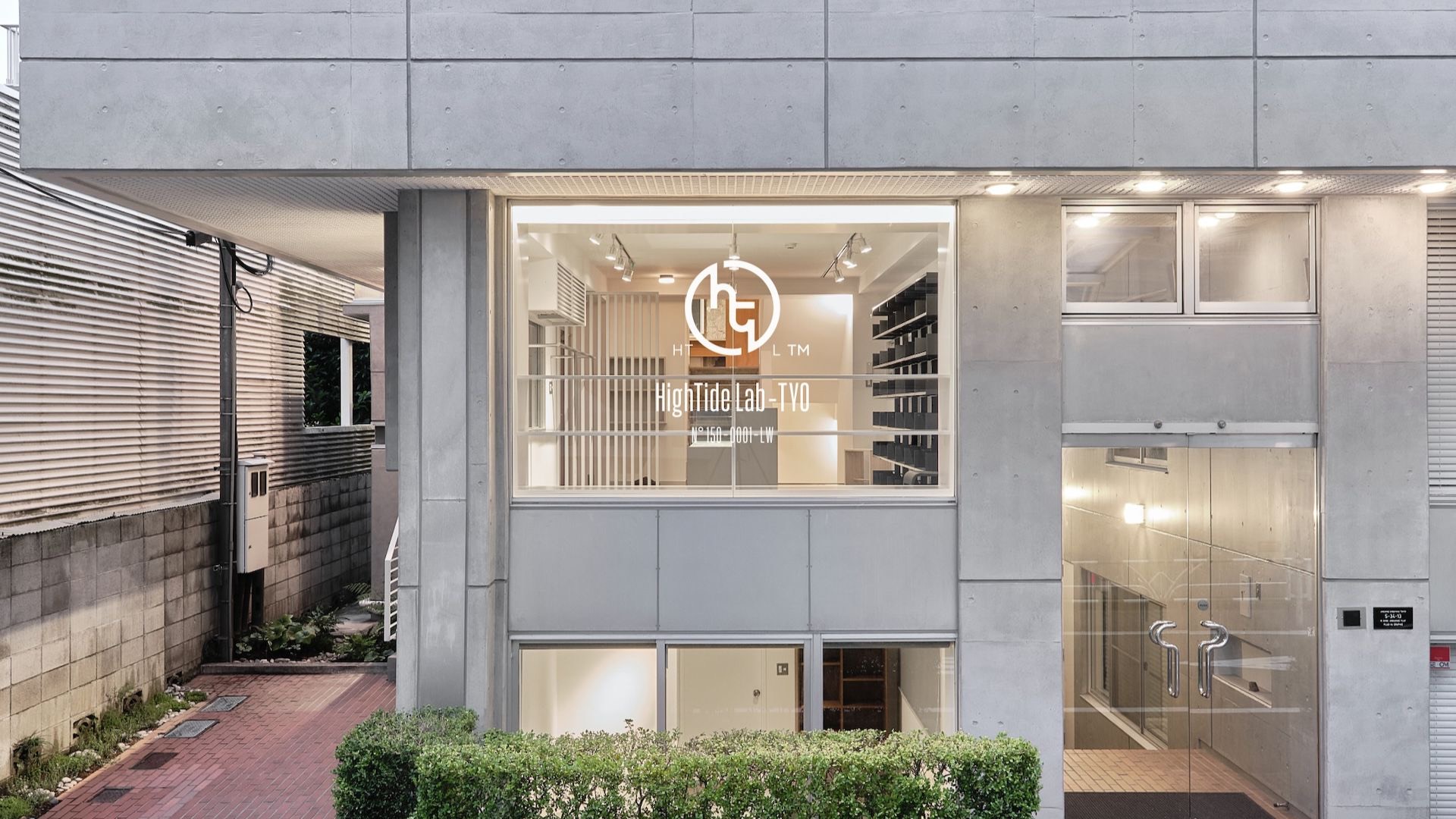
Hightide, a stationery company from Fukuoka, has opened a three-floor store in Jingumae. It puts other makers' stationery next to its own, shows prototypes before launch, and has moved its Tokyo office into the building's basement. The shop works as a sales floor and a development room at once.
1.On August 29, Fukuoka stationery company HIGHTIDE opened its flagship HIGHTIDE LAB-TYO in Jingumae 5-chome, Shibuya, Tokyo. The building sits on a side street between Shibuya, Harajuku and Aoyama, with two sales floors and a workshop floor on top. Hours run from 10 a.m. to 6 p.m. It is the company's first flagship in Tokyo.
2.Hightide began in Fukuoka in 1994 with a single planner. Today it makes more than 2,500 products and wholesales them to over 1,000 shops across Japan. Its main accounts include the lifestyle chains Loft and Hands and the bookseller Maruzen Junkudo.
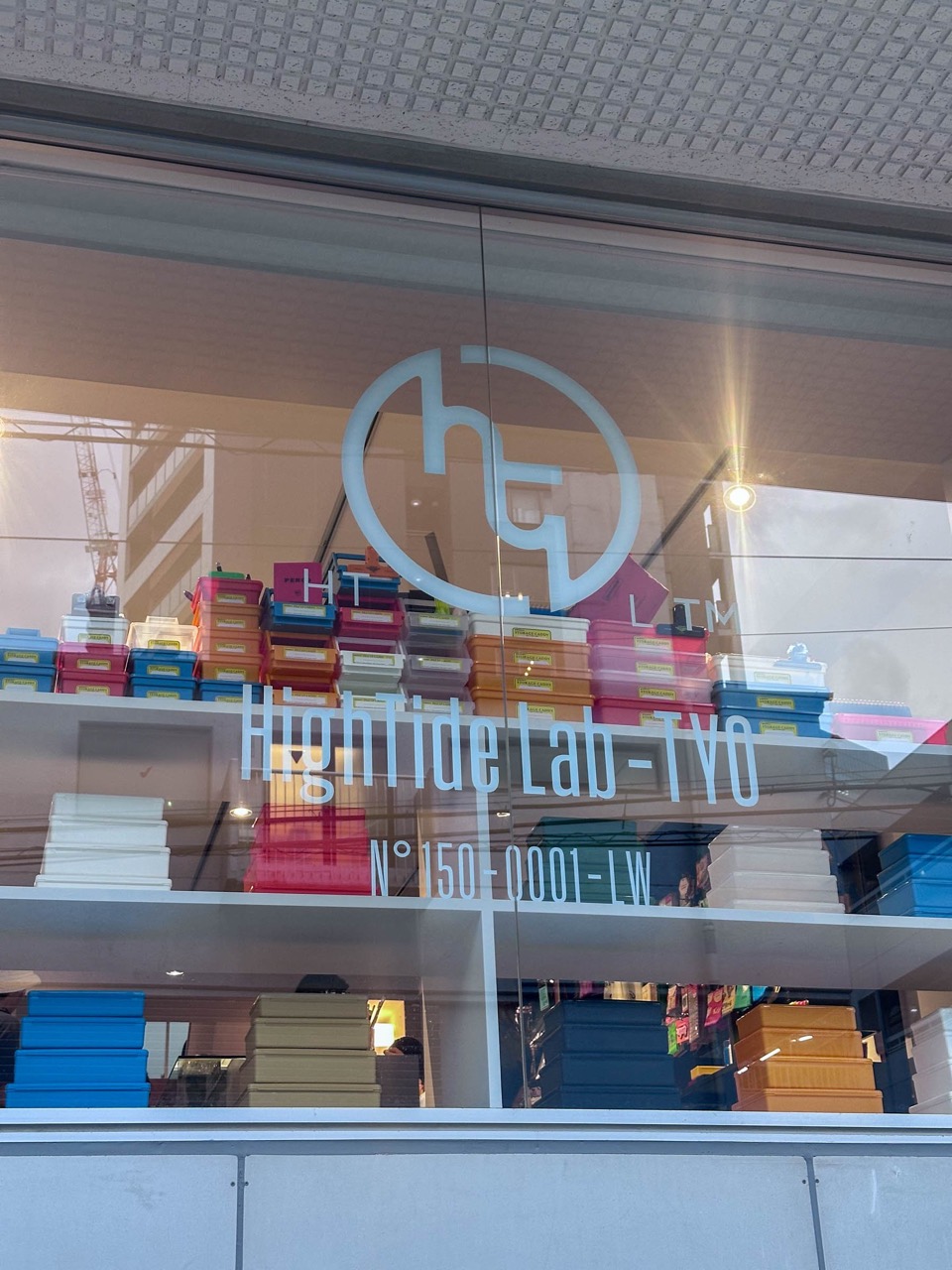
3.The design is by Landscape Products. From the street you see a grey concrete wall pierced by one big window, with a round logo by art director Naomi Hirabayashi applied to the glass in white line. Inside, the floors step up in half levels. A few stairs bring you to the next floor, and the shelves above and below come into view together at an angle.
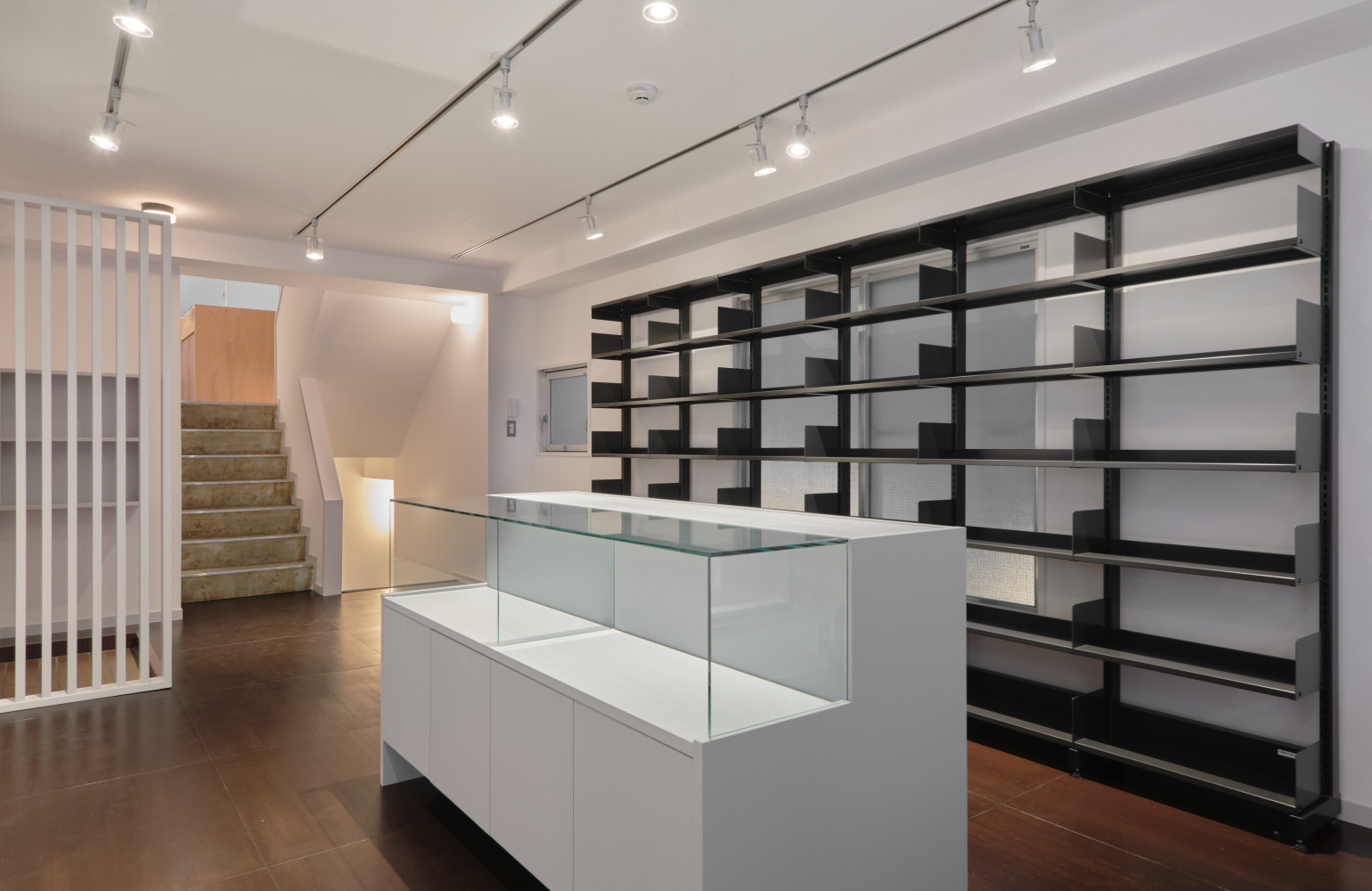
4.The floor is dark wood, and on one wall black steel shelving divides the space up to the ceiling. Inside the glass cases, green cutting mats are laid down with scissors, box cutters and markers resting on them. Every mat carries ruler markings, so the goods sit like half-used tools rather than merchandise. What a customer peers into first is not a product but someone else's workbench.
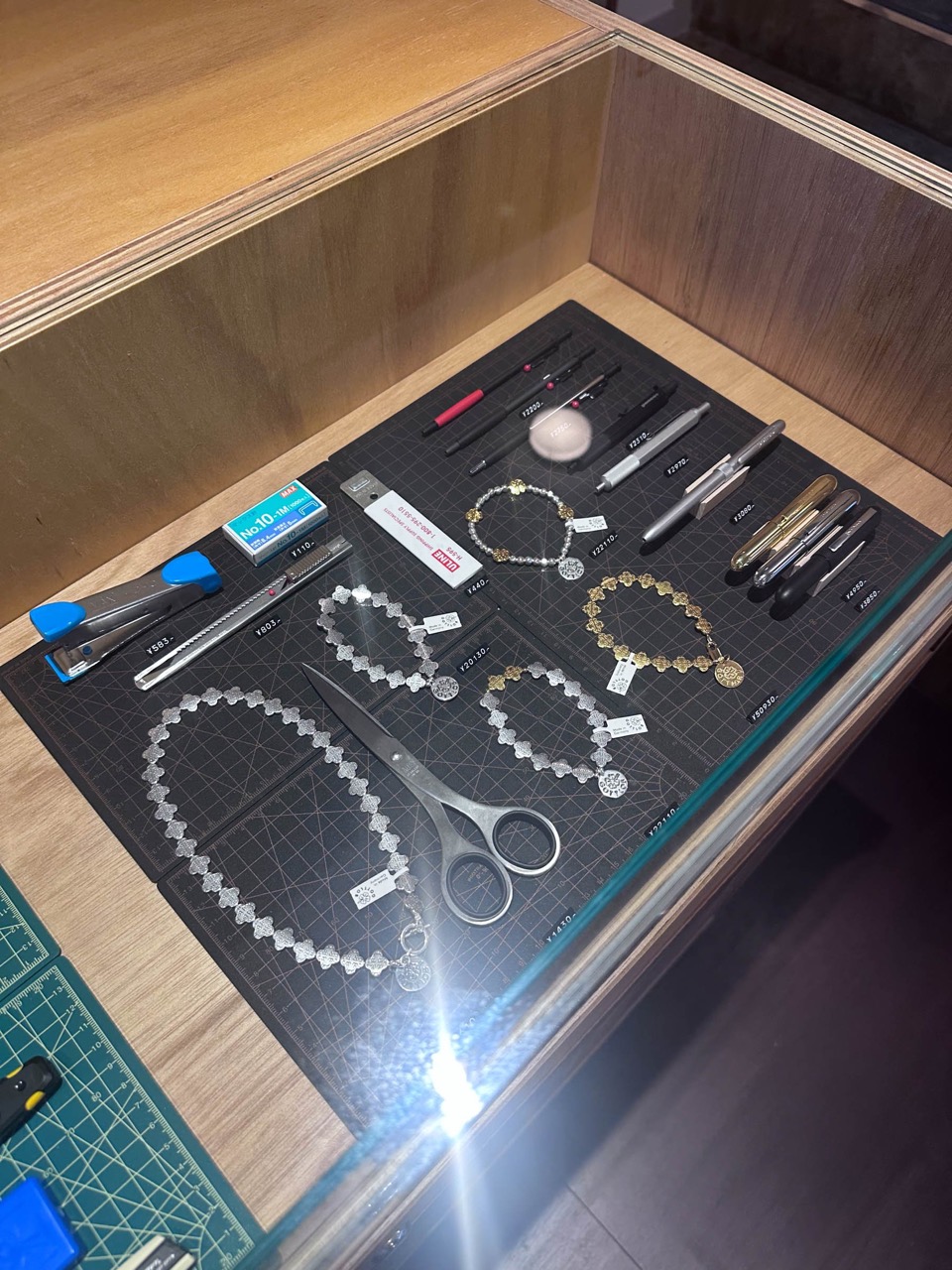
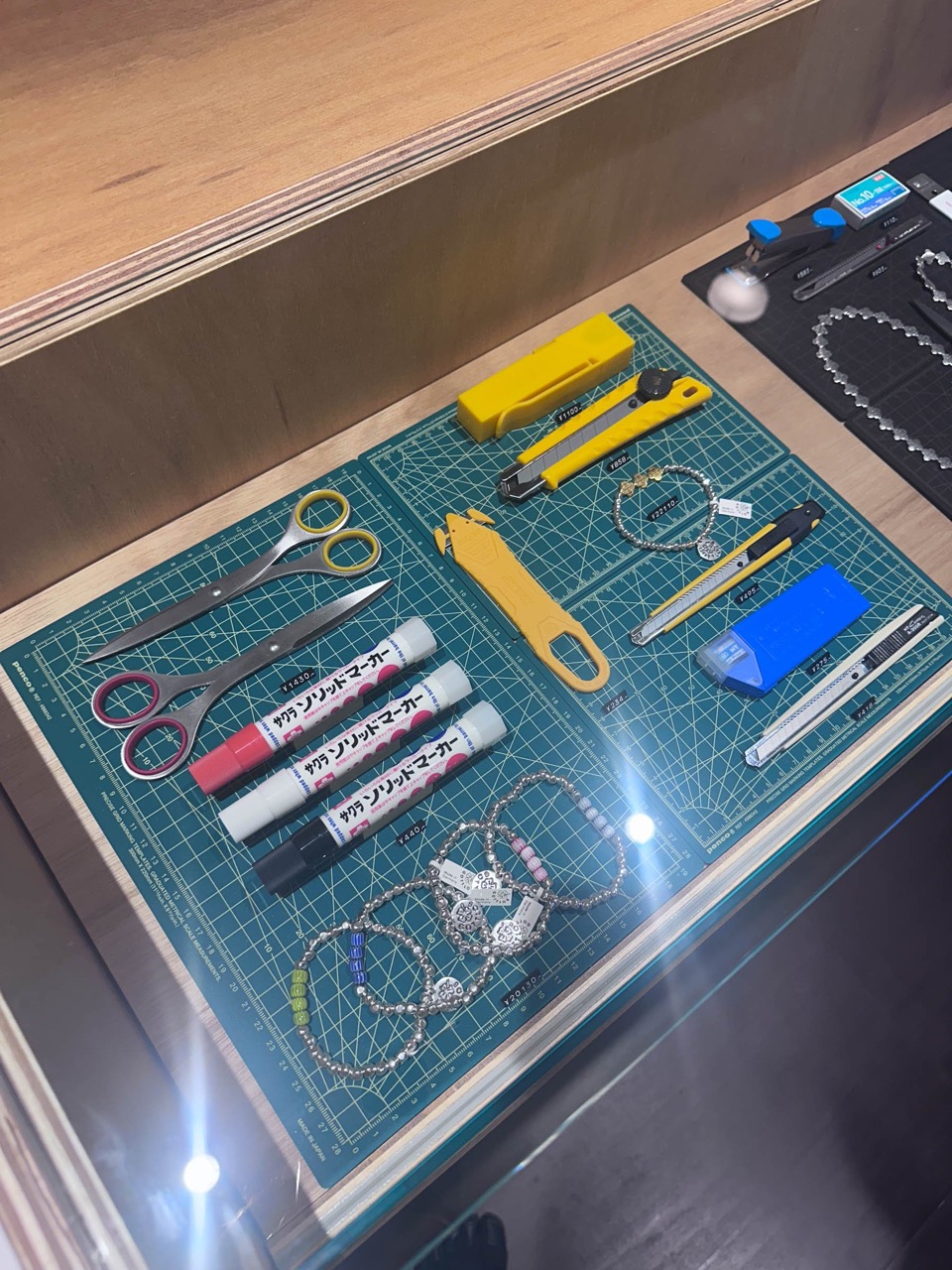
5.The entrance-level floor gathers the company's three in-house brands: Penco, nähe and New Retro. Penco grew out of a single pen found in America; its aluminum-bodied, Japan-made Drafting Pencil costs ¥2,970 and an A4 clipboard ¥770. Another floor mixes in long-running stationery from other makers, plus books chosen by Hi Bridge Books, a secondhand bookshop in Yoyogi-Hachiman.
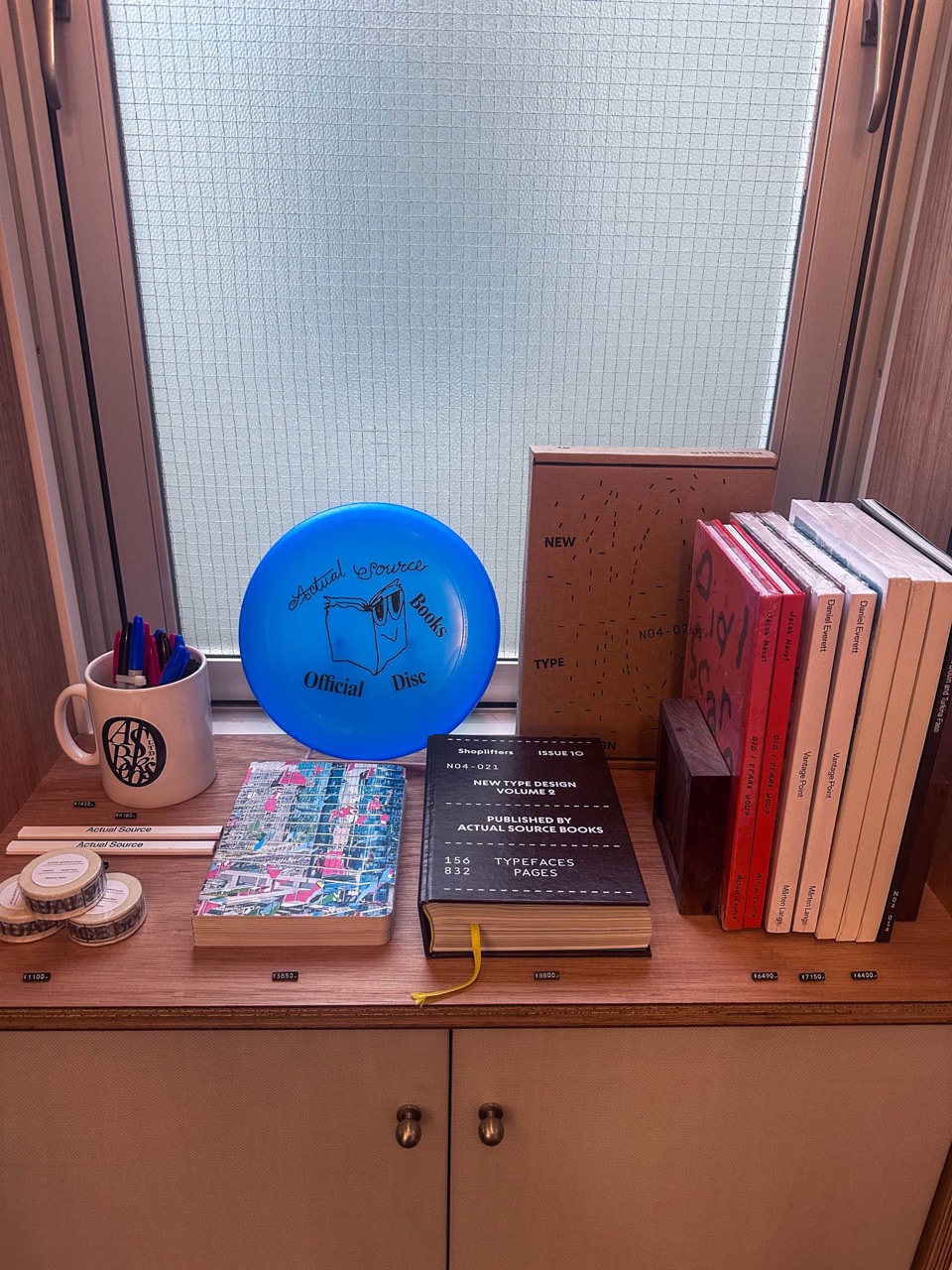
6.The company names three new things it is trying. Other makers' products sit beside its own, prototypes and samples are shown here before release, and what staff hear on the floor goes straight back into product development. As if to hear it up close, the Tokyo office has moved from Ebisu into this building's basement. Right below the floor where customers handle prototypes are the desks of the people who plan the products.
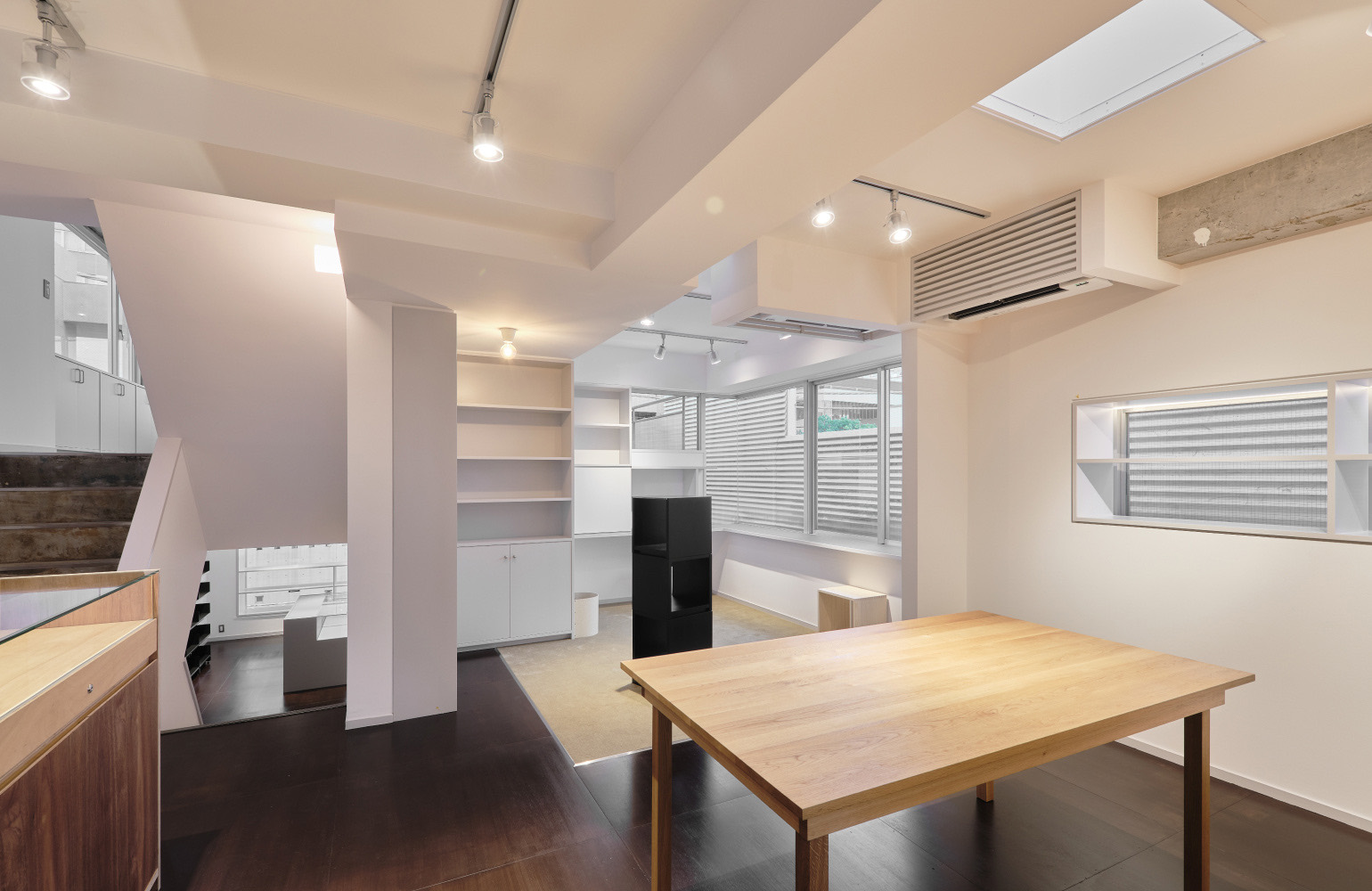
7.The third floor at the top is not a sales floor. It is a room where creators and artists hold workshops and pop-ups, and the company describes it as a place where making and ideas begin. For the opening, designer Kohei Nishimura of DIGAWEL made three Penco collaboration shirts printed with notebook ruling, and he also designed the staff uniforms. The shirts are exclusive to this store and all cost ¥29,700.
8.Stationery is one of the few categories where you can hold a good object without spending much. In an interview, Hightide named the moment your heart lifts holding something inexpensive as the pleasure of the work. A pen under ¥3,000 is bought without much deliberation, yet it is also something held in the hand every day.
9.Eighty percent of the Fukuoka main store's customers are tourists. It is well enough known to appear in foreign guidebooks, and the company says the Jingumae store also targets overseas visitors, not only locals. Is there a souvenir that takes less luggage space and gets used more every day back home than a pen and a notebook?
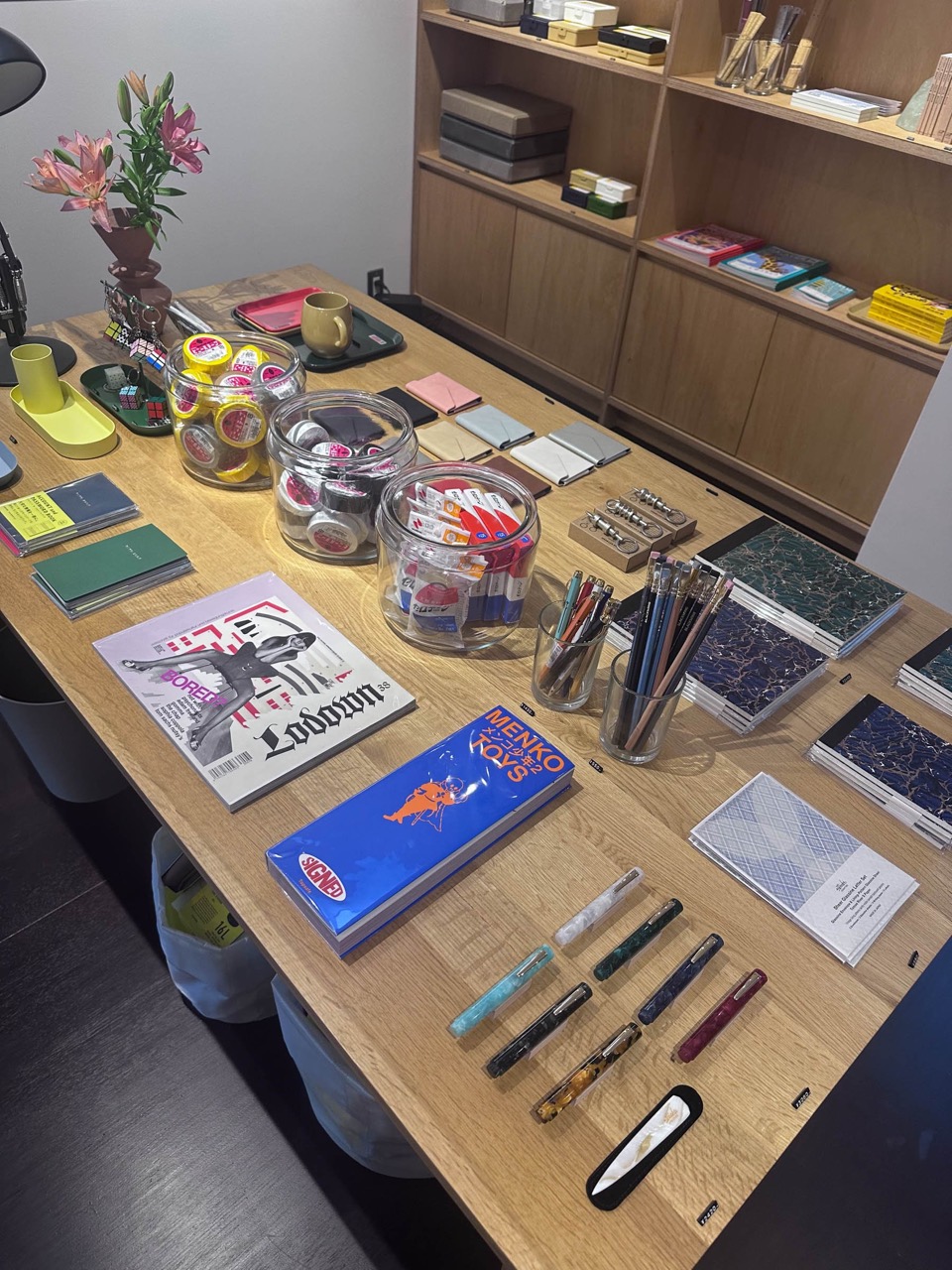
10.The market as a whole is shrinking. According to Yano Research Institute, Japan's stationery and office supplies market was ¥388.5 billion in fiscal 2024, down 0.9% from a year earlier. While paper products and office supplies fell, the only segment that grew was writing instruments. Consumables bought by companies are fading, and pens chosen by individuals are holding up.
11.Hightide does not disclose its revenue. Selling wholesale, a maker usually receives around 50 to 60% of the retail price (an estimate based on common industry terms). For a Drafting Pencil at ¥2,700 before tax, that means ¥1,350 to ¥1,620 through wholesale, while a sale in its own store brings the full ¥2,700 to the company. Each pencil brings in ¥1,080 to ¥1,350 more (estimate).
12.That difference has to pay the store's rent. Average shop rent around Meiji-Jingumae Station, as compiled by the property site Inshokuten.com, is ¥48,569 a month per tsubo (about 3.3 square meters). Taking the gap at ¥1,200 a pencil, one tsubo of monthly rent takes 40 pencils (estimate). The store's floor area is not disclosed, and the third floor was never meant to sell.
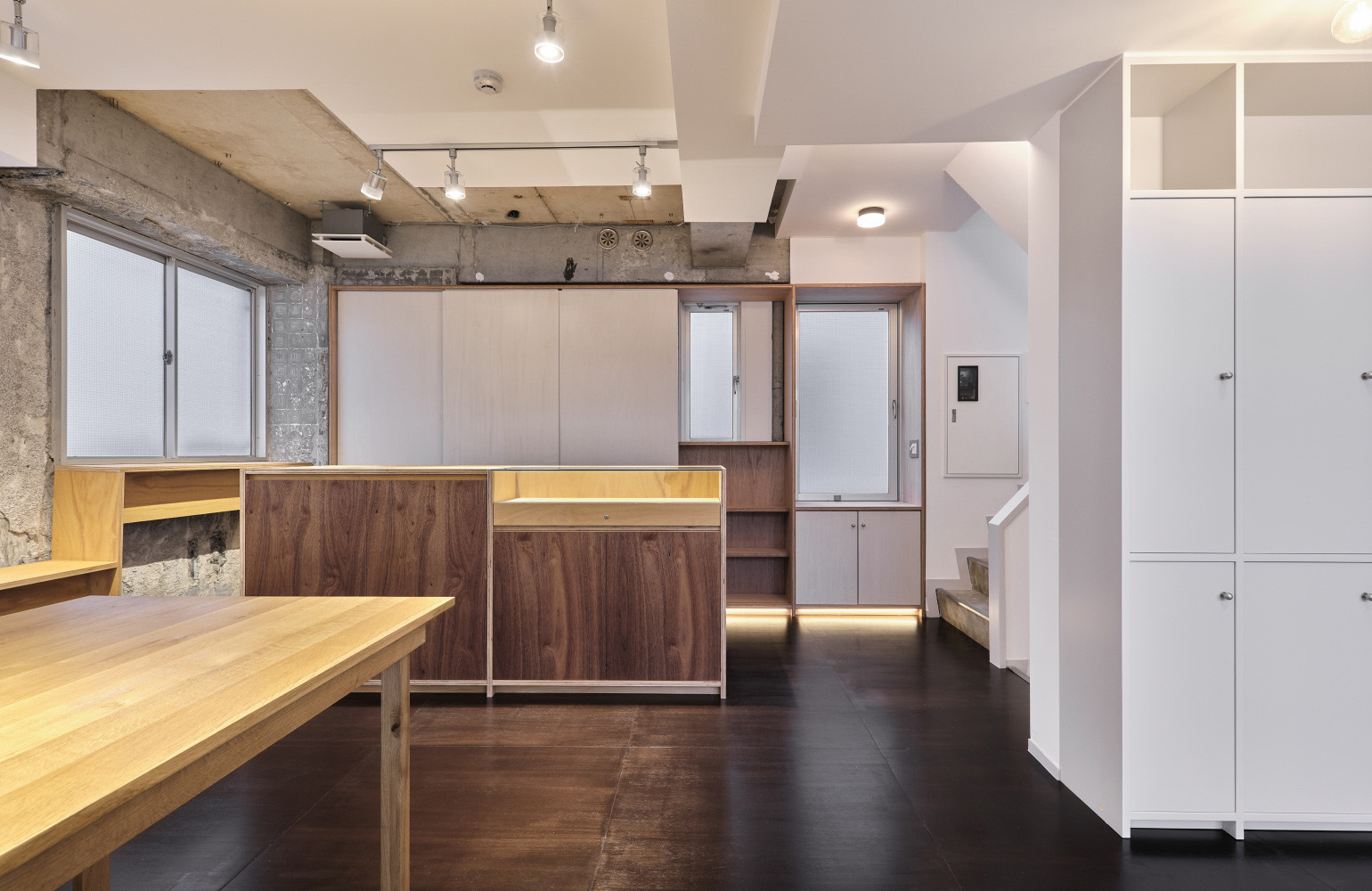
13.Bringing the office into the basement is the other side of that math. The Ebisu office rent drops off the books, and when the floor upstairs is short of hands, staff are one flight down. Store hours that end at 6 p.m. also line up with an office day. A ¥29,700 shirt is the price of 10 pencils, so on a day when a few of the exclusive pieces sell, the average ticket jumps.
14.There are earlier cases of stationery makers using a shop as a meeting place. The company behind the Traveler's notebook opened TRAVELER'S FACTORY in Nakameguro in 2013 and gathered customers around a single notebook. Itoya in Ginza went the other way, rebuilding in 2015 as the 12-floor G.Itoya, which sells other makers' stationery floor by floor. One sells only its own goods, the other only other people's.
15.Hightide stands between the two. It puts its own brands in front while shelving other makers' stationery and used books alongside, and products not yet released are shown, not sold. The LAB in the store's name refers to exactly that. If the reactions customers give to prototypes decide what goes onto the shelves of 1,000 accounts the following year, the store's value is measured more in development budget than in daily sales. The catch is that its wholesale accounts now see new products later than the company's own store.
16.A Fukuoka stationery maker with 1,000 wholesale accounts has opened a three-floor store in Jingumae and moved its Tokyo office into the basement. Selling a ¥2,700 pencil directly brings in a little over ¥1,000 more than wholesaling it (estimate). Where would a Korean stationery company hit trouble first with the same kind of store? Its accounts. Korean design stationery tends to rely on large bookstore stationery sections and online select shops, so the moment a brand shows prototypes first in its own store, it has to renegotiate launch timing with its retailers.