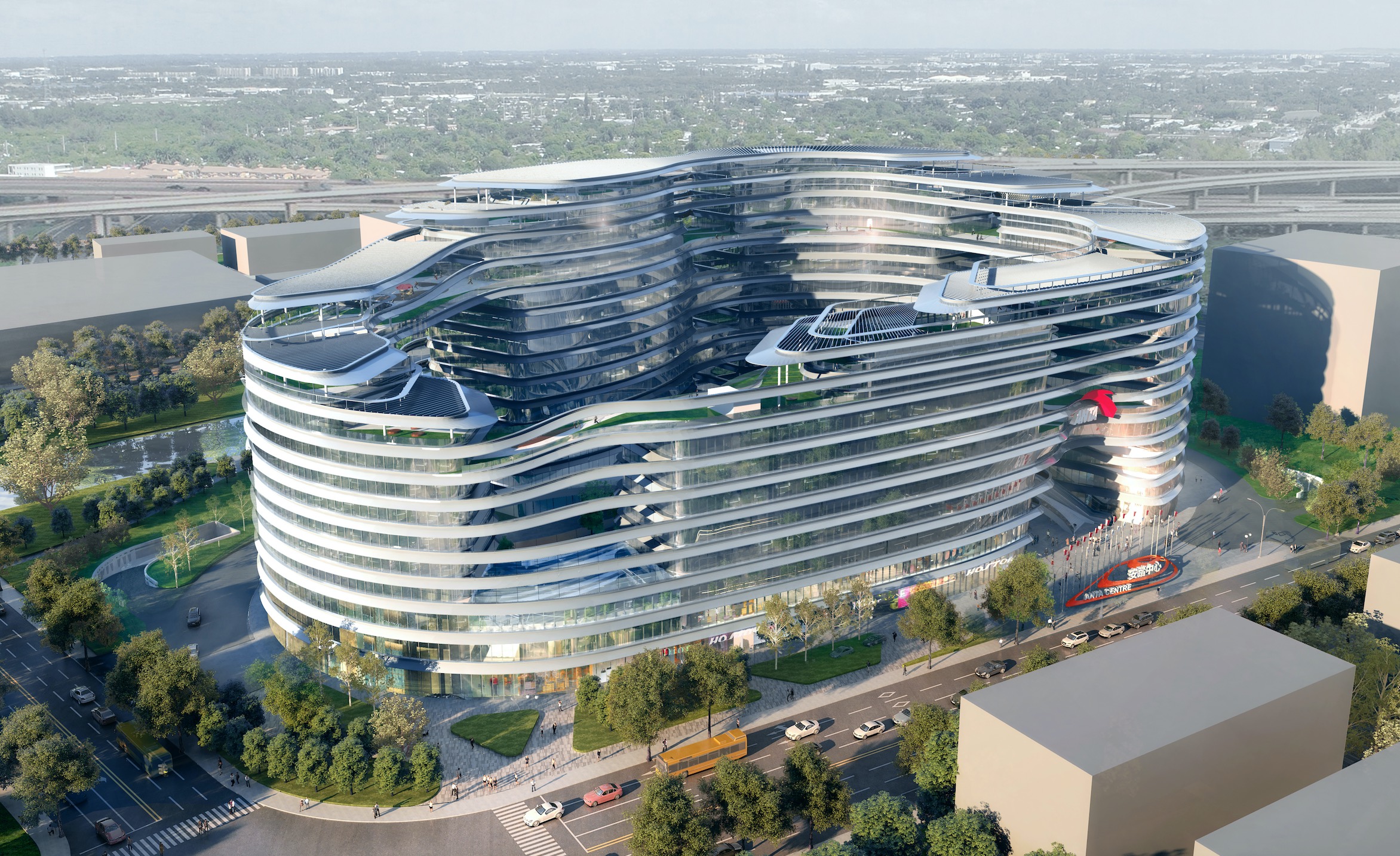
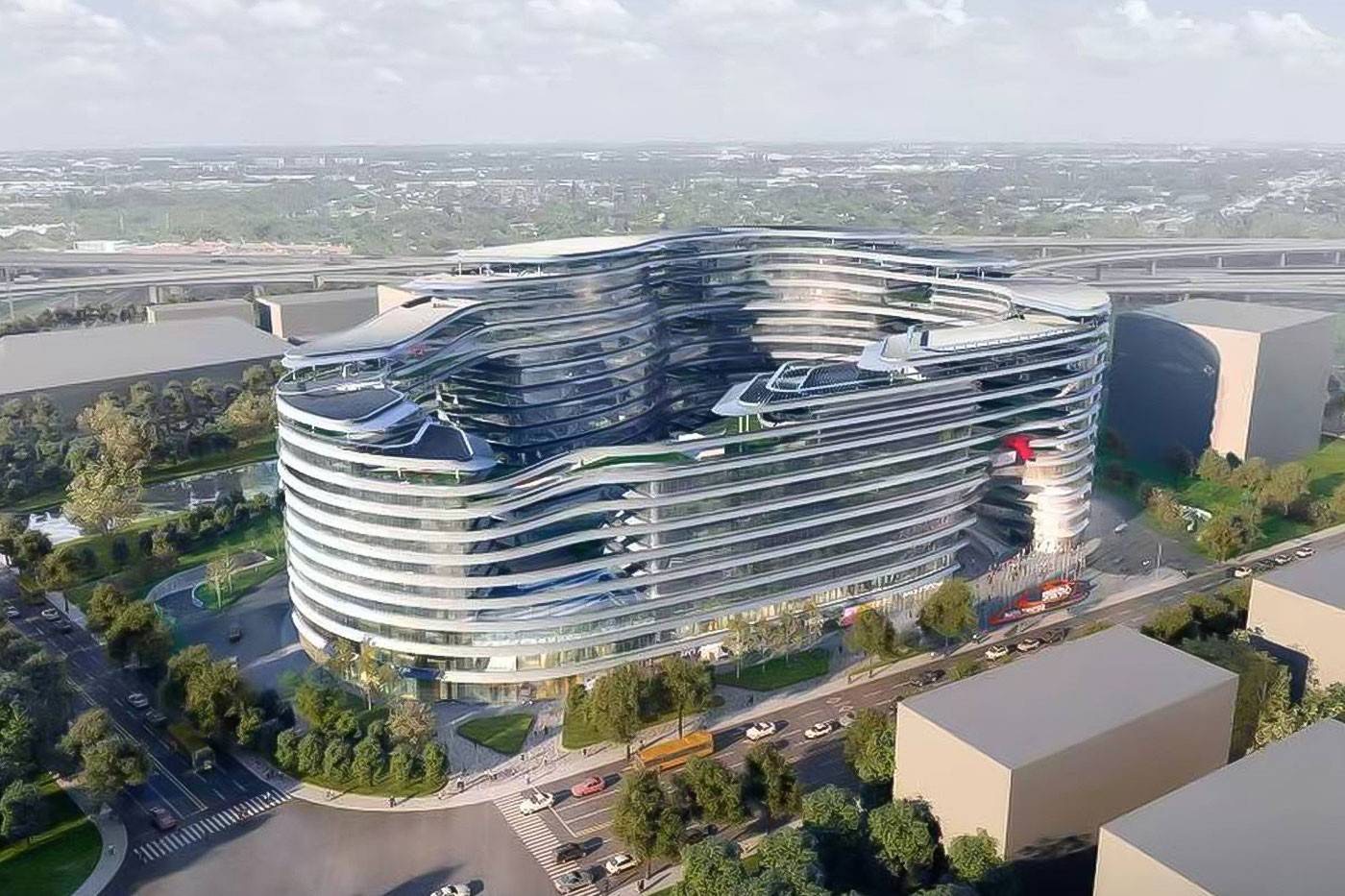
ANTA Center, ShanghaiHead-office blocks, shops, restaurants and the hotel share one campus. Rendering released in 2022. ⓒANTA Group
Daily Hotel
A sportswear company put a 108-room hotel on its HQ campus, and a year of room sales won't match one day of revenue
2026.10.06
China's sportswear group ANTA (安踏) has built a 108-room hotel under the FILA name inside its new headquarters campus in West Hongqiao, Shanghai, and opened bookings last month. Rates sit more than 30% above the Shanghai five-star average. The numbers only add up when you read this hotel against the brand's books, not the room ledger.
1.FILA HOUSE Shanghai occupies Building 5 of ANTA Center on Panzhong Road in Qingpu District. It has 108 rooms. Operation goes to JdV by Hyatt, the lifestyle brand of Hyatt. In mid-September FILA announced on Xiaohongshu that bookings were open, and Chinese media report reservations starting with stays from late November.
2.The deal was signed in February 2022, with an original plan of 120 rooms and a 2024 opening. The opening slipped two years and the room count fell by 12 to 108. The FILA trademark is owned worldwide by Korea's FILA Holdings, but the rights for mainland China, Hong Kong and Macau have belonged to ANTA since it bought them in 2009 for roughly HK$650 million. In China, the company trading under this name is ANTA.
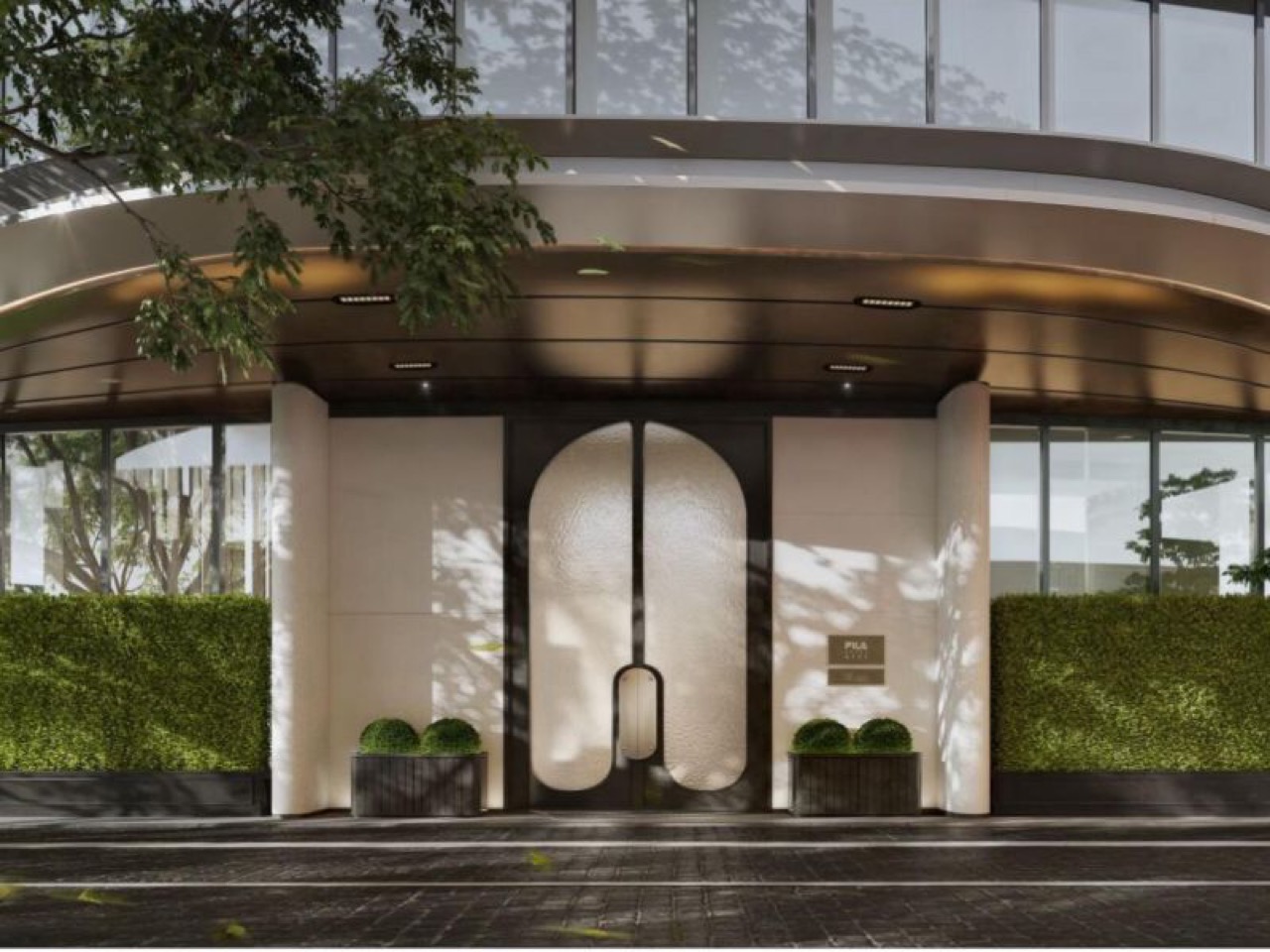
ANTA Center from aboveA five-building headquarters campus in the West Hongqiao business district, ringed by elevated roads. ⓒANTA Group (via ifanr)Hotel entranceA white wall of repeated arches marks the hotel's own door. ⓒFILA HOUSE Shanghai (via RetailBoss)
3.When the project was announced in 2022, the hotel block had a gross floor area of 11,946㎡. That is about 111㎡ per room. A rooms-only select-service hotel usually builds 40 to 50㎡ per key, so this is more than double. Where did the extra space go? One restaurant, one members' lounge, three meeting and event rooms, and a fitness facility that takes up the whole third floor.
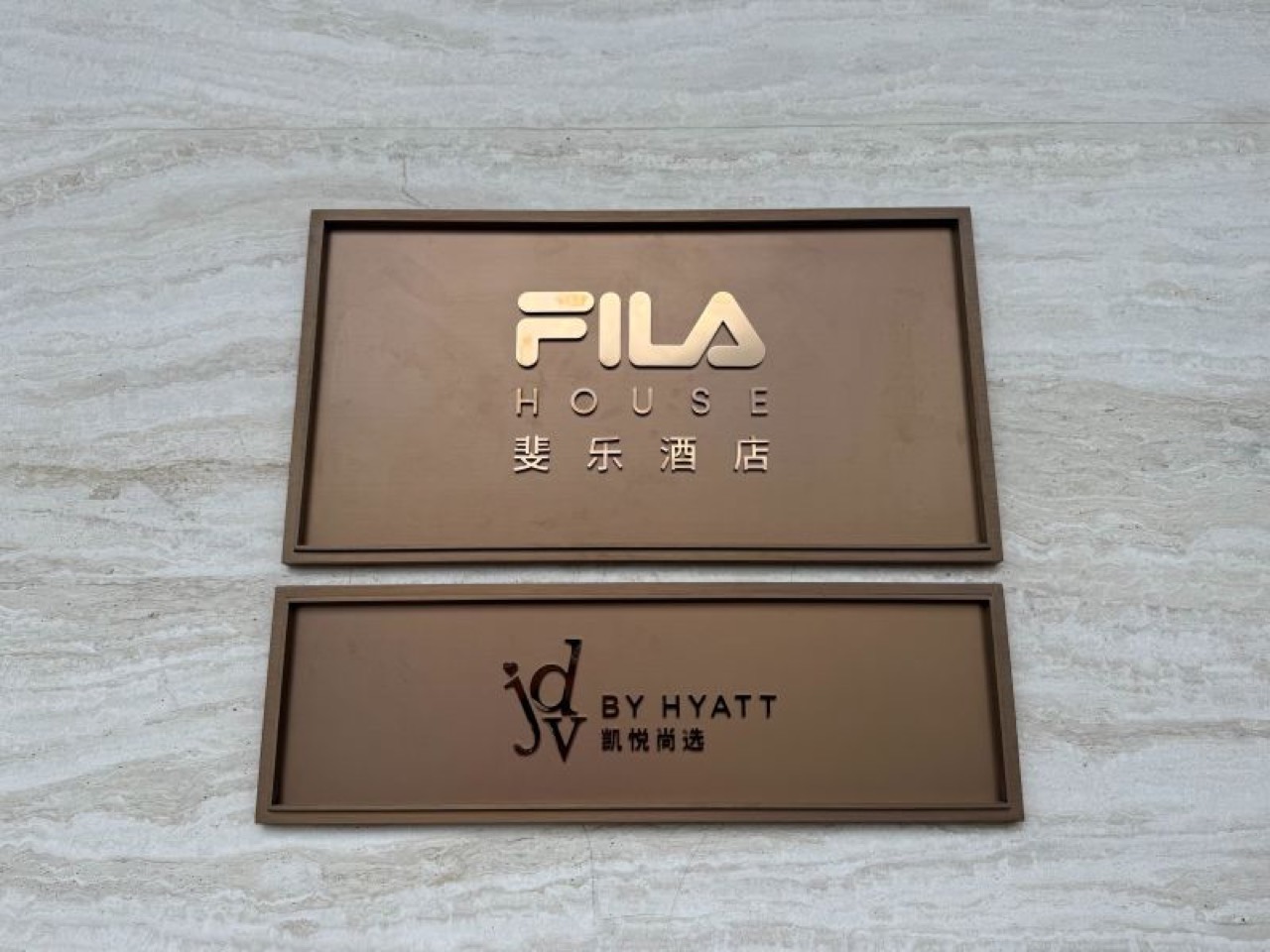
Two names at the doorFILA HOUSE on top, and below it JdV by Hyatt, the operator. ⓒFILA HOUSE Shanghai (via RetailBoss)
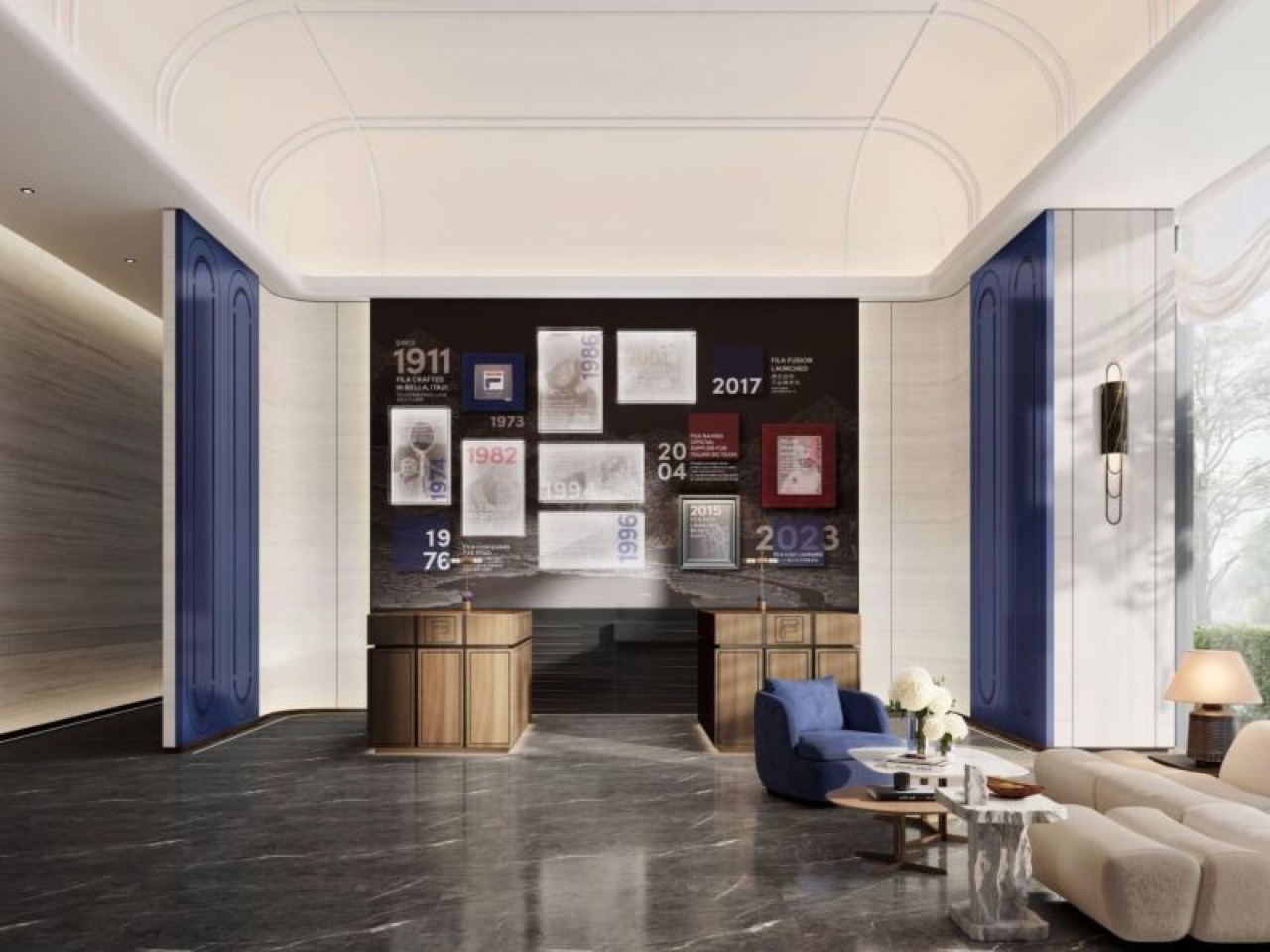
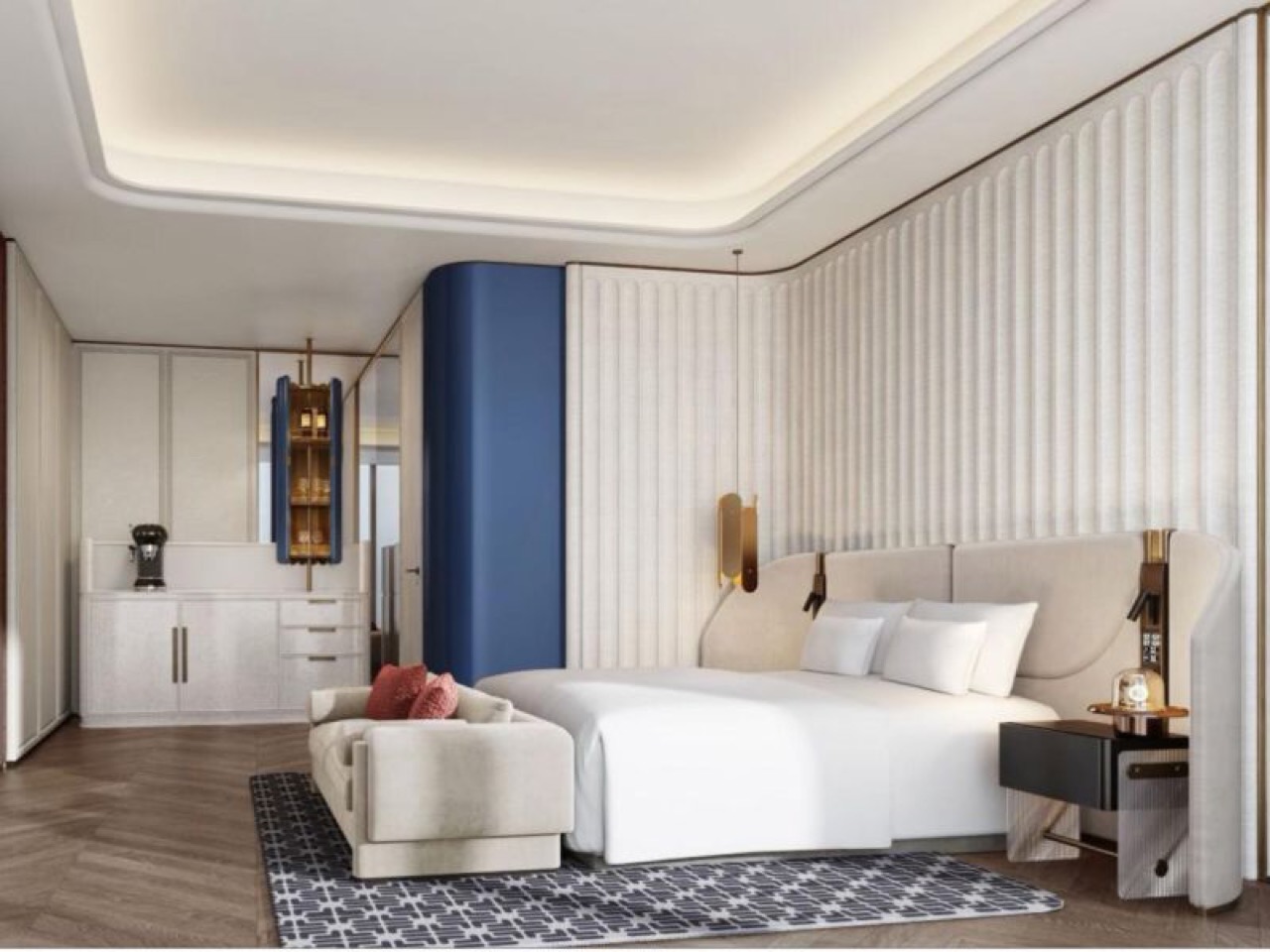
4.On the back wall of the lobby hang frames marked with years, starting from 1911. That is the year FILA began in Biella, Italy. Chinese media say odd floors are painted FILA red and even floors blue, and rooms are themed on tennis, golf, track and exploration. In the room rendering, a blue column stands beside the headboard and a navy-patterned rug covers the floor.
A lobby wall of yearsFramed dates running from the 1911 founding. ⓒFILA HOUSE Shanghai (via RetailBoss)Guest roomWhite walls, with FILA blue on a single column. ⓒFILA HOUSE Shanghai (via RetailBoss)
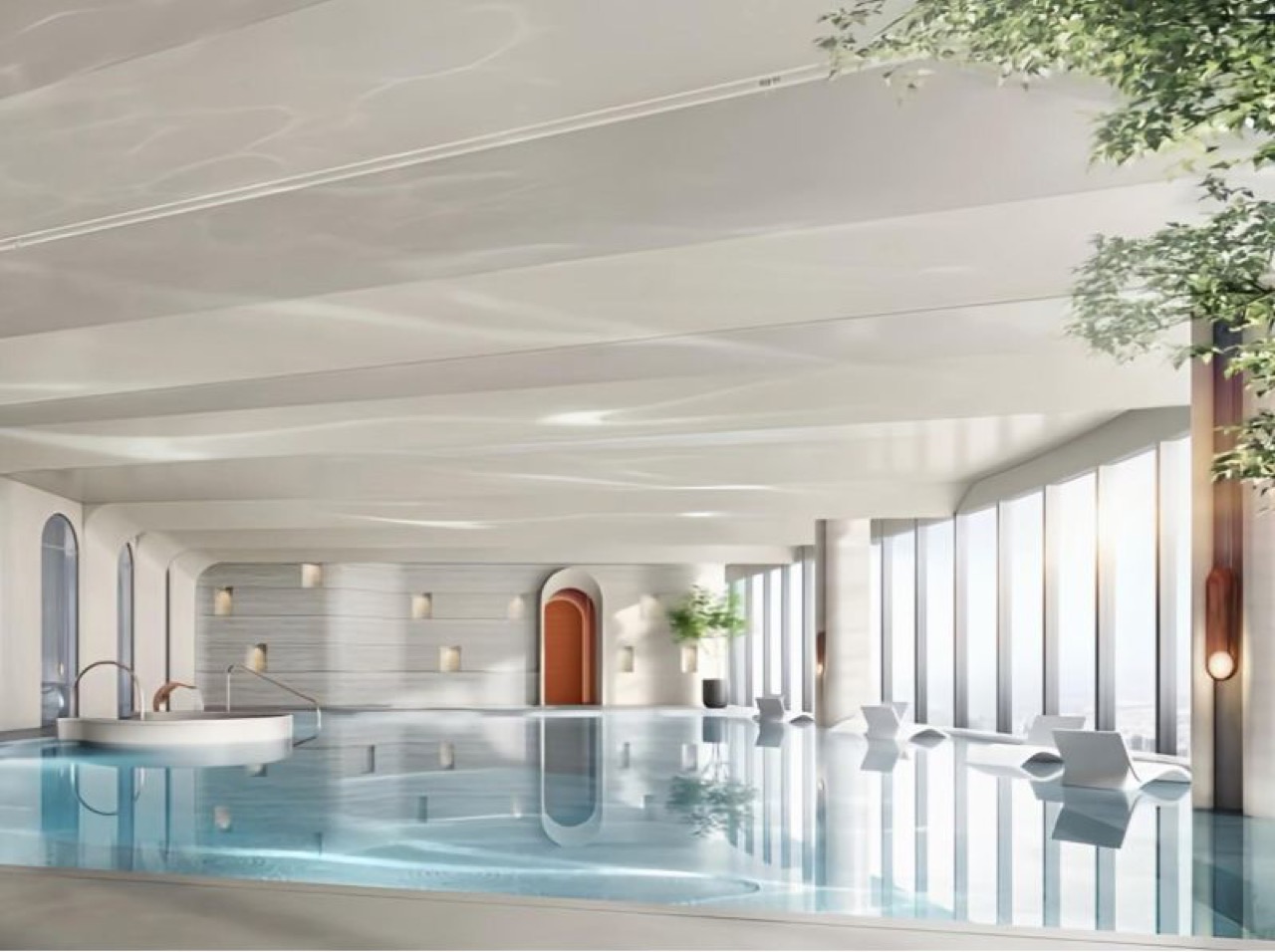
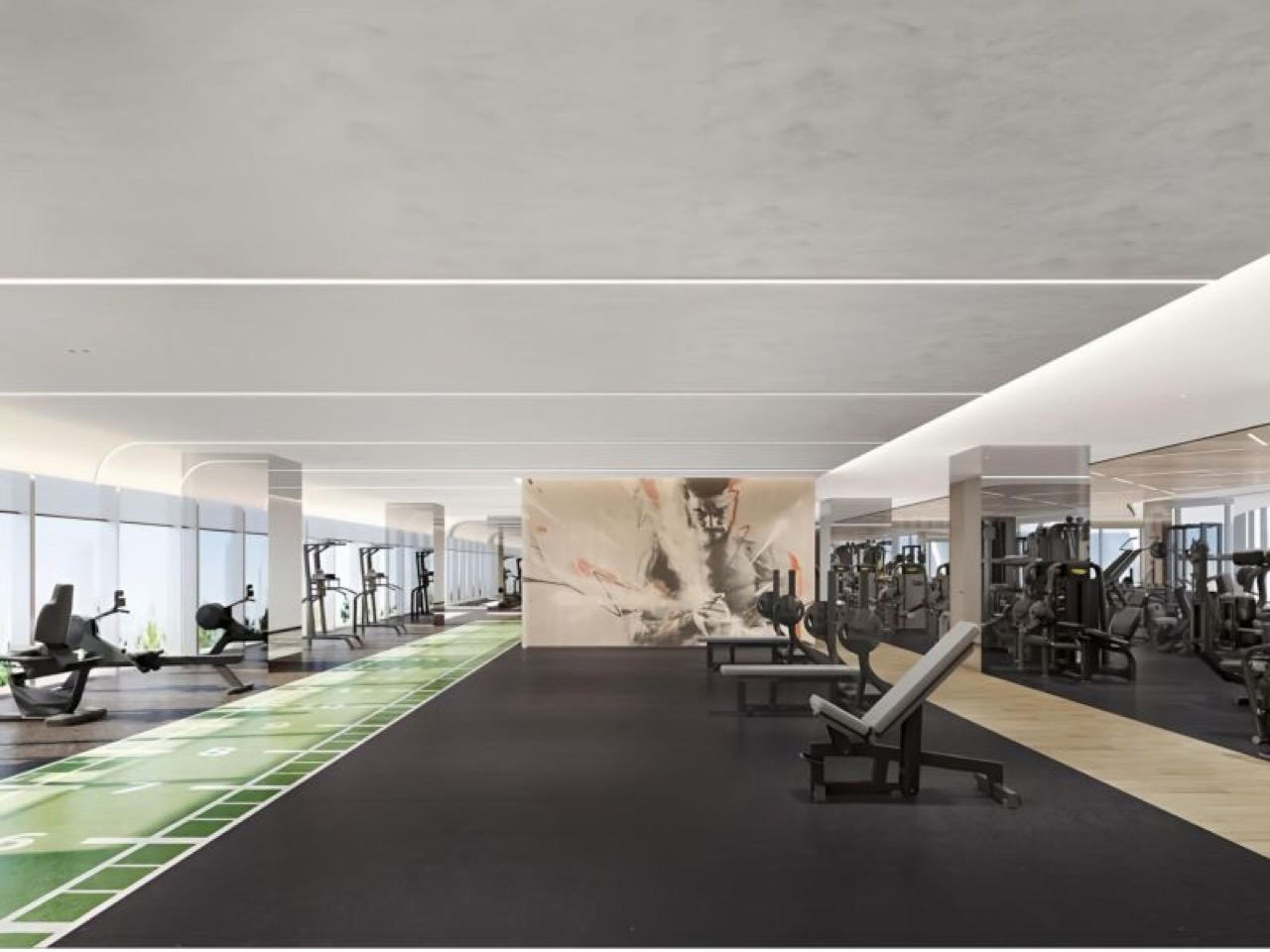
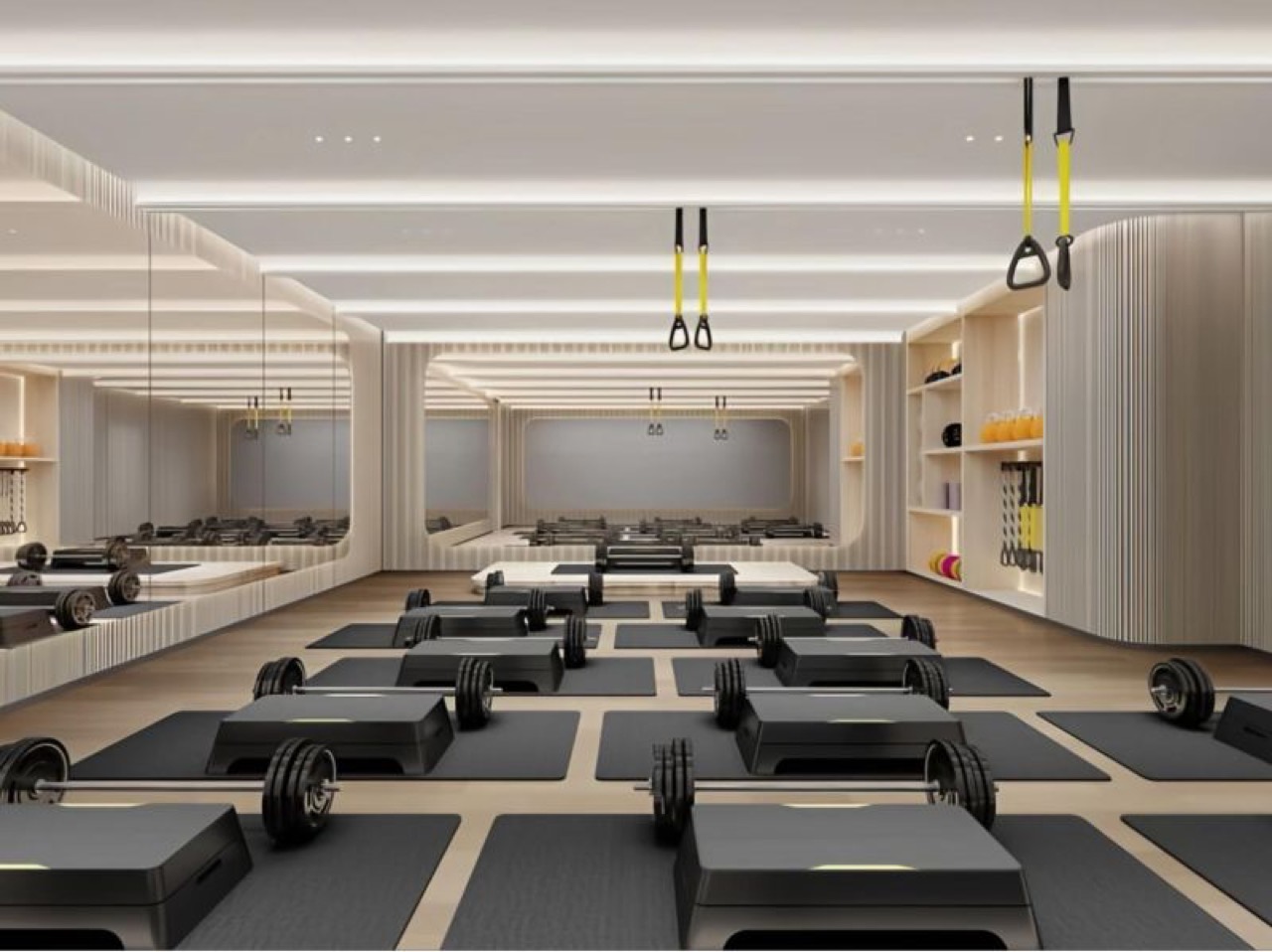
5.The third floor is being built with PURE, the Hong Kong fitness brand. A lap pool, an indoor pool, yoga and Pilates studios, a recovery room. The dull thud of dumbbells landing on rubber flooring, the chlorine smell spreading over the water, morning light through the glass. Hotel rooms empty out when guests leave, but a fitness club that signs up the campus's office workers fills before and after work. This is the only floor that can charge a monthly fee to people who never stay the night.
Indoor pool on the third floorPart of the fitness floor run with PURE. ⓒFILA HOUSE Shanghai (via RetailBoss)GymA green track runs along the floor between the machines. ⓒFILA HOUSE Shanghai (via RetailBoss)
6.According to the Shanghai Municipal Statistics Bureau, five-star hotels averaged a room rate of RMB 946 from January to May 2025. FILA HOUSE's lowest posted rate, RMB 1,292, is 37% higher. And it intends to charge that not on the Bund but in a business district west of Hongqiao Airport.
Above five-star rates, in a business districtStatistics are from the Shanghai Municipal Statistics Bureau's monthly star-rated hotel data.
7.At an ADR of RMB 1,350 and 65% occupancy, each room earns about RMB 320,000 a year (estimate). Across 108 rooms that is around RMB 34.6 million, roughly KRW 6.7 billion (assuming RMB 1 = KRW 195). Not a small figure for a single hotel.
8.Put it on ANTA's income statement and the picture changes. The FILA division sold RMB 15.05 billion in the first half of 2026 alone, at an operating margin of 28.7%. Chinese media expect full-year revenue to pass RMB 30 billion. That is about RMB 82 million a day, so a full year of room sales at the hotel equals a little over ten hours of FILA's business. The building was not put up to balance a hotel P&L on its own.
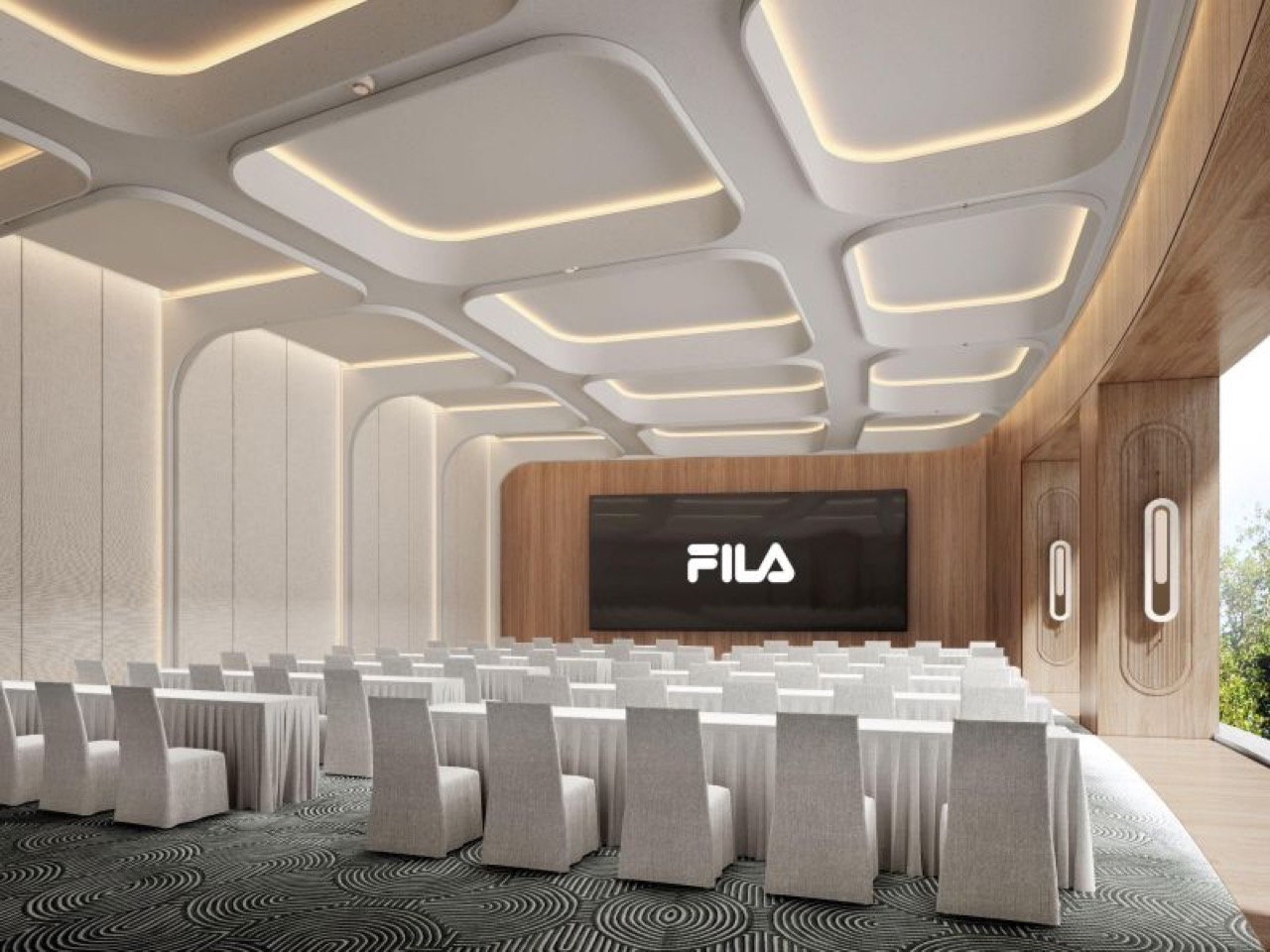
9.For a star-rated hotel, money outside the rooms comes from weddings and banquets. FILA HOUSE has no large banquet hall. What it has is three meeting and event rooms. The guests to fill them are already inside the walls. When construction began in 2019, ANTA said 6,000 to 7,000 employees would work on this campus, and suppliers, buyers and brand events visiting headquarters are the first candidates for these rooms. The same West Hongqiao district also holds the National Exhibition and Convention Center (国家会展中心), home to the annual China International Import Expo.
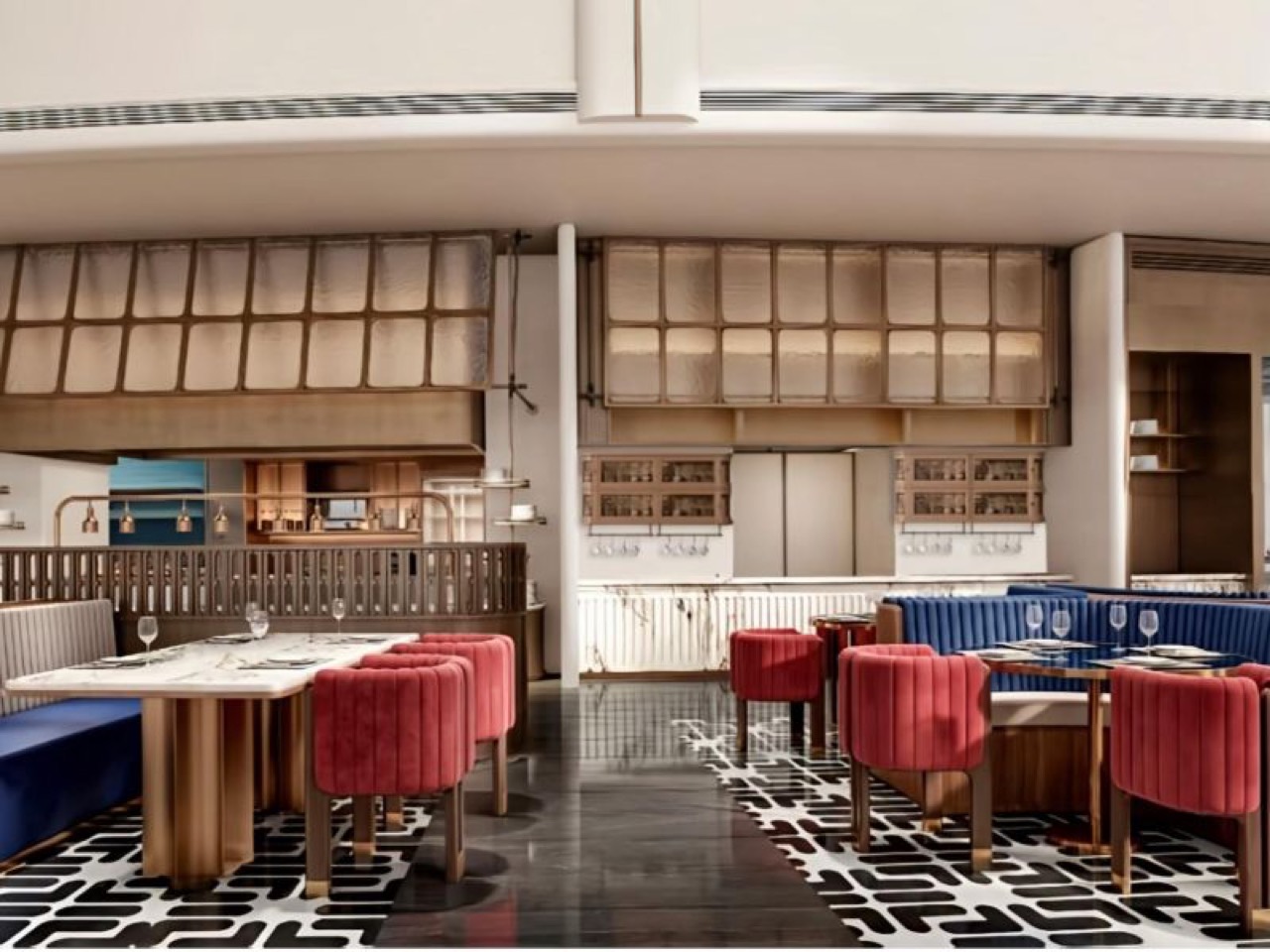
Meeting and event roomThree meeting spaces instead of a banquet hall. ⓒFILA HOUSE Shanghai (via RetailBoss)RestaurantChairs in FILA red and blue. ⓒFILA HOUSE Shanghai (via RetailBoss)
10.The roles split three ways. ANTA owns the land and building, Hyatt runs the hotel, and FILA supplies the name and colours. Operators like Hyatt typically take a few percent of revenue as a base fee and a share of profit as an incentive fee. The terms here are undisclosed. What is certain is that ANTA, as owner, carries the construction cost and the risk of losses, and the exposure it buys with them is ANTA's as well.
11.In China, FILA sells as premium sportswear, leaning on tennis, golf and its Italian origins. In a store you see one outfit; in the hotel you live the whole day that outfit was made for. A swim on the third floor in the morning, a meal in a red chair, a night in a tennis-themed room. Shops for ANTA group brands sit on the same campus.
12.The timing crossed. When the deal was signed, FILA produced nearly half of ANTA's revenue (49.1% in 2020). In the first half of this year that share fell to 34.6%, and growth has stayed in single digits. A hotel planned to show off at the peak opens in a slowdown. The question Chinese media raised about it gathered there too. Can it light the fire again?
13.Brand-name hotels go back to the Bulgari Hotel in Milan in the 2000s and the Armani Hotel in Dubai in 2010. MUJI HOTEL in Shenzhen (2018) and the Shinola Hotel in Detroit (2019) followed. In most cases a developer supplied the land and money and the brand lent its name. ANTA holds all three. It bought the land, built the building, and hangs inside it a name whose rights it owns.
Group exercise studioThe room where PURE runs classes, shared by hotel guests and outside members. ⓒFILA HOUSE Shanghai (via RetailBoss)
14.The risk is location. West Hongqiao has strong weekday business travel but empties on weekends. To hold above-five-star rates on Saturdays, it needs people who like FILA to come on purpose, not business travellers. ANTA has not explained what caused the two-year delay or the 12 lost rooms.
15.So far the public numbers cover little beyond room count, booking rates and floor area. Hyatt's fees, the construction cost and the price of third-floor memberships have not been released. The first figure to watch is weekend occupancy in the first winter after opening. It will show whether this is a building paid for out of a marketing budget or a lodging business that can stand on its own.
ANTA has built a 108-room hotel under the FILA name on its West Hongqiao headquarters campus and set the lowest rate at RMB 1,292, 37% above the Shanghai five-star average. Even on generous assumptions, a year of room revenue comes to RMB 34.6 million, less than one day of sales at the FILA division (estimate). The hotel therefore absorbs headquarters demand through its meeting rooms and fitness floor, and recovers the rest as brand exposure. A Korean company trying the same thing on its own campus would first have to open the district unit plan. In office districts these plans often leave lodging out of the permitted uses. In that case, negotiations over a change of use set the schedule before anyone draws a plan.