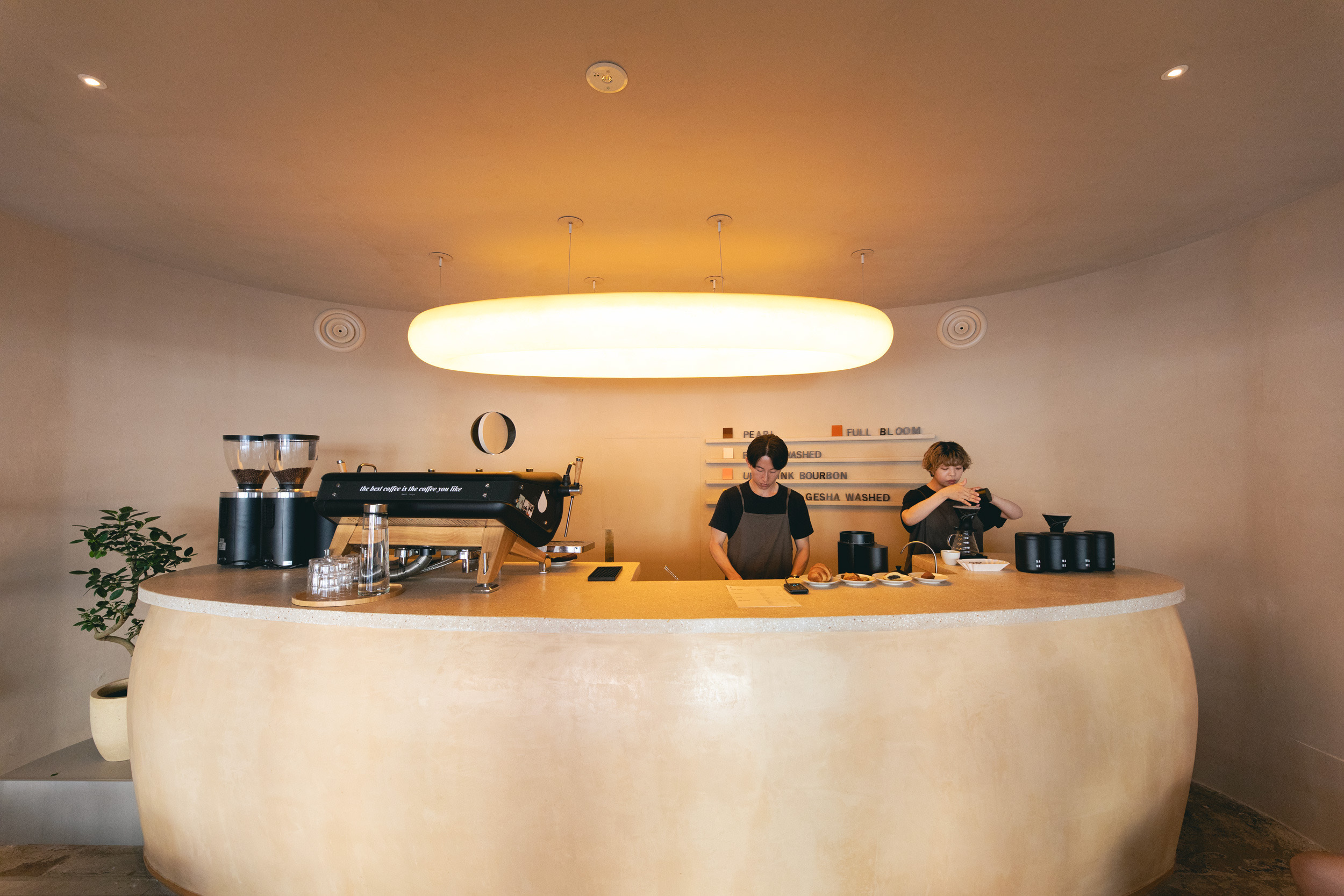
MAME, a coffee company born in Zurich, has opened its second shop in Tokyo. The first was a reservation-led tasting room that charges from 4,000 yen a cup once you sit down. The new one in Sendagaya starts hand brews at 1,000 yen and even sells dog treats.
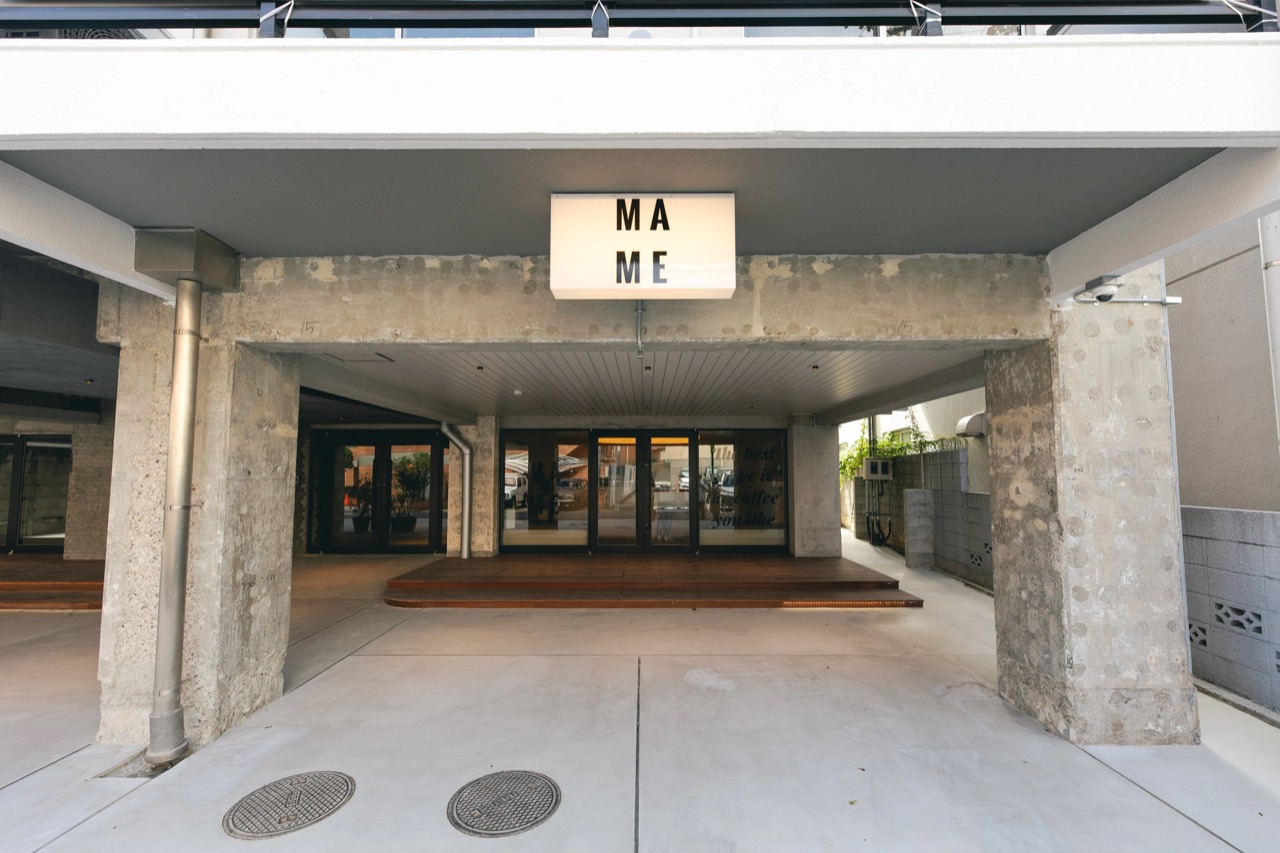
1.On August 6, MAME Tokyo opened in 1-chome, Sendagaya, Shibuya. It takes the ground floor of B TRACK, a mixed-use building the property firm RealGate (リアルゲイト) reopened in June after renovating a six-storey reinforced-concrete block built in 1969. Sendagaya and Kokuritsu-Kyogijo stations are five minutes away on foot, Kita-Sando nine. Hours run from 8 a.m. to 7 p.m.
2.MAME started in Zurich in 2016. Co-founder Emi Fukahori was the 2015 Swiss Barista Champion, and in 2018 she won the World Brewers Cup. Her partner Mathieu Theis, who is French, took the Swiss Barista Championship three times, in 2016, 2018 and 2019. As of March 2026 the company ran eight shops in Zurich and Geneva, plus KURO MAME Tokyo, opened in Toranomon in June 2025.
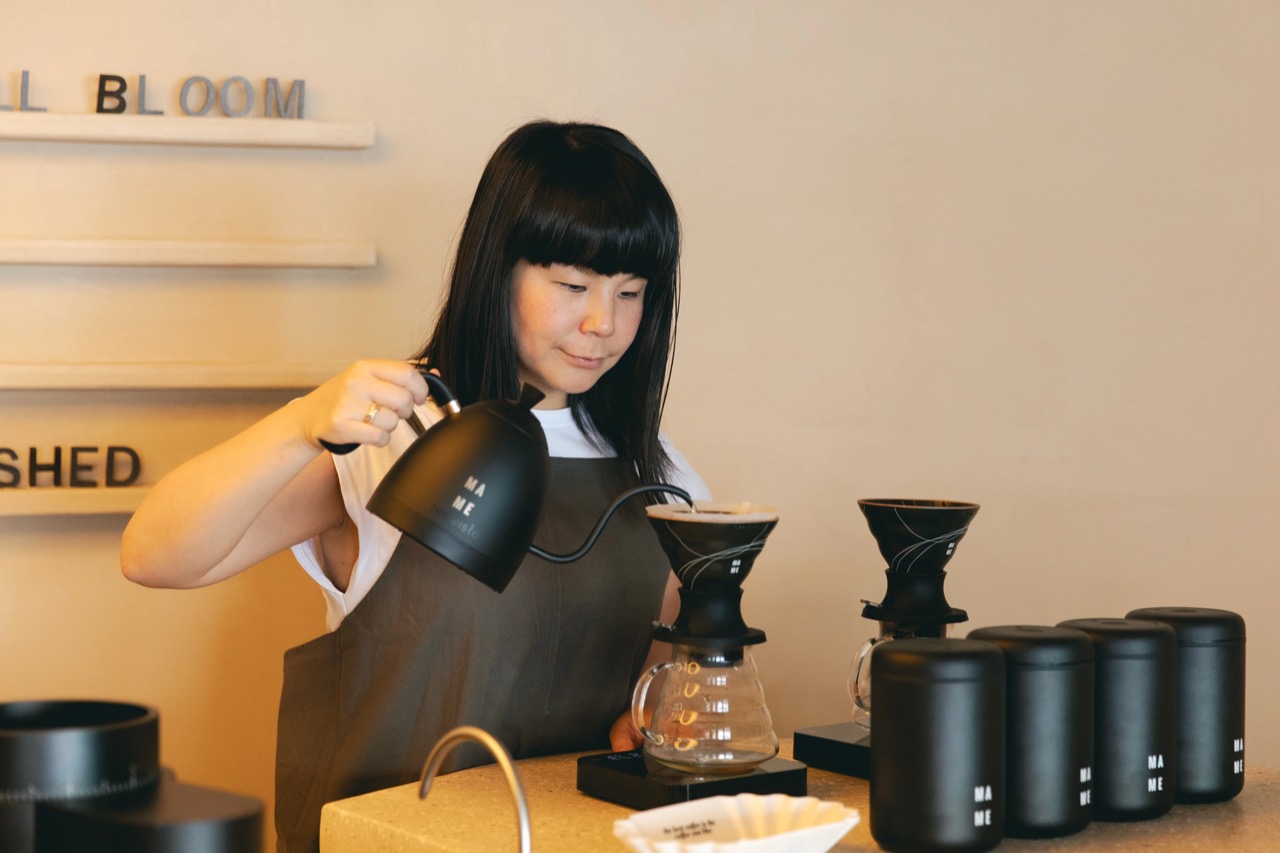
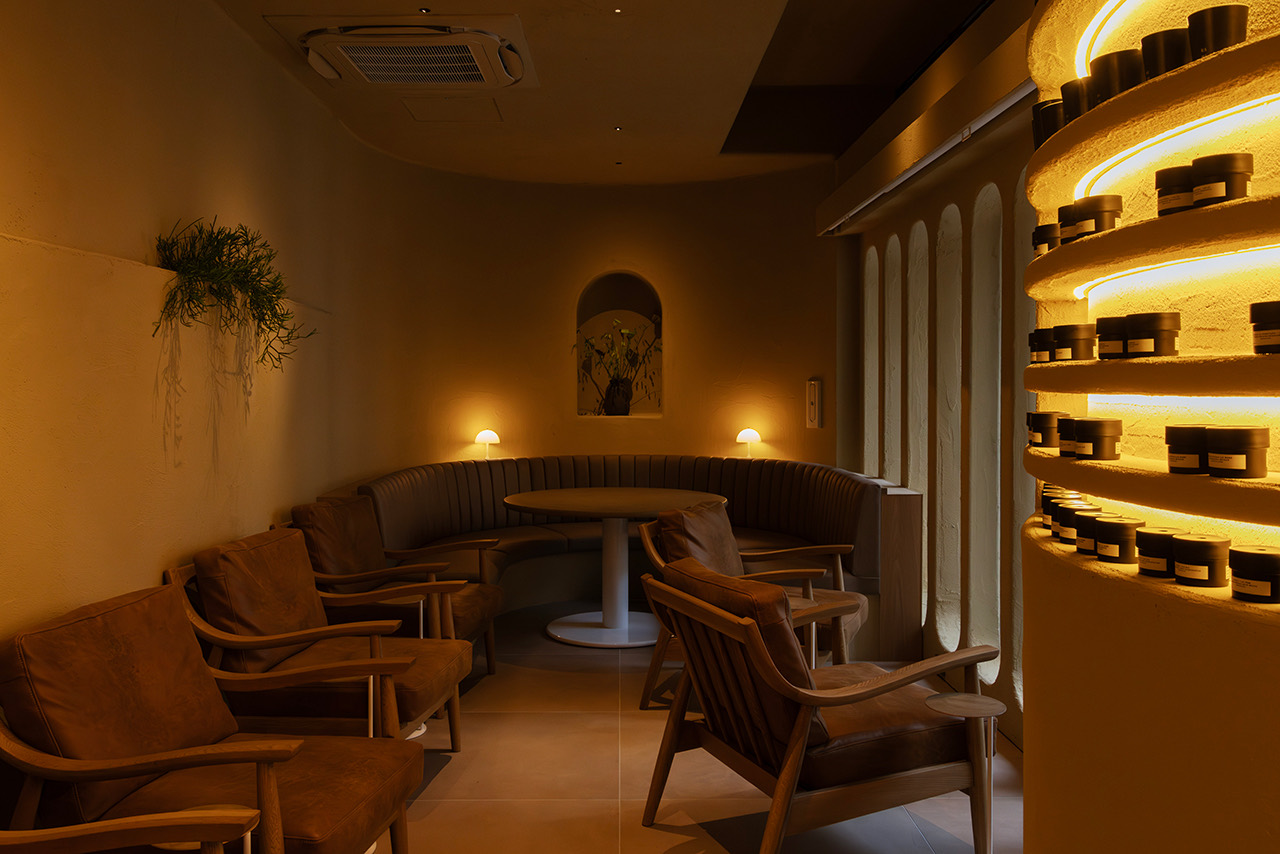
3.Step inside and a cream wall wraps around you, with a bar of the same colour bending along it. A big oval ring of warm light hangs from the ceiling, and beneath it the espresso machine and grinders sit in one line. Panels on the wall sort coffee flavours by colour. The design is by MHAA Architects (MHAA建築設計事務所). Fukahori told Time Out the room goes back to the feel of the early days, when the founders painted their own walls. Terrace seating is planned.
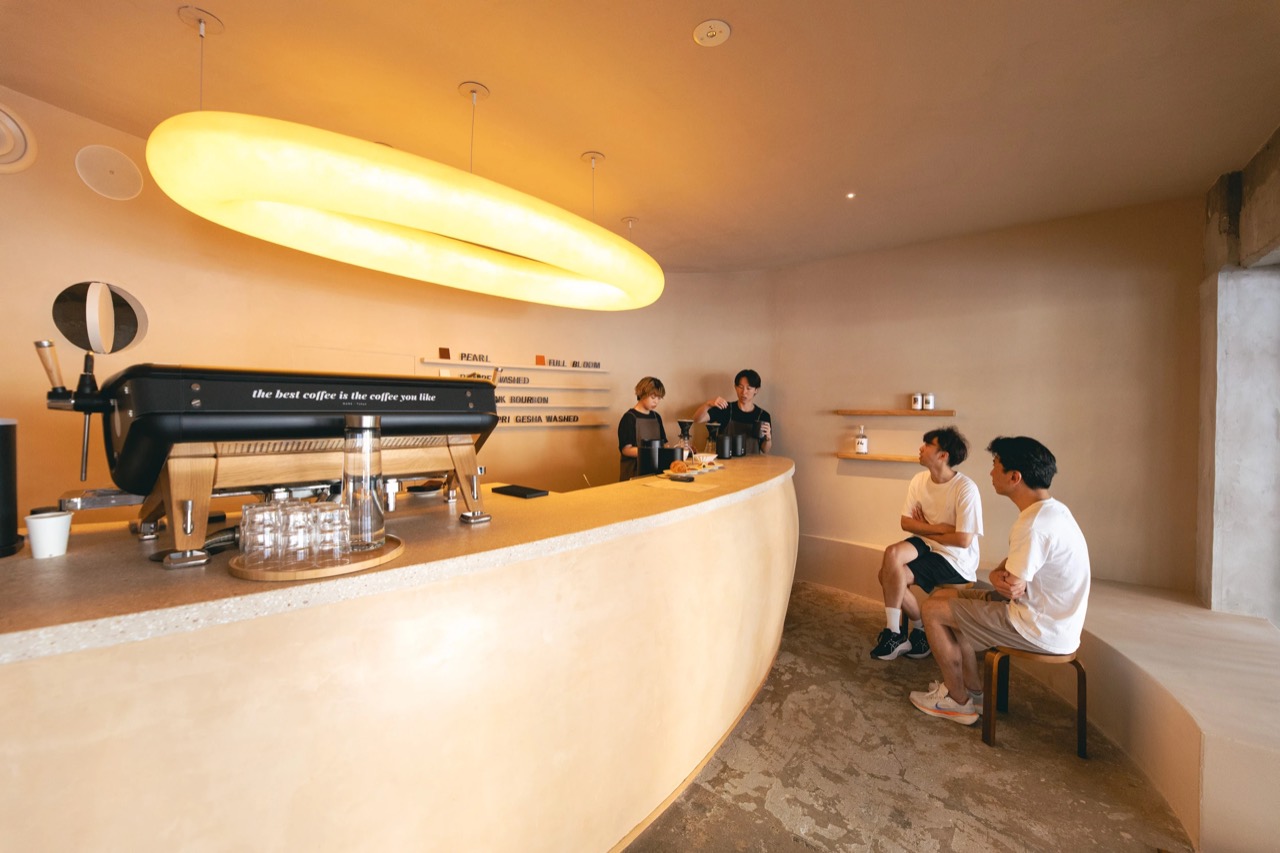
4.Hand brews start at 1,000 yen. About five single origins are on at any time, and the opening month offered Brazil "Pearl" and "Full Bloom", a washed Ethiopia, a Colombian Pink Bourbon and a Geisha to mark the launch. Every bean is bought direct from the farm and roasted in house. Geisha and Pink Bourbon carry heavy floral and fruit notes, and their sweetness and acidity sharpen once the cup cools a little. The flavour shifts more than once before the cup is empty.
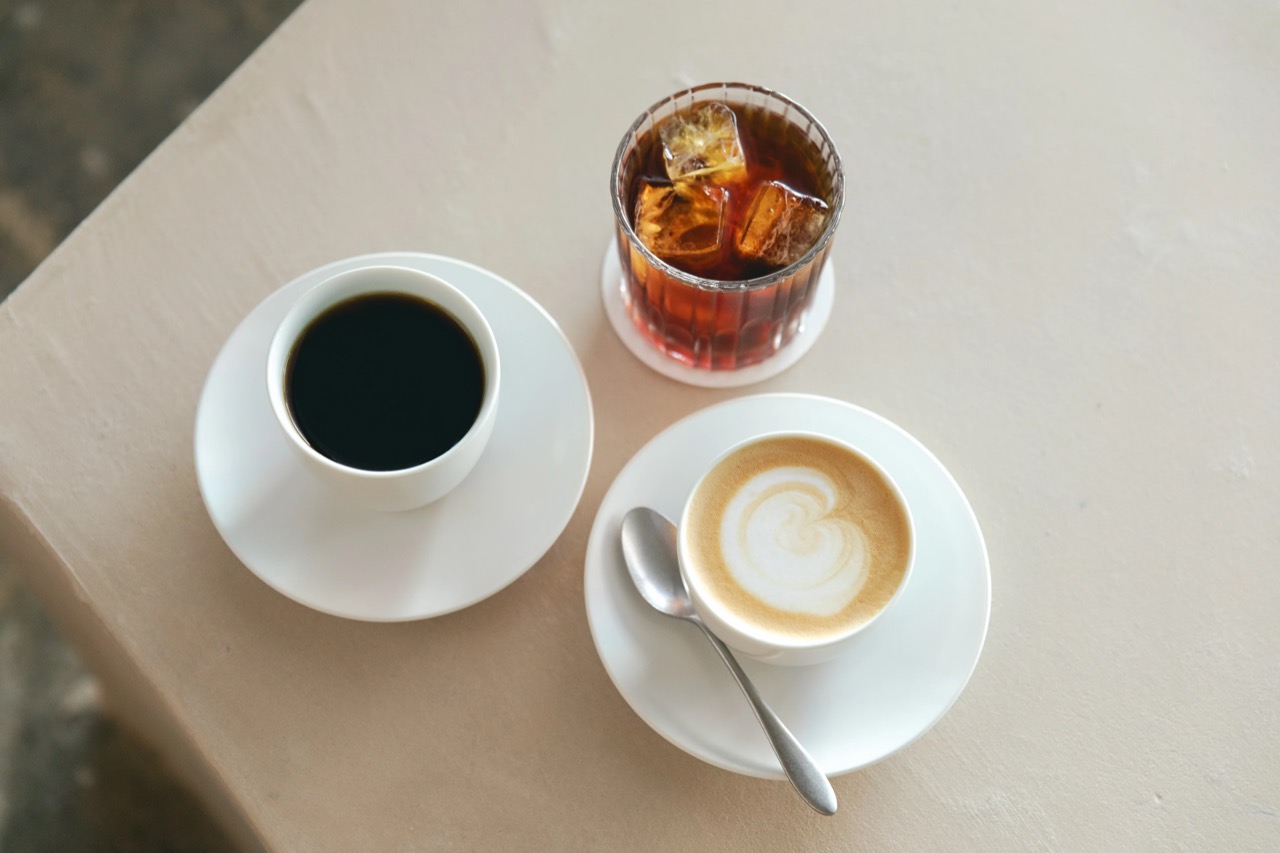
5.Cold brew comes in two versions, Pearl and Pink Bourbon. A long steep in cold water calms the sharp acidity a hot brew throws up and pushes a chocolate-like sweetness forward. The matcha latte uses Yame tea from Fukuoka, and dog treats sit next to croissants, baked sweets and granola. The number of dog owners in the area was one reason the founders chose the spot.
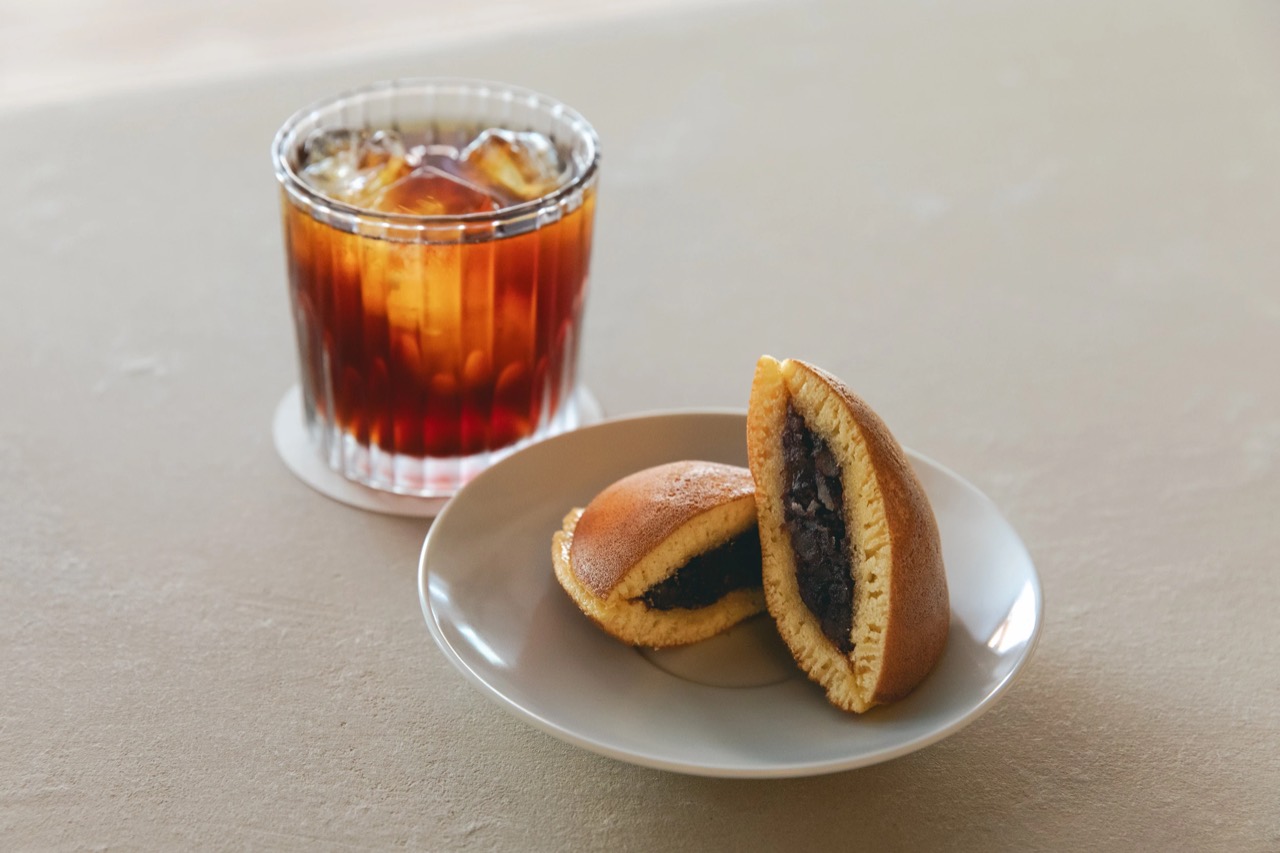
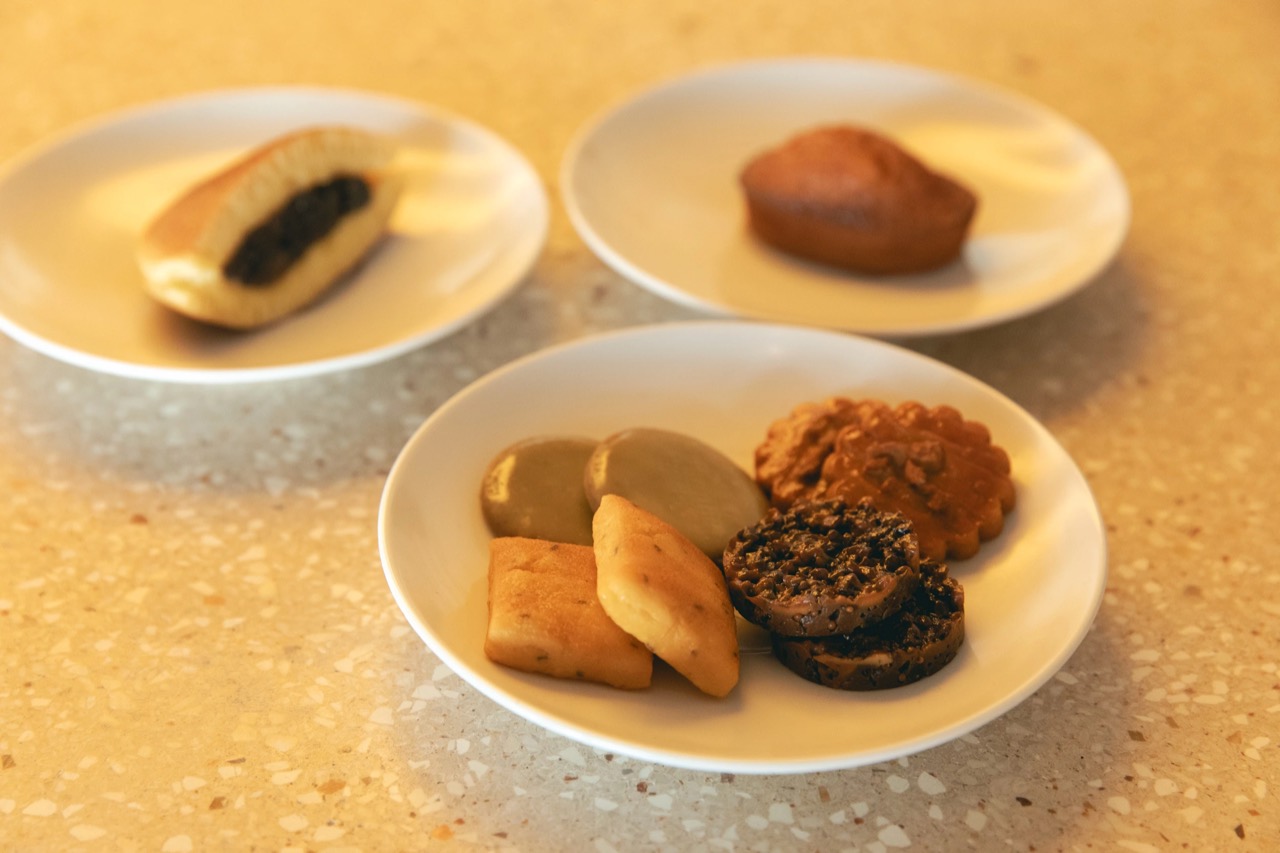
6.KURO MAME Tokyo, opened a year earlier, is built the opposite way. It is a tasting room in Kamiyacho Place, Toranomon 5-chome, with no menu: a barista talks through your tastes and picks a cup. Sitting down costs from 4,000 yen a cup, a seat usually lasts an hour, and booking is recommended. Takeaway starts at 600 yen. Within six months it was shortlisted for The World's 100 Best Coffee Shops.
7.What Fukahori wants in Sendagaya is a customer who says "one coffee" with a phone in the other hand and walks off. Taking a sip of that casually ordered cup and thinking "what is this?" is part of the fun, she told Time Out. A 4,000-yen tasting is good for spreading a name, but it does not create people who come every day. The original MAME in Zurich began as exactly that kind of neighbourhood cafe.
8.Sendagaya borders Harajuku and Omotesando yet mixes houses with small offices. The name B TRACK comes from the area's B-side, the back of the main-street shopping district, like the flip side of a record. Floors two to six hold 27 office and SOHO units from 17 to over 130 square metres, and MAME offers perks for tenants only. The 8 a.m. opening looks set with the people who climb those stairs to work in mind.
9.The same company charges three tiers in Tokyo: 600 yen for KURO MAME takeaway, 1,000 yen for a MAME Tokyo hand brew, 4,000 yen for a seated cup at KURO MAME (100 yen is roughly 900 won). Hand drip at Tokyo specialty cafes usually runs 600 to 900 yen, so Sendagaya's 1,000 yen sits just above the market line. The 4,000 yen pays for an hour across the bar from a barista, not for beans.
10.A hand brew takes 15 to 18 g of coffee. Put specialty green coffee at 3,000 to 5,000 yen per kg and add the 15% weight lost in roasting, and beans cost 60 to 110 yen a cup (estimate). That is only about 10% of a 1,000-yen cup. Geisha costs several times more as green coffee, and the shop poured it to mark the opening.
11.How big is the shop? The floor area has not been published. Put ground-floor retail rent in Sendagaya at 25,000 to 35,000 yen per tsubo a month and assume 20 tsubo (about 66 square metres), and rent alone comes to around 600,000 yen (estimate). Two baristas on the floor for 11 hours a day push labour to about 1.1 million yen a month, and with utilities and supplies fixed costs reach roughly 2 million yen. If each customer spends 1,100 yen and ingredients take 200, the shop needs to sell about 75 cups a day to clear those costs.
12.After the cup, the shop is counting on beans. A roastery will open inside the same building by the end of 2026. Once the beans for both Tokyo shops are roasted in Tokyo, retail bags and wholesale to other cafes can be layered on top. MAME's website already runs a separate channel for wholesale orders. Cup sales are capped by the number of chairs; roasted beans leave the shop and sell elsewhere.
13.Shops opened by world champions usually sell a rare experience through high prices and reservations. MAME ran the sequence in reverse. In Zurich it started as a neighbourhood cafe and grew from there; in Tokyo it built a name first with a reservation tasting room, then came down to street level a year later. In a new city, what the 4,000-yen seat earned was a name more than revenue.
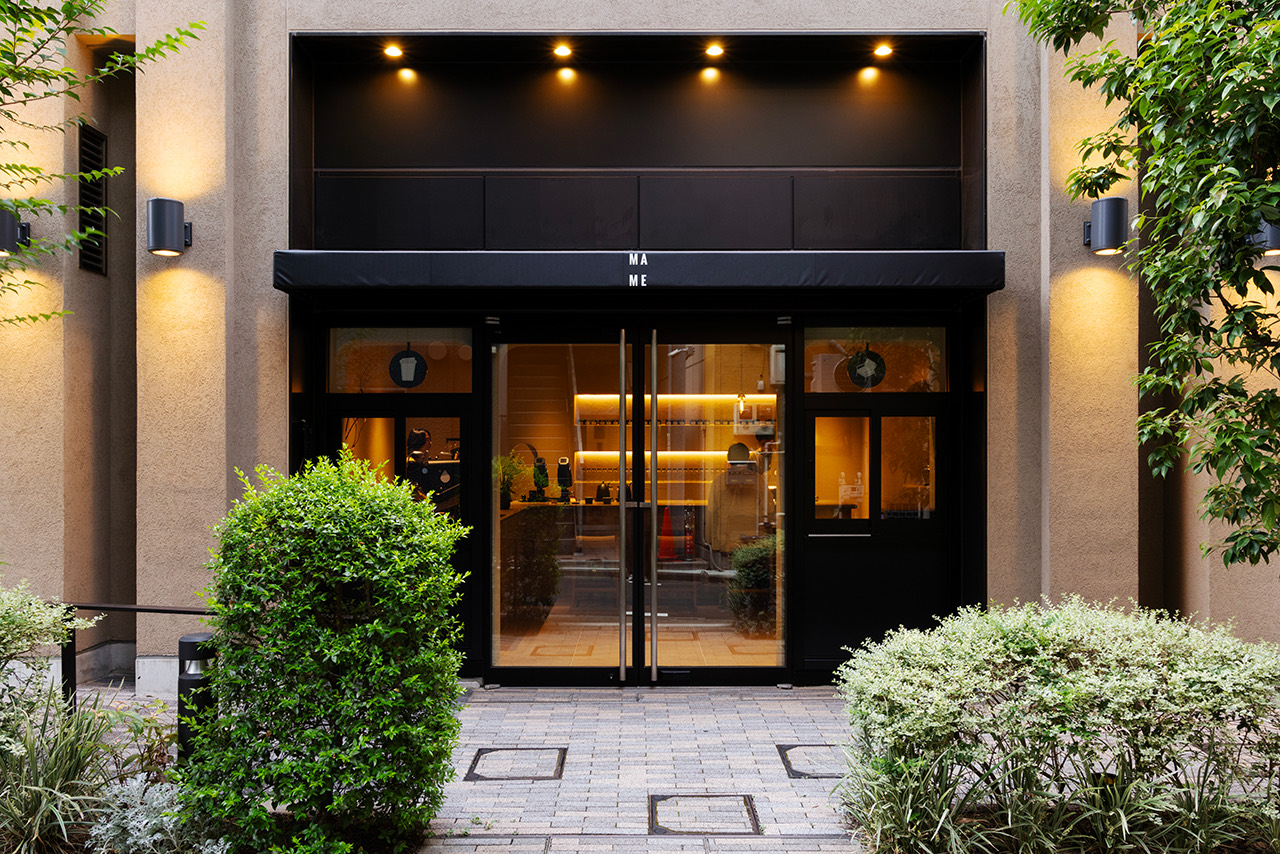
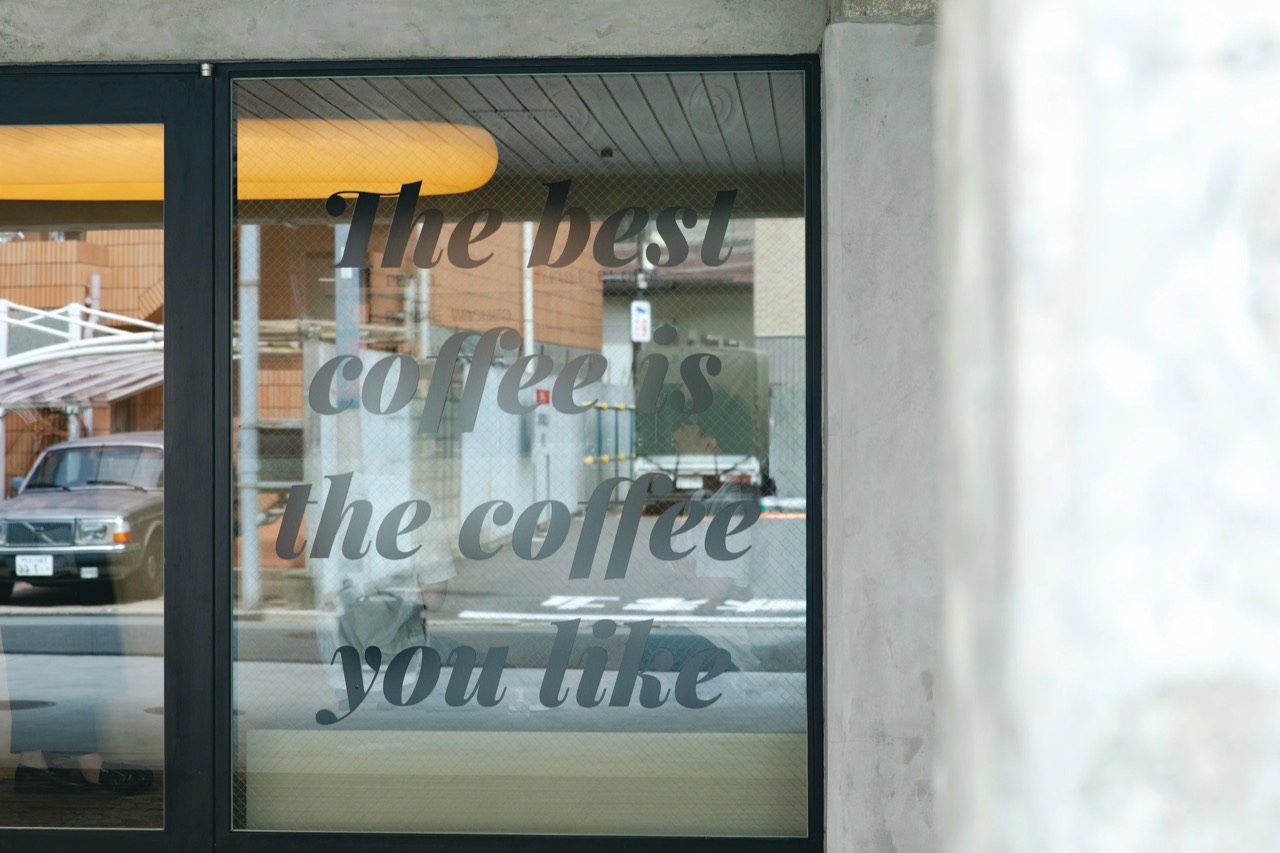
14.That name now sells a 1,000-yen cup. A customer who knows the place was shortlisted among the world's top 100 can taste the company's beans without ever sitting in the 4,000-yen seat. The tasting room sells a barista's time; Sendagaya sells the beans without it. Both shops put the same sentence, The best coffee is the coffee you like, on the glass and on the cup.
15.The shop is counting on two kinds of customer: tenants from the 27 units upstairs in the morning, dog owners from the neighbourhood in the afternoon. The weekend lull that ground-floor cafes in office buildings usually face can be filled from the residential side. The landlord's arithmetic points the same way. To bring young companies into a 57-year-old office block, a busy shop on the ground floor makes the leasing pitch easier.
16.The world champion's second Tokyo shop is a neighbourhood cafe with hand brews from 1,000 yen, turning the name built by a 4,000-yen reservation room a year earlier into a cup people drink every day. Since it needs roughly 75 cups a day to make money (estimate), it leans on the roastery due in the same building at year end and on bean sales. In Korea, the first obstacle to the same setup would be the roastery. Roasting and selling only in the shop is one thing; supplying beans to other cafes usually requires registering as a food manufacturer, and that brings building-use and exhaust requirements with it.