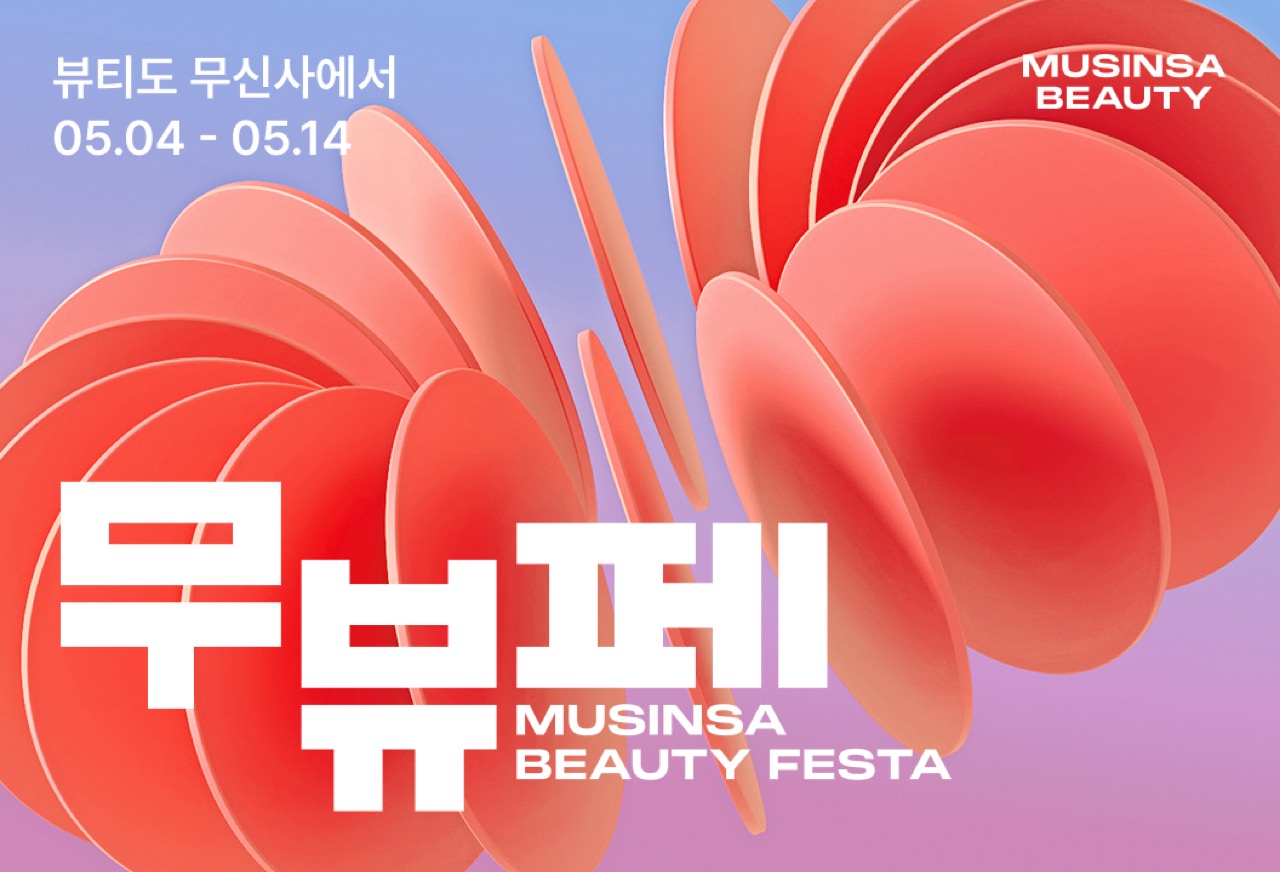
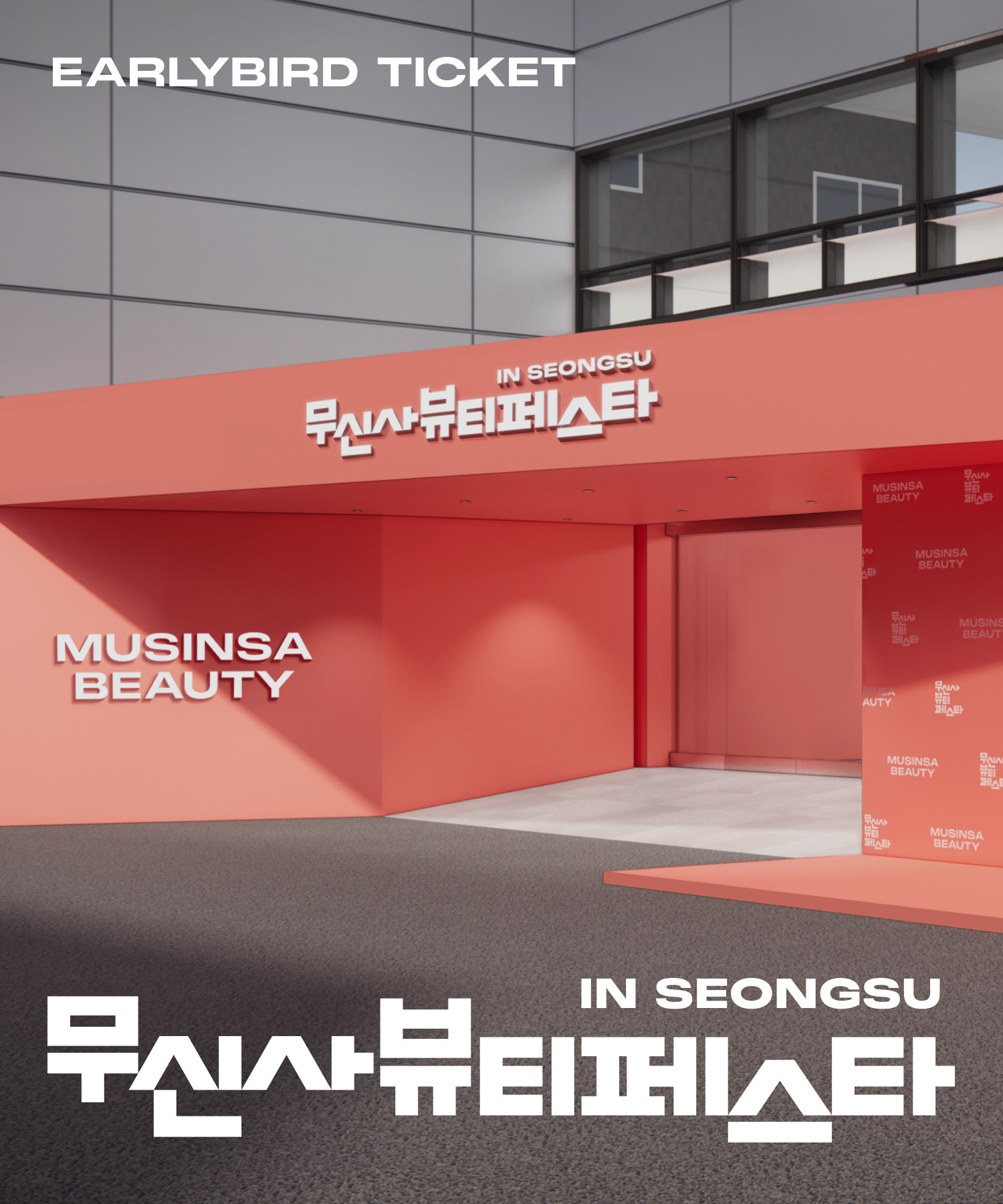
MUSINSA BEAUTY runs Musinsa Beauty Festa in Seongsu across the Seongsu district of Seoul from August 21 to 23. Sixty-five rising beauty brands take part, and admission is paid. A general ticket costs KRW 28,000. Last year the same event sold out three minutes after tickets went on sale, and 14,000 people came through over three days.
1.A cosmetics event charges at the door. In a category where free samples are the norm. This year MUSINSA sold tickets to its Beauty Festa at KRW 15,000 for super early bird, KRW 19,000 for early bird and KRW 28,000 general. Department store beauty floors press samples into your hand to keep you there. This one takes your money before you walk in. And last year those tickets were gone in three minutes.
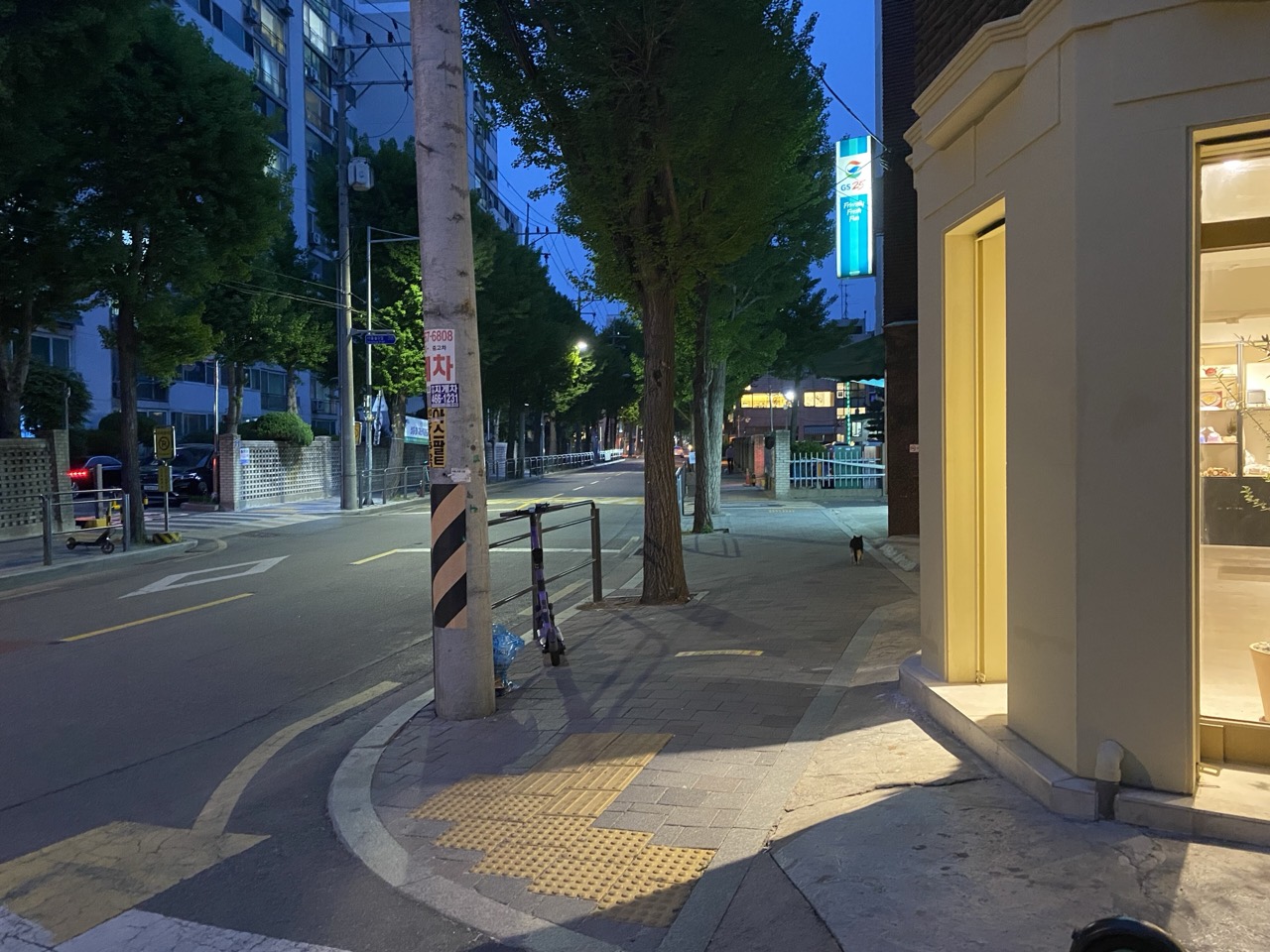
2.Sixty-five brands take part, most of them young labels still short on name recognition. The stage is not one building. It starts at the main pop-ups, Mubupe Hall and Next Beauty Hall, and runs all the way to MUSINSA Megastore Seongsu, the first permanent store, opened in April. The whole district becomes one route. The pop-up stopped being a point and became a map.
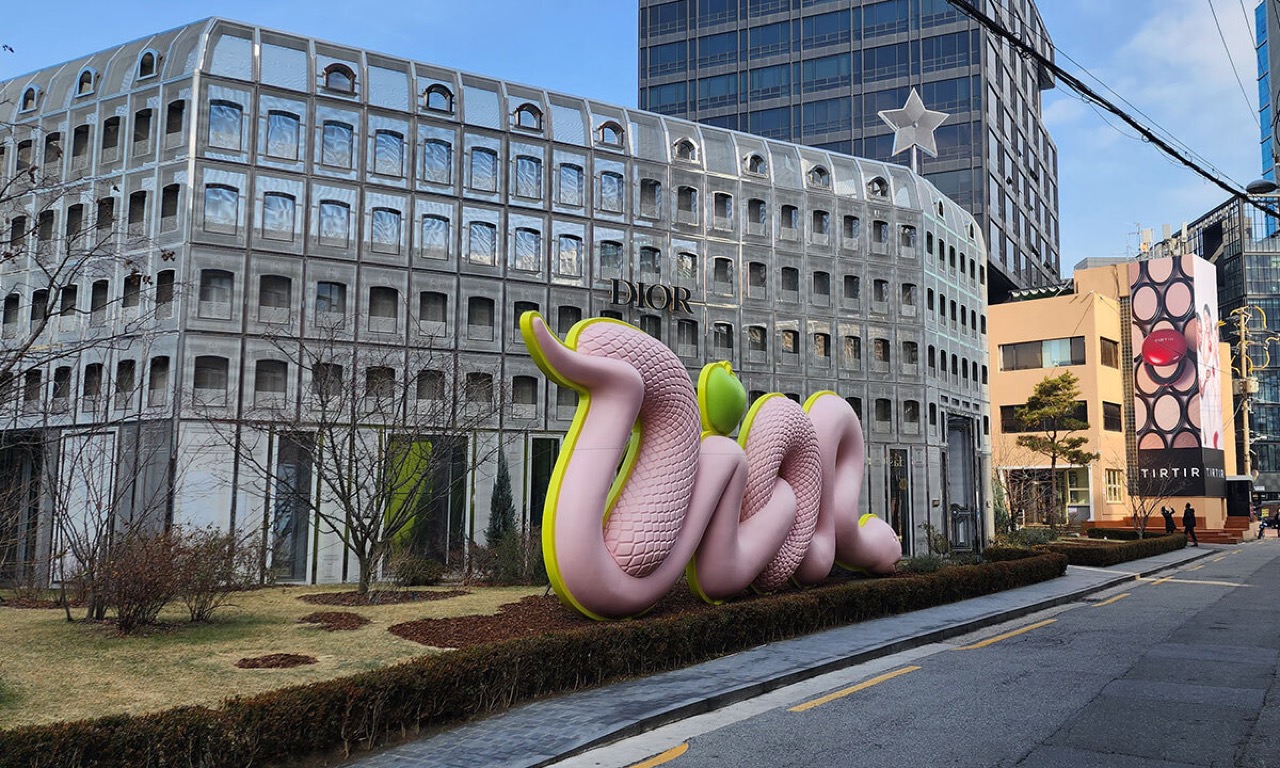
3.Using the neighborhood as the stage is the spine of this event. One ticket walks a visitor between several spaces. You cross an alley from one pop-up to the next, and Seongsu's other shops and cafes fall into the route along the way. Instead of penning people into a single venue, it rents the whole district as an exhibition floor. It also spreads the rent across several spaces rather than paying it in one lump.
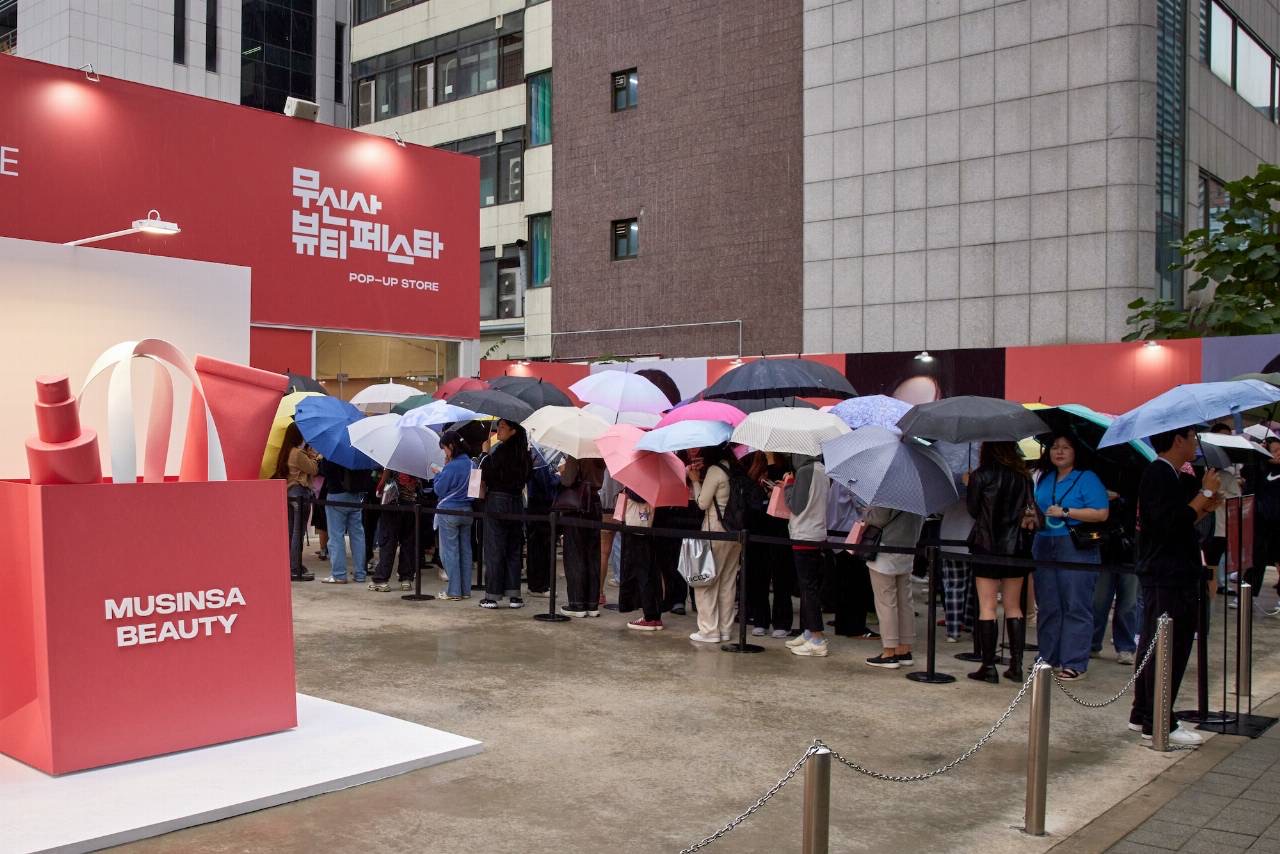
4.Here is what happens once you walk in. Tag a product you like with your phone and your taste gets recorded, then comes back to you as a 'beauty persona.' While your fingers pick scents and shades, those choices quietly stack up as numbers. A custom drink arrives, and a gift bag holding a parasol and products from more than 40 brands lands in your hand. The experience is the survey, and the survey is raw material for the next sale.
5.The collaboration zone runs on different logic too. Beauty brands like Javin de Seoul and rom&nd release limited items with fashion labels like Find Kapoor and Lolalola. Mixing cosmetics and clothes on one floor is no accident. MUSINSA built its platform selling clothes, and pulling those shoppers toward cosmetics is the quiet purpose of this event.
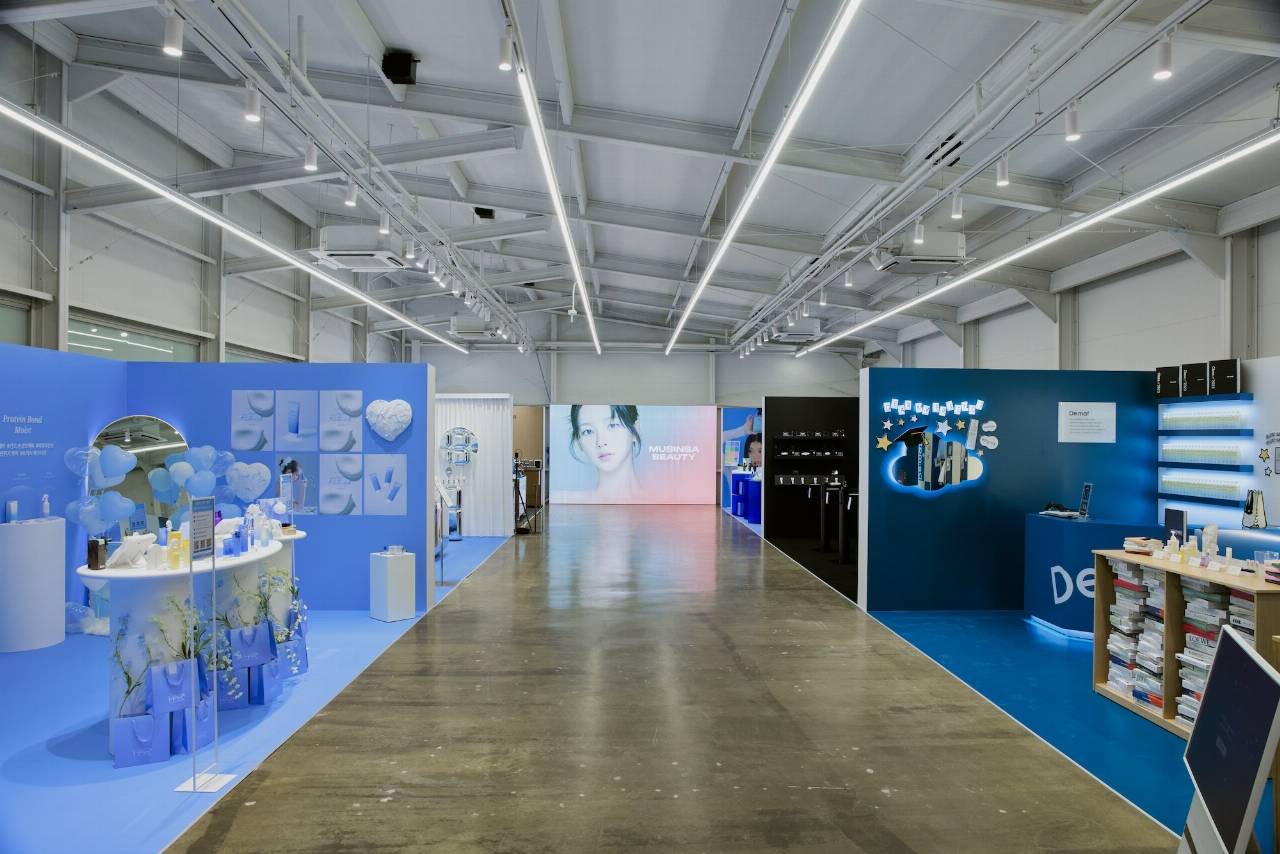
6.Last year's numbers show the size of this thing. The 2025 edition in Seongsu drew about 14,000 people over three days, and 70% of them were in their teens and twenties. Tickets sold out three minutes after they went on sale. Young shoppers crowded a paid gate because for them this is not shopping but a day out. They did not come to buy cosmetics. They came to play, and buying followed.
7.Take the ticket price apart and the arithmetic shows. Prices climb from KRW 15,000 to KRW 28,000 depending on when you buy. Early is cheap and late is dear, which pulls purchases forward and makes the sellout arrive fast. Set that against the cost of products from more than 40 brands inside the welcome gift, and much of the ticket price goes straight back into the buyer's hands. Admission is not where the money is made. The ticket is a threshold, not a revenue line.
싸게 미리, 비싸게 늦게 · 무뷰페 입장권 구조
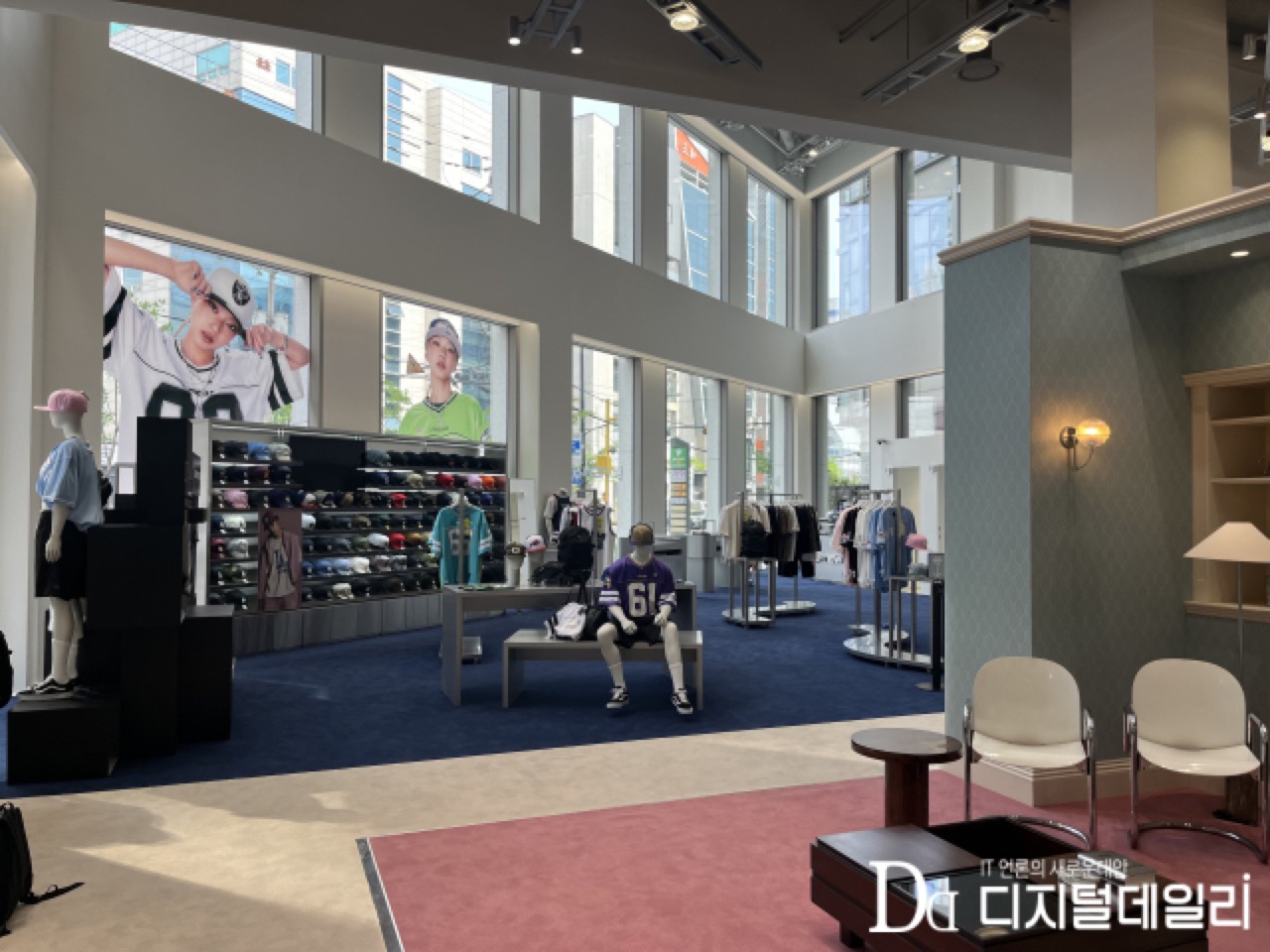
8.The real money moves online after the offline days end. During last year's festa, MUSINSA's beauty transaction volume jumped more than three times against the previous week. The event ran three days, but the online discount ran eleven, cutting up to 80% on some 20,000 items. A product you touched in Seongsu gets bought at home through the app. The offline pop-up is advertisement, trial and funnel at once.
9.The permanent version of that funnel is Megastore Seongsu. The store opened on April 24 and passed KRW 7 billion in cumulative transactions within 50 days. The flow from trying something in store to buying it back in the app shows up in the numbers. Average daily online transactions for the 500-odd beauty brands stocked there rose about 35% against their pre-entry level. An offline shelf lifting online revenue is visible here.
10.Go down to individual brands and the effect sharpens. One vegan cosmetics label saw average daily online transactions rise about 250% after entry, and one color brand rose 213%. Several brands posted triple-digit growth. For a label still short on recognition, a shelf in Seongsu is the shortest bridge to shoppers nationwide. That is why the festa gathered as many as 65 rising brands.
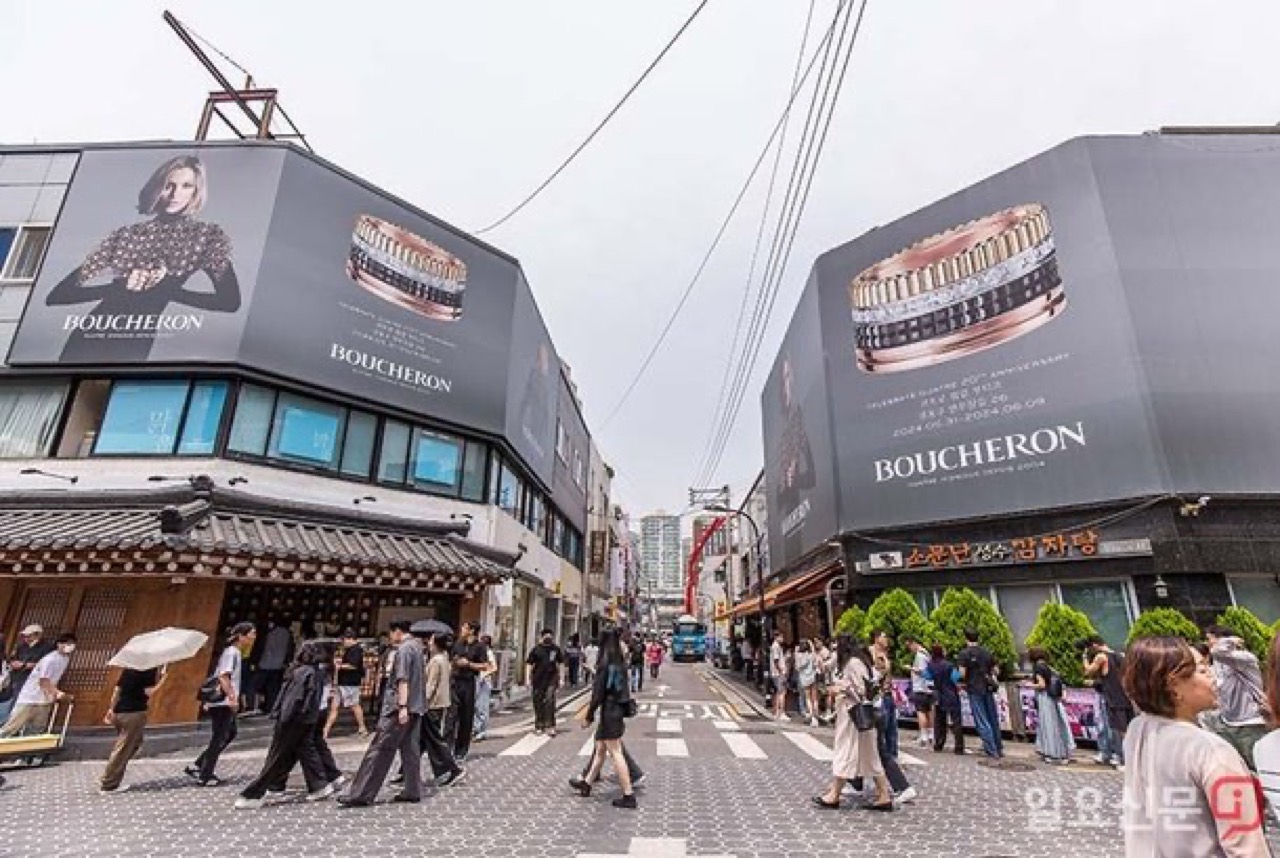
매대 한 칸이 전국 매출을 끌어올린다 · 입점 브랜드 온라인 거래액 증가
11.So why do young shoppers pay for a ticket and crowd in. Cosmetics is a product you have to put on your skin to know. Online you cannot check shade or slip, and in a large store a clerk's eyes press on you. The festa aims at the gap between those two. You run your fingers over 65 brands with nobody watching, and you find one. What it sells is the choosing, not the buying.
12.Why MUSINSA is pushing on beauty comes apart in the same place. MUSINSA is the largest fashion platform in Korea, with 2025 revenue of KRW 1.4679 trillion and operating profit of KRW 140.5 billion. Online and offline transactions together came to roughly KRW 5 trillion. After reaching the top of the clothing market, the next slot where the same teen and twenty-something customers open their wallets was cosmetics. Beauty is not a new business. It is a way to dig deeper into customers already in hand.
13.Trace where this came from and the opponent is obvious. Olive Young is the one that first made people try cosmetics offline and then buy. Stand customers in stores nationwide, sell them the pleasure of discovery. MUSINSA compresses that grammar into a single neighborhood and lays a festival on top of the store. The permanent shop aims at Olive Young, and the three-day festa is the bait that drives people into it. So what funds the bait.
14.MUSINSA itself makes no cosmetics. Without a single house brand, it earns by picking other people's brands, putting them on a shelf and getting them discovered. What it sells is not product but a place to choose from. Rising brands get a stage, young shoppers get somewhere to spend a day, and MUSINSA keeps the commission and the data that connect the two sides. The platform carried the trade it learned in clothing straight over to cosmetics.
15.In a category where free samples are the norm, a fashion platform put a KRW 28,000 ticket on a cosmetics festival and sold it out in three minutes. Products that 14,000 people touched over three days pushed online transactions to three times the previous week eleven days later. Move the same idea into a small space and it breaks at the back end, not at the buzz. Do you have the circuit that takes a taste formed by fingertips offline and collects it as online revenue. Without that circuit, a paid pop-up ends as a three-day cost.