SUMMER SONIC 2026 runs for three days from 14 August, in Tokyo and Osaka at the same time. This is the twenty-fifth year, and for the first time since it began in 2000 it has grown from two days to three. The same lineup turns in both cities with the dates offset. Book a band once and sell it to audiences in two cities.
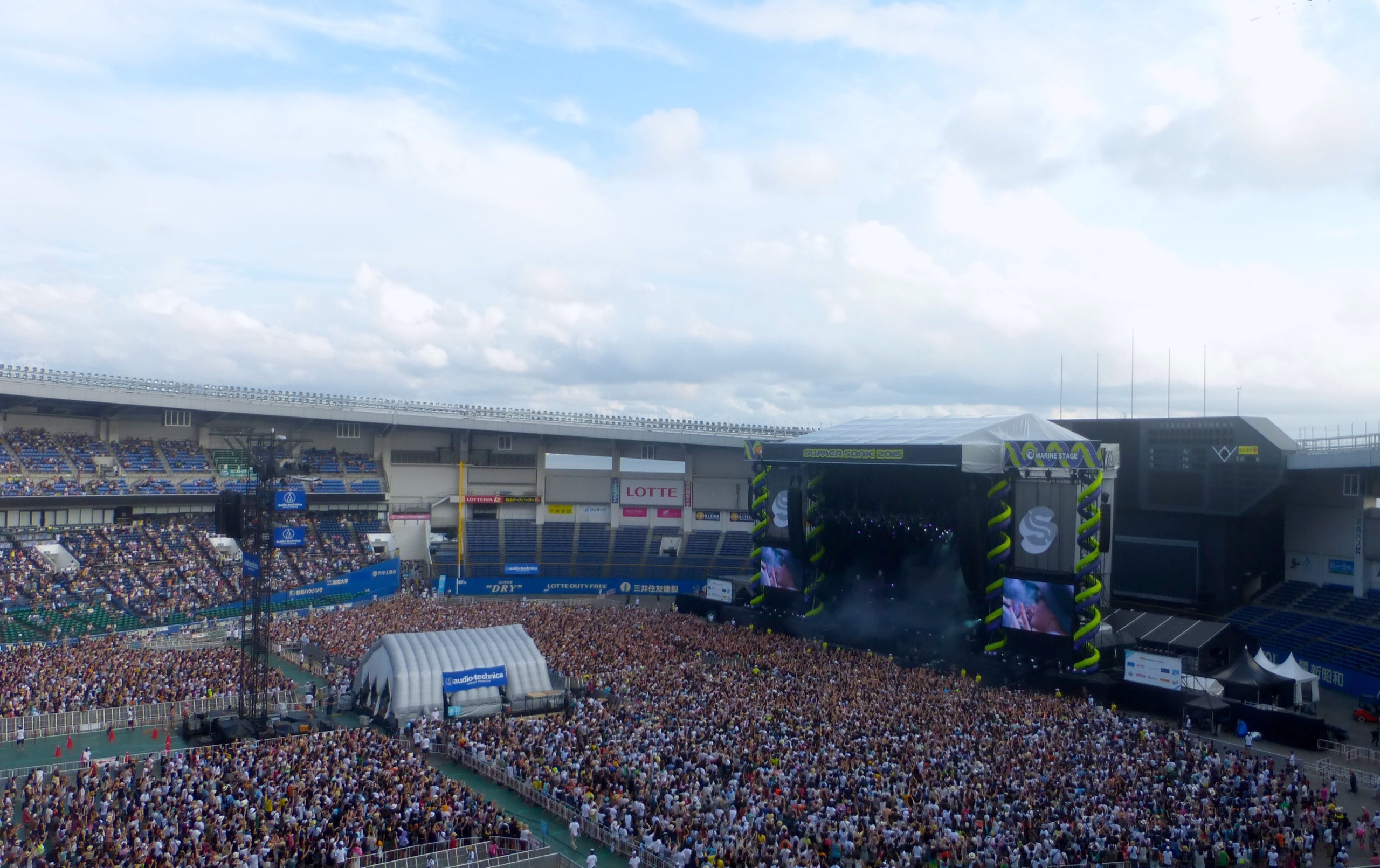
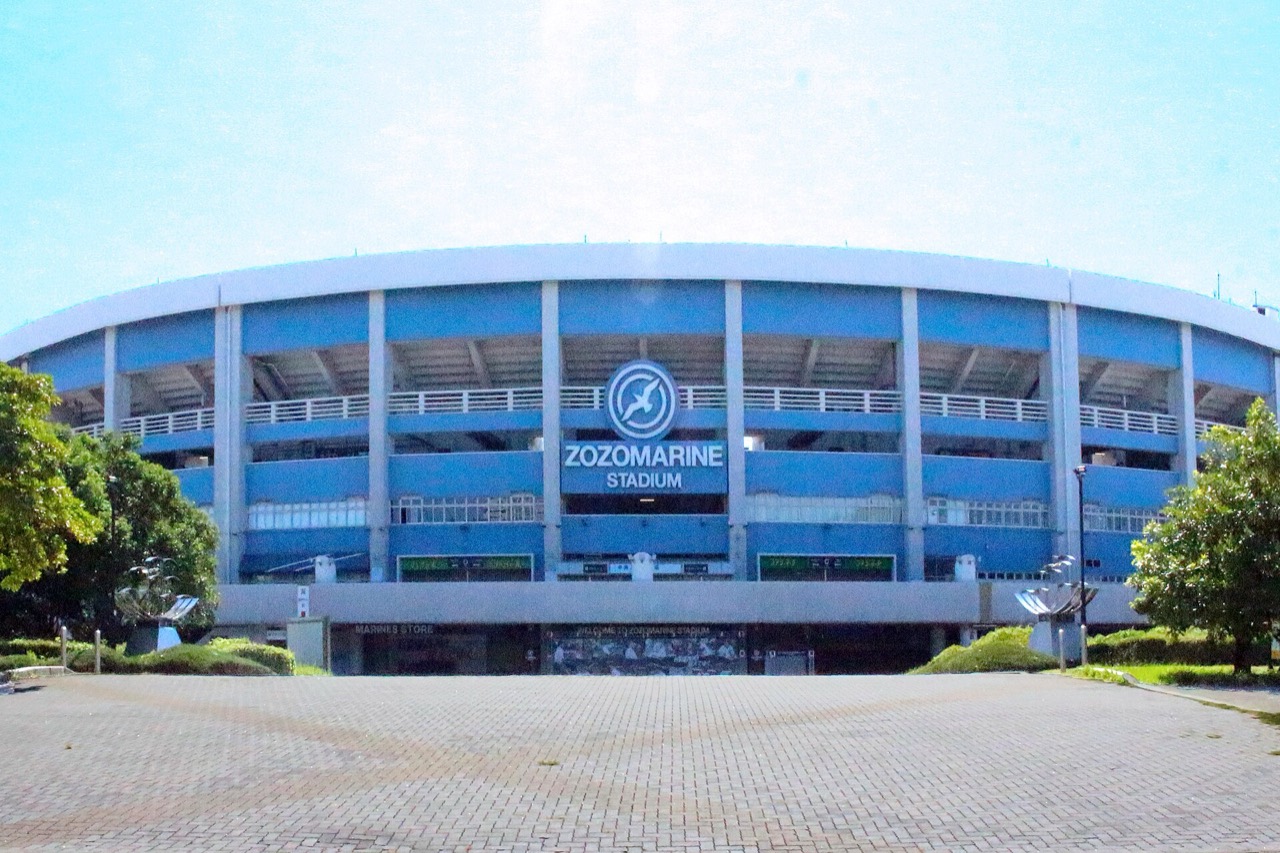
1.Start with the scale. SUMMER SONIC 2026 runs from Friday 14 August to Sunday 16 August. The Tokyo site is ZOZO Marine Stadium and Makuhari Messe in Chiba, and the Osaka site is Banpaku Kinen Park. The confirmed lineup runs to about 40 acts, with The Strokes, L'Arc~en~Ciel, Ado and JAMIROQUAI as headliners.
2.It grew the format in its twenty-fifth year. The two-day schedule it had run since the first edition in 2000 stretched to three for the anniversary. BUMP OF CHICKEN, BABYMETAL, FKA twigs, KASABIAN and David Byrne are on the bill. Planning and operation sit with Creativeman Production, which has built this festival since 2000.
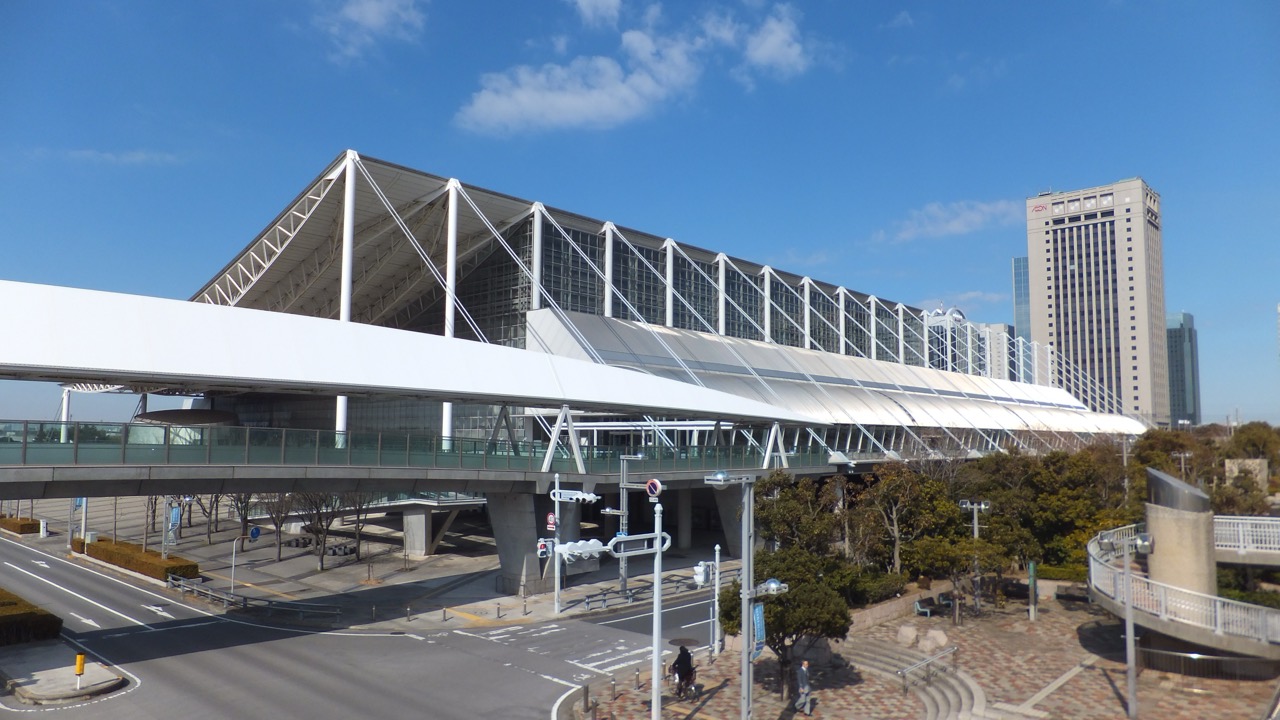
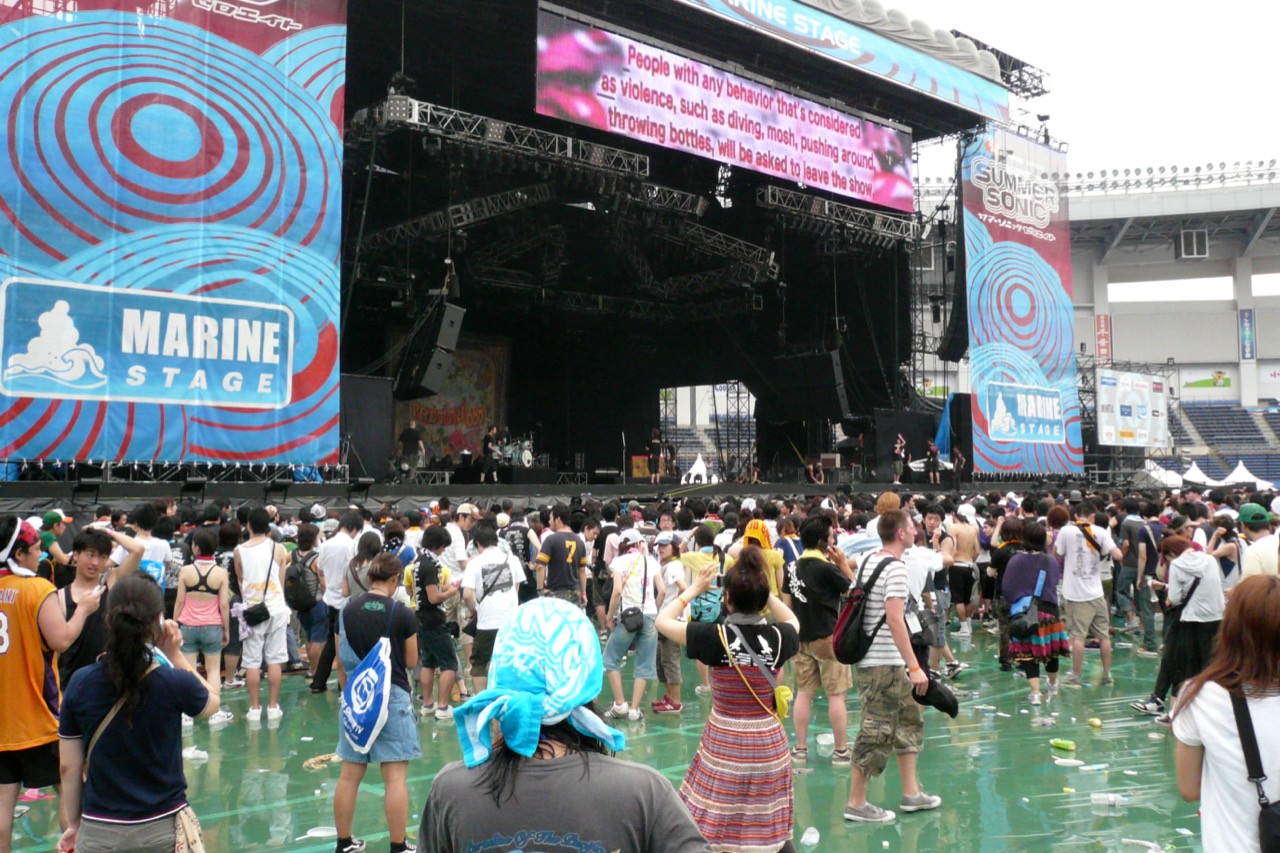
3.Take the structure apart and the site is what differs first. The character of this festival is set by its location rather than its lineup. The Tokyo site puts a baseball stadium and a whole international exhibition centre side by side, within an hour by train from the city centre. Instead of packing a bag and heading into the mountains, the audience leaves home in the morning and goes home at night. A summer festival you can do in a day. That is the identity SUMMER SONIC has carried for 25 years.
4.A baseball stadium at midday has no shade. August humidity in Tokyo heats the stands, and the audience crowds the water points. Then the stage changes and they walk into the exhibition hall next door. They wait for the next band in air conditioning, and once their bodies cool they go back into the sun. A path that crosses between hot outdoors and cool indoors several times a day. In a Japanese summer where extreme heat is a constant, having an indoor stage attached is what this site is worth.
5.The real device is in how the two cities are tied together. Tokyo and Osaka run the same lineup on the same weekend with the dates shifted by one day. A band that plays the first day in Tokyo plays the second day in Osaka. They finish in Tokyo, travel overnight and go up again the next day. SUMMER SONIC took the mirror scheduling used by Reading & Leeds Festival in Britain and planted it in Japan's two largest cities.
같은 라인업이 두 도시를 어긋나게 돈다 · 미러 편성
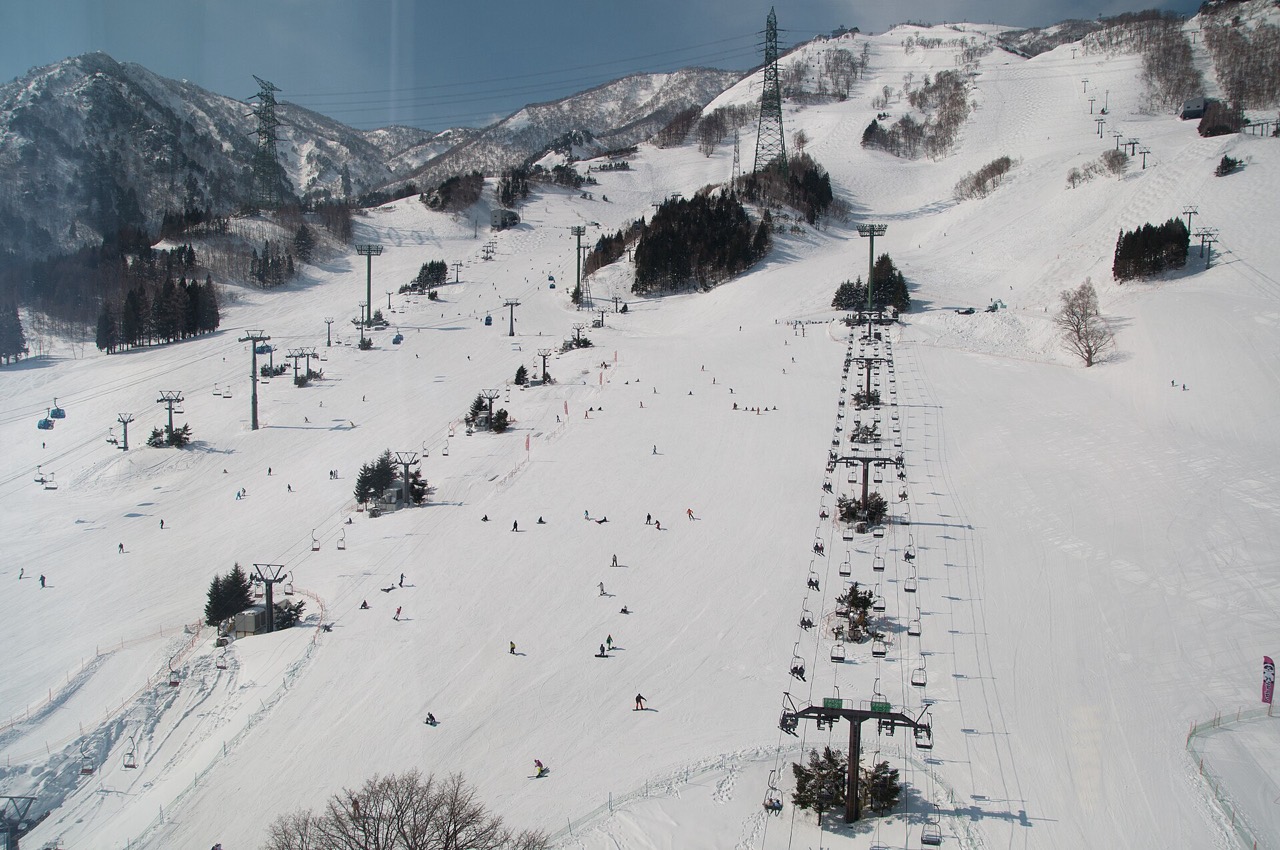
6.So why does this work? What SUMMER SONIC sells is not only music but access. Fuji Rock goes into a ski resort in Niigata and spends three days camping, submerged in nature. SUMMER SONIC went the other way. Half a day out of ordinary life to see bands and back on an evening train, a city person's summer outing. A festival that chose convenience over immersion.
7.That convenience is worth particularly much right now. As the yen has weakened, audiences coming into Japan from abroad have grown. An urban site reachable by train from the airport is far softer for foreign visitors with luggage than Fuji Rock's mountain road. The lineup that began in rock widening into hip hop, EDM, J-pop and idol acts from the late 2000s is also the result of moving toward gathering several tastes at one site and selling as many tickets as possible.
8.Now look at where the money turns. A Tokyo day ticket is 21,000 yen and a three-day ticket 59,000. In Korean terms about 190,000 won a day and about 550,000 won for three days (estimated at the weak yen rate). Osaka runs 19,000 yen and 54,000 yen on the same terms, lower than Tokyo. Same lineup, different price by city. Why is Tokyo dearer? Demand and inbound visitors reach there first.
9.Mirror scheduling is the cost structure. The fee for a headliner such as The Strokes runs past hundreds of millions of won in one booking. Recovering that single fee from a Tokyo audience alone is heavy. When two cities split the same act, one fee gets recovered from Tokyo tickets and Osaka tickets at once. Even with another round of flights and hotels, the gain from selling tickets in two cities is larger. The real reason this scheduling has run 25 years is recovery, not logistics.
10.Scale supports it. In its three-day special edition in 2019, SUMMER SONIC drew 350,000 people across the two cities, and around then it passed Fuji Rock to become the largest outdoor music event in Japan. With an audience that size staying inside the city, the money turns outside the site as well. Hotels and restaurants, trains and convenience stores get three days of trade. Because it is an urban festival, that spillover lands in city centre trade areas rather than in the mountains.
같은 라인업, 다른 값 · 도쿄와 오사카 티켓 (엔)
11.SUMMER SONIC was held in Yamanashi in its first year, 2000, and came down to Chiba the following year. That move changed its character. Coming down from the mountains to the edge of the city turned it into a day-trip festival, and the line opposite Fuji Rock was set then. Mirror scheduling was not a Japanese invention either. It came from the way Reading & Leeds ran across two cities in Britain.
12.This year's headline list is the answer. In its twenty-fifth year it put two domestic acts, L'Arc~en~Ciel and Ado, at the top instead of a large Western band. Is the reason romantic? No. As the yen weakened, the cost of booking overseas bands paid in dollars and pounds jumped. Economics changed the lineup. A city festival that sold access drew its defensive line this time with domestic bands in front of the exchange rate.
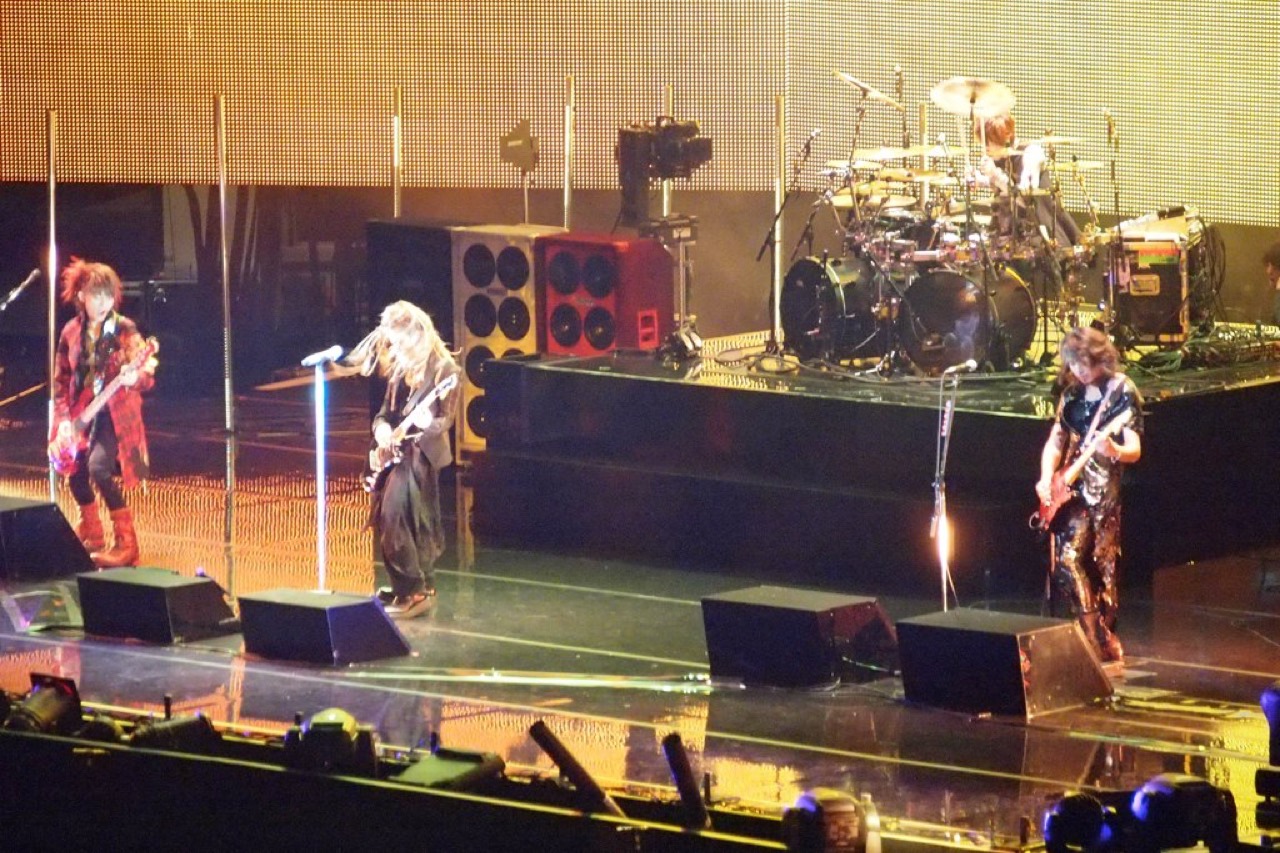
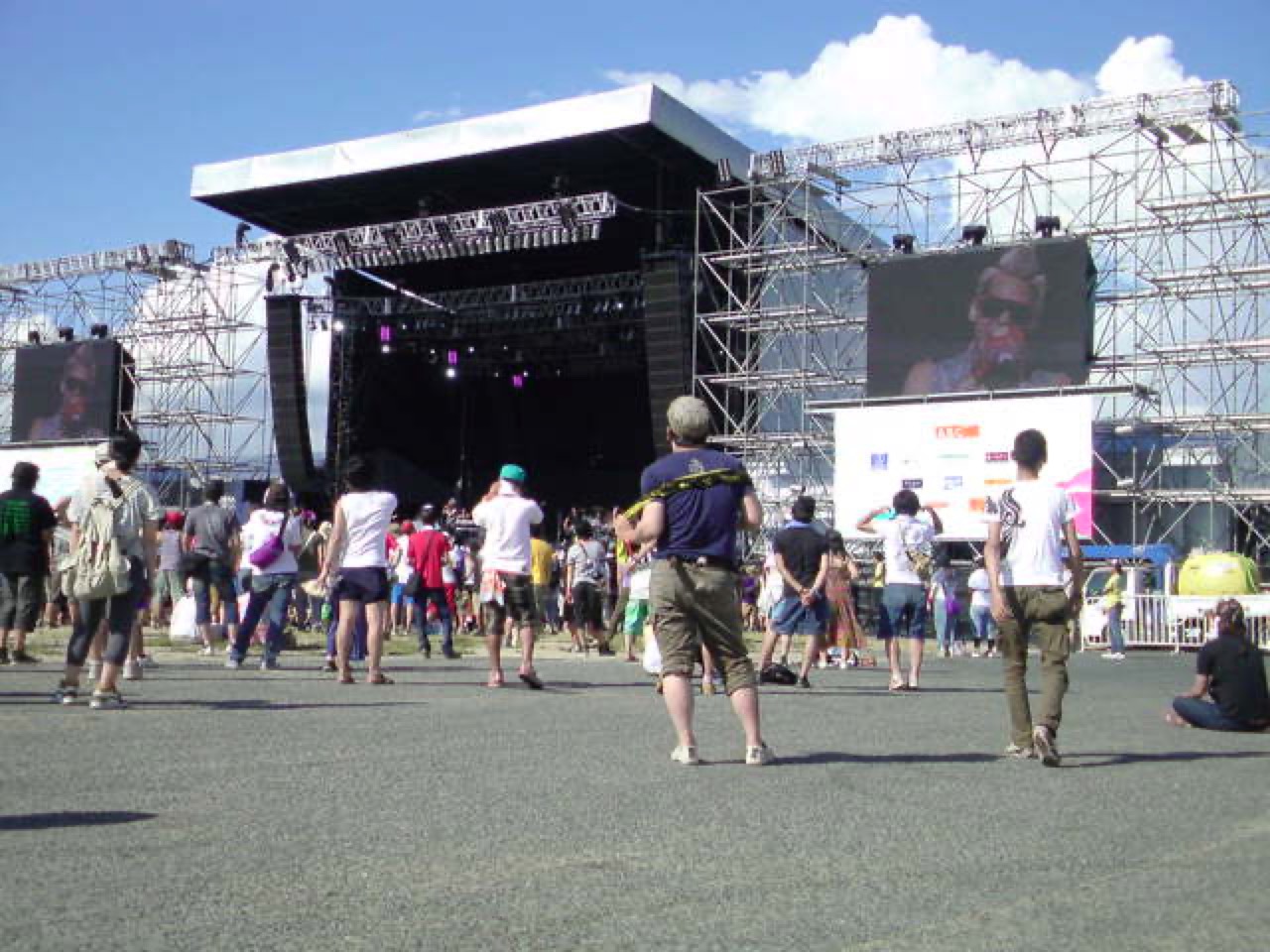
13.Running the same content in two places to split the sourcing cost applies anywhere a large programme is sold to several venues. Moved to Korea, though, it catches in the same spot. Linking two venues a day apart means performers, equipment and crew have to be able to move overnight, and it takes nerve to price differently by the gap in demand between two cities. What SUMMER SONIC has sold for 25 years is not a lineup but two pieces of design, access and mirror scheduling. And when that design shakes, the festival redraws its defensive line with domestic bands in front of an outside variable such as the exchange rate.