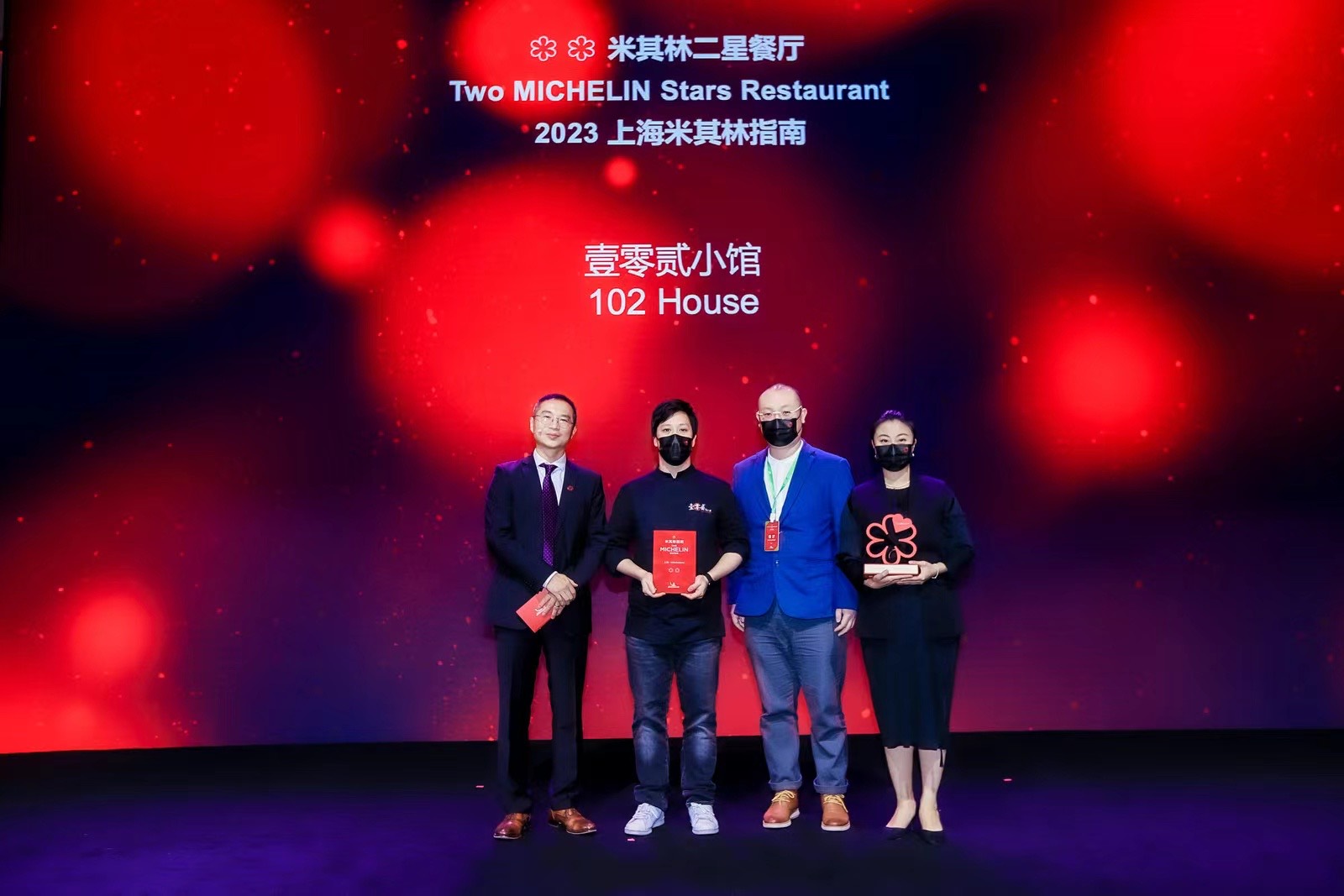
On July 8, 2026, the two-star Michelin restaurant 102 House in Shanghai closed, citing the end of its lease. In the same month, in a building on Renmin Road, the opposite happened. Ignis Table, a chef's table with a set menu at RMB 1,880, opened. Chinese food service lost 2.05 million businesses in half a year, and revenue in the band above RMB 300 per head fell 12% against a year earlier. In the middle of those numbers, twelve seats open at six times that price. What matters here is not nerve, it is arithmetic.
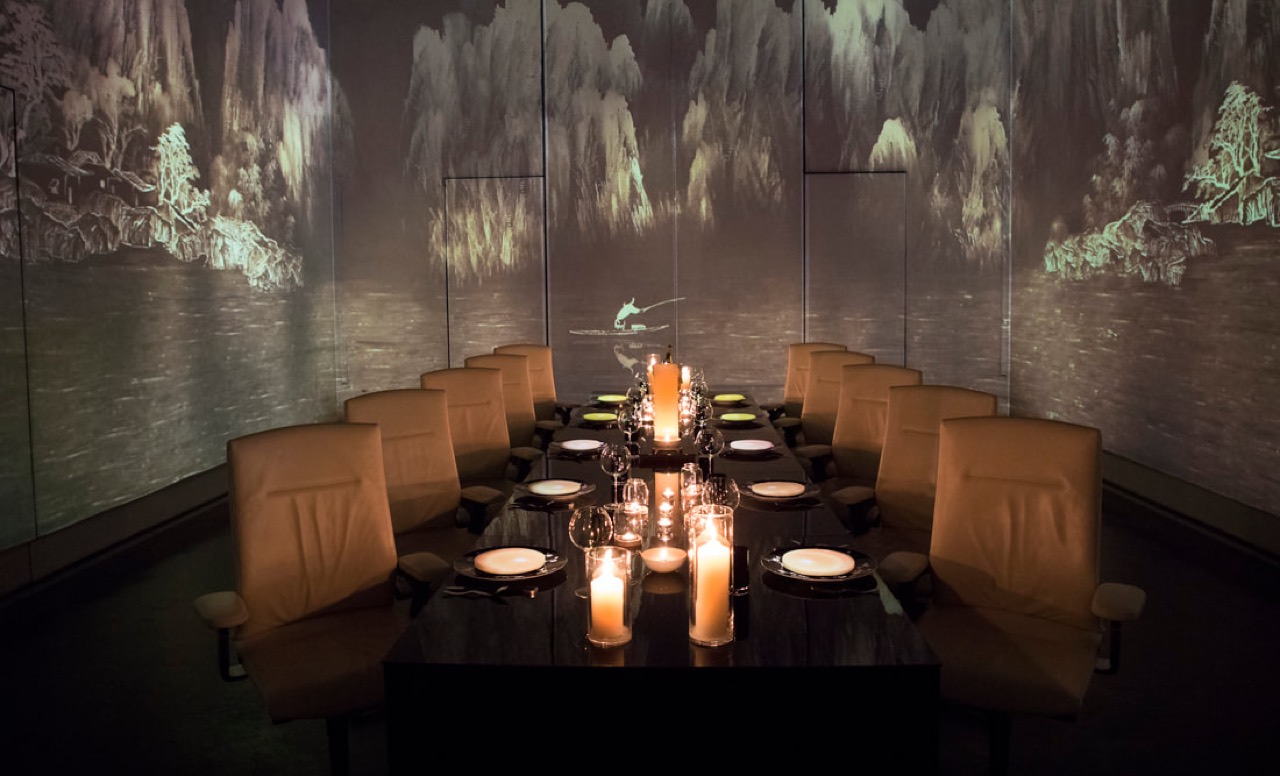
1.The facts first. The site is Zhonghua Mansion on Renmin Road in Huangpu district, Shanghai, and the name is Ignis Table. The chef is Julien Xu. Twenty years in, having passed through Ultraviolet in Shanghai and Rêver in Guangzhou, and listed among the One Knife names at The Best Chef Awards. The cooking is modern Chinese, built around premium seafood. The set is RMB 1,880 with a 10% service charge, so the actual bill is RMB 2,068, about KRW 450,000.
2.The other side of the same city in the same month looks like this. 102 House closed on July 8 citing the end of its lease, and Soif, the wine bar that opened Shanghai's natural wine boom, quietly wound up. A month earlier, EPIC, twelve years old, closed for the same reason, local media report. The national figures are drier. From last December to this June, 2.05 million food service businesses in China closed, and even offsetting new openings the net loss is 410,000.
3.The media did not say, and the format narrows the answer. Chef's tables in the same city run 14 seats at Taian Table, 8 at EIGHT, and Ultraviolet, which closed in 2025, had 10. Somewhere between ten and fourteen. This piece takes 12 and runs the arithmetic below on that basis (estimated).
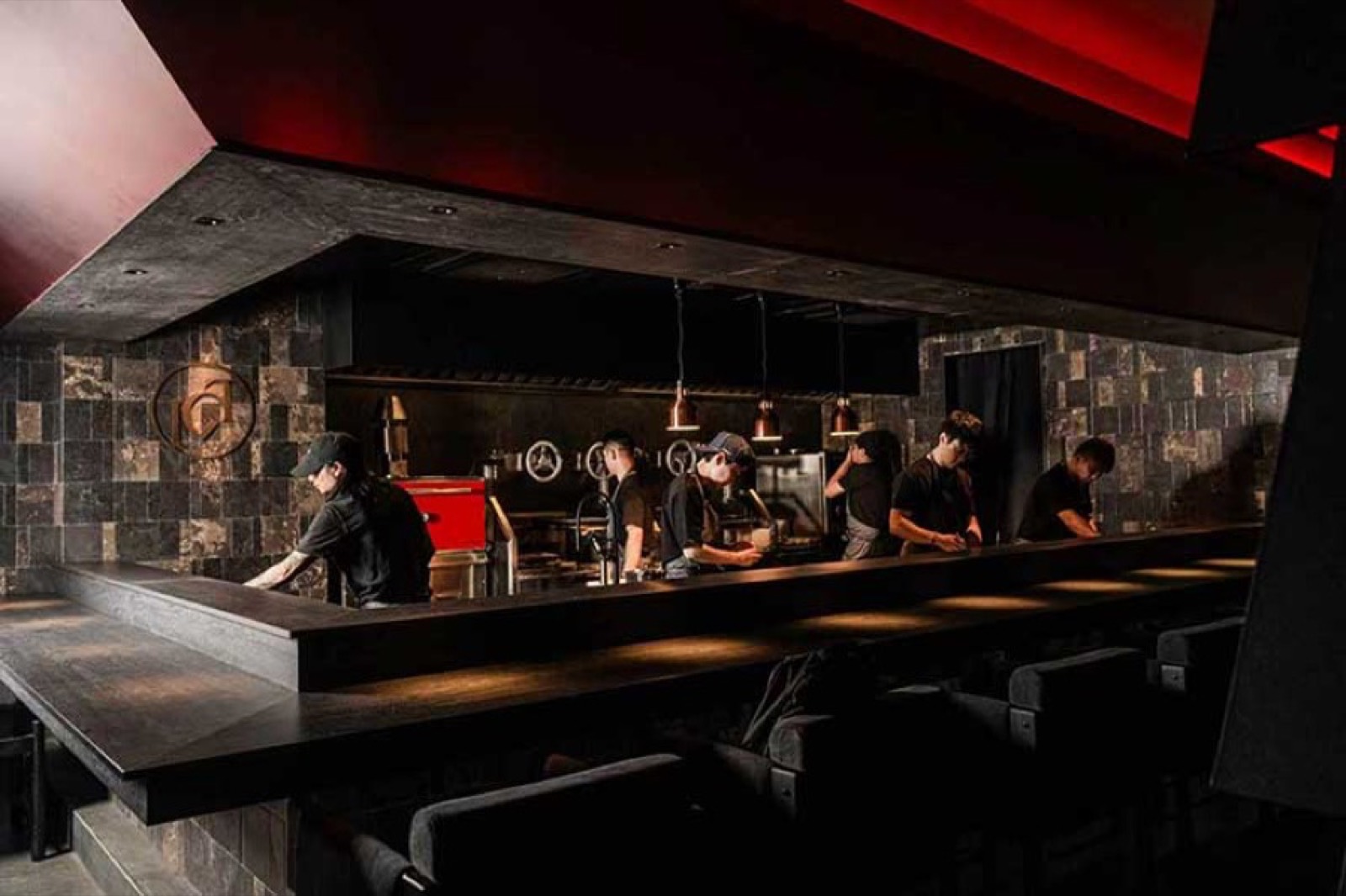
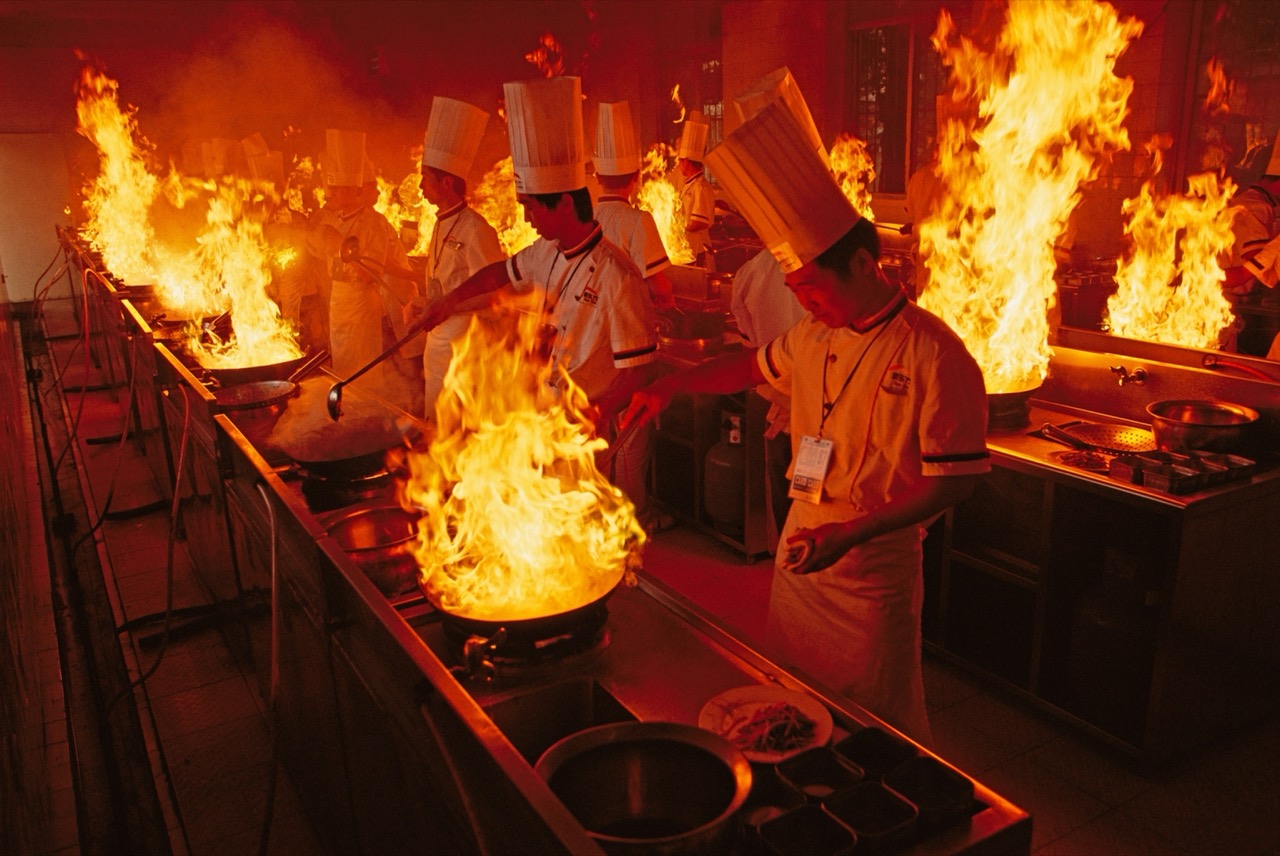
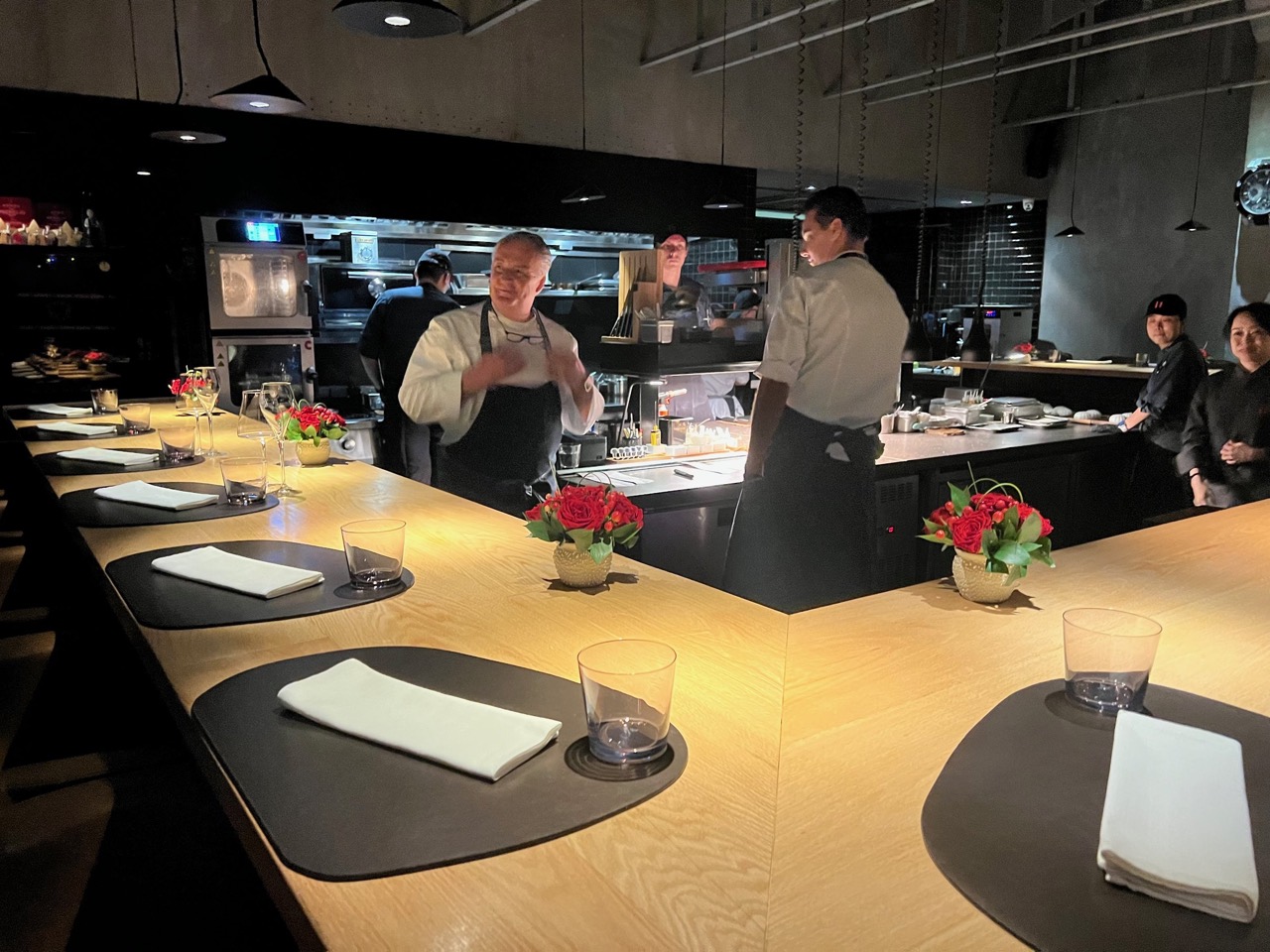
4.The name states the design first. Ignis is Latin for fire, and in modern Chinese cooking fire means the wok. A wok is the sound of oil and metal meeting past 250 degrees, and putting that sound and that oil vapor 1.5 meters in front of a guest means extraction volume and supply air routing get decided before the seating plan. Half the reason counter dining costs more to build than a normal dining room sits here.
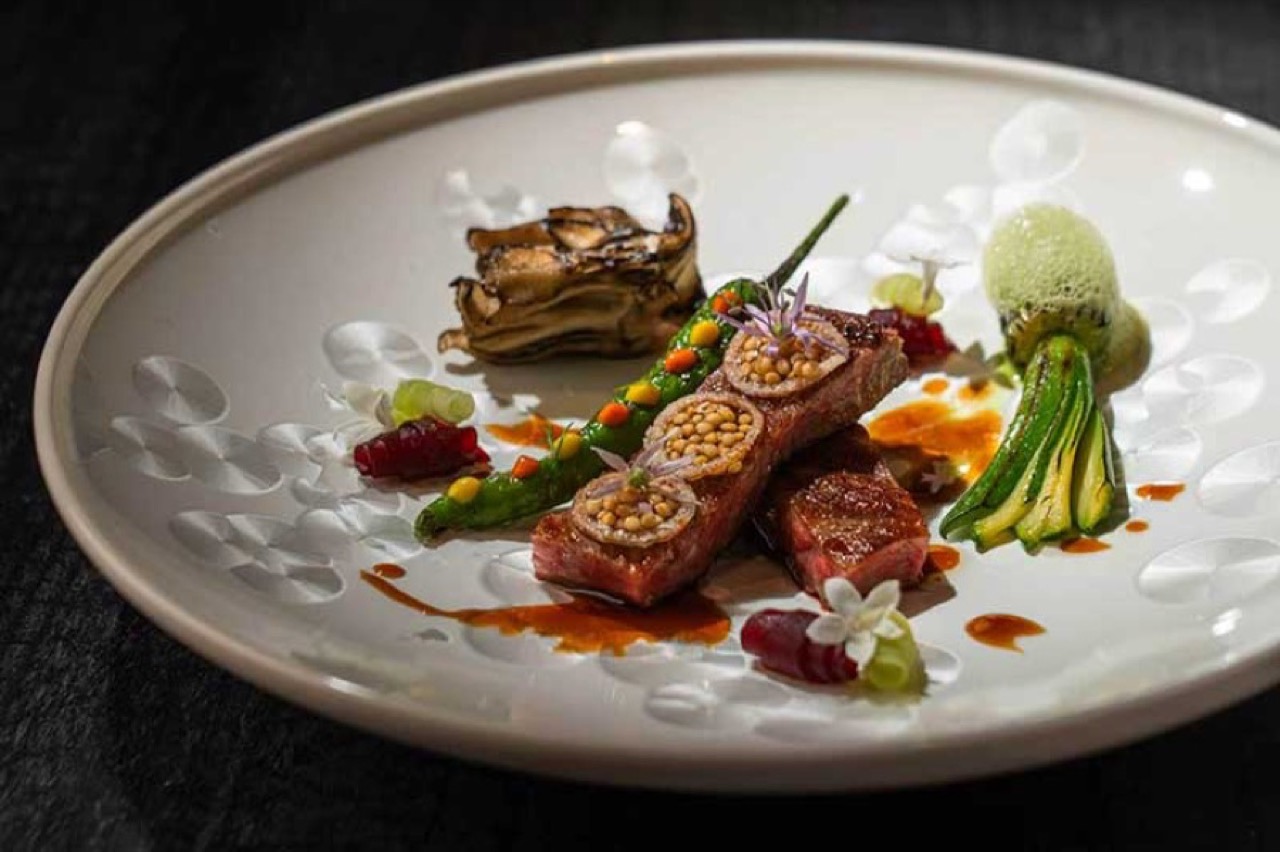
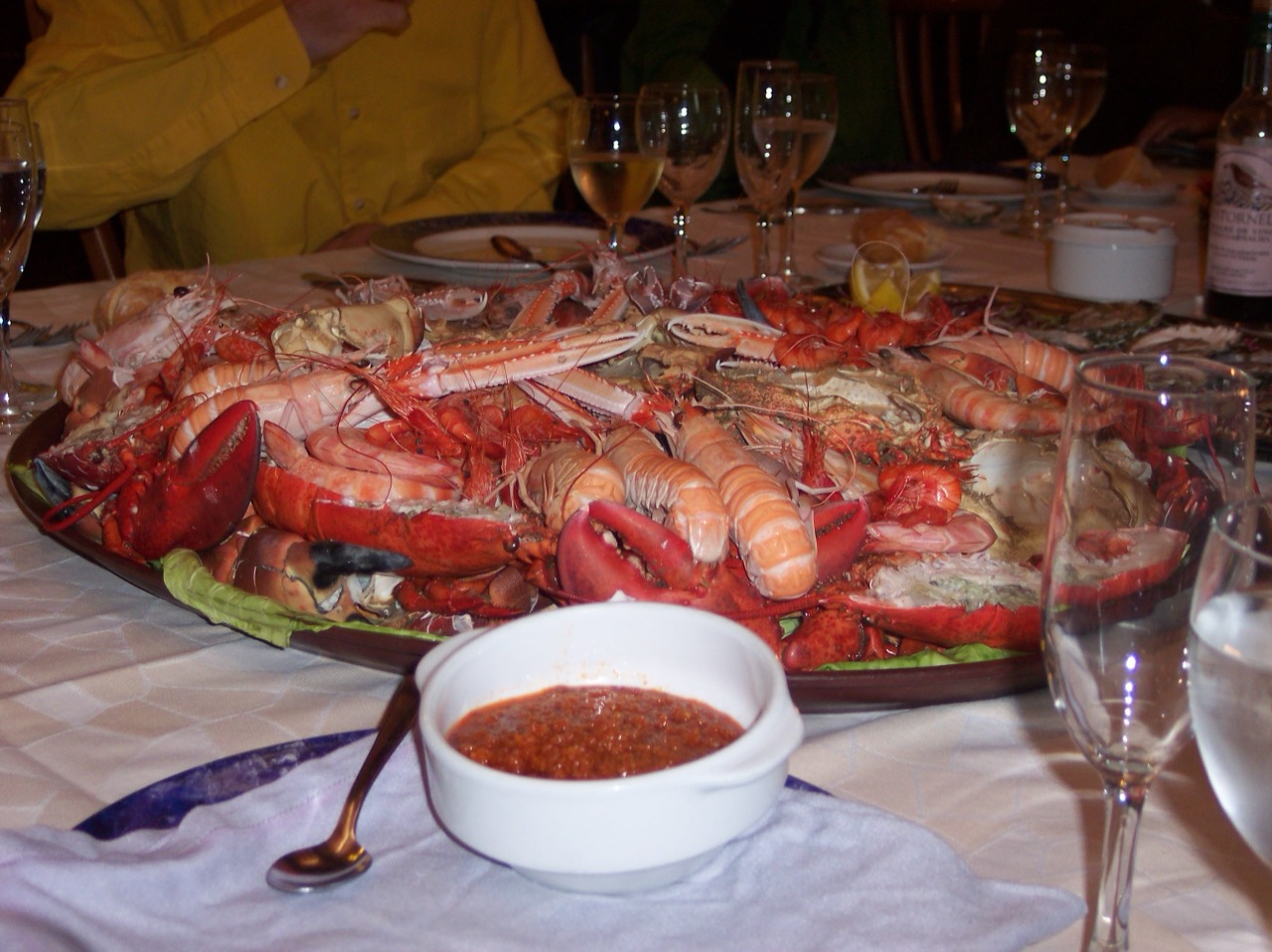
5.With premium seafood as the axis, the ingredient becomes content on the spot. The sound of a shell opening, a cold sea smell rather than a fishy one, even the interval between drops of water off the ice, all reach twelve people at once. At that distance the chef's fingernails and the wet of the board are part of the product. The hygiene and movement discipline that survives twelve pairs of eyes for four hours is the real barrier to entry in this format.
6.So why open now. What a downturn breaks is not the top, it is the middle. While revenue in the band above RMB 300 per head (about KRW 65,000) fell 12% against a year earlier, orders in the RMB 20 to 80 band rose 42% and took 80% of the market. The RMB 2,000 band is not what those statistics are aimed at.
7.So what do these twelve seats sell to earn that price. Not the plate. The limited access that the number twelve creates, and the explanation the person cooking attaches in person, on the spot. At a KRW 450,000 dinner what a guest finds hardest to bear is not that it is expensive but not knowing why it is expensive. The counter works as the device that delivers that explanation in real time.
8.Now the money. Build the revenue line from the top. Twelve seats, one seating a day, 26 trading days a month gives monthly revenue at full occupancy of RMB 645,000, about KRW 140 million. Drop occupancy to 70% and it is RMB 450,000, about KRW 98 million. Not a small figure for a twelve-seat restaurant.
9.Cost attaches just as heavily. With premium seafood as the axis, the food cost ratio climbs past the customary fine dining range of 30 to 35% to around 40% (estimated). The labor structure is more unusual still. Four or five people including the chef for twelve seats puts headcount per seat at five times a casual restaurant.
10.What lets this format survive a downturn is not margin but predictability. Reservation only means the day's ordering is fixed the night before, a single menu means one item to handle, and one seating a day compresses trading into four hours. Waste and idle labor, the two holes that eat food service profit, are structurally closed.
11.Another hole opens instead. With twelve seats, one empty place is 8.3% of the day's revenue and a two-person no-show is 16.7%. Put rent, labor and other fixed costs at RMB 190,000 a month and the variable rate at 40%, and break-even occupancy comes to about 49% (estimated). Six of the twelve seats have to fill on average to break even.
12.This business has no growth curve either. Raise the seats to twenty and it stops being a chef's table, open a second site and the chef is split in two. Measuring this format by revenue per pyeong does not work in the first place. The unit of measure is not the pyeong, it is one chef. That is why chef's table brands usually give birth to a casual second brand.
13.The prototype was in this city. Ultraviolet, which opened in May 2012, held one table of ten seats, one seating a night and a composition of more than 20 courses, and took three Michelin stars in 2017. That name is on Julien Xu's résumé.
14.That prototype ended trading on March 29, 2025. Disruption from nearby construction was the official reason, and the contraction in Chinese luxury spending was named alongside it as background. In a city where the original is gone, someone from it opens the same format at a third of the original's price. This is not succession but a scaled-down transplant, and that scaling down is the strategy. In a city where one lease expiry erases a two-star restaurant, twelve seats hold negotiating room by the simple fact that the leased area is small.
15.In a month when 2.05 million food service businesses vanished in half a year and a two-star Michelin restaurant left the city on an expiring lease, twelve seats at KRW 450,000 a head opened. The number that decides life or death in this format is not a Michelin rating but a break-even occupancy of about 49%. What to hold on to when moving it to Korea comes from there too. The fewer the seats, the heavier one no-show party weighs, and in Korea the consumer dispute resolution standard revised in December 2025 recognizes no-show penalties of up to 40% of the bill for restaurants that prepare ingredients on the basis of a reservation (20% for general restaurants). Unless the deposit is built into the profit design from the start rather than left to the venue's discretion, twelve seats are not seats but a risk of six empty places every day.