Insta360, the Chinese camera maker, opened its first directly operated store outside Asia in New York's Times Square on September 19. The space runs 1,100 square feet, and the asking rent was USD 1.1 million a year. Across the first half of 2026 the company's revenue rose 50% while net profit fell 94%. The Tokyo store it opened a month earlier sits beside the temple approach in Asakusa, not in Akihabara.
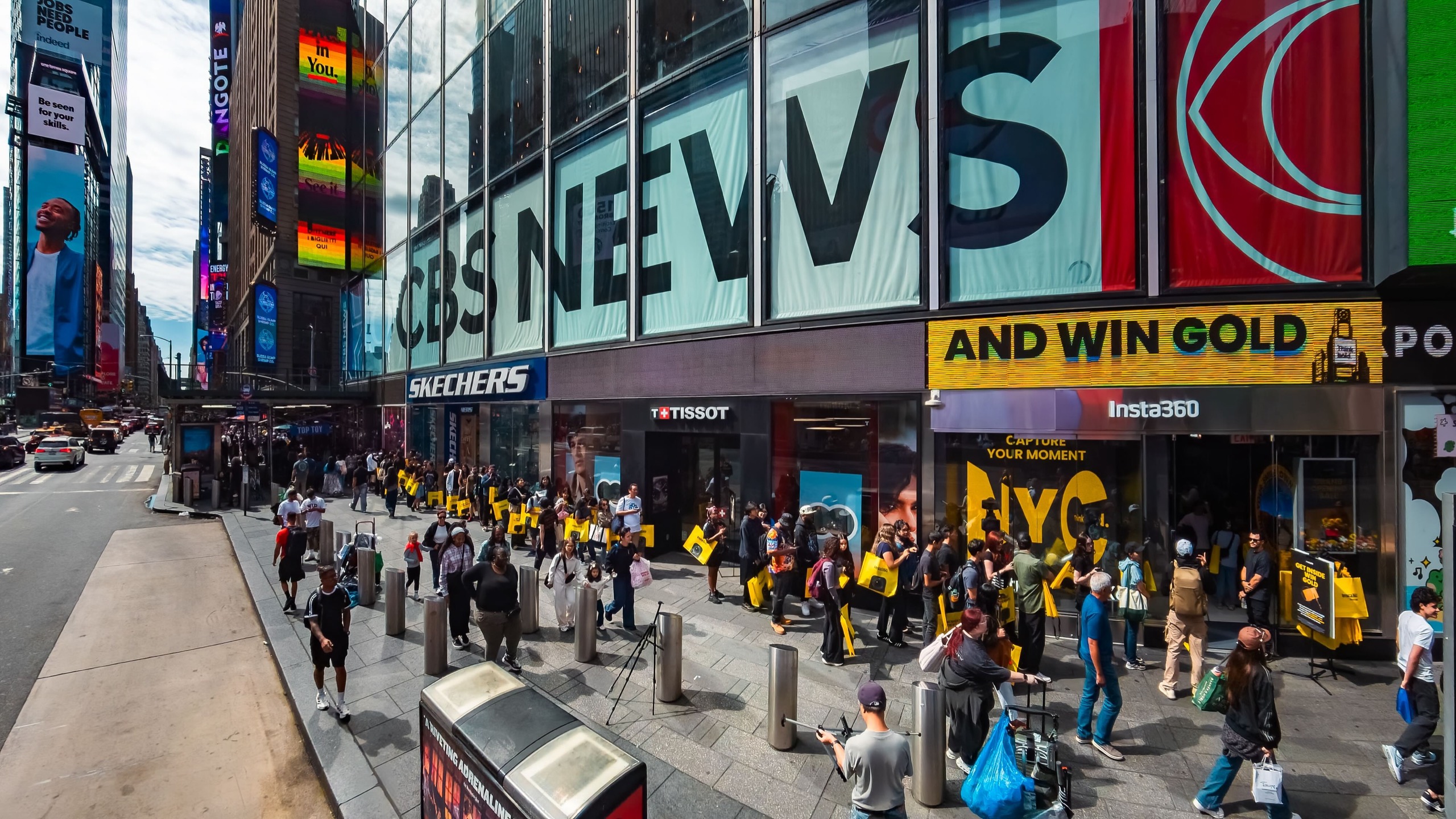
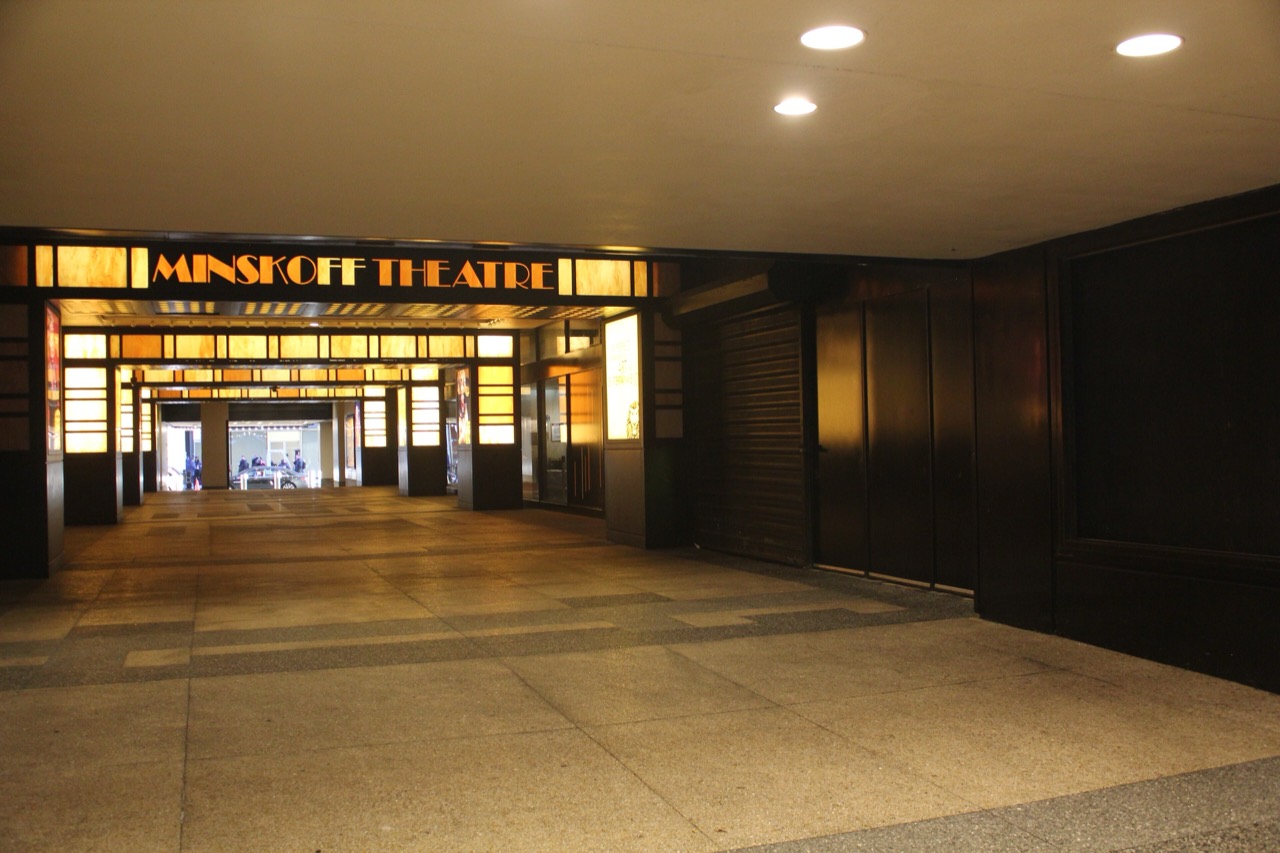
1.Insta360 opened a ground floor store at 1515 Broadway in New York on September 19. It faces the street between West 44th and West 45th, under the building's CBS News screen. This is the first directly operated store outside Asia, and the figure the company put out to mark the opening was 10 million cameras shipped to date. Casey Neistat, the filmmaker based in New York, cut the ribbon.
2.The space is 1,100 square feet, about 102 square meters. Commercial Observer reported an asking rent of USD 1,000 per square foot a year on a two year term. The landlord, SL Green Realty, asked for that short term, keeping the option to turn the space into a casino, a hotel or an observation deck once Paramount's office lease ends.
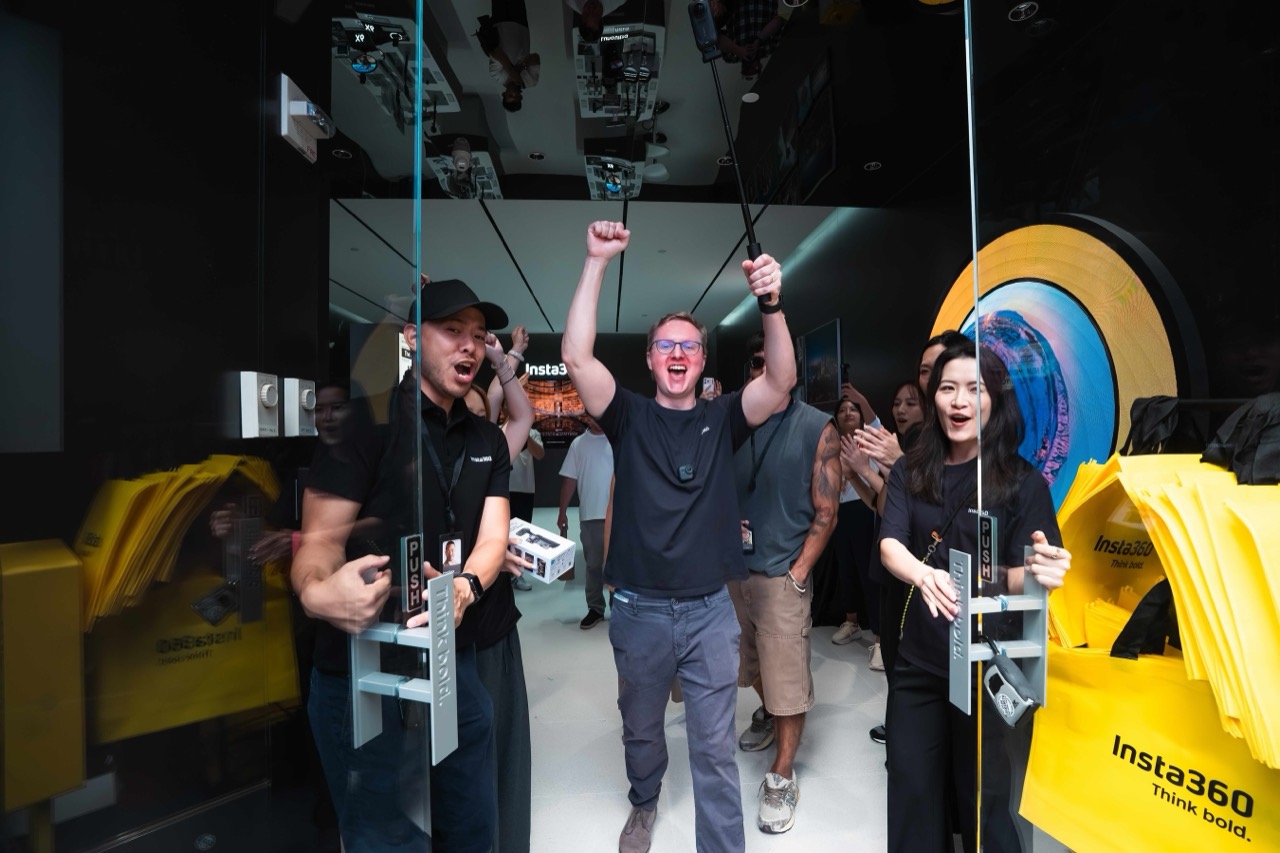
3.The ceiling is a black mirror, so anyone standing inside looks up at the back of their own head. The register sits at the rear and the hands-on bays are at the door, while one wall runs a circular image pulled from a fisheye lens. The yellow paper bags stacked by the entrance are the brightest object in the store. The first customer walked in holding a selfie stick above his head.
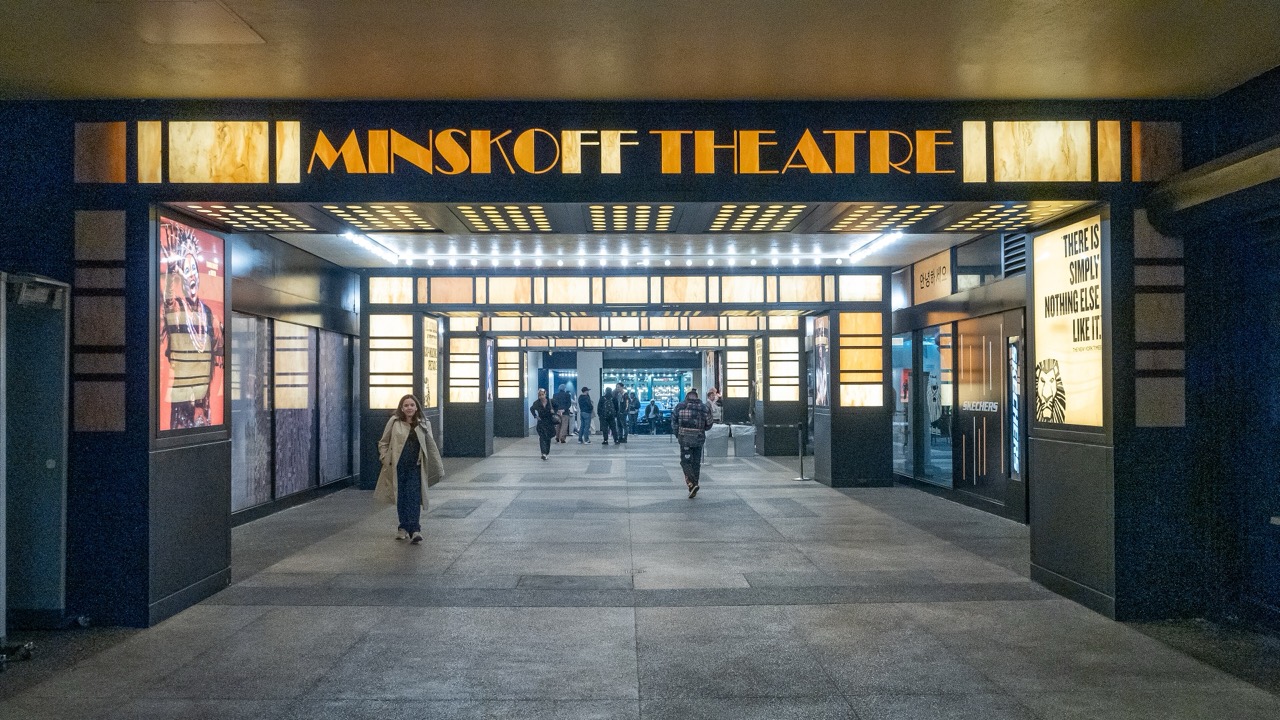
4.Skechers and Tissot sit along the same frontage, and Line Friends has held 4,600 square feet in this building's retail since 2017. TopToy, the toy brand under Miniso, took 2,000 square feet as well. Plush characters, toys, cameras. All three sell something a visitor carries home the same day, which makes them the same business.
5.On August 8, a month earlier, the company opened its first directly operated store in Japan in Asakusa 2-chome, Tokyo. Seven minutes on foot from Asakusa Station on the Ginza Line, on a lane hugging the east edge of the temple grounds. A camera company in Tokyo usually takes a spot next to the big electronics chains in Shinjuku or Akihabara, and this one picked a street where rickshaws run. The one day store manager on opening day was Hello Kitty.
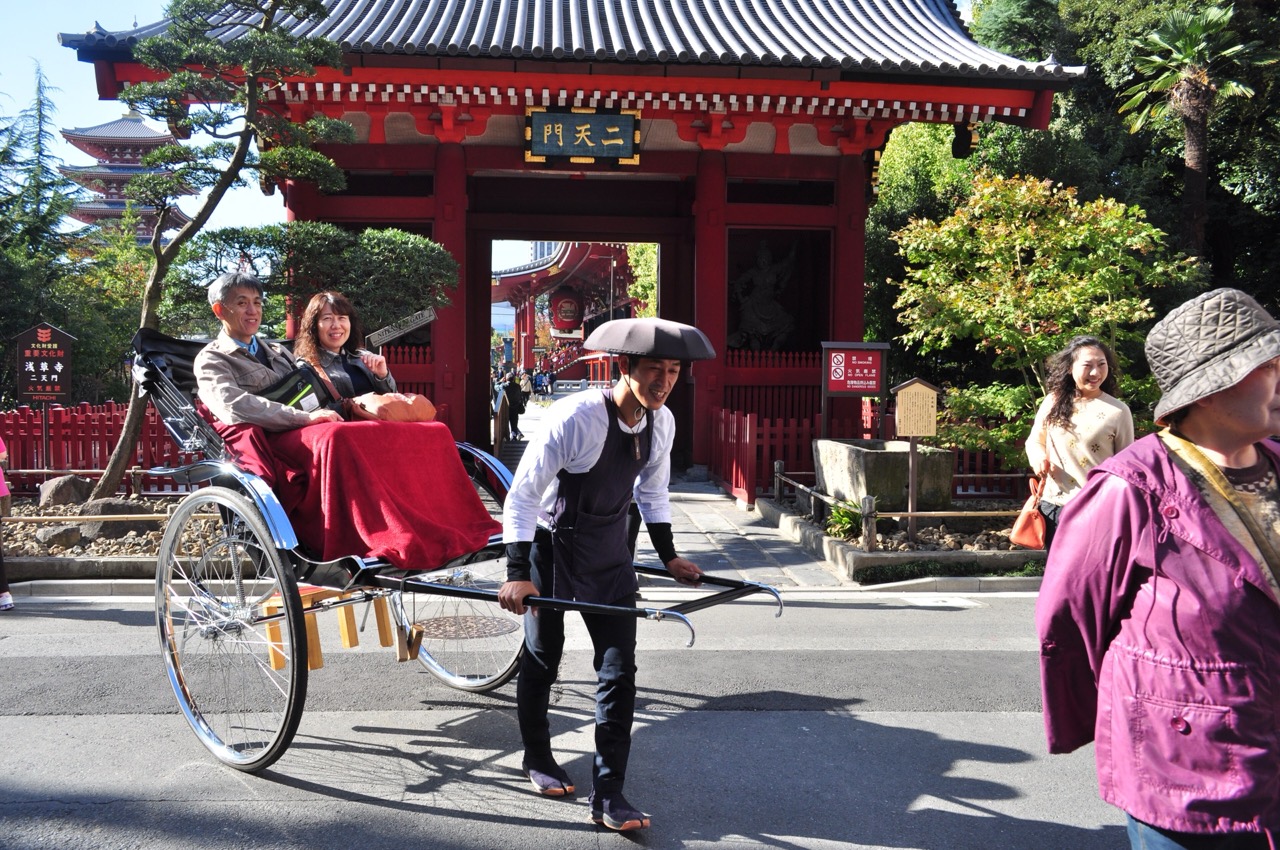
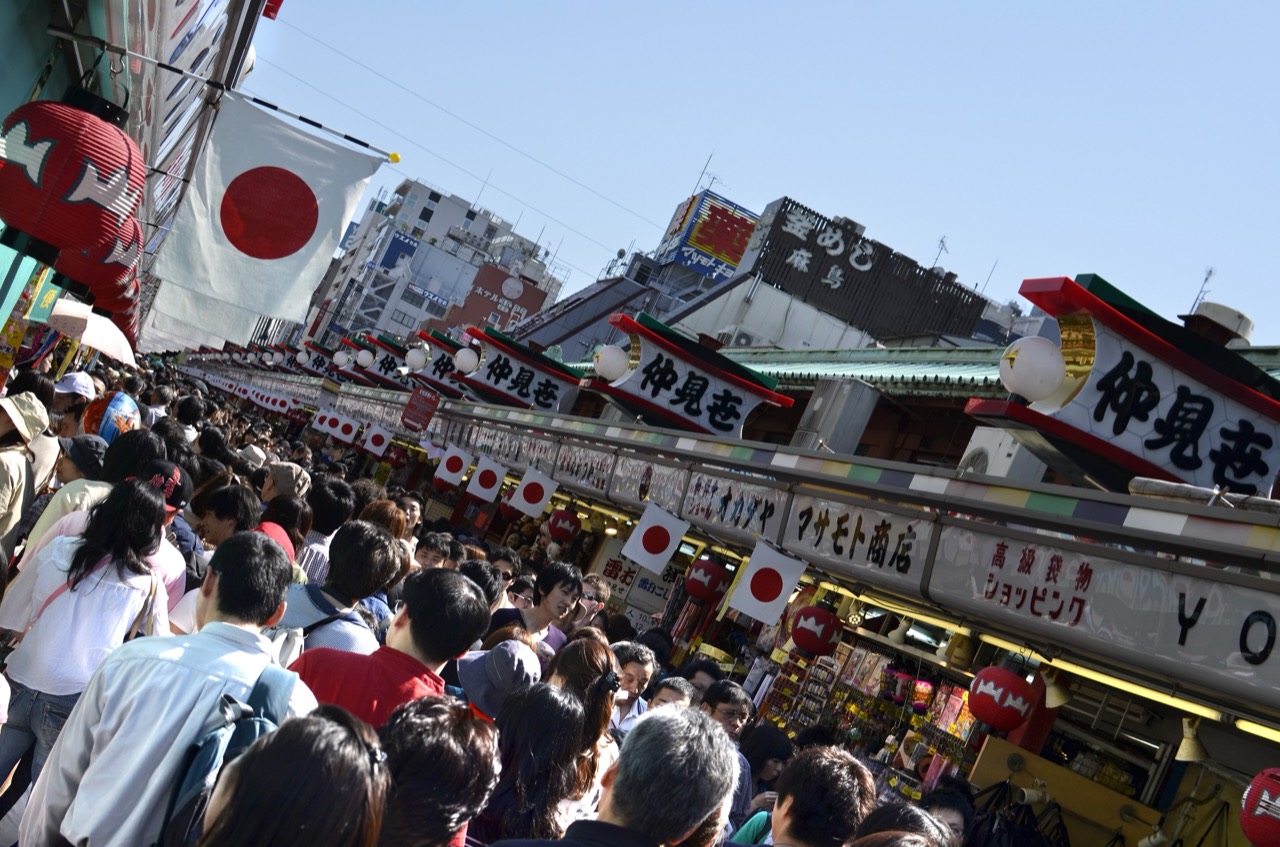
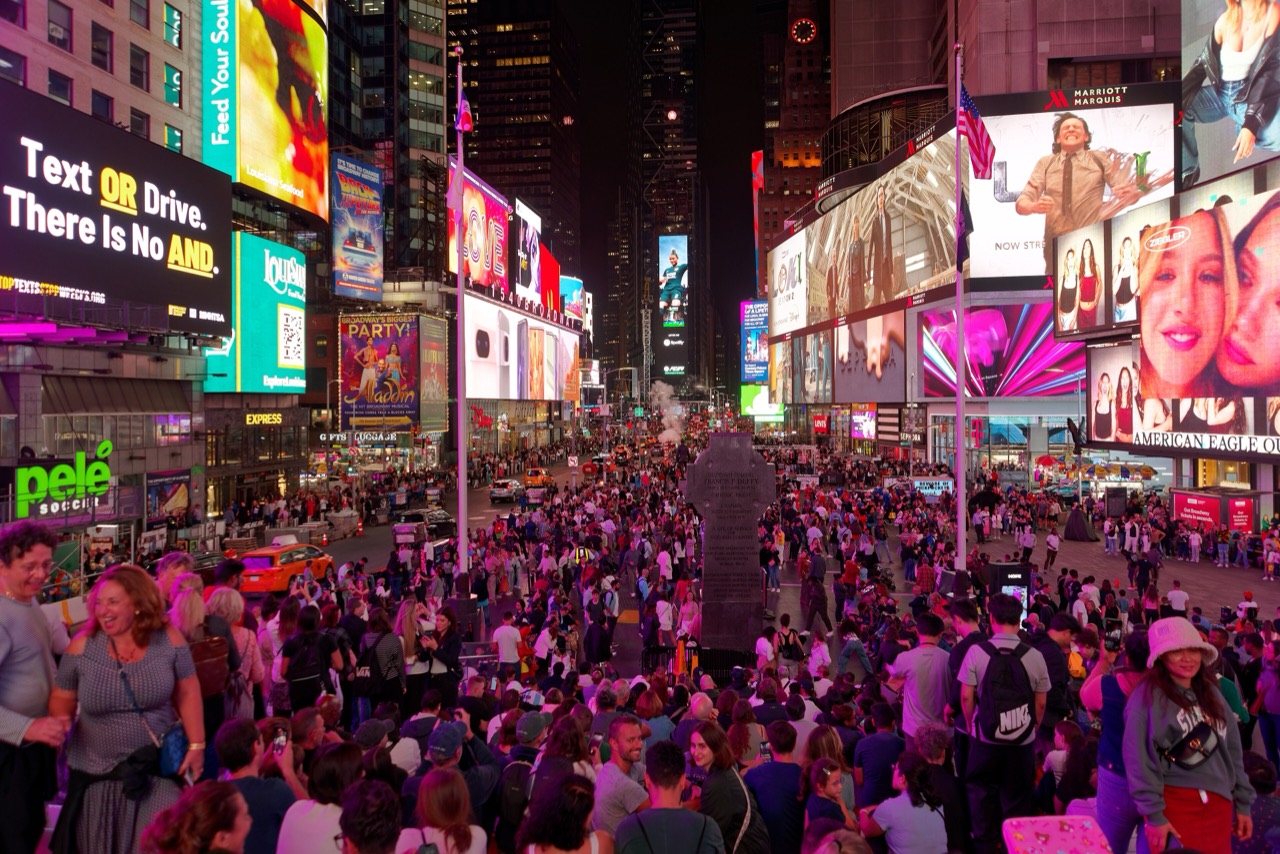
6.Someone shopping for a camera and someone who suddenly has something to film are not the same person. The first reads spec sheets for a long time and buys at Yodobashi Camera or B&H. The second has New York in front of them and nothing but a phone in hand. The sidewalk outside 1515 Broadway carries 220,000 people a day, and a good share of them came to this city to keep a record of it.
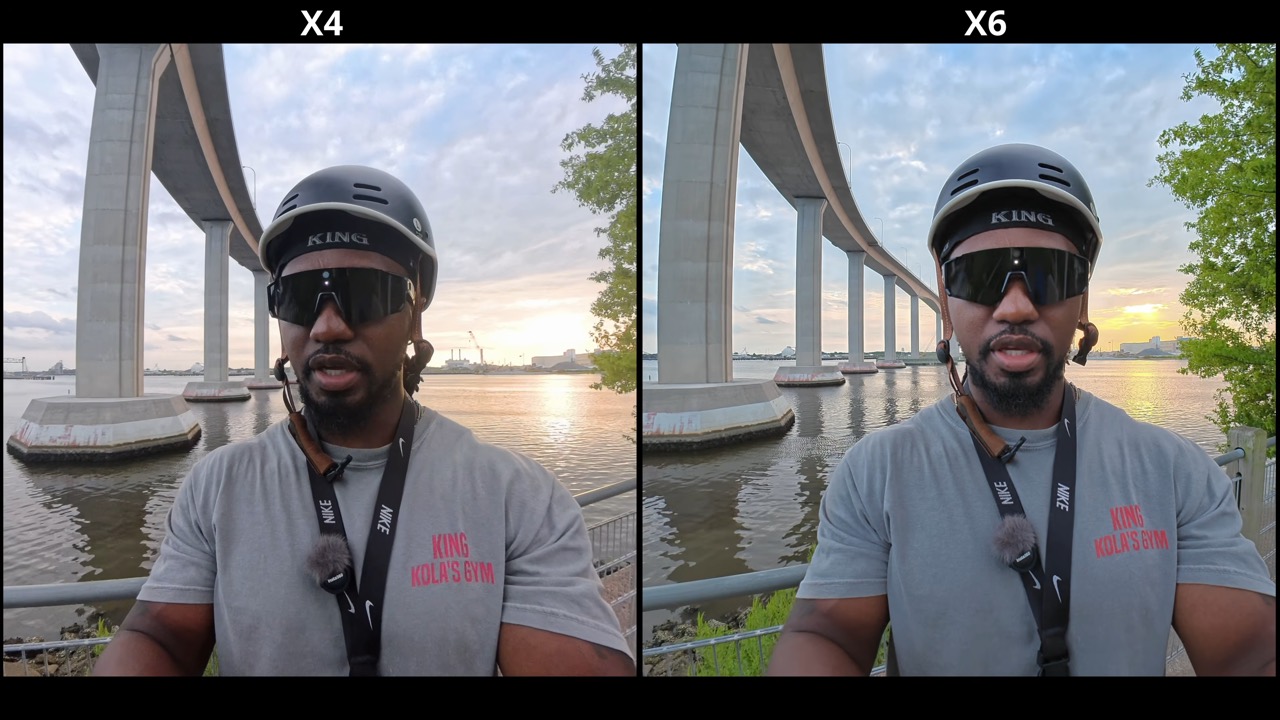
7.A 360 camera does not sell on the page. Capture everything and pick the direction later reads like one more feature, but watching your own face spin around on the screen right there turns it into a different object. The X6, released August 12, is 8K at USD 699.99. That is USD 150 above the previous model, and charging more takes a place that puts it in your hand.
8.Online accounted for 45.47% of revenue in 2025. The rest came off other people's shelves, at Apple Store and Best Buy, and the company had almost no storefronts of its own. The 10,000 plus retail experience stores and 300 plus brand flagship stores counted in the half year report are mostly dealer run. New York and Asakusa are among the few the company opened itself.
9.At the asking rate the annual rent is USD 1.1 million, around KRW 1.5 billion. Per tsubo that works out to roughly USD 2,950 a month (estimate). A store selling nothing but cameras took a spot running 1.5 times the going rate for ground floor space in central Ginza.
10.To hold rent at 20% of sales in this footprint, the store has to move USD 5,000 per square foot a year. In Chain Store Age's ranking, the only U.S. retailer above that line was Apple, and second place Tiffany & Co. came in around half. A camera store does not reach that number.
11.Counted as advertising, the numbers work. A premium Times Square screen runs USD 50,000 to 100,000 a month, and this store's monthly rent is USD 92,000. Which of the two is the advertisement. The screen cycles for a moment and hands the slot to the next spot, while the sign stays up all day and the people who walk in handle the product and sometimes buy it.
12.Where the money comes from is written into the parent company's results. First half revenue rose 50.29% to RMB 5.517 billion, while net profit attributable to the parent fell 94.15% to RMB 30.4 million. Stripped of non-operating items, that profit turns into a loss.
13.Gross margin slid from 51.22% a year earlier to 41.42%, and the second quarter alone came in lower still. Chinese outlets attribute it to rising memory prices and to cutting prices to push volume. Inventory has built up to 43.72% of total assets, and operating cash flow has turned negative.
14.First half selling expenses rose 62% to RMB 1.017 billion. That is 33 times the net profit for the same period. A year of rent on the 1,100 square feet in New York comes to less than 1% of that selling expense. This is not a company that runs the numbers store by store.
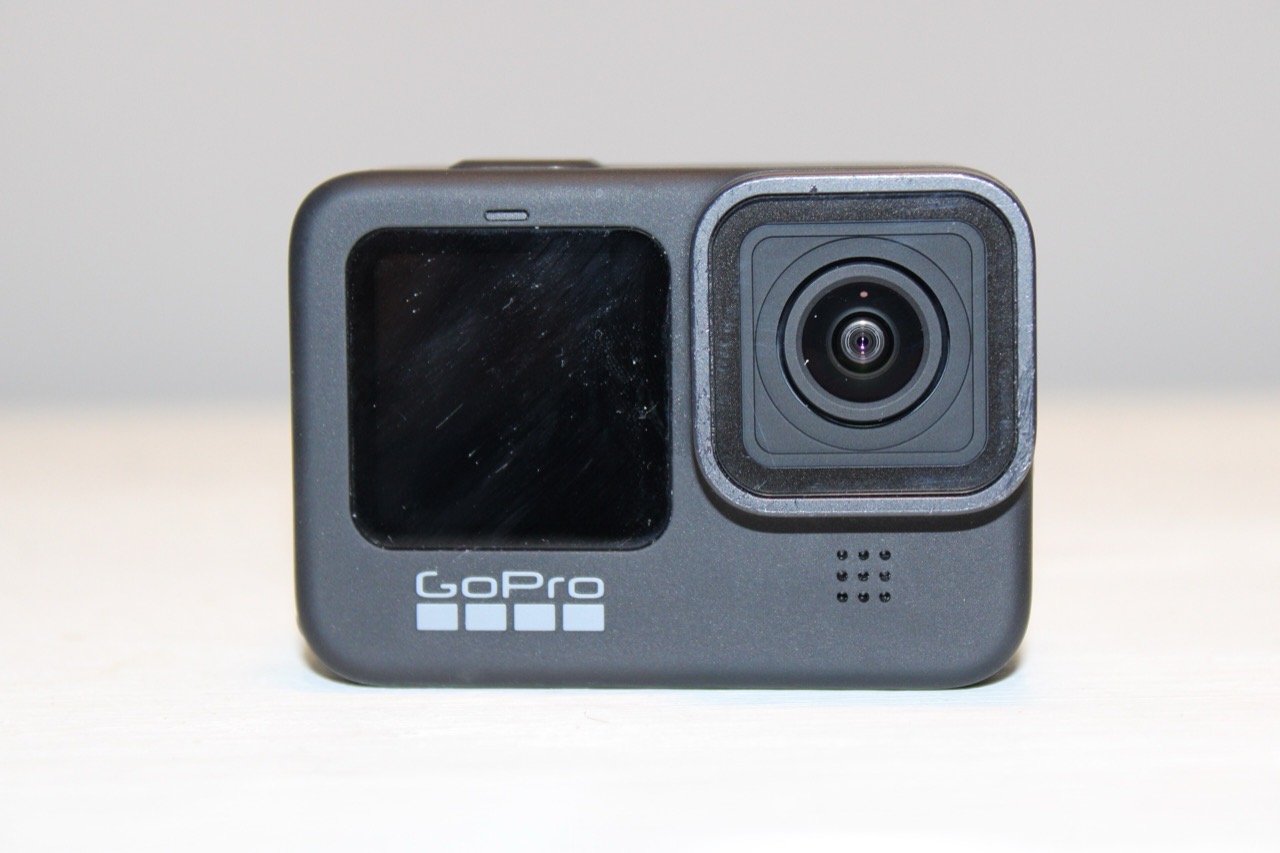
15.The landlord ran the same arithmetic. SL Green gave only two years to avoid leaving the space empty until it becomes something larger, and the tenant needed just enough time to hang an American sign before moving into Europe. Each is using the other as a stopgap. Meanwhile GoPro, which built the action camera market, saw second quarter revenue fall 31% and posted a USD 51 million loss, after which its board authorized a review that includes a sale of the company.
16.In a year when net profit fell 94%, this company took 1,100 square feet in New York on a two year lease and booked the USD 1.1 million annual rent as selling expense rather than store P&L. What blocks this approach in Korea is the term. Ground floor space on tourist routes like Myeongdong or the streets by Gyeongbokgung carries key money in the hundreds of millions of won, so a two years and out arrangement rarely comes up, and paying the key money loads that sum straight onto the advertising budget. Step back into a short term bay inside a department store or a mall and the effect of hanging a sign on the street disappears.