A nel drip cafe that opened in Bogwang-dong in 2013 closed for good on 21 April 2026. The lane had begun relocating for a redevelopment district. Yet the brand still stands, and four months later, when an international coffee publication set out the lineage of Seoul's music cafes, the first entry was this same place. What did a cafe that survives losing its address do differently. Followed through in numbers.
1.Ground floor, 76 Bogwang-ro, Yongsan-gu, Seoul. Hell Cafe Roasters closed after trading on 21 April 2026. The brand's own account announced the final day, with redevelopment as the reason. This lane falls inside the Hannam New Town redevelopment district, and relocation began in January 2026. It opened in 2013, so exactly thirteen years.
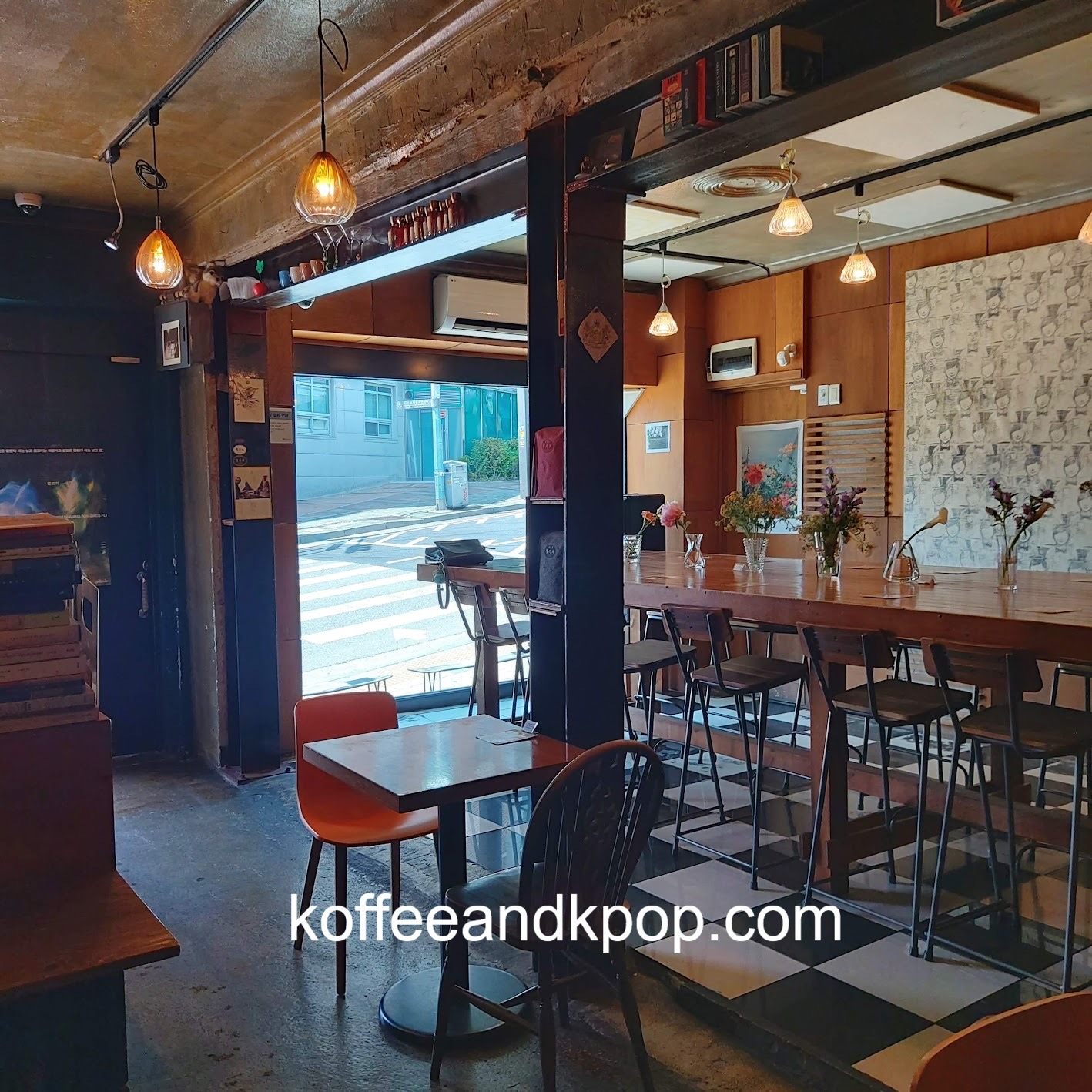
2.The site was never a good one. A ground floor in a residential area one hill beyond Itaewon, fifteen minutes on foot from the subway. From that unhelpful address it made its name on a cup of nel drip and house-made tiramisu, appeared on television and in comics, and became the place where coffee people ran into each other. That is why the queue grew for weeks after the closing notice went up.
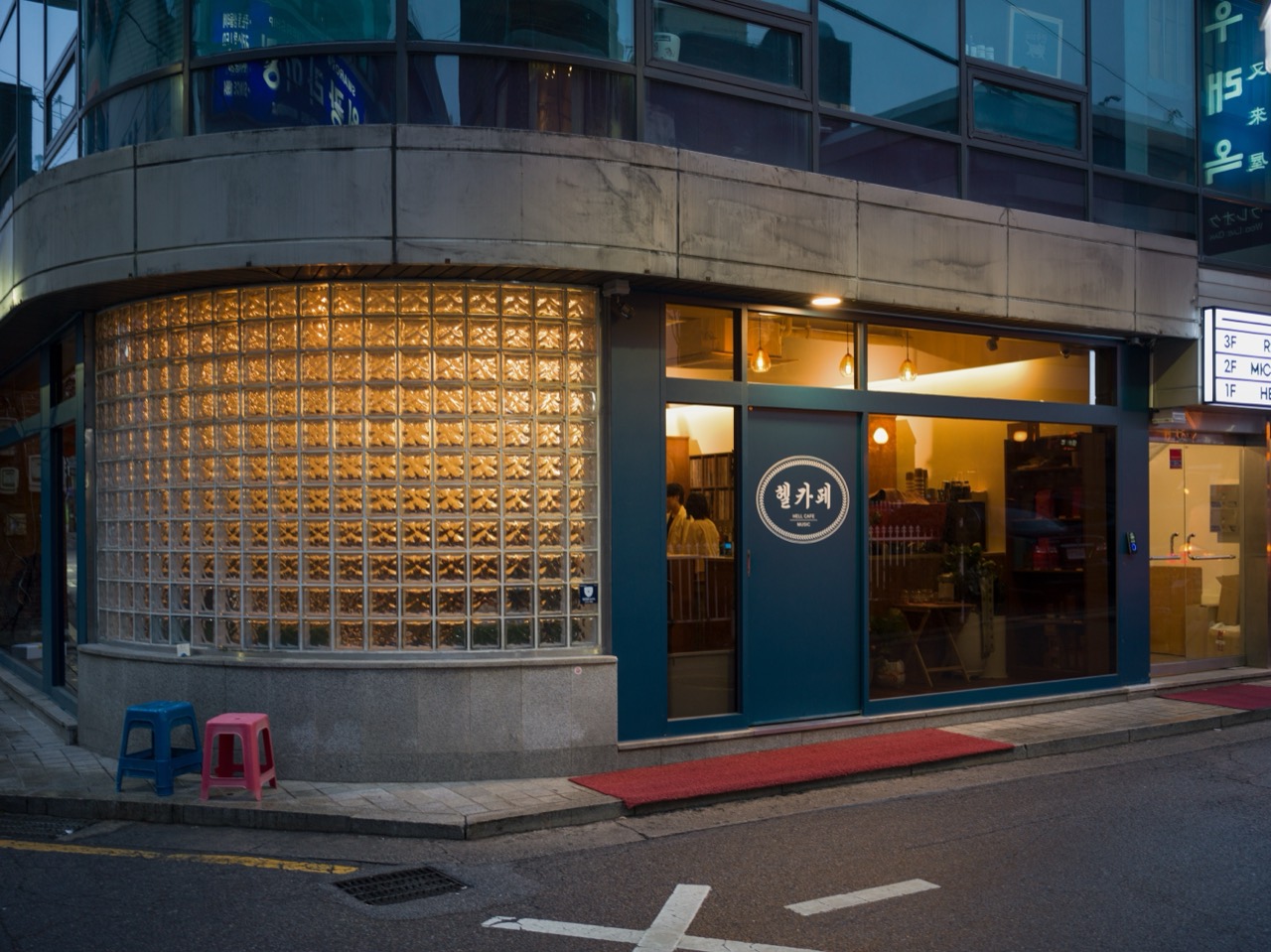
3.The brand did not disappear, though. Hell Cafe Music sits at 227-1 Jugyo-dong in Euljiro 4-ga, another stands in Ichon-dong, and after folding Bogwang-dong the roastery reopened over in Daeheung, Mapo, the brand's account says. When Sprudge set out the current of Seoul's music cafes on 29 July, the address it put first was not Bogwang-dong but the Euljiro one. It was written by Taylor Bond, who lives in Tokyo.
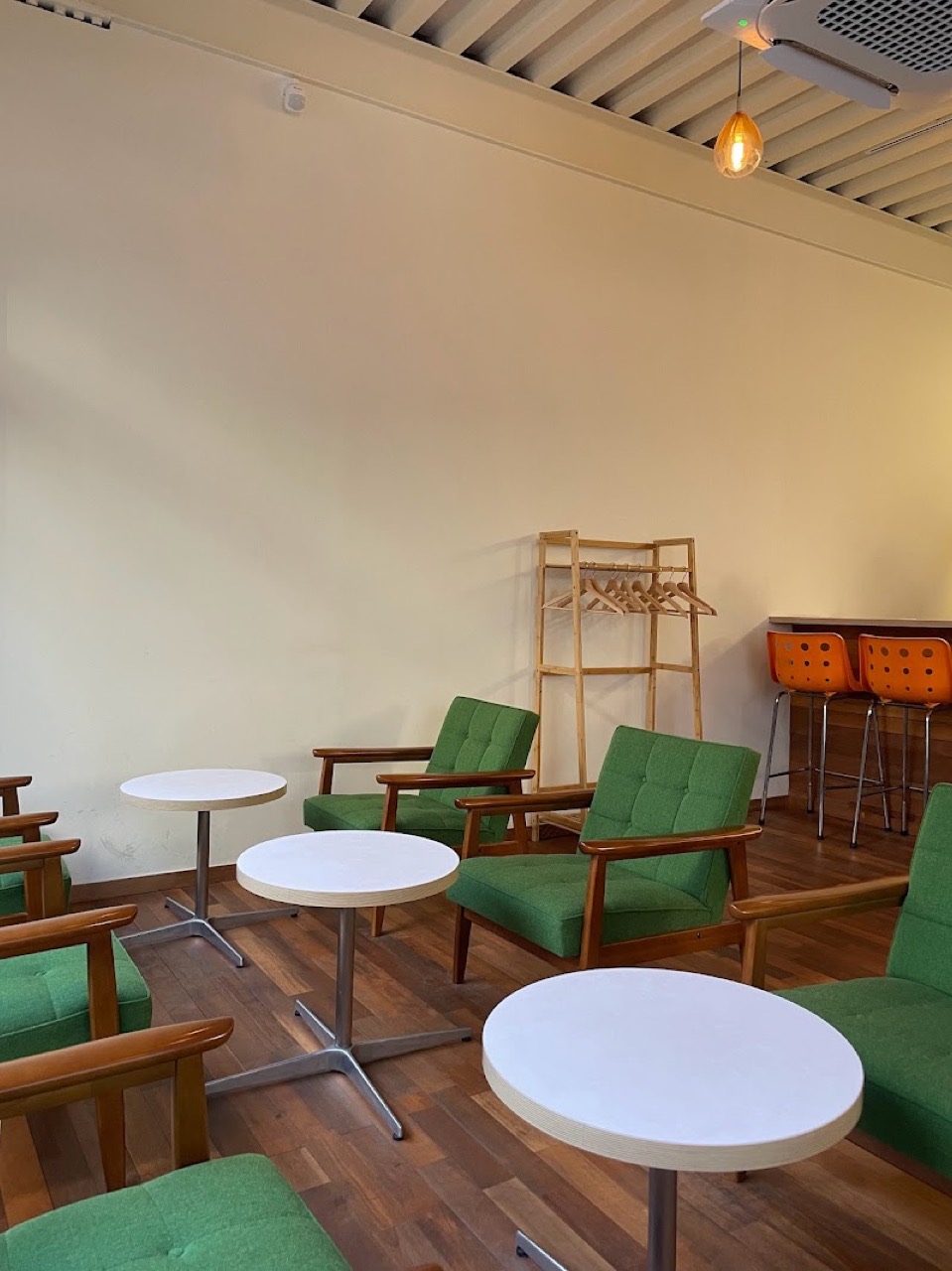
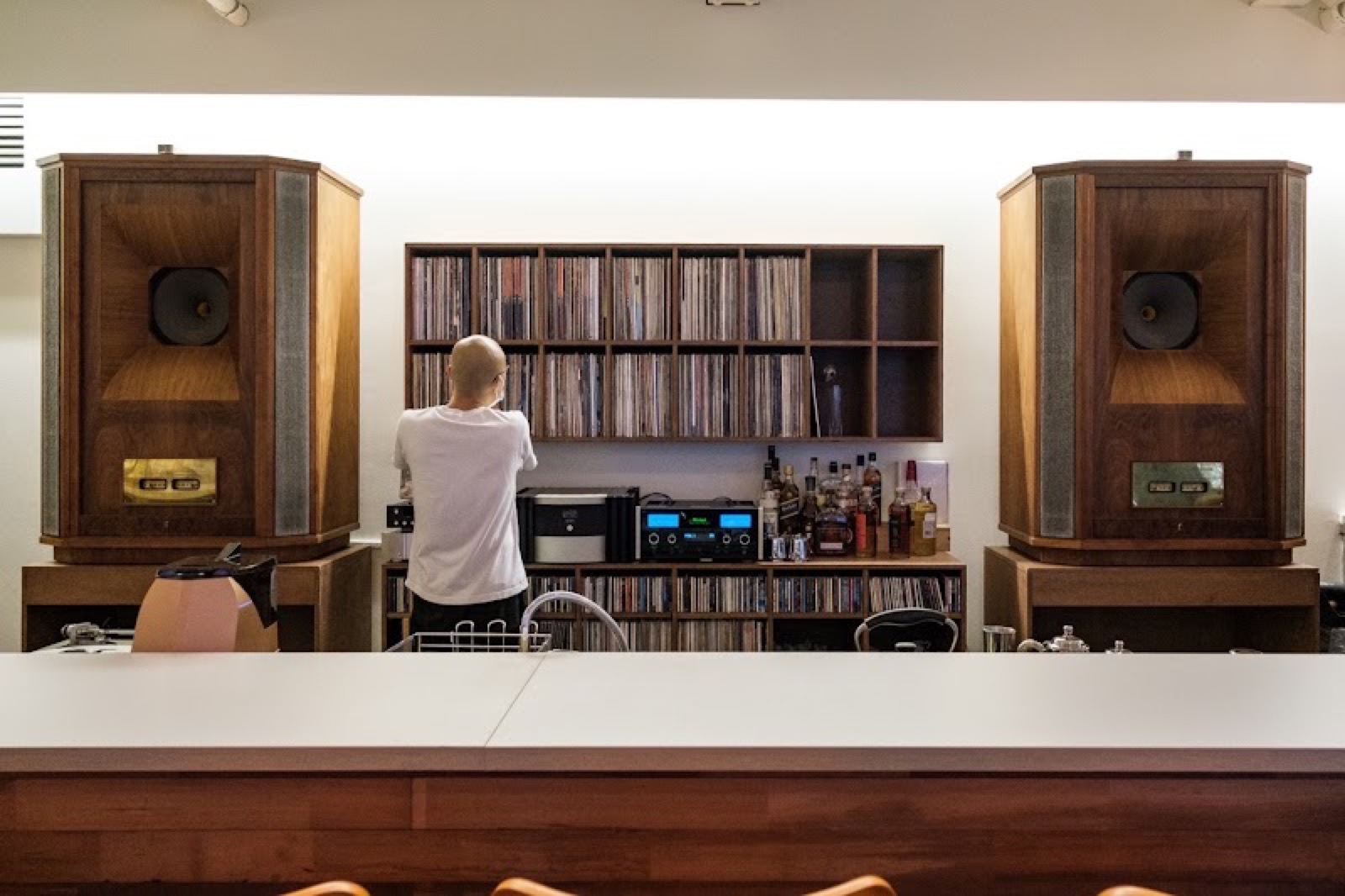
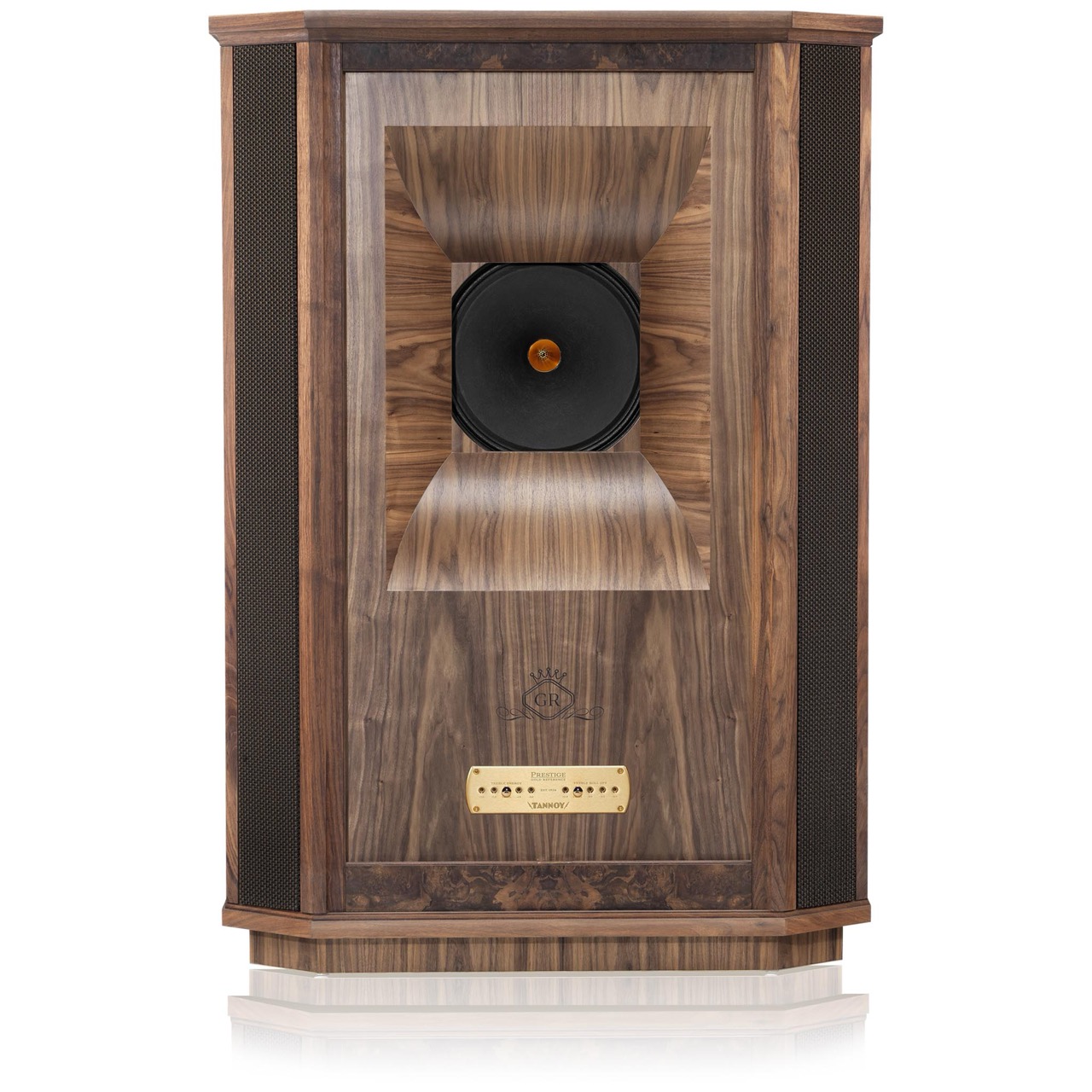
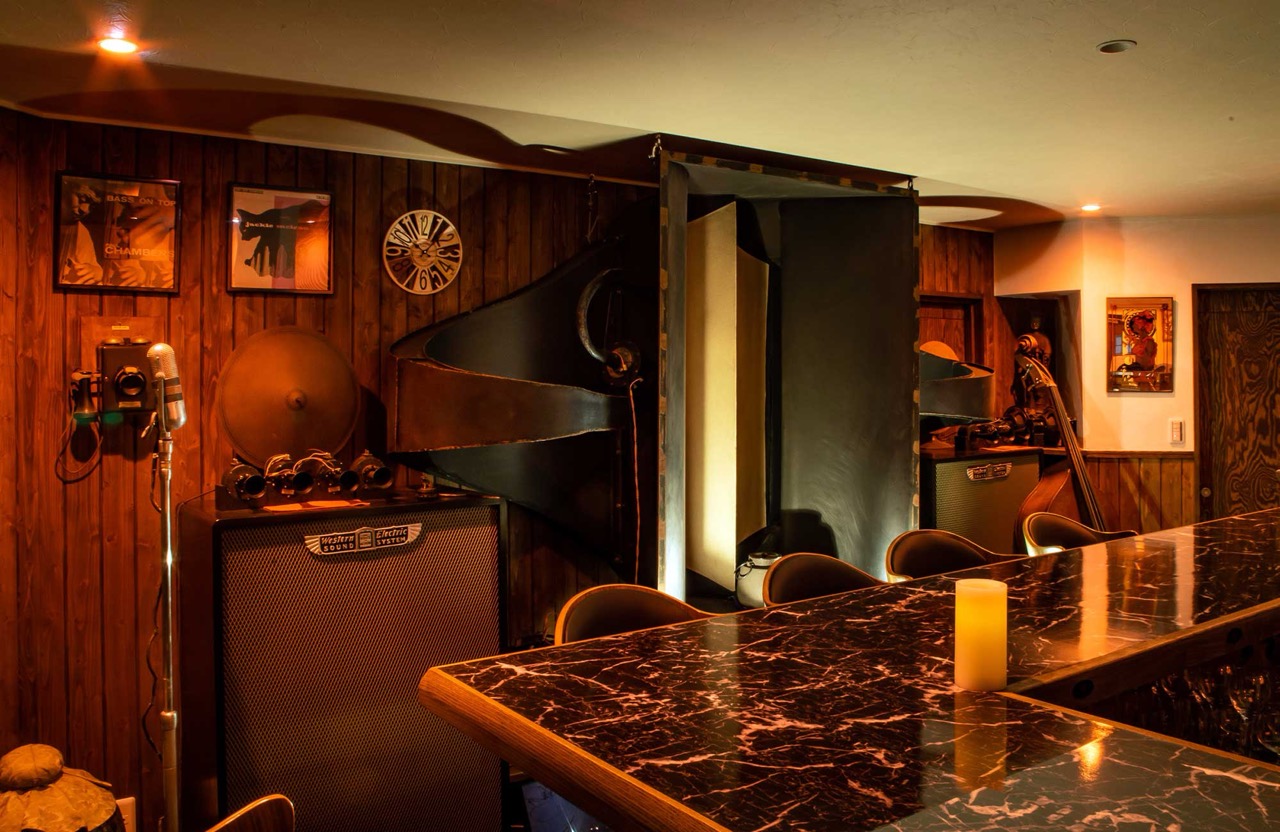
4.The Euljiro location uses a whole building. Cafe on the ground floor, pub on the first, vinyl sales on the second. The ground floor leads in the daytime and coffee is the whole of that floor, while the things that make sound do not care about levels. A Tannoy Westminster Royal with 15-inch units runs off McIntosh amplification, and everything played comes off vinyl. Green, orange and wood. Orange velvet chairs that look pulled out of the seventies sit by the window.
5.Coffee takes half its reputation from nel drip. Flannel cloth serves as the filter instead of paper, and 30g of coffee yields only around 100ml. Against a common hand drip pulling 200ml from 18 to 20g, the concentration goes more than double. Cloth does not hold oil the way paper does, so the fats in the coffee cross straight into the cup.
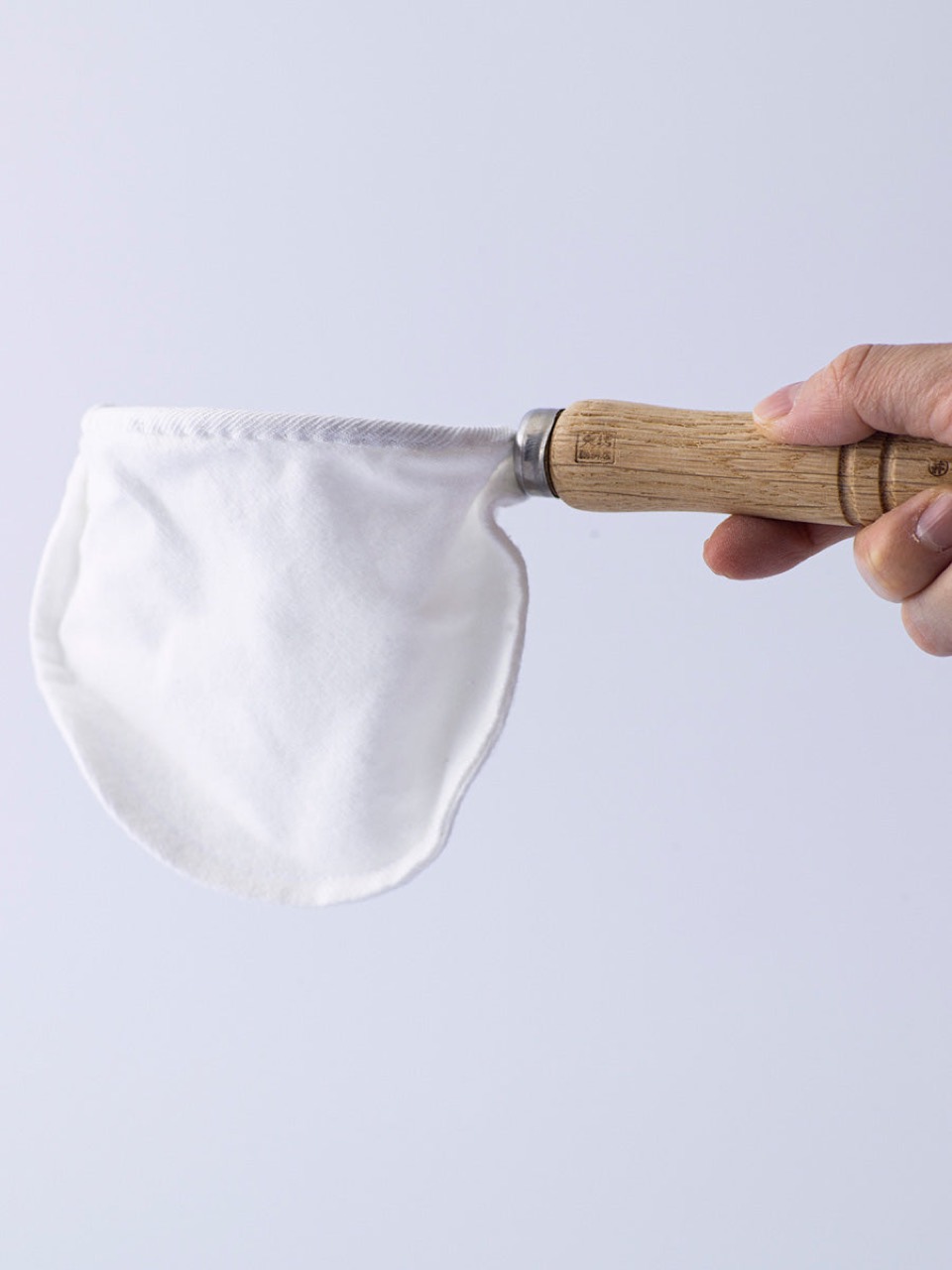
6.So the cup is heavy. Oil sits in a thin film on the surface and catches the light, and a mouthful takes its time unfolding on the tongue. The beans are roasted toward dark, so the aroma runs closer to cacao and burnt sugar than to flowers, and the acidity does not jump up as it cools. Through the ten-odd years when acidity and light roasting hardened into the correct answer for specialty coffee, this place walked the other way.
7.Sound carries that weight. When a large speaker fills a room, conversation settles beneath it and the voices at the next table recede into background. That is exactly the condition that makes a person sitting alone comfortable. Requiring one drink per person and capping a visit at two hours looks like a device for pushing customers out, and it works closer to a promise of two hours to anyone who has taken a seat.
8.Now the numbers. At the Euljiro location, drip coffee is KRW 7,000 and the classic cappuccino and the Hellatte are KRW 6,000 each. Drip costs more than the milk drinks. That is not the common order in Korean cafes, where espresso drinks usually sit on top and drip lands level with them or below.
9.Bean cost does not explain it. Put the in-house cost of self-roasted specialty beans at KRW 25 to 35 a gram and a 30g nel drip is KRW 750 to 1,050, which is 11 to 15 percent of KRW 7,000 (estimate). A cappuccino with 18g plus milk and a cup comes to around KRW 1,000, near 17 percent of KRW 6,000. On cost ratio alone, the drip is actually lower. What separated the prices is time, not materials.
10.One cup takes three to four minutes. Warming the cloth, holding the pour thin and passing 30g through it, one barista's hands cannot be anywhere else. If fifteen cups an hour is the ceiling, the revenue that person makes is a little over KRW 100,000 an hour, less than half what the same hour of cappuccinos would give (estimate). That is why nel drip never made a trend, and the reason was never the taste.
11.The seating arithmetic is handled by the rules. One drink per person with a two-hour cap makes a KRW 6,500 seat produce KRW 3,250 an hour. Put the average stay at a music cafe with no cap at two and a half to three hours and the same seat drops to KRW 2,200 to 2,600 an hour. One sentence about two hours raises seat revenue by 25 to 45 percent (estimate). The cheapest way to work on turnover without touching the fitout sits right here.
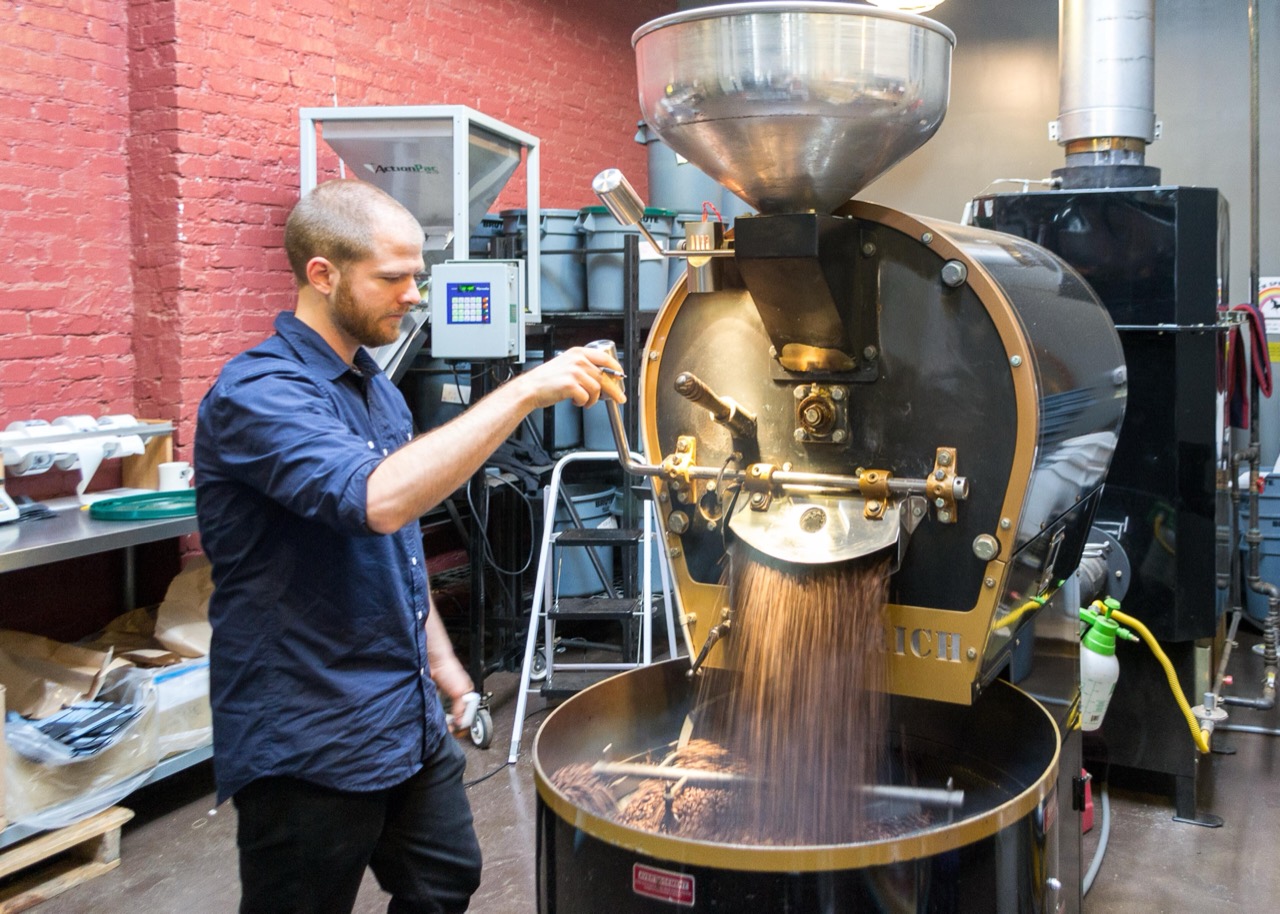
12.That revenue stands on three legs was this brand's real design. A cup is tied to a location, while roasting does not care about the address. Keep the roasting separate from the shops and retail, wholesale and online beans keep turning even when one place closes, and in Euljiro the second floor sells records while the first takes the evening. A structure that meets the daytime coffee customer once more in the same building.
13.The roots are across the sea. Drawing a concentrated cup through a flannel filter was refined in Japanese kissaten, and Daibo Coffee in Tokyo and Cafe de L'Ambre in Ginza held that grammar for more than half a century. The jazz kissa, where jazz plays on big speakers and customers keep their voices down, comes from the same era. In Seoul, the music tearooms of the 1970s took that place, and shops playing records and selling coffee stood all over the city centre.
14.This place did not so much preserve those roots as separate what can move from what cannot. Roasting skill, the brewing method, several thousand records and the speakers all go on a truck. Thirteen years of a lane's context and the shape the sound made against those walls do not. The brand will have known that the reason people gathered after the closing notice sat with the second of those, not the first.
15.For a tenant, redevelopment is closer to notification than to negotiation. The Commercial Building Lease Protection Act guarantees the right to request renewal for ten years from the first contract date, and it separately lists planned demolition or reconstruction as grounds for refusing renewal. A commercial tenant inside a redevelopment district receives compensation for business losses during the closure period, capped as a rule at four months, and the requirements and calculation methods attach differently on every site.

16.A nel drip cafe that held one lane for thirteen years gave up its site in April under redevelopment relocation, and the brand keeps turning in Euljiro, Ichon-dong and Mapo. If one number survives, it is KRW 3,250 per seat per hour. That figure was made by one sentence about a two-hour cap, the cheapest means of working on turnover without touching the fitout. Run this trade here and what catches first is the lease rather than the coffee, and since ten years of renewal rights do not stand against reconstruction or demolition, anyone taking a site near a redevelopment district is safer standing up a revenue leg that is not tied to the address, roasting or online, from the first day of the lease.