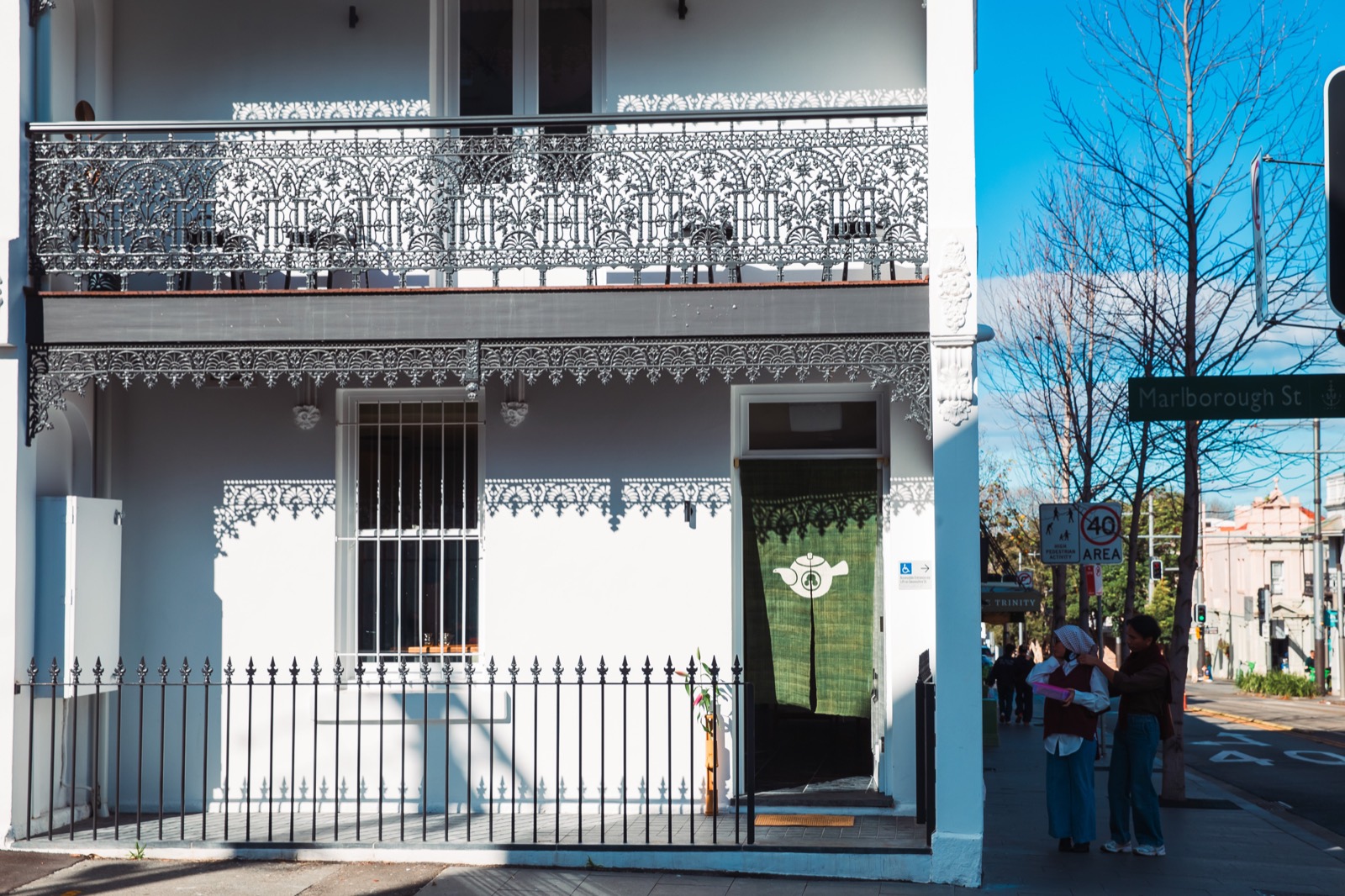
A family that started on a Saitama tea field in 1815 has opened a Japanese tea shop on a Surry Hills corner in Sydney. In the year the world queues up for matcha, this shop pours free tastings at the bar and sells bags of sencha and hojicha.
1.In July, the Japanese tea shop TOKYO HANDA TEA opened on the corner of 12 Marlborough Street in Surry Hills, Sydney. It sits a few steps from the Surry Hills light rail stop, on the ground floor of a white terrace house wrapped in iron lacework. Behind it is Tokyo Handa-en, which runs two tea shops in Tokyo's Suginami ward, and the family began making tea in 1815.
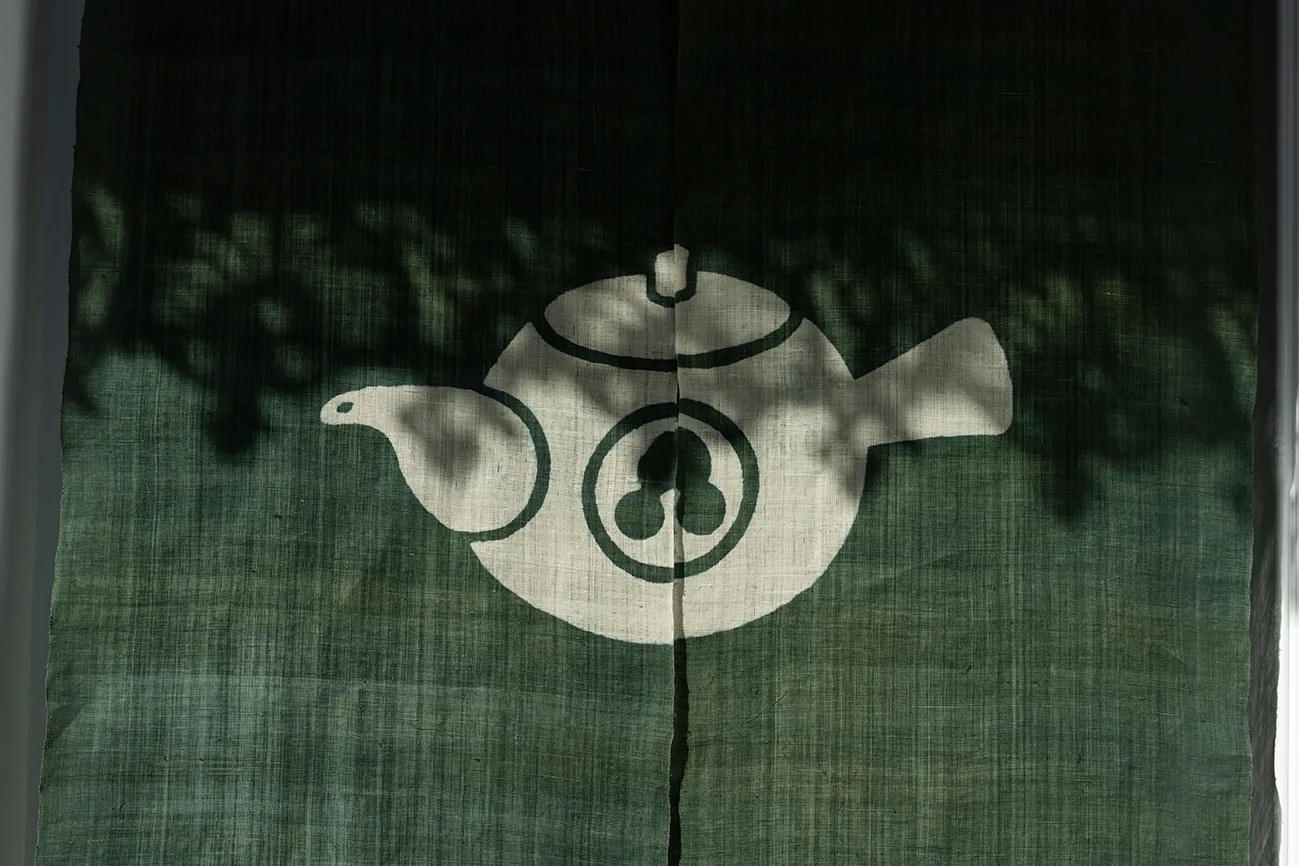
2.The shop is run by Mariko Fujita, a cousin of Tokyo Handa-en's president. She worked at a major Japanese publisher and came to Sydney in 2025 for an MBA at UNSW's AGSM. The green noren at the door carries a white kyusu, the Japanese teapot with its handle set to one side. That teapot is the logo. Fujita told the local magazine Broadsheet that Japanese teas other than matcha are still underrated.
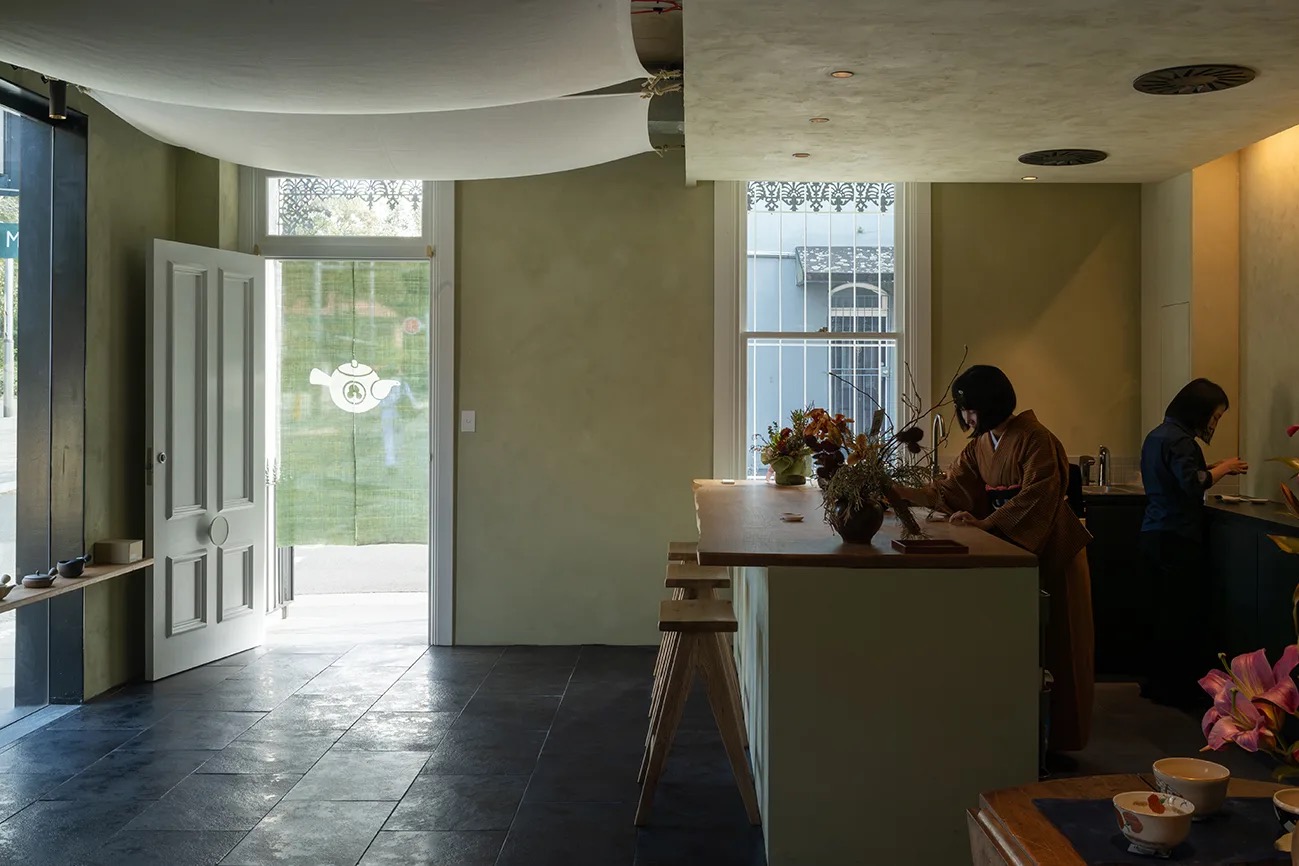
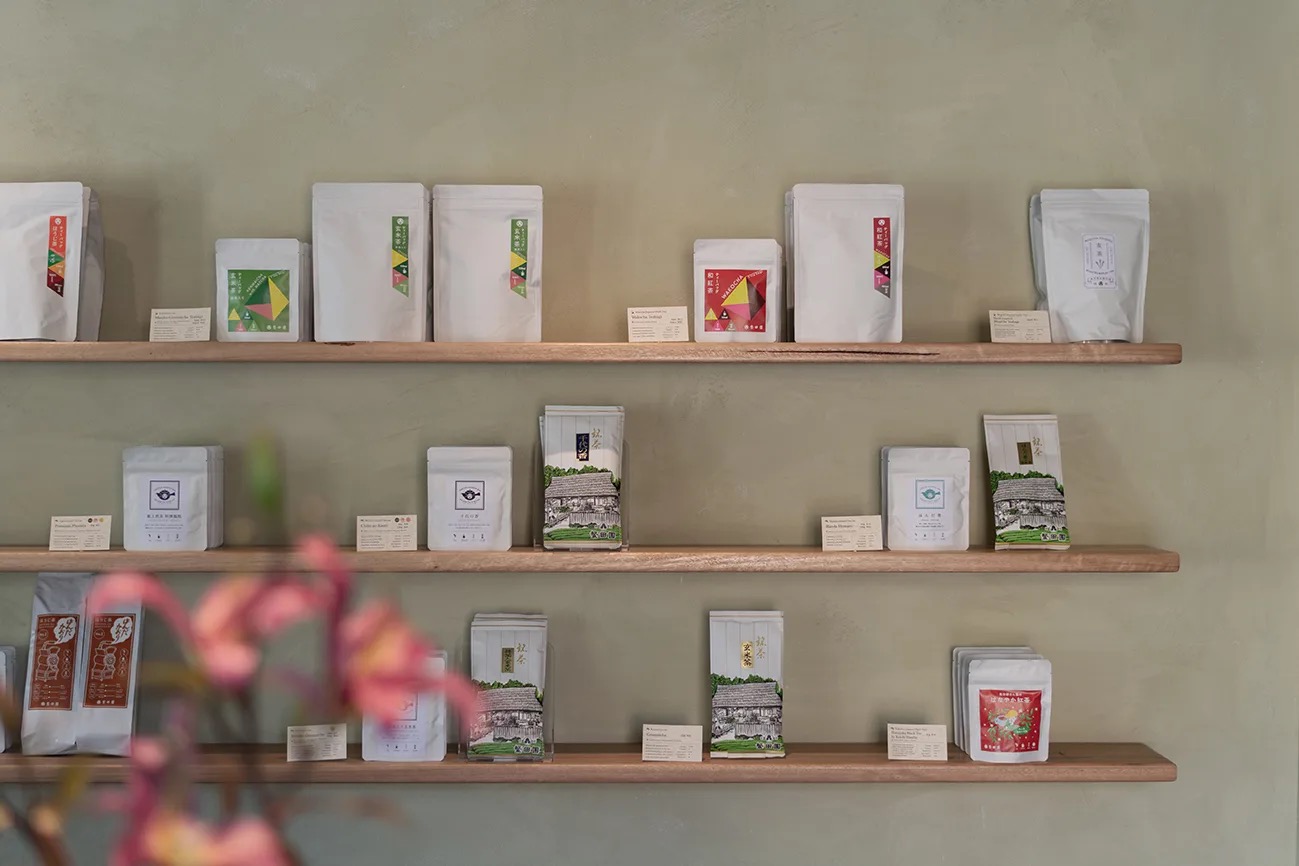
3.The room is long and narrow. Red timber shelves run along walls painted pale green, holding bagged tea and handmade cups in single rows. The middle belongs to a long timber bar reaching toward the back. A few high stools stand at the bar, but there is no table for lingering over an order. According to Broadsheet, customers taste a brew or two at the bar without paying.
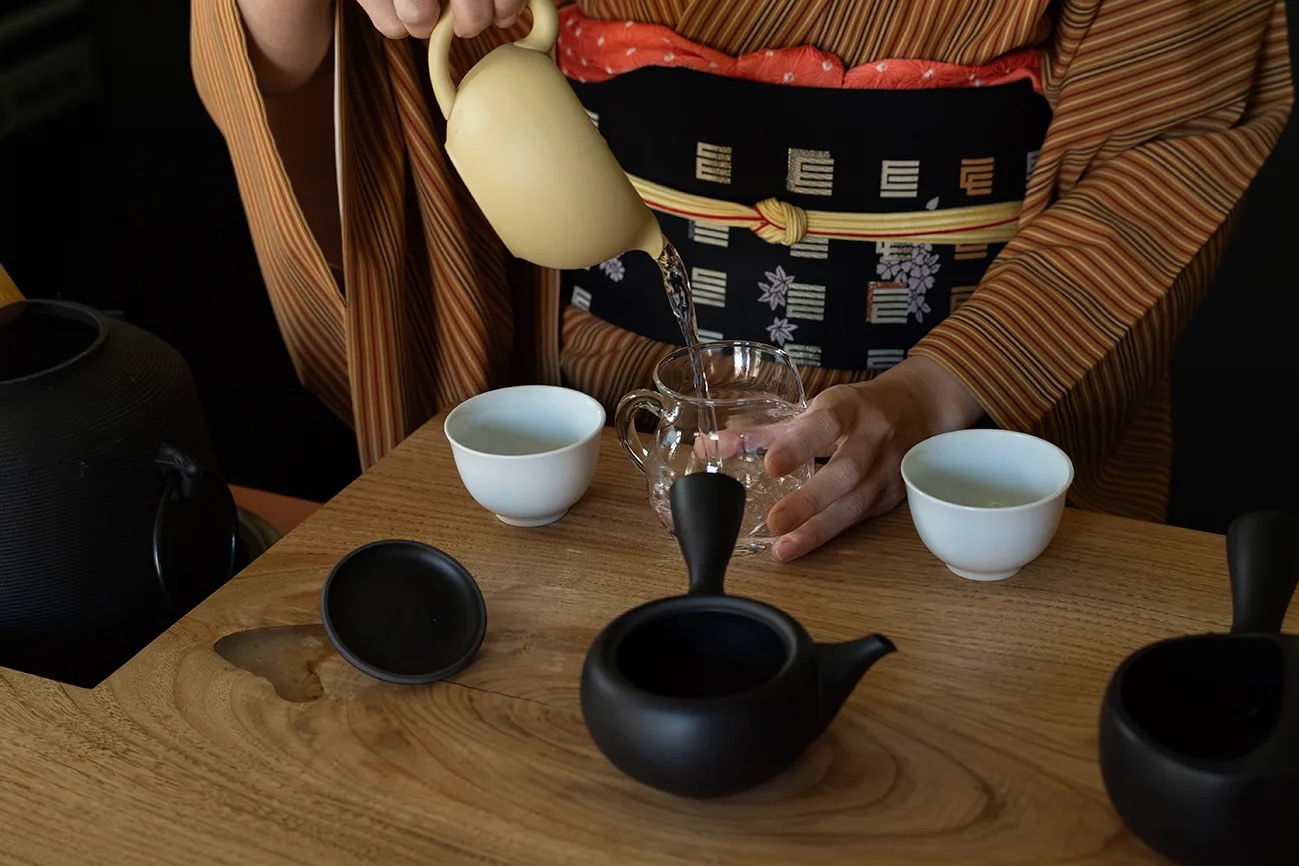
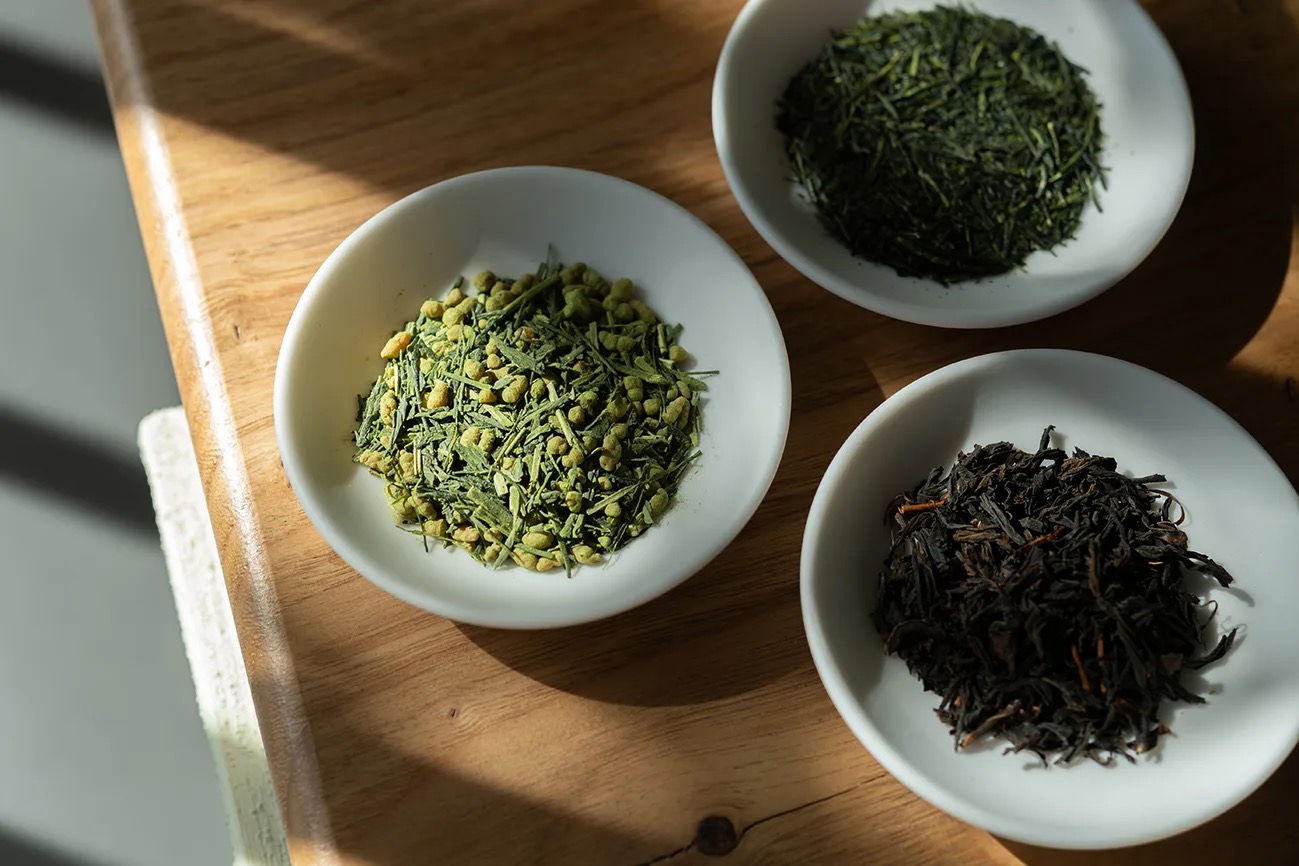
4.Sencha wants water at 70 to 80°C and less than a minute in the pot. The steam smells of freshly cut grass first, and the first sip leaves a broth-like savouriness at the back of the tongue rather than bitterness. The shop buys leaf from regions between Kyushu and Shizuoka, selling blended sencha alongside sencha from a single estate.
5.The shop does the final roast of its hojicha itself. Roast the leaf over high heat until it turns brown and the grassy smell disappears; the brewed tea gives off a toasty aroma close to barley tea. Genmaicha, blended with roasted brown rice, smells of scorched rice, and wakocha, black tea made in Japan, has only a light astringency. Three teas to offer first to a customer wary of green tea's bitterness.
6.In 2025 Japan's green tea exports reached 72.1 billion yen, close to double the year before. The growth came mostly from powdered tea such as matcha, used in lattes and desserts. Jiji Press reported that as exports surged, the price of matcha raw material rose and foreign green tea began filling shelves inside Japan.
7.The leaf that becomes matcha has to be grown under shade and stone-ground, so supply cannot grow quickly. Sencha and hojicha are made by most Japanese tea farms already, which makes volume easier to secure. While shops compete for matcha supply, this one picked the less crowded leaves from the same regions and put them up front. That is also why a free cup is poured at the bar for customers drawn in by the word matcha. People who walk in knowing matcha still need to taste sencha before they buy it.
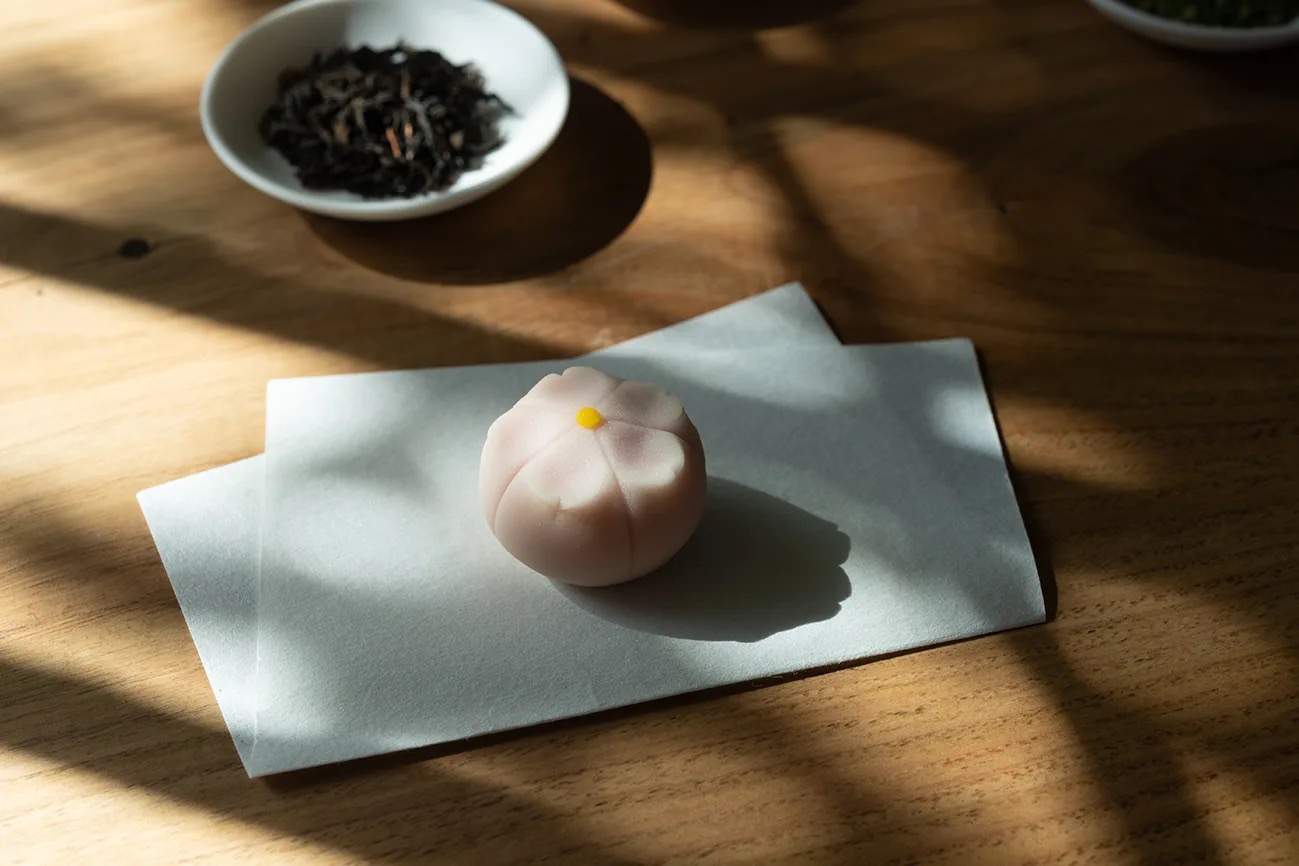
8.Fujita said she wants to keep the shop slow and quiet. What it sells instead is time. A booked organic matcha tasting costs AUD 15, and a session pairing seasonal nerikiri sweets with matcha costs AUD 45 (at roughly 900 won to the Australian dollar). Free tastings lower the barrier, and customers who want more can book a seat.
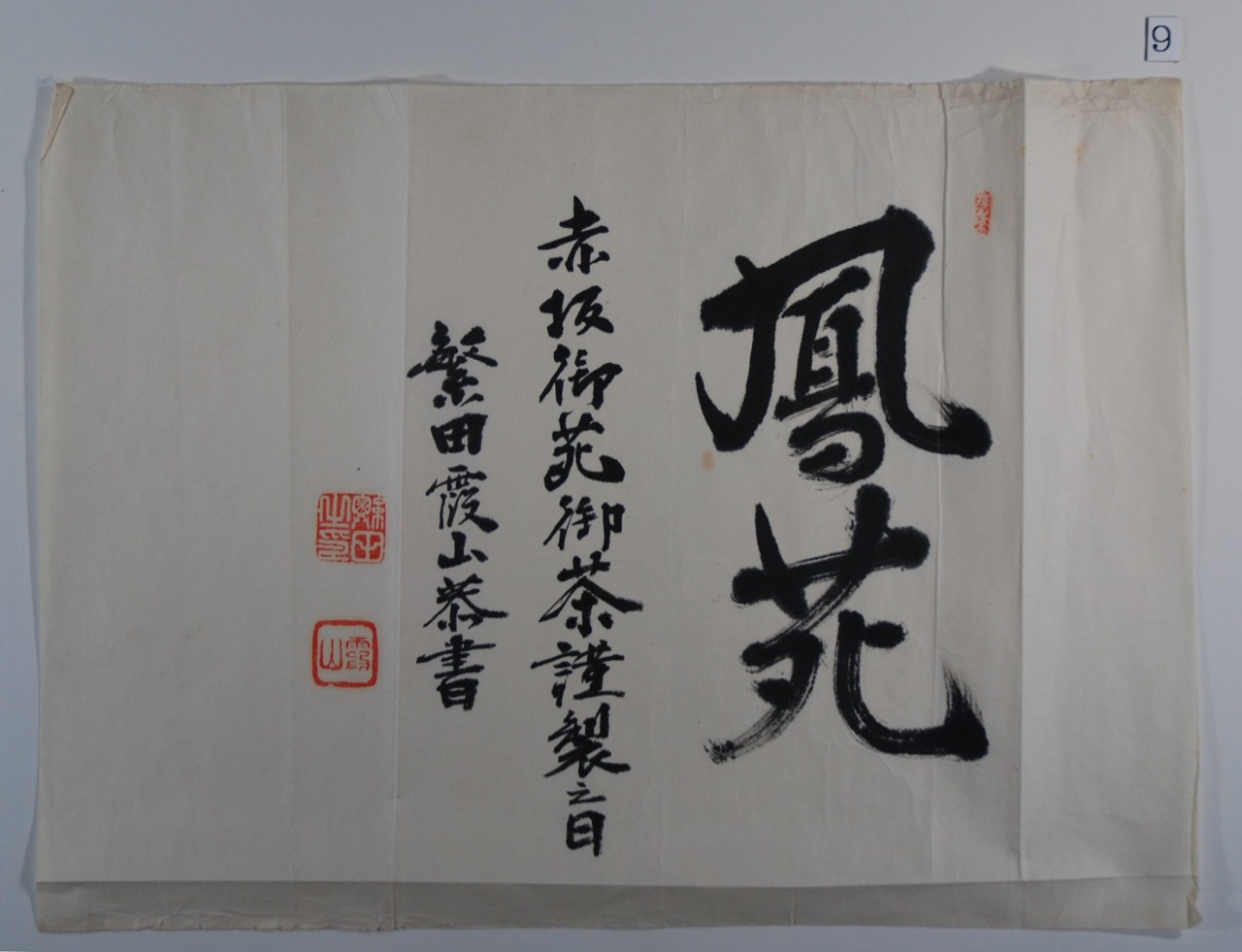
9.The shop earns from bags, not cups. On the shelves, small 30g bags sell for AUD 16 to 27, and matcha starts at nearly twice that. One of the sencha is named Premium Phoenix, and the character for phoenix also appears in the name of the sencha the family made for the imperial household in 1928.
10.What does a free tasting cost? One infusion of sencha uses 2 to 3g of leaf, a little over AUD 1 at wholesale (estimate). Assume a 50% retail margin on leaf, and if just one in ten people who taste at the bar buys a bag, the leaf poured for tastings is paid for. The arithmetic differs from the start from a café counting seat turnover on cups sold.
11.Add rent for a small street-front shop in Surry Hills to wages for one or two staff, and fixed costs come to roughly AUD 10,000 to 12,000 a month (estimate). With a 50% margin on leaf, the shop needs to sell about AUD 20,000 a month to make money. So the company also runs an online shop that ships only within Australia, dispatching orders within two to three days. A bag lasts weeks, and when it runs out the customer has a second place to reorder outside the shop.
12.In 1815, the family's tenth head opened a tea field in Sayama, now Iruma City in Saitama Prefecture. In 1928 the family took charge of the tea garden inside the Akasaka Palace and made Ho-en, a sencha for the imperial household. Today's Tokyo Handa-en is the family's Tokyo branch, opened in Asagaya in 1947.
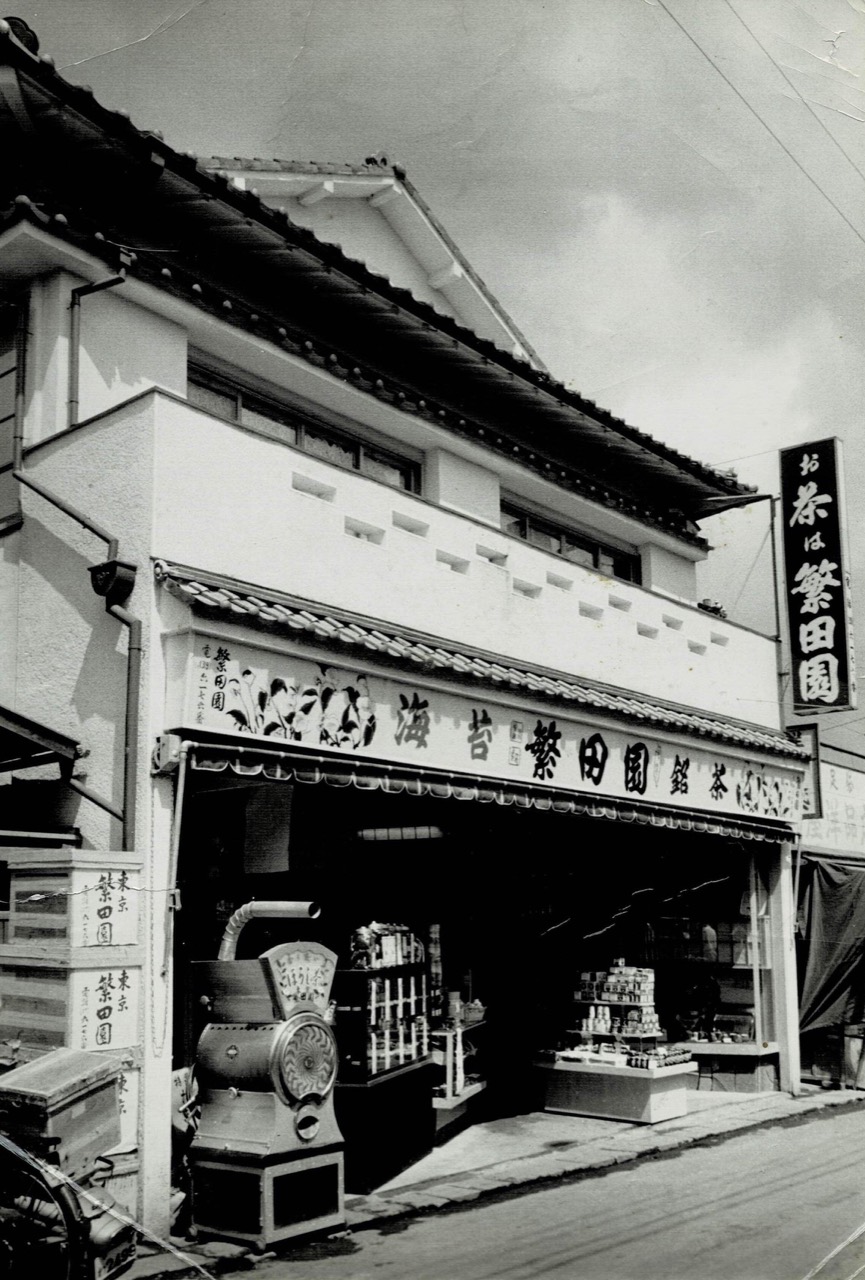
13.Shops that once numbered seven across the Kanto region shrank to two, Asagaya and Ogikubo, and sales halved over ten years, according to a Tokyo Chamber of Commerce case study. Japanese households now spend less on leaf tea and more on bottled tea. Rather than get out a pot, cool the water and wait a minute, people took a bottle from the convenience store fridge. In 2021, with closure on the table, third-generation Minoru Handa left his department store job to take over the business.
14.Minoru Handa went abroad. At Japan Expo in Paris in 2024, about 500 people bought the family's tea over four days, and in February this year the business renamed itself TOKYO HANDA TEA in English and held a sencha workshop at the Maison de la culture du Japon à Paris. The Surry Hills shop came next. Leaf tea that sells less at home in Japan has been carried to a city that does not yet know it.
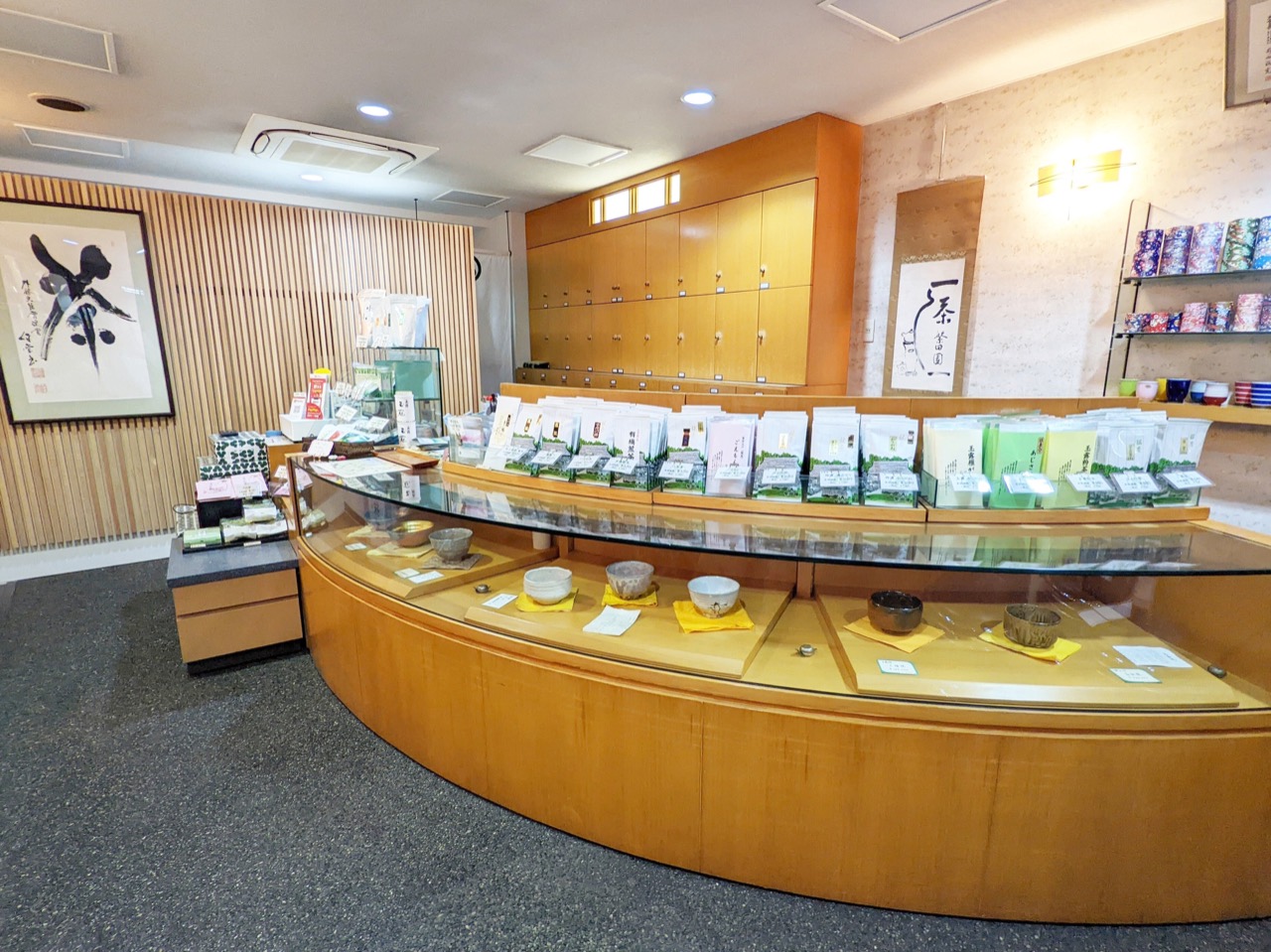
15.The imperial supply history hangs on the website's front page. What actually passes across the bar is an explanation of how far to cool the water and how long to steep. The bother that pushed leaf tea out of Japanese homes is, in Sydney, taken on by staff pouring a free cup.
16.The Sydney shop of a 200-year-old tea family lets customers taste for free at the bar, then sells 30g bags for AUD 16 to 27. Instead of competing for matcha supply, it put the less crowded leaves from the same regions up front, and it opened a separate online shop for customers who finish a bag. Open the same kind of shop in Korea and the tasting bar is the first hurdle. Unlike a shop selling only packaged tea, handing customers tea brewed on site usually requires a food service business registration and plumbing to match, so one bar changes both the fit-out quote and the permit schedule.