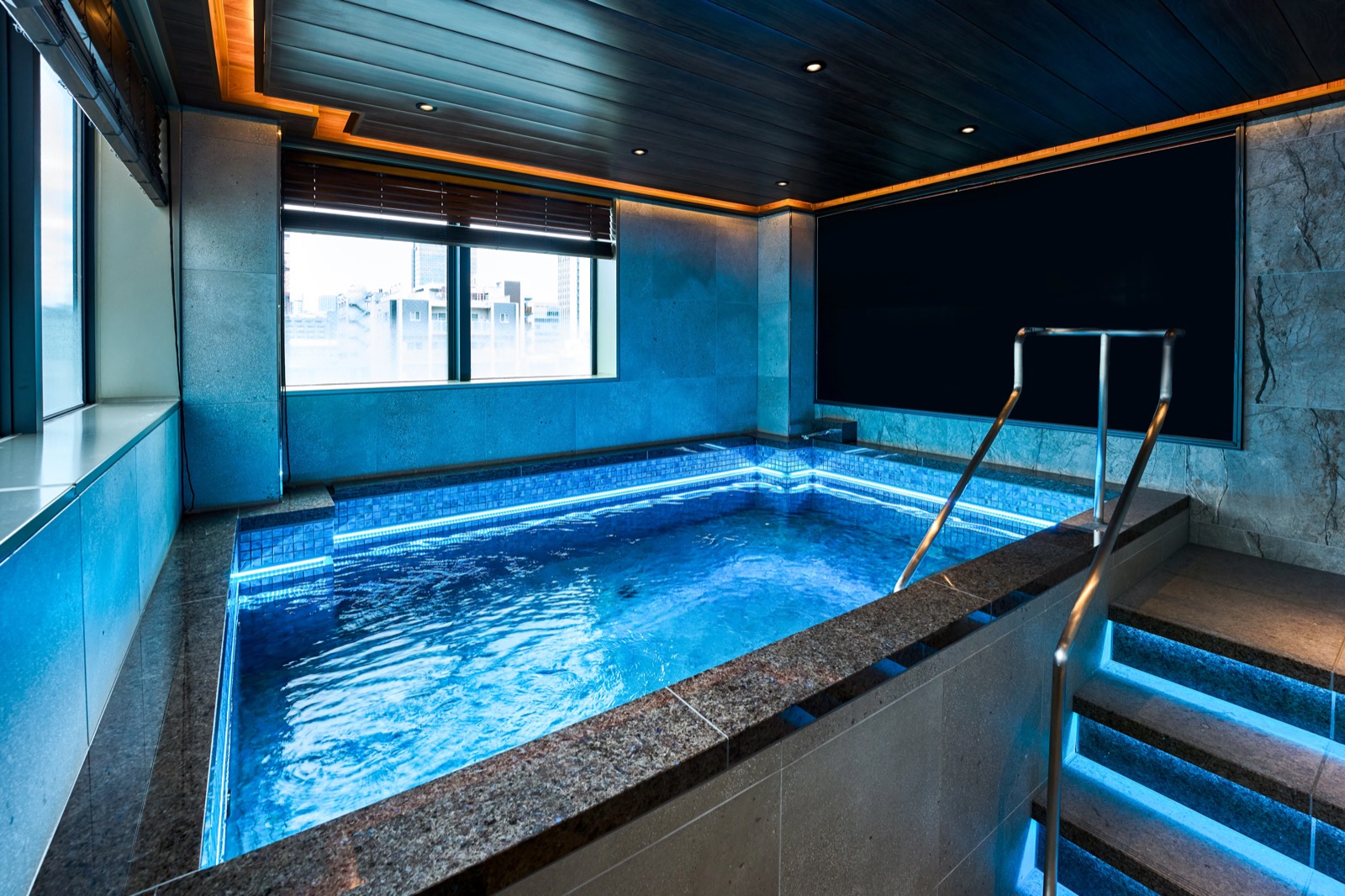
A pool suite that takes a whole floorOne of the three 135㎡ suites has its own indoor pool. ⓒHOTEL MINATO
Daily Hotel
A Tokyo company that built 17 rooms with saunas has been selling its rooms in three-hour blocks
2026.10.05
In Shimbashi, Tokyo, a 17-room hotel opened at the end of July with a private sauna and cold plunge in every room. The brand's earlier hotels sell the same rooms not only by the night but also in 90-minute and three-hour blocks. Selling one room twice a day is what holds up the room rate.
1.On July 31, HOTEL みなと TORANOMON opened in Shimbashi 4-chome, Minato-ku, Tokyo, four minutes on foot from JR Shimbashi Station. It has 17 rooms, and every one of them comes with a private sauna and a cold plunge. It is the fourth hotel from HOTEL みなと, a brand that started in Nishi-Azabu in 2022.
2.The first three show what this brand actually sells. In Nishi-Azabu, all 11 rooms have a sauna and a karaoke machine, and a three-hour stay goes for 30,000 yen. In Azabu-Juban, the three rooms are sold by the clock from 12,000 yen for 90 minutes, and this March the brand also opened in Kabukicho, Shinjuku. For this company, a room is a bed for the night and a private sauna for a few hours.
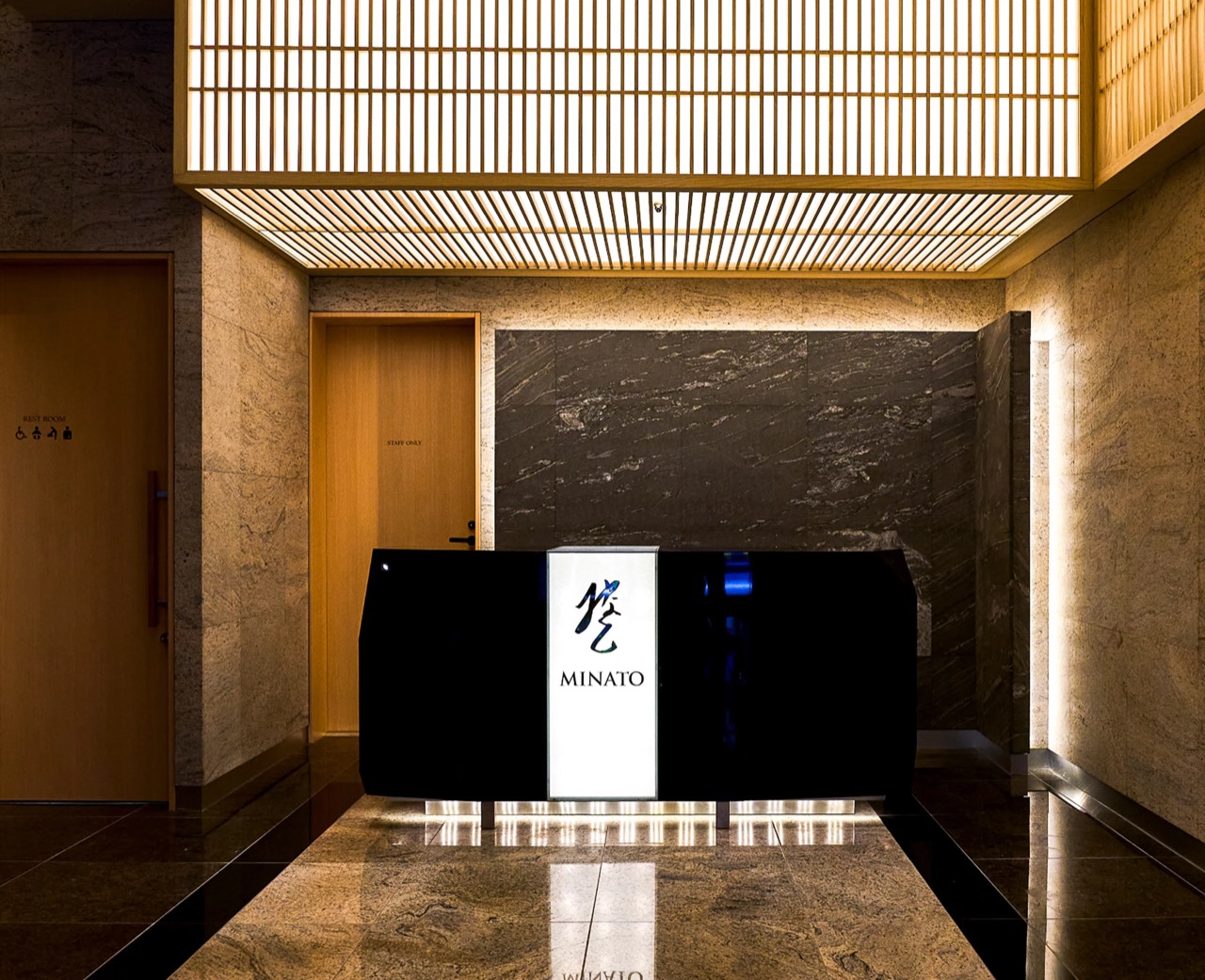
An entrance in stone and wooden slatsCheck-in starts at 3 p.m. and the last check-in is at 3 a.m. ⓒHOTEL MINATO
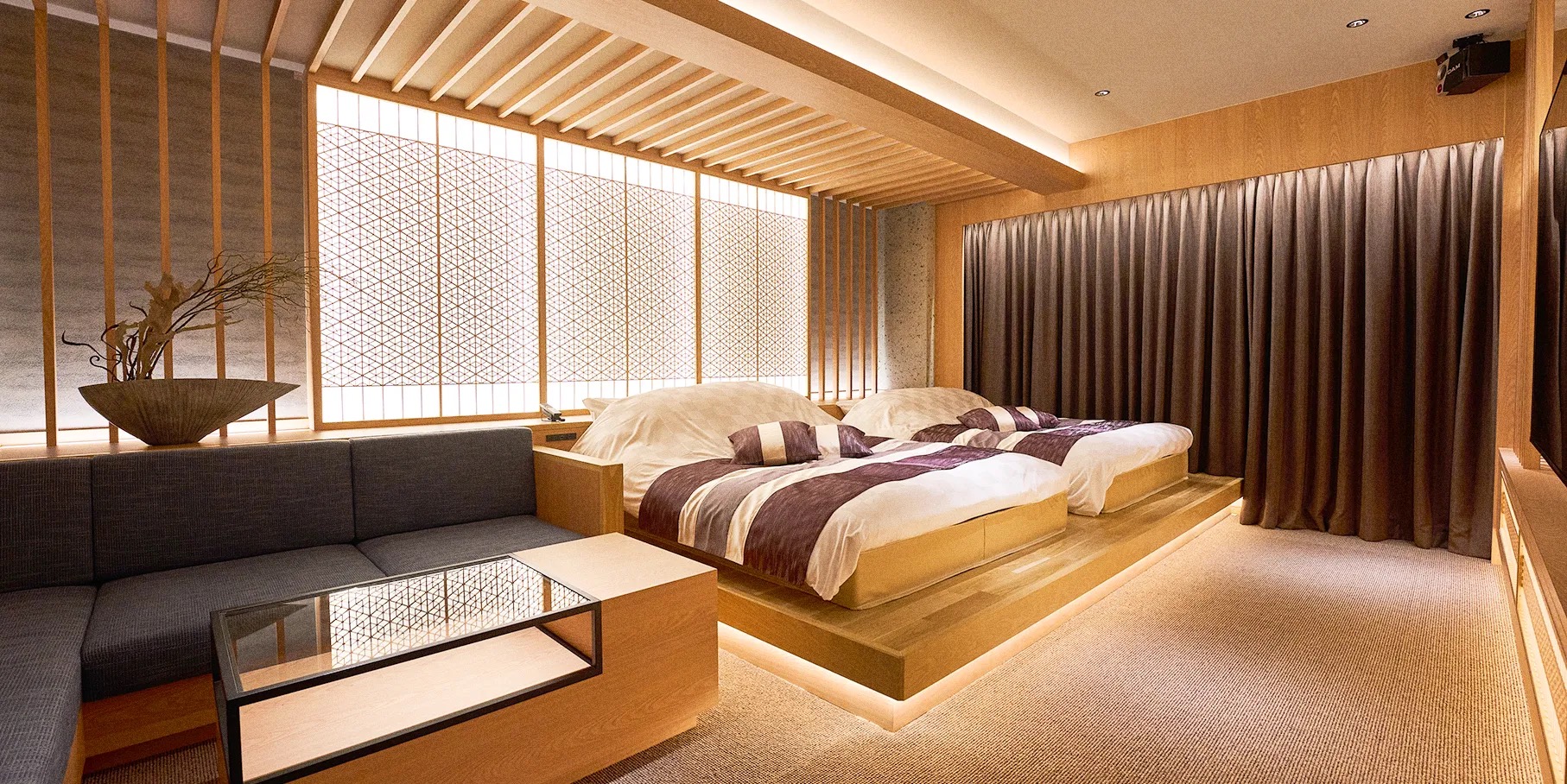
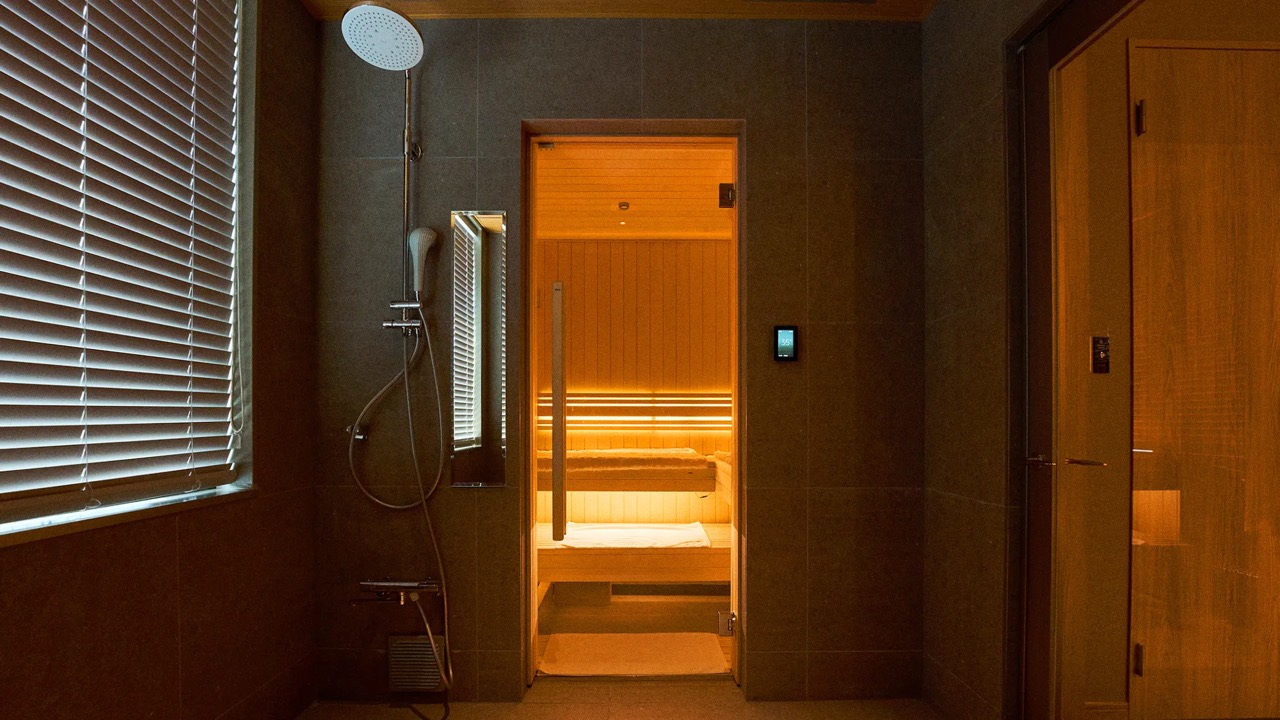
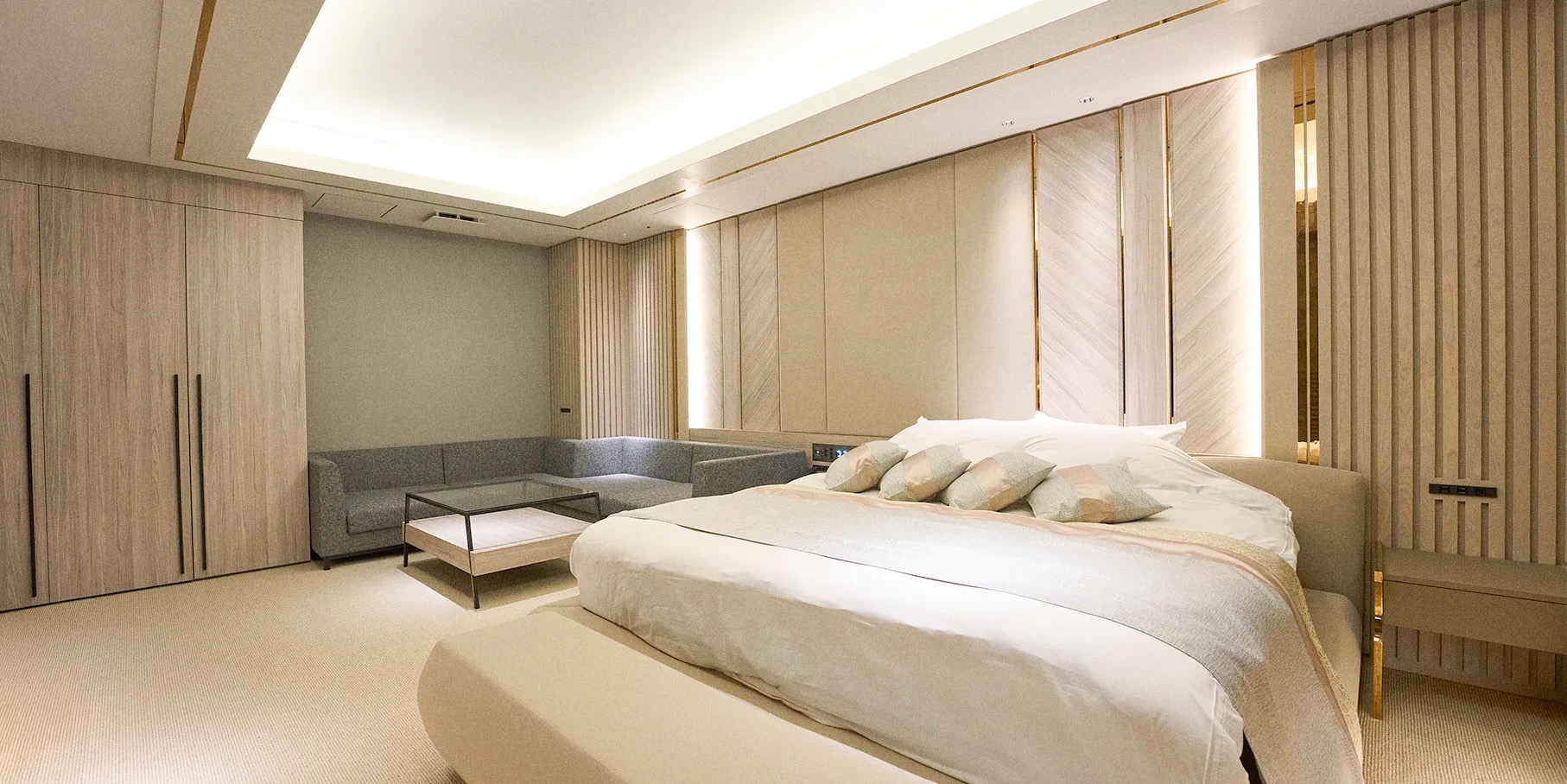
3.Fourteen of the 17 rooms are Deluxe Kings and Deluxe Queen Twins. The published size of the Deluxe King is 38.91㎡. Each room has a wet zone that puts a timber sauna cabin, a cold plunge and a rain shower side by side, and guests can throw water on the sauna stones themselves for löyly. A big-screen TV with high-end speakers, a minibar and free breakfast come with it.
Deluxe Queen TwinTwo beds sit on a raised platform with a sofa in front. ⓒHOTEL MINATOThe sauna cabin inside the roomShower, sauna and cold plunge are gathered in one zone. ⓒHOTEL MINATO
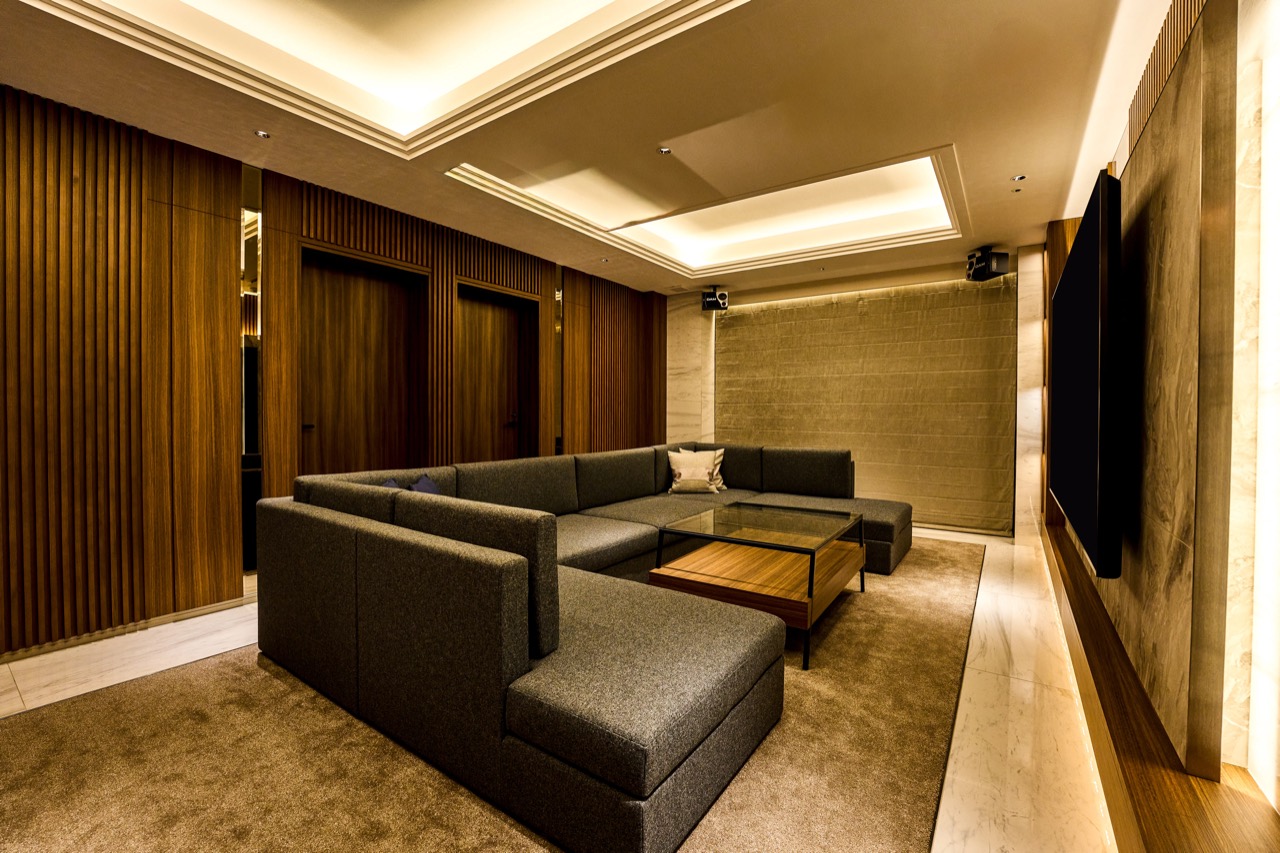
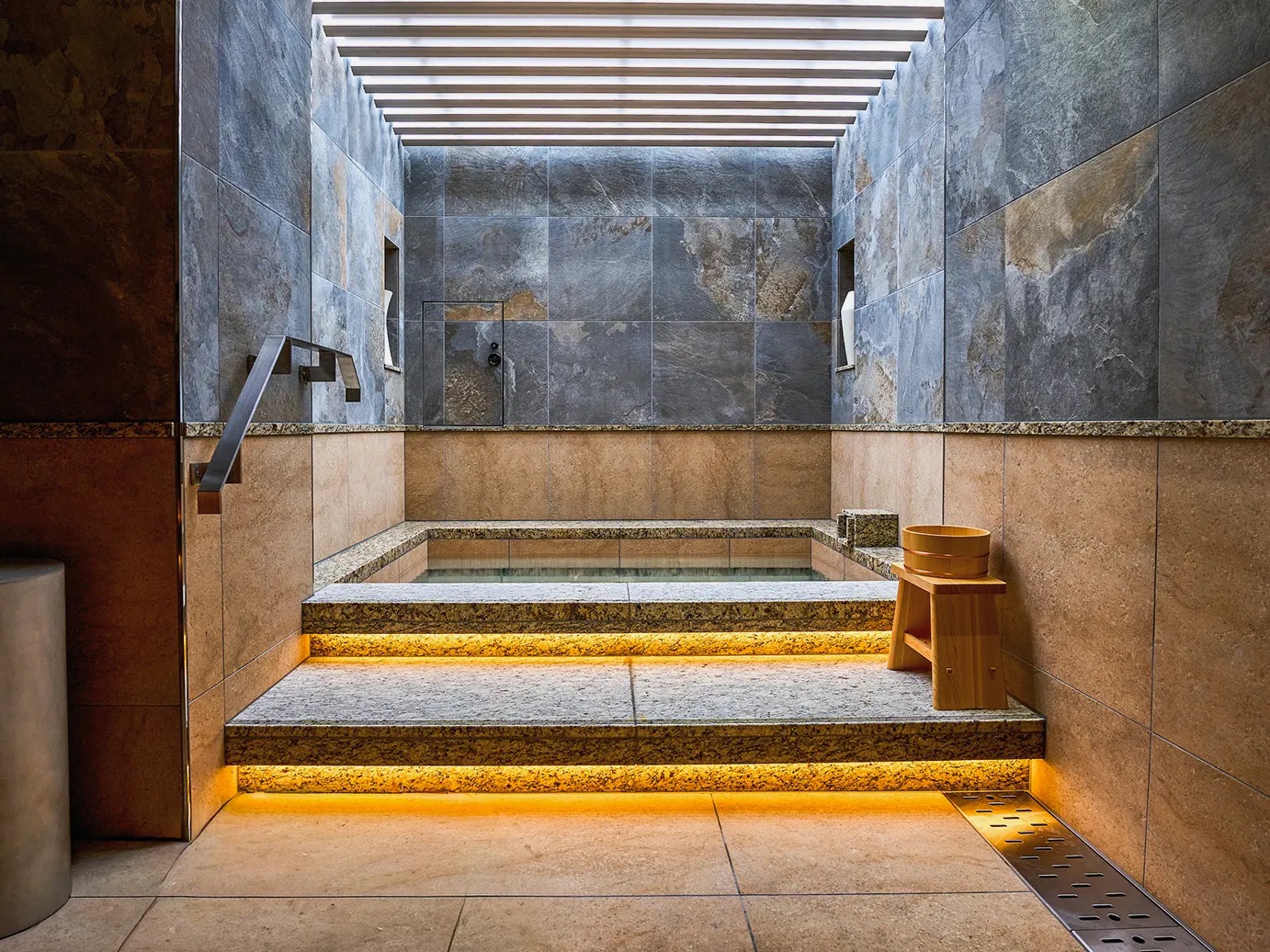
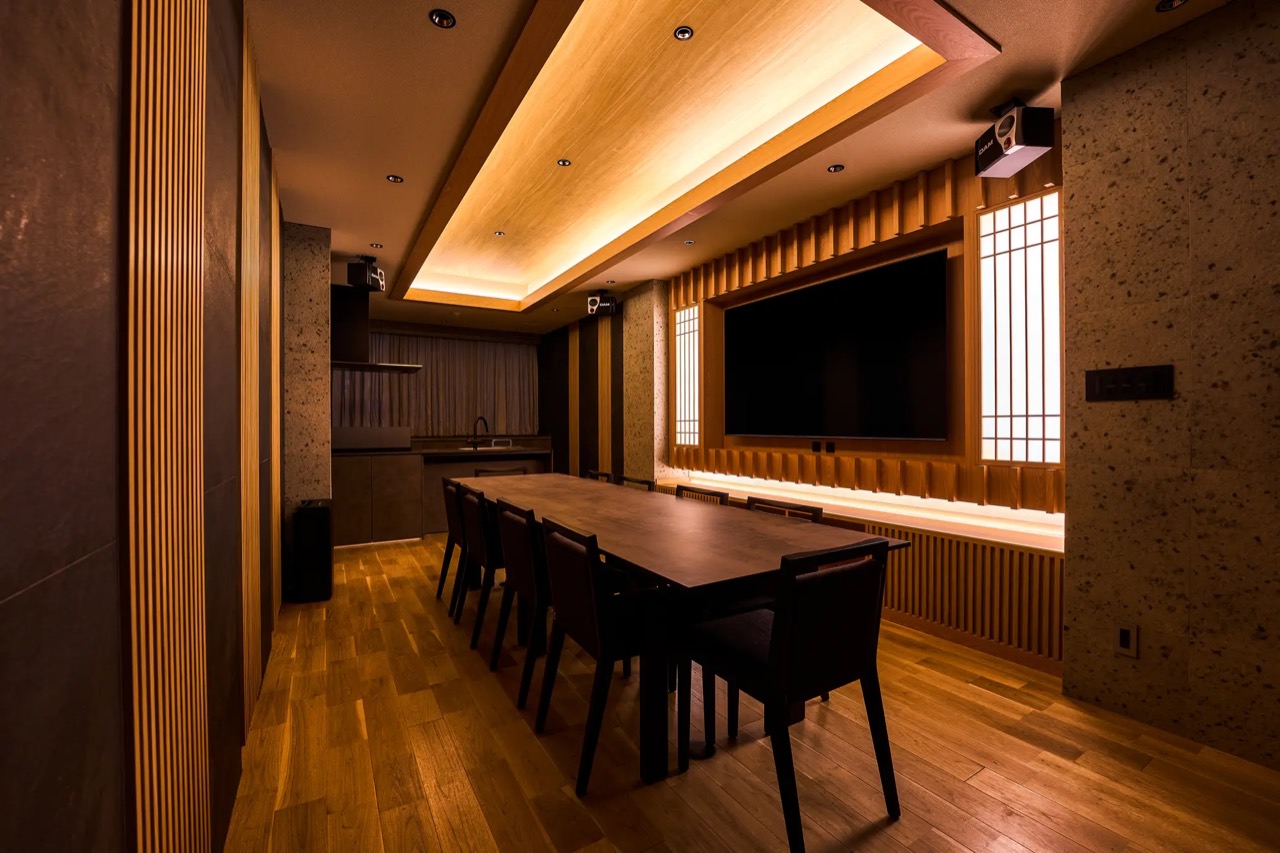
4.The other three are 135㎡ suites, one per floor from the ninth to the eleventh. One holds a private pool, one an open-air bath, and one a party room. The open-air bath is filled with hot-spring water trucked in from Yugawara in Kanagawa Prefecture. The party suite gets a long dining table and a big screen that fills one wall.
The living room of a suiteA U-shaped sofa for a group to sit around. ⓒHOTEL MINATOThe bath in the open-air bath suiteIt uses water brought in from the Yugawara hot springs. ⓒHOTEL MINATO
5.The sauna is usually set to 90 degrees. Pour water on the hot stones and the steam hits the ceiling, rolls down over your shoulders, and the warmed timber bench gives off a smell of resin. Open the door and the cold plunge is two steps away. In a public sauna that distance means a changing room and a corridor; here it shrinks to a few wet tiles. That short walk is what lets three hours sell for 30,000 yen.
6.The Toranomon hotel does not publish a rate card. The numbers to compare with sit next door in Hamamatsucho. In July results released by the hotel REIT Invincible, Hotel MyStays Hamamatsucho ran 96.1% occupancy at an average daily rate (ADR) of 14,867 yen, and the upscale MyStays Premier Hamamatsucho in the same area got 29,900 yen. Empty rooms are not a worry in this neighborhood.
7.Say the deluxe rooms sell at 45,000 yen a night with 80% occupancy (an estimate pegged to Nishi-Azabu's lowest nightly rate of about 38,000 yen). That makes 13.14 million yen a year in overnight revenue per room. Add a three-hour daytime stay sold at 30,000 yen on three days out of ten, and another 3.29 million yen comes in, for 16.43 million yen in total. Even if MyStays Premier Hamamatsucho kept up its July performance all year, one room would earn 10.45 million yen.
Three hours stacked on top of a nightThe Toranomon hotel's actual rates and occupancy have not been disclosed.
8.Put the three suites at 150,000 yen a night with 50% occupancy and each one earns 27.38 million yen (estimate). Together with the 14 deluxe rooms, the 17 rooms bring in about 312 million yen a year in room revenue, roughly 2.9 billion won (at 930 won per 100 yen). The suites are one-sixth of the rooms but take more than a quarter of the revenue.
9.Time-based sales slip into the gap between check-out and check-in. The Toranomon hotel sends guests out at noon, takes the next ones from 3 p.m., and keeps the last check-in open until 3 a.m. Nishi-Azabu says it sells three-hour stays for arrivals between 1 p.m. and 7 p.m. Use a room once in the day, let it again at night, and it earns twice. It also gets cleaned twice. The sauna cabin has to be wiped and the cold plunge refilled, so the model accepts that housekeeping takes more hands than an ordinary hotel room.
Deluxe KingThe published size is 38.91㎡. ⓒHOTEL MINATO
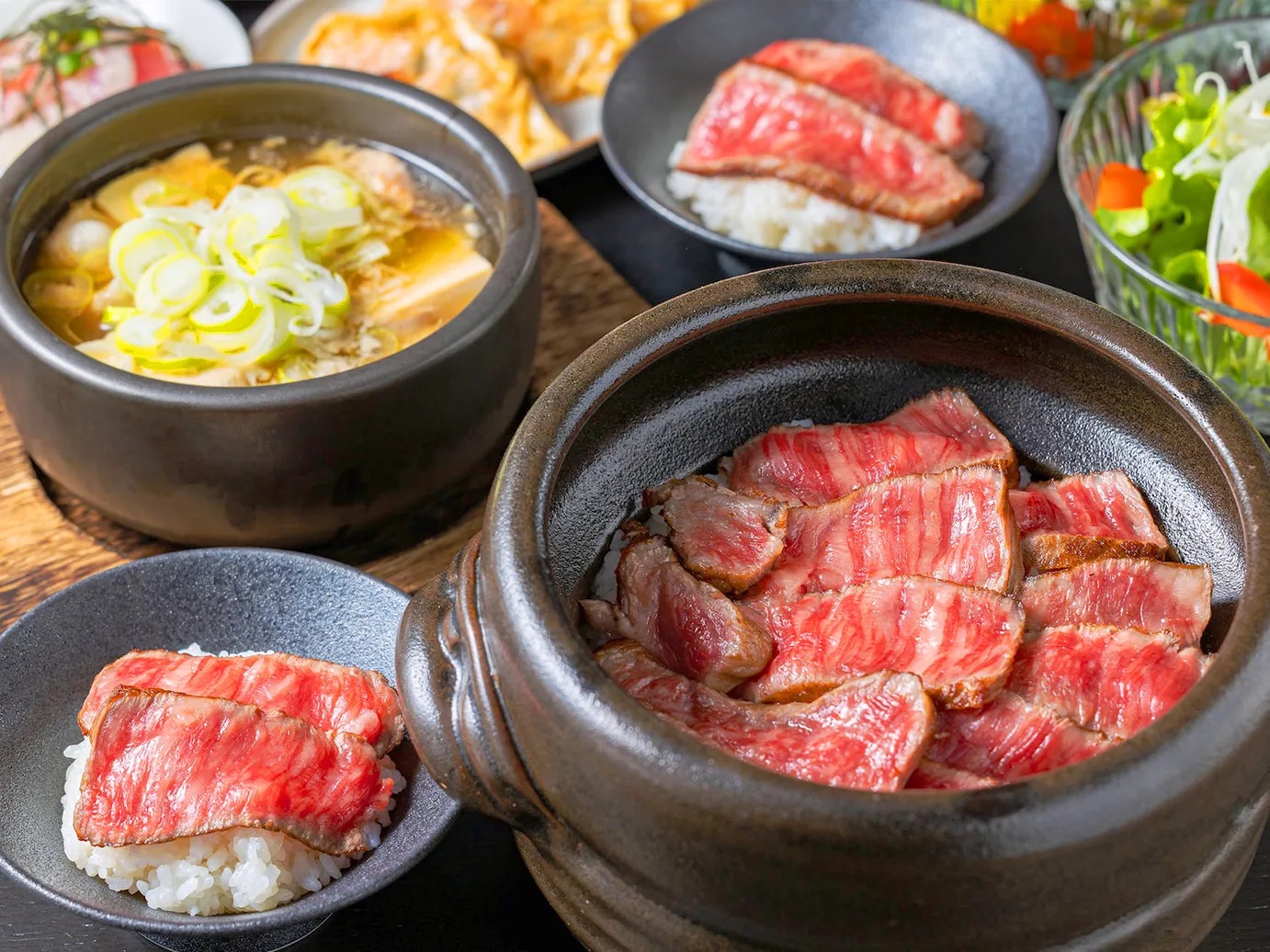
10.At a star-rated hotel, money outside the rooms comes from restaurants, bars and banquet halls. People planning a birthday or a work dinner rent a function room. HOTEL みなと has neither a restaurant nor a banquet hall. So where does that money go? The 135㎡ party suite takes that demand at the size of one room, and the food goes up to the room as chef-made room service. The Azabu-Juban hotel runs room service from 1 p.m. to 9 p.m. and a late-night menu until 3 a.m.
Room service brought up to the roomThere is no separate restaurant; guests eat in their rooms. ⓒHOTEL MINATOThe long table in the party suiteWhere a group sits together for room service. ⓒHOTEL MINATO
11.Public saunas and bathhouses in Japan separate men and women and are used naked. Couples and mixed groups cannot go in together, and foreign visitors not used to sitting bare next to strangers feel the barrier too. A sauna inside the room puts those people in one cabin. A guest review of the Nishi-Azabu hotel also notes that overseas guests are especially happy with it.
12.Shimbashi is packed with offices, and to the north lies the Toranomon Hills business district. It is also where groups leaving a work dinner miss the last train and go looking for a room. Check-in open until 3 a.m. looks aimed at guests in that hour.
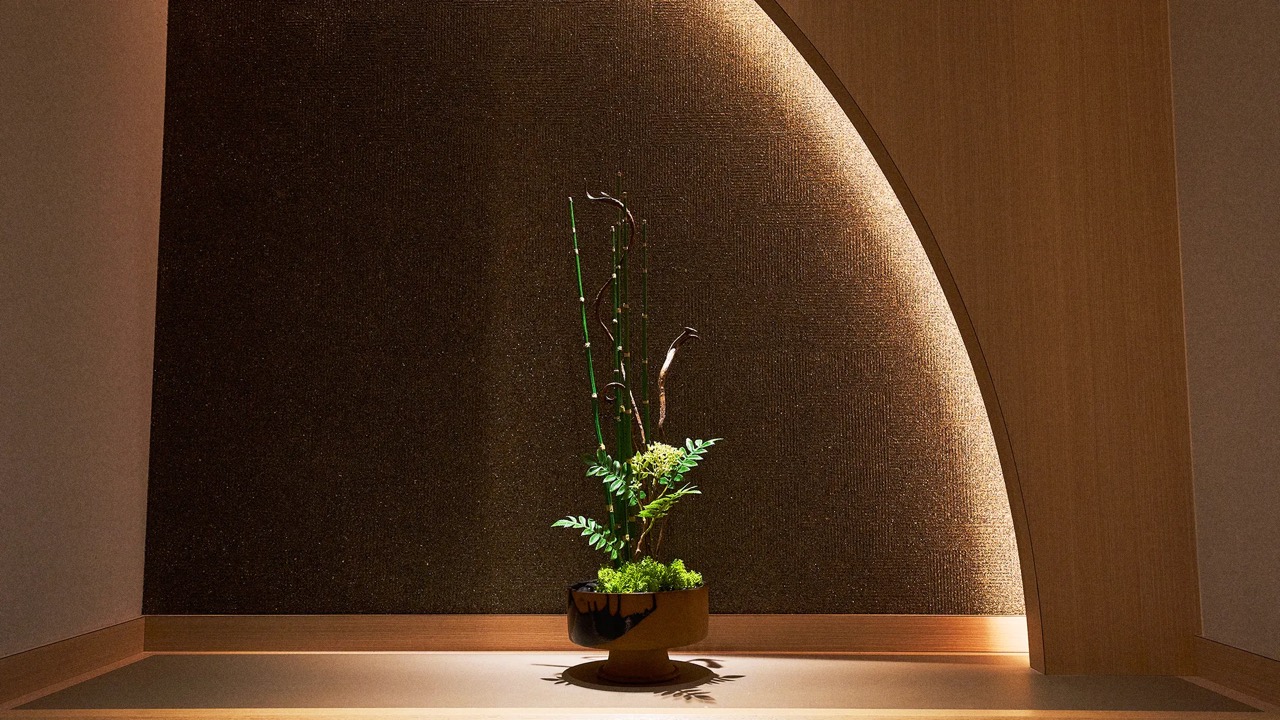
An alcove with ikebanaCommon areas are kept short and decoration is gathered in a few spots. ⓒHOTEL MINATO
13.Selling a room by the hour is nothing new in Japan. The industry known as leisure hotels has turned rooms two or three times a day on two rates, a 'rest' rate and a 'stay' rate. Since the 2019 sauna drama Sado aired, Japanese media report that shops renting only private sauna rooms by the hour have multiplied in Tokyo. HOTEL みなと has stacked those two businesses in one room.
14.Stacking them stacks the costs too. Every room runs its own sauna heater, and even a home-size unit draws about 6kW, so 17 rooms need roughly 100kW set aside for saunas alone (estimate). Water and hygiene for 17 cold plunges, plus waterproofing and ventilation for the wet zones, are costs an ordinary room never had. On days when three-hour guests pile up, each room has to be dried out before the next overnight guest arrives.
15.In four years the brand has opened four hotels, ranging from 3 rooms to 17. In small places like Azabu-Juban, time-based sales are the main business; in a larger one like Toranomon, overnight stays and suites lead. Because the same room can be sold as two products, only the mix needs to change with the neighborhood and the size. The name and results of the operating company have not been made public. Only those numbers will show whether this math holds.
In Shimbashi, Tokyo, a 17-room hotel opened with a sauna and cold plunge in every room, and the brand sells its rooms both by the night and in three-hour blocks. At 45,000 yen a night plus daytime three-hour stays, one deluxe room works out to more than 16 million yen a year (estimate). In Korea, motels already rent rooms by the hour, so time-based sales are nothing unusual. The first thing that gets in the way is power. Putting a sauna heater in every room means a large increase in contracted electrical capacity, and some buildings will need new substation equipment. If only the sauna is sold by the hour, the operator also has to settle with the district office whether it counts as hourly lodging or as a bathhouse business.