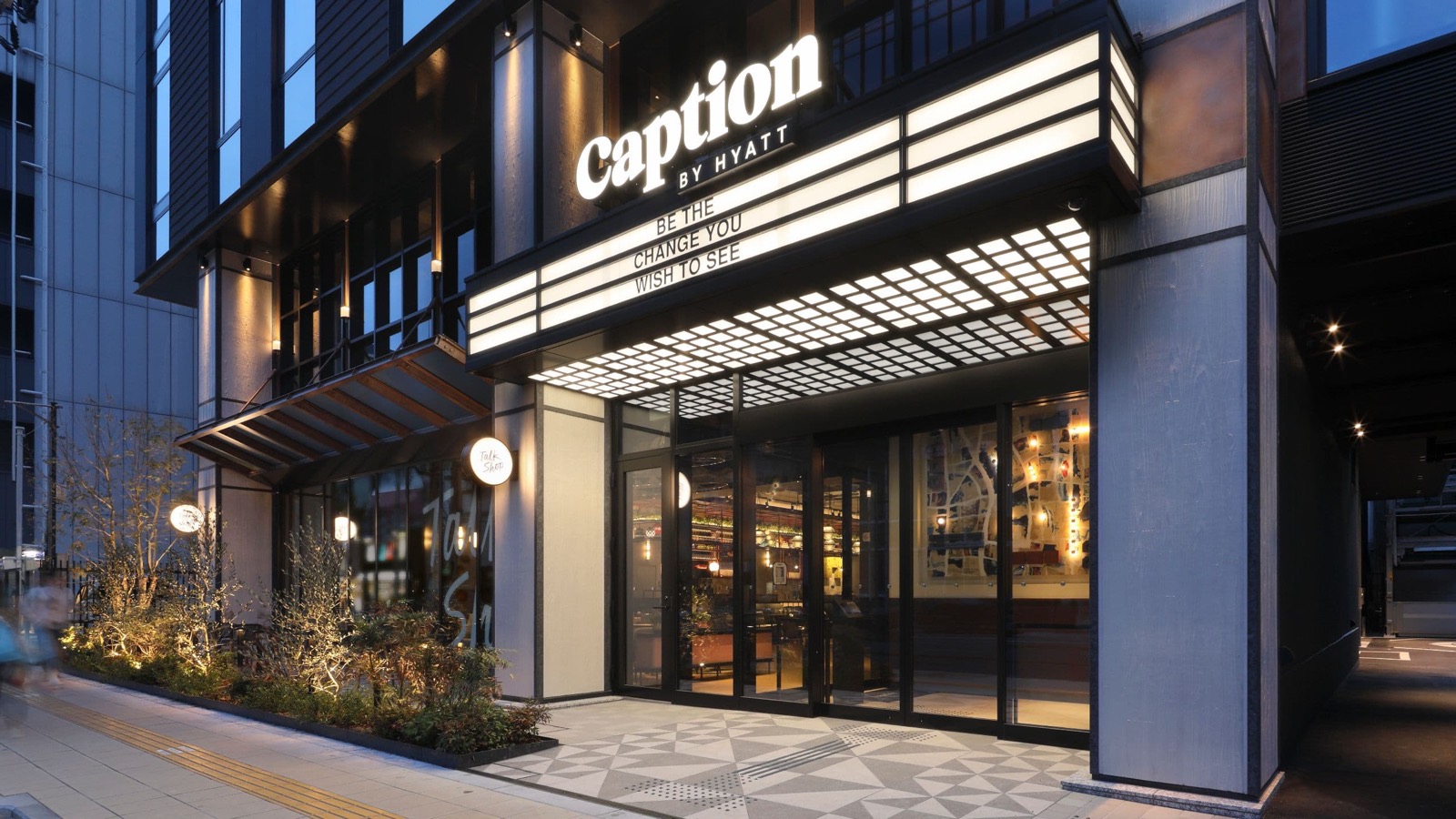
A lifestyle hotel with no front deskCaption by Hyatt Namba Osaka, opened in June 2024 beside Namba and Dotonbori. 167 rooms, the first select service lifestyle brand Hyatt has brought to Japan. ⓒ Hyatt / Caption by Hyatt
Daily Hotel
Caption by Hyatt Namba Osaka: the hotel that traded its front desk for a Talk Shop
2026.07.25
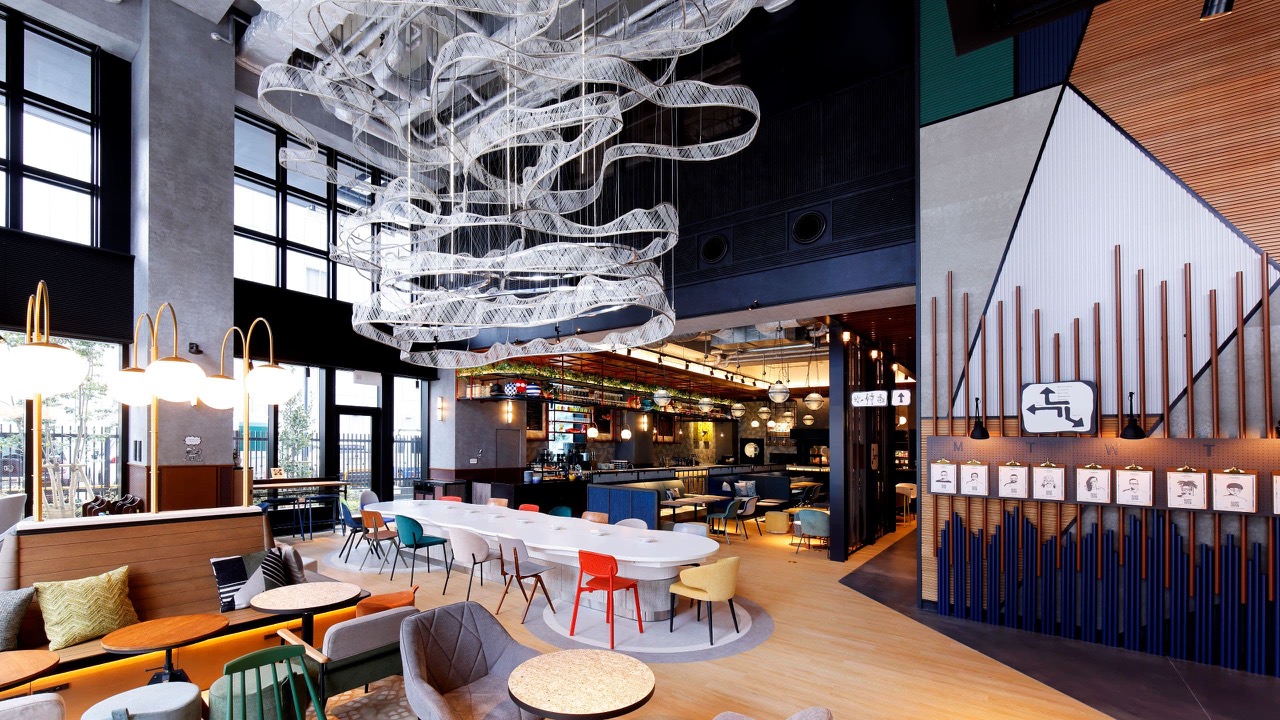
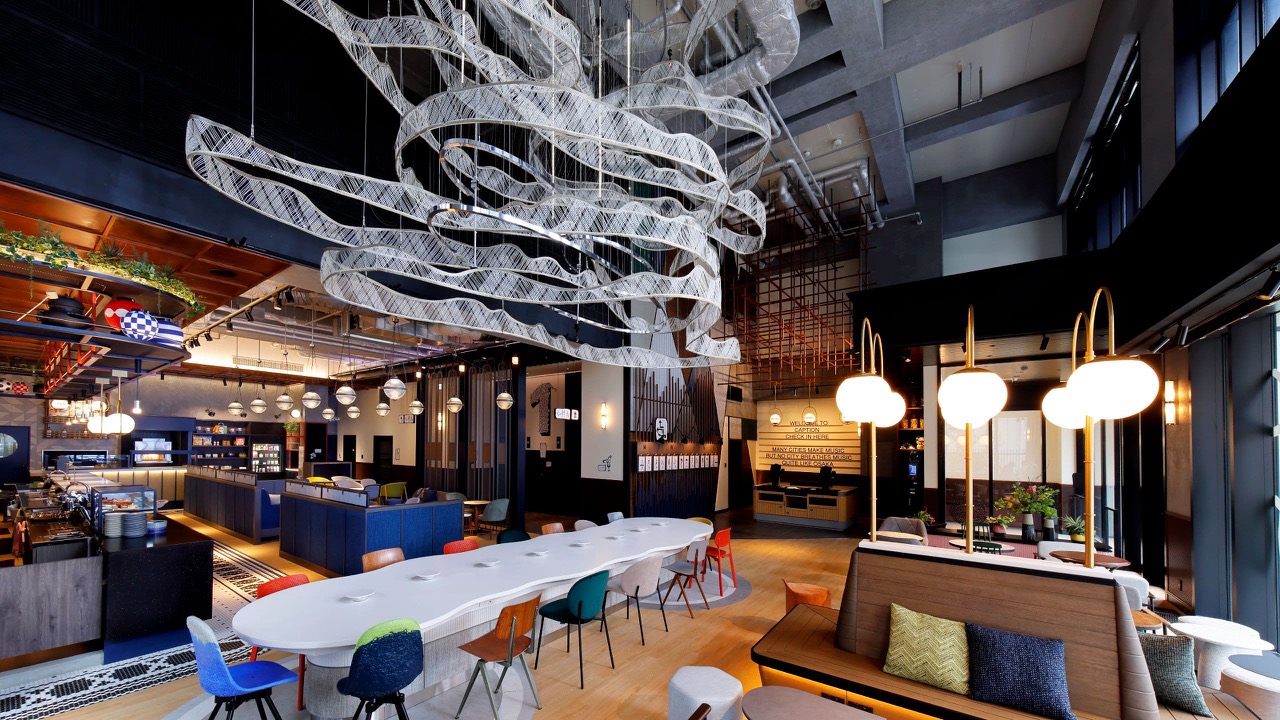
In the middle of Namba, Osaka, on a site looking down on the Dotonbori canal, a 167-room hotel opened in June 2024. There is no front desk in the lobby, check-in happens in an app, and a phone opens the door. In its place, one room on the ground floor called the Talk Shop. A coffee shop in the morning, coworking in the afternoon, a cocktail bar at night, this single space swallowed the lobby, the cafe, the bar, the market and the information desk whole. Caption by Hyatt, the select service lifestyle brand Hyatt brought to Japan for the first time. This is not a pretty design hotel. There is exactly one point. Turning over a room takes half the human labor of a full service hotel. With the Japanese minimum wage climbing toward 1,500 yen an hour, that labor cost structure is the product itself.
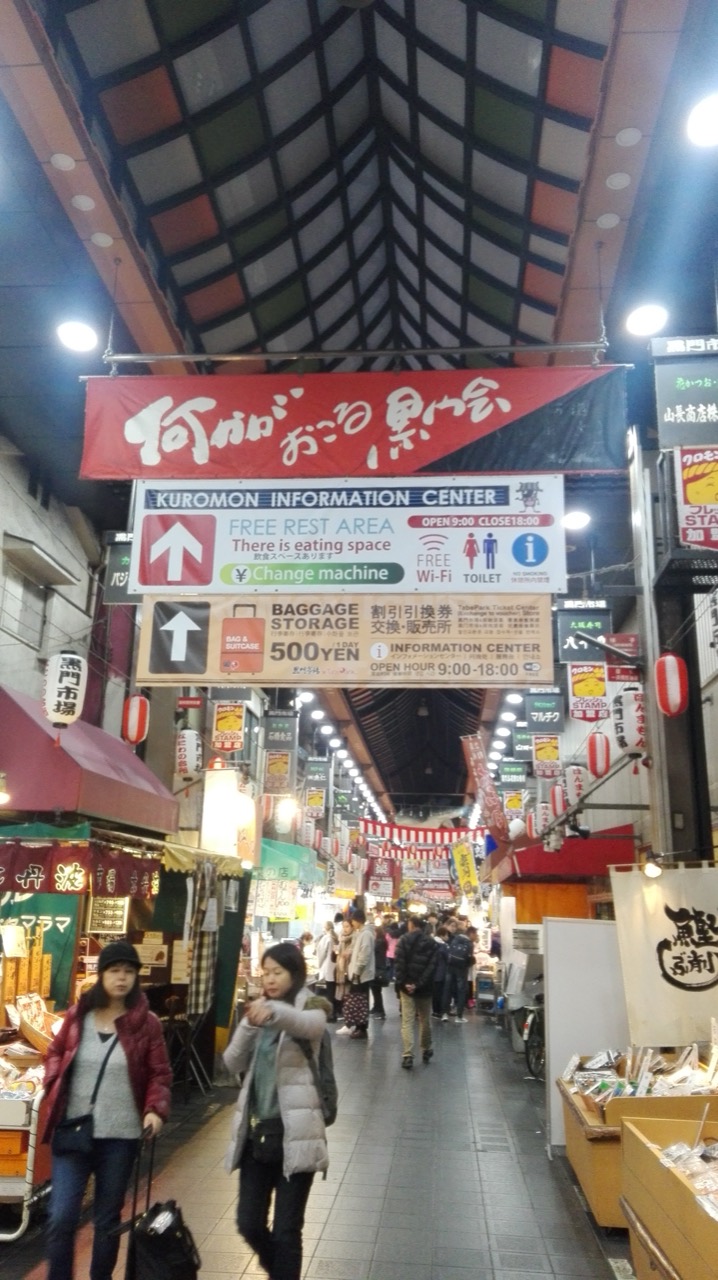
1.On June 12, 2024, Caption by Hyatt Namba Osaka opened in Namba, Osaka. 167 rooms in total, sited in the Namba and Nipponbashi area next to the Dotonbori canal and Kuromon Market. Hyatt operates it, the brand is Caption, Hyatt's select service lifestyle line, and this hotel is its first in Japan.
2.The phrase select service lifestyle is the whole issue. It is a format that keeps the design and feel of a lifestyle hotel while cutting the fat of a full service hotel, the bellhop, the concierge, room service and the 24-hour front desk. It does not imitate luxury. It erases only the services guests do not actually pay more for. That saving is the identity of the product.
3.The symbol of what was erased is the front desk. Check-in runs through the World of Hyatt app, and a digital key opens the room door. There is no queue across the lobby and no counter to receive it. Self-service touchpoints take over what people used to handle.
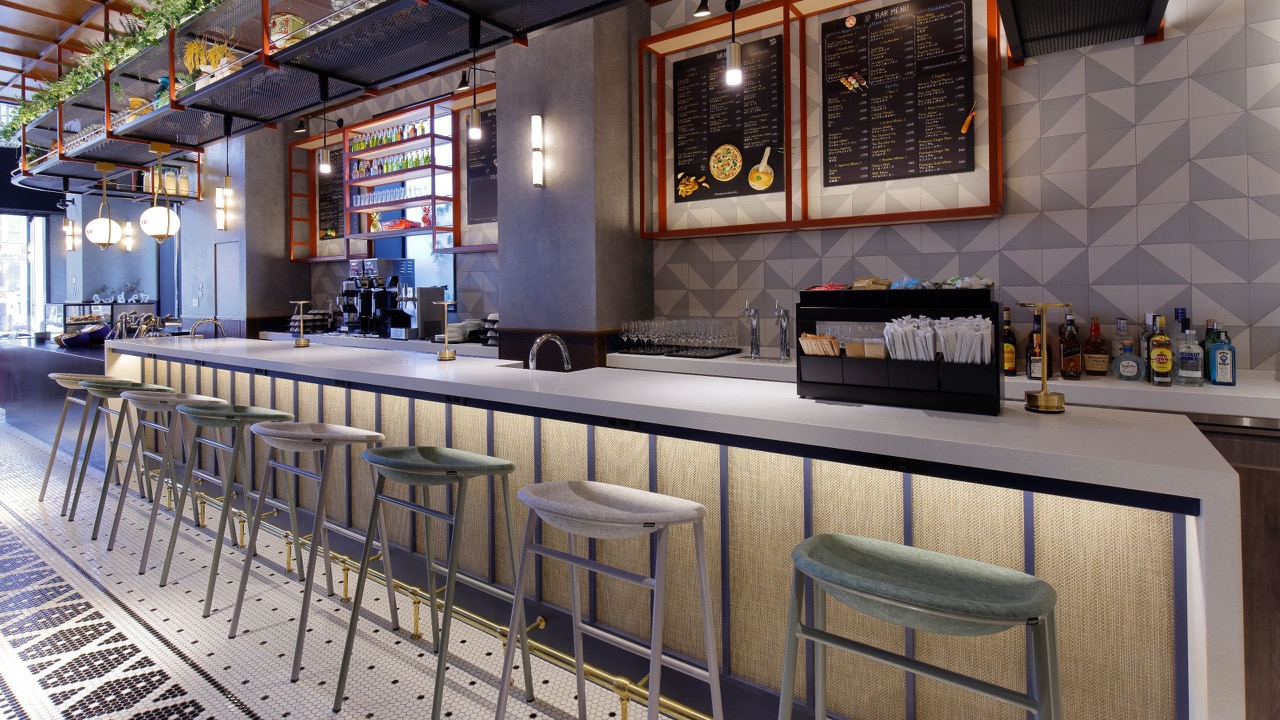
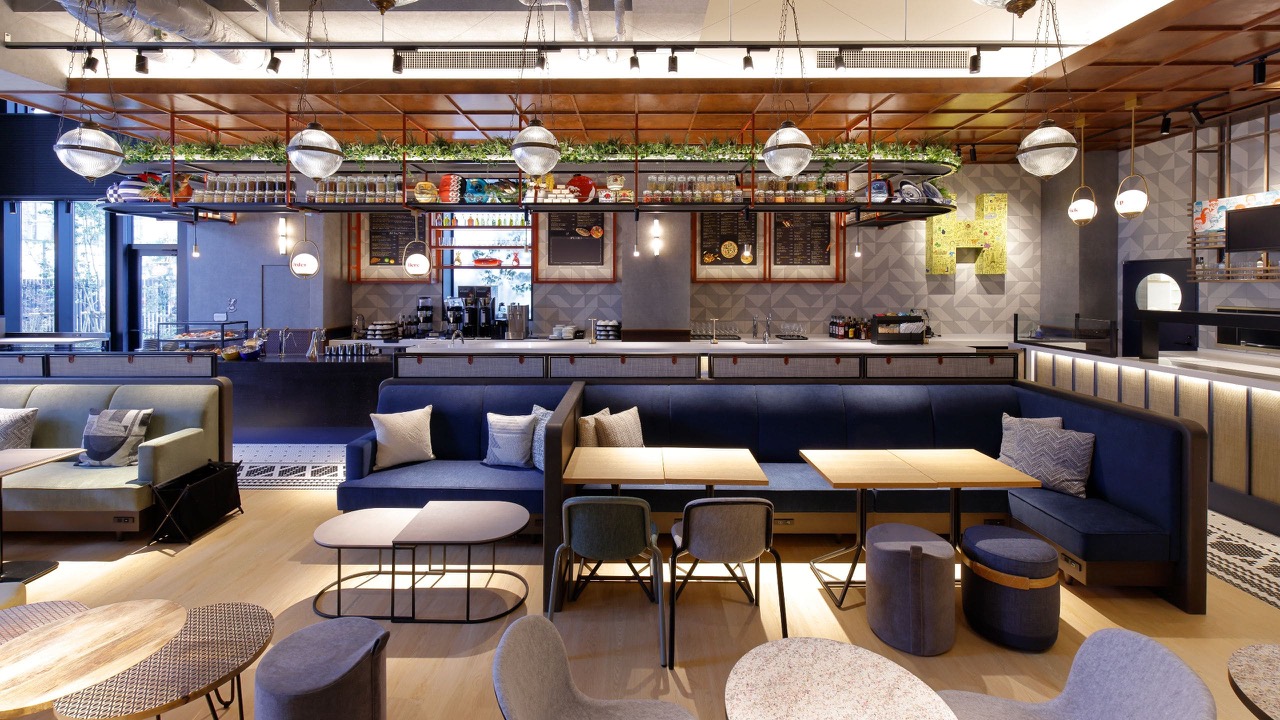
4.In its place they put the Talk Shop at the heart of the ground floor. The official description is blunt: an all-day lounge, workspace, coffee shop, restaurant, grab-and-go artisan market and cocktail bar in one space. Information, food and beverage, and community functions folded into a single mass. Workshops, open mic nights, pop-ups and book clubs run here too.
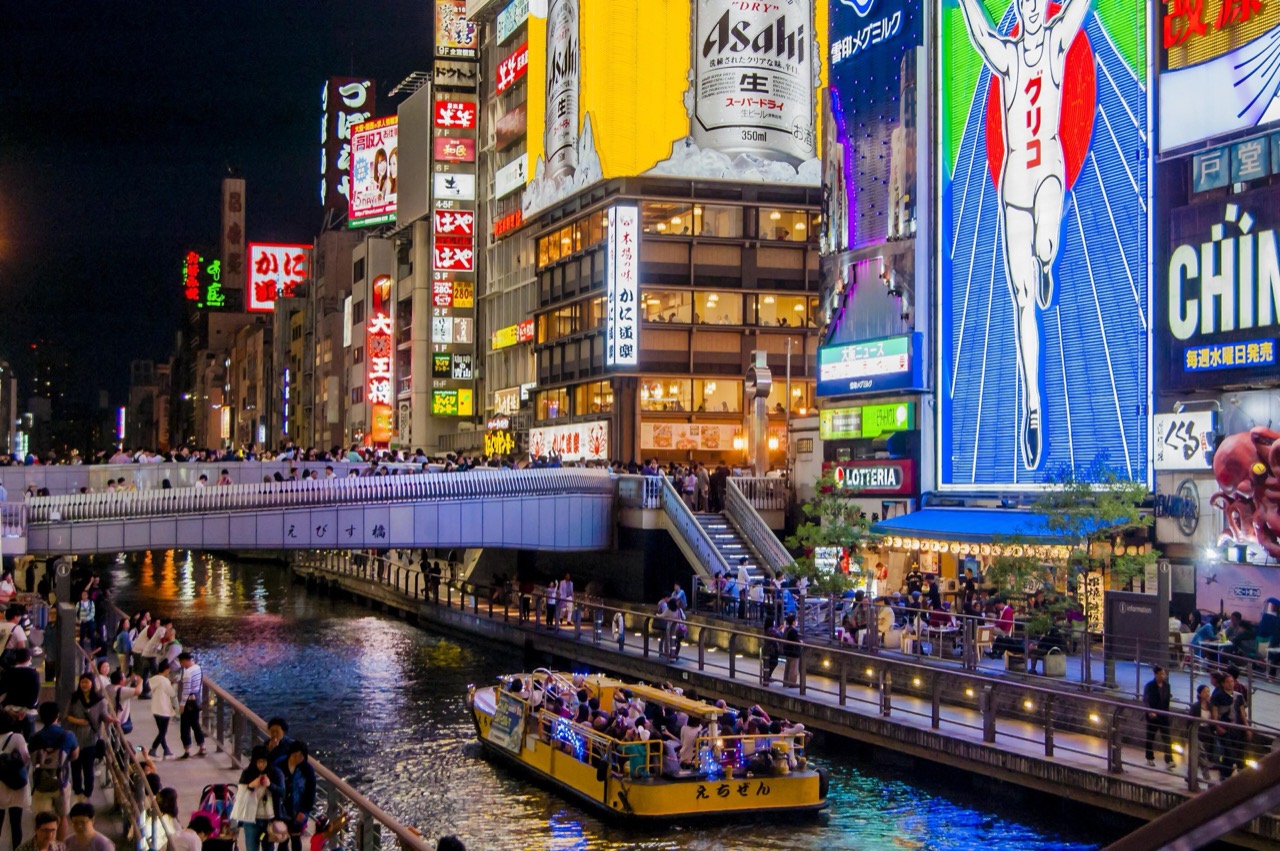
5.Look at the market behind it. Osaka is a large lodging market with more than 98,000 rooms, and during Expo 2025 (mid-April to mid-October) it recorded 83% occupancy and a sharp jump in ADR. Even so it had the lowest ADR among the Expo host cities. That reveals its character as a value market running on volume and occupancy rather than rate. With the Expo over, this hotel stands on that normalized market.
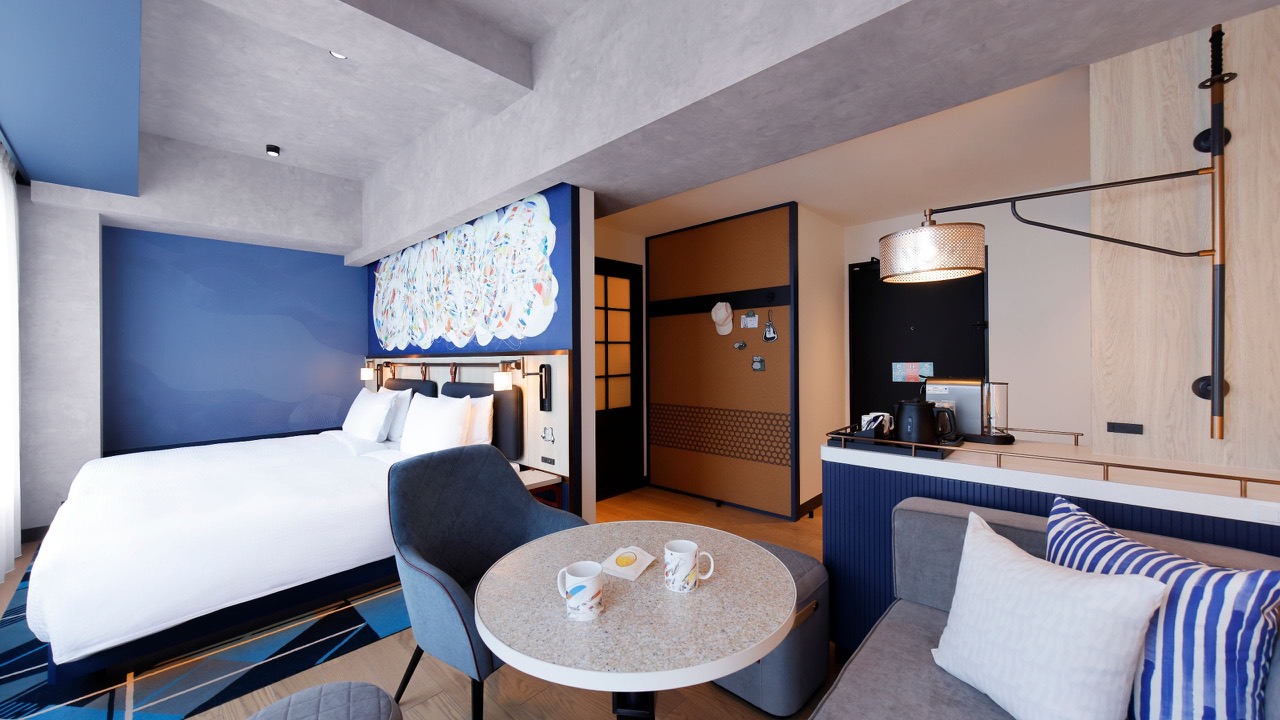
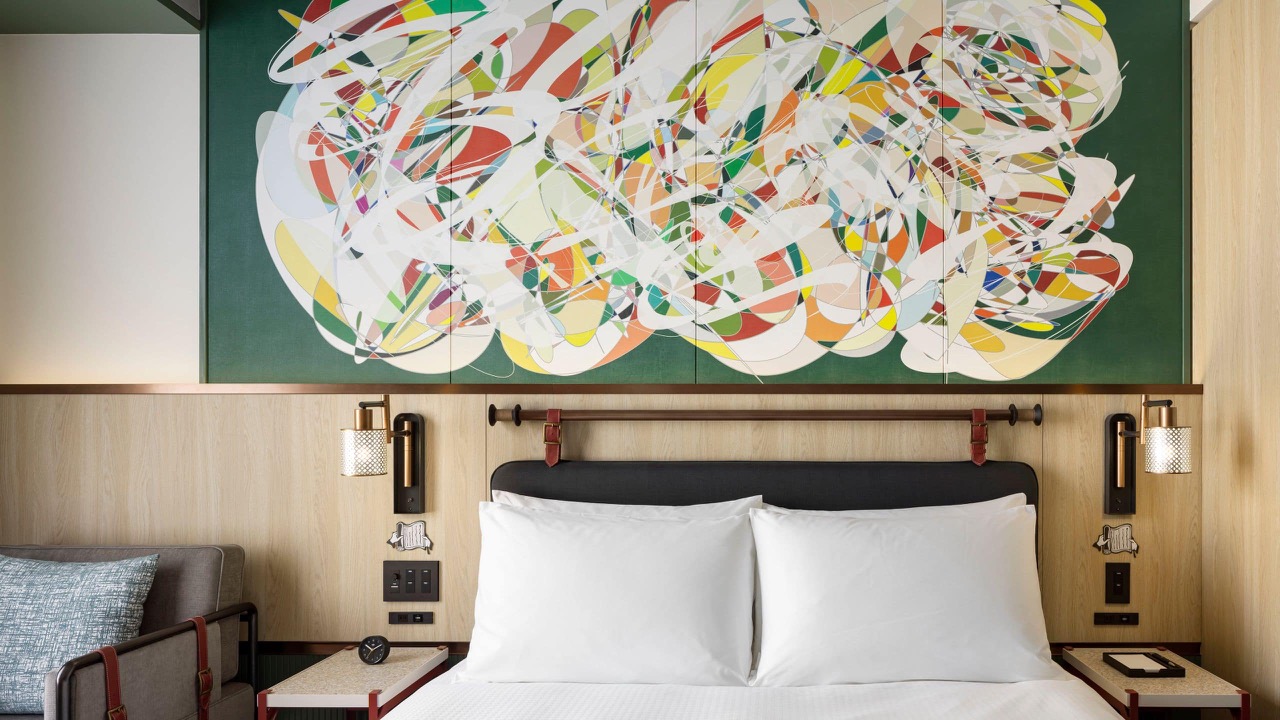
6.Take it apart, starting with the space. Rooms run about 215 to 322 sqft (20 to 30㎡). Large picture windows frame the Namba streetscape, and there are murals by the Osaka artist ZAnPon and hardware drawing on samurai swords, the kikko tortoiseshell pattern and the yagasuri arrow-feather pattern. The rooms themselves are textbook size for a mid-segment city hotel. The contest is not decided here.
7.It is decided not by what is missing from the rooms but by what is missing from the ground floor. Think about what usually fills a hotel lobby. The desk, the concierge, waiting sofas and luggage take a large area and generate close to zero revenue, dead space. Caption removed that dead lobby and swapped the area for a room that earns money, the Talk Shop. The whole idea of how floor area gets allocated is turned over here.
8.The real cleverness of the Talk Shop is that one space changes use by time of day. Coffee and breakfast in the morning, laptops open for coworking in the afternoon, drinks in the evening. One floor area runs five functions. Build a separate room for each and you need five times the area and five times the staff, but overlap them and one will do. The spatial economics of select service.
9.Circulation follows the same logic. Arrive, self check-in, digital key, straight to the room. With no waiting at a desk, there is no reason to leave the lobby wide and empty. All the remaining ground floor area goes to Talk Shop seating, the bar and the market shelves. Area once spent on information is spent on revenue.
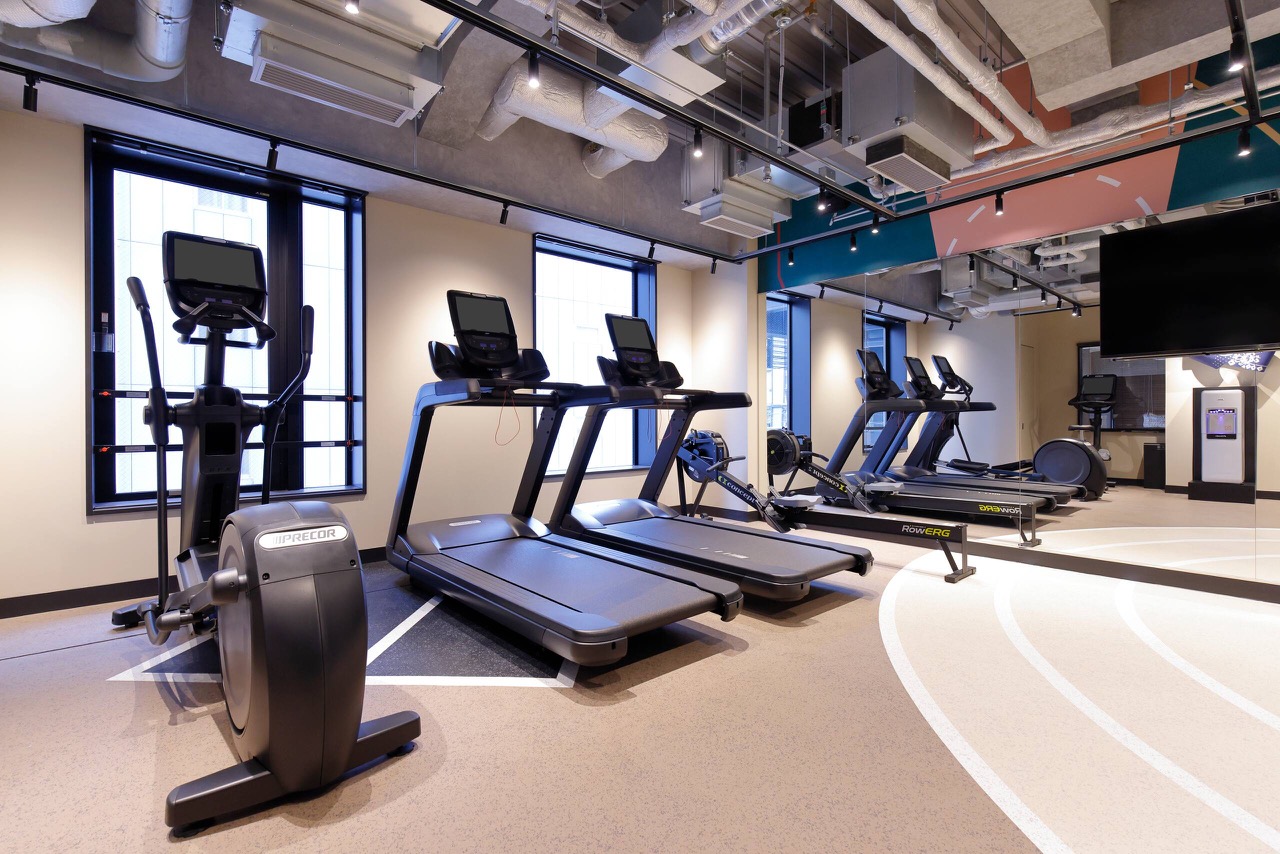
10.The self-service infrastructure looks like this. App check-in, mobile key, Staycast streaming, hydration stations on every floor, coworking space free to use, second-floor fitness and self-service laundry. Touchpoints designed for guests to handle themselves are set throughout. The space left by removed service is filled with self-service as a product experience.
The Talk Shop that swallowed the lobbyInformation desk, cafe, bar, market and coworking combined in one space. A coffee shop in the morning, coworking in the afternoon, a bar at night. ⓒ Hyatt / Caption by HyattFive functions in one floor areaThe grab-and-go artisan market and the cocktail bar. Instead of a separate room per function, the uses overlap by time of day. Area and staff both fold into one. ⓒ Hyatt / Caption by HyattThere is no front deskCheck-in runs through the World of Hyatt app and a mobile key opens the door. Self-service touchpoints take over what people used to handle. ⓒ Hyatt / Caption by Hyatt
11.Now the operation and the economics. This is the heart of the issue. Why select service makes money comes down to a single measure. The labor hours it takes to turn over one occupied room. Front desk, housekeeping, food and beverage and maintenance all converge here.
12.There is a benchmark. In the US market (January to September 2025), a full service hotel spends about 2.57 labor hours per occupied room. Select service moves around 1.4 hours. Close to half. Caption runs the same operating stack as the select service camp, so its labor per occupied room is halved too.
13.That difference comes out as margin. GOP margin at a select service hotel runs roughly 40 to 50%, against 25 to 35% at full service (US benchmark). Even without luxury room rates, the share it keeps is higher. Because the labor was folded away.
14.The Talk Shop is the core of that structure. At a full service hotel the desk staff, the concierge, the lobby bartender and the cafe staff each hold their own station. Caption merged them into one Talk Shop team. One person brews coffee, helps with check-in and mixes cocktails in the evening. Overlap the space and you overlap the staff. Non-room revenue, food and market, comes out of this team as well.
15.What follows is estimated (the operator has not published figures). Given the Osaka value market, normalization after the Expo and the mid-segment lifestyle position, put blended ADR at about 22,000 yen (about KRW 200,000, 1 yen ≈ KRW 9.2) and occupancy at about 80% for a central Namba location. That gives RevPAR of about 17,600 yen (about KRW 160,000) and annual room revenue per key of about 6.4 million yen (about KRW 59 million).
16.The real number is not revenue but the saving. Multiply the gap in labor hours per occupied room (2.57 to 1.4, about 1.15 hours) by 167 rooms at 80% occupancy (about 48,800 occupied room nights a year) and a target wage of 1,500 yen an hour, and you get a labor cost gap of about 84 million yen a year (about KRW 770 million) (estimated). Built as full service, it would burn that much more every year. The moat of select service sits here.
17.Why Japan, and why now. The Japanese minimum wage averaged 1,121 yen an hour nationwide in 2025, and the government target is 1,500 yen within the 2020s, raising about 95 yen a year. At 1,500 yen, 160 hours a month puts the floor at 240,000 yen. More than 70% of lodging businesses already report labor shortages, and over 20% of urban lodging facilities are cutting front desk labor cost by as much as 40% with unattended check-in. Compressing labor cost is no longer a strategy, it is a condition of survival.
18.Distribution matters as much as labor. New and independent hotels leak margin to OTA commissions, usually 15 to 18%, while Caption arrives carrying the huge World of Hyatt loyalty program. Lifting the share of direct and member bookings to stop that leakage is the real reason to sit under a brand. Saving on labor only to hand it back to an OTA means nothing.
The labor cost structure, dissectedLabor hours per occupied room are half those of full service (about 2.57 against 1.4), and GOP margin is higher (40 to 50% against 25 to 35%). Labor hours and margin are US benchmarks, while ADR, occupancy and the saving are the writer's estimates laid on top.
19.First, guests do not want the formality of a front desk. For young travelers, business travelers and digital nomads, queuing to check in is not service but friction. Finishing check-in in the app before arrival and opening the door with a phone is easier. They pinpointed exactly where a removed service reads as convenience rather than inconvenience.
20.Second, they turned a dead lobby into a living space. Most hotel lobbies sit empty except at the moment of check-in. The Talk Shop is a space guests, neighbors and nomads move through all day. Coffee, drinks and market sales turn over, and the presence of people brings life. A lobby that was a cost center becomes a profit center.
21.Third, locality becomes the brand. Murals drawn from Kuromon Market, a collaboration with an Osaka artist, hardware carrying neighborhood patterns. The sense of a hotel that belongs to this neighborhood rather than a chain found anywhere is what creates the lifestyle premium. Select service avoids looking cheap thanks to this locally grounded design.
22.Fourth, the position is redesign rather than cheap. Select service did not cut service, it kept what guests pay for and removed the rest. Bellhops and room service go, while design, bedding, location and wifi stay. The more precise that selection, the higher the felt quality at the same price.
Textbook room sizeRooms of 20 to 30㎡, with large picture windows framing Namba. The room itself is not where the contest is. It is settled on the ground floor. ⓒ Hyatt / Caption by HyattLocality as the brandZAnPon murals drawn from Kuromon Market, hardware carrying samurai swords and the kikko tortoiseshell pattern. The sense of a hotel that belongs to this neighborhood creates the lifestyle premium. ⓒ Hyatt / Caption by HyattA living lobbyWorkshops, open mic nights, pop-ups and book clubs run in the Talk Shop. Guests and neighbors mix, and a lobby that was a cost center became a profit center. ⓒ Hyatt / Caption by Hyatt
23.It is not the first. The source of this formula is citizenM, which started in Amsterdam in 2008. It first productized the grammar of self check-in kiosks and a lobby used as an enormous living room. That idea, remove the desk and revive the lobby, is the prototype of select service lifestyle today.
24.Yotel, Moxy (Marriott), Jo&Joe and Ruby followed with variations on the same formula. Compact rooms, a large lobby and bar, self check-in. Caption is Hyatt's branding of that proven playbook. Not a new invention, but a late entrant arriving with a huge loyalty program and distribution network behind it.
25.On unattended operation alone, Japan is the original home. Henn na Hotel cut staff from 40 to 8 even at sites with more than 100 rooms, and Super Hotel is rolling out facial recognition check-in nationwide. What is new about Caption is the packaging, unattended as lifestyle rather than unattended as cheap. It sold the same saving as a feeling.
26.167 rooms is in fact large. It sits above the sweet spot for small lodging, 10 to 100 rooms. But what is worth stealing is the operating stack, not the scale, and this stack works harder at a smaller size. Erase the desk at a 30 to 40 room property and merge lobby, cafe and bar into one space, and the fixed cost saving per key runs larger than at a big hotel. Copying at 40 rooms what a large company proved at 167 is the point of this issue.
27.Unattended operation is not erasing, it is replacing. Front desk labor was replaced by an app, a PMS, digital keys, remote response and CCTV. It is not a saving from fewer people but a cost of investing in systems. The smaller the property, the heavier that IT fixed cost sits per key. The accurate sentence is not that unattended makes it cheap, but that you have to invest first before it gets cheap.
28.A space that holds everything has colliding peaks. Overlap five functions in one room like the Talk Shop and the breakfast rush collides with the evening bar hour over seats, noise and smell. Coffee aroma and cocktails, laptop silence and open mic noise live in the same space. Seat turnover, zoning, ventilation and circulation design are where the real difficulty of this model sits. Merging is the idea, keeping them from colliding is the skill.
Summary
Caption by Hyatt opened in Namba, Osaka in June 2024. 167 rooms, Hyatt's first select service lifestyle property in Japan. It erased the front desk and merged lobby, cafe, bar, market and coworking into one Talk Shop, and the number that merger produces is about 1.4 labor hours per occupied room, half the 2.57 of full service (US benchmark). GOP margin runs 40 to 50%, and the estimated saving at 167 rooms is about 84 million yen a year. It is not a new invention but a late entrant laying a huge loyalty program and distribution network over the formula citizenM, Yotel and Moxy built, and what is worth stealing is the operating stack rather than the scale, which works harder at 30 to 40 rooms. Anyone moving this to Korea gets caught first on permits. Selling coffee and alcohol in the lobby brings separate business filings for a rest restaurant or general restaurant under the Food Sanitation Act plus liquor sales requirements, and the moment cooking and a bar attach, ventilation, supply and exhaust air and fire safety equipment follow. A lodging registration alone does not produce this one space. Unattended check-in also takes more than an app and a mobile key, since identity verification and youth protection measures have to be combined, and at 30 to 40 rooms, once you install an app, a PMS, digital keys and remote monitoring, the first thing to calculate is how many years it takes for the labor saving to pass the system investment and the monthly subscriptions.
The heart of a value marketThe wall of signs along the Dotonbori canal, seen from Ebisubashi. Osaka is a value market running on volume and occupancy rather than rate, and the middle of this tourist density suits select service. ⓒ Type specimen / Wikimedia (CC BY-SA 3.0)A location that earns on occupancyKuromon Market and the Dotonbori canal are within walking distance. Rates cannot reach luxury, but high occupancy carries it, a trade area optimized for select service. ⓒ Martin Falbisoner / Wikimedia (CC BY-SA 4.0)Self-service is the productEquipment in the second-floor fitness center. Along with hydration stations on each floor and self-service laundry, the space left by removed service is filled with the experience of handling things yourself. ⓒ Hyatt / Caption by Hyatt