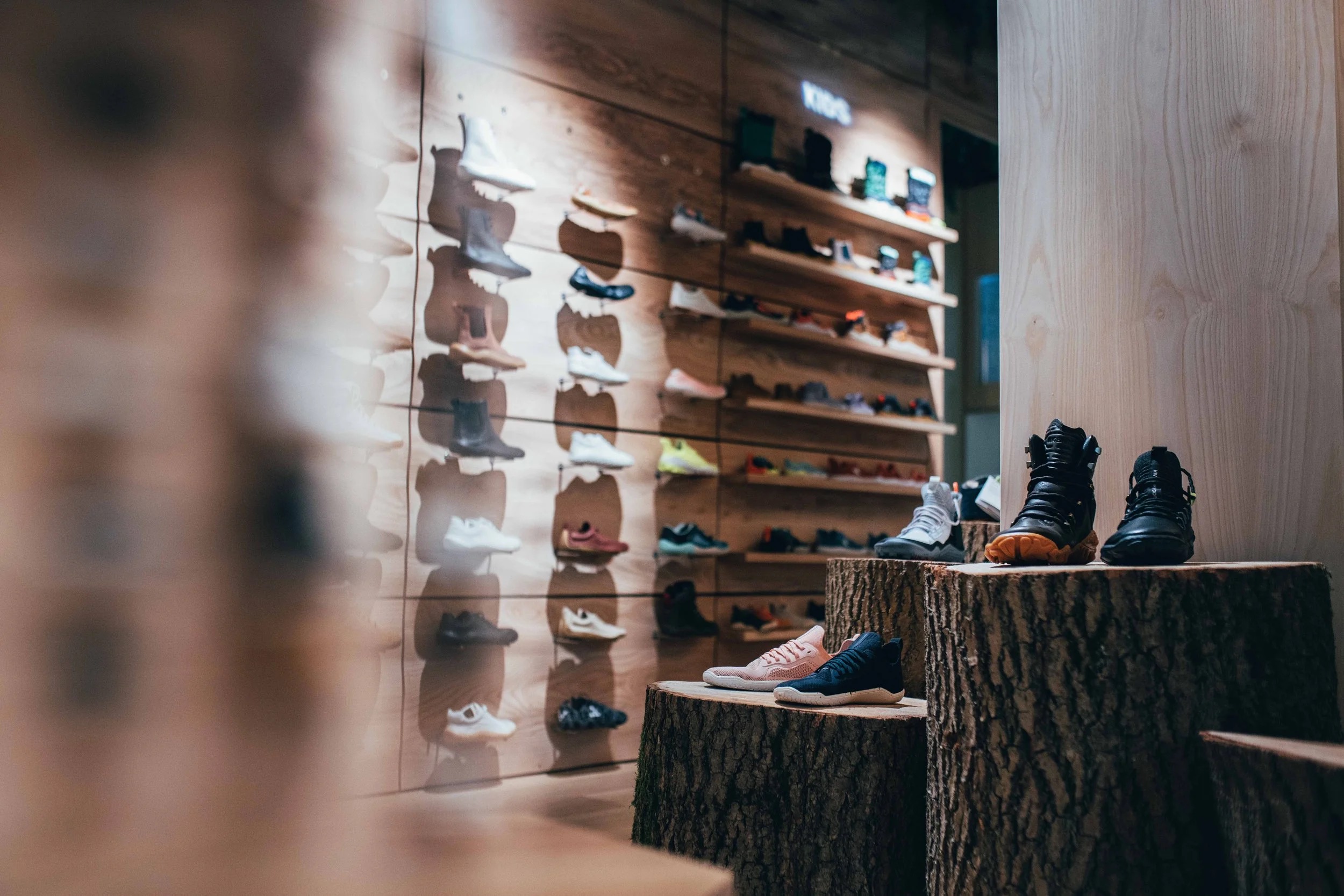
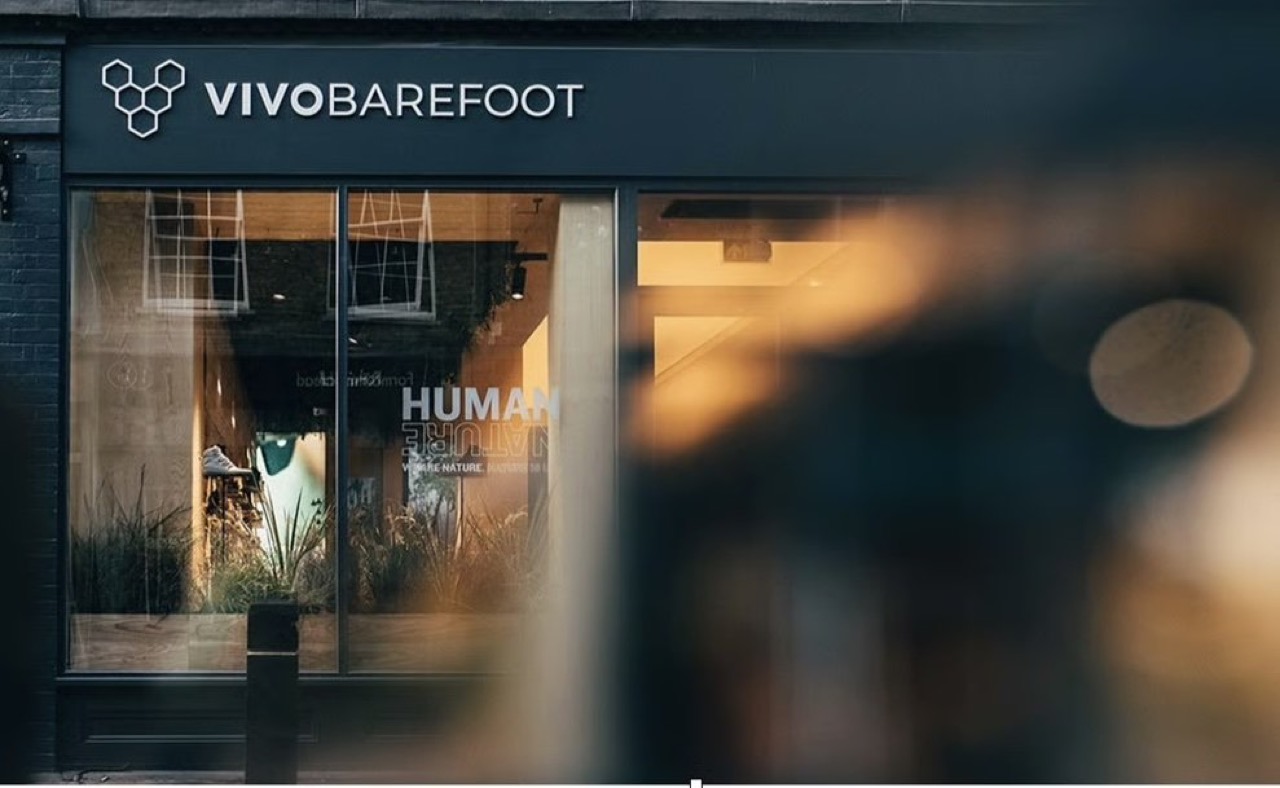
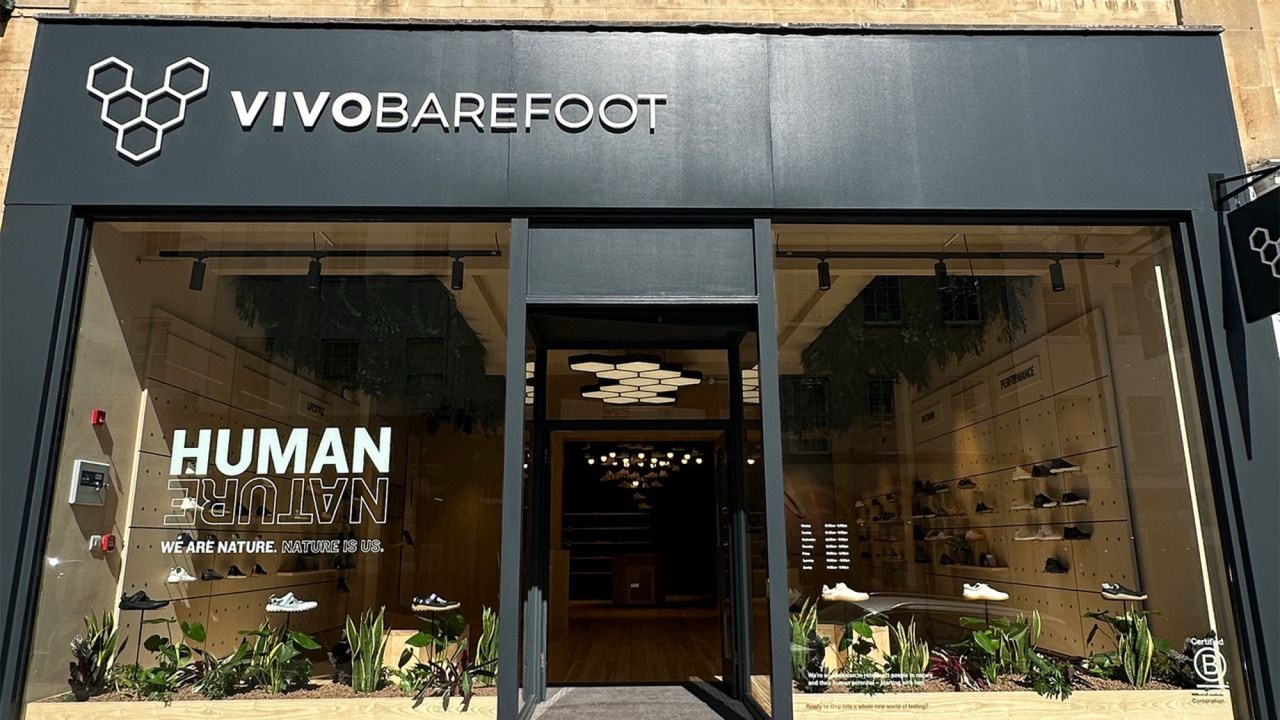
Refined in London, moved to SoHoInside a Vivobarefoot store. The store grammar the brand refined in London and Bristol before moving it to SoHo in June 2026. The SoHo store runs to about 139 square meters. ⓒVivobarefoot·TheIndustry.fashion
Daily Space
Vivobarefoot SoHo: A 139㎡ Store That Diagnoses Feet Instead of Selling Shoes
2026.07.24
There is a shoe brand that sells 80% of its worldwide revenue online. It sells 1.5 million pairs a year and posted 100 million pounds of revenue in 2025, about 180 billion won. In June 2026 that brand opened its first American flagship in SoHo, New York, at just 139 square meters, 1,500 square feet. The size of two and a half convenience store units. What is stranger is the inside. Shoe racks do not fill the walls, and plants, daylight, a foot scanner and coaching stations took their place. Why would a brand that sells everything online open a small physical store. And why not stack it with shoes.
1.The brand is Vivobarefoot. It makes barefoot shoes, exactly as the name says. Soles as thin as paper, wide toe space, zero drop from heel to toe. Put them on and it feels close to wearing nothing, and that is the whole of the shoe.
2.The irony is the founders. Galahad Clark and his cousin Asher set it up in 2012, and they come from the Clarks family, a 200-year-old English shoemaking house. Galahad is a seventh-generation shoemaker. A descendant of a house that made thick traditional shoes raised a flag against Big Shoe with a shoe that is almost bare feet.
3.The scale is not small. Revenue passed 100 million pounds in 2025 on 1.5 million pairs a year, and revenue roughly doubled every two years. The key number is this. 80% of sales are online, with the remaining 20% wholesale and franchise. This company is fundamentally an online company.
4.In June 2026 that online company opened its first American flagship at 248 Lafayette Street in SoHo, New York. It is the symbolic store that follows setting up a US headquarters in Austin, and it carries over the store grammar refined in London and Bristol. The area is 1,500 square feet, 139 square meters. Small for a flagship in the middle of SoHo.
5.The first question here. Why does a brand that sells everything online open a physical store, and why open it this small. By common sense a flagship should be large and lavish, and an online leader has no reason to pay rent. This store goes against both. The reason is inside it.
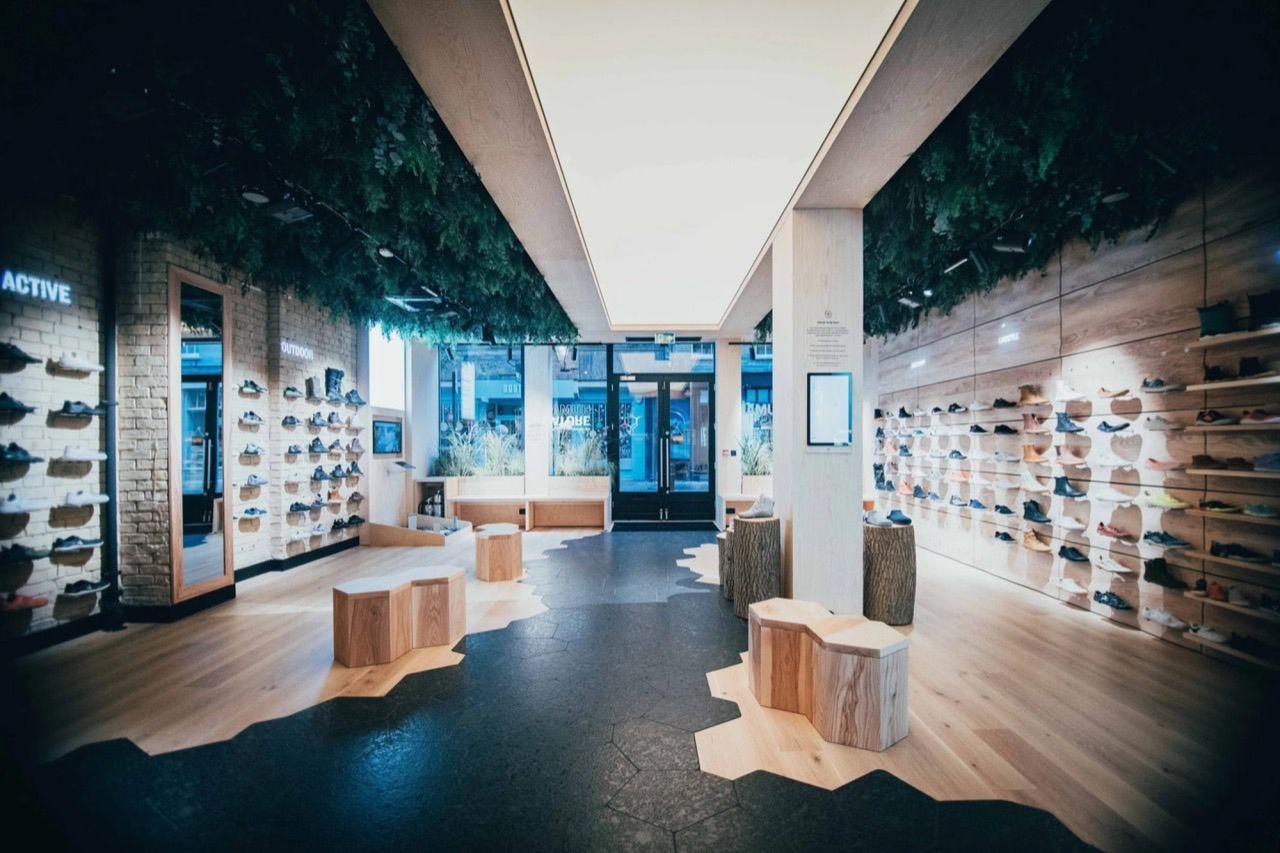
6.Open the door and it does not look like a shoe shop. The concept is biophilic design. Large daylight, plants on every side, natural materials, a faint scent. The sentence the brand put out is slow down, breathe, reconnect with your feet. It defines the store this way: a sensory ecosystem rather than a showroom.
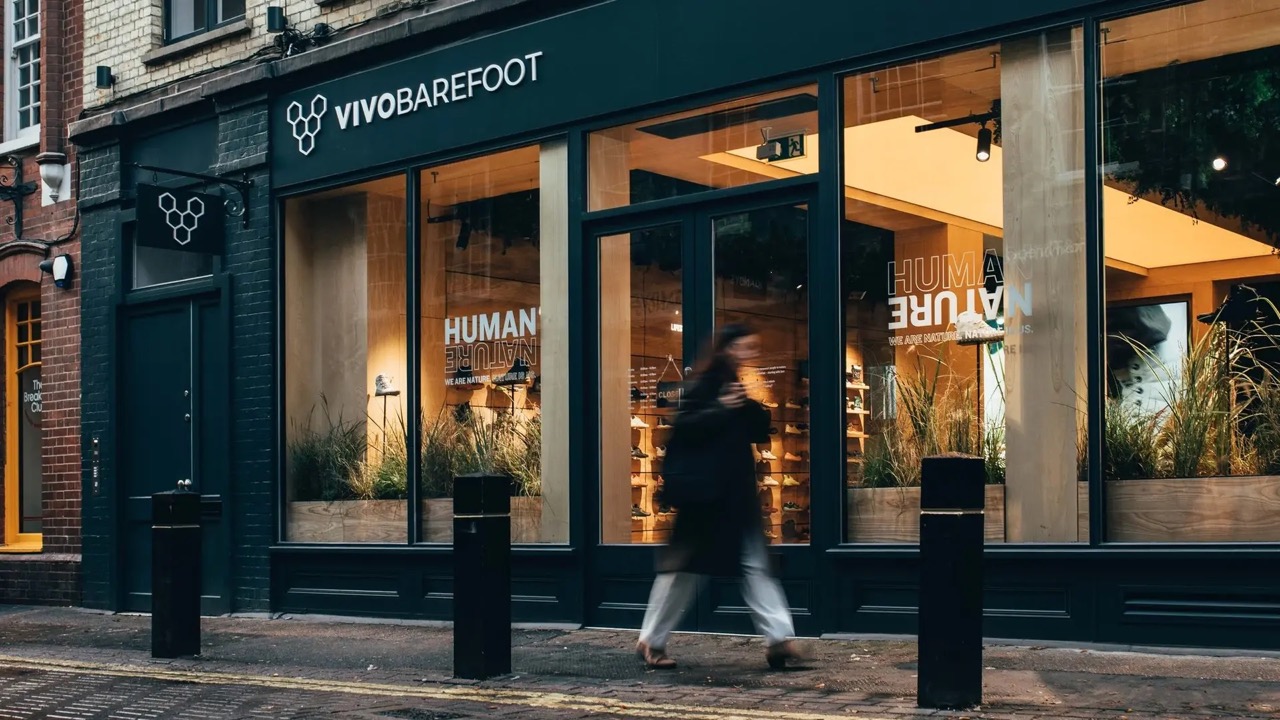
248 LafayetteThe Vivobarefoot store at 248 Lafayette Street in SoHo, New York. ⓒPAGE Magazine
7.Take the 139 square meters apart. The walls were not filled with shoes. Instead there are foot scanning and movement analysis stations. They take a 3D read of the customer's foot and analyze how they walk and stand. Closer to a place that diagnoses feet than one that sells shoes.
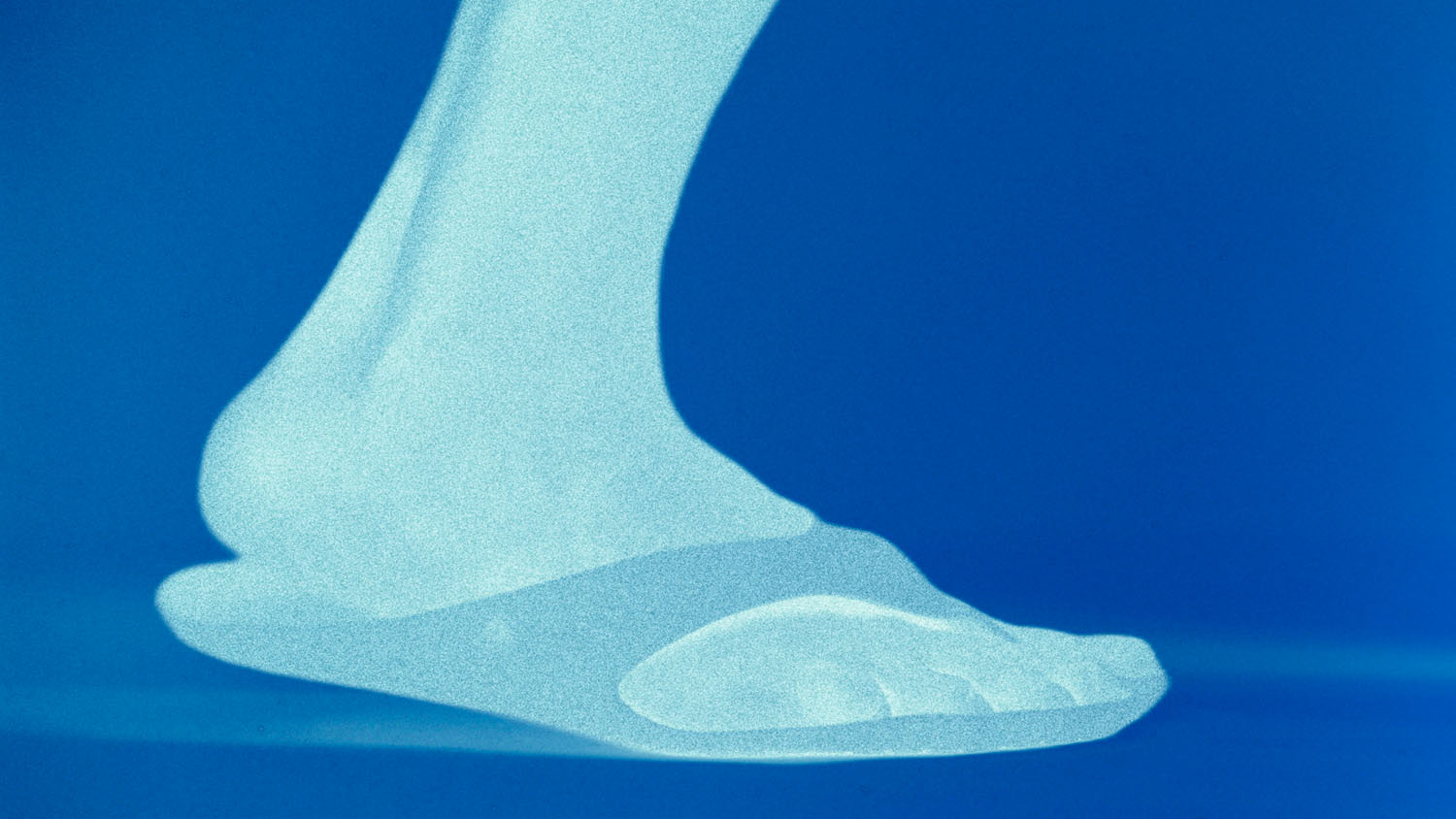
A machine that reads a foot in 3DThe Volumental foot scanner in the Vivobarefoot store. Step on and it reads the dimensions and shape of the foot in 3D. ⓒDEVELOP3D
8.On top of that come one-to-one natural movement coaching and weekly workshops led by movement specialists and community ambassadors. A teaching room and a clinic rather than a shoe shop. Customers come to learn rather than to choose goods.
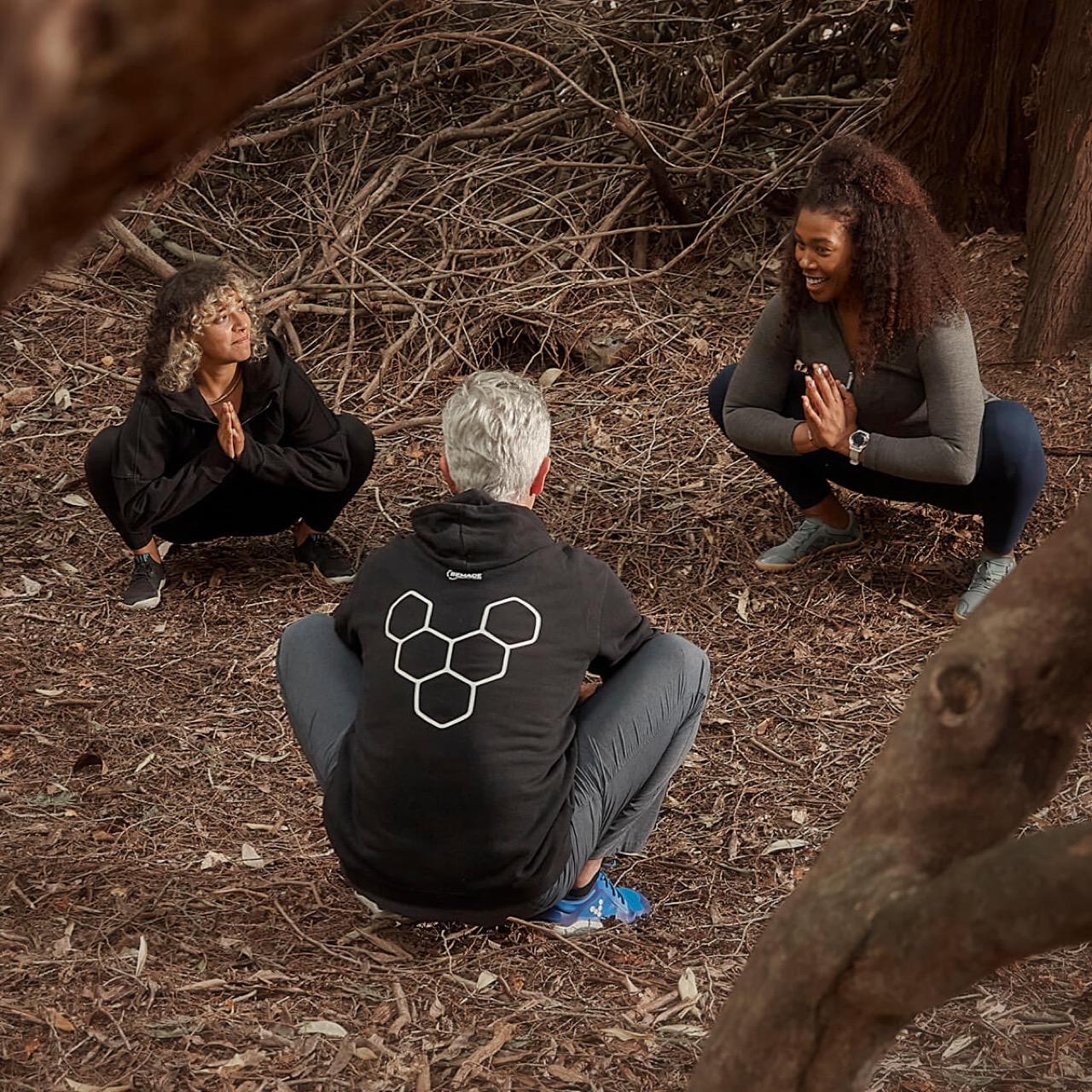
A member, not a buyerVivobarefoot's program, led by movement specialists and community ambassadors. The store works as a teaching room. ⓒVivobarefoot
9.Circular services sit inside the store too. ReVivo is the program that repairs and regenerates worn shoes, and VivoBiome is the preview area for made-to-measure shoes built to the dimensions of your foot. It handles repaired shoes and fitted shoes as much as it sells new ones.
10.The finish is worth taking apart too. Renewable materials, modular fittings that assemble and swap out, low-energy systems. The brand says it designed this space to keep evolving. If the largest shoe store in the world covered yesterday poured marble on every floor, this is the opposite. Cheap, light and swappable finishes instead of expensive fixed ones.
Wood and moss beside the shoesThe London store. Plants hang from the ceiling and stools cut from logs sit on the floor. SoHo compressed this grammar into 139 square meters and cut even the shoes from the walls. The brand calls this space a sensory ecosystem rather than a showroom. It is built from renewable materials and modular fittings rather than expensive fixed finishes, designed to change when the product line changes. ⓒWWD
11.Why build it so heavily around service. Because barefoot shoes are a counterintuitive product. Thin, wide, flat shoes feel awkward the first time and the foot needs a transition period to adapt. A product that is awkward and needs explaining is hard to sell cold online, so the store took that job on.
12.First, the thirst for nature and wellness. In the middle of SoHo's concrete, what this store actually sells is nature and calm. The line about reconnecting with your feet touches the same nerve as forest walks, the running boom and recovery culture. The slowness and nature city people lack, compressed into 139 square meters.
13.Second, a device that gives trust to a hard-to-believe product. Foot scanning and coaching remove the customer's biggest objection, whether this strange shoe really suits me. A wall that online advertising cannot cross gets crossed by a service that reads your own foot in front of you. Service turns skeptics into believers.
14.Third, a community of belief. Weekly workshops and ambassadors turn customers into members of a movement rather than buyers. A brand that sells on conviction needs a temple for the faithful to gather in, and this store is that temple. A small temple of 139 square meters.
Not selling shoes, diagnosing feetThe center of the store is not a display unit but foot scanning and movement analysis, one-to-one coaching and weekly workshops. The area where a foot is read in 3D and posture in walking and standing is measured is larger than the sales counter. ⓒVivobarefoot
15.The report card for this store is not revenue per unit area. With 80% of revenue online, these 139 square meters are not a sales unit that has to turn a profit. They are an asset that brings customers in, turns skeptics into believers and stamps the brand in. Marketing wearing the mask of a store.
16.This store also defends margin from two directions. Foot scanning cuts wrong sizes and returns, and returns are the biggest enemy of margin in online footwear. ReVivo repairs and VivoBiome fitting create a reason to return and circular revenue. The service layer earns its keep outside the store, online and on repeat visits.
17.So opening small is the strategy. There is no need to stack inventory, that is the job of online. 139 square meters is enough for a few experience and service stations. Small area equals low rent equals an affordable brand temple. A niche brand that builds a large flagship gets a money pit rather than a temple. Not scaling up is the skill.
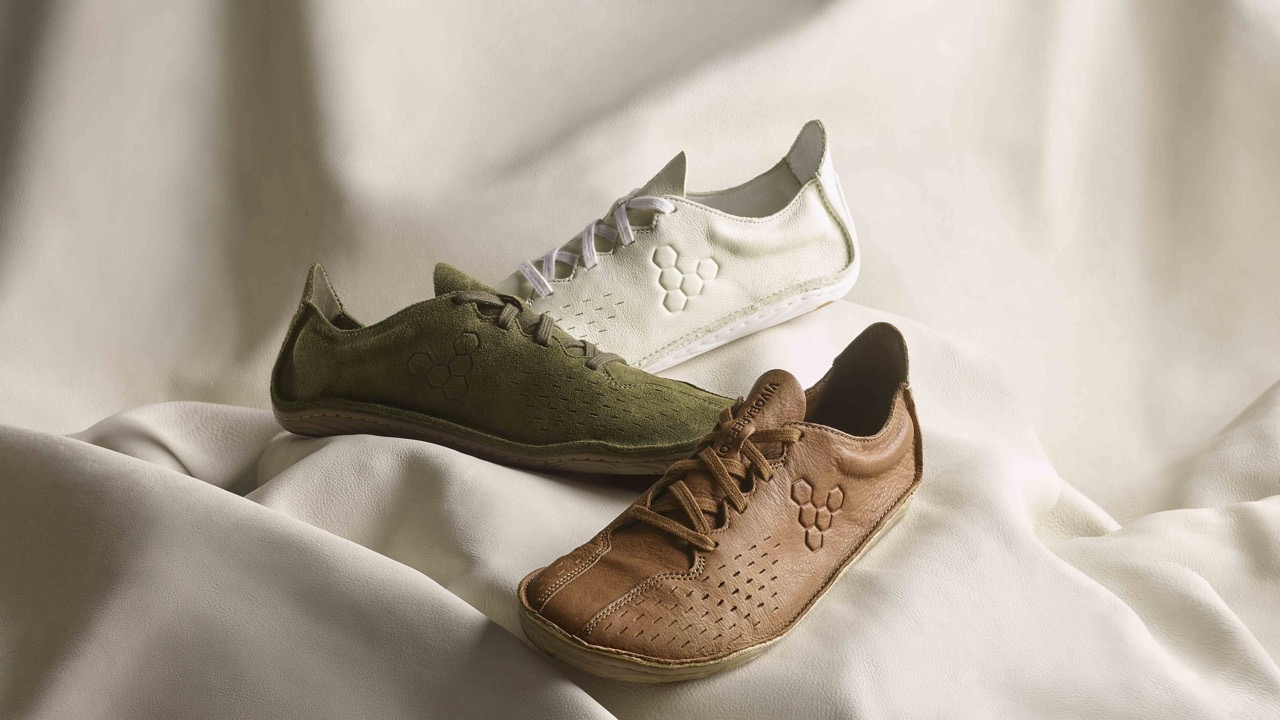
What is actually on saleThe core product is a barefoot shoe with a thin sole, wide toe space and zero drop from heel to toe. The store also carries circular services, ReVivo, which repairs and regenerates worn shoes, and a preview of VivoBiome made-to-measure built to the dimensions of your foot. ⓒVivobarefoot
18.This is not the first. Turning a store from a place that sells into a place you learn is a familiar grammar. Apple runs classes in store as Today at Apple. Nike Run Club, Lululemon's community and yoga classes and the classes and community at the outdoor brand REI stand beside it. All of them redefined the store as classroom, clinic and community.
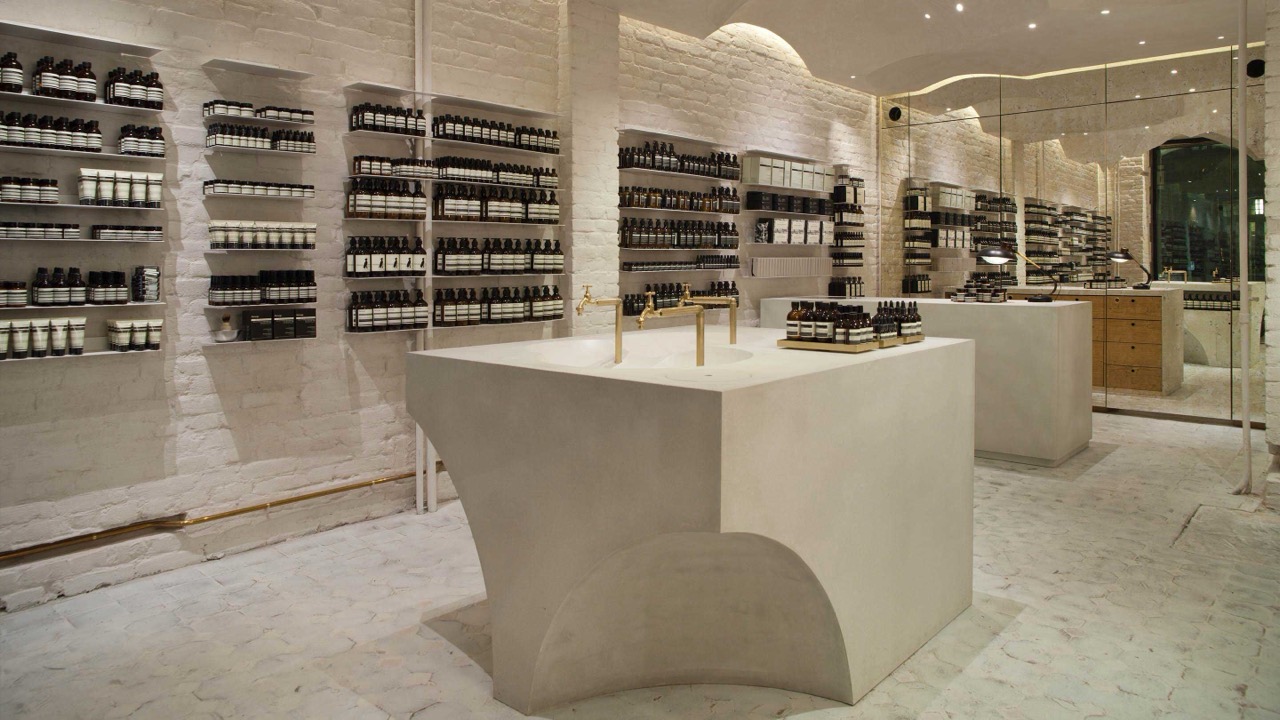
19.Biophilic retail has its own line too. Aesop built a sensory space tuned to each district at every store and stamped the brand in through scent and touch. The grammar of selling calm as a differentiator in a dense city is one wellness brands have honed for a long time.
The line that sells through the sensesThe Aesop store on Prinsens gate in Oslo, designed by Snøhetta. Building the space from different materials in each region is this brand's long-held method. ⓒAesop·ArchDaily
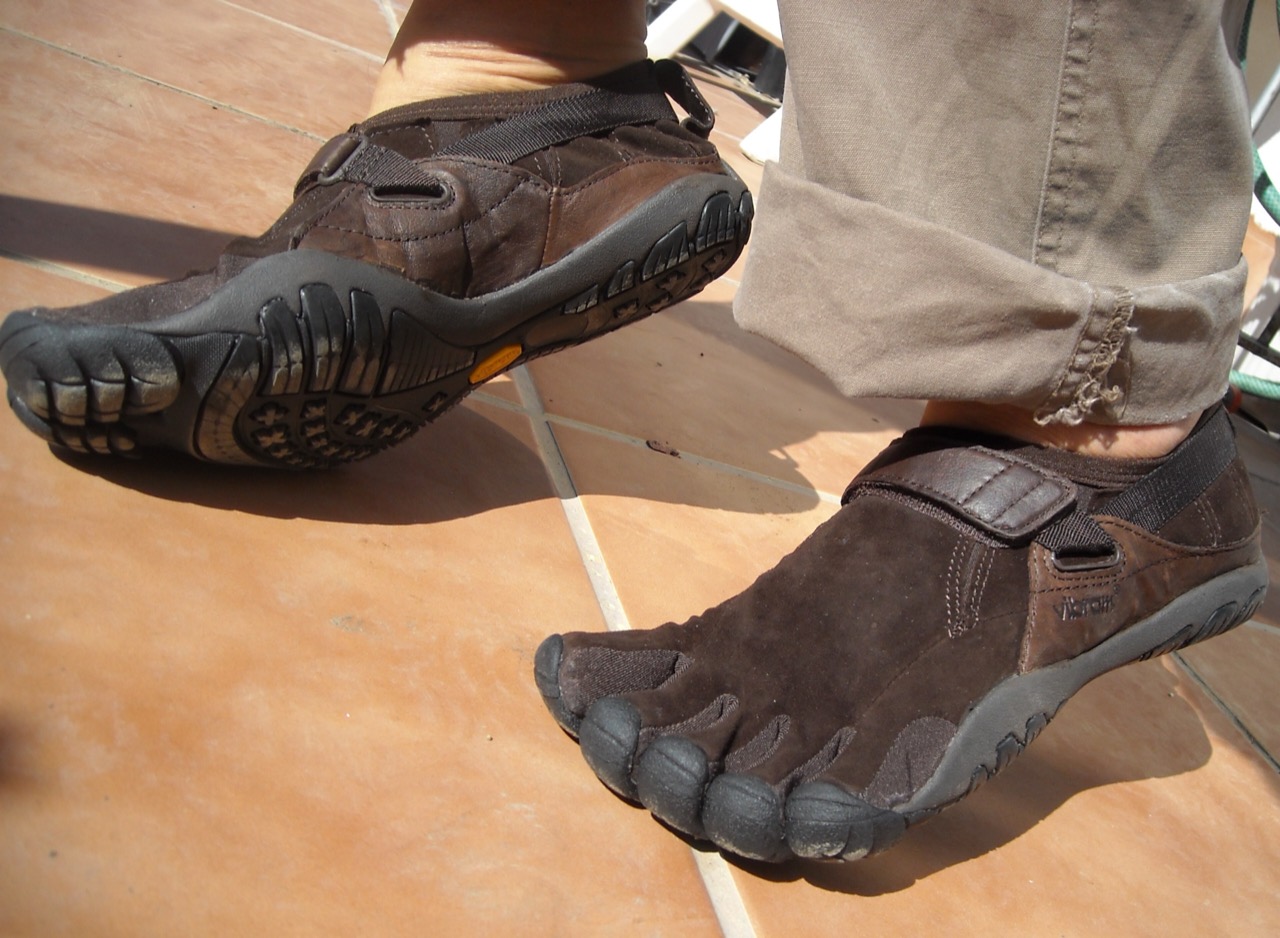
20.The barefoot movement itself has deep roots. The 2009 bestseller Born to Run and Vibram's FiveFingers lit the barefoot running boom. The belief already existed, and Vivobarefoot only built the physical temple for that belief to gather in.
The shoe that lit the boomVibram FiveFingers KSO Trek. This split-toe shoe was the face of the 2009 barefoot running boom. ⓒWikimedia CommonsThe original of this grammarVivobarefoot first tested this biophilic store grammar in London in 2017 under the name retail therapy. The SoHo store carried that original, which made a shop feel like a place of healing through plants, daylight and natural materials, straight over into 139 square meters. ⓒVivobarefoot
21.So this store is not a new invention. It assembled three proven grammars cleverly at the small scale of a niche brand, service retail plus biophilic plus a community of belief. And the restraint of not scaling up is the core of that assembly.
22.The trap is large too. Service retail is a labor-heavy business. Coaches, scanner operators, workshop leaders, all trained staff and all fixed labor cost. A slow-turning service layer in an expensive downtown simply bleeds unless there is evidence that it genuinely lifts online sales and repeat visits.
23.The more fundamental trap. This model only stands up if there is a belief to sell. A merely common product needs no temple. This store rests on the premise that the product is strange or meaningful enough that people want to learn and convert. Without that premise, plants and a foot scanner are expensive decoration.
24.So the core to steal is not let us put plants in the store. It is designing the store's job around the product's bottleneck. Vivobarefoot's bottleneck was belief and fit, so the store became a clinic. Before copying the plants, one question stops you. What is the bottleneck of my product.
Redefining the store's jobOnline sells the revenue, and the 139 square meter store takes on four jobs online cannot do, acquisition, conversion, community and margin defense. Read the store's success by those four jobs rather than by revenue per unit area.
In June 2026 Vivobarefoot, which sells 80% of its revenue online, opened a 139 square meter first American flagship at 248 Lafayette in SoHo, New York, and filled it with foot scanners, coaching stations and plants instead of shoe racks. The number that stays is that 80%, and the moment you drop that ratio into the profit and loss, the store changes from a place that sells into a place carrying acquisition, conversion, community and return defense that online cannot do. That is exactly where anyone moving this gets stopped. Filling a small footprint with diagnosis, fitting and teaching only turns in trades where fit and belief are the bottleneck, and without an online operation to receive the customers the store converted, it stays a store with thin revenue. The arithmetic of producing premium through daylight, plants and scent instead of marble also looks cheap, and without anyone to carry plant care, light levels and ventilation, two months leave only withered pots, while the repair and made-to-measure corners become dead floor that will not turn unless the volume arrives.