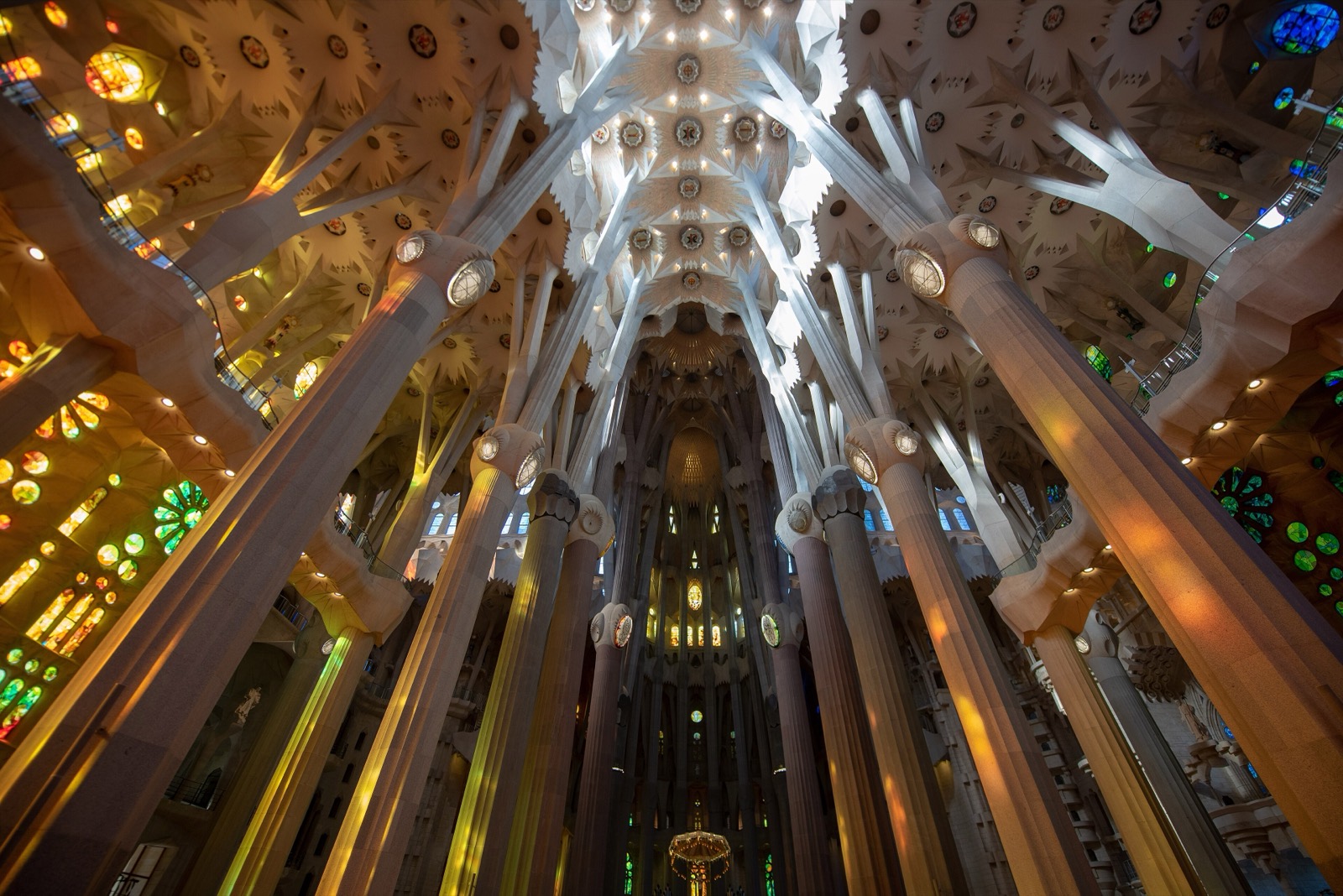
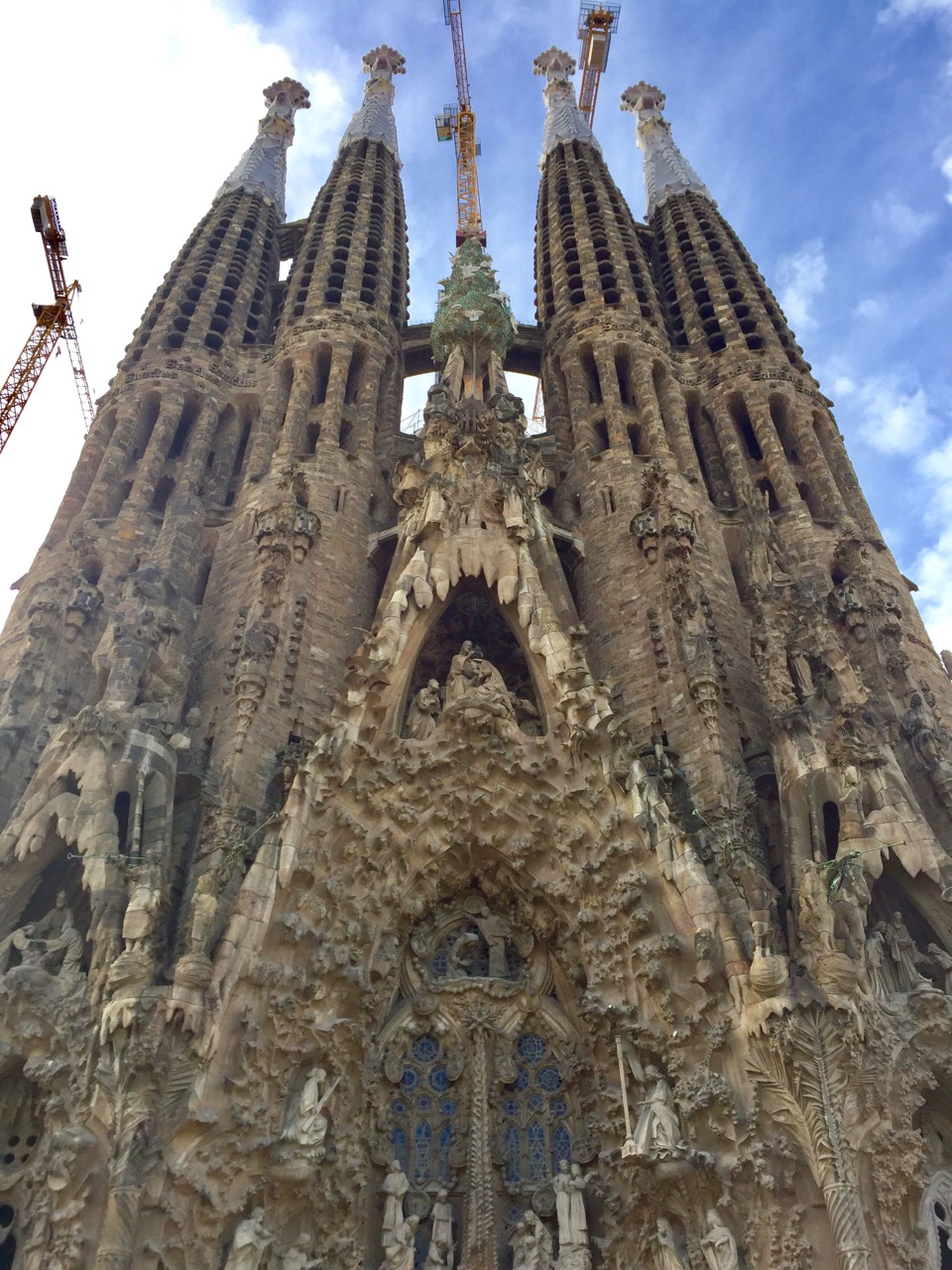
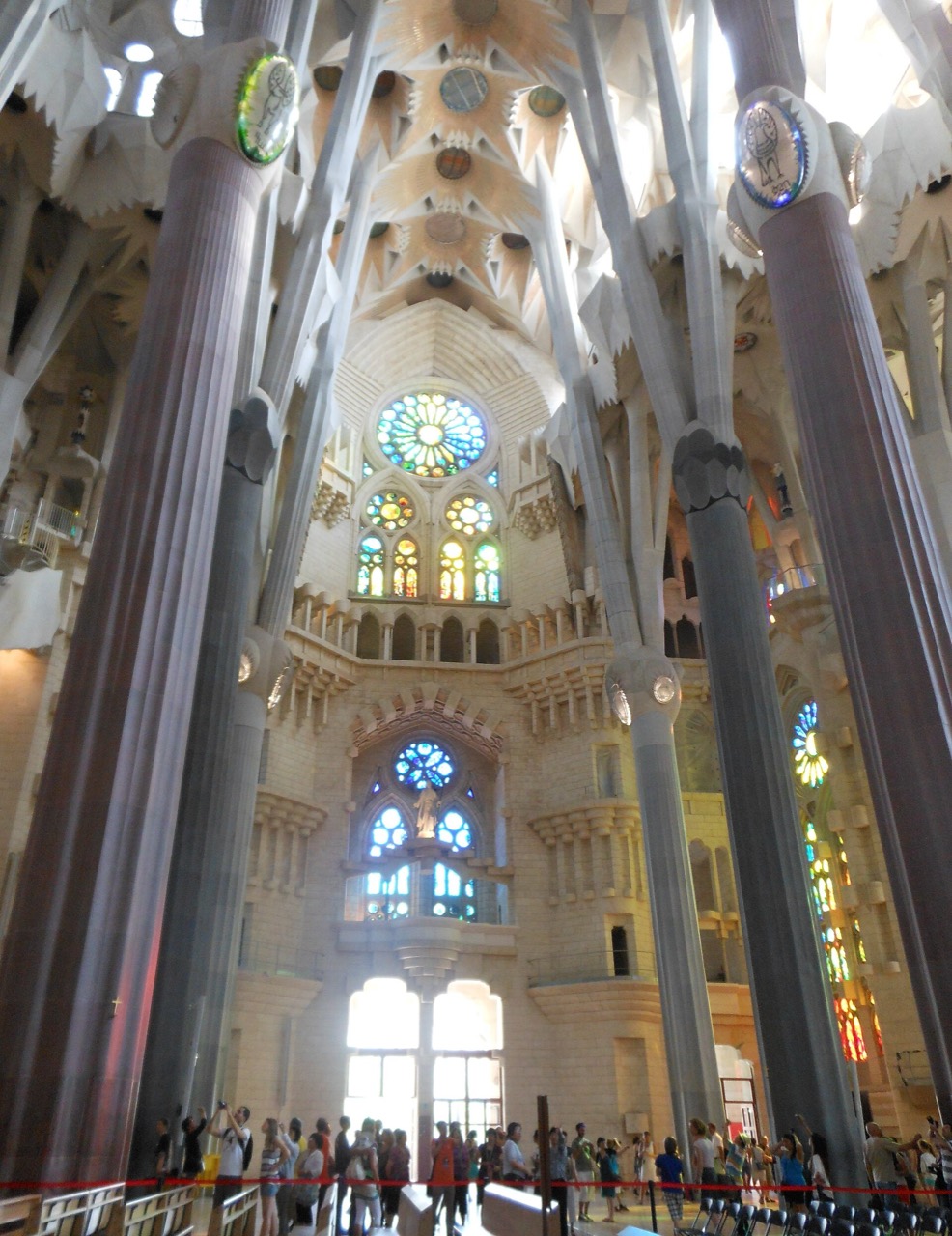
The forest of tree-like columns inside the Sagrada Família. Curved geometry Gaudí defined by equation (ⓒWikimedia Commons)
Daily Culture
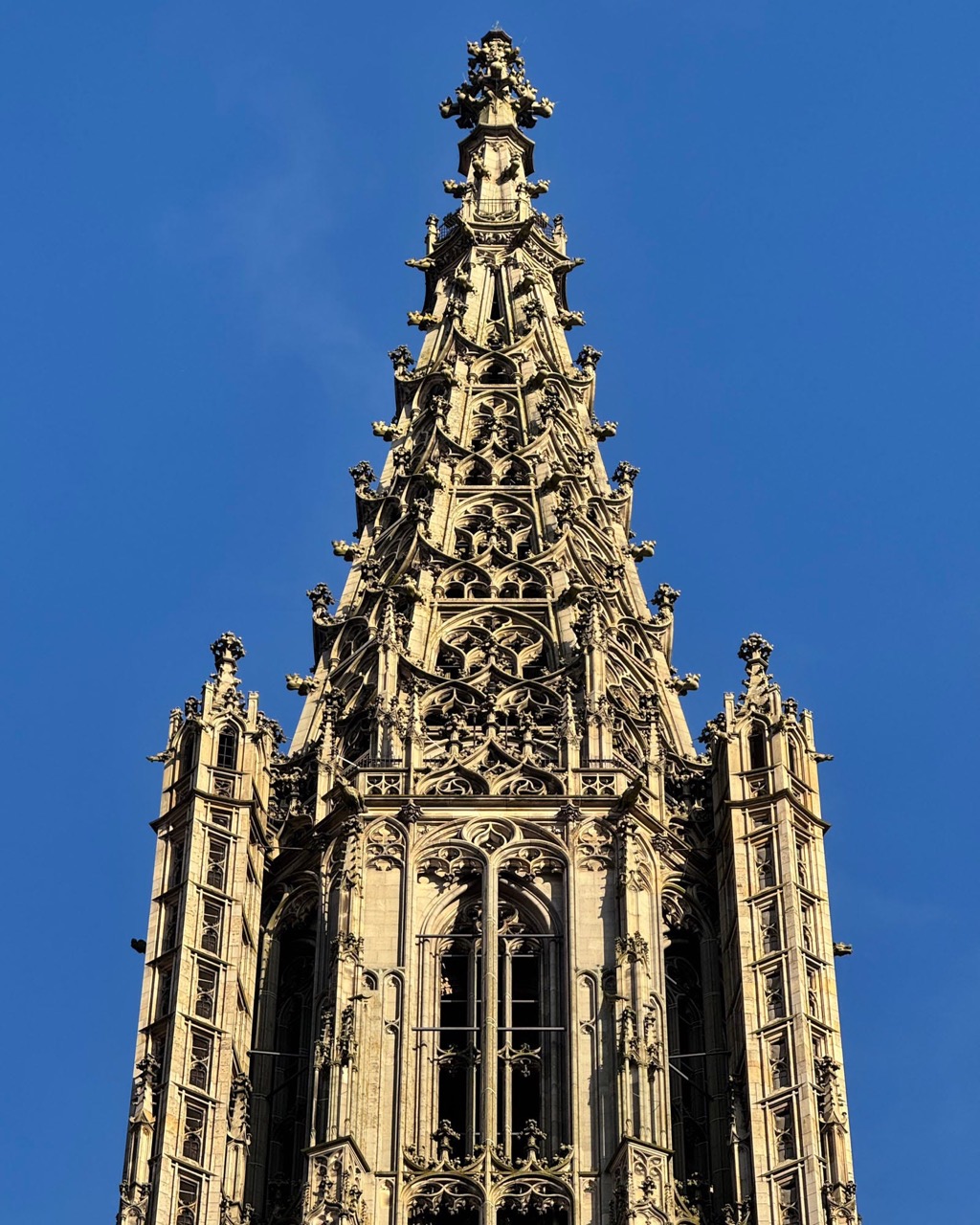
144 Years and No Front Door: What the Sagrada Família Actually Sells
2026.07.22
Last month, on the 10th, the final external stage of a 144-year construction ended in Barcelona. The Pope came and blessed it, and from that day it became the tallest church in the world. And this building still has no main entrance. Opening one means demolishing the two apartment blocks standing across from it, about 3,000 homes.
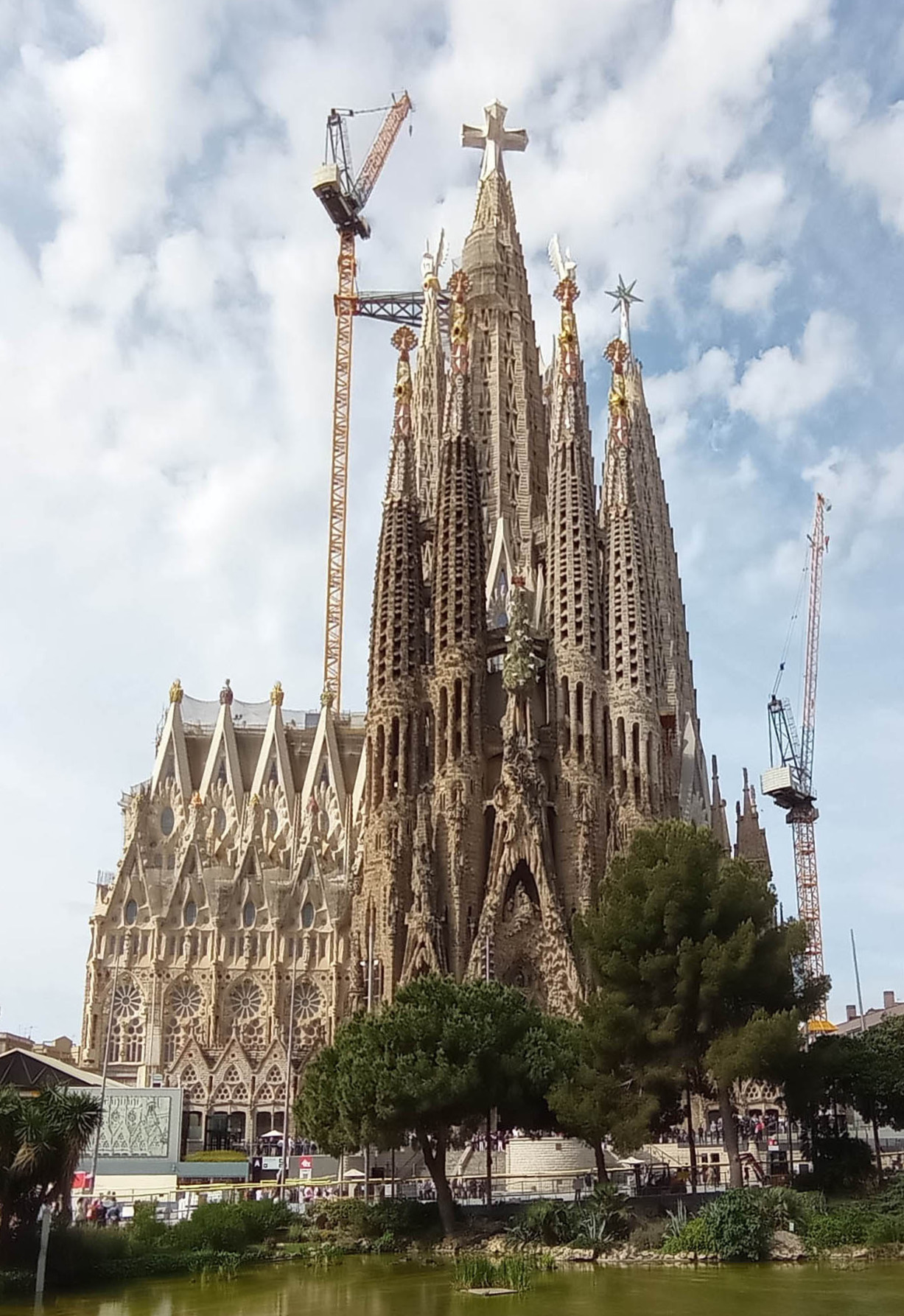
1.On February 20, 2026 the last piece of the cross went up on top of the Sagrada Família's central tower. The Tower of Jesus Christ reached 172.5m, and with that the exterior of the basilica was finished.
2.The record fell before that. On October 30, 2025 part of the central tower rose to 162.91m, passing Ulm Minster in Germany at 161.53m, which had held first place for more than 130 years. The tallest church in the world from that day.
The Sagrada Família rising over central Barcelona (ⓒWikimedia Commons)
3.The dedication was on June 10, 2026. There was a reason for that date. It was exactly one hundred years since Antoni Gaudí died. Pope Leo XIV came in person to celebrate mass and bless the tower.
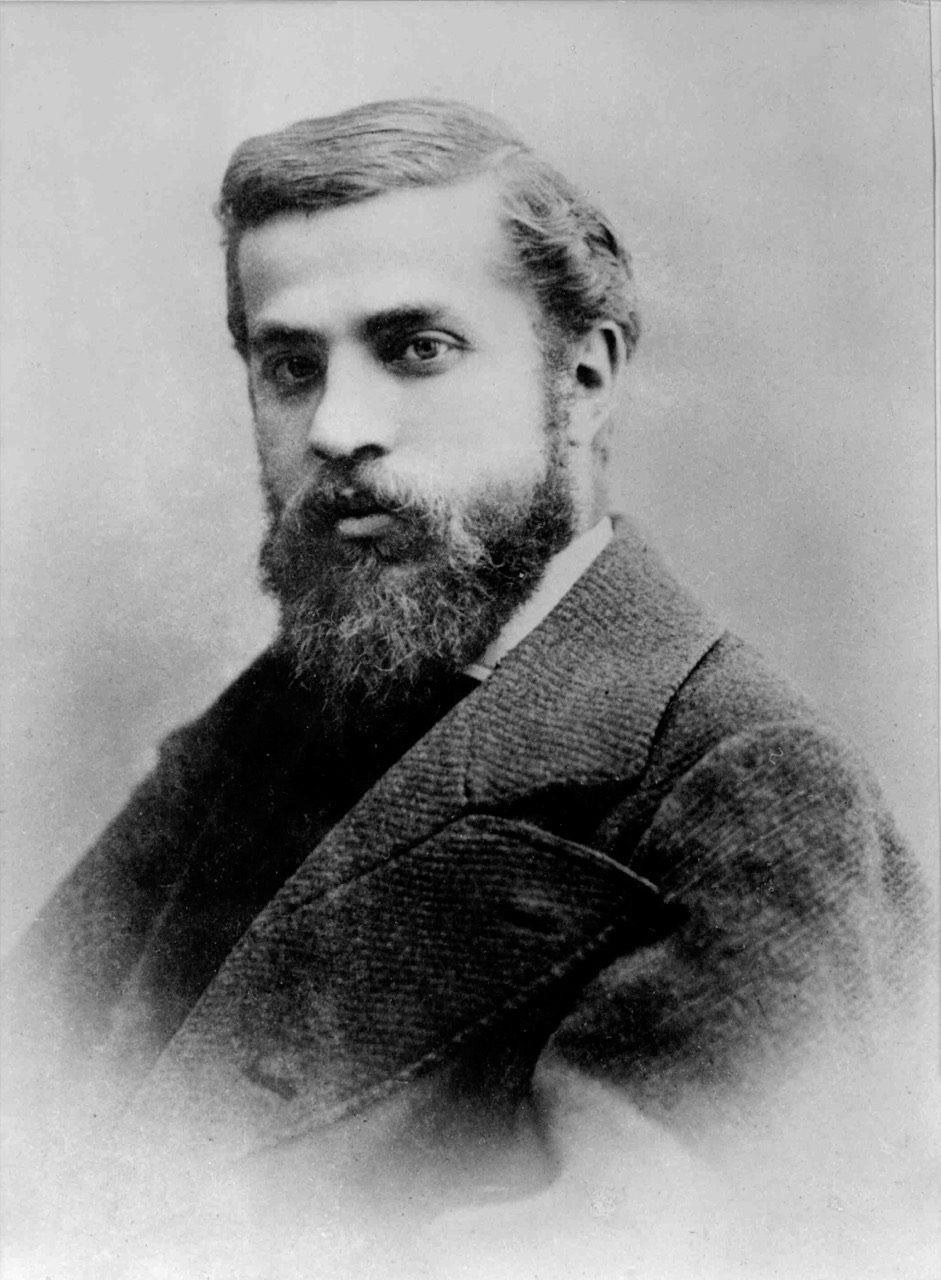
4.Construction began in 1882 and Gaudí took it over the following year. He stayed on this site for forty-three years, until a tram killed him in 1926. From groundbreaking to the completed exterior, 144 years.
Antoni Gaudí, 1878. He stayed on this site for forty-three years (ⓒWikimedia Commons)
5.172.5m is a number that came from yielding rather than from calculation. Montjuïc hill in Barcelona is 173m, and Gaudí lowered his by exactly one meter on the grounds that what man makes must not stand higher than what God made.
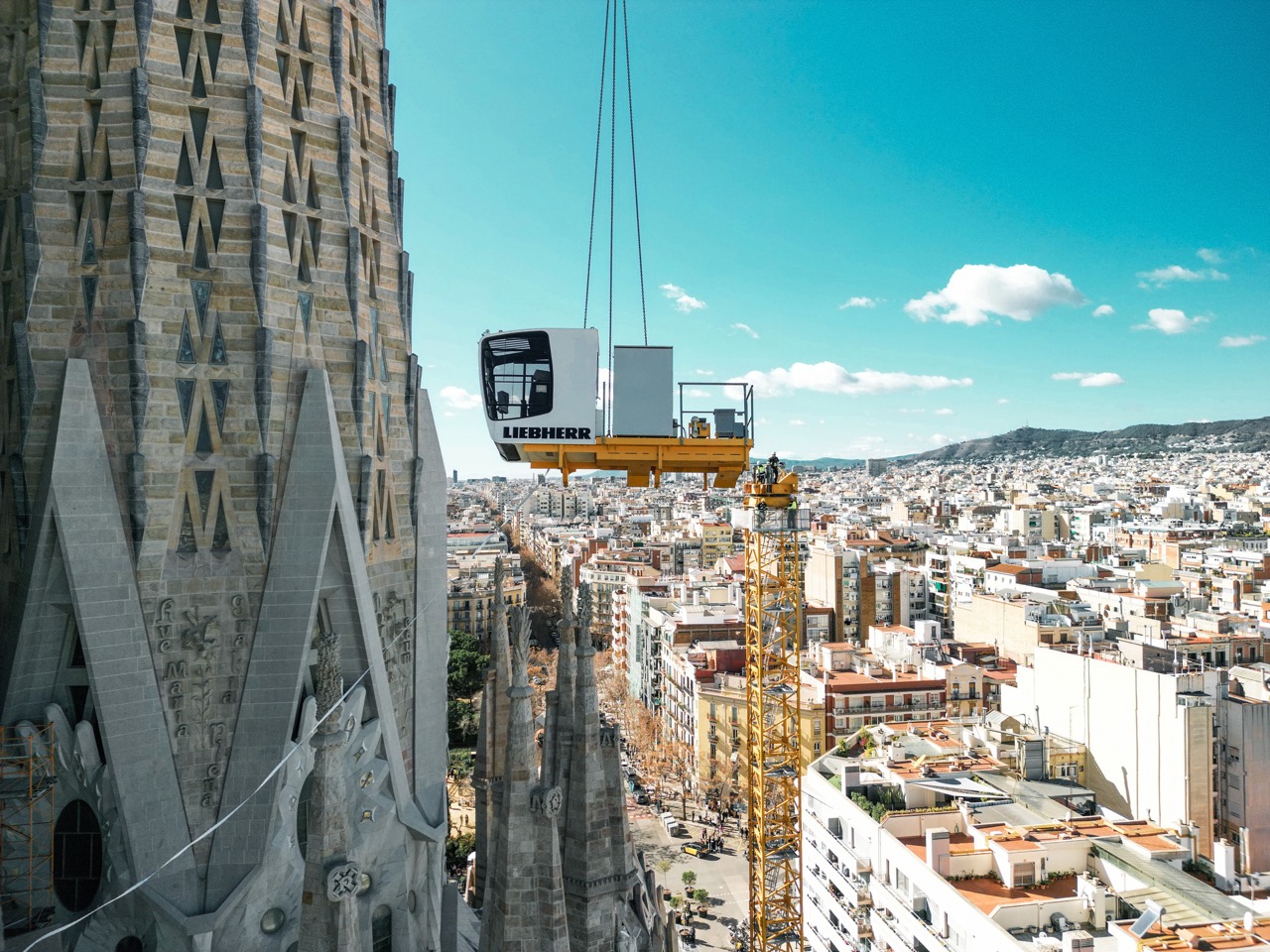
6.The cross at the top is 17m high and 13m across. The single upper piece lifted last weighs more than 12 tonnes. The cross was made in Germany and shipped in parts by ferry and truck, while the white enamel ceramic and glass on its surface were made in Catalonia and assembled on site.
A tower crane among the spires. The last scene of a 144-year construction (ⓒNewsweek)
7.The word completion is still early, though. What ended is the exterior, and interior finishing carries on through 2027 and 2028. The real problem comes after that.
8.The most unusual thing about this project is not the form, it is the funding structure. This basilica takes neither state money nor diocesan money.
9.The sources are donations and admissions, and in practice admissions. Paying visitors run at 4.5 to 5 million a year, basic tickets sit at 26 to 34 euros, and adding the tower lift brings it to around 47. Annual income lands in the hundred-million-euro range, and a considerable share of it goes straight into construction.
The Nativity Façade, one of the side entrances tourists pass through (ⓒIAHC·UPC)
10.This building grows on money from people who came to look at it. A building under construction usually earns nothing and only starts turning money once it opens, and here the unfinished state was itself the source of cash flow.
11.The second thing to look at is that there are no drawings. Gaudí's original drawings and working models were destroyed during the Spanish Civil War in 1936, and what remains is broken fragments of plaster models.
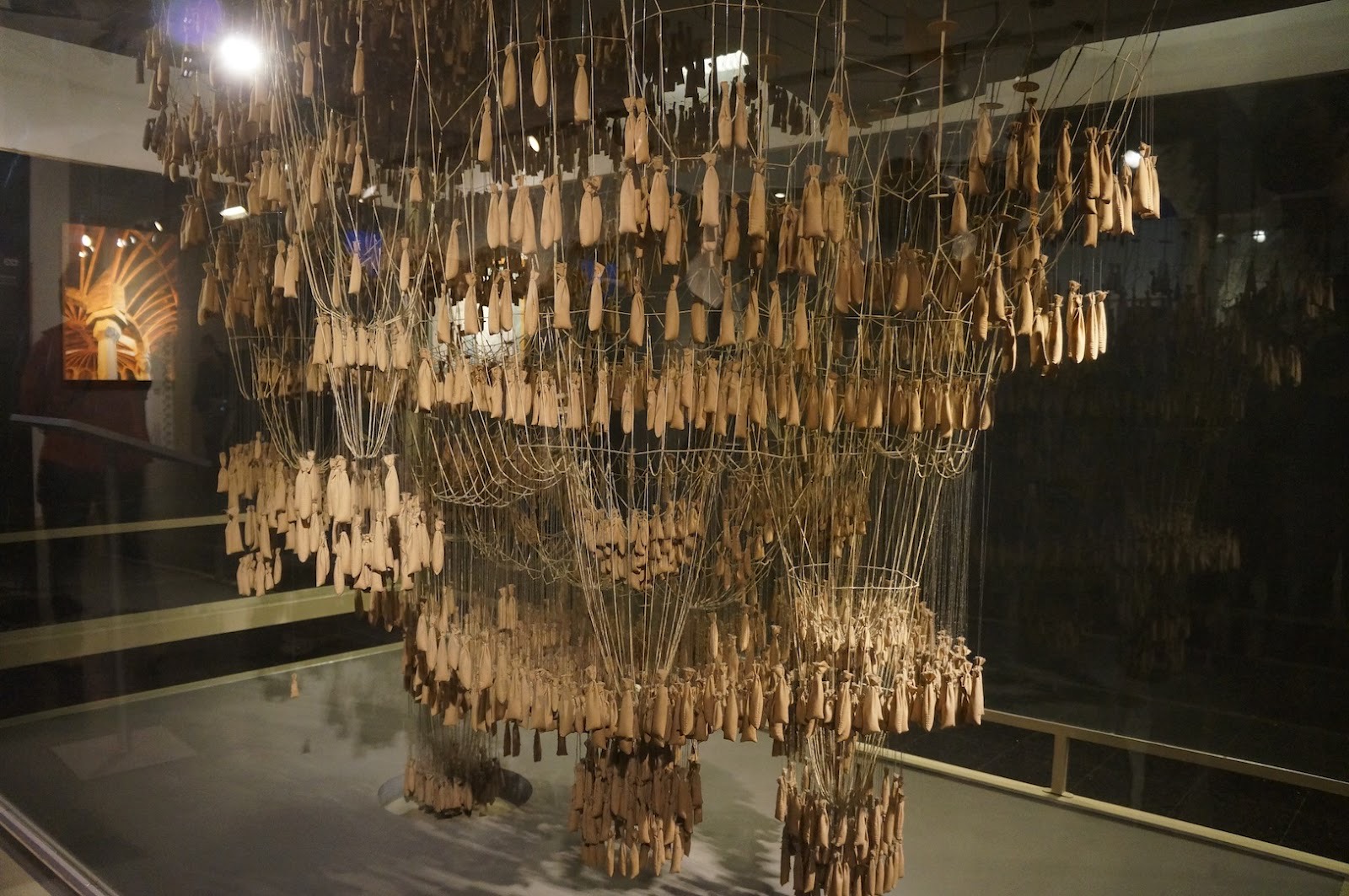
12.Construction continued anyway, because what Gaudí left was rules rather than pictures. The catenary arches, hyperboloids and helicoids he used are not curves drawn by feel, they are geometry defined by equation. Even with only a few fragments left, the rest can be calculated back.
Gaudí's catenary model. Invert the curve drawn by a hanging weighted string and you get an arch (ⓒdataphys.org)
13.Speed picked up sharply after CAD arrived in the 1980s and 3D printing and CNC stone cutting joined it. More has been built in the last thirty years than in the hundred before. The moment machines began cutting curves no hand could carve, this design finally became a buildable one.
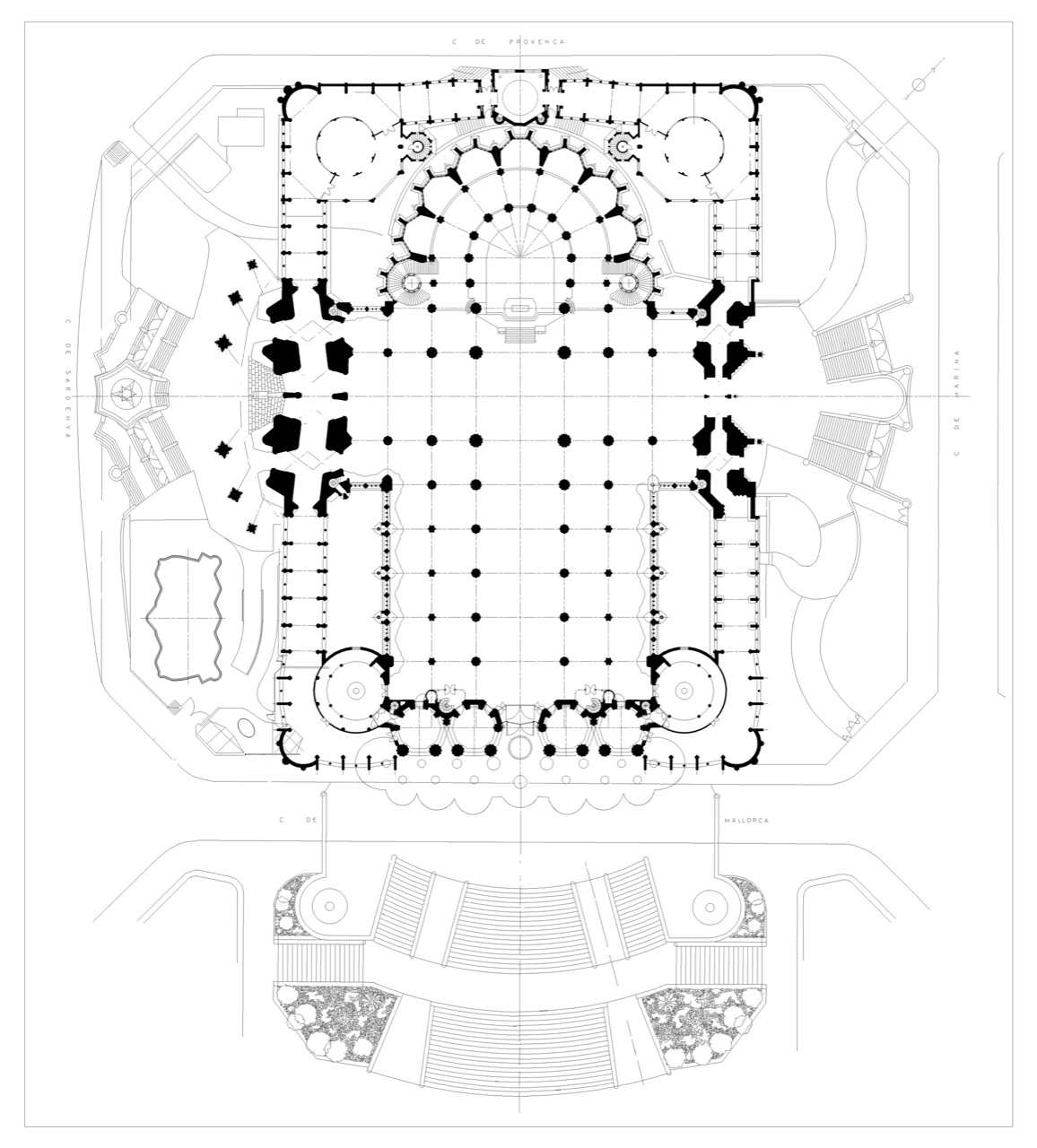
The overall plan of the Sagrada Família (ⓒThe Architectural Review)
Height comparison. Sagrada Família 172.5m · Ulm Minster 161.53m · then Cologne Cathedral
Construction periods. Cologne Cathedral 632 years · Ulm Minster 513 years · Sagrada Família 144 years
Cologne began in 1248 and finished in 1880, with construction stopped for about 300 years in between. A long build was the default of this genre rather than an exception.
Light through stained glass laying color onto the columns (ⓒWikimedia Commons)
14.Millions of people a year pay to enter a building that is not even finished. Europe has hundreds of completed cathedrals, so why queue in front of the unfinished one.
15.What this building sells is time, not space. Almost nobody in the world now starts something they will not live to see. Quarterly results, three-year payback, sell and leave within five. Almost everything we make is designed to a length the maker can see the end of.
16.This building was the opposite from the start, and Gaudí knew he would not finish it. Asked whether the schedule was not too long, he is said to have answered, my client is in no hurry. That client is God. A joke and a business policy at once.
17.People coming here are close to borrowing that sense of time for a while. Watching a schedule longer than your own life actually turning is an experience the present world has almost nothing left of. That is the content of a 34 euro product.
18.The side effect is large too. A finished monument is done once you have seen it, and this one is a different building if you come back in ten years. The reason to return that most tourist sites spend money trying to manufacture sat inside the construction schedule for free.
19.Building slowly is not this building's invention. Cologne Cathedral started in 1248 and finished in 1880, so it took 632 years, and construction stopped entirely for about 300 of them. The period when it stood unfinished as the city's symbol was the longer one.
20.Ulm Minster started in 1377 and finished in 1890. Five hundred and thirteen years. Set against those, 144 years is on the fast side, and only one thing differs. The first two began in the medieval period and ended in the modern one, and this began in the modern period and has ended now. The only case we watched in real time.
Ulm Minster, the tallest church in the world for more than 130 years (ⓒThe Gothic World)
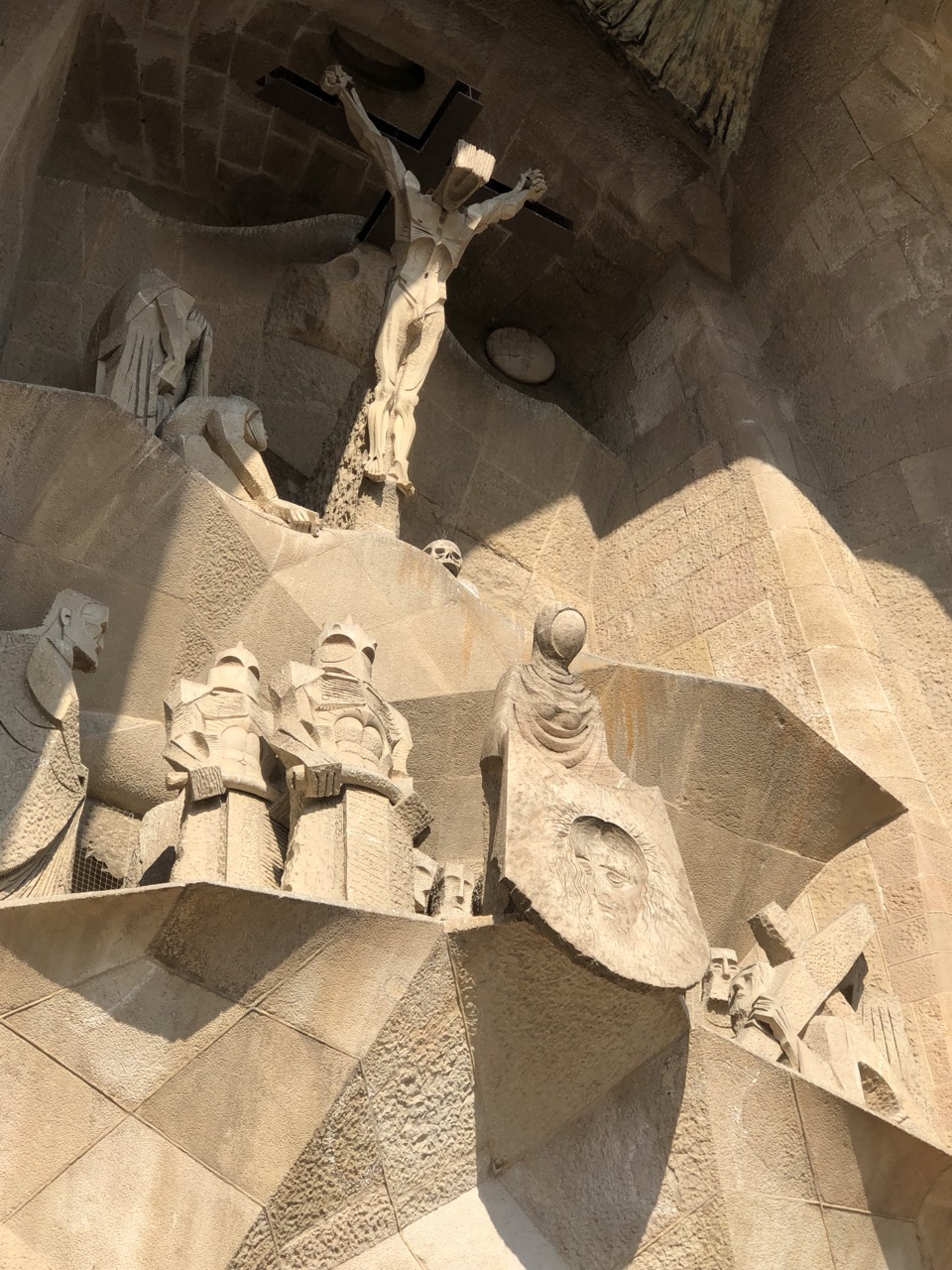
21.This supposedly finished building has no main entrance. Tourists now enter through the Nativity Façade and the Passion Façade at the sides, and the Glory Façade that Gaudí designed as the front has never properly opened.
The Passion Façade. Another side entrance tourists pass through (ⓒTony Lusvardi, S.J.)
22.The reason is that a road and apartments block the way. The original scheme lays a grand stair over Carrer de Mallorca and extends an approach plaza 60m wide, 40m in the reduced version, toward Diagonal, and that requires demolishing two entire residential blocks bounded by Mallorca, Aragó, Sardenya and Marina.
23.The scale runs like this. About 3,000 homes and around 50 shops fall inside the zone, and more than 1,000 households would have to move. Compensation and relocation costs are put at 150 to 200 million euros. As of June 2026, negotiations between the foundation and city hall have not reached a binding agreement.
24.The cruel part is that this is not an ambush. The stair was already written into the 1976 metropolitan plan, the PGM, so on paper the land has been slated for demolition for fifty years. People simply lived on it. There was no enforcement, that is all. A planning line can be forgotten without disappearing.
25.The opposing argument is sharp. That stair is not Gaudí's original scheme. The trouble is that neither side can prove it, because the original drawings burned in 1936. The fate of 3,000 homes hangs on the reading of drawings that no longer exist.
26.This building was built without a permit for 137 of its 144 years. The only basis was a single letter of approval sent in 1885 by the village of Sant Martí de Provençals, and when that village was absorbed into Barcelona in 1897 the paperwork was left hanging and nobody tidied it up.
27.The city confirmed this officially in 2016. After two years of negotiation, in October 2018, an agreement was reached to pay the city 36 million euros over ten years. The uses are specified too. Twenty-two million for public transport, seven million for improving metro access, four million for redoing the streets around the basilica, three million for maintenance and security. The city called it a share of the impact on public services rather than a fine. On June 7, 2019, 137 years after groundbreaking, a formal building permit was issued.
28.What comes next is the problem. The engine of this enterprise was still being built, and that engine now switches off. Completion also means spending down this building's most powerful story. Whether a finished basilica can sell as many tickets as one under construction, nobody knows yet.
Exterior work completed 2026 · central tower 172.5m · Glory Façade, the main entrance by design · Carrer de Mallorca · two residential blocks to be demolished
Planned approach axis · 60m wide, 40m in the reduced version · 3,000 homes · 50 shops · more than 1,000 households to relocate · compensation and relocation estimated at 150 to 200 million € · already written into the 1976 plan
29.On February 20, 2026 the last piece of the cross went up and the exterior finished after 144 years, and the 172.5m central tower made this the tallest church in the world. On June 10, a hundred years after Gaudí's death, Pope Leo XIV dedicated and blessed it, and interior work runs through 2027 and 2028. What works here is time, not architecture. The world now designs work only to a length the maker can see the end of, and this building assumed the opposite from the start, so people come to confirm that a schedule longer than their own life is genuinely turning. That confirmation costs 34 euros, and 4.5 to 5 million people a year paid it and funded the construction. Unfinished is the source of cash flow. Doing this in Korea takes clearing two things first. One is the order of operations. For the unfinished to sell, the finished image has to be in people's hands first, and people pay to see a construction site only because they already hold the completed picture in their heads. Releasing renderings and models before groundbreaking, using the hoarding as a progress board rather than an advertising panel, and building a partial opening of even one floor into the design stage all come from that. The other is paperwork. The most expensive mistake in this project was neither design nor construction, it was starting on one letter of approval from 1885, and the permit came only after 36 million euros were paid 137 years later. Checking boundaries, easements and higher-level planning lines before signing costs an order of magnitude less than discovering them after completion. The price of building the whole thing without securing the land for the approach has not finished being counted, and the tallest church in the world still has no front door.