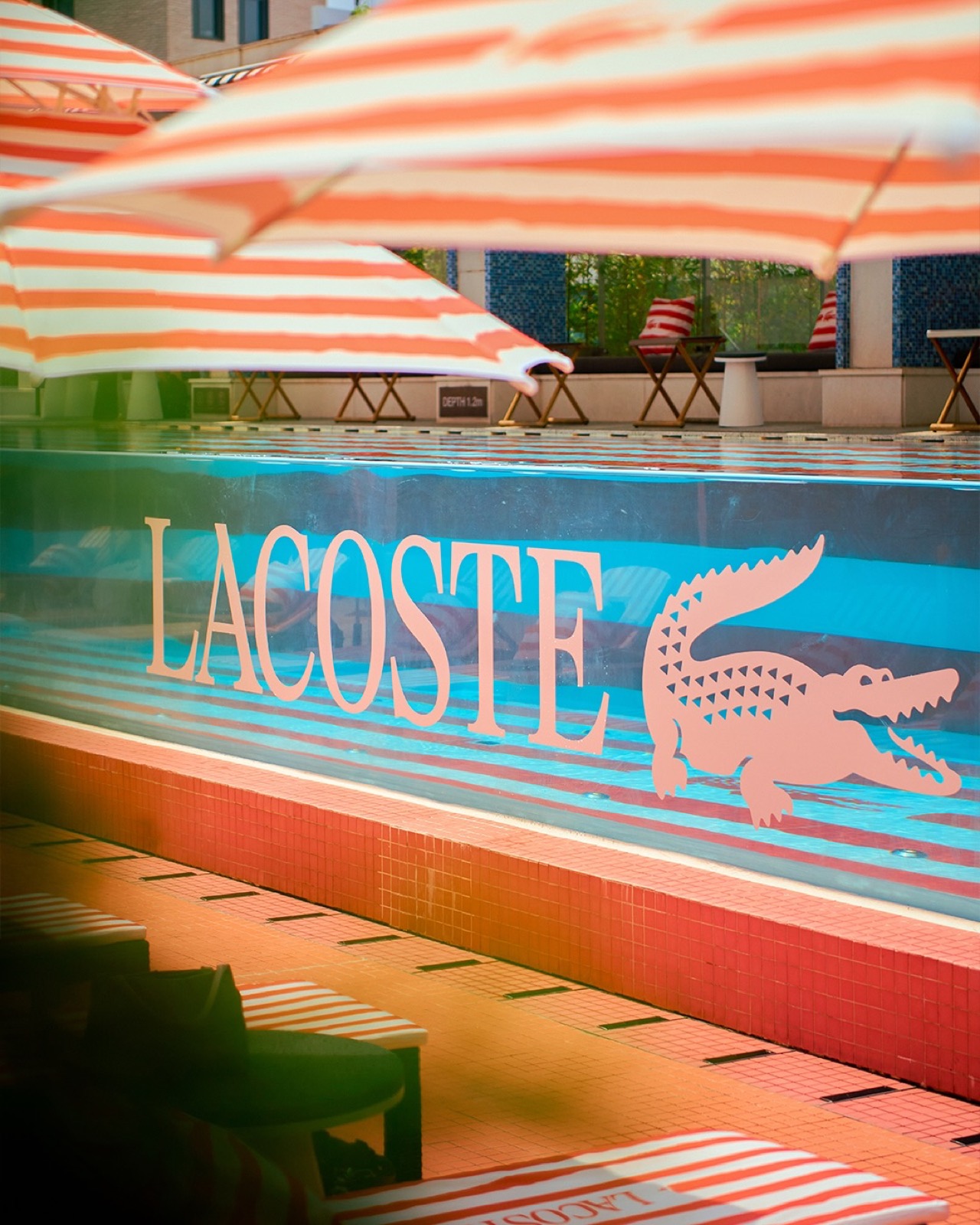
Lacoste opened a pop-up in the middle of Seoul. There is no counter selling anything, and no empty shop rented for it. The stage is somebody else's hotel pool. From July 6 to September 3 the rooftop pool at Mondrian Seoul Itaewon was covered whole in Lacoste's clay tone, and in a period when a day of pop-up rent in Seongsu passes KRW 20 million, the new stage a brand found was not an empty space but a space where money already moves.
1.Lacoste Summer in Seoul. The French brand Lacoste rented the whole of Altitude Pool, the rooftop pool at Mondrian Seoul Itaewon. The run is July 6 to September 3, about two months. There is none of the usual pop-up counter or display, and the pool itself is the store.
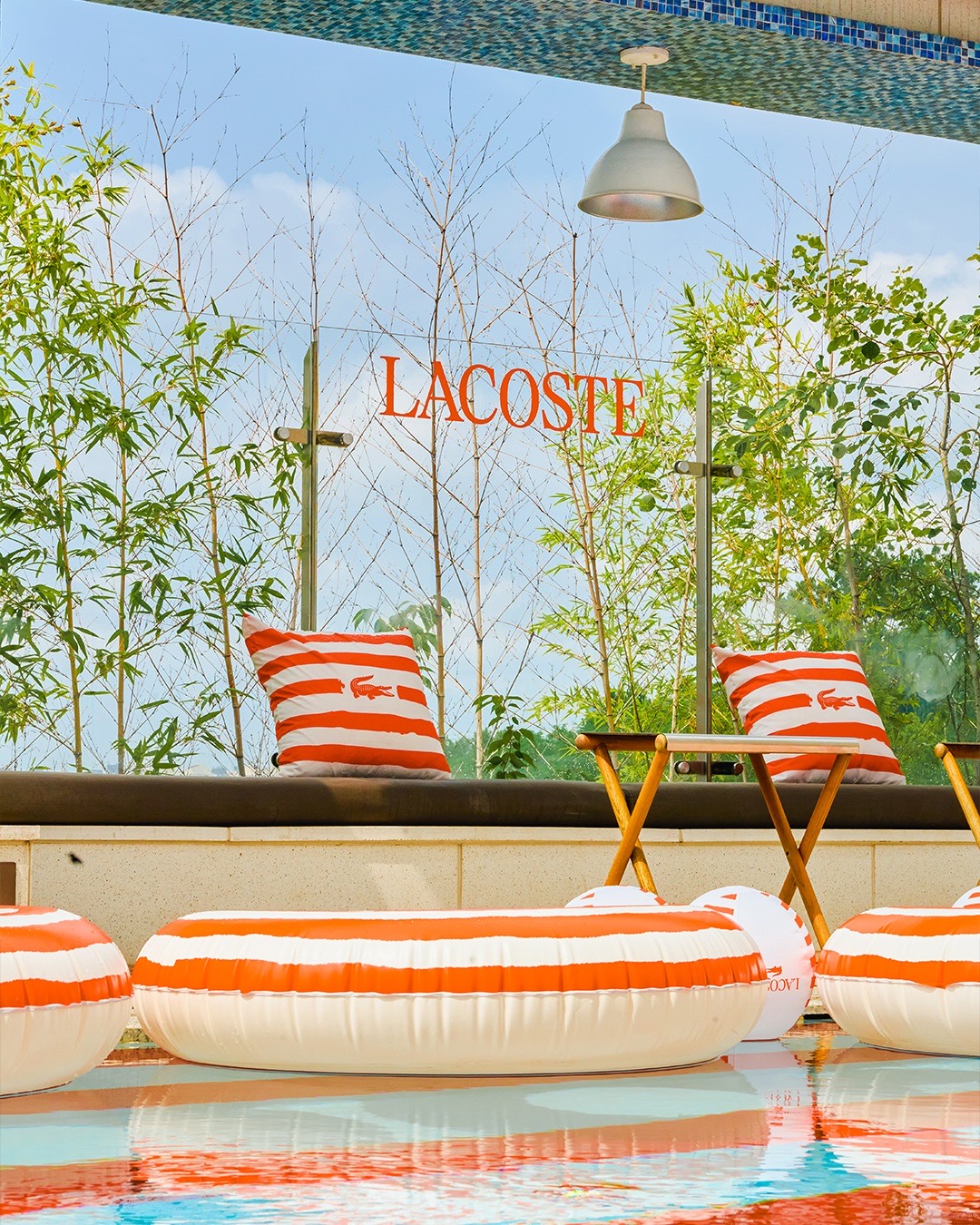
2.The concept comes straight from Lacoste's 2026 summer campaign, Tennis Court by the Beach. The key color is the clay tone of a tennis court, and the sun loungers, the parasols and the clear glass wall showing the water below all changed into it. What the brand sold is not a shirt, it is half a day at a resort in the south of France.
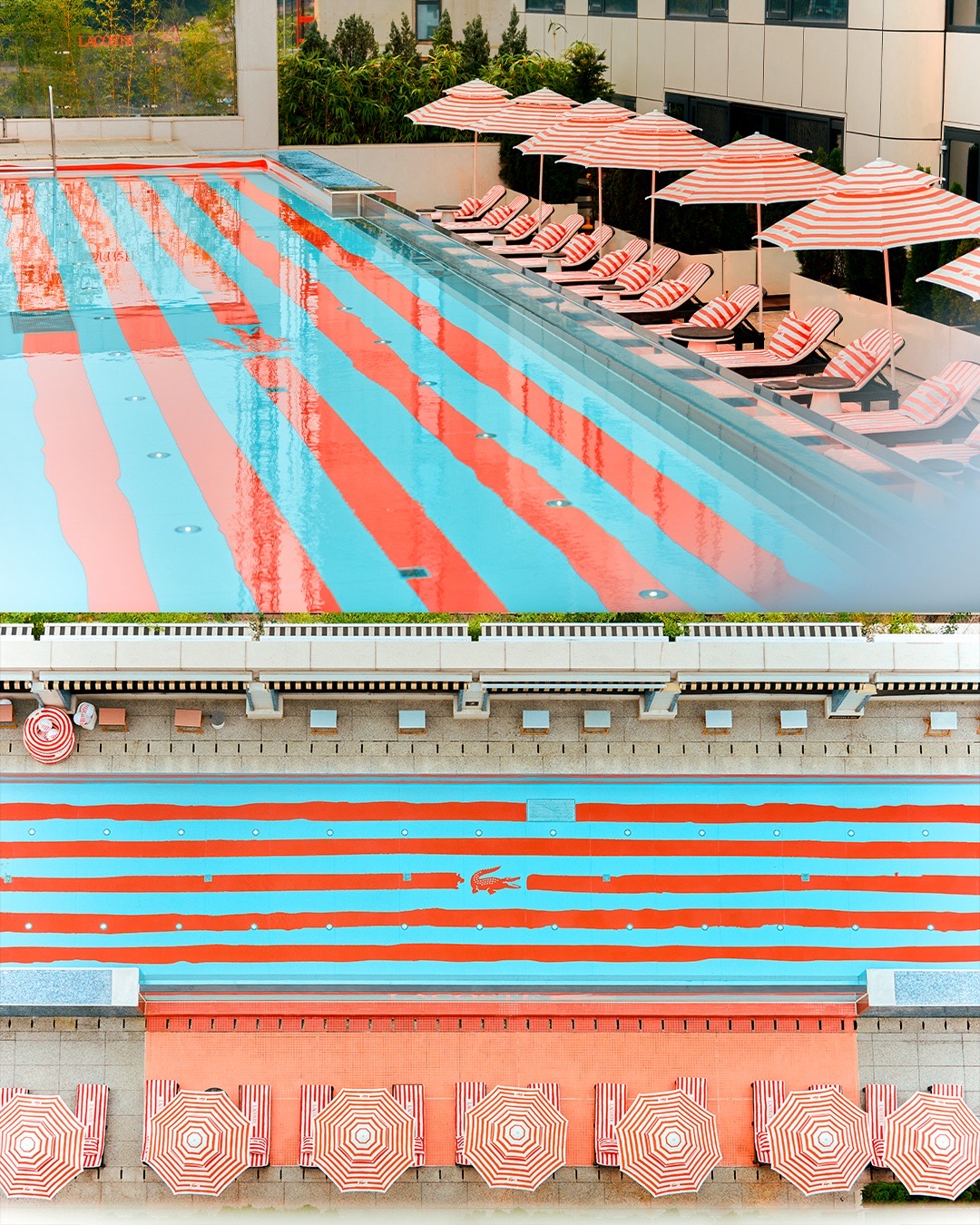
3.The key device here is a single glass wall. One side of Altitude Pool is cut through with full-height glass, so lying on a lounger under a clay-toned parasol you catch bodies cutting through the water past the glass. Why does that wall matter. Because the naturally occurring photograph, the one no amount of brand spending can manufacture, happens here by itself.
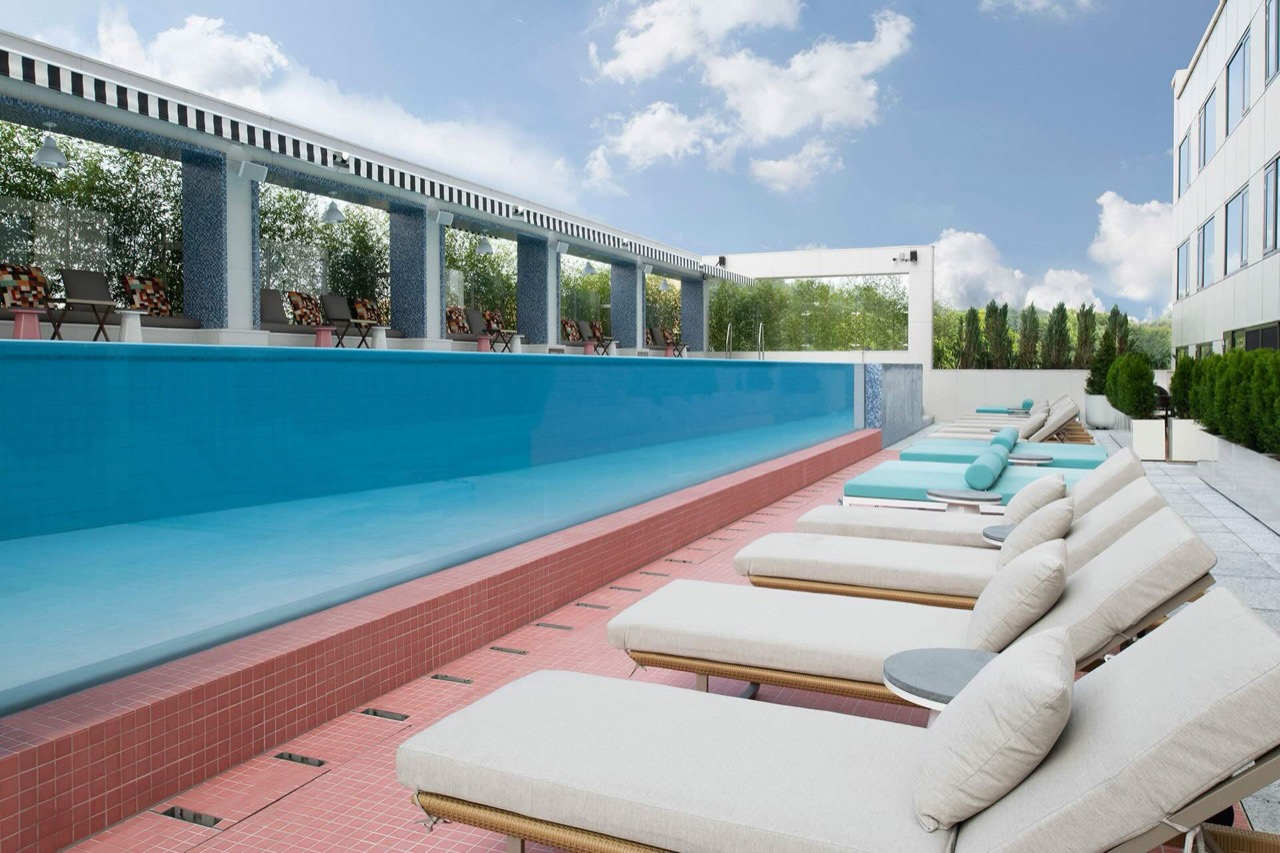
4.The operation is entirely the hotel's way. Adults only (19 and over), running in two sessions a day (11:00 to 15:00, 15:30 to 19:30). It is a paid facility you enter on a day pass, and Lacoste left that skeleton untouched. It laid on only the clothing, the loungers, parasols and props. The bones of the space belong to the hotel, and only the color and the logo belong to the brand.
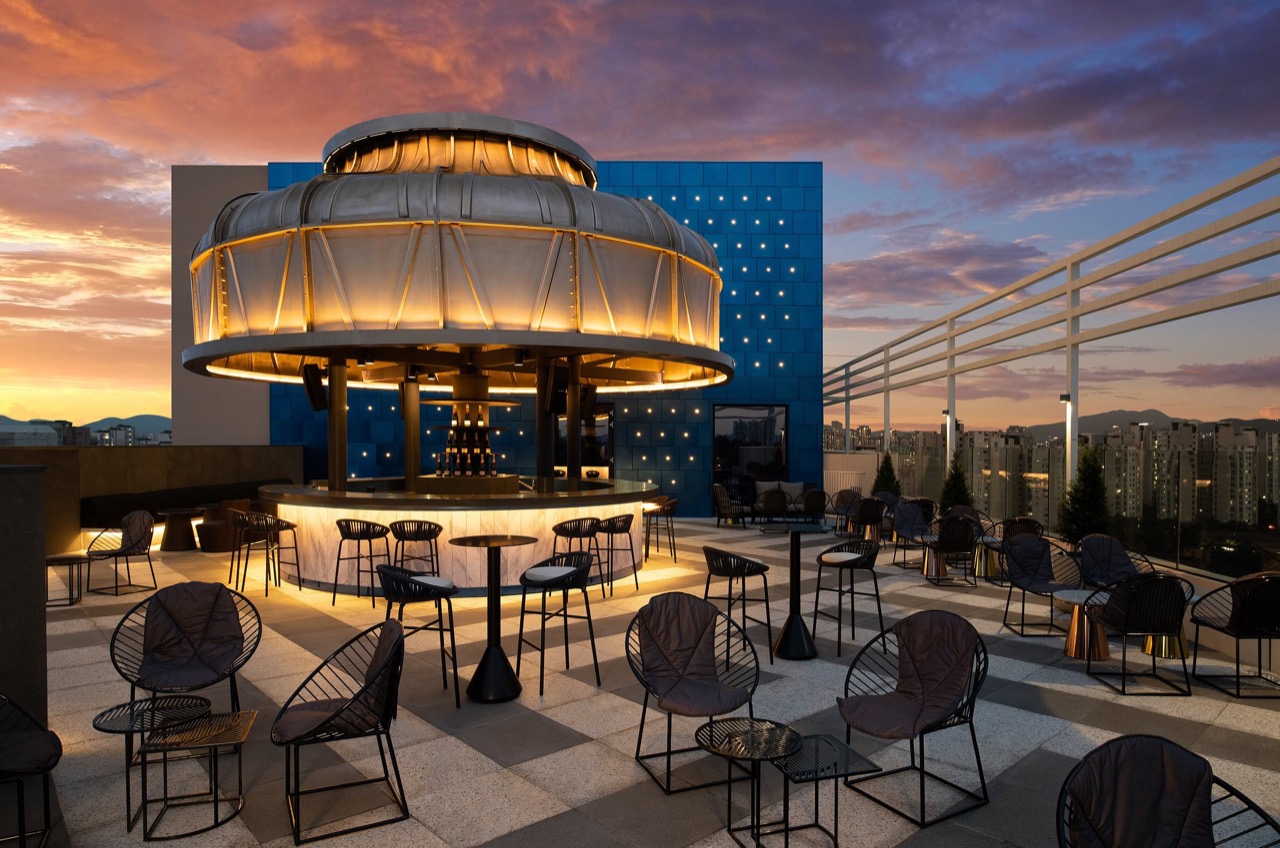
5.Revenue was not concentrated in one place. Instead of selling goods at the pool, summer promotions ran at offline stores nationwide and at the digital flagship over the same period. A lucky draw offering hotel stays and pool passes was attached as well. The pool is the bait, and the actual revenue is scattered across stores, rooms and data.
6.The starting point is pop-up inflation. A day of pop-up rent in Seongsu runs from KRW 4 million at the low end and past KRW 20 million at expensive addresses. One building asks KRW 25 million a day, up to KRW 600 million for a month. The arithmetic says that rather than pouring that into an empty shell, it is better to lay the brand over a space guests already pay to enter.
브랜드를 밀어낸 숫자 · 성수 팝업 하루 임대료 (만 원/일)
7.Dwell time differs too. A Seongsu pop-up has become a booth you skim in 15 minutes and photograph a few times. A pool holds you for half a day. For the same exposure, the density of the time in which a brand soaks into your eyes and body is not comparable.
8.The target overlaps exactly. People who buy a day pass to a hotel pool in high summer are upper-middle spenders who have already opened their wallets. The same face as the customer Lacoste wants. Add underwater shots through the glass wall and the brand buys an Instagram feed with no advertising spend.
9.The money. Start with Lacoste's arithmetic. Renting a 50 pyeong site in Seongsu costs KRW 10 million a day, KRW 600 million in rent alone over two months. Lacoste came in through sponsorship and product supply instead. Both the upfront investment and the rent risk were pressed down to a minimum.
한 공간, 두 개의 지갑 · 누가 무엇을 버나
10.The hotel's arithmetic runs from the other side. A day pass to Altitude Pool is reported at around KRW 70,000 per person for a peak season pool party (estimated from published rates). Fill each session, twice a day, for two months, and a summer's pool revenue accumulates. Add the halo of the Lacoste name and room package upsell follows. The hotel did in fact run a 20% summer promotion over the same period.
11.The lucky draw is a lead collector. Stays and passes are the bait that secures personal data and return visits. Lacoste takes image and user-generated content, the hotel takes tickets and rooms, and in one space two businesses run at the same time (some figures are estimated from published rates).
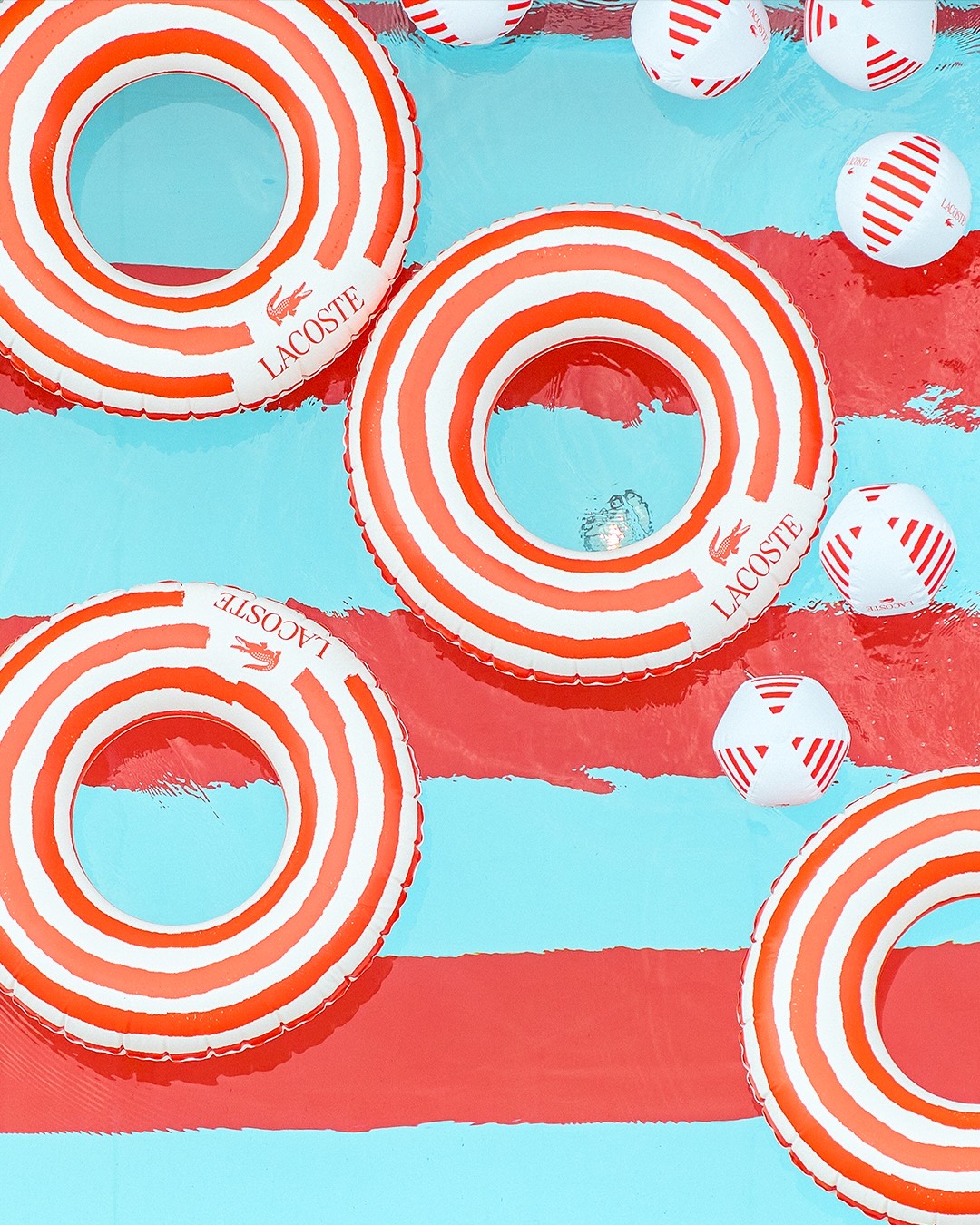
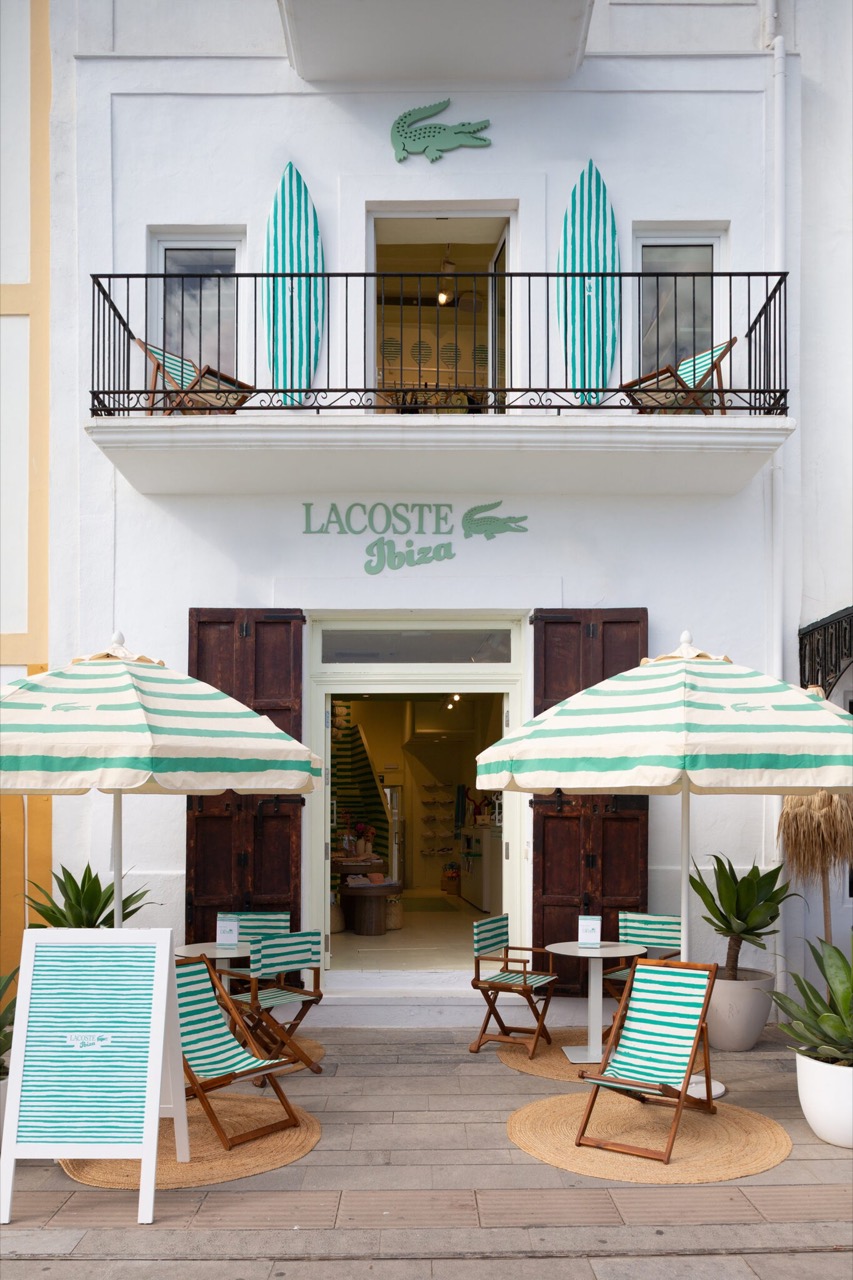
12.This is not the first time Lacoste has gone to a pool. It has run a tennis pop-up in Ibiza every summer, and this Seoul edition is a localized version of that global beach and tennis campaign. Brands borrowing hotel and resort space and dressing it up is already a grammar many luxury houses have repeated in cafes, pools and rooms.
13.The turn. The real news is not the headline that pop-ups are leaving Seongsu. Pop-ups in the Yongsan area rose 2.5 times in the first half of this year, while Seongsu's Yeonmujang-gil fell 16%. On the surface it looks like a shift in trade areas. The real change is a shift in format, from a model renting an empty retail space whole, to a model laid over a hotel food and beverage space where cash already moves. Who carries the rent risk moved from the brand to the owner of the space.
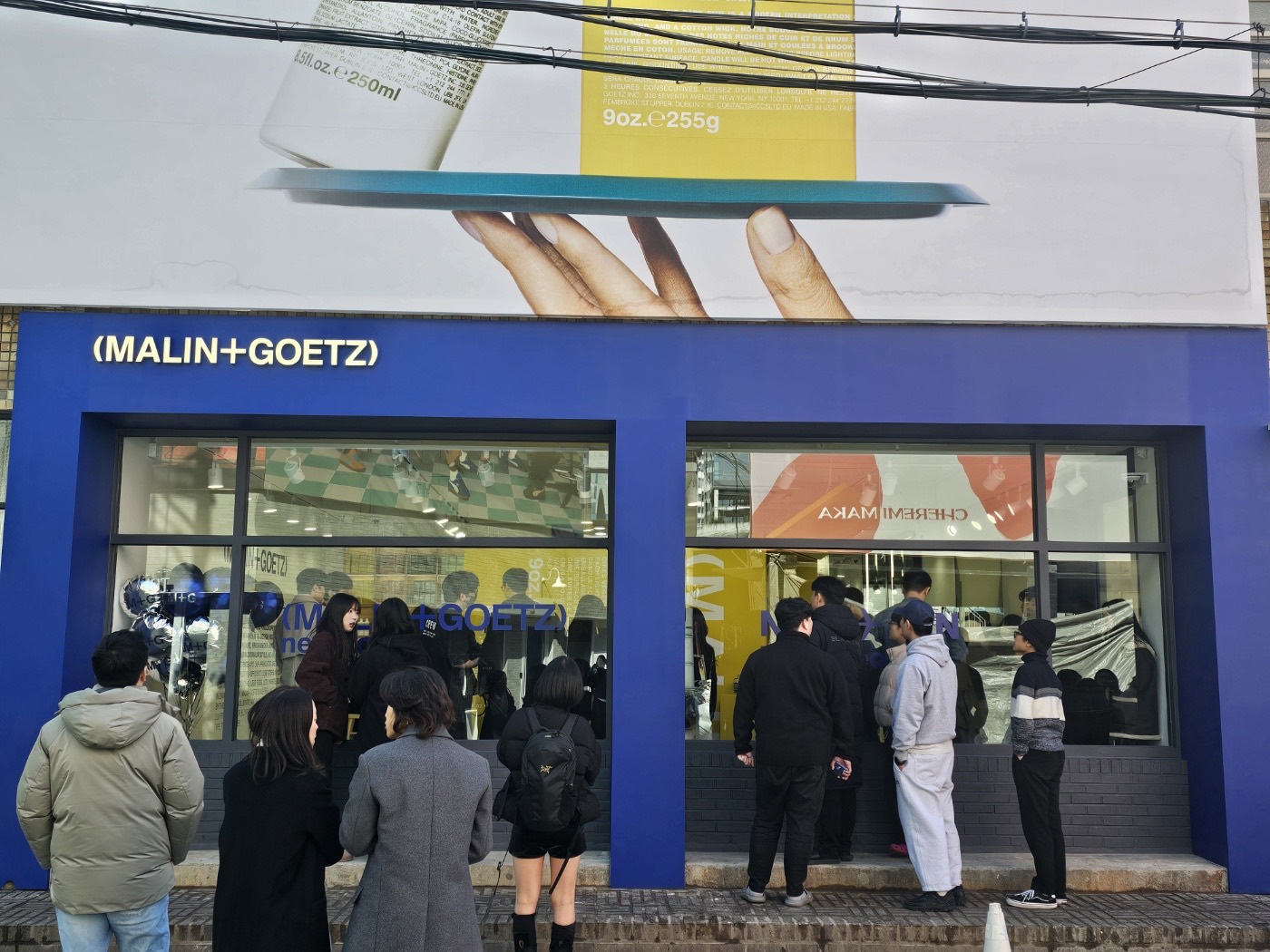
14.For an operator with a small space, a brand pop-up runs two ways. Hand over an empty unit whole and take a one-off rental fee, or dress a brand over the business already running, whether a cafe, a pool or a lounge, and take tickets, spend per head and return visits along with it. In a period when the top daily rent in Seongsu has climbed to KRW 25 million, the second is closer to a defense. There is one thing to clear first. A level of finish that meets the brand's eye. Throwing a logo over any space does not make a pop-up. What brought Lacoste in, in the end, was one glass wall you can see through to the water below.