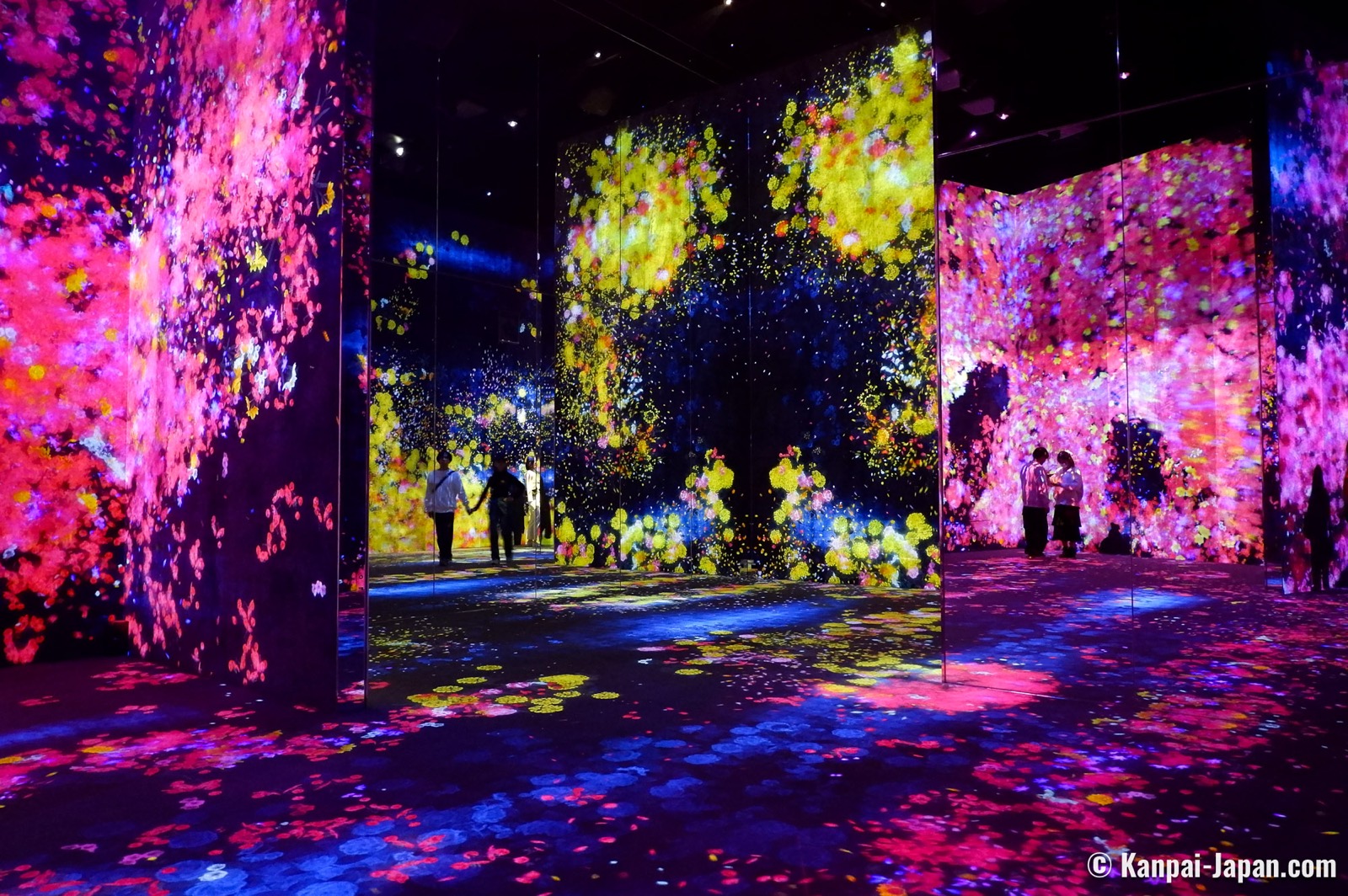
teamLab Borderless opened a new special exhibition on July 8. The title is On the Asymmetry of the Universe, running to October 8. There is not one work in the collection. No painting on a wall, no sculpture in a case, only a room where light flows. This museum was built not by painters but by a group of programmers, and last year 4.2 million people bought tickets at its two Tokyo sites alone.
1.The stage is inside Azabudai Hills in Tokyo. Next to Roppongi, a 330-meter complex by Mori Building, the tallest in Japan. teamLab Borderless sits in its basement. The setting for the new work that opened on July 8 is one room reopened, Light Sculpture - Flow. It runs to October 8.
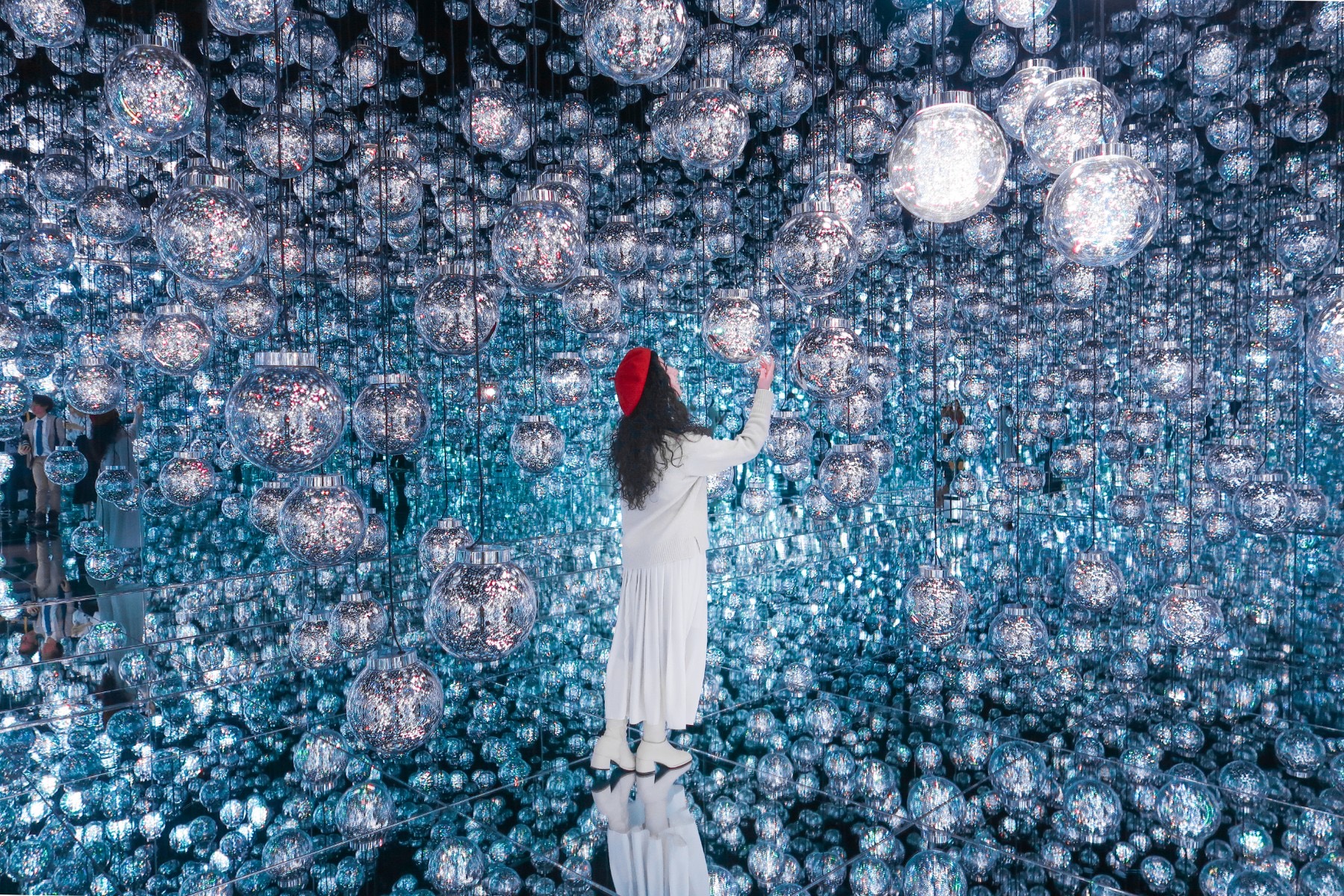
2.There are two new series. Chromatic Existence, where color flows through the whole room and forms itself, and Asymmetric Existence, where mirrors and projection overlay images offset left and right into a single perception. Visitors step onto a clear glass floor and become part of the light and shadow. Founder Toshiyuki Inoko introduces the work as something people have never seen before.
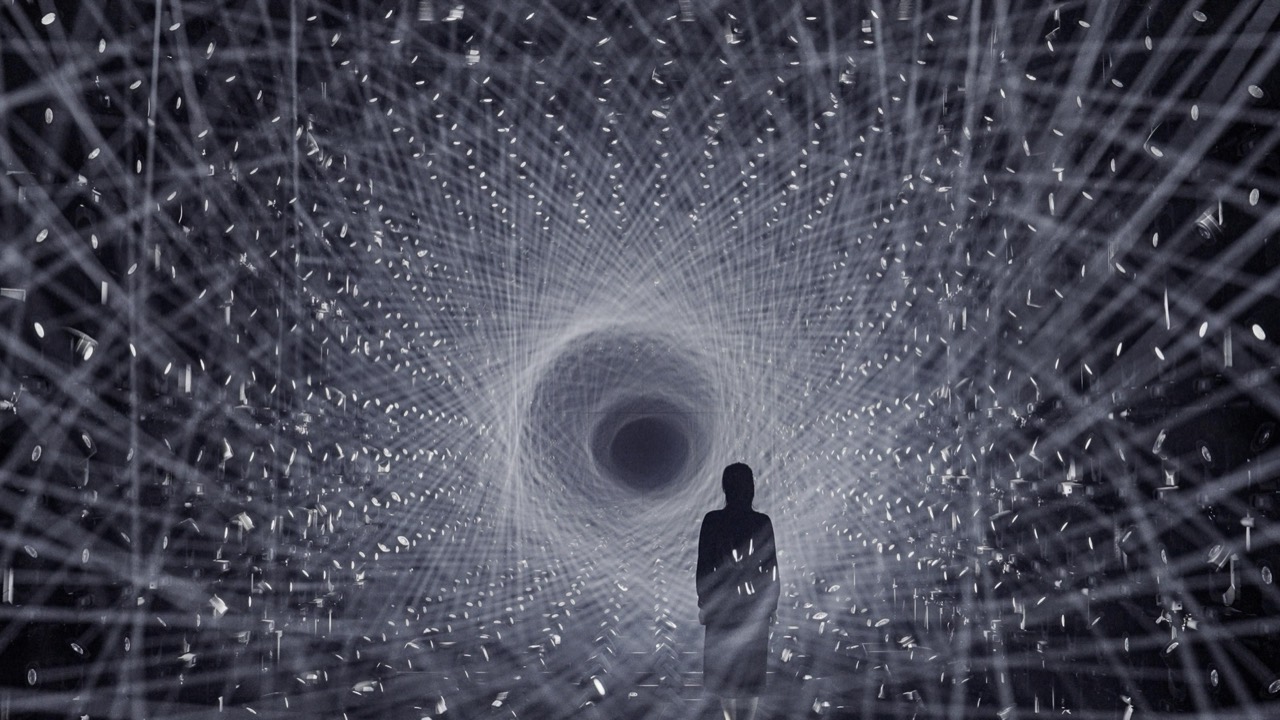
3.There is nothing in the room to touch. No canvas, no plinth, no frame. teamLab calls this a spatial existence with no boundary of material surface. It is not soft lighting laid over a room, it is a structure where a mass of light stands in the air without walls and becomes sculpture itself.
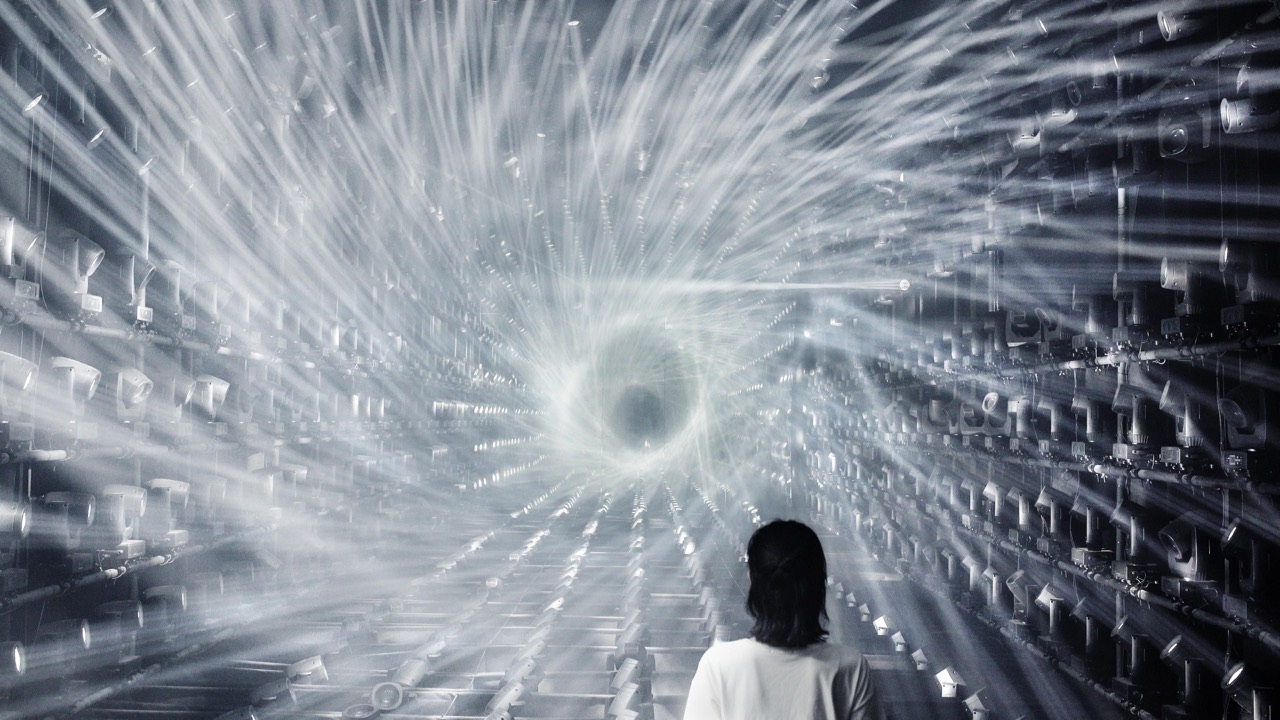
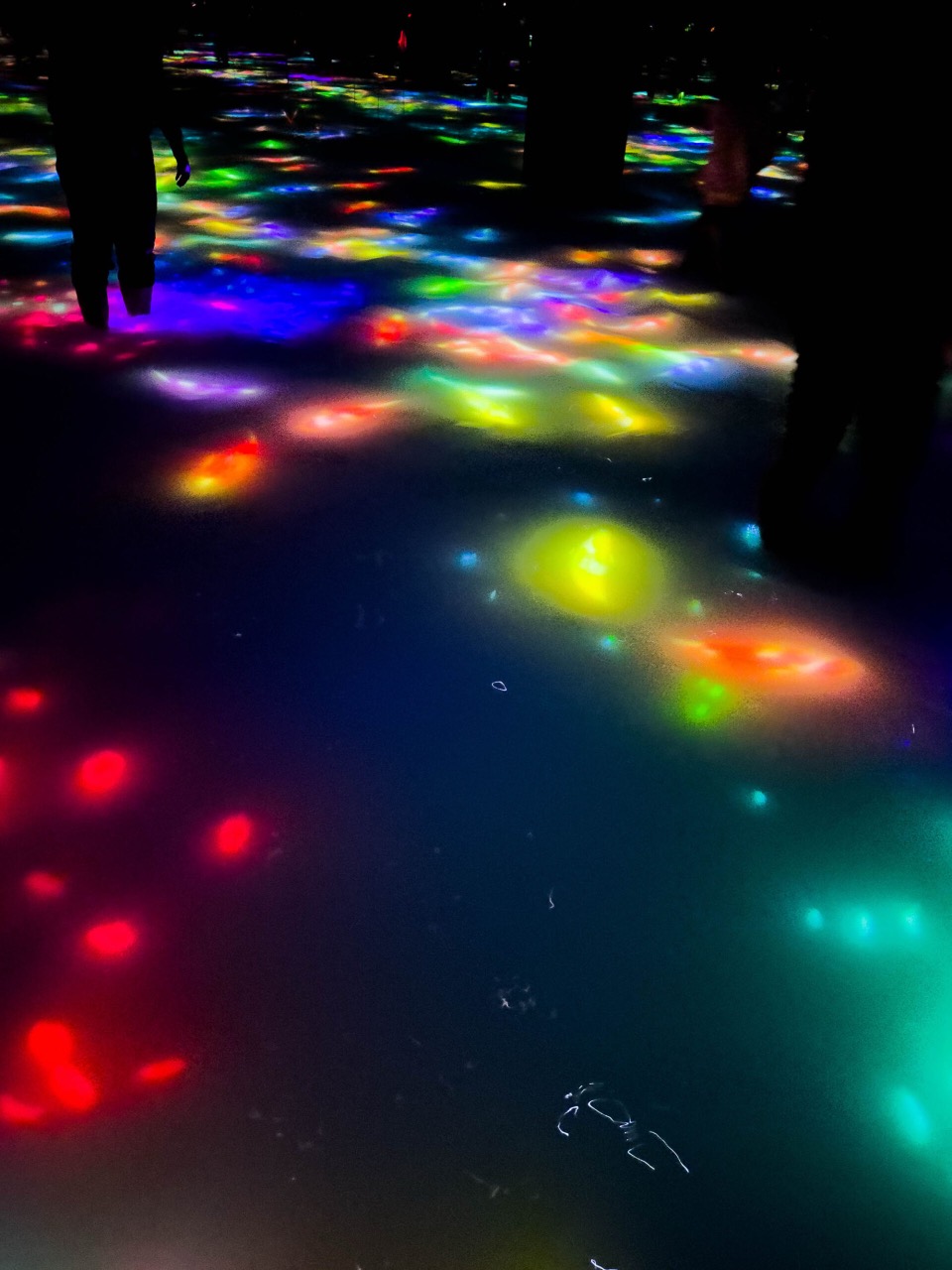
4.The floor is glass. Light passes beneath it and the visitor's shadow cuts that light. The beams change fast enough that the operator posts a separate photosensitivity warning. The best view is the middle of the room. The image splits with every step, so the moment a visitor stands still and the moment they move become different works.
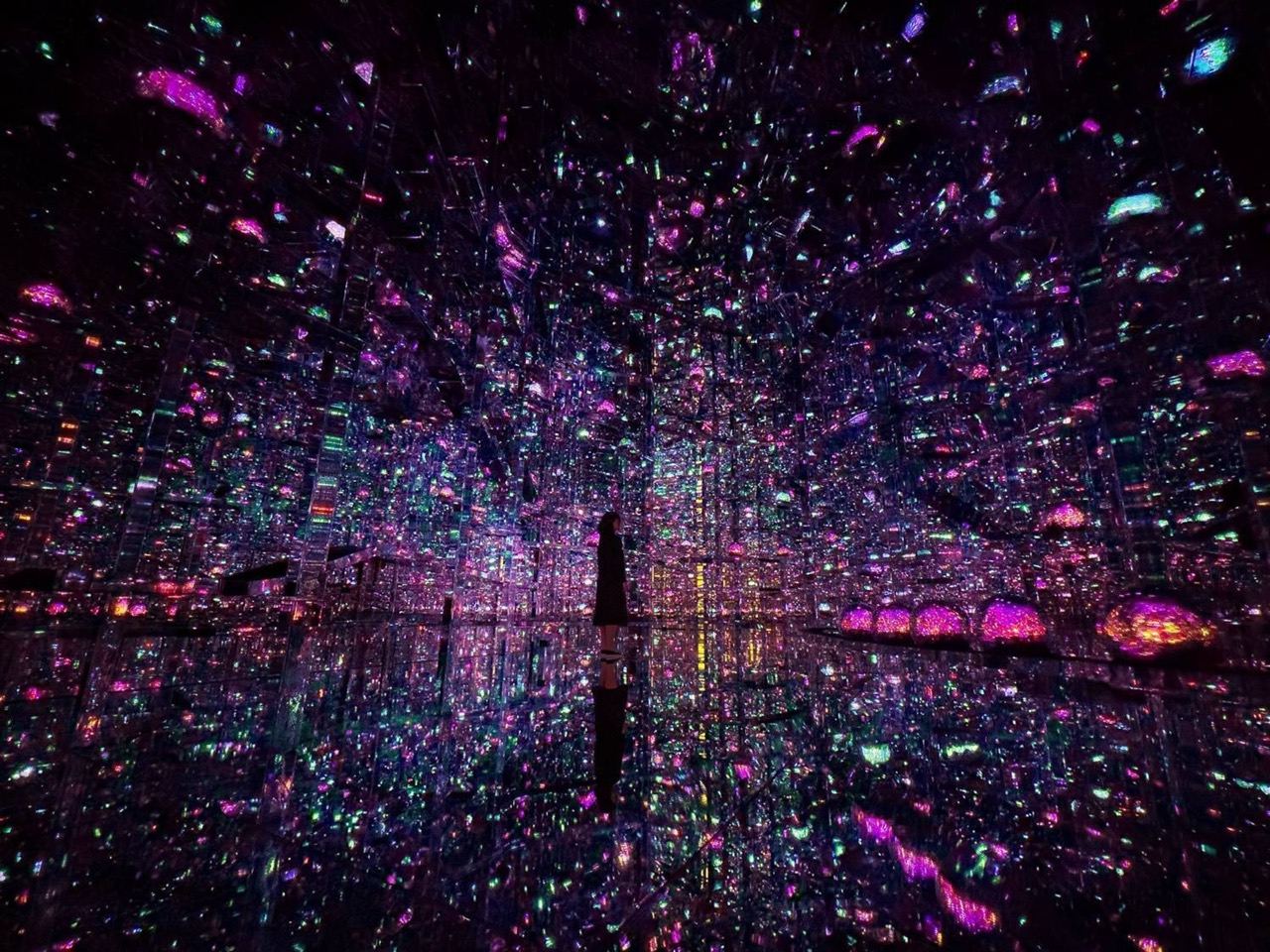
5.The concept teamLab has pushed for more than twenty years is ultra-subjective space. Removing the glass wall between the person looking and the picture being looked at. Where Western painting stood the viewer in front of a single vanishing point, this pushes the viewer's body into the picture. Which is why this museum has no fixed front.
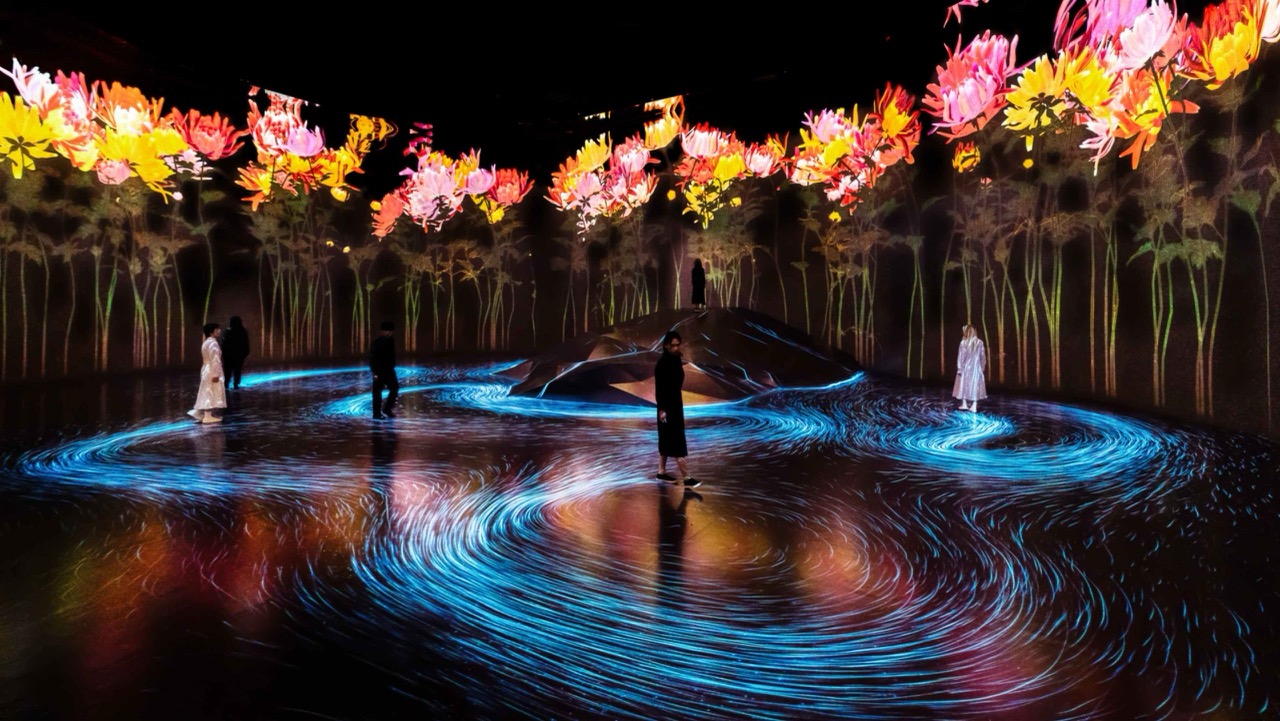
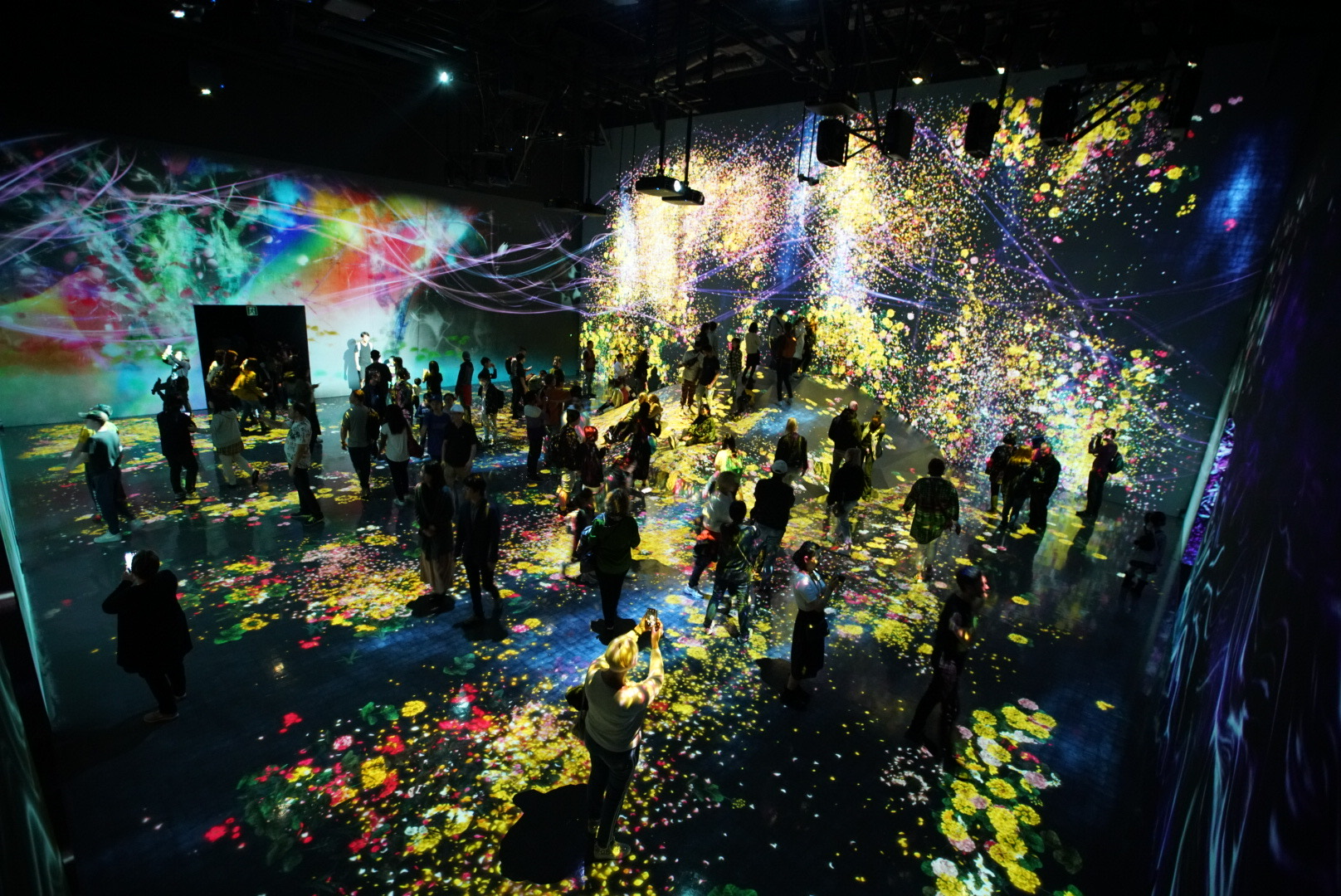
6.Why does this move people. A museum was originally a place for looking. teamLab turned it into a place for entering. The visitor does not stand in front of the work but inside it, and what the camera captures is not the picture but themselves submerged in it. The object of viewing moved from the wall toward the visitor.
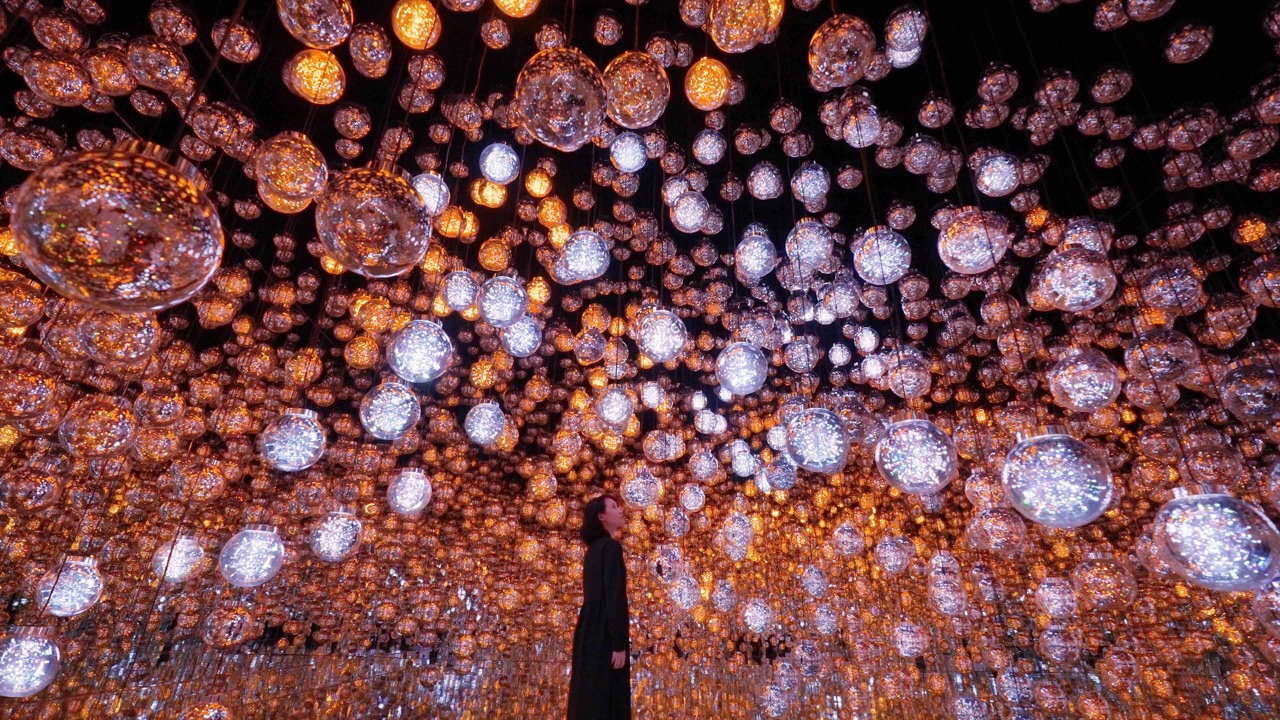
7.What makes that shift decisive is that the visitor produces the content instead. One photograph posted by one visitor becomes the advertisement that calls the next. A structure where the feed keeps turning without the operator burning advertising money. That is why immersive exhibitions spread fastest of anything in the past decade.
8.Move to the money. Ticket prices change by the day. Between 3,600 and 5,600 yen for an adult, dearer on busy days and cheaper on quiet ones. A museum pricing like an airline. The average sits around USD 25.
9.Volume turns that price into revenue. Last year teamLab Planets in Toyosu drew about 2.5 million people and Borderless in Azabudai about 1.69 million. The two Tokyo sites together took 4.2 million. Ticket revenue at Planets alone is estimated at about USD 60 million. A year of ticket sales on the scale of admission income at the Metropolitan in New York or the Tate in London.
화가 없이 번 숫자 · teamLab 도쿄
10.The real weapon is the margin structure. These works are made from code rather than paint. Once made, an Existence series transfers to another city with nothing but projectors and servers. There is no original to store and no collection to insure. The cost structure of software laid straight onto physical space. That is where the force came from that put teamLab into close to 60 permanent and touring venues beyond Japan, into China and Saudi Arabia.
11.From the property side another picture overlays. Azabudai Hills, where Borderless sits, is Mori Building's high-rise flagship. The developer put a museum in the basement as an anchor for footfall rather than rent. A tenant that people come to on purpose, stay in for a long time and photograph widely, that traffic is what a high-rise complex buys. The developer supplies the site and the architecture, and teamLab lays the content that runs on top, a division of labor.
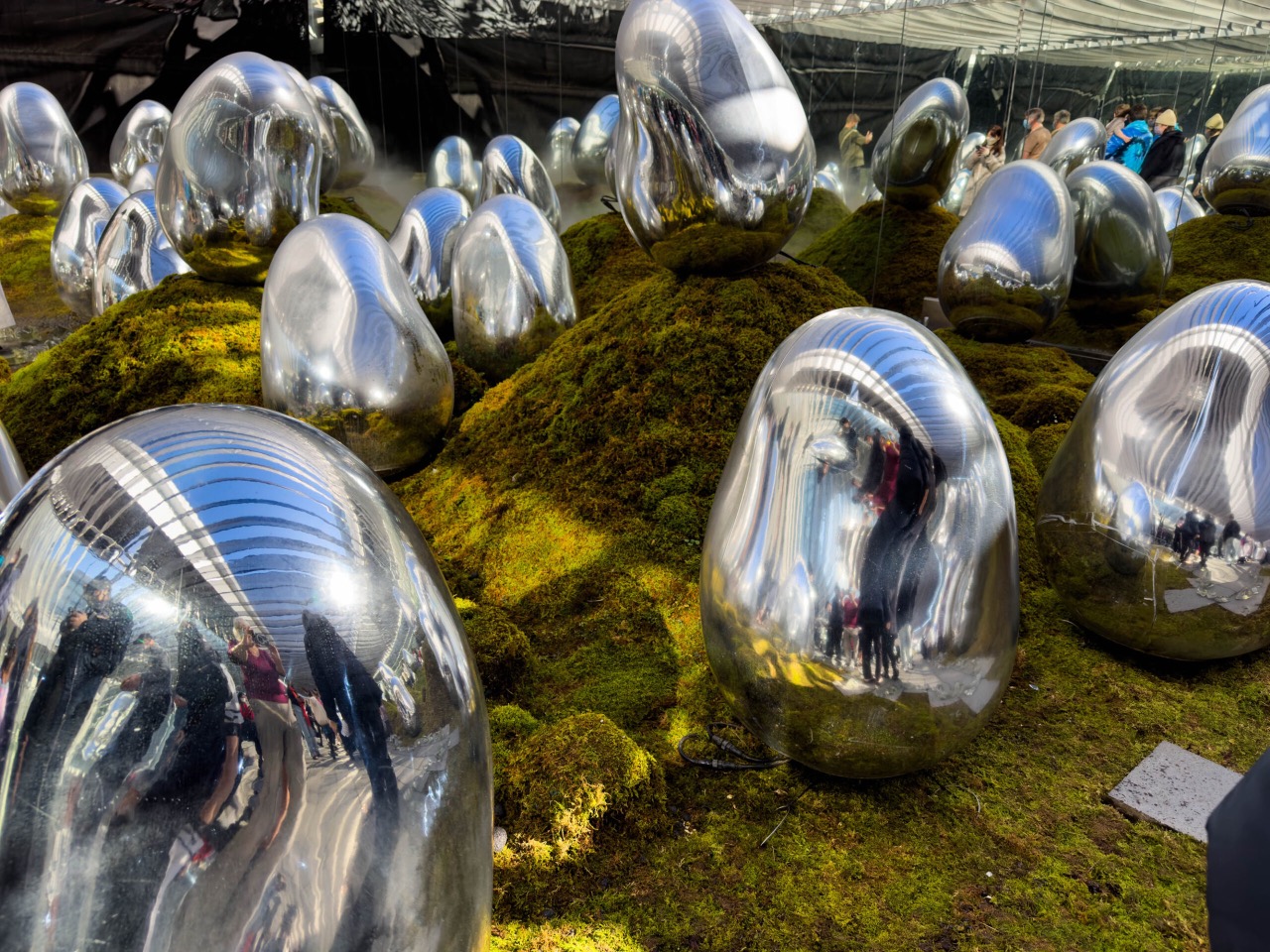
12.When Planets expanded its area 1.5 times last January it did not simply add rooms. It brought in a dining space serving vegan ramen, a room surrounded by orchids where tea is served, and a factory printing visitors' own drawings onto merchandise on the spot. A route that feeds and sells to the person who came in on a ticket. Revenue that was one admission fee split into several lines through food and retail.
한 벌을 60곳에 · teamLab의 원가 구조
13.teamLab was founded in 2001 by Toshiyuki Inoko with university friends. It was a technology company at first, not an art collective. By day it sold software to companies and earned money, and at night it made digital installations with that money. The art world took a long time to count them as art. Most of the roughly 1,000 staff today are engineers.
14.The turn. Being easy to move also means being easy for others to copy. Immersive exhibitions projecting light have multiplied everywhere in recent years, running the same grammar from Van Gogh to game IP. teamLab discloses almost nothing financial. A company that boasts about visitor counts and keeps its profit and loss shut. The ceiling for a business selling only experience with no collection depends on how fast that experience becomes ordinary.
15.A museum built by programmers rather than painters draws 4.2 million people a year at two Tokyo sites and changes its ticket price daily like an airline. With no collection there is no storage cost and no insurance, and works made from code hang in close to 60 cities as they are. Moving this at a smaller scale means clearing two things first. Production cost sits entirely at the front, so recovery is zero until the first venue opens, and in a market where the immersive format has already become ordinary, you have to persuade a visitor afresh why it should be this room. Light travels as far as you like, and the cost of making it the first time and the proof of being different from everyone else do not travel with it.