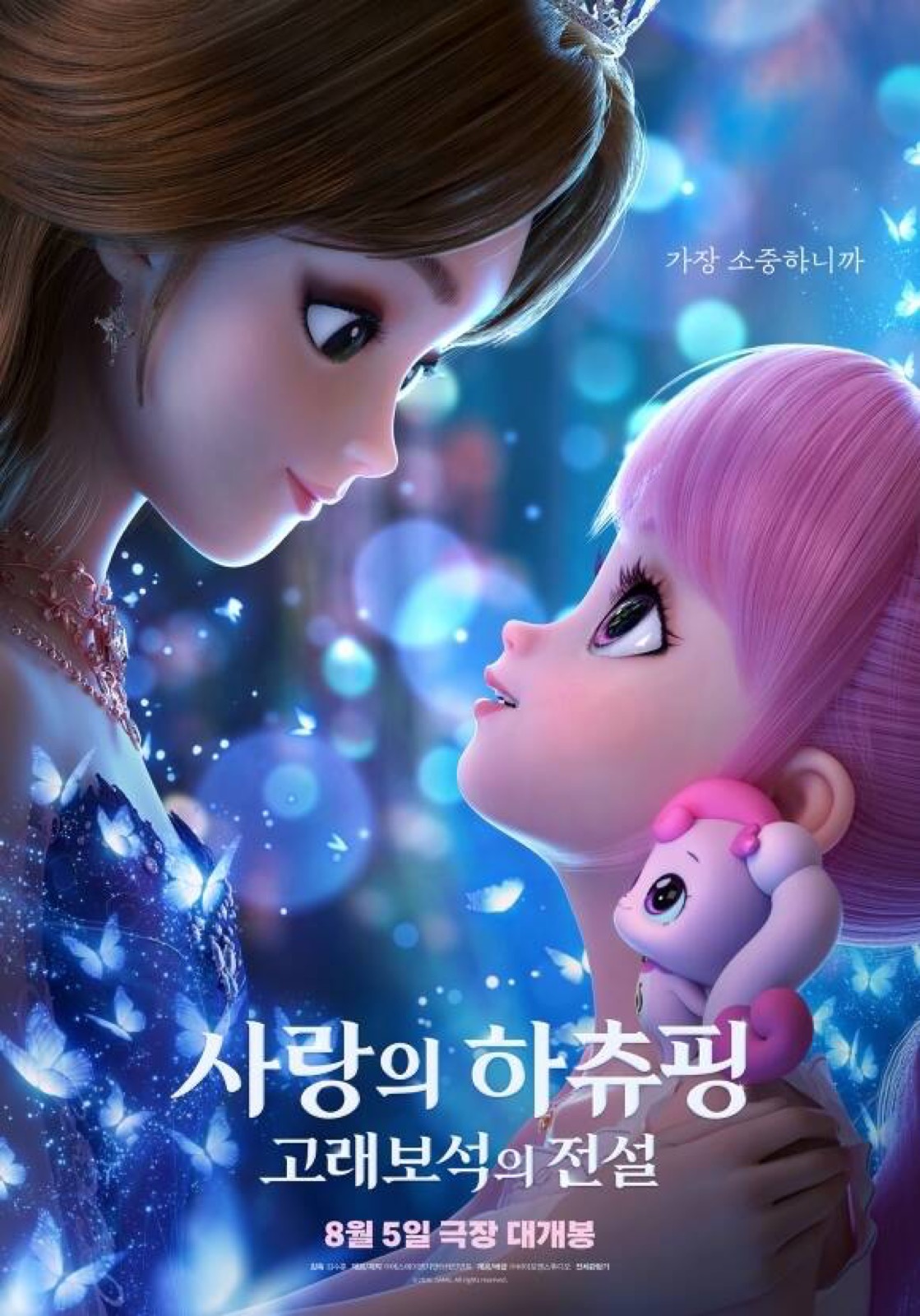
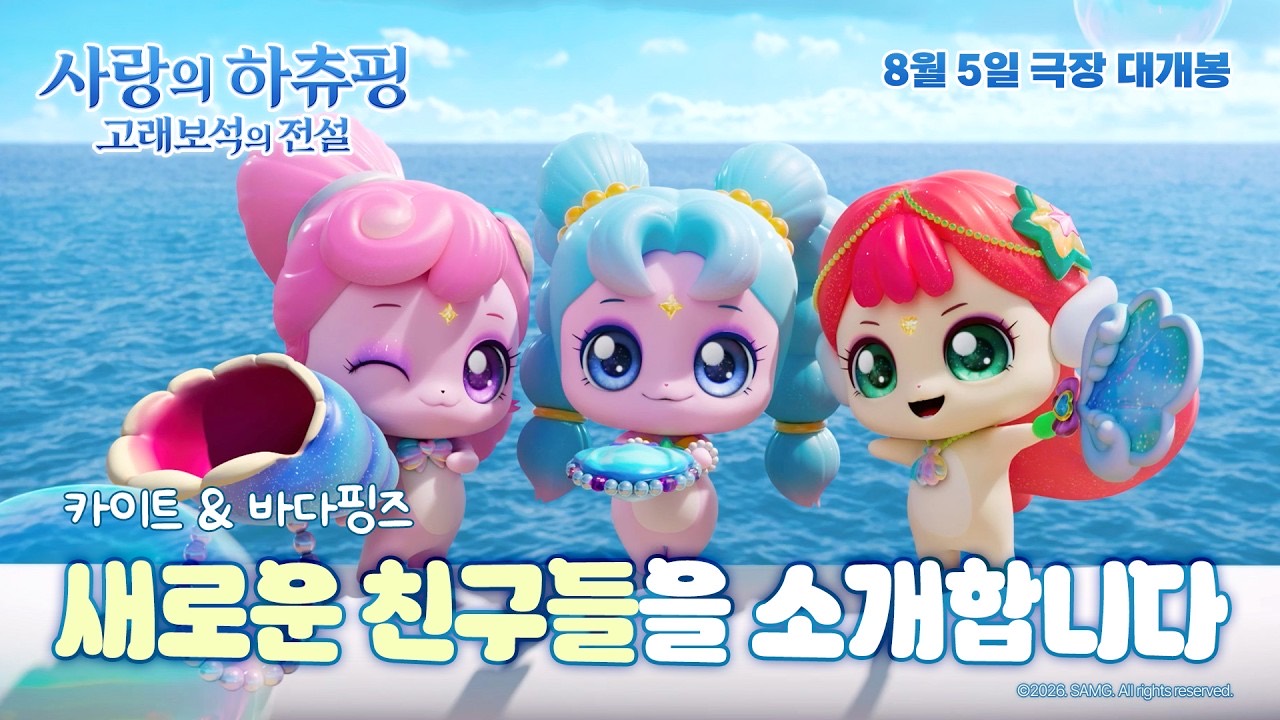
The theatrical animated feature 'Heartsping: Legend of the Whale Gem' opened in cinemas nationwide on 5 August. Morning advance sales alone passed 120,000 tickets on the first day, and it started at number one in reservations. This is the same Teenieping whose first film drew 1.24 million viewers two years ago. Yet the income statement of the company behind these characters stayed in red ink for a long time.
1.Start with the scorecard. Opened 5 August, and by 8am on release day it had 124,422 booked viewers, a 10.4 percent reservation share, number one. The same summer lineup carried the Hollywood epic 'The Odyssey', a retelling of the Trojan War. Among blockbusters aimed at adult tickets, a domestic animated film led by child viewers broke to the top of reservations.
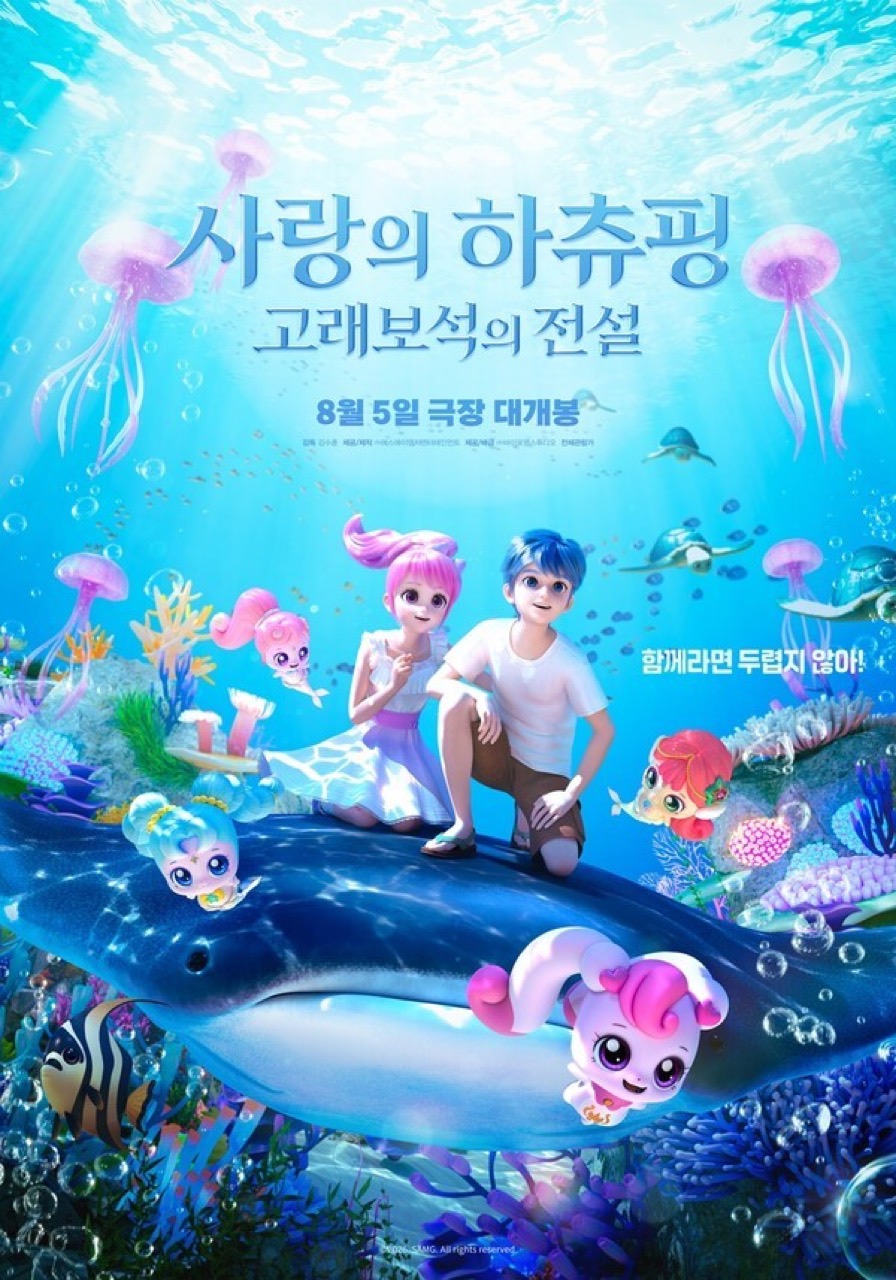
2.The evidence already showed up two years ago. In the summer of 2024 the first film, 'Love of Hatchuping', drew a cumulative 1.24 million viewers. It was the first time in 12 years that a domestic animation passed one million, placing it among the top three Korean animated box office runs. Parents nicknamed it 'Bankruptcy-ping' for emptying their wallets. The new faces in this second film are Kite the sea boy and three Teeniepings: Bangulping, Charangping and Soraping.
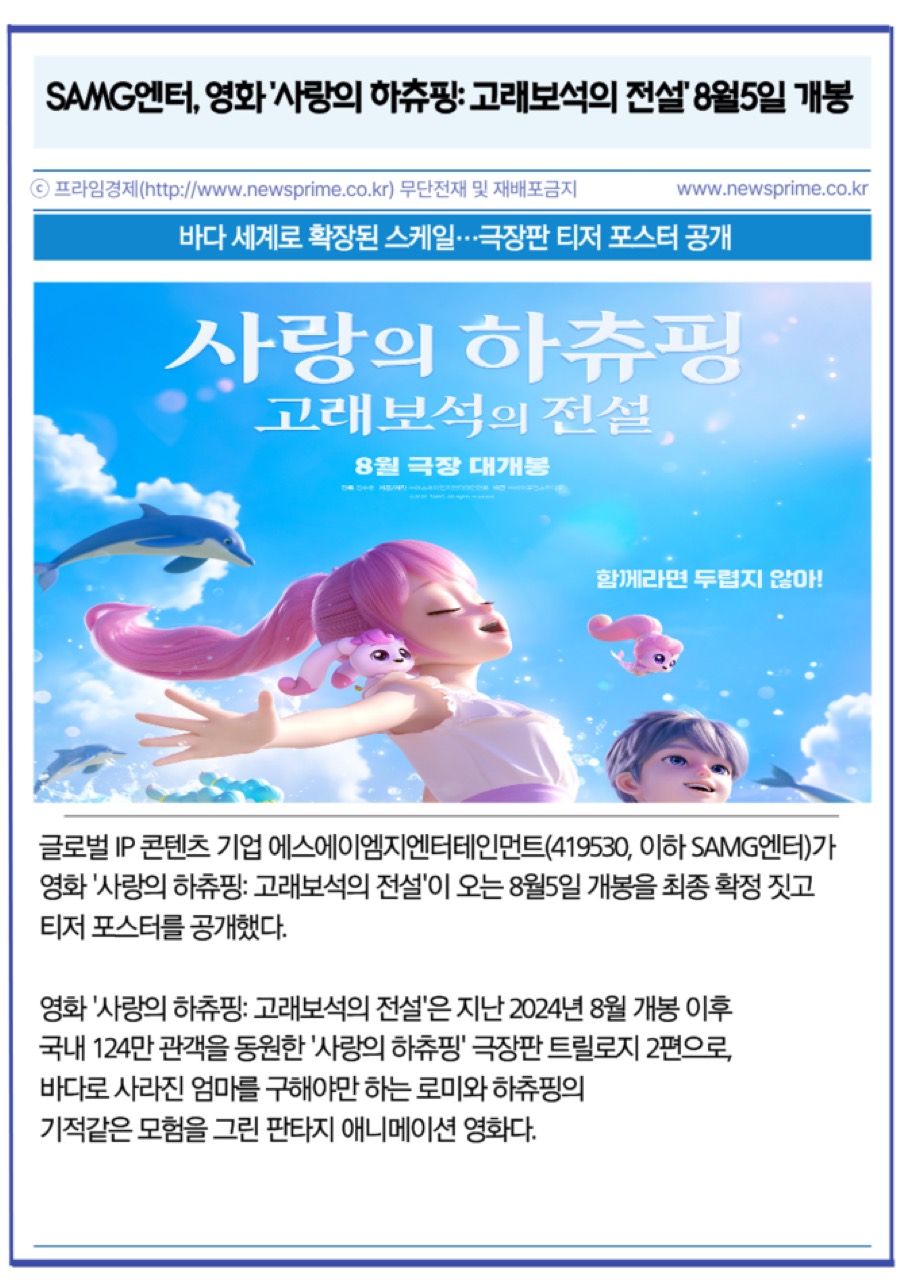
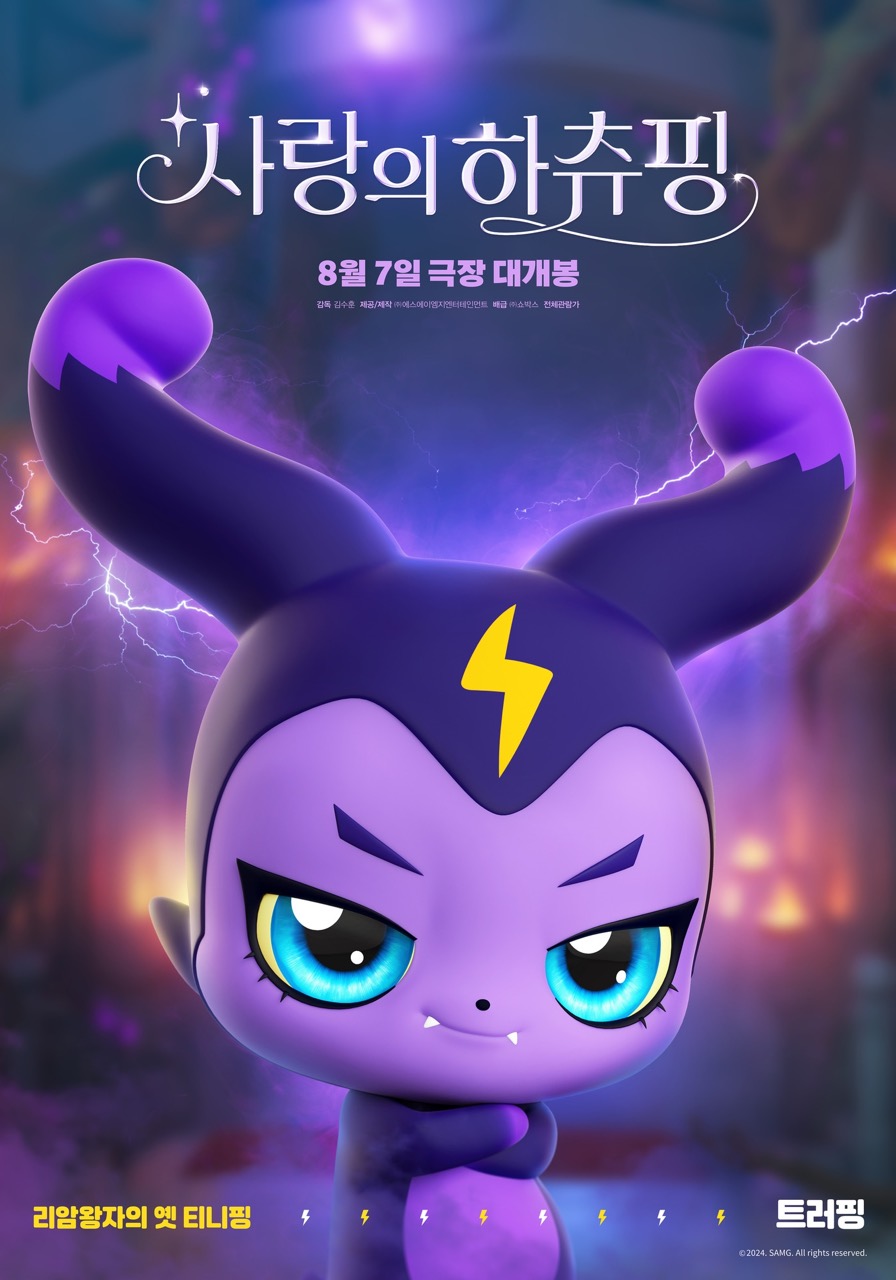
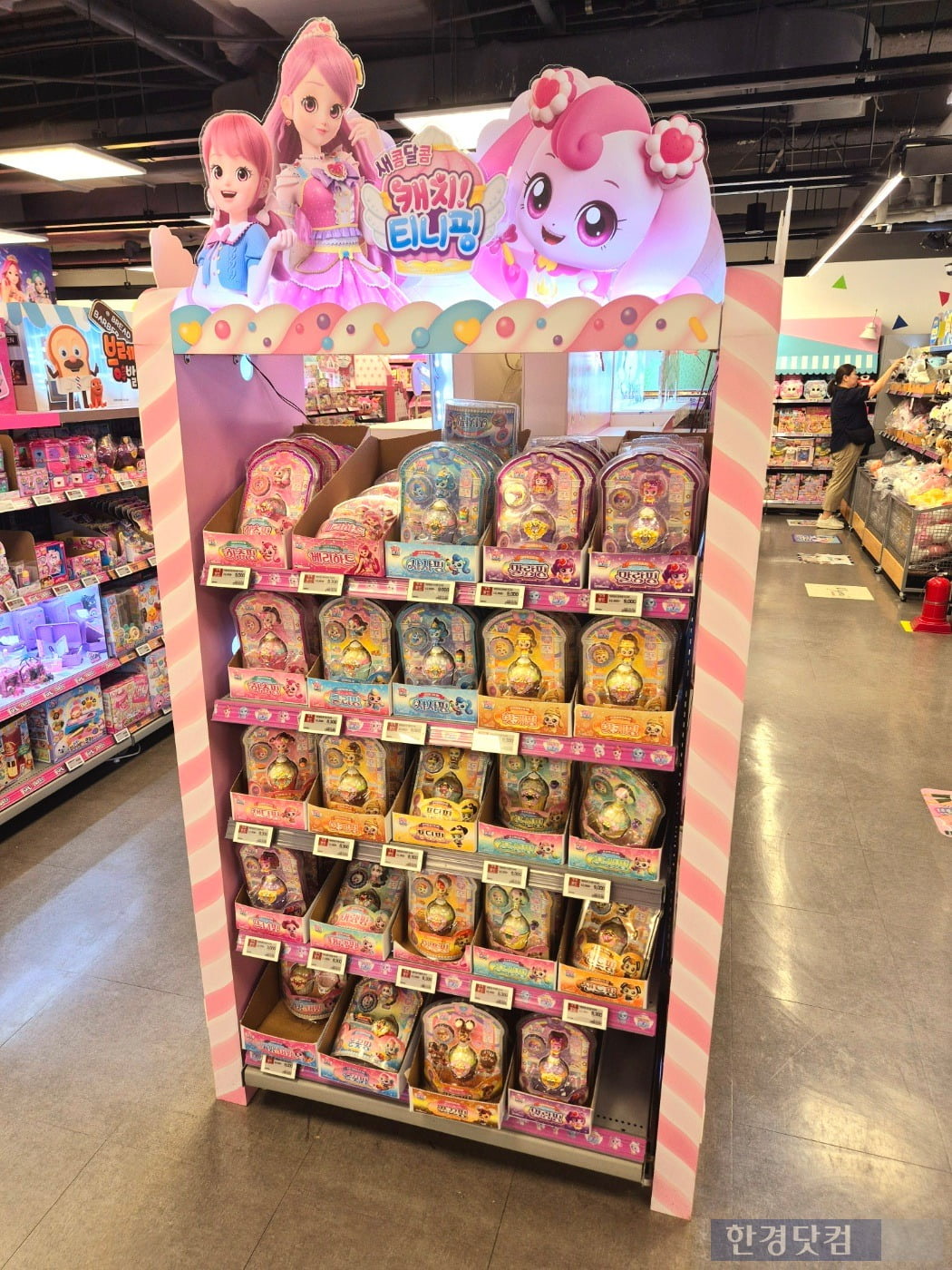
3.It is a 90-minute film and, at the same time, a 90-minute product launch. Kite and the three sea Teeniepings meet the audience on screen first, and the moment you leave the cinema they are waiting on the toy shelf as physical objects. The story runs as a story, and every part of that story is something to sell. Content and product catalogue folded into one reel.
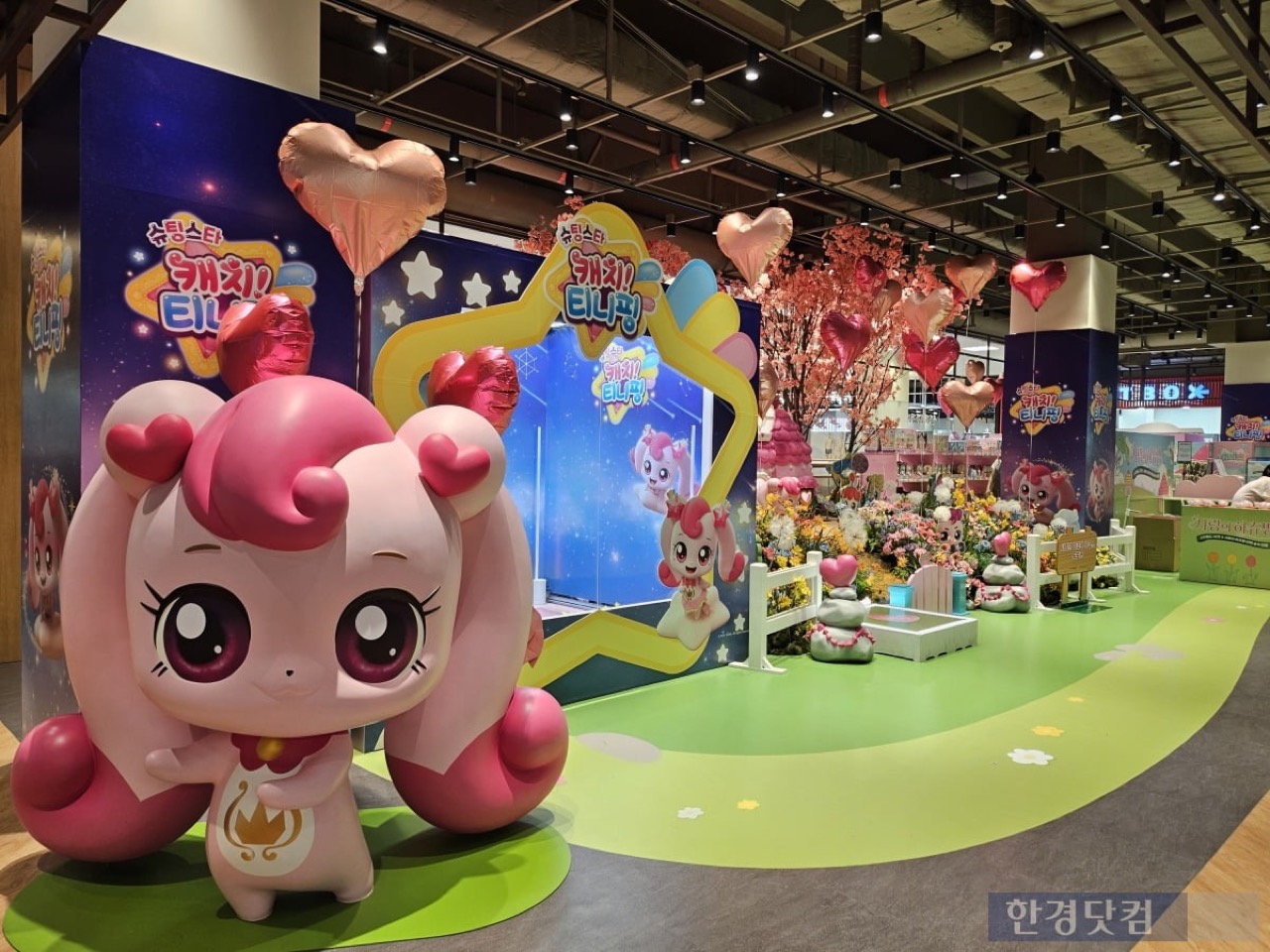
4.Picture the cinema lobby and the structure comes clear. The auditorium doors open and a child walks out. The character that was sparkling on screen a moment ago stands right there on the lobby shelf. The child stops and pulls a parent's hand. That path is design, not accident. The film plants the want, and the lobby takes that want to the till. The 90 minutes that keep a child quiet and the shelf placed where those 90 minutes end move as one set.
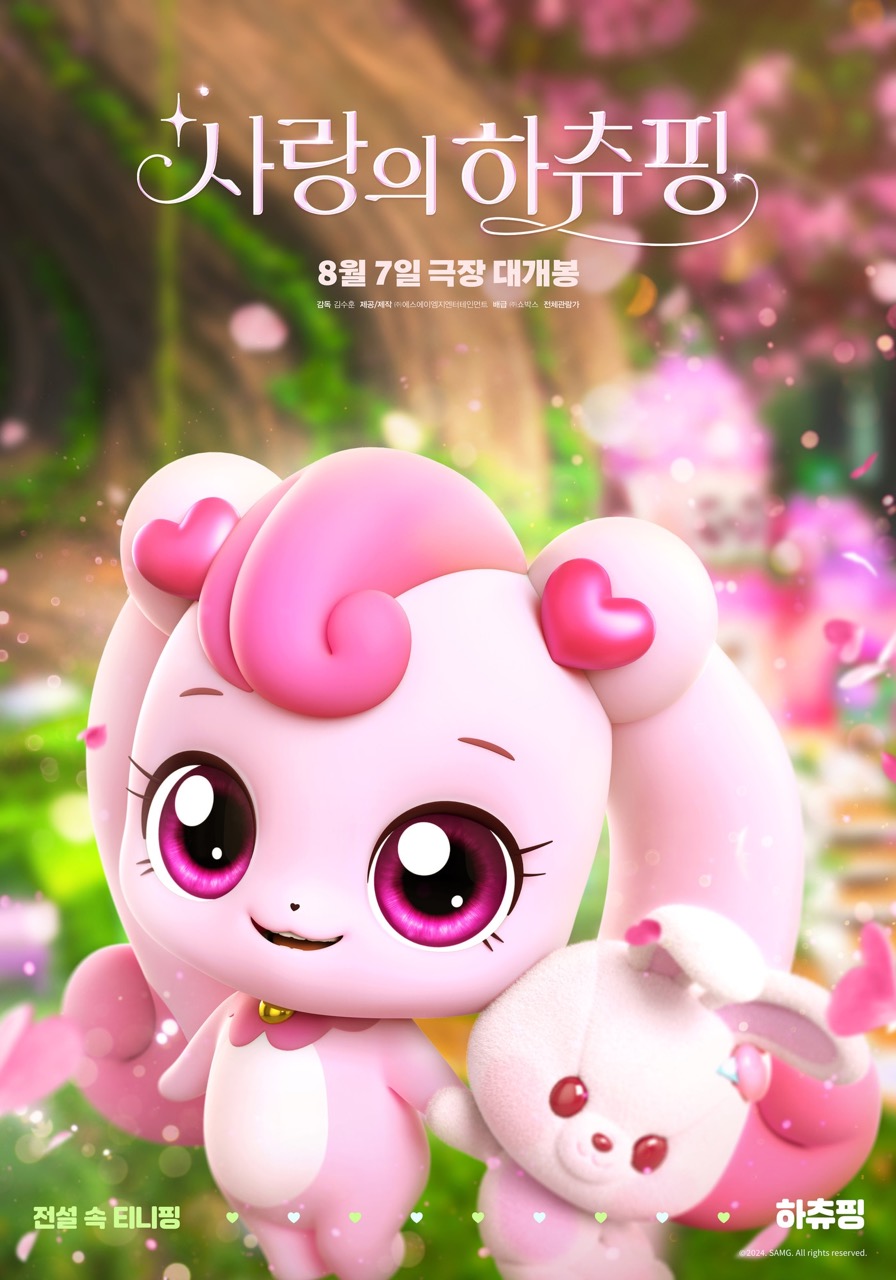
5.Collecting is the grammar of this world. There are more than 140 Teenieping characters. Hatchuping is the Teenieping of love, and the rest each carry a different feeling and role. Buy one and the next one looks missing, by design. The series title itself is 'Catch! Teenieping', an imperative. The gotta-collect-them-all grammar Pokémon completed 30 years ago, laid down again in pink characters named after feelings.
6.So why does this work? What this content sells is not the child's time but the parent's. Over summer break, for a parent who has to hold a child at home, 90 minutes of quiet is a product with a price. Two adult tickets plus a child's ticket costs about what one blockbuster does, and for that stretch the parent sits in air-conditioned darkness and rests. A ticket price gets cheap the moment it converts into an hourly childcare rate.
7.The child's want comes from somewhere else. When a character on screen becomes an object in the hand, the child feels they own the story. Every feeling has a name attached, so wanting love means buying Hatchuping. Once a brand trademarks feelings as characters, wanting that feeling turns straight into a reason to buy. The child is not buying a doll but bringing home a scene from the screen.
8.Now look at where the money turns. The ticket is closer to bait. A children's animation ticket runs about 10,000 won, and once the cinema and the distributor take their share the producer's cut is thin. The real revenue comes from toys. A figure runs 8,000 to 10,000 won, a palace set 50,000, and the collaboration car set with Hyundai retails at 62,500 won. One ticket price barely buys one character, and filling out the world means buying again and again.
표 한 장 vs 완구 한 세트 · 어디서 회수하나
9.Royalties sit next to the toys. That is the fee for lending a character out. Teenieping has reached into retail and food and drink, fashion and games, and physical space. It put out car goods with Hyundai and teamed with the girl group aespa to aim at adult wallets too. Raise one character well and that character earns money riding on somebody else's product. Toys are made and sold directly. Royalties are taken from goods other people make.
10.Here is the turn. The characters sell this well, and the books at SAMG Entertainment, which made them, ran in the red for a long time. The company posted operating losses from 2020, and the losses continued past the September 2023 quarter. Logistics costs from moving to direct distribution rather than selling through other hands, and the payroll and advertising that came with launching offline businesses, ate the profit. Valuation losses on derivatives booked in a single quarter came to 4.7 billion won.
캐릭터는 대박, 손익은 적자 · 왜 갈리나 (개념)
11.So the theatrical release is also a lever for turning the books back. After the first film drew 1.24 million, analysts noted improving cash flow and toy inventory clearing out. Recent quarterly results showed revenue jumping sharply with signs of operating profit turning positive. The film advertises new characters, and that advertising pushes warehouse stock out the door. Ninety minutes of film carry inventory out of storage. A product launch and a clearance floor at once.
12.The ground this model stands on is familiar. Building a world out of characters and selling pieces of that world as toys is a path Pokémon and Disney laid decades ahead. The film is the advertisement and the toys are the revenue, the story is the free sample and the goods are the product. It has been rare for a Korean character to digest that grammar as its own and run box office and toy shelf together. Teenieping is one of the few names in that column.
13.The shadow came with it. Where did Disney make the big money? Not at the toy factory but at the licensing window that lends characters out. The maker carries cost, inventory and logistics. The lender takes a fee without risk. The gap between a hit character and a company in the red sits exactly there. The money in an IP business comes less from the hands that make the object than from the right to put a name on it.

14.One theatrical feature opened at number one in reservations, and its older sibling drew 1.24 million two years ago. Yet the ledger of the company that made those characters stayed red for a long time, because the distribution cost of selling the toys itself covered over what the toys earned. When a business is built on one character, the first thing that catches is not whether the character takes off. It is who makes and who sells the object afterwards, and which part of that route you hold. Content shines at the front, and the profit is decided in the logistics behind it.