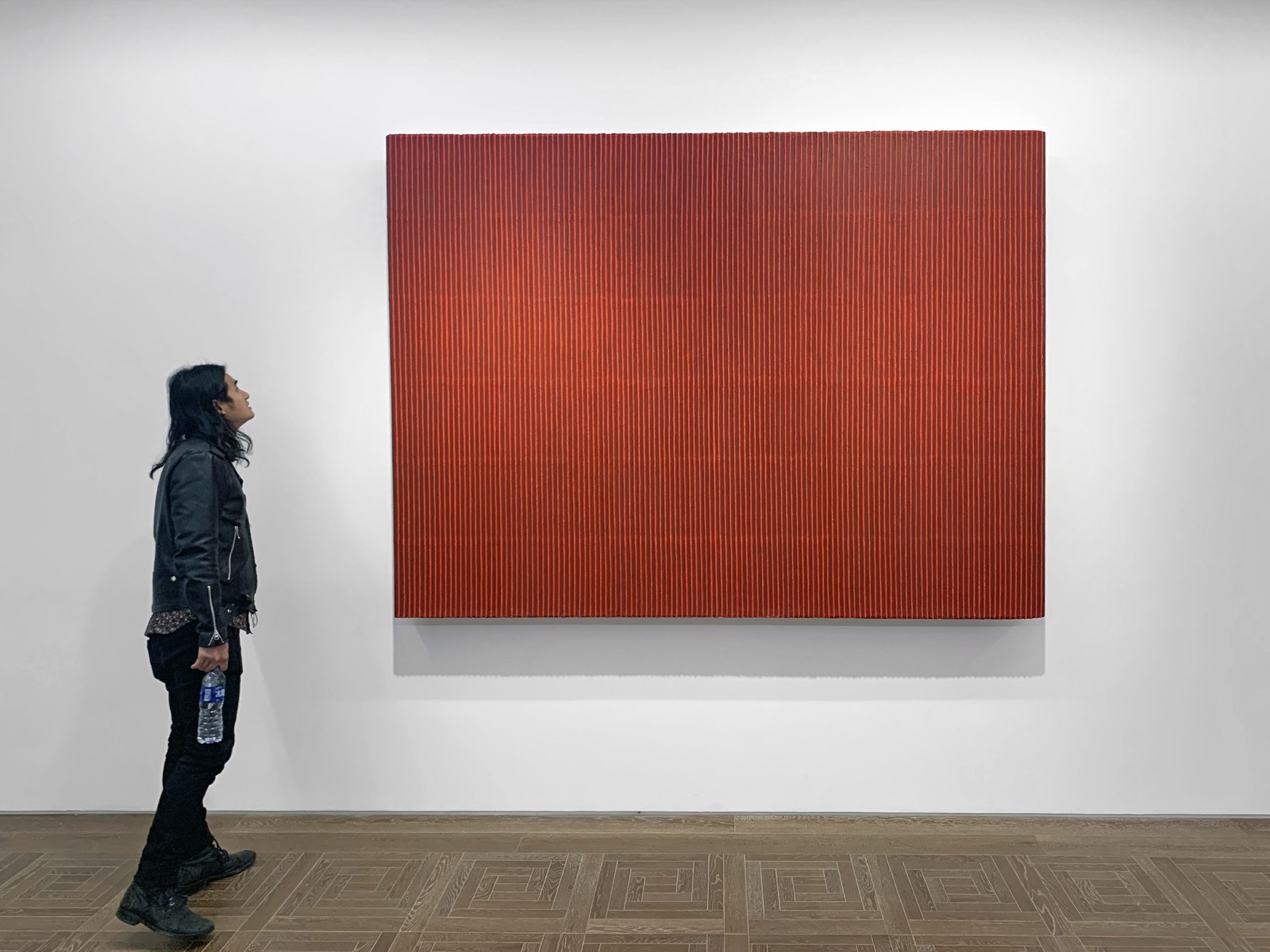
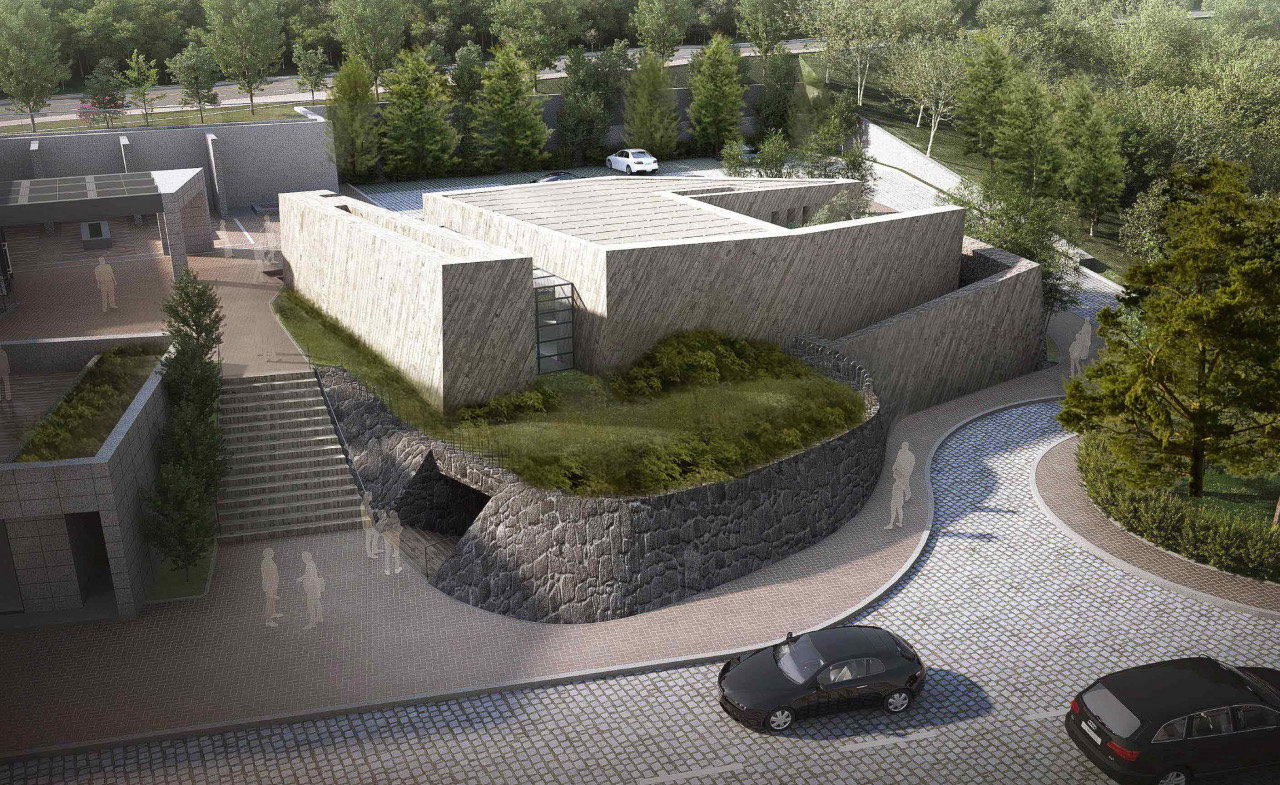
On August 21, Park Seobo Museum Seoul opens on a back lane in Yeonhui-dong, Seodaemun-gu, Seoul. Five floors, two below grade and three above, designed by Choi Moongyu, the architect behind Ssamziegil and the Kansong Art Museum Daegu. What the museum stands on is 3,000 works that Park Seo-bo (1931-2023) donated to a foundation. Multiplying 3,000 works by market prices does not work as arithmetic, and that failure is close to the reason this museum exists at all.
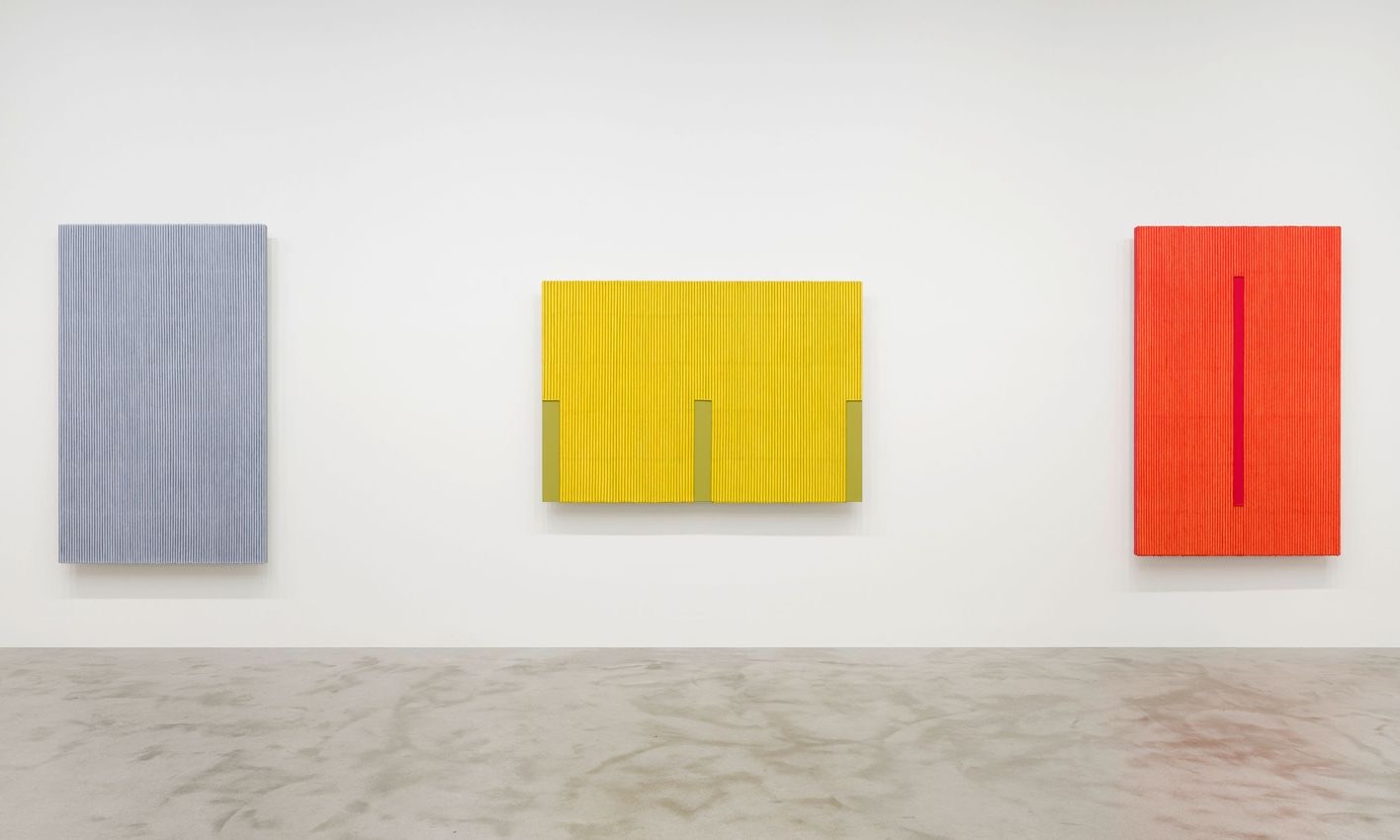
1.Doors open August 21. The address is Yeonhui-ro 24-gil, Seodaemun-gu, Seoul. The inaugural show, Park Seo-bo and Huong Dodinh: Emptiness, That Fullness, runs through December 31. Huong Dodinh was born in Vietnam and worked in France, and the two artists are said to have known each other. Opening with a two-person show rather than a solo is itself notice that this will not be run as a memorial hall.
2.The recipient is the Park Seobo Foundation, set up in 2019 as the Giji Foundation and renamed in March 2023. Its chairman is Park Seungho, the artist's second son. The museum site also sits in the neighborhood where the foundation already put down roots, within walking distance of its own building.
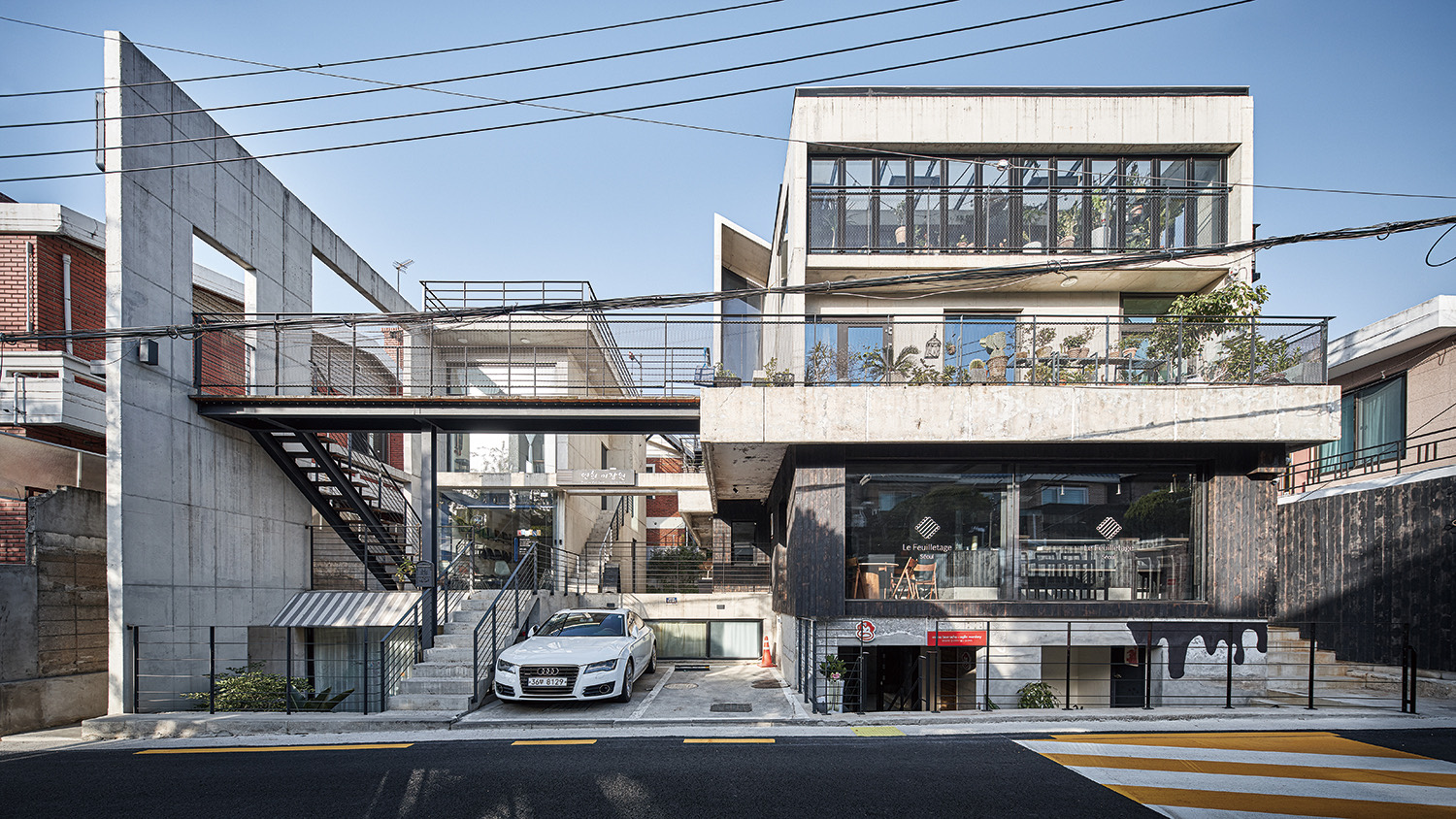
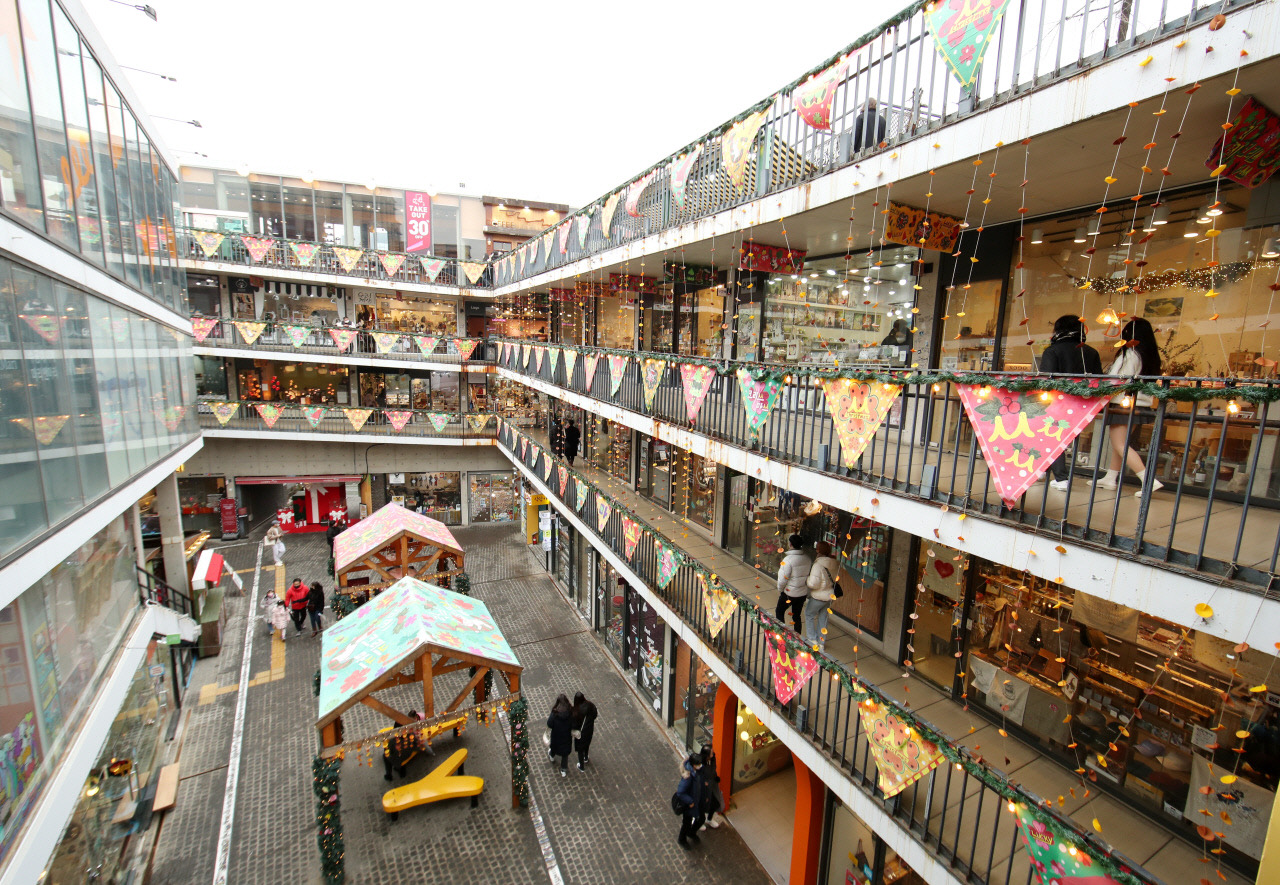
3.Choi Moongyu drew Ssamziegil in Insa-dong, the Hyundai Card Music Library, and the Kansong Art Museum Daegu. All three blur the line between street and building. This time he says he aimed for "a space that holds the artwork properly rather than putting architecture first." Natural materials form the base palette.
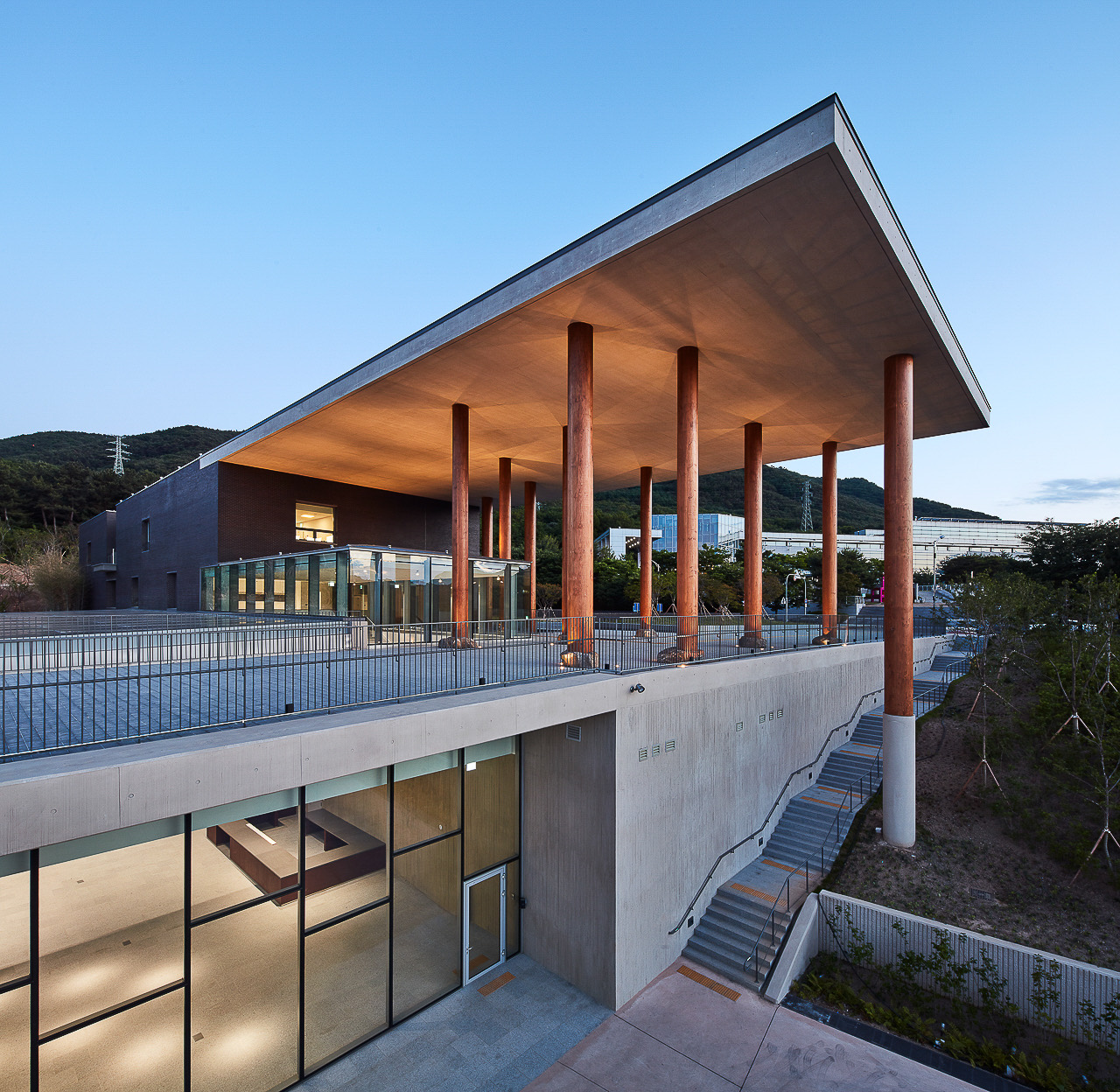
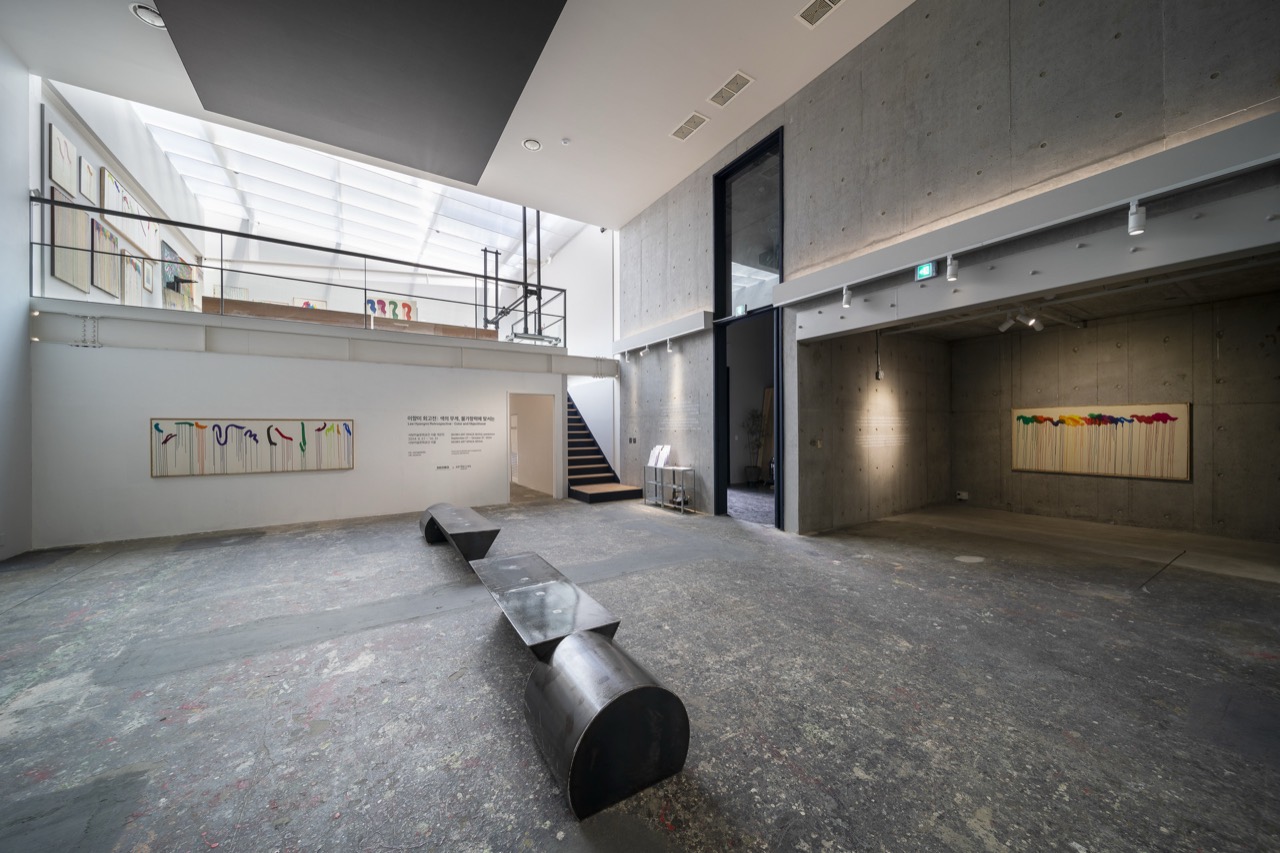
4.Three floors carry paintings. The second basement is a gallery with a garden, the second floor a black box sealed against daylight, the third floor a cube eight meters on each side. Its walls use U-glass, and beyond them Ansan and the city blur into outline. Light comes in below, gets cut off on the second floor, then returns as a haze on the third. For monochrome painting, where nothing survives but the surface, the amount of light is a condition of the work.
다섯 개 층, 전시는 세 개 층
5.The building is pulled 4 to 5 meters back from the lane, and that strip becomes a pedestrian path. Park Seungho spoke of wanting "somewhere anyone can breathe easily, like a neighborhood bathhouse or a Roman forum." Giving up a front yard on a tight residential block means cutting your own buildable area. People stand on ground someone paid for.
6.Park's auction record came in October 2023 at Sotheby's Hong Kong. Ecriture No.37-75-76 took 2.6 million dollars, roughly 3.5 billion won. The domestic record is a 200-size pencil Ecriture at Seoul Auction in October 2021, 1.2 billion won. During the Dansaekhwa boom of 2015 a 100-size canvas traded around 400 million won, so within a decade this artist's paintings moved into a different tier of the market.
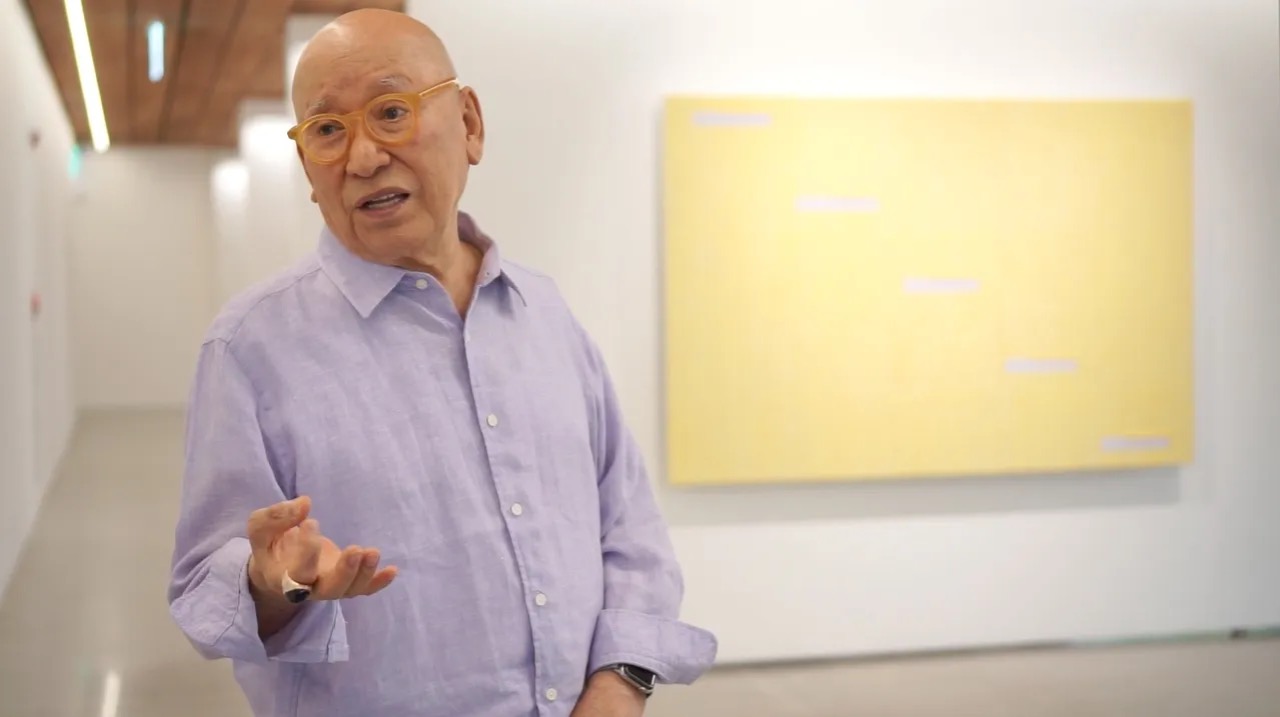
7.So what are 3,000 works worth. The multiplication does not hold. Drawings, prints and small pieces sit inside that count, and they cannot carry the prices set by the large canvases that made the records. There is a second reason. Release that volume onto the market and the price collapses.
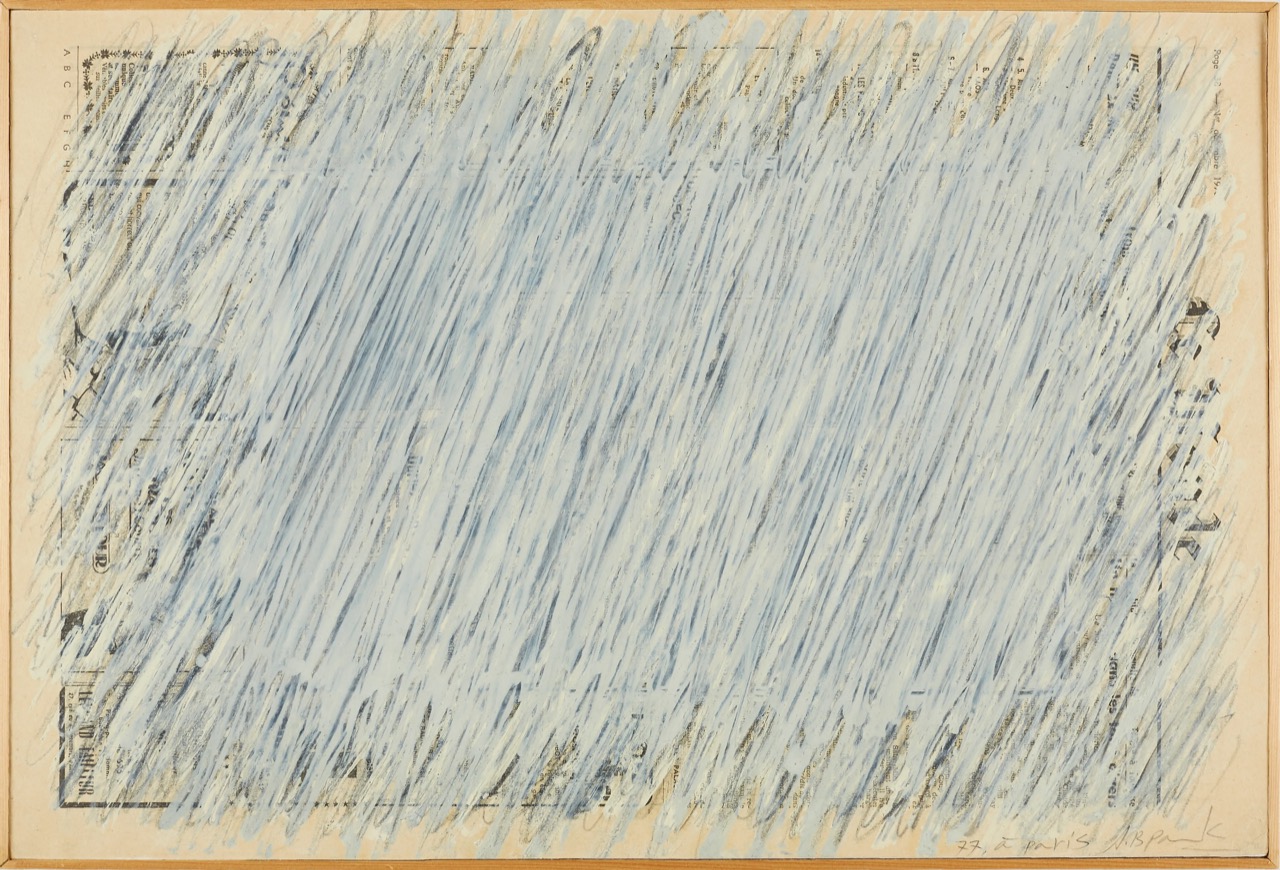
8.The collapse has shown itself once already. A month after the artist died in October 2023, K Auction put six Park Seo-bo works into its November sale and Seoul Auction listed seven that same month. The two houses went head to head over one artist, and the market watched in real time what happens when heirs, collectors and galleries all reach for the same window.
박서보 낙찰가가 올라온 자리
9.A donation therefore does more than move ownership. Locking 3,000 works into a foundation collection takes that volume out of the market and preserves the scarcity of everything still outside it. It also eases the pressure on heirs to dump paintings to raise tax money. The museum shows paintings and holds a price line at the same time.
10.Then where does the operating budget come from. Not from tickets. Put admission at 10,000 won, assume 200 visitors a day, and the month still lands under 60 million won. Curatorial staff, insurance and climate control running year round cost more than that.
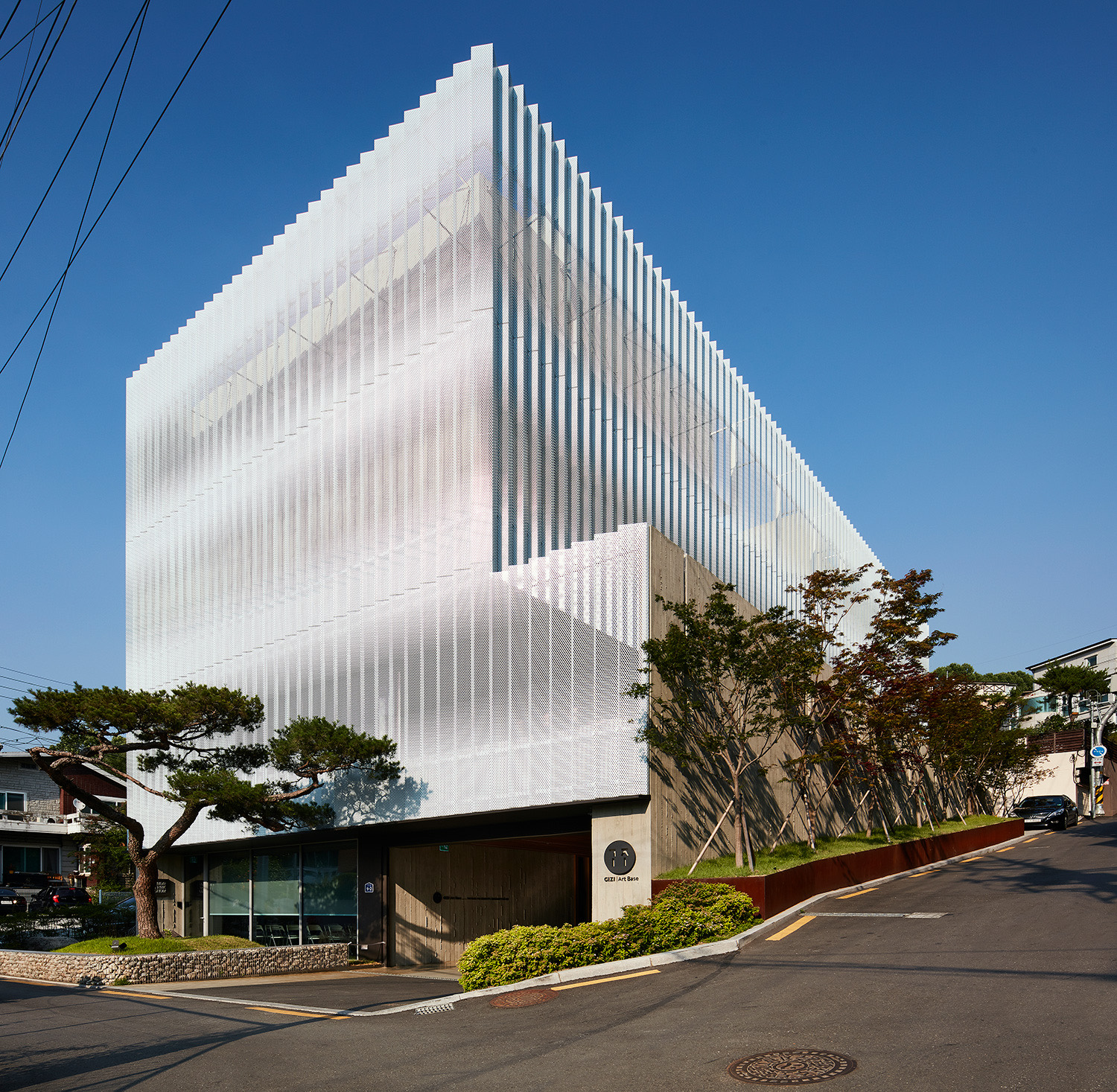
11.The answer sits in the foundation's own building. In Yeonhui-dong it occupies a 773-square-meter site with 1,997 square meters of floor area across two basement and four upper levels, designed by Cho Byoungsoo. The skin is perforated aluminum with hole sizes that shift across the facade. Inside are commercial space, offices and several residential units, and the foundation says it opens free on Wednesdays at 2 p.m. by reservation. The museum spends what this building earns.
12.Nearly every private museum stands on this frame. The floors that hang paintings earn nothing, and rental or retail space on the same lot or next door feeds them. The paintings themselves are the asset, worth more unsold, so there is little reason to chase revenue. Low or free admission at private museums is not generosity.
13.One thing tends to confuse people. Two foundations carry Park Seo-bo's name. The Seobo Art and Culture Foundation, founded in 1994, converted his old studio in Seongsan-dong, Mapo-gu into Seobo Art Space Seoul, and in July 2024 it opened Seobo Art Space Jeju in the Jeoji artist village. The Yeonhui-dong museum belongs to the Park Seobo Foundation, founded in 2019.
14.Jeju held another plan. In March 2023 a Park Seo-bo museum broke ground on the JW Marriott Jeju site in Seogwipo. A 12,137-square-meter lot, 11,571 square meters of floor area, 900 of it gallery. Fernando Menis, known for the CKK Jordanki concert hall in Poland, was the architect, and summer 2024 was the target. Around the same time local press reported that the museum planned for his hometown of Yecheon had been abandoned. Those two files sit behind the fact that five floors in Yeonhui-dong finished first.
15.A five-floor museum rises in a Yeonhui-dong lane, and what hangs inside is a fraction of the 3,000 works one artist left behind. The rest stays tied up in the foundation, unshown, holding the price of everything outside. Anyone trying this in Korea hits storage first. A wall to hang paintings on is not hard to build, but a room that keeps temperature and humidity steady all year costs more per pyeong than the gallery itself and keeps drawing power after completion. You are building a facility where not showing the work costs more than showing it.