The Tokyo National Museum has replaced all three of its in-house dining venues at once. Two opened on August 28. The last one opens on September 30, with 16 seats and a single course. The price is 35,000 yen. The building that room sits in is a storehouse for national treasures and a winner of the Architectural Institute of Japan Prize.
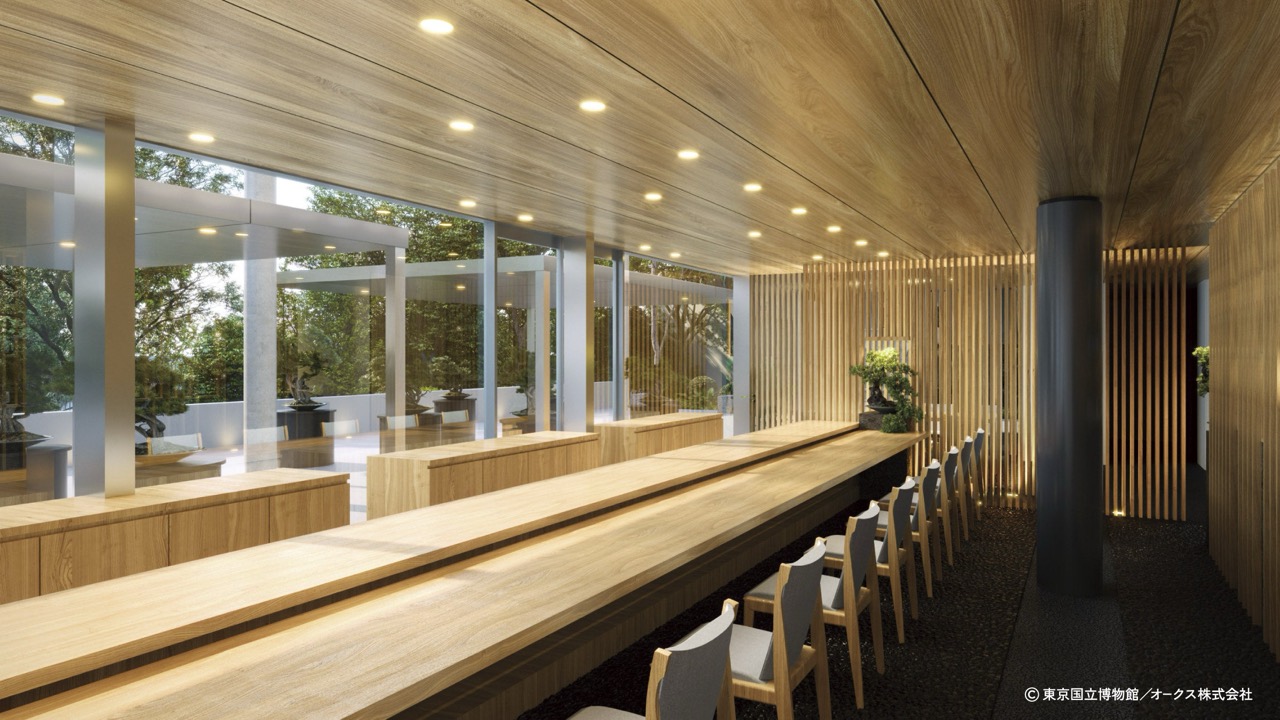
1.On Wednesday, September 30, the Tokyo National Museum opens Sushi Kaiseki Okuno on the first floor of the Gallery of Horyuji Treasures. Eight counter seats, plus a private room holding another eight. There is one course only, at 35,000 yen, and dinner requires a reservation. Lunch runs from 11:00 to 2:00 in the afternoon.
2.Another venue opened first, on August 28, on the first floor of the Toyokan annex on the same grounds. It is called THE RESTAURANT Tokyo National Museum. Ninety-four seats indoors, with 44 more on the terrace. Rika Yukimasa supervised the menu.
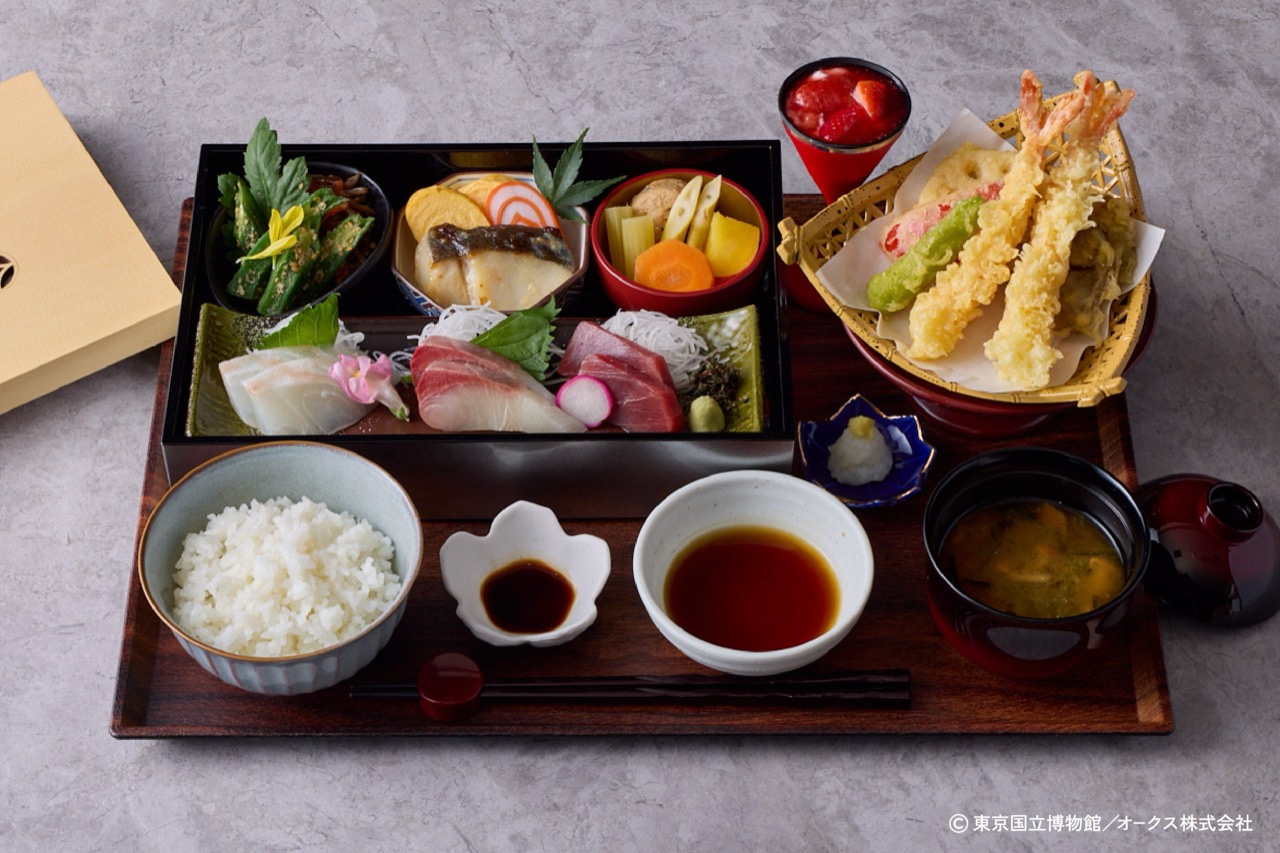
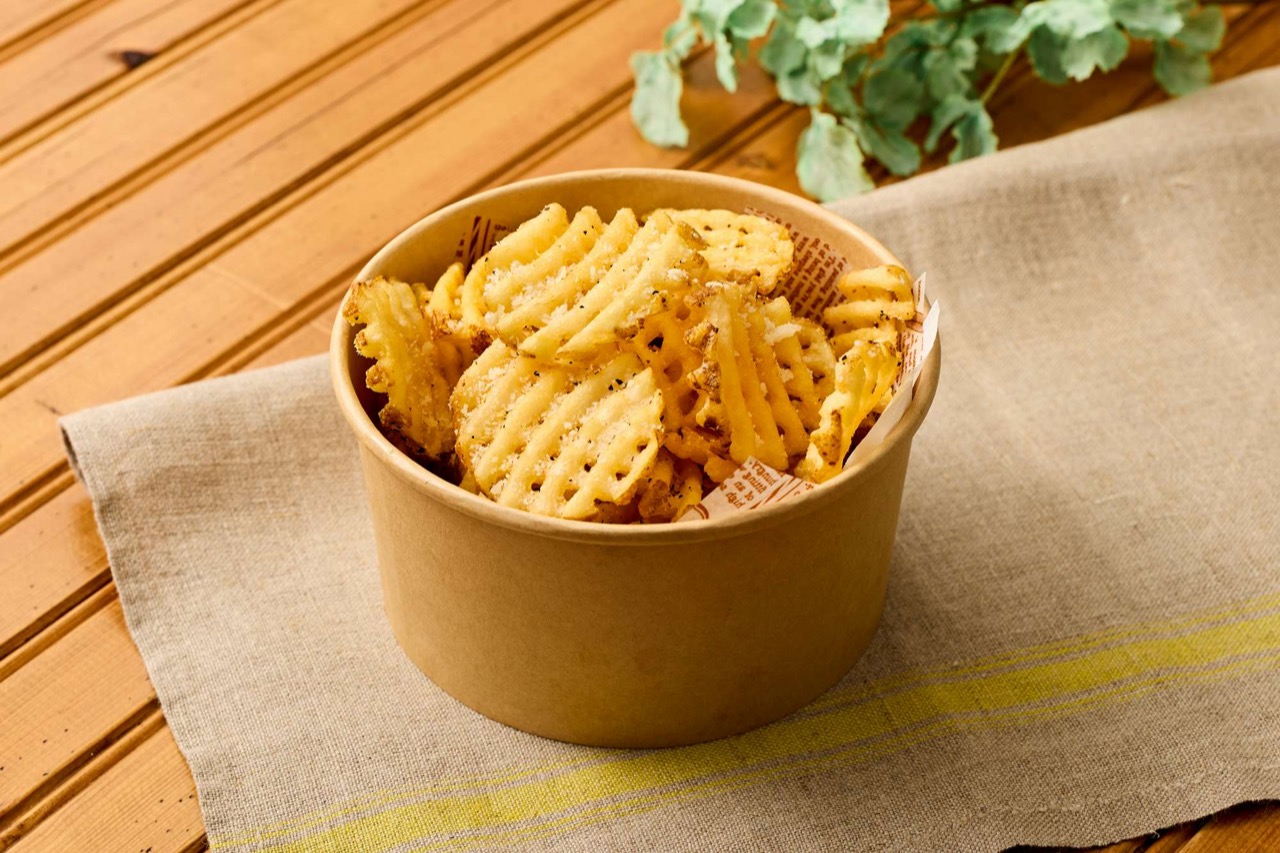
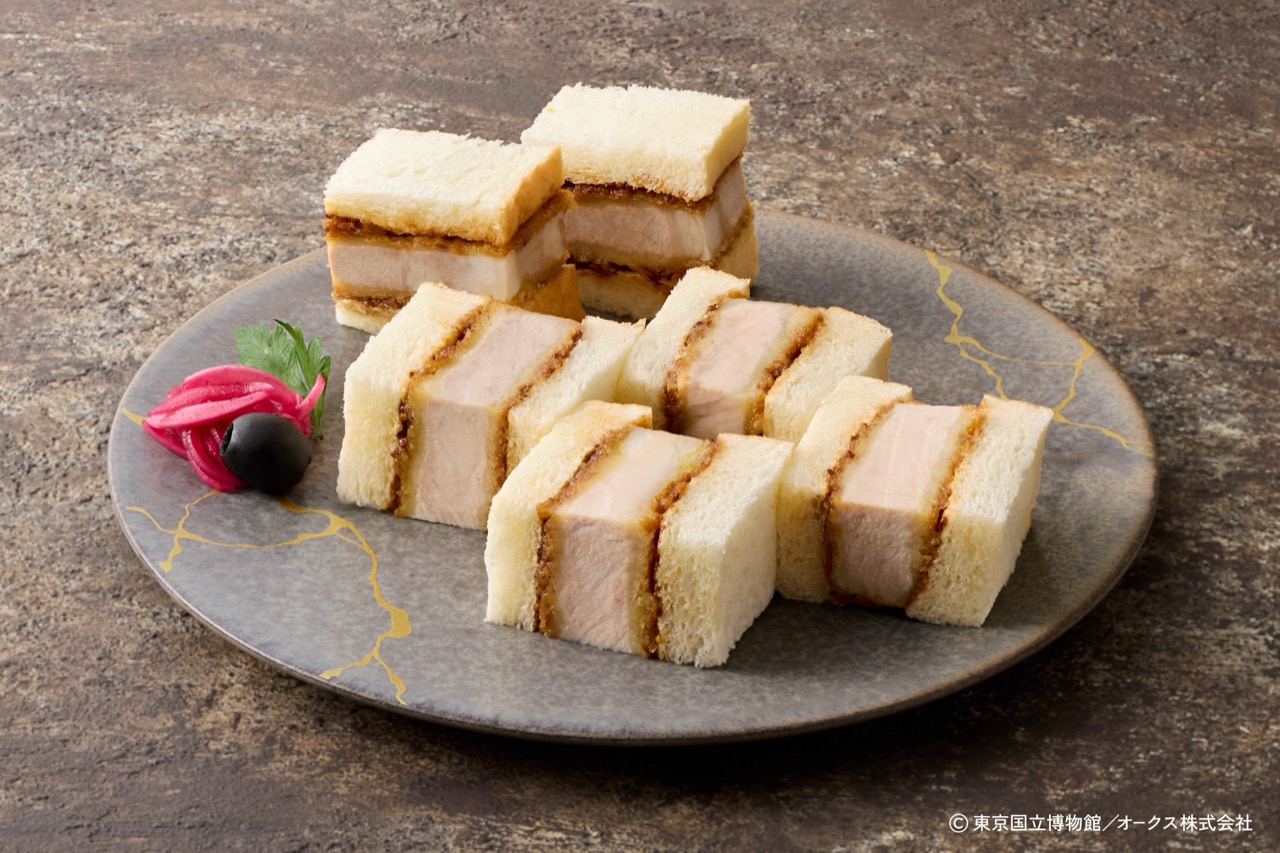
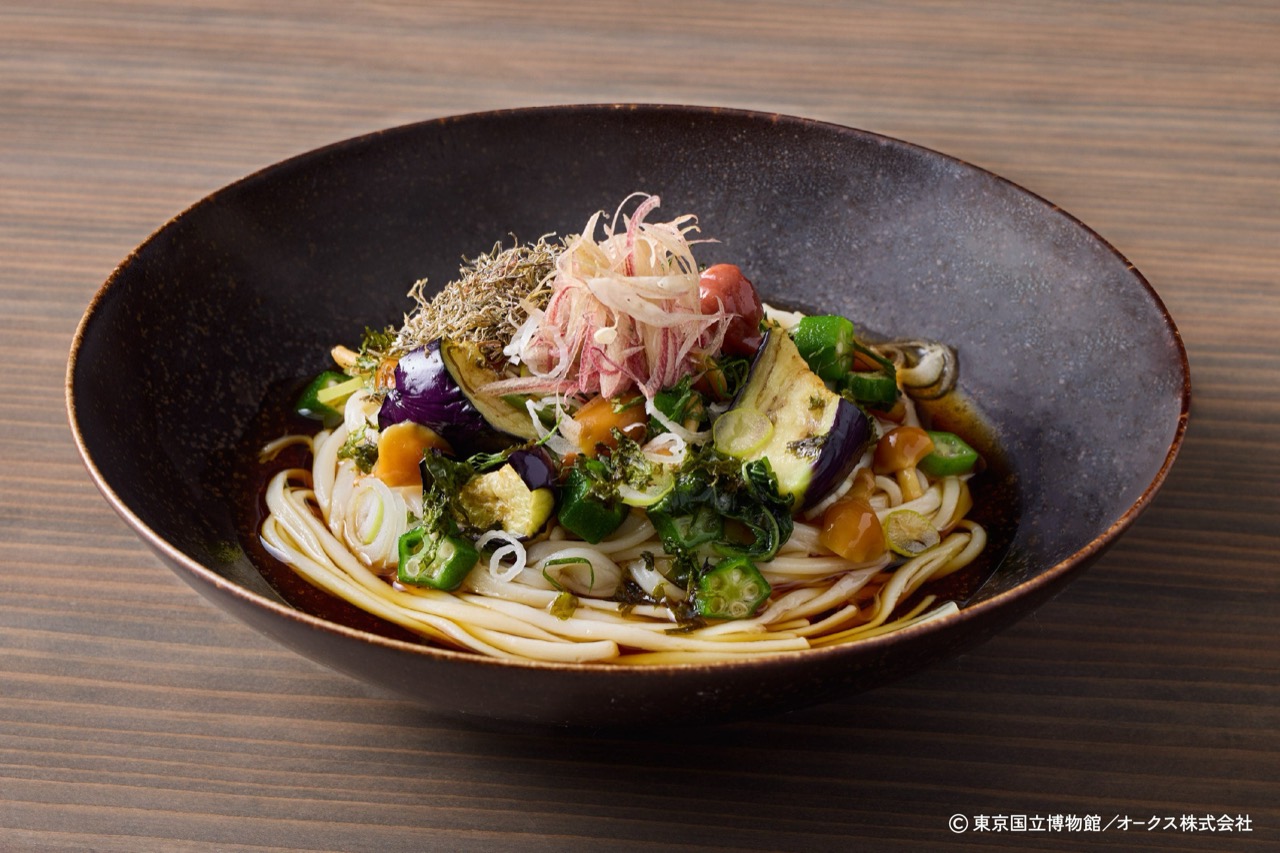
3.Prices here sit an order of magnitude lower. Tohaku Gozen at 3,800 yen, katsu sando at 1,500. The Garden Cafe on the terrace out front sells truffle fries for 700 yen. Inside one set of grounds, the cost of a meal spreads from 700 yen to 35,000, and it is hard to name another museum holding that range behind a single wall.
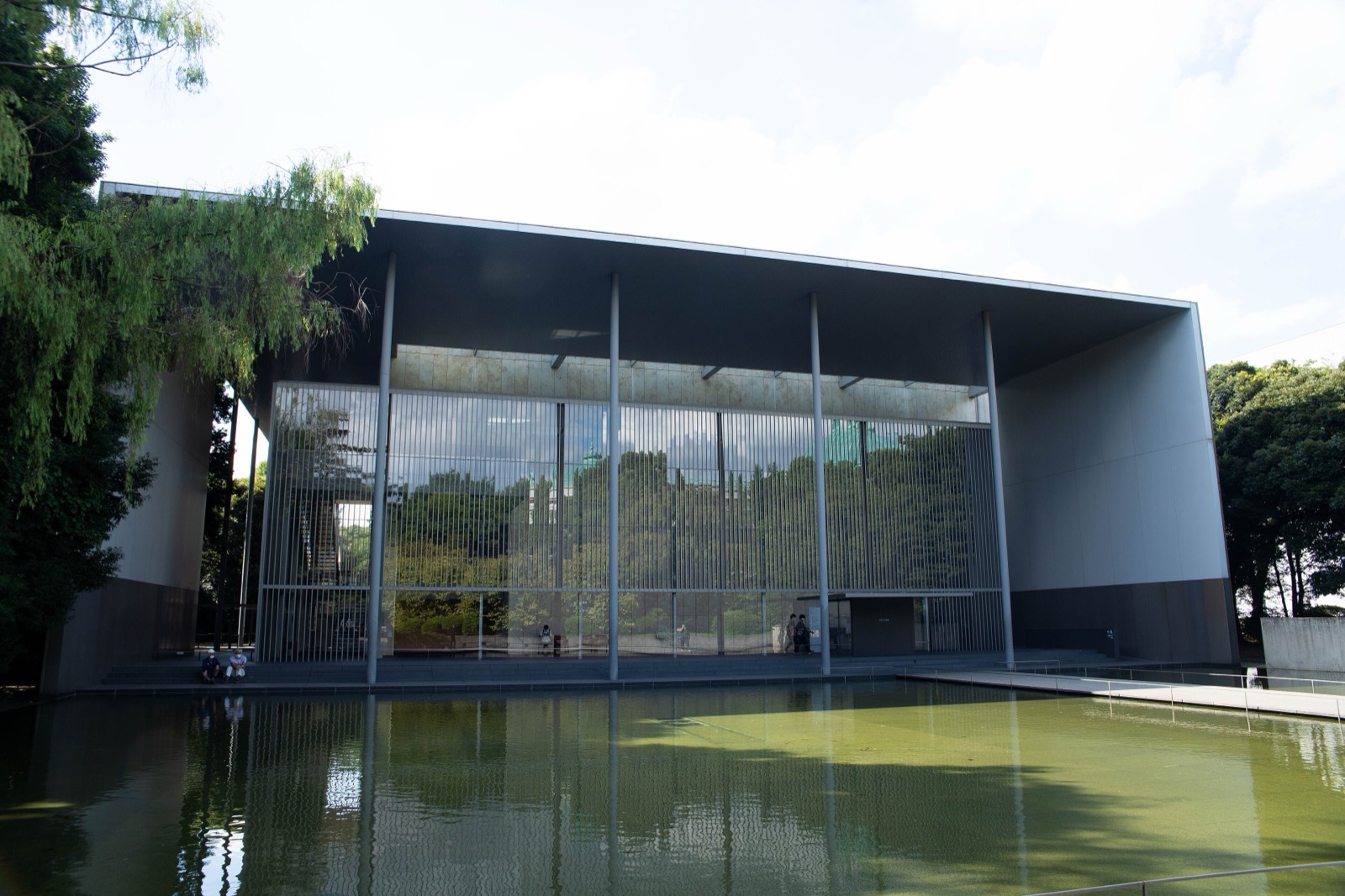
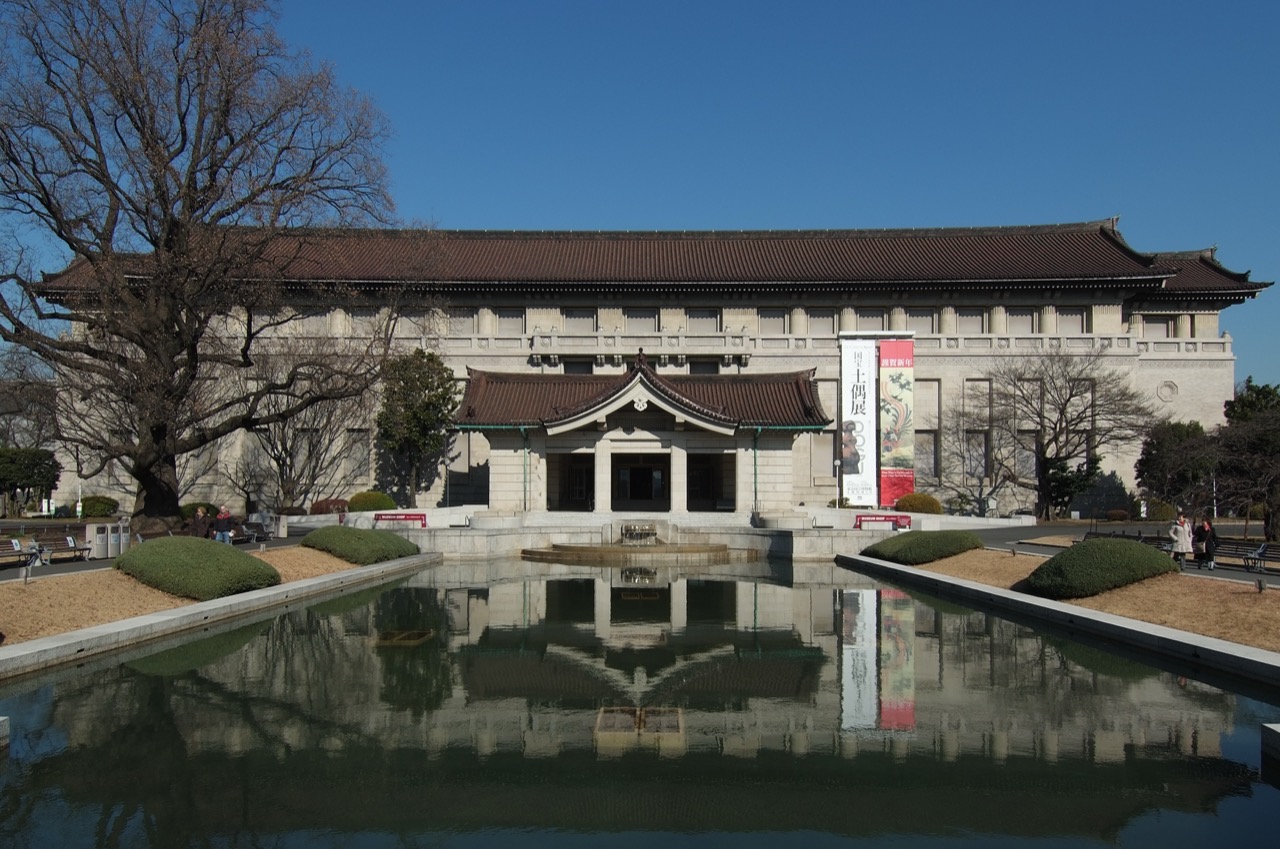
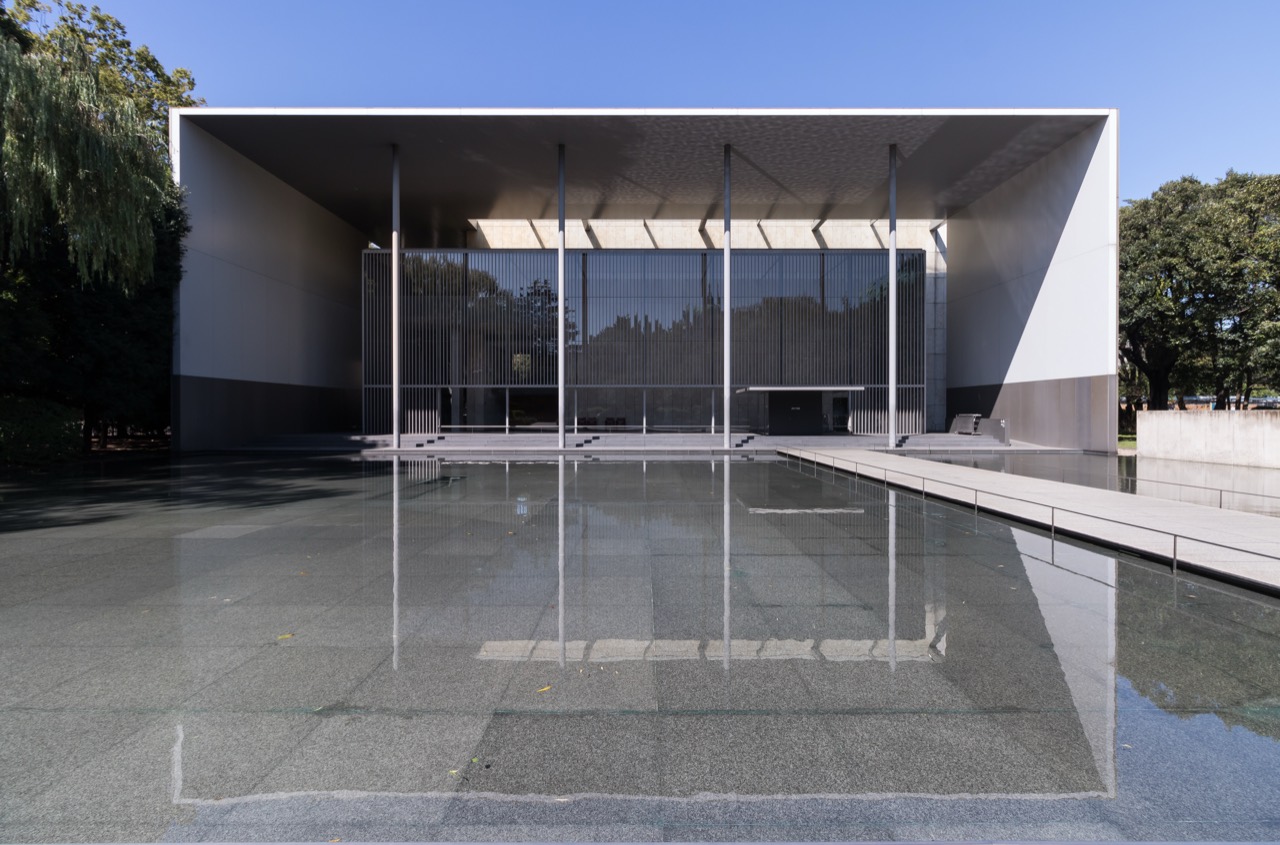
4.The building Okuno moves into was designed by Yoshio Taniguchi and opened in 1999. A shallow pool lies in front, and the slender columns and glass wall settle into the water. It won the Architectural Institute of Japan Prize for 2001, and the same architect went on to design the Museum of Modern Art expansion in New York.
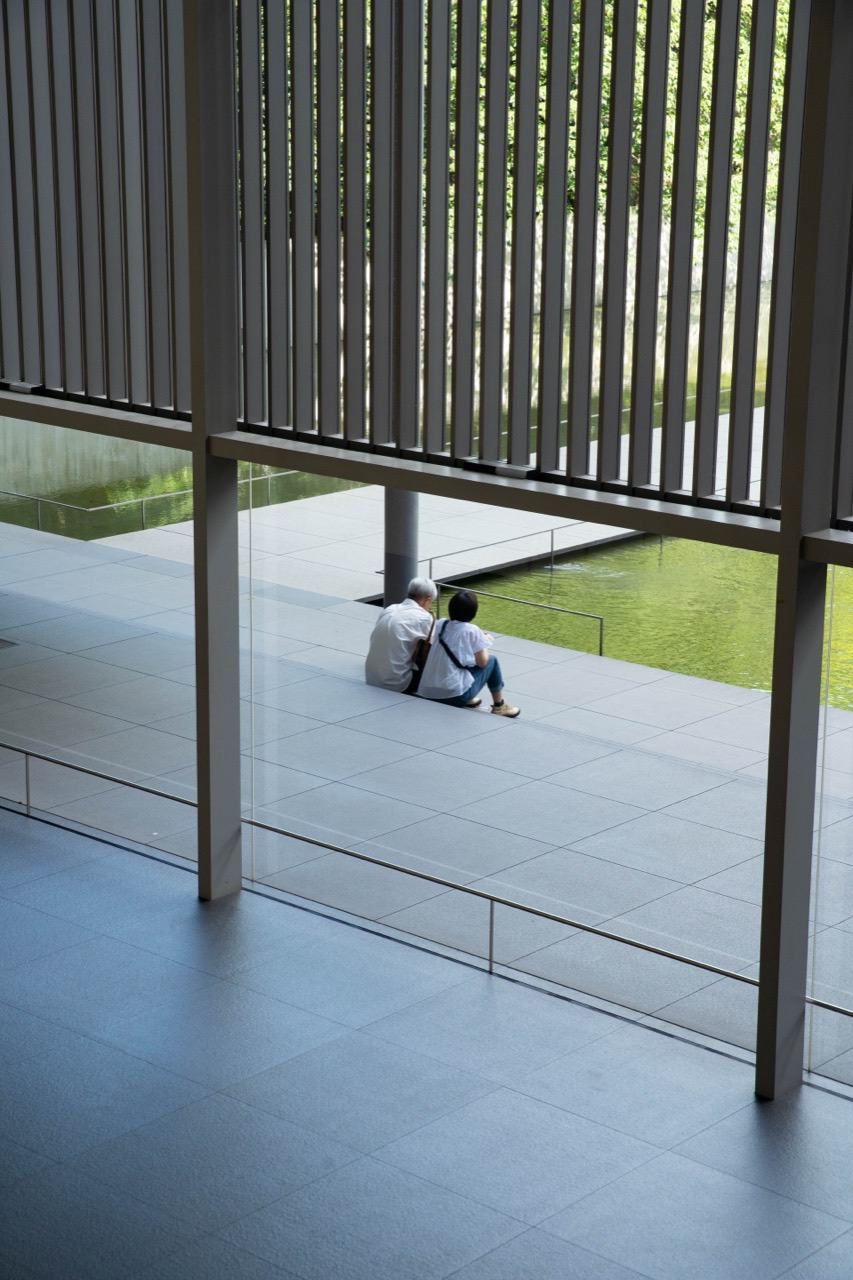
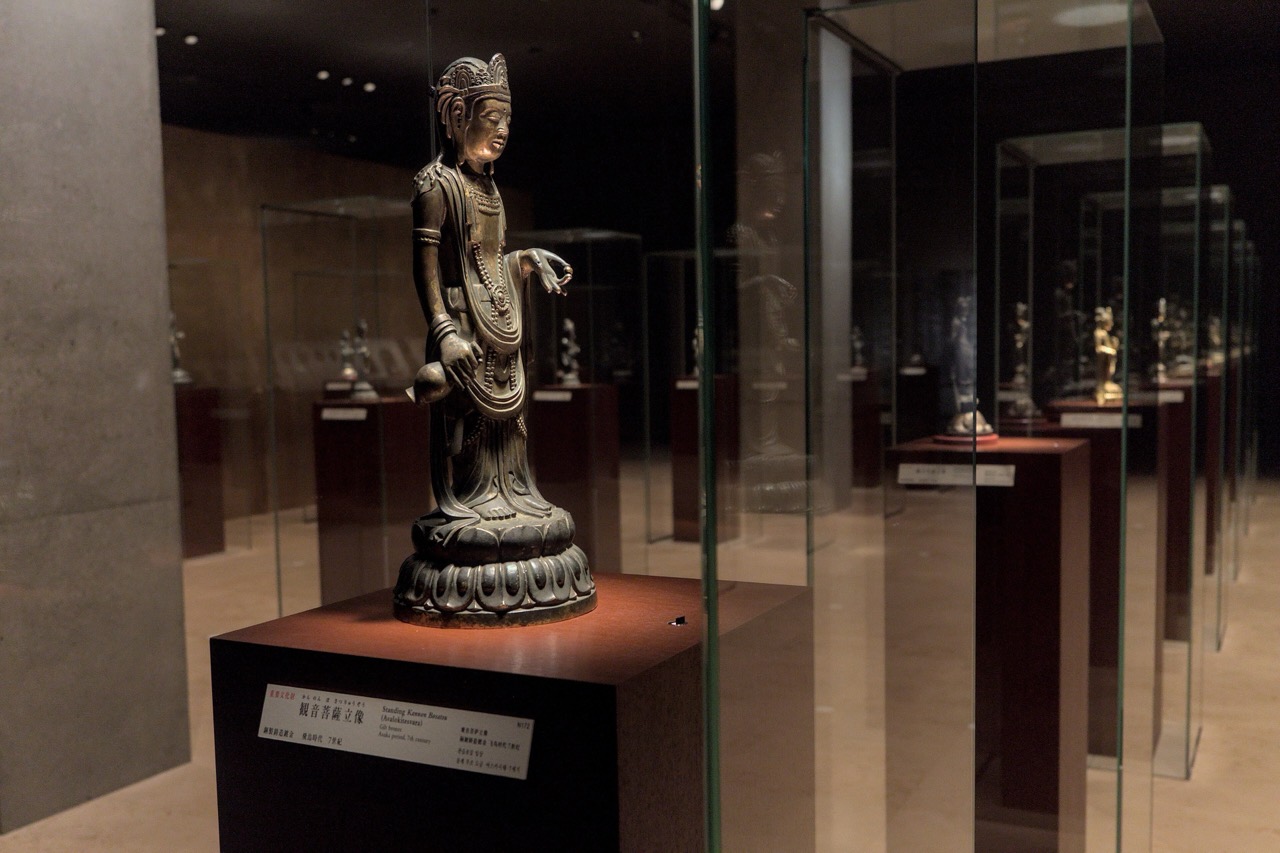
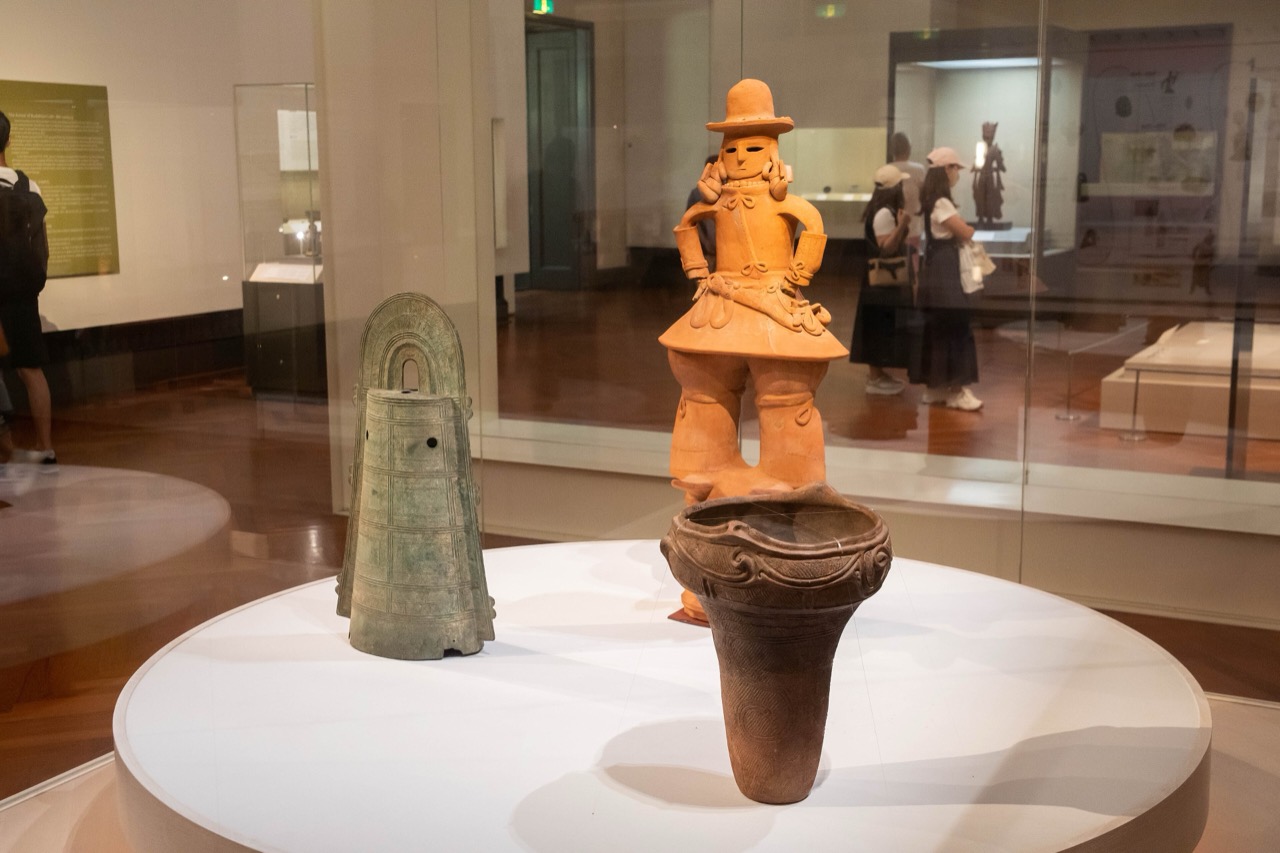
5.What this building guards are the treasures Horyuji presented to the imperial household. The old gallery opened one day a week for fear the objects would degrade, while the new one packs seven exhibition rooms plus an archive and a restaurant and stays open year round. A room for putting artifacts to sleep and a room for seating people have shared this roof from the start.
6.The counter runs in one long line along the glass wall. A low wooden ceiling, eight backless chairs, and beyond the window nothing but the pool and the trees. Dinner service starts at 5:00 in the afternoon, the hour this museum stops admitting viewers. Once the last visitor is out the door, sixteen guests take those seats.
7.Admission to the permanent collection galleries is 1,000 yen for adults. High school students and younger, and anyone 70 or older, pay nothing. The figure rose from 620 yen in 2020, and the reason the museum gave then was that the old price did not even cover what one visitor costs it.
한 담장 안에서 밥값이 50배로 벌어진다
8.Turning 16 seats once at lunch and once at dinner puts 32 people through in a day. Mondays are closed, so 26 days a month. Even at a conservative 60% occupancy that clears 17 million yen a month and reaches the 200 million yen range over a year. This is worked out from published seat counts and prices alone, so the real figure may differ.
9.Convert that 200 million yen into admission tickets and you get 200,000 of them. A single room with sixteen seats handles money on the scale of what 200,000 visitors pay to get in.
10.Attendance at the permanent collection galleries stayed in the 300,000 range a year until 2011. It passed one million in 2017, and the price increase came after that. Even with three times the people, the museum has said, what those people pay does not cover running costs.
11.That revenue does not land in the museum's account intact. All three venues are run by Oaks Corporation, and what the museum receives is a facility fee or a cut of sales. The contract terms have not been disclosed. Museum food service contracts here and abroad usually settle somewhere between single digits and the low teens as a percentage of sales.
12.In early 2023 the museum's director, Makoto Fujiwara, published an essay in Bungeishunju. Its title said the national treasures could not be protected as things stood. Cultural property has to sit in rooms held at set temperature and humidity, and the electricity and gas that keep that air moving jumped in price that year.
13.The numbers in that essay run like this. A utilities budget of 200 million yen against an expected bill of 450 million. He wrote that there was nowhere to find the 250 million yen gap.
국고가 안 준 돈을 16석이 벌어 온다
14.A museum restaurant was always an appendage to the visit. You sell coffee and pasta to someone who has been walking for two hours. Okuno inverts the order, making the meal the point and the exhibition the side dish, and during dinner hours the galleries cannot be seen at all. What this counter sells is not fish but a seat. The pool and the glass facade, free common ground ever since the doors opened, now carry a price for the first time.
15.Until June 7 this spot belonged to Hotel Okura. The company that took it over, Oaks, was founded in 1971 and is headquartered in Toyama, and its main business is membership-based weddings and funerals. The president is named Tomoyuki Okuno. The new sign, おく乃, comes from there. The pairing looks odd, yet the work overlaps. Sending a high-priced course out to a fixed number of people at a fixed hour is what this industry does every day.
16.The Agency for Cultural Affairs is studying separate admission pricing for foreign visitors at national institutions. The Ministry of Finance estimate puts it at two to three times the standard rate, which at this museum would take 1,000 yen up to 3,000. Eleven sites nationwide are covered. While the argument over tripling a ticket runs its course, this museum has already opened the room that charges 35 times it. Doing the same thing in Korea starts from a different first step. Our national museums admit visitors to the permanent galleries free, so there is no ticket price to anchor against, and putting a counter charging hundreds of thousands of won next to people who walked in for nothing becomes a question of explanation rather than arithmetic.