Next Tuesday evening, a provincial city orchestra takes the stage at the largest auditorium in the country. Ticket buyers are not handed a price list. They pick one of four amounts themselves. Whichever they pick, the seat is the same.
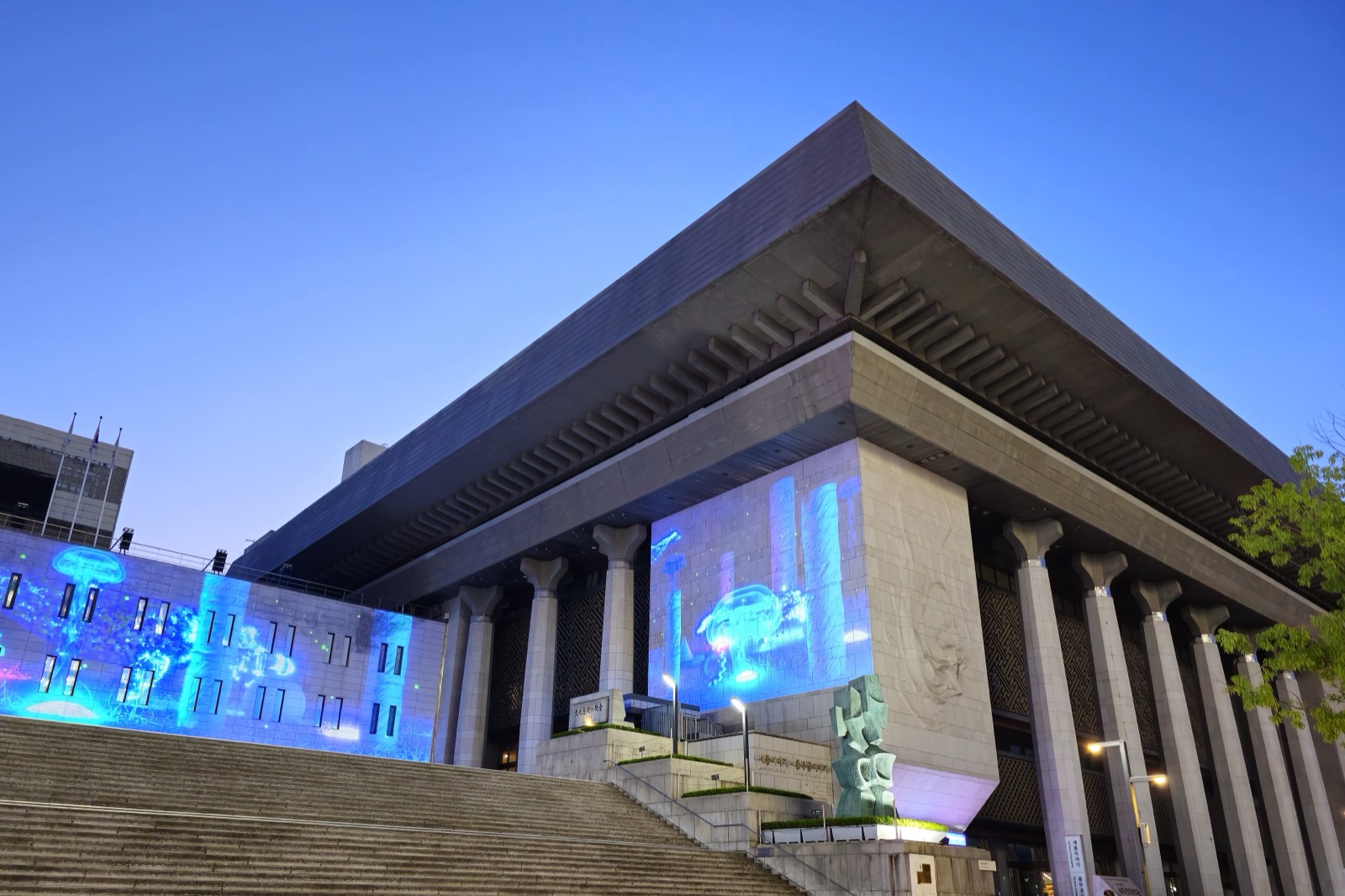
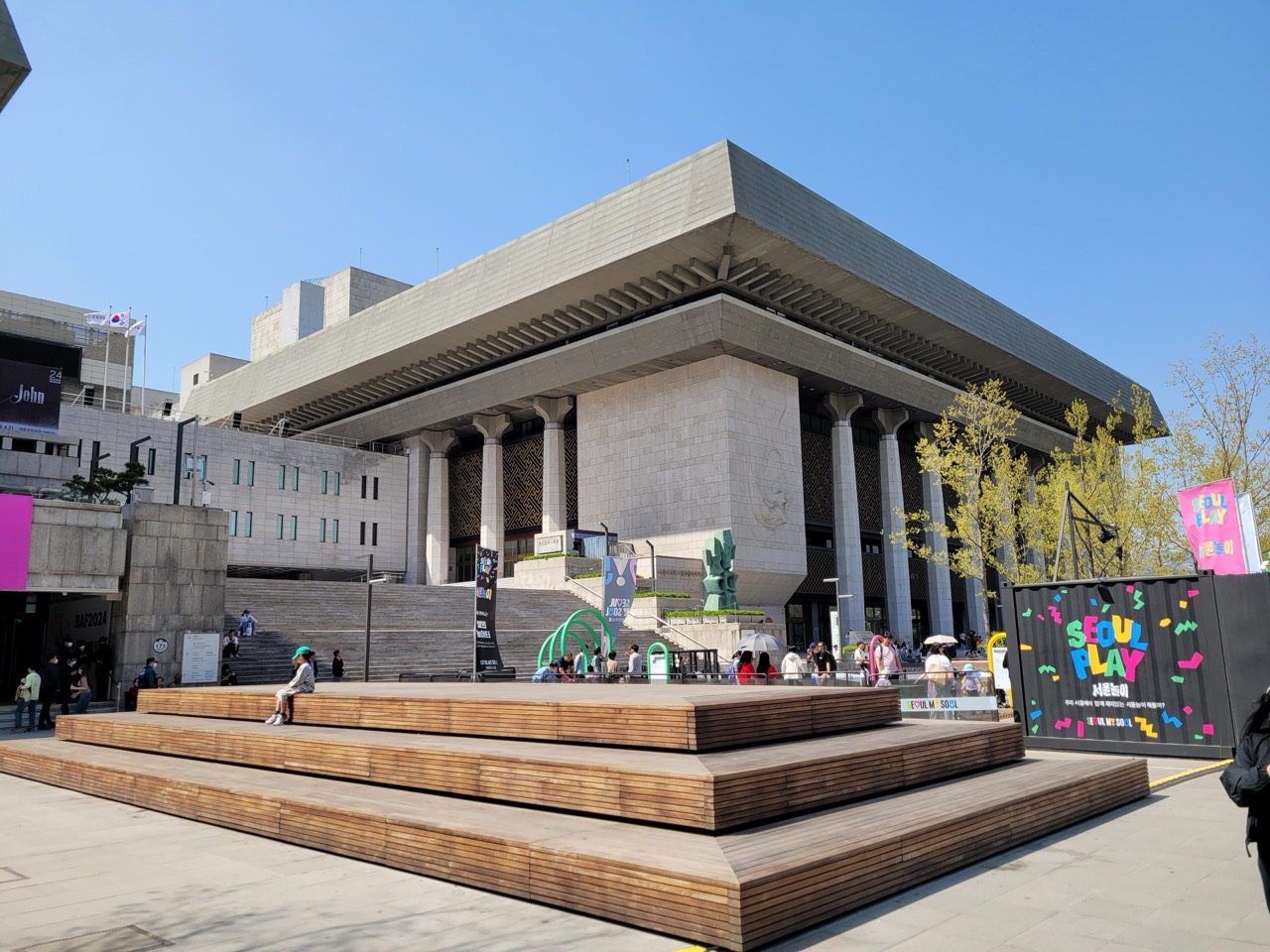
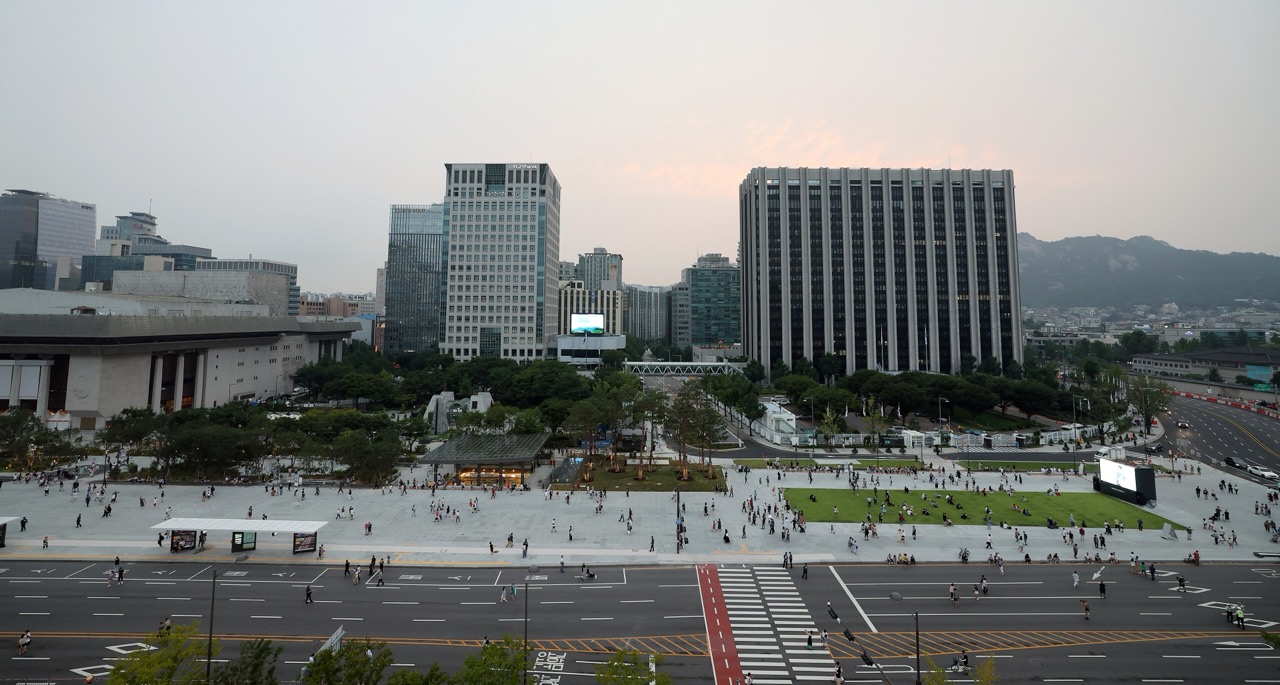
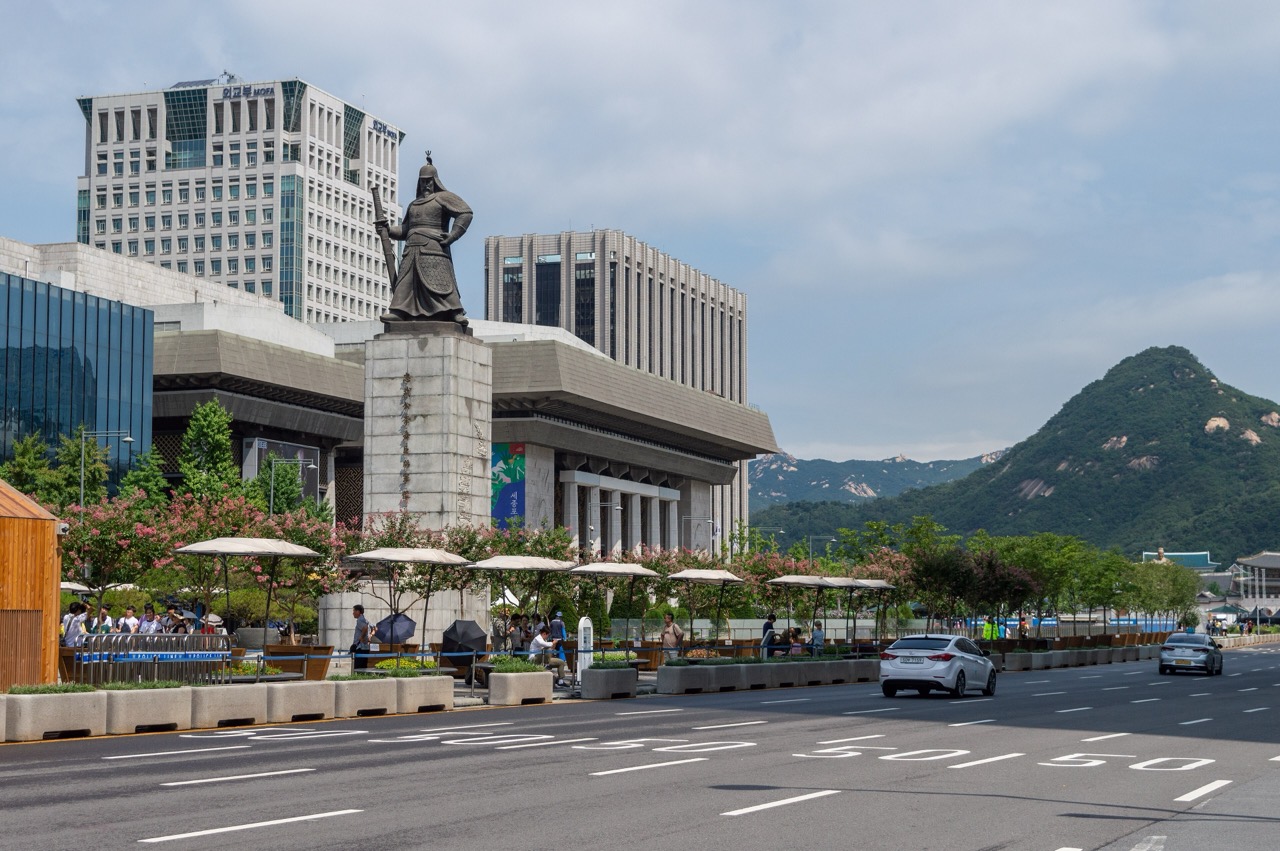
1.The Sejong Center puts the Daegu Philharmonic Orchestra on the Sejong Grand Theater stage at 7:30 p.m. on September 15. With 3,022 seats, it is the biggest hall in Korea. This is the September date of Classic for All, a series that runs nine times a year, and the audience sets the ticket price.
2.The four amounts on offer are 1,000 won, 3,000 won, 5,000 won and 10,000 won. Whichever you choose, the center says, seat assignment does not change. Someone who paid 1,000 won can sit beside someone who paid 10,000.
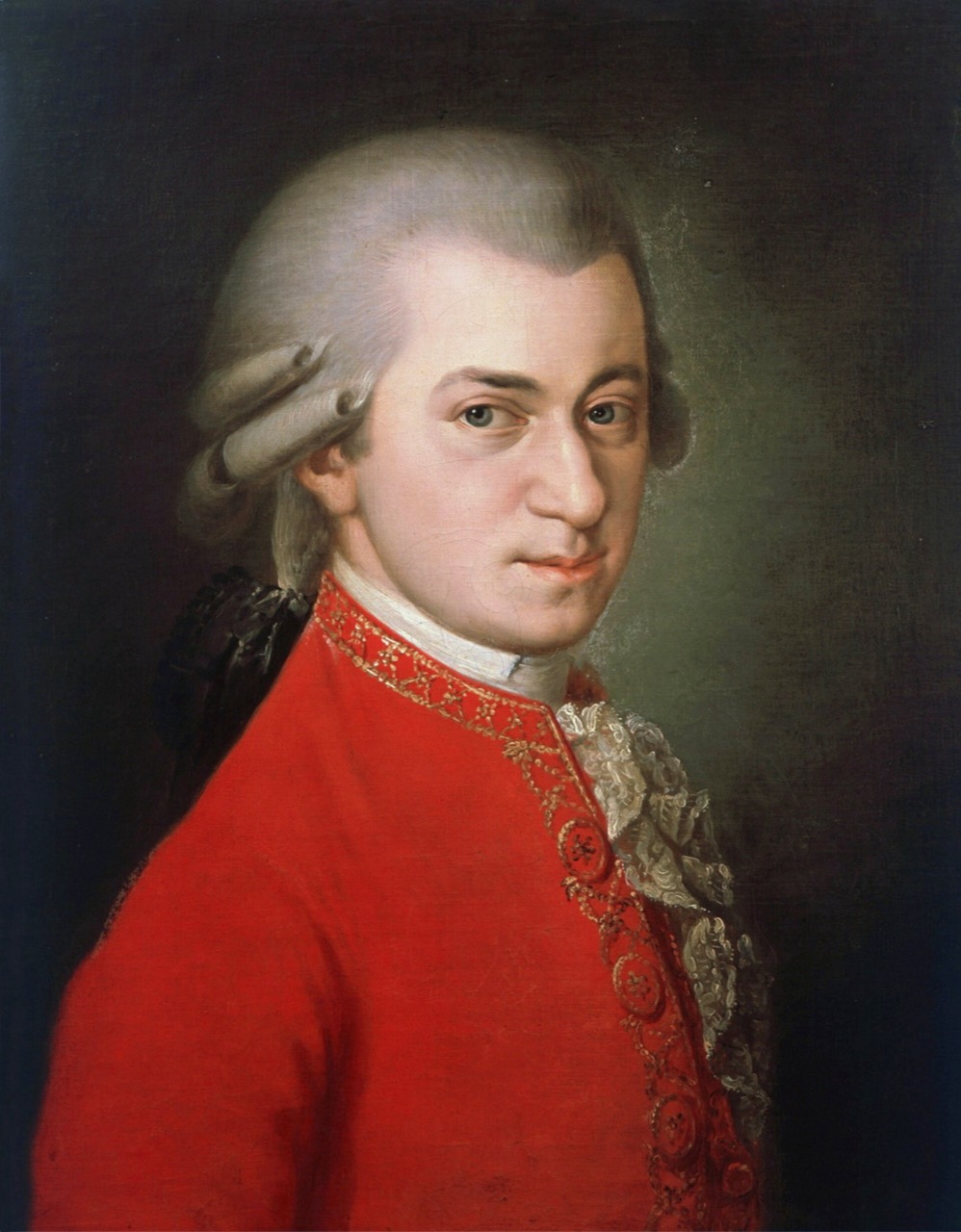
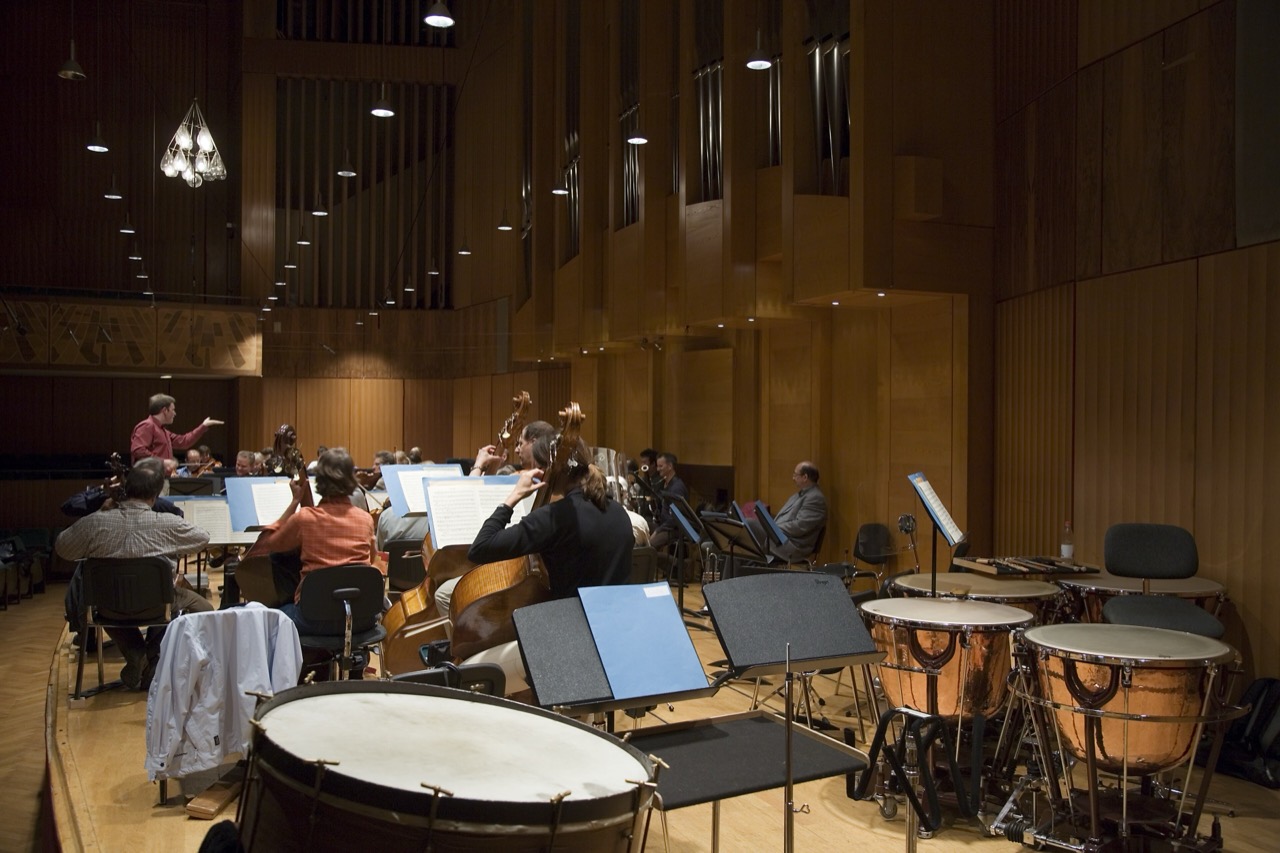
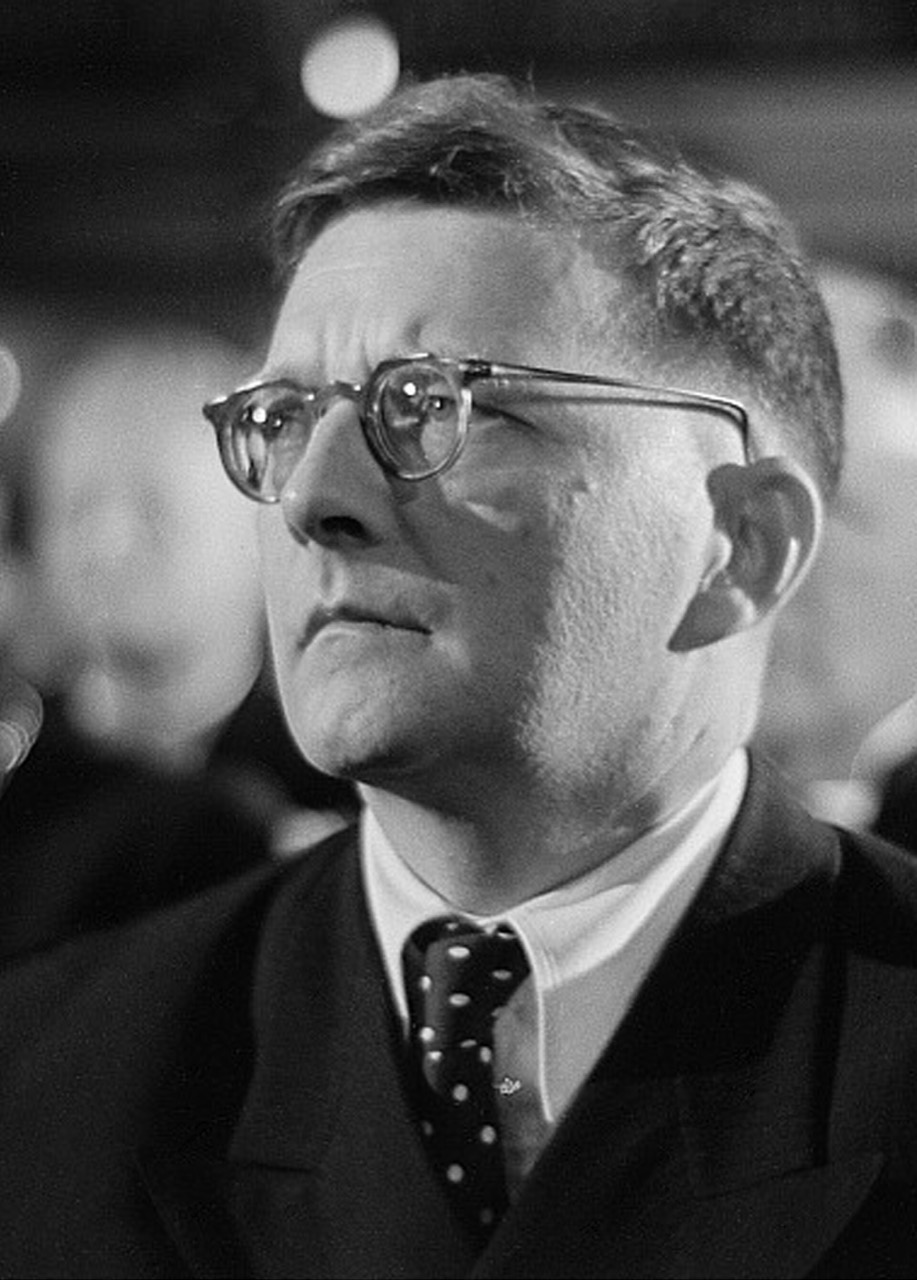
3.The program: the overture to Carl Maria von Weber's Der Beherrscher der Geister, Mozart's Clarinet Concerto, and Shostakovich's Symphony No. 5. Baek Jin-hyun conducts, and Han Kim plays the clarinet solo. Running time is listed at 130 minutes.
4.The same orchestra plays the same music in Daegu four days earlier. September 11 at the Daegu Concert House Grand Hall: 30,000 won for R seats, 16,000 for S, and 10,000 for the cheapest H seats. Same conductor, same program, with only the Daegu soloist different, a French clarinetist. The cheapest seat in Daegu costs what the most expensive option in Seoul costs.
같은 곡, 나흘 사이 두 도시
5.Seats in the Sejong Grand Theater climb to a third tier. From the back row up there the conductor's back is the size of a fingernail, and sound off the stage bounces once off the ceiling before it arrives. Big halls empty from the upper tiers down. Here that row costs what the front of the stalls costs.
6.What keeps a first-timer away from classical music is not the price tag but not knowing whether the price is right. There is no basis for judging whether 80,000 won is cheap or steep, and without that judgment nobody buys. A bad meal or a bad shirt costs tens of thousands of won, but a two-hour concert offers no refund for boredom, so the loss feels larger.
7.Choose-your-price removes that judgment entirely. Pick 1,000 won and you have not bought badly; pick 10,000 and you have not lost anything. Since the seat does not follow the amount, what you paid never shows to the person next to you.
8.More interesting is what audiences actually paid. In 2024, 17,000 people saw this series, and more than 20 percent of them chose above the minimum. One in five paid more where nobody was watching. There is a prize draw attached: 100 coffee vouchers among those who choose 10,000 won.
9.So the money coming in from tickets is small. Across 2024 and 2025, 15 concerts drew 35,000 people, which works out to 2,333 a night, or 77 percent of the seats. Assume eight in ten pay 1,000 won and the rest average 5,000, and you get 1,800 won a head, about 4.2 million won a night. From here on these are the writer's estimates, since the breakdown by amount has not been published.
회당 표값을 어디에 견주나
10.The rental card puts that figure in place. Five hours of the Sejong Grand Theater for a performance costs 6.3 million won, and four more hours for load-in and strike adds 3.15 million (VAT excluded). That is what the hall charges an outside renter. It takes a whole day and collects 4.2 million won in tickets.
11.So what is the center buying instead of ticket revenue. Its own income was 21.9 billion won in 2023, and its self-funding ratio over the last three years was 32.3 percent. That is high next to the 10.7 percent average across 11 Korean arts institutions with budgets above 100 billion won, but the other 68 percent comes from the city of Seoul. What justifies that subsidy is not the price people paid, but how many came through the door.
12.That is why filling 3,022 seats is worth more than selling those seats dear. Classical programs in this hall usually run from 30,000 won for B seats to 120,000 for VIP. Take an average of 50,000 and the same crowd, and you get 117 million won, which makes this a decision to give up 96 percent of the ticket revenue and buy the seats instead.
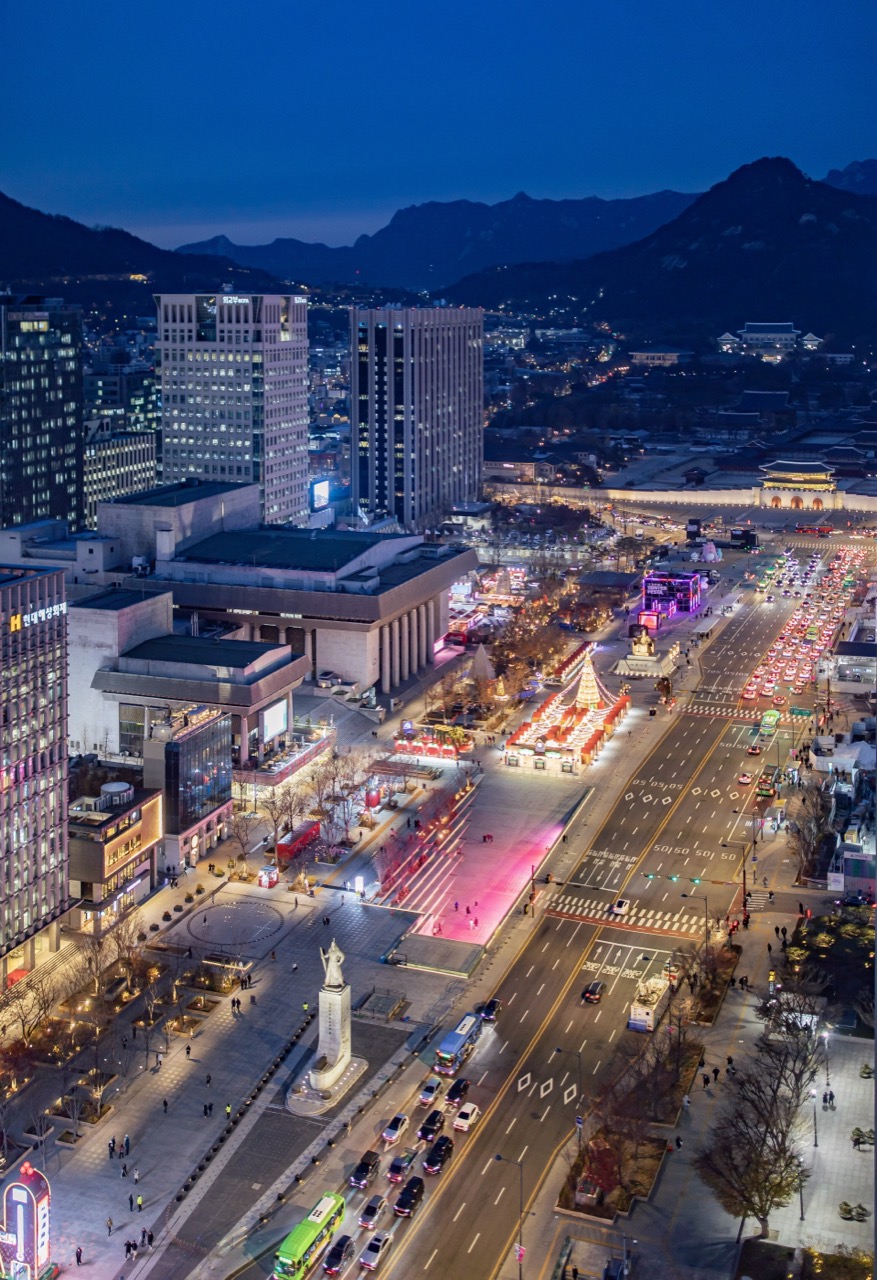
13.Empty seats do not go to waste either. This date set aside 90 seats under a program for invited guests: 30 for families with three or more children, and 20 each for veterans, young men in military service, and North Korean defectors. Applications closed in early August, and those selected collect tickets in the grand theater lobby on the night, proof of eligibility in hand.
14.The audience picked the repertoire too. The center says the 2026 season was built around Beethoven, Brahms, Tchaikovsky and Rachmaninoff, following a preference survey of some 4,000 concertgoers. Nine dates from the January new year concert to the Wonju Philharmonic in December, with eight public orchestras on the stage.
15.Next Tuesday, in a hall of 3,022 seats, music that earned 30,000 won a seat in Daegu four days earlier sounds again, and the Seoul audience sets its price starting at 1,000 won. Ticket income a night is estimated around 4.2 million won, less than half what the same hall charges for a single day. Anyone in Korea trying to copy this runs into the building first, not the audience's conscience. A venue paying rent to someone else can never draw up a plan that throws away most of its ticket revenue.