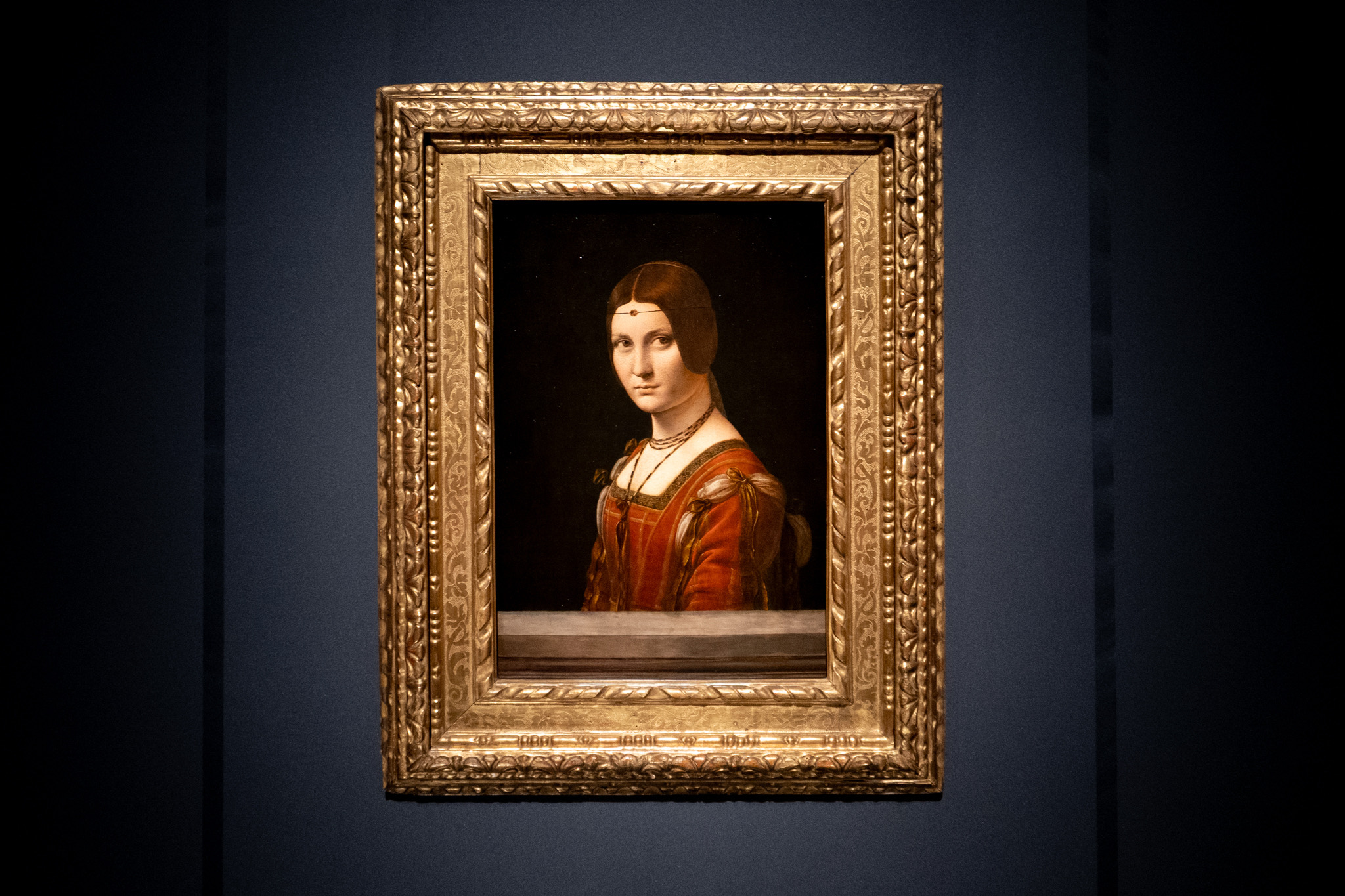
Some 50 works from the Louvre have arrived at the National Art Center, Tokyo in Roppongi. Only one of them gets its own queue. It is the first Leonardo da Vinci painting to come to Japan in 52 years, since the Mona Lisa in 1974.
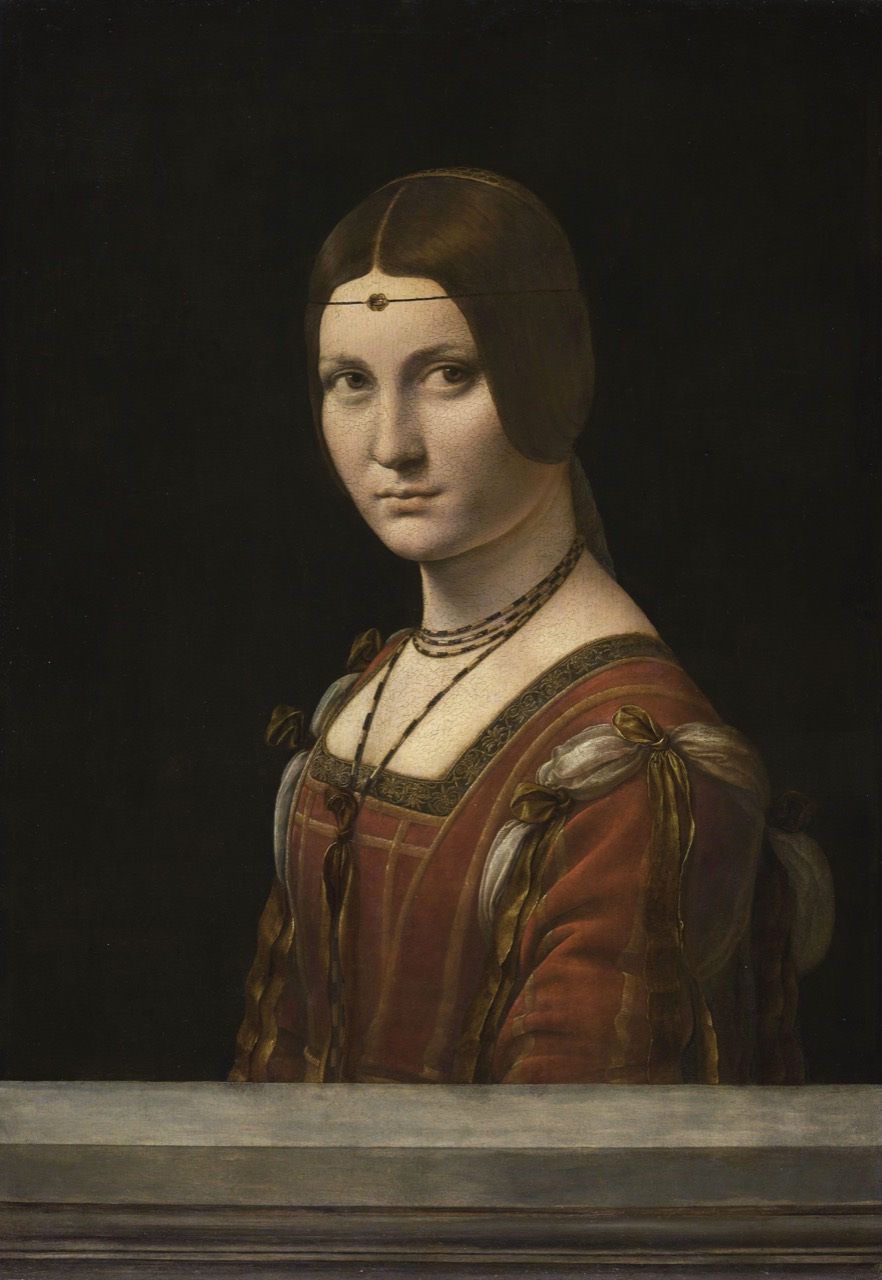
1.It opened on September 9 and closes on December 13. Masterpieces of the Renaissance from the Musée du Louvre, at the National Art Center, Tokyo, hangs about 50 works of 15th- and 16th-century European art from the Louvre's collection across four chapters. General admission is 2,400 yen, or 2,200 yen in advance. The headliner is Leonardo da Vinci's Portrait of a Woman, better known as La Belle Ferronnière.
2.The list of organizers runs long. Beside the museum and the Louvre stand Nippon Television, the Yomiuri Shimbun and BS Nippon Television, with Nomura Securities as special sponsor. Vacheron Constantin, Takenaka Corporation and Japan Post also appear as sponsors. Closed on Tuesdays, open until 8 p.m. on Fridays and Saturdays.
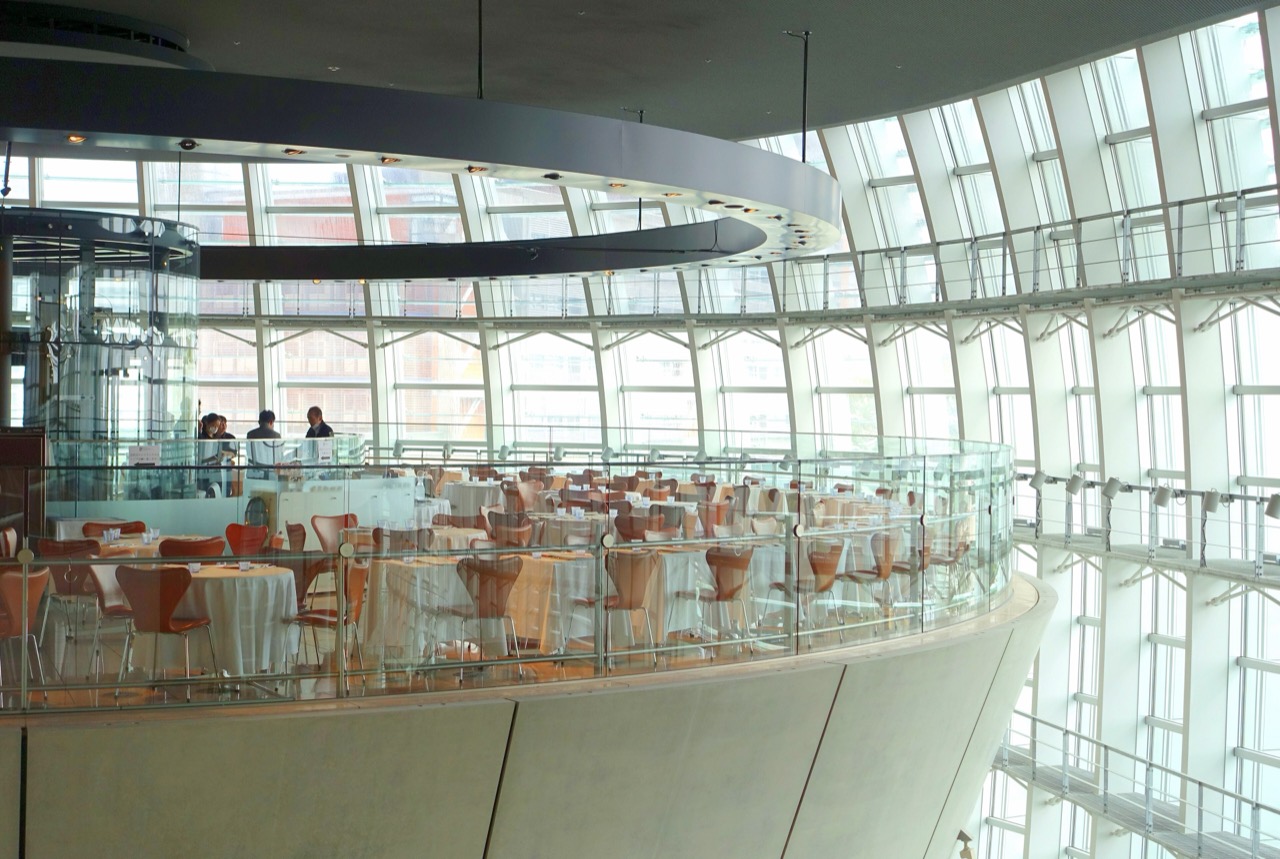
3.The building itself is an odd stage. The National Art Center, Tokyo, designed by Kisho Kurokawa and opened in 2007, has 14,000 square meters of exhibition space, among the largest in Japan, and not a single work in its collection. It lends out walls instead of collecting art. This time the tenant is the most visited museum in the world.
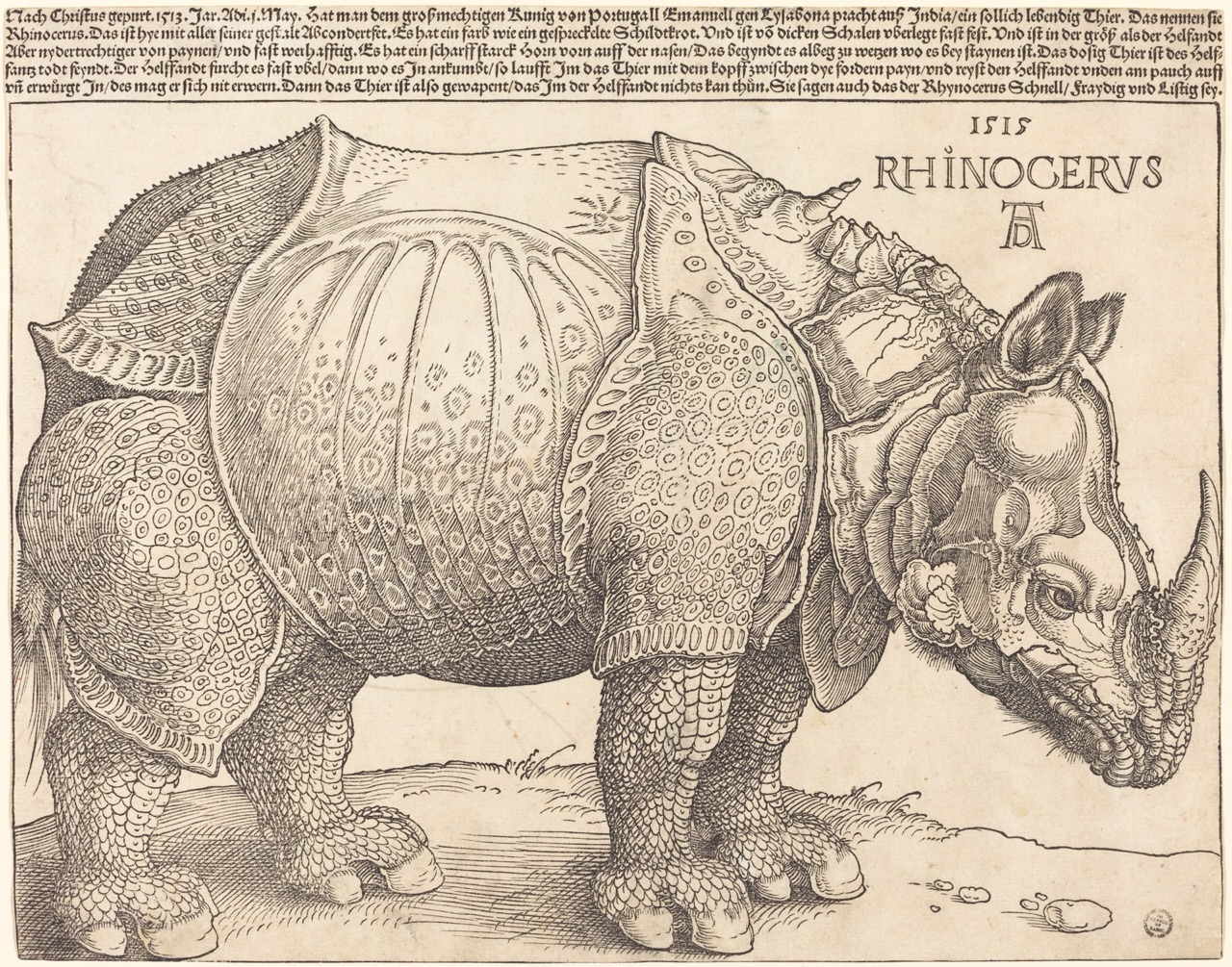
4.The show starts with Travel, moves through Innovation and Refinement in Technique and A Gaze Toward Antiquity, and ends with The Flourishing of Portraiture. The first chapter hangs Albrecht Dürer's 1515 woodcut Rhinoceros. Dürer never saw a rhinoceros. All he had was a description in a letter and a single sketch. One room sets millefleurs tapestries beside portable furniture, rebuilding the household of nobles who moved from castle to castle.
5.Leonardo is in the last chapter. Oil on walnut panel, 63.5 by 44.5 cm, small enough to hide behind your outstretched arms. Visitors' accounts say the crowd splits in two in front of it. One group views it at an angle from 2-3 meters without waiting, the other queues to stand face to face, one meter away. A single gilded frame hangs on a navy wall, the light falls only on the painting, and the woman's red sleeves rise out of the dark. On a weekday at 4 p.m., the frontal queue took an hour.
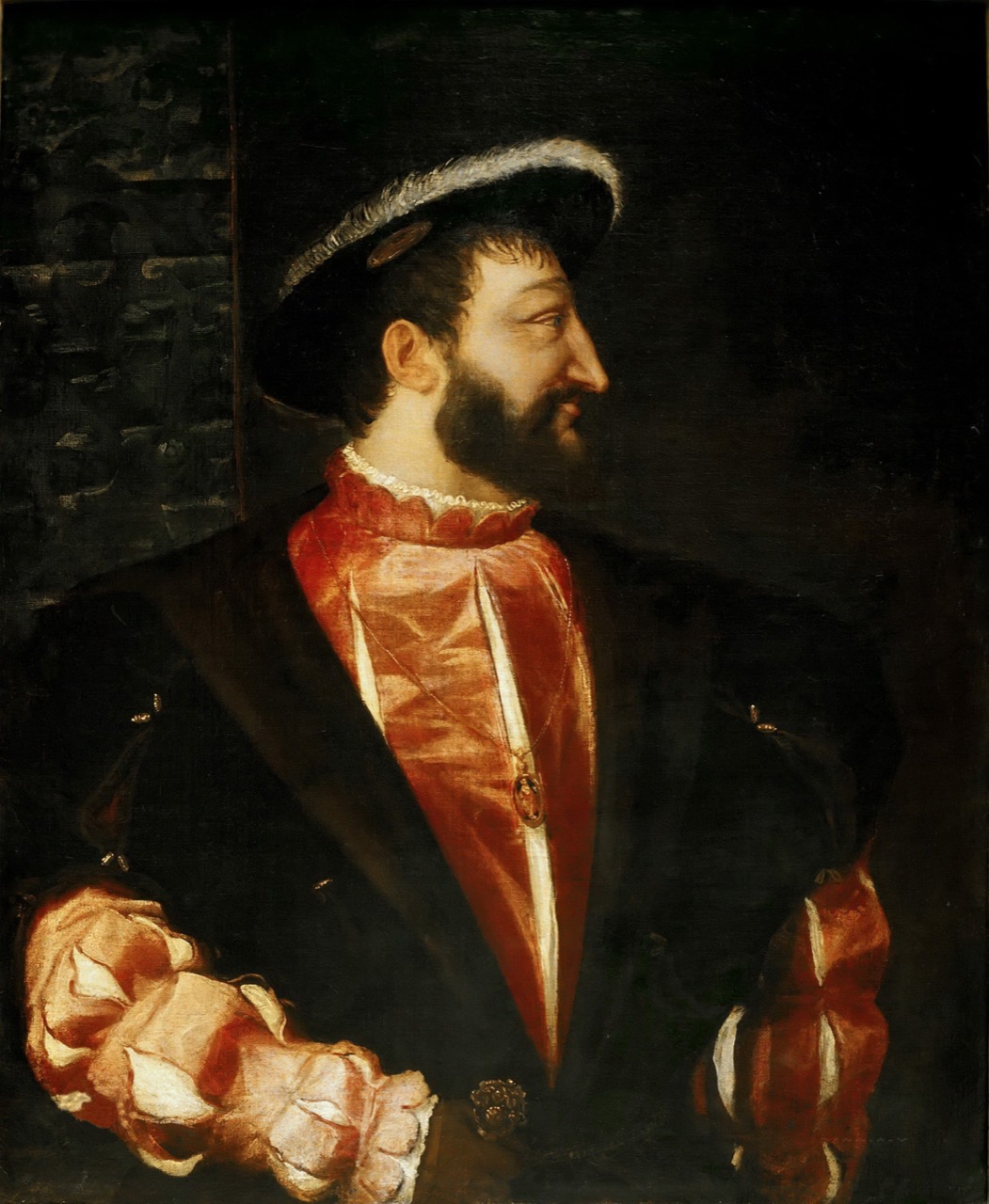
6.The same chapter holds Titian's profile portrait of François I. He is the king who brought Leonardo to France and kept him close until his death, and the paintings he gathered became the starting point of the Louvre's painting collection. In Tokyo, Leonardo and the king who took him in share a room.
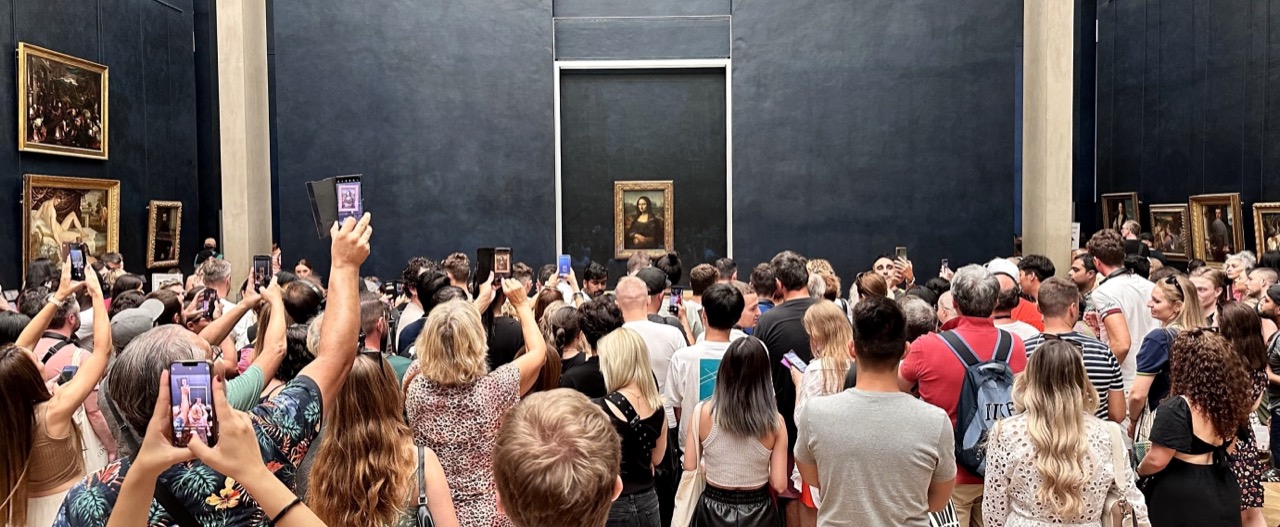
7.Why one work out of 50 gets its own queue is not complicated. What visitors are buying is not a lesson in the Renaissance but the experience of having seen a Leonardo from one meter away. In Paris, the Mona Lisa has become a painting you glimpse for a few seconds behind bulletproof glass and a barrier before being moved along. In Tokyo, if you wait in line, you can stand closer than that.
8.It also matters that Japanese audiences already know this name. The National Art Center, Tokyo held Louvre exhibitions in 2015, 2018 and 2023 as well. The 2023 show, Painting Love, passed 250,000 visitors within two months of opening. Excluding closed days, that is about 4,600 a day. A name that comes back every few years finds its audience lining up first.
도쿄에 온 레오나르도와 루브르전
9.At Japan's big imported masterpiece shows, the front row of the organizer list usually belongs to a broadcaster and a newspaper. The media side is known to cover loan fees, shipping and insurance and take the ticket revenue, while the museum provides the galleries and curatorial staff. A broadcaster can pay a large share of its advertising in its own airtime. Featuring the show on evening news and information programs does not leave the books as cash. What organizer would turn down advertising that costs no cash?
10.Ticket revenue can be estimated from past records. Excluding closed days, this show is open for 85 days. If 4,600 people come each day, as in 2023, and the average ticket after discounts is 2,100 yen, that makes 390,000 visitors and about 820 million yen in ticket revenue (estimate).
문 여는 85일 동안 들어올 표 수입 (추정)
11.Money moves outside the ticket too. The audio guide costs 700 yen and is narrated by actress Keiko Kitagawa. If one visitor in three rents it, that alone comes to around 90 million yen (estimate). In the shop, petit four tins from Atelier UKAI, their lids printed with the Louvre name and the Ferronnière's face, are stacked into towers.

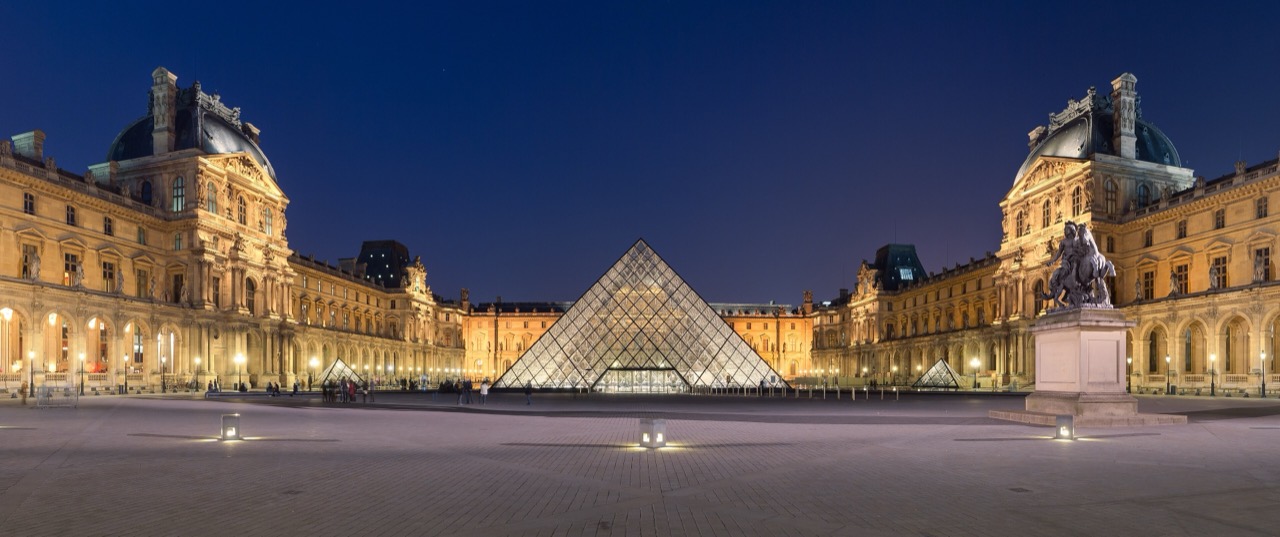
12.The Louvre, which lent the painting, is in a tighter spot. It drew 8.7 million visitors in 2024, yet the glass pyramid entrance was built for about half that. In January 2025 came the Louvre Nouvelle Renaissance plan for a new entrance and a dedicated Mona Lisa room, with costs estimated at 700-800 million euros. In October of the same year, crown jewels were stolen from a gallery.
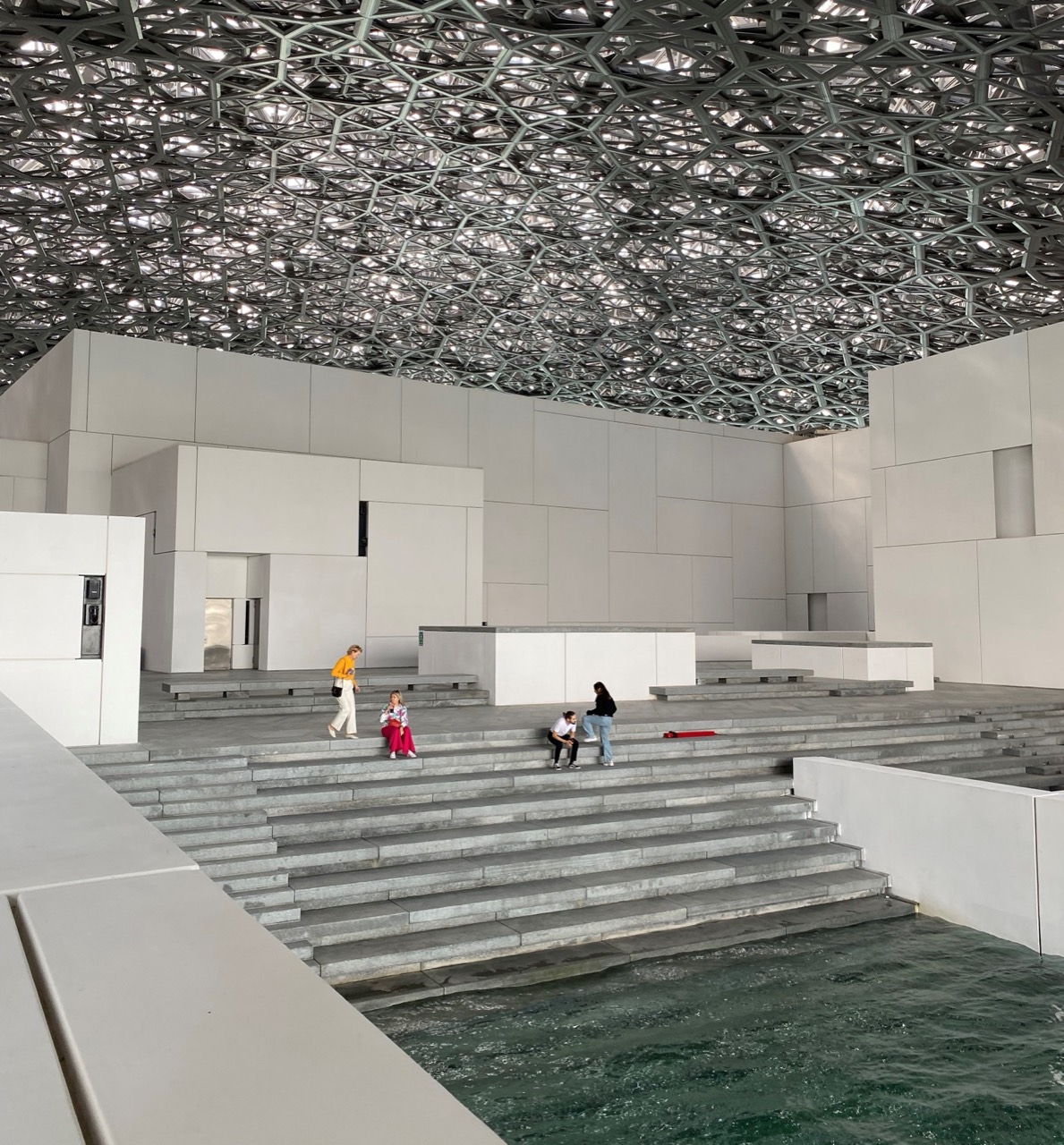
13.There are two ways to raise the money. From January 14 this year, admission for visitors from outside the European Economic Area rose from 22 to 32 euros, and the Louvre expects this to bring in an extra 15-20 million euros a year. The other is sending paintings abroad. Portrait of a Woman first left Europe in 2017, on a 12-month loan for the opening of the Louvre Abu Dhabi.
14.In 1974, the Mona Lisa exhibition at the Tokyo National Museum drew more than 1.5 million people in 51 days. Back then two governments moved the painting as diplomacy; now a broadcaster borrows as a series every few years. The same museum is thinning crowds in Paris by raising prices and gathering them in Tokyo at 2,400 yen.
15.In a show that brought 50 works, what makes people queue is one 63.5 cm panel, and that queue produces an estimated 800 million yen or more in ticket revenue. For anyone staging an imported masterpiece show, the first budget line to bite is not the loan fee. It is insurance. In 2011 Japan passed a law under which the state compensates damage to works in major exhibitions, easing the organizers' insurance burden. An organizer without that backing will find that the insured value of a single Leonardo decides the finances of the whole show.