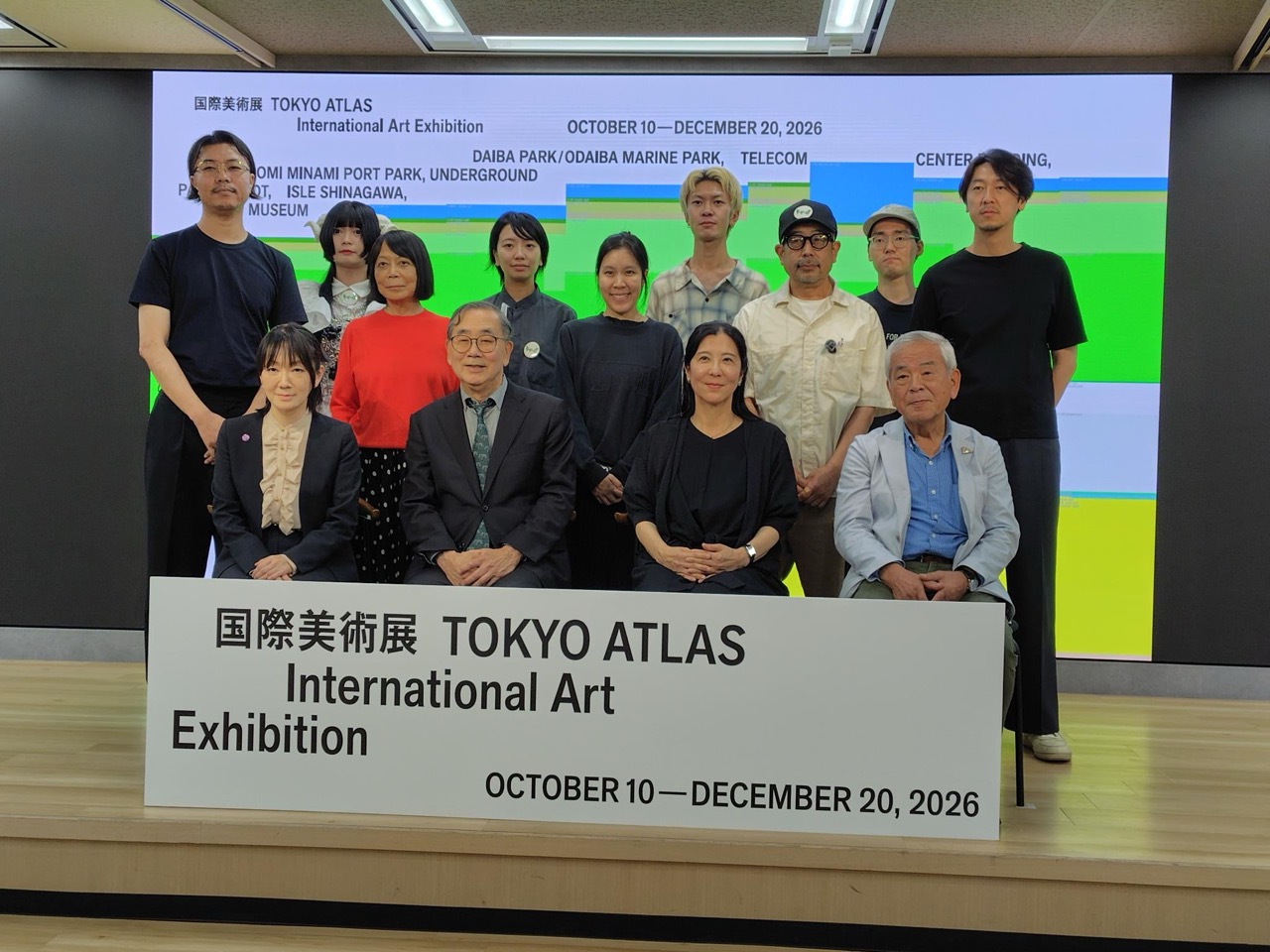
TOKYO ATLAS, the first international art exhibition run by the Tokyo Metropolitan Government, opens on October 10 at six sites along the city's waterfront. It began life as a triennale co-hosted with a TV broadcaster, and it charges no admission. Half a year earlier, a 2.6-billion-yen fountain arrived first in the same seaside park.
1.On October 10 the international art exhibition TOKYO ATLAS opens on Tokyo's waterfront. For 72 days, until December 20, works will sit in parks, buildings and an underground parking lot across three districts: Daiba, Aomi and Tennozu. The organizers are the Tokyo Metropolitan Government, the Executive Committee for the Tokyo International Festival of Arts and Culture, and the Tokyo Metropolitan Foundation for History and Culture. Apart from a few paid programs, entry is free.
2.The event used to have another name: Tokyo Odaiba Triennale 2025. The plan was for an executive committee formed by Fuji TV and others to stage it with the metropolitan government last autumn. In February 2025 the committee stepped down as organizer, saying it could neither win the art world's understanding nor secure sponsorship. Local media pointed to the advertiser pullout Fuji TV was facing at the time over a scandal involving a former TV personality. Fuji TV said it would return the full 126 million yen of public money already spent, and Tokyo postponed the show by a year, renamed it and is now running it itself.
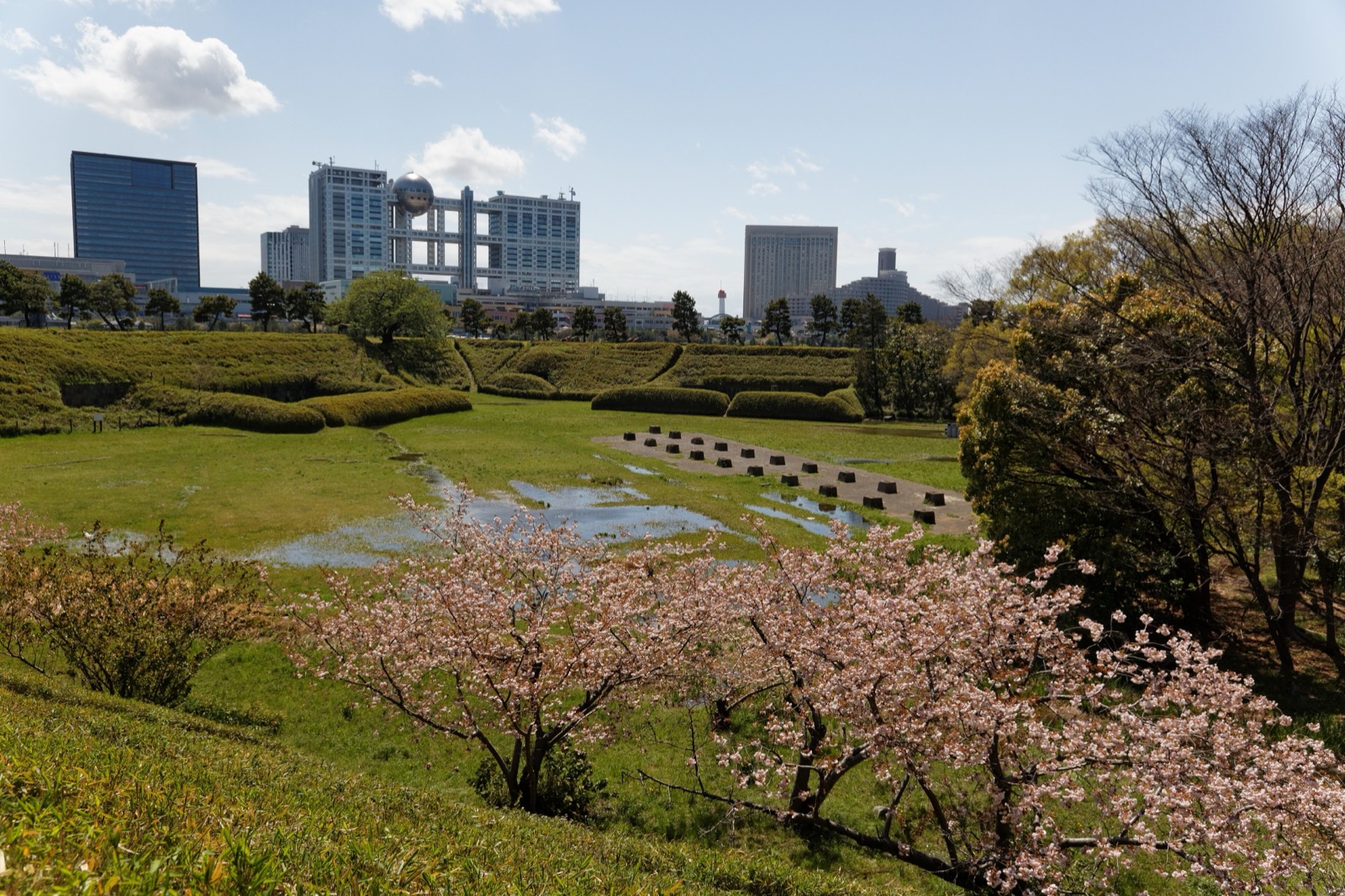
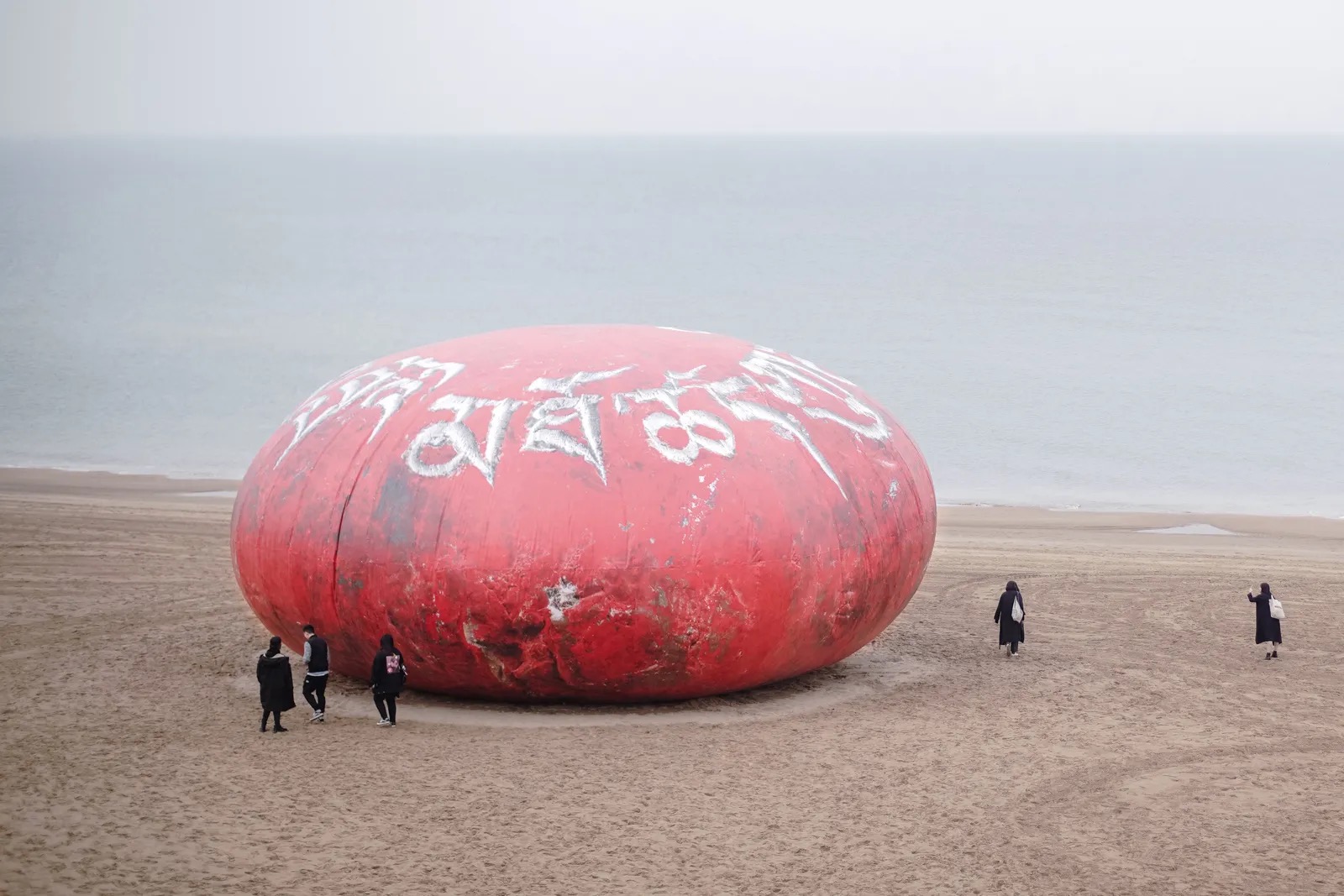
3.The stage closest to the sea is Daiba Park. It was a gun battery the Edo shogunate threw up in a hurry after Commodore Perry's fleet arrived in 1853, and the island ringed by square earthworks is now a lawn. Artistic director Tatehata Akira is placing Kusama Yayoi's Narcissus Garden and Zhao Yao's giant balloon Something in the Air here and in neighboring Odaiba Marine Park.
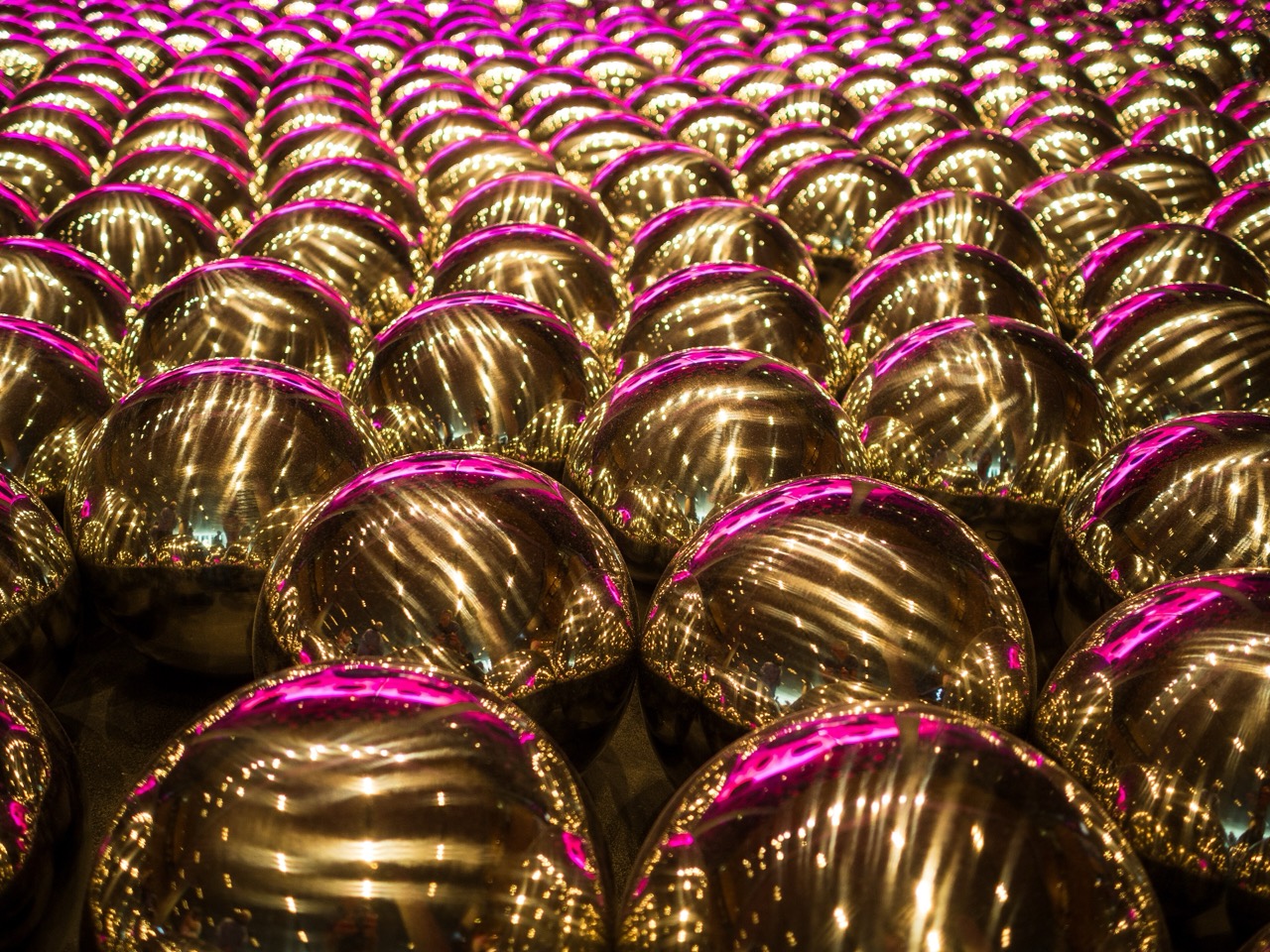
4.Narcissus Garden is a field of stainless steel spheres spread across the ground. Each sphere is a convex mirror, so sky and surroundings curl into every one of them, and when you bend down your own face comes back split into dozens. This time they are laid out in a seaside park with no fence and no ticket booth. People out for a walk pass straight through the work without buying anything. The exhibition was planned around that walk from the start.
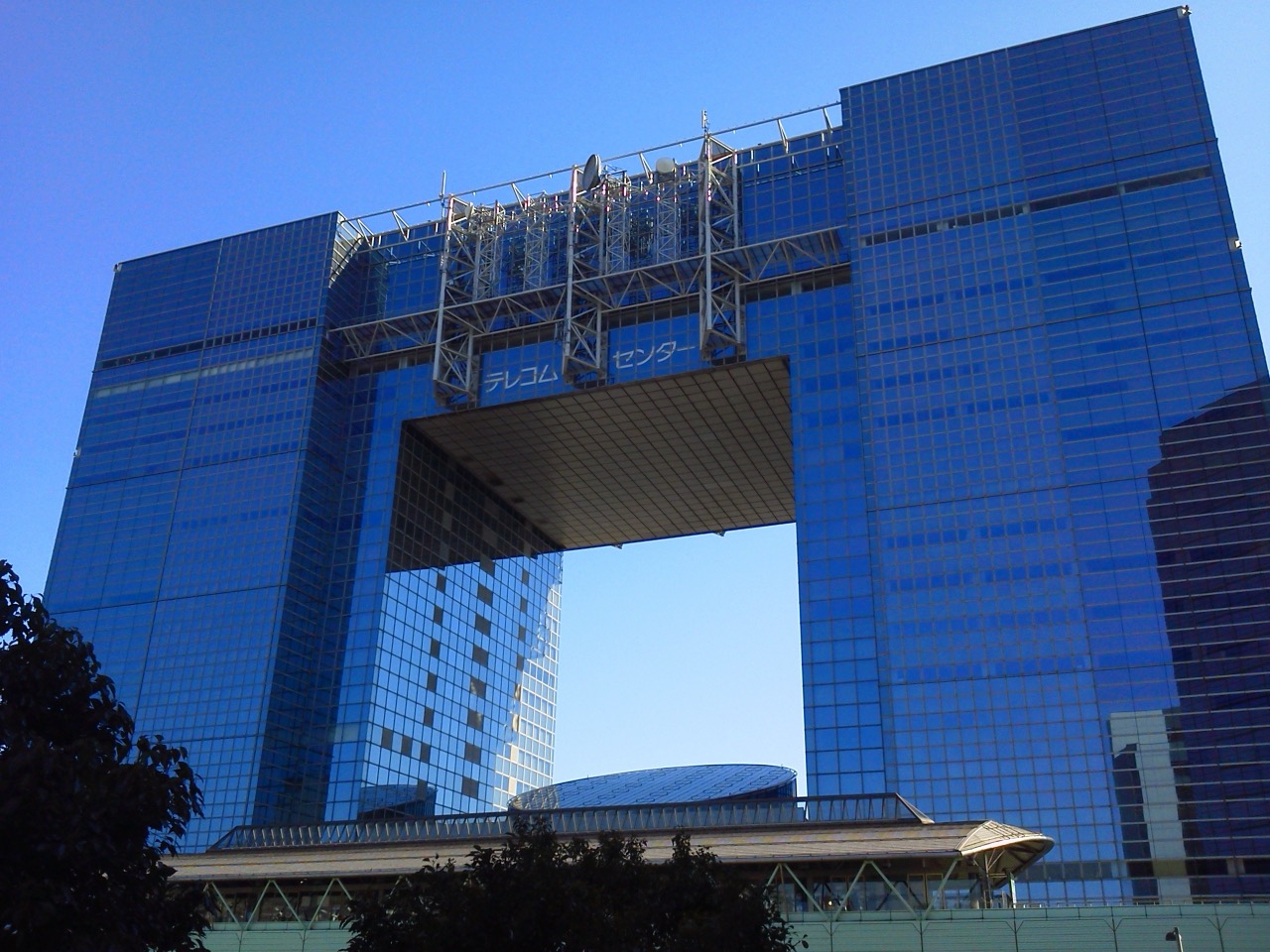
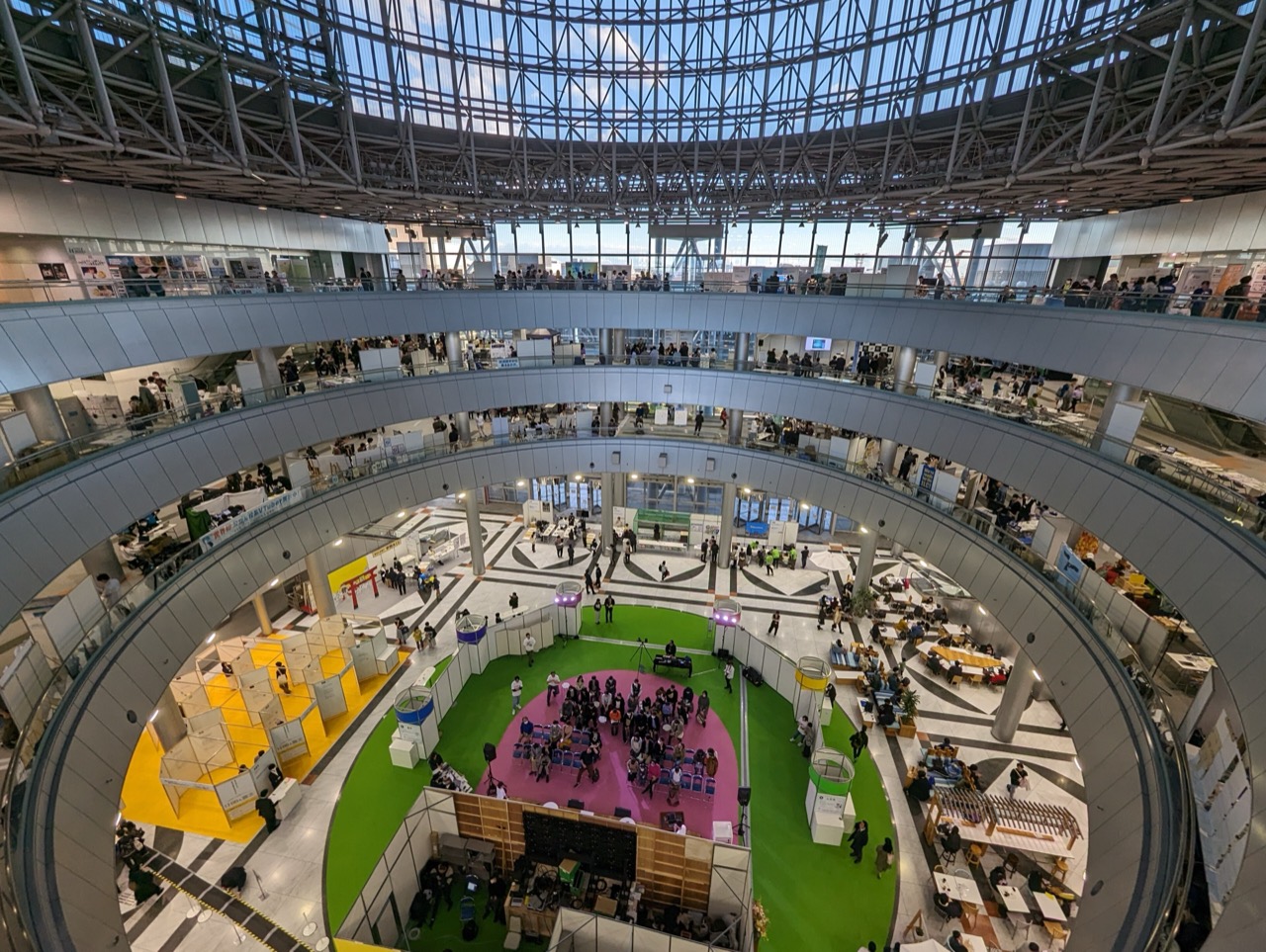
5.Aomi feels different. Artistic director Miki Akiko's zone takes in Aomi Minami Port Park, next to a container terminal, and a 197.5-meter parking lot beneath it. Eight artists and groups will show in the parking lot, including Katie Paterson, Julian Charrière and the Korean duo Moon Kyungwon and Jeon Joon. Two large Kusama balloons will hang in the atrium of the Telecom Center Building, one of them, A Bouquet of Love I Saw in the Universe, shown in Japan for the first time.
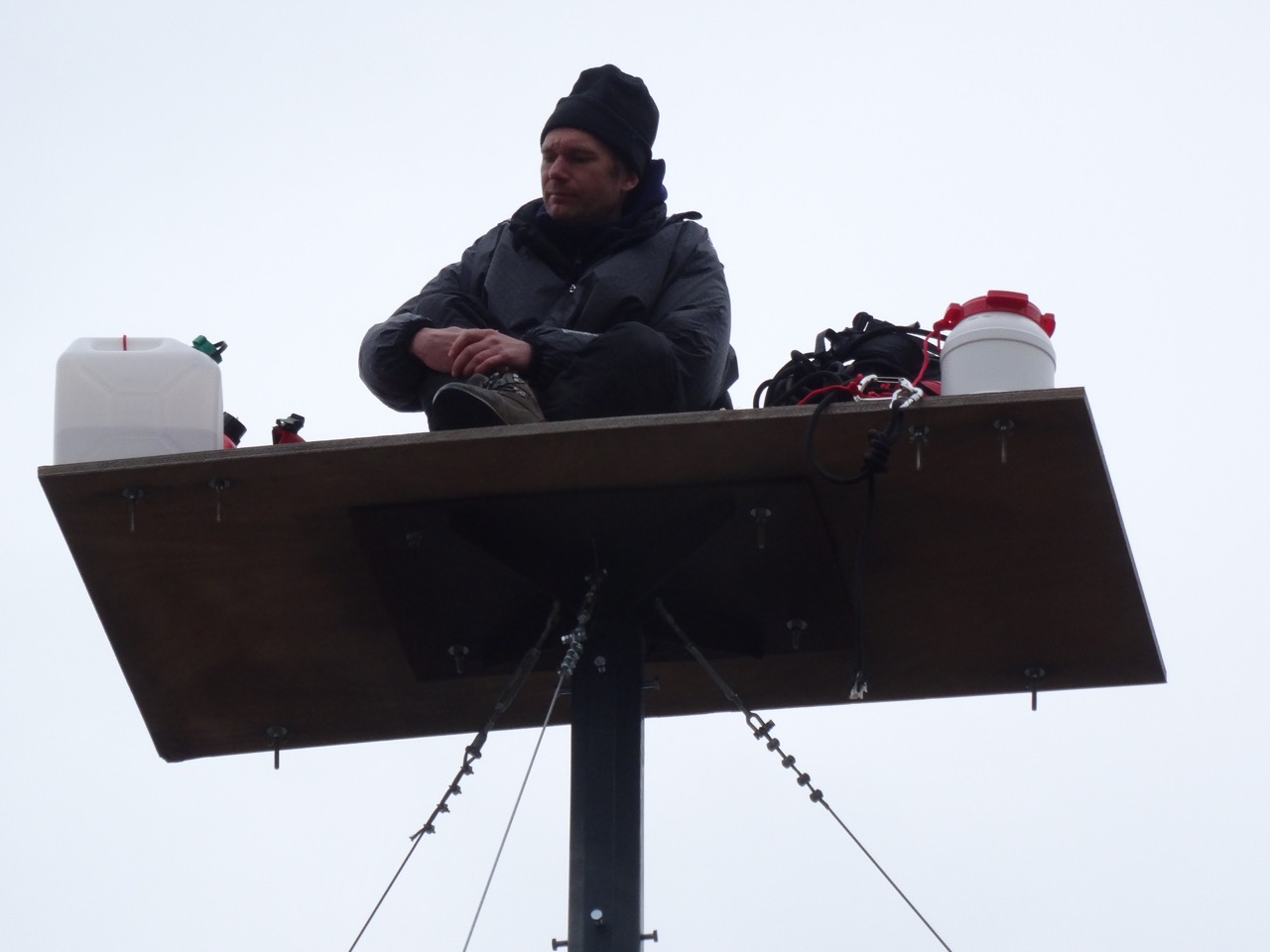
6.The longest-running work is a person. In La Bouteille, French artist Abraham Poincheval lives inside a giant glass bottle. During the 2024 Paris Olympics he spent ten days in a bottle outside the stadium. This time the stage is a park by the wharf, under the container cranes. The exhibition text says the bottle asks where privacy ends and public space begins.
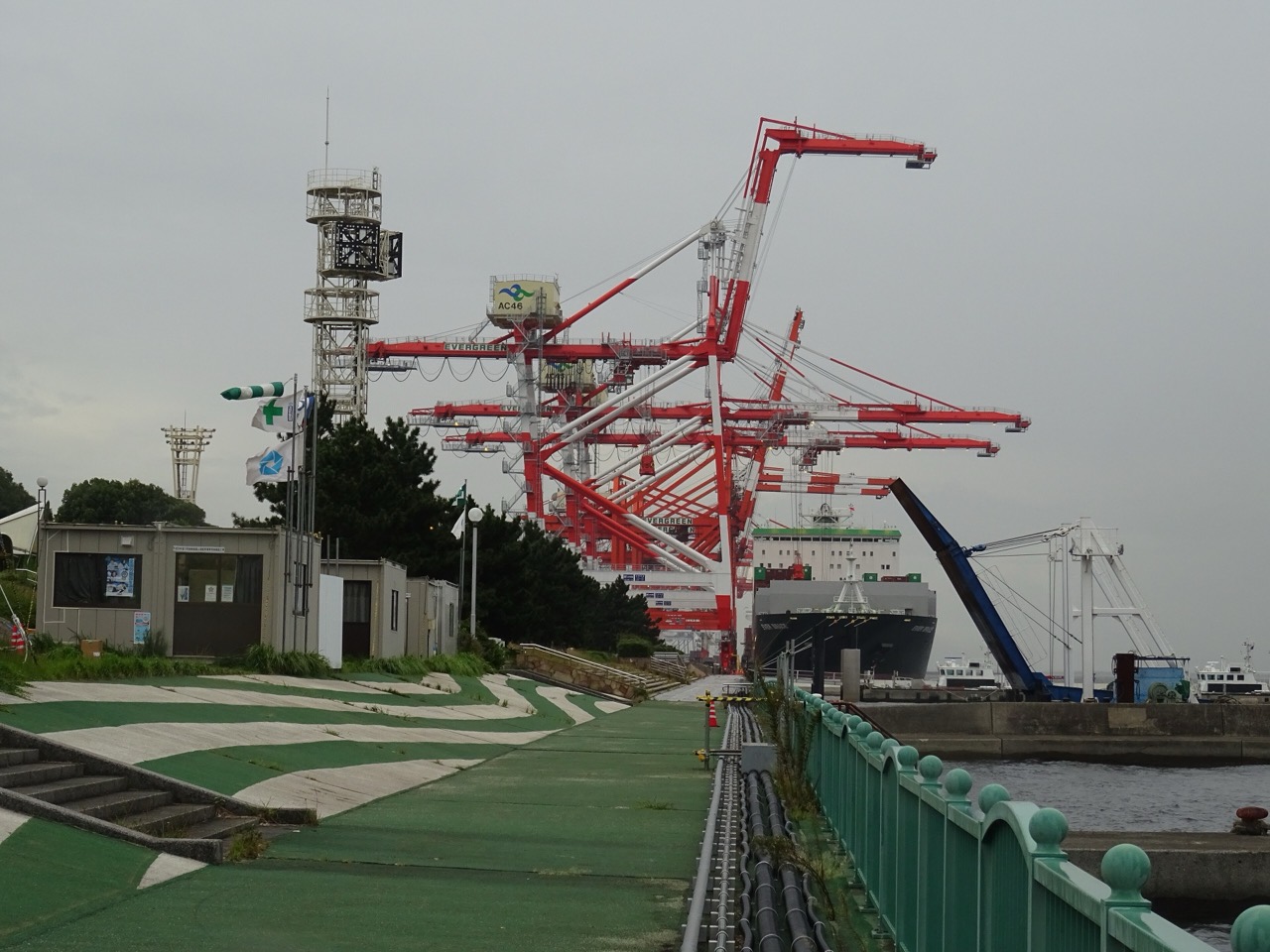
7.This land's old problem is getting people to come. The Rinkai waterfront subcenter was prepared to host the World City Expo in 1996, but a new governor cancelled the expo in 1995, and large plots stayed empty for years. In Aomi, commercial tenants left one by one, with the Venus Fort mall closing in 2022. The metropolitan government has made this exhibition the core of an arts festival meant to create a strong pull for Tokyo in autumn and winter.
8.Why no admission fee? A free outdoor show asks visitors for no decision. Once people buy a ticket they start counting whether it was worth it, but a work set in a park simply slips into a stroll. Attach Kusama's name and the stroll becomes a reason to come out on purpose. Her name leads this exhibition's publicity too.
9.Daiba and Aomi are linked by the driverless Yurikamome line, Aomi and Tennozu by the Rinkai Line. The walk from station to station becomes the viewing route, and hotels, malls and restaurants line it. No tickets are sold, so the money goes to the shops people pass. What the government is after is not box office income but spending that lands in the neighborhood.
10.Most of the money is public. Tokyo set aside 300 million yen for the triennale in its fiscal 2024 budget and 400 million yen in fiscal 2025. I could not find a published figure for this year. Private money comes as donations and sponsorship; the donation page run by the Association for Corporate Support of the Arts lists a target of 100 million yen, and as of late September it had collected 930,000 yen.
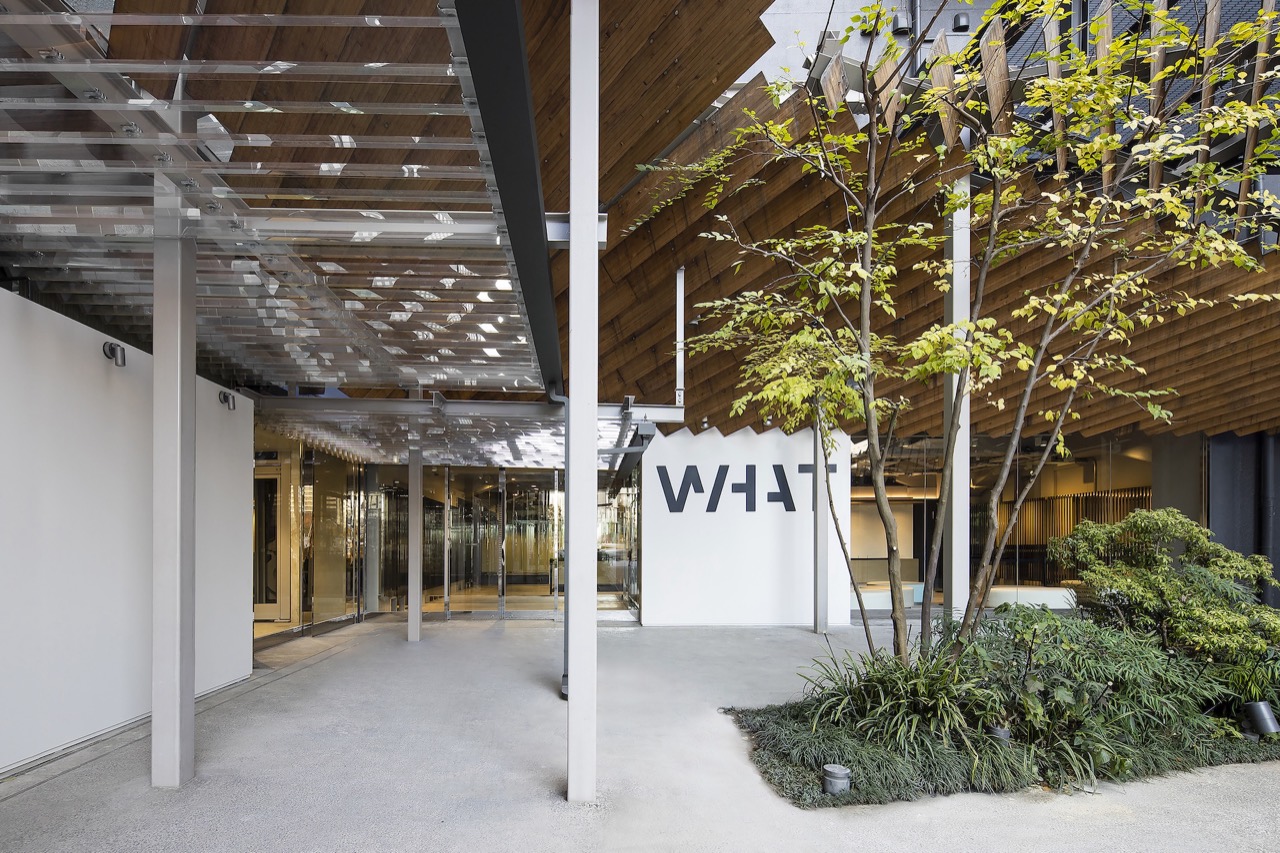
11.The two sponsors have a stake in this land. Terada Warehouse turned the Tennozu warehouse district into a street of museums and galleries, and it runs WHAT MUSEUM, one of the venues. Tokyo Teleport Center owns the Telecom Center Building, where Kusama's balloons will hang. One brings people into its own museum, the other into its own atrium.
12.The government had already put big money into the same seaside park. The fountain Tokyo Aqua Symphony started running on March 28 this year, shooting jets shaped after Somei-yoshino cherry blossoms into the bay in front of the Rainbow Bridge. It cost 2.62 billion yen to build. Tokyo's own estimate is that it will draw more than 2.5 million people a year.
13.Set the fountain's construction cost against two years of triennale budgets and it is 3.7 times larger. The fountain is built once and runs every day; the exhibition opens for 72 days and packs up. Tokyo has stacked a permanent attraction and a temporary one on the same shore. Someone who comes to see the fountain on an autumn weekend is a short walk from Kusama's mirror balls.
오다이바 해변에 들어간 돈
14.The first Narcissus Garden ran into trouble over money. At the 33rd Venice Biennale in 1966, Kusama spread 1,500 silver plastic balls on the lawn outside the Italian Pavilion and put up a sign reading YOUR NARCISSIUM FOR SALE. She sold them to passers-by for two dollars each until the Biennale stopped the sales. The balls stayed on the lawn.
15.Sixty years later, the same work is laid out by the Tokyo government with no admission charge. In 1966 the artist was stopped from selling her balls; in 2026 taxpayers cover the cost and visitors look for free. Look up from Daiba Park and you see Fuji TV's headquarters. Right across from the park stands the building of the broadcaster that walked away from the event.
16.Tokyo postponed the exhibition by a year after the broadcaster pulled out, is running it itself, and is carrying its 72 days on taxes and sponsorship instead of ticket sales. Two weeks before opening, donations had reached 930,000 yen against a 100-million-yen target. When a local government stages a free outdoor show like this, private money is the first thing to dry up. Both companies that did sign on as sponsors own or run a venue, and firms whose buildings the art would not fill were slow to open their wallets.