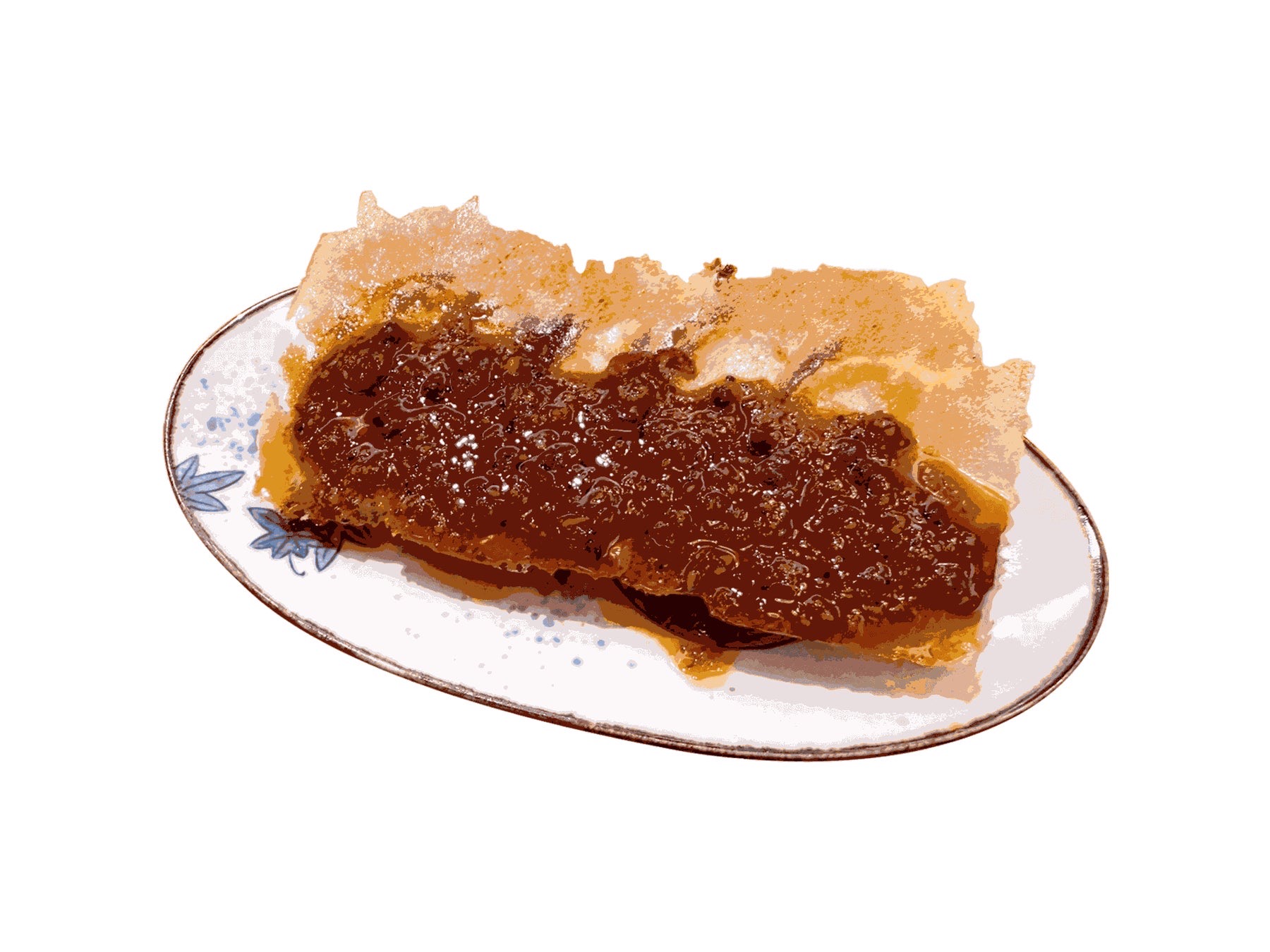
On 6 July 2026, a gyoza restaurant opened on the ground floor of a restaurant-only building in Kayabacho, Tokyo. It is the third outlet of a business that sells JPY 33 million a month from 76 seats in Utsunomiya. The new site is 39 pyeong with 67 seats, and the operator's stated target is JPY 12 million a month, the same number the 37-seat first Tokyo outlet already produces. Where does the arithmetic come from that raises seats by 1.8 times and leaves the target where it was.
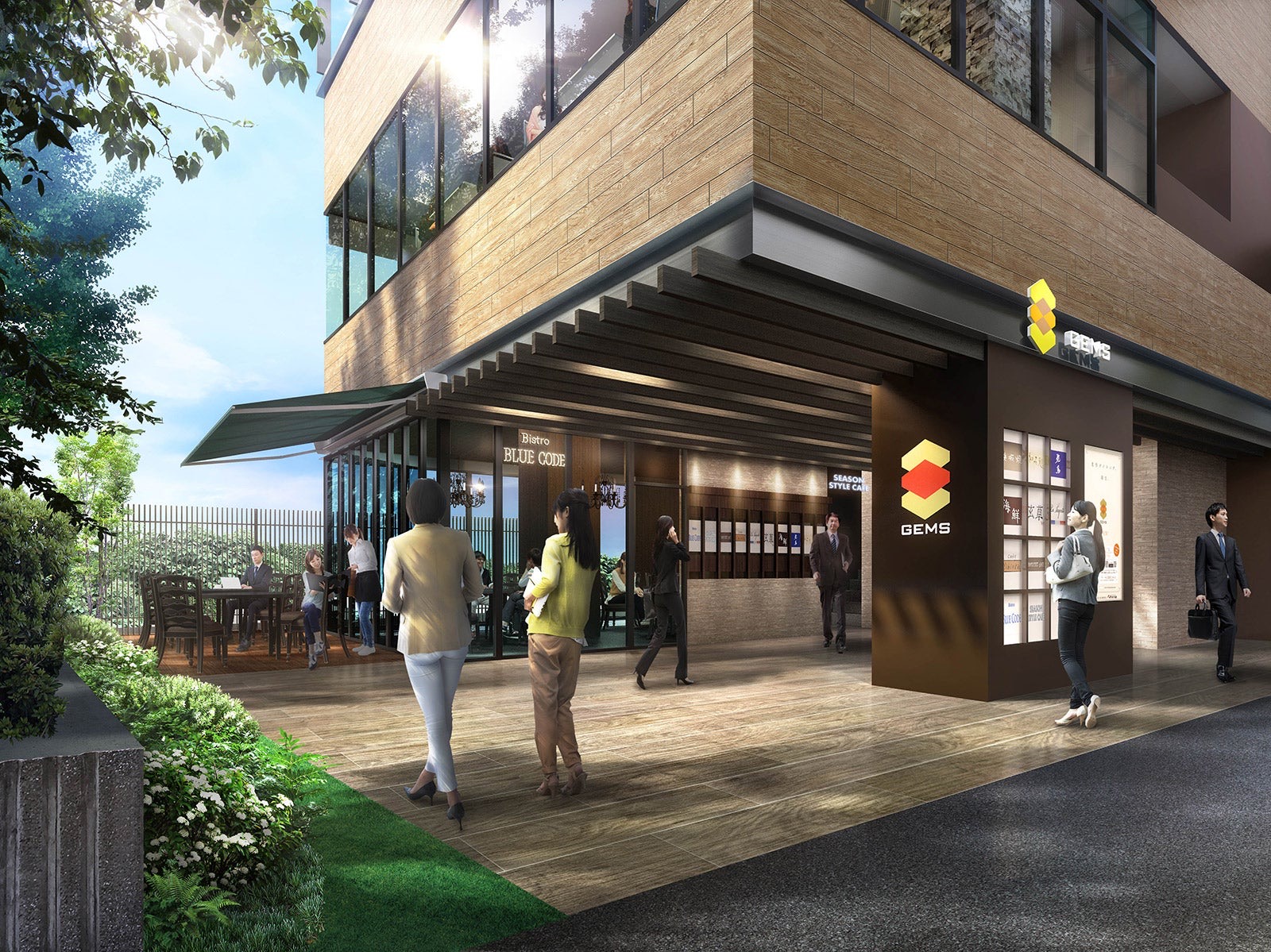
1.The address first. 1-1-7 Shinkawa, Chuo-ku, Tokyo, ground floor of GEMS Kayabacho, two minutes on foot from exit 4b of Kayabacho station on the Tokyo Metro Tozai and Hibiya lines. 39 pyeong with 67 seats, twelve at the counter and the other 55 at tables, with no private rooms. The operator is Team Barista Co., Ltd., headquartered in Utsunomiya, Tochigi Prefecture. Founded in 2010, the company now runs 14 outlets across 13 formats.
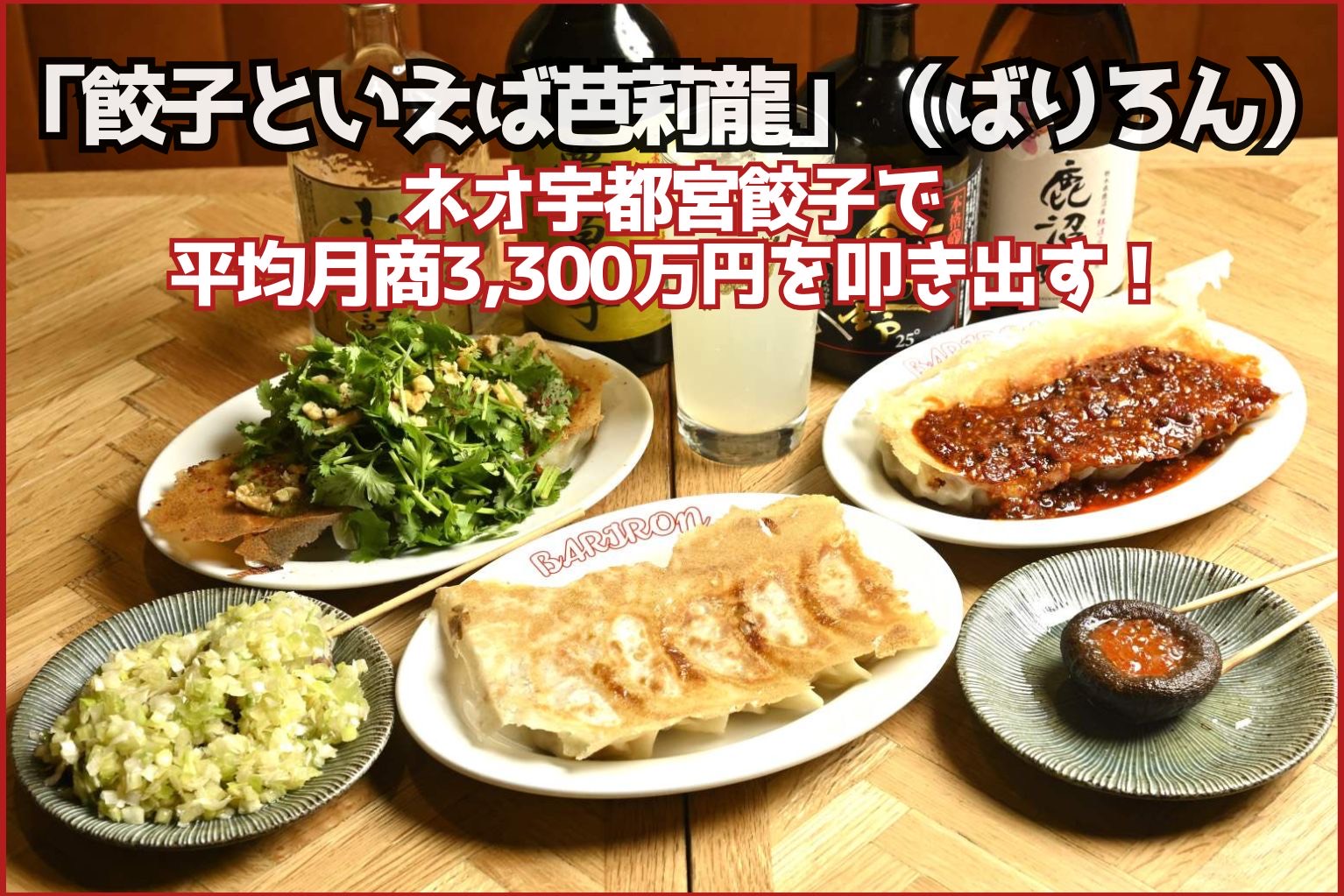
2.The brand is called Gyoza to Ieba Bariron. It sells yaki gyoza at JPY 780 before tax, JPY 858 with it, mala yaki gyoza at JPY 968, sui gyoza at JPY 858 and lamb skewers at JPY 638, with lunch sets from JPY 1,298 to JPY 1,628. It opens at 11:00 and closes at 22:30, running an extra half hour on Fridays only. Closed Sundays. Tabelog puts the budget at the JPY 3,000 range in the evening and the JPY 1,000 range at lunch.
3.You have to look at the building to read this site. GEMS is a restaurant-only building brand run by Nomura Real Estate, with ten outlets, one per floor, across ten storeys. Each floor is 120 to 160 sqm on sites of 160 to 990 sqm. The location criteria the company states itself are what catch the eye: not prime pitches, but deliberately narrow sites slightly off the main street. As of July 2025 there were 17 buildings and 114 outlets.
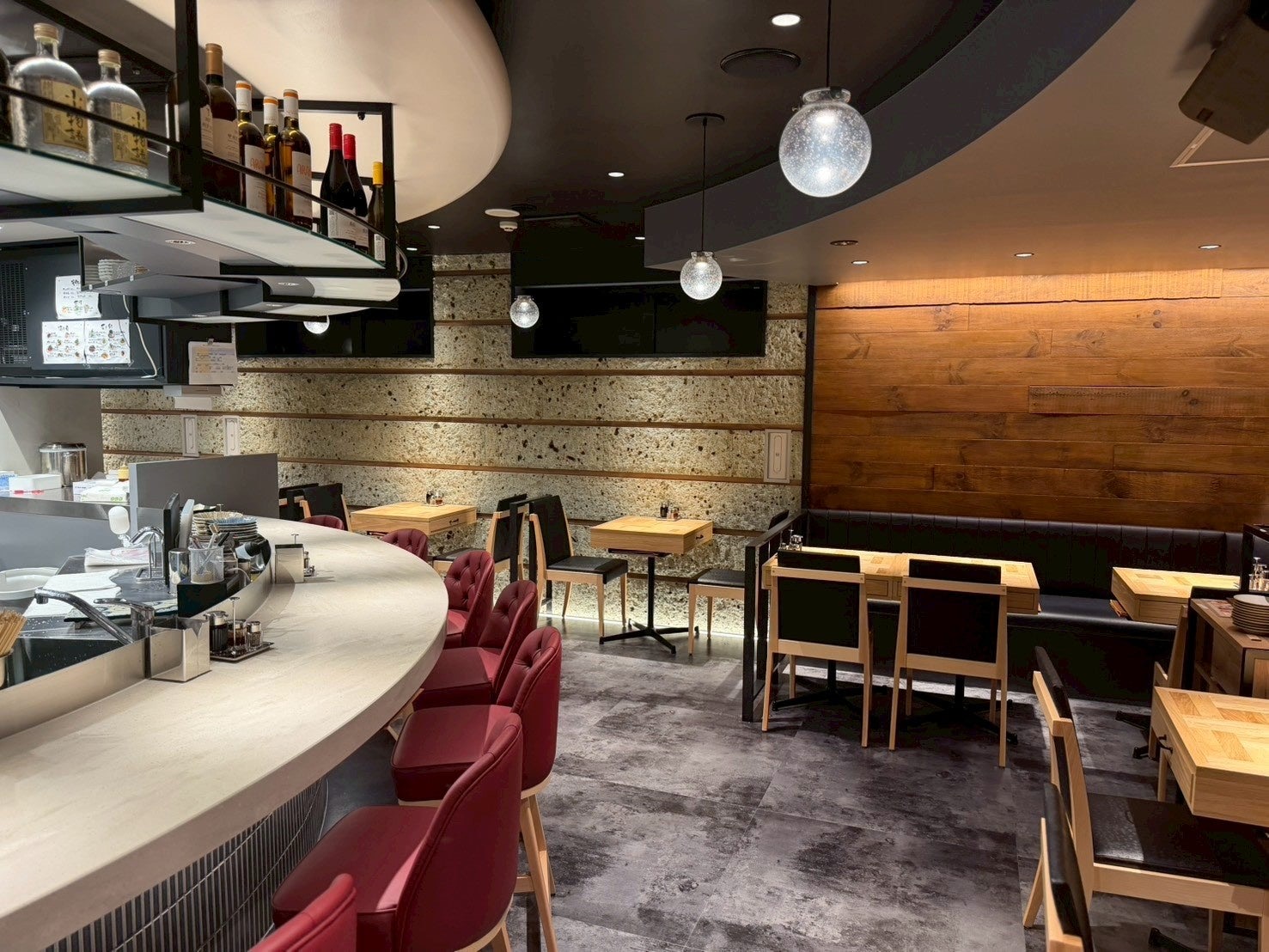
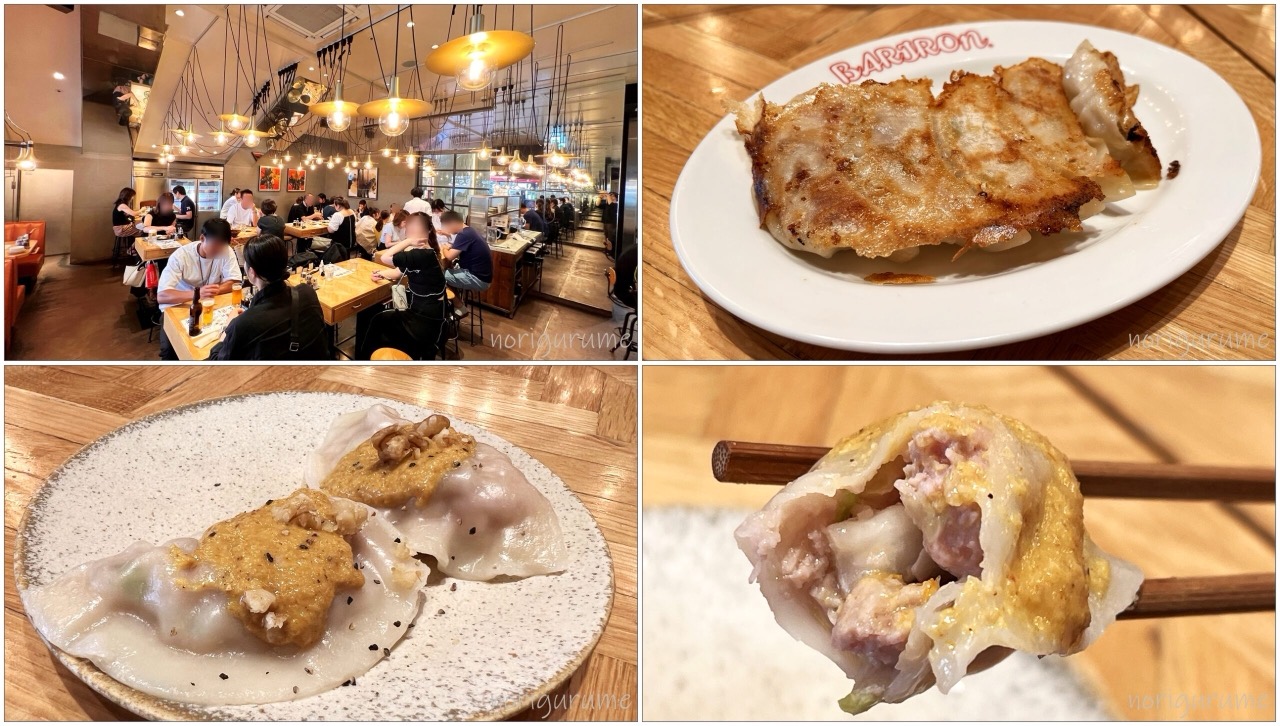
4.The floor is narrow and deep, so the route runs in one line. Twelve counter seats face the kitchen and the 55 table seats push back from there into the depth of the space. When water meets the gyoza on the iron plate, the sound swells once under the lid and settles, and the steam that rises when the lid comes off carries ginger rather than garlic. That comes of stopping the vegetables at ginger and cabbage.
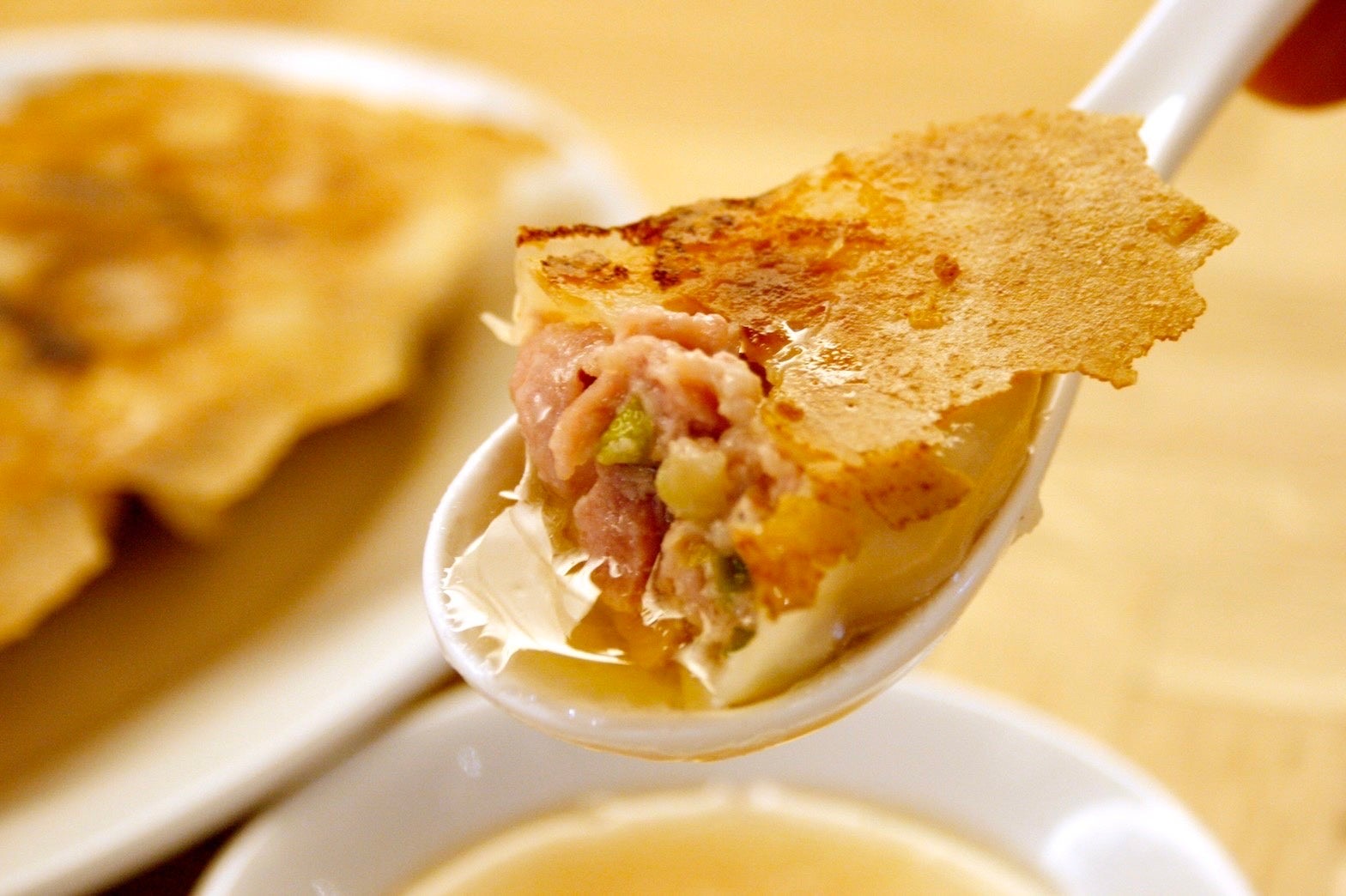
5.The structure of a mouthful differs from other places. Meat to vegetable runs 9 to 1, the pork goes in cut into 1cm cubes rather than minced, and the wrapper is rolled down to 1mm. Teeth pass through the wrapper first and then catch again on a lump of meat, so the number of chews goes up. The Utsunomiya original folds 3,000 to 3,500 of these by hand each day, and the company says there is someone on the line who wraps more than a hundred an hour.
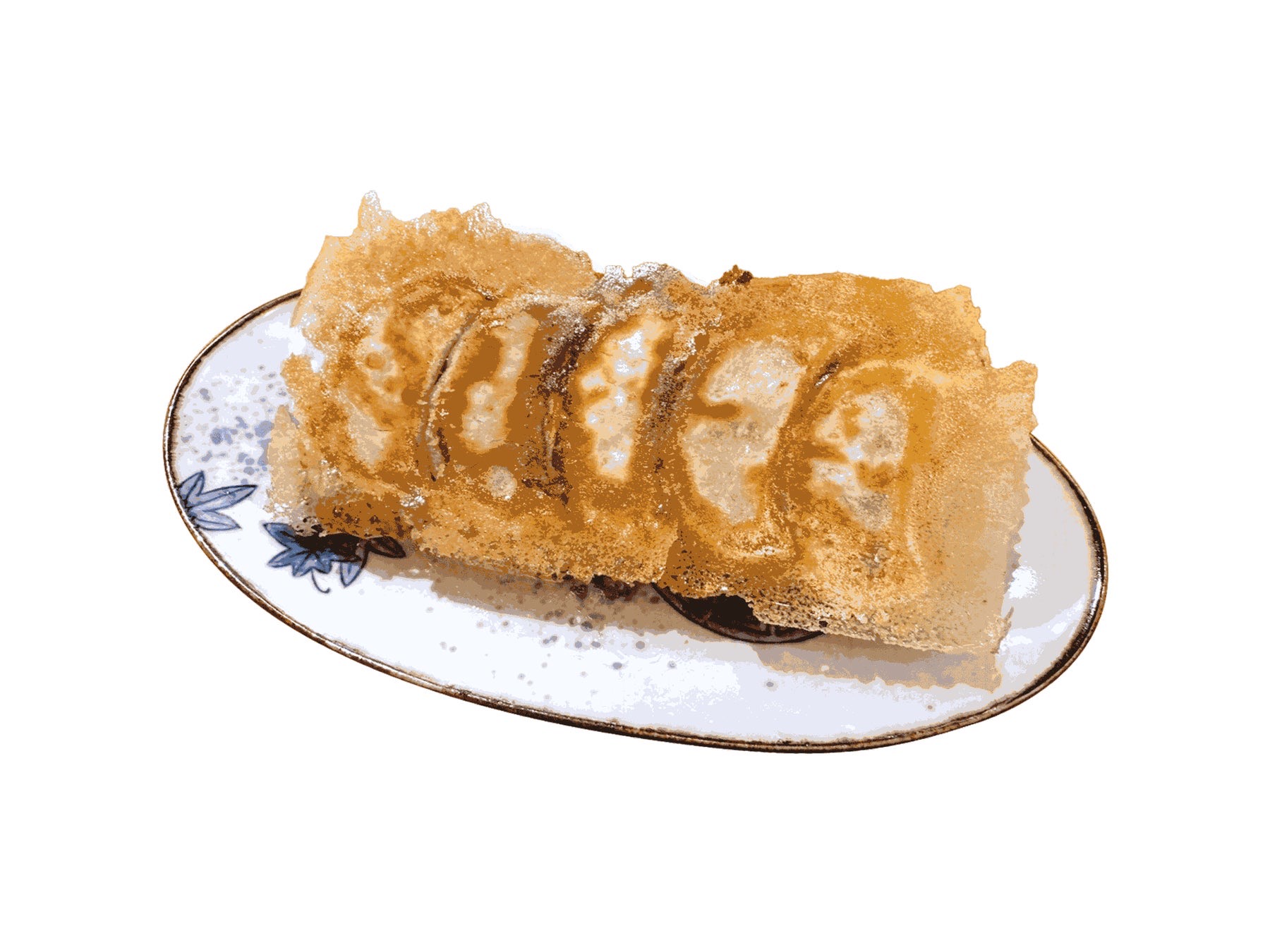
6.Gyoza was never the lead. It was what came alongside ramen and a side at Chinese restaurants, and being something that only sells cheap, it evolved toward more vegetable and less meat. Turning that direction around is almost the whole of what this brand did. Three times the meat and twice the price.
7.Second is time. A customer at a gyoza specialist is up and out in fifteen minutes. Turnover is fast, but average spend stops somewhere around JPY 800, and that ceiling does not rise with more seats. The company's line is "not a place to eat gyoza but a place to drink and talk over gyoza", and the actual content of that sentence is a declaration that they will stretch the stay and attach alcohol. Lamb skewers, duck with wasabi and smoked eggs fill that space.
8.Third is the trade area. Kayabacho sits at the far end of the Nihonbashi financial district, and Shinkawa is one block further toward the Sumida river, dense with offices. Closing on Sunday states that character plainly. Ties crowd in on weekday evenings and the weekend empties out. A site that needs plenty of seats and where those seats also have plenty of days off.
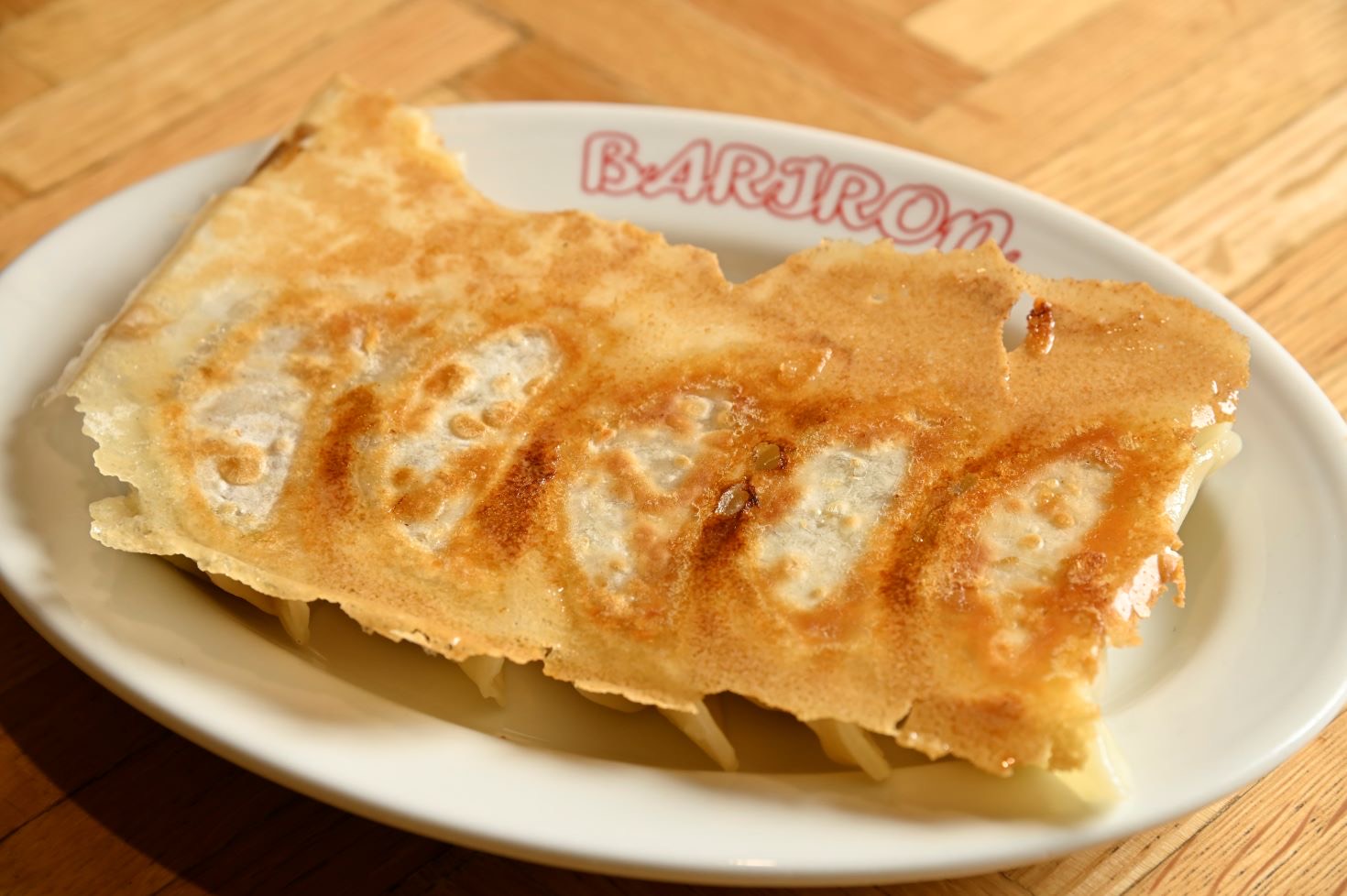
9.Now the money. The Utsunomiya original opened in October 2020 and passes an average of JPY 33 million a month from 76 seats. Around 400 customers on a weekday and more than 600 at the weekend. That works out at JPY 434,000 per seat per month, very high as restaurant numbers go. The first Tokyo outlet, Yaekita, opened in April 2023 with 37 seats and JPY 12 million a month, giving JPY 324,000 per seat.
10.Kayabacho's target is the same JPY 12 million. Seats are 1.8 times higher at 67 while the target stays put, so per seat it lands at JPY 179,000, down to 55 percent of the first Tokyo outlet. The company did not fail at arithmetic. Yaekita is 37 seats inside a commercial complex at Tokyo station and Kayabacho is 39 pyeong on a ground floor street frontage, so what differs is not productivity per seat but the absolute fixed cost one property has to carry.
11.Break the target down by day and it goes like this (estimates from here). Taking out Sundays leaves 26 trading days, so JPY 462,000 a day. Turn 67 seats 1.5 times at lunch for 100 covers at JPY 1,400 and that is JPY 140,000, and dividing the remaining JPY 320,000 by an evening spend of JPY 3,500 gives 92 covers, so evening turnover is 1.4. 192 people a day. Against the 400 weekday customers at the Utsunomiya original, that is less than half.
12.The cost side is not what it looks like. Tripling the meat sounds like blowing up the cost ratio, but put the pork in five gyoza at 75g and domestic wholesale meat at JPY 1,300 a kilo and it comes to JPY 98 (estimate). Add wrapper, ginger and cabbage and it is around JPY 120, a 15 percent cost ratio against a JPY 780 price. A common vegetable-heavy gyoza sits at a similar cost ratio. What changes is the price, not the cost ratio, and that is how the same seat produces twice the money.
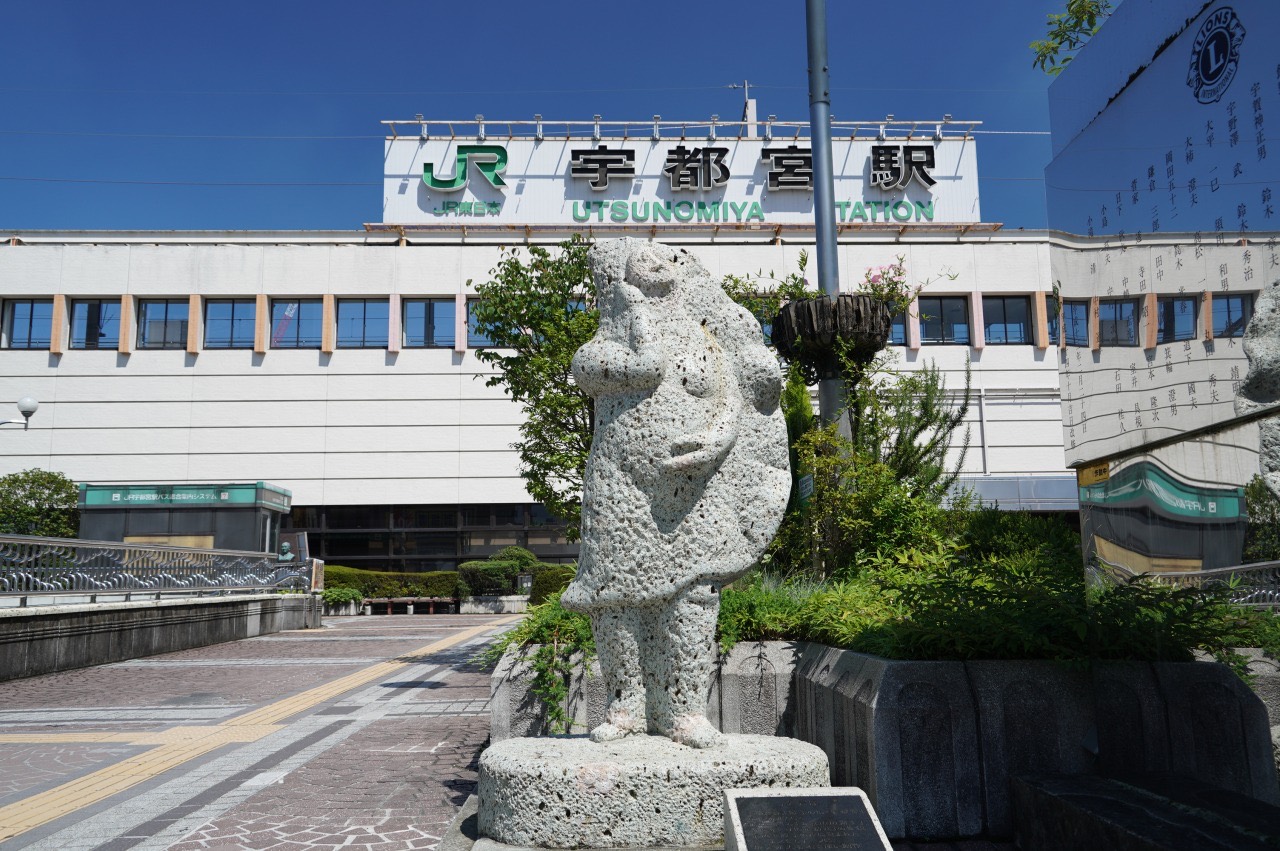
13.Trace the line back and Utsunomiya is known as the city of gyoza, though the crown passed on long ago. On Ministry of Internal Affairs household survey figures, gyoza spending in 2025 put Hamamatsu first at JPY 4,046, Utsunomiya second at JPY 3,575 and Miyazaki third at JPY 3,418, and Utsunomiya's run of fifteen straight years at the top ended in 2010. That survey counts only fresh and cooked gyoza sold in supermarkets, excluding restaurants, frozen food and takeaway from Chinese restaurants. A ranking of cities that buy gyoza to cook, not cities that go out to eat it.
14.The money turns for the landlord rather than the tenant. GEMS is a product built for independents and owners with two or three outlets. It hands over a whole floor, avoids prime pitches to keep the lease terms down, and stacks ten outlets vertically so people move between floors. The hardest thing for a company that has grown one brand in the provinces and wants into Tokyo is finding a site, and a real estate company turned that problem into a product and sold it. Team Barista's stated criteria for its next outlets are 30 to 50 pyeong on a street frontage, commercial complex or not.
15.A gyoza house that made JPY 33 million a month from 76 seats in Utsunomiya opened its third outlet in 39 pyeong on the ground floor of a restaurant-only building in Kayabacho, Tokyo, and left the revenue target at JPY 12 million a month, the same as the first Tokyo outlet, even after raising the count to 67 seats. The money one seat makes falls from JPY 434,000 to JPY 179,000, and what that difference buys is a ground floor street frontage. Move this model to Korea and the hand-folding line catches first. Folding 3,000 a day at a hundred an hour takes 30 hours, and at the 2026 minimum wage of KRW 10,320 alone, KRW 310,000 a day goes out in front of the wrappers. Put a machine in and the grounds for the price, that they are folded by hand, disappear; keep the hands and that labour doubles the cost ratio of the gyoza. What anyone in this trade is actually buying is not three times the meat but that line.