retailHoteldiningdrinkCultureSpaceCafeBrand
ArticlesTravel
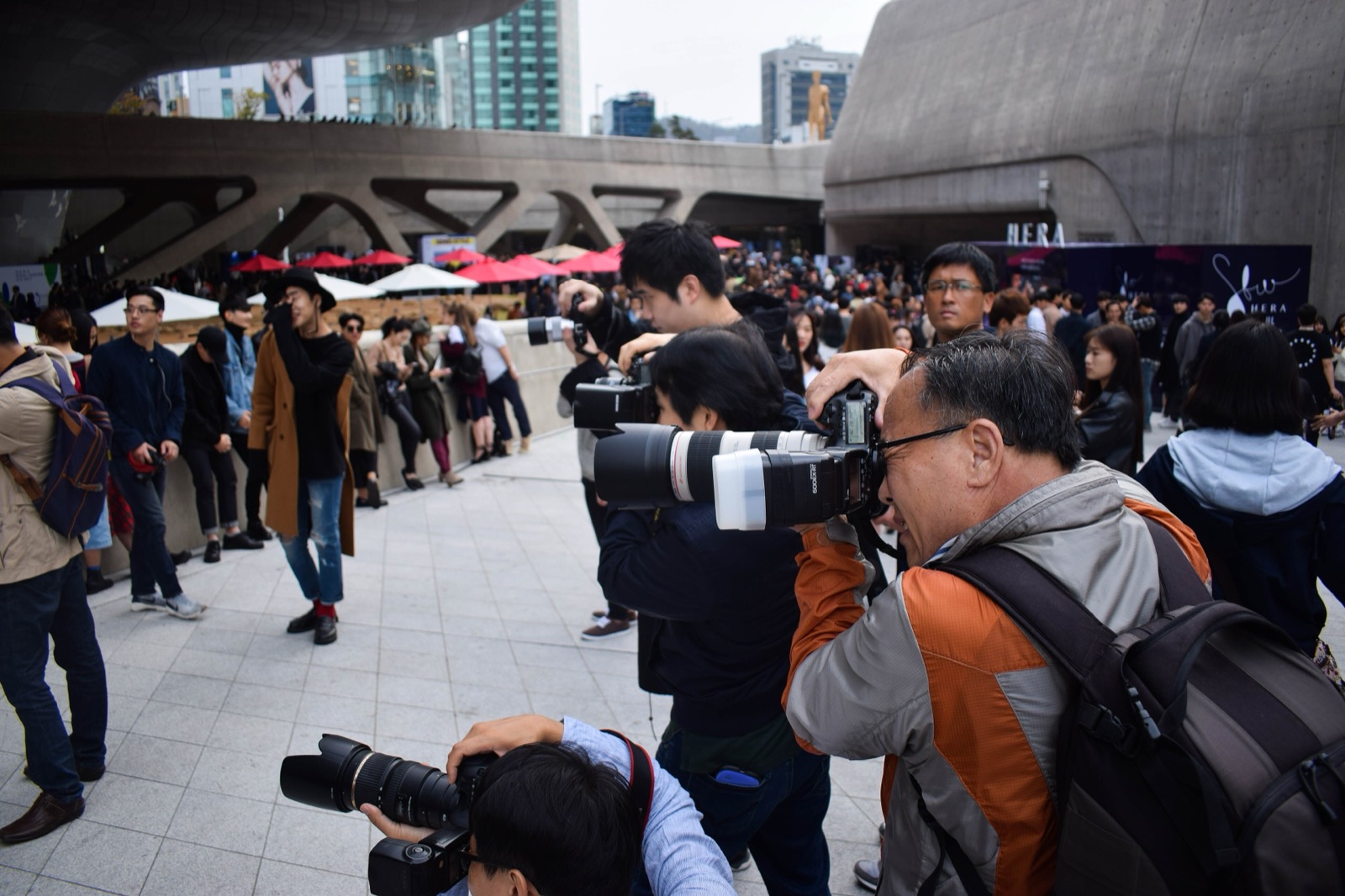
37.4 percent on food, 15.3 percent on clothes · The area around Dongdaemun Design Plaza (DDP). In a Seoul Design Foundation survey, spending by visitors here put food and drink at more than double fashion. ⓒWikimedia Commons
37.4 percent on food, 15.3 percent on clothesThe area around Dongdaemun Design Plaza (DDP). In a Seoul Design Foundation survey, spending by visitors here put food and drink at more than double fashion. ⓒWikimedia Commons
Daily dining

Hyundai Outlet Dongdaemun: an alley built two floors underground

2026.08.01

On 2 July 2026, Hyundai Department Store announced the first overhaul of its city outlet in Dongdaemun in the ten years since it opened. Four floors from basement two to level two, about 14,800 sqm. Of that, the 4,595 sqm on basement two opening first in September is the food hall, and the concept is a market alley. On a site where Gwangjang Market is ten minutes on foot and Dongdaemun Market is just across the road, the outlet decided to build one more alley underground.

1.The address first. 20 Jangchungdan-ro 13-gil, Jung-gu, Seoul, in Euljiro 6-ga. Six basement levels and nine floors above ground with 37,663 sqm of trading area, the building was Geopyeong Freya, then Keresta, and opened as Hyundai City Outlet on 11 March 2016. The company set a first-year target of KRW 160 billion at opening. The 14,800 sqm being reworked is 39 percent of the trading area, and some 60 new brands arrive in stages by the end of the year.
2.Some 30 food and beverage brands go into the basement two food hall. Among the known Korean names are Doseulbak from Apgujeong and Mijin from Gwanghwamun, joined by the coffee roaster TERAROSA, which started in Gangneung, the Mexican grill Cuchara and a Japanese bakery. Basement one becomes a K-fashion hall in August, taking in some ten Korean brands, and level two gets a beauty concept store and a pharmacy-style health and beauty shop. A global service lounge handling tax refunds and currency exchange in one place will expand on basement one by the end of the year, the company says.
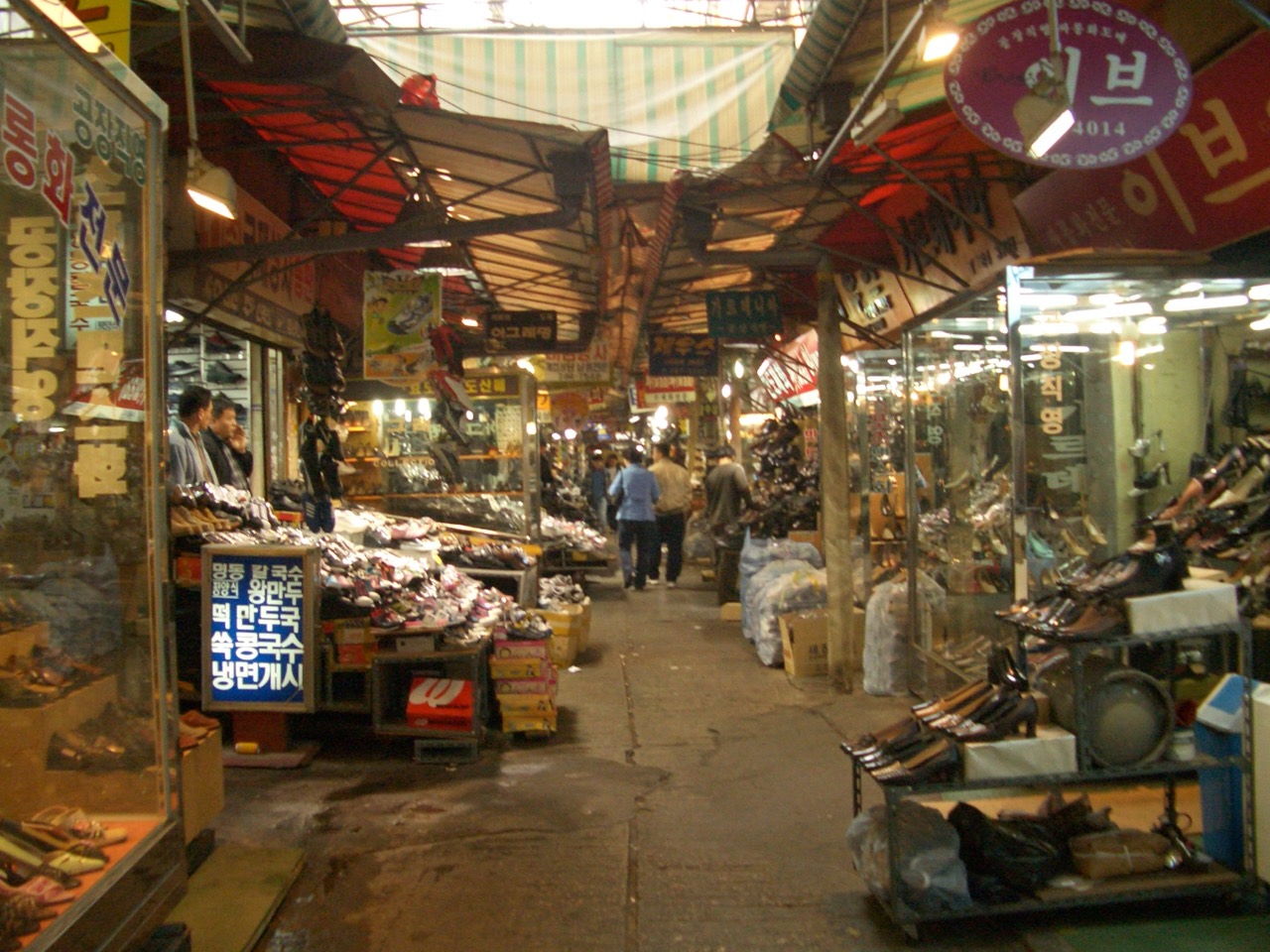
The real market is across the road · The Dongdaemun area is a trade zone where wholesale arcades and street stalls overlap. These alleys are right next door, and the outlet is building a new one underground anyway. ⓒWikimedia Commons
The real market is across the roadThe Dongdaemun area is a trade zone where wholesale arcades and street stalls overlap. These alleys are right next door, and the outlet is building a new one underground anyway. ⓒWikimedia Commons
3.Start with why the floors were set that way. There are three reasons to put food deep underground. Loading and waste routes connect straight to the basement car park, oily exhaust does not have to be dragged up through the upper floors, and smells do not leak into the selling floors. The market alley concept is closer to a costume put over that constraint. Build low counters like stalls and bend the aisles to cut sightlines short, and 1,390 pyeong stops reading at a glance, so people walk further.
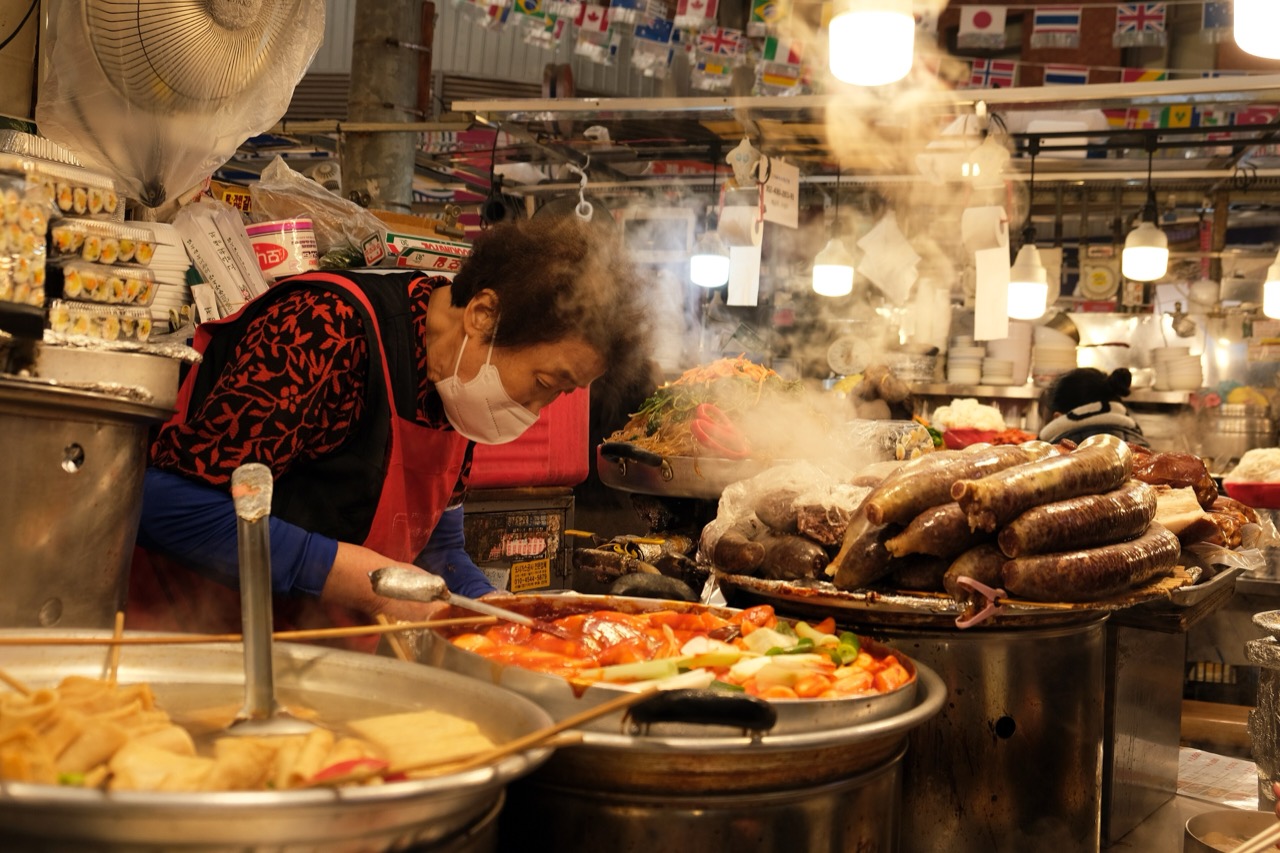
Aisles that cut sightlines short · Dongdaemun Jonghap Market. Narrow, bending aisles that cut sightlines short are grammar the old market buildings already used. ⓒWikimedia Commons
Aisles that cut sightlines shortDongdaemun Jonghap Market. Narrow, bending aisles that cut sightlines short are grammar the old market buildings already used. ⓒWikimedia Commons
4.What a real alley sells is smell. Oil hissing and smoke leaking out past the stall catches the feet of passers-by, while an indoor food hall has to contain that smell. Run the extraction hard and the smell that would catch people disappears; run it soft and it climbs to the floors selling clothes. Half of imitating an alley on basement two is a services fight over the space between those two settings.
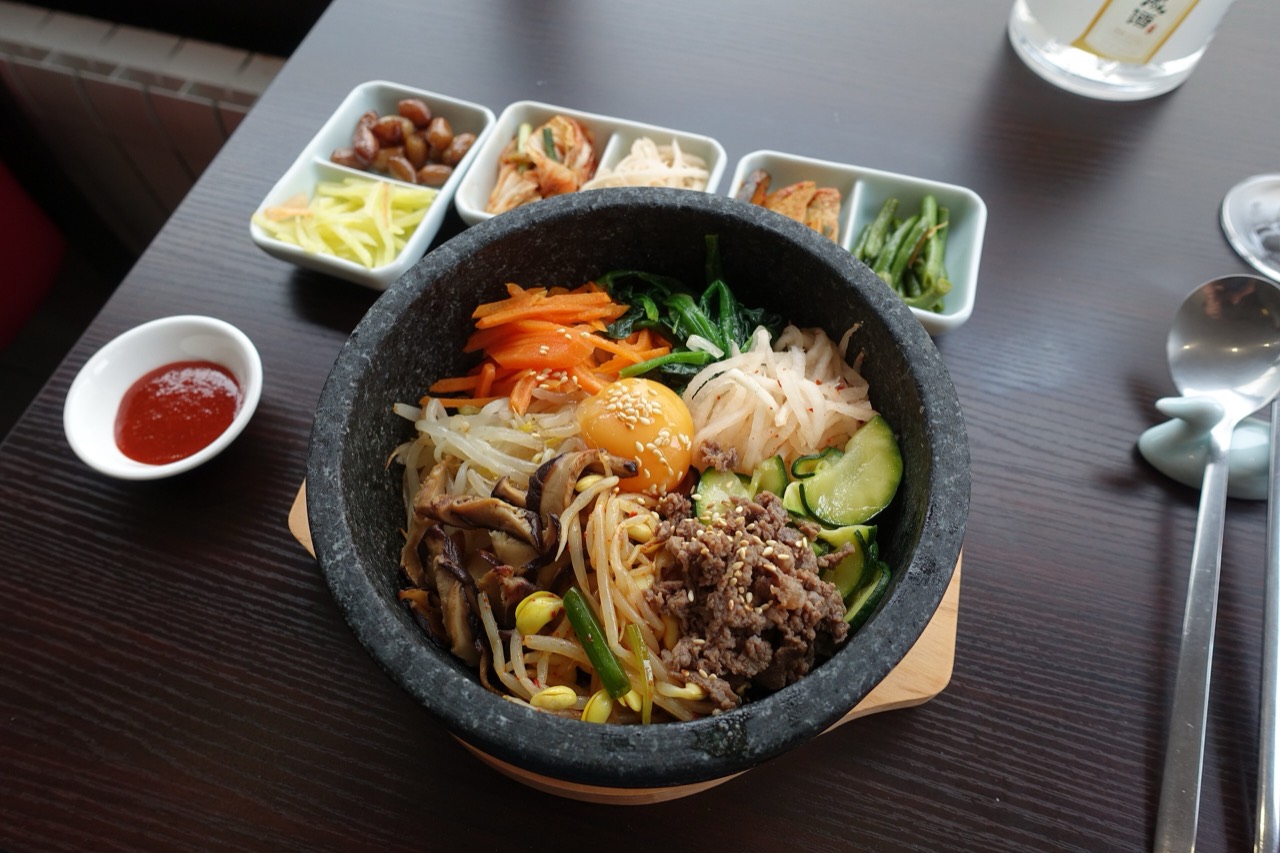
5.Even the published menu splits by temperature. Cold buckwheat noodles come in chilled broth and beads of water gather on the outside of the bowl, while a stone pot sends steam up into your face when the lid comes off. One is food you tip back and stand up from, the other is food you sit with and scrape the crust from, so they use a seat for different lengths of time. Mixing thirty outlets into one hall means loading foods with different dwell times onto the same seats, and that is where the turnover arithmetic starts to slip.
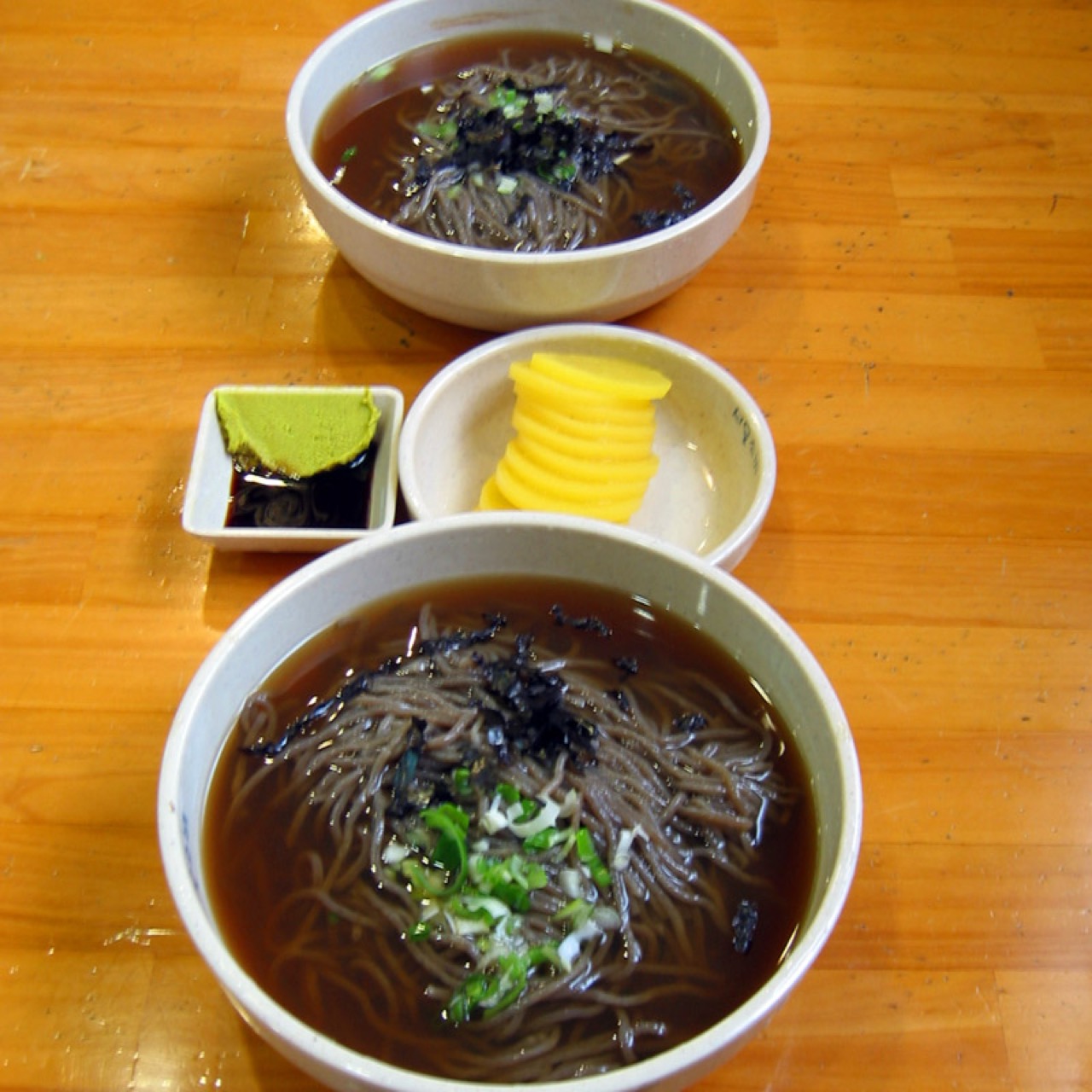
Food you get up from in ten minutes · Mijin in Gwanghwamun has been serving its cold buckwheat noodles since the 1950s, with a base price of KRW 11,000. It has appeared in the Michelin Bib Gourmand for several years. ⓒWikimedia Commons
Food you get up from in ten minutesMijin in Gwanghwamun has been serving its cold buckwheat noodles since the 1950s, with a base price of KRW 11,000. It has appeared in the Michelin Bib Gourmand for several years. ⓒWikimedia Commons
Food you sit down and scrape · Doseulbak's set meals run KRW 17,000 to 19,000. In the same hall, cold noodles and full set meals share the same seats. ⓒWikimedia Commons
Food you sit down and scrapeDoseulbak's set meals run KRW 17,000 to 19,000. In the same hall, cold noodles and full set meals share the same seats. ⓒWikimedia Commons
6.The first point is one number. Break down visitor spending at Dongdaemun Design Plaza (DDP) in the Seoul Design Foundation survey and food and drink came to 37.4 percent against 15.3 percent for fashion. Anyone who came all the way to Dongdaemun spends more than twice as much on food as on clothes. The entire case for a building put up to sell clothes filling its basement with food sits in that one gap.
옷을 사러 온 게 아니라 밥을 먹으러 온다 서울디자인재단 조사 · DDP 방문객이 쓴 돈의 구성 · 두 항목만 발췌 식음료 37.4% 패션 15.3% 그래서 리뉴얼 면적의 3분의 1을 식품관에 준다 지하 2층부터 지상 2층까지 1만4,800㎡ · 층별 배분 지하 2층 식품관 4,595㎡ · 31.0% 나머지 세 개 층 10,205㎡ · 69.0% 소비 구성은 서울디자인재단 조사, 면적은 운영사 발표치. 비율 환산은 필자 계산.
A gap of more than doubleFood and drink 37.4 percent and fashion 15.3 percent in DDP visitor spending. Of the 14,800 sqm being renewed, 4,595 sqm, or 31 percent, goes to the food hall.
7.Second. To the question of why build underground when there are real alleys within walking distance, the answer is thresholds. Stalls have no English menus, some still take no cards, the toilets are far and there is no air conditioning in summer. Anyone dragging a suitcase has nowhere obvious to sit. Basement two is an alley with all those thresholds removed, and the price of removing them is losing the smell and the haggling.
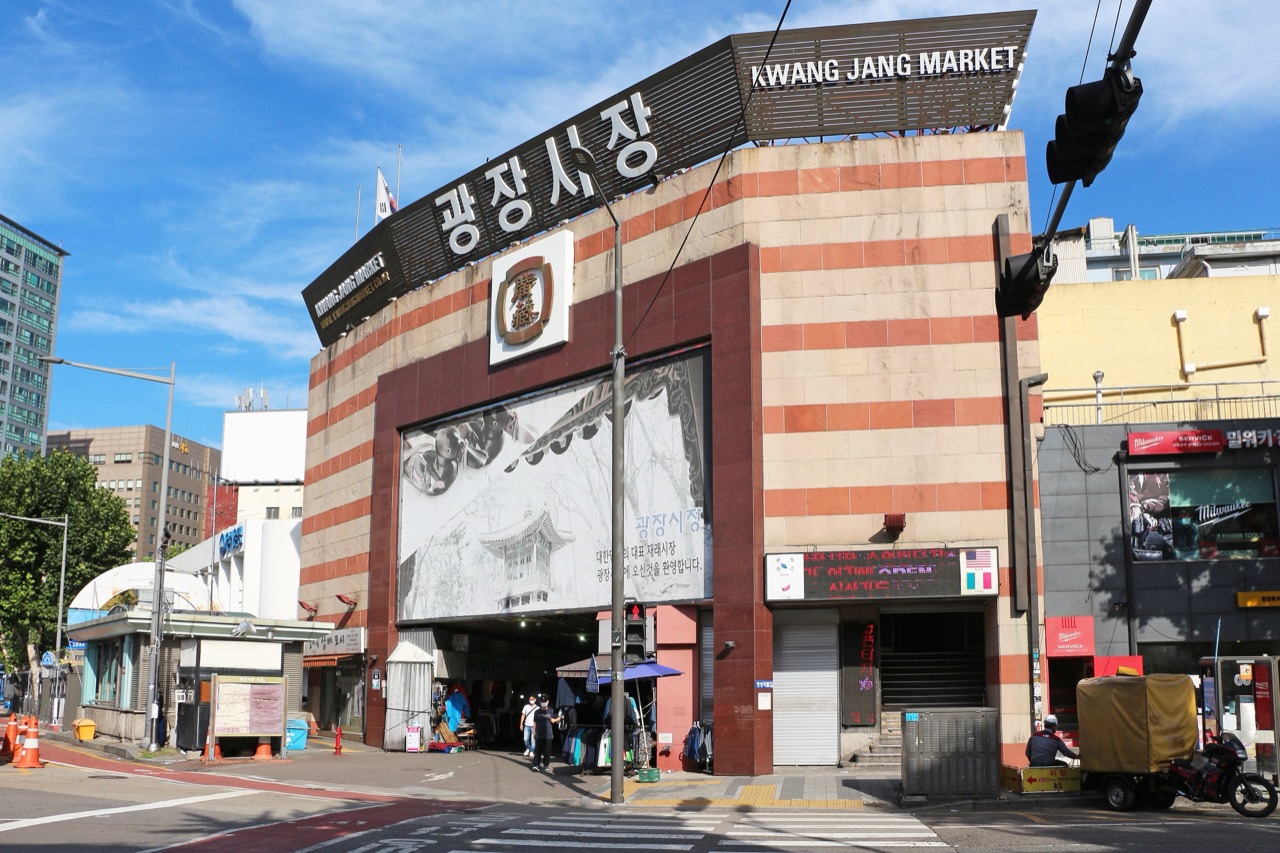
Every threshold they want to remove is here · The food alley at Gwangjang Market. Stalls sit right against the aisle so the smell leaks straight out, and the thresholds of language, seating and toilets arise in the same place. ⓒWikimedia Commons
Every threshold they want to remove is hereThe food alley at Gwangjang Market. Stalls sit right against the aisle so the smell leaks straight out, and the thresholds of language, seating and toilets arise in the same place. ⓒWikimedia Commons
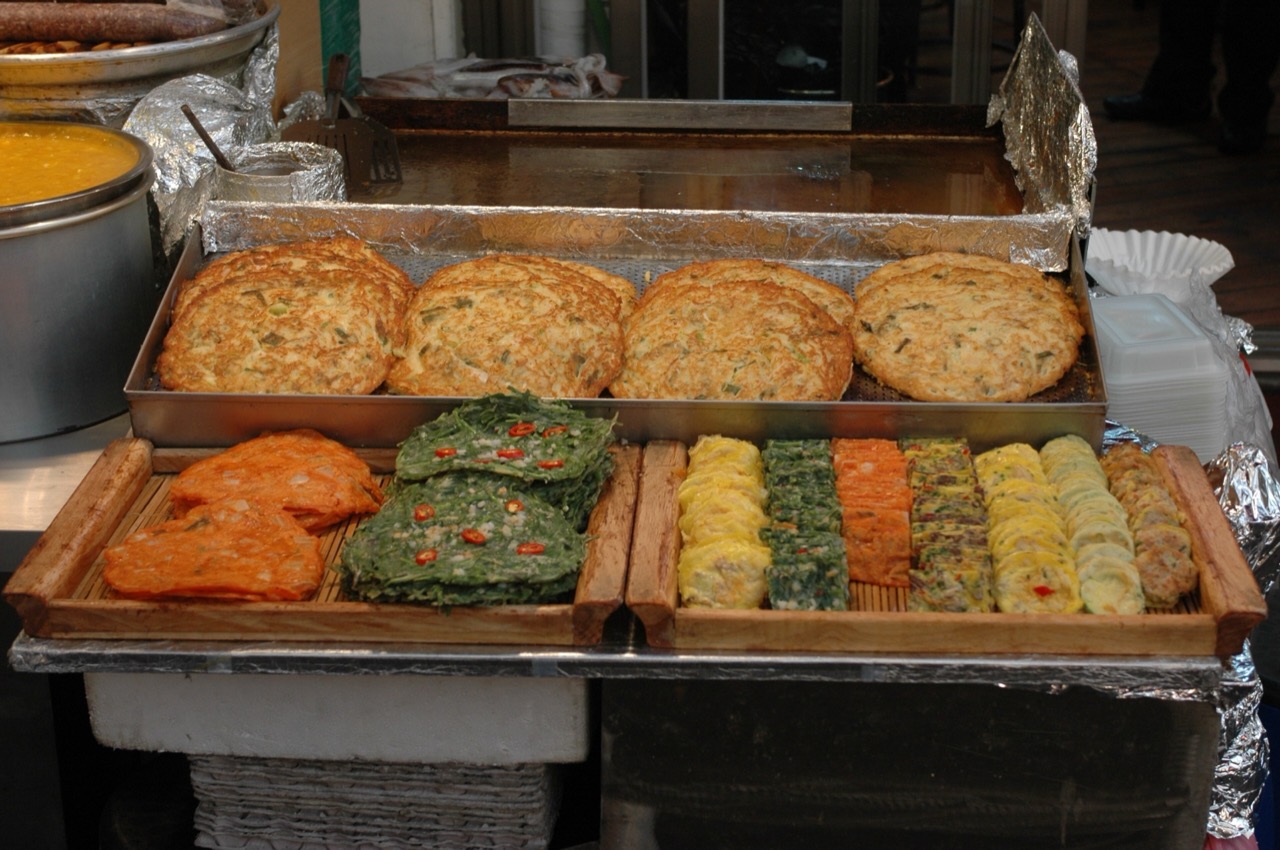
Smell catches the customer · The sound of oil on the griddle and the smoke are the cheapest advertising a stall has. An indoor food hall has to extract it away. ⓒWikimedia Commons
Smell catches the customerThe sound of oil on the griddle and the smoke are the cheapest advertising a stall has. An indoor food hall has to extract it away. ⓒWikimedia Commons
8.The third point came out of a failure. This company closed its Dongdaemun downtown duty free store in July 2025, five years after opening. Chinese group tours and daigou buyers thinned out, the exchange rate rose and the rent weighed. A product built for the days when groups arrived by coach and bought in bulk. Today's customers come individually, and an individual traveller's day starts with food and ends with food. From January to May this year, foreign sales at this outlet rose 122 percent year on year to 23.7 percent of the total, three times the 2019 share.
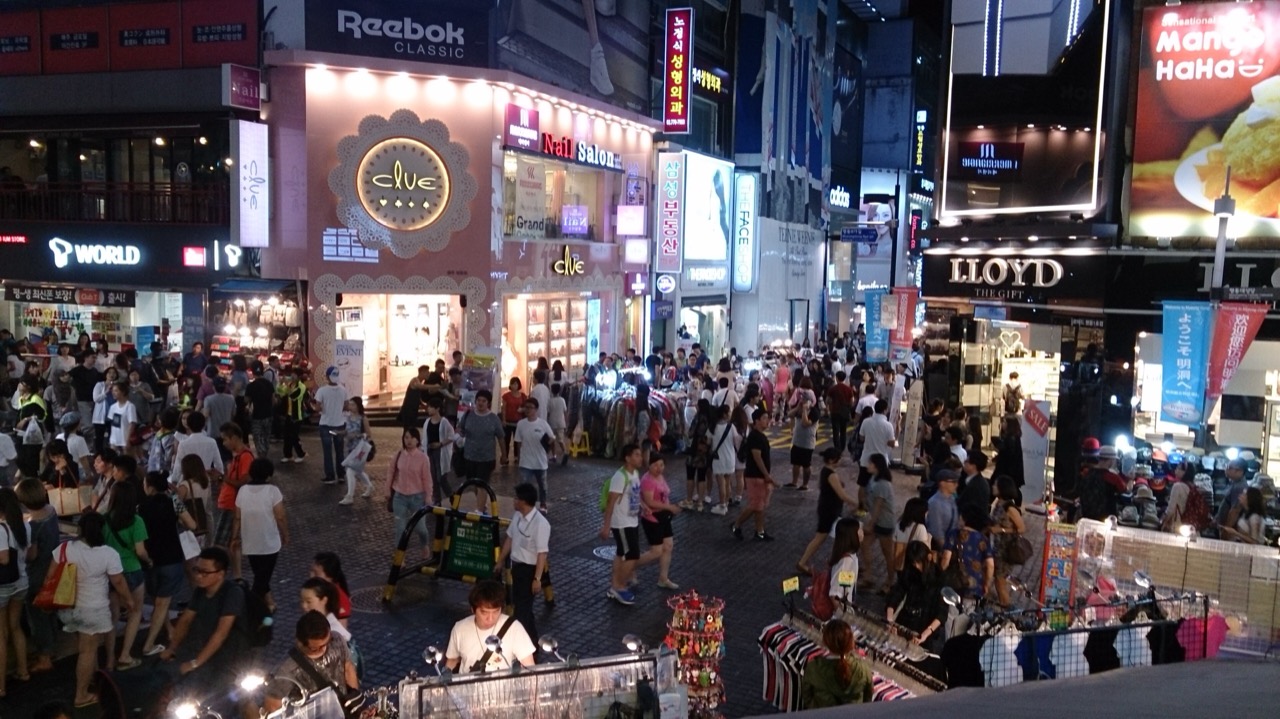
From groups to individuals · 8.23 million foreign visitors came to Seoul in the first half of this year, and their card spending in the city reached KRW 5.6172 trillion, up 56.8 percent year on year. ⓒWikimedia Commons
From groups to individuals8.23 million foreign visitors came to Seoul in the first half of this year, and their card spending in the city reached KRW 5.6172 trillion, up 56.8 percent year on year. ⓒWikimedia Commons
9.Now the money. 4,595 sqm is 1,390 pyeong, and split across thirty outlets that gives 46 pyeong each on paper, but take out the seating, aisles and shared services and each outlet's own area drops to somewhere between 10 and 15 pyeong (estimates from here). Put the average spend between KRW 11,000 for cold noodles and KRW 17,000 for a set meal at KRW 15,000. Take 300 seats, eleven trading hours and eight turns and 2,400 people sit down a day for daily revenue of KRW 36 million, which over 350 days gives KRW 12.6 billion.
1,390평에서 연 126억을 뽑으려면 하루 2,400명이 앉아야 한다 면적·점포수는 발표치 · 좌석수, 회전, 객단가는 업태 통상치를 얹은 필자 추정 항목 가정 결과 좌석과 회전 300석 · 11시간 · 8회전 하루 2,400명 객단가 냉메밀 11,000 ~ 반상 19,000 평균 15,000원 하루 매출 3,600만 원 연 매출 (350일) 126억 원 평당 연매출 126억 ÷ 1,390평 906만 원 점포당 월매출 126억 ÷ 12개월 ÷ 30개 3,500만 원 점포가 내는 수수료 푸드코트 통상 22~28% 중 25% 적용 월 875만 원 수수료율은 업계 통상 구간, 재료비 30%는 외식 일반치. 모든 환산과 해석은 필자 계산이며 운영사 공표치가 아니다.
The food hall worked backwardsPut in 300 seats, eight turns and an average spend of KRW 15,000 and you get KRW 12.6 billion a year, KRW 9.06 million per pyeong, and KRW 35 million a month per outlet. Seat count and turns are estimates.
10.The outlet-level accounts are tight. Commission on a leased food court unit in a department store usually runs between 22 and 28 percent of revenue, with ingredients around 30 percent. On KRW 35 million of monthly revenue that is KRW 8.75 million of commission, KRW 10.5 million of ingredients and KRW 7 million of labour at 20 percent. Take consumables, card fees and depreciation out of the remaining KRW 8.75 million and what stays in hand drops into the low teens as a percentage of revenue. Brands with queues at their own shops accept these terms for exposure, not for margin.
11.Read the outlet's own arithmetic the other way. KRW 12.6 billion of food hall revenue at 25 percent commission gives KRW 3.1 billion recovered, KRW 2.27 million per pyeong a year, while the clothing floors have positions where the commission rate alone passes 30 percent and pull more from the same area. Widening food and beverage is not a decision to earn more on that floor. It is closer to paying to hold people inside the building for an hour over a meal and send them upstairs.
12.The risk sits in the seats. A rail holds dozens of garments, while a meal has one person occupying one place, and that place is not selling area. The more the market alley concept bends the aisles and stands up stalls, the fewer seats there are. Is it over once turnover hits the target. Even a hall with 2,400 people passing through fills up for two hours from noon and two hours from six in the evening, and for the other seven hours more than half the seats sit empty.
13.Trace the line and the source is Japan's depachika. The idea of filling a department store basement with food to push customers from below upward, grammar Korean department stores have followed for a long time. Recent years went toward scale. One department store in Gangnam expanded its food hall to nearly 6,000 pyeong and kept only the restaurant zone inside it open until 10pm, breaking the store's own closing time. The era of the basement as bait ended and the basement became the destination, and that is the change of the past few years.
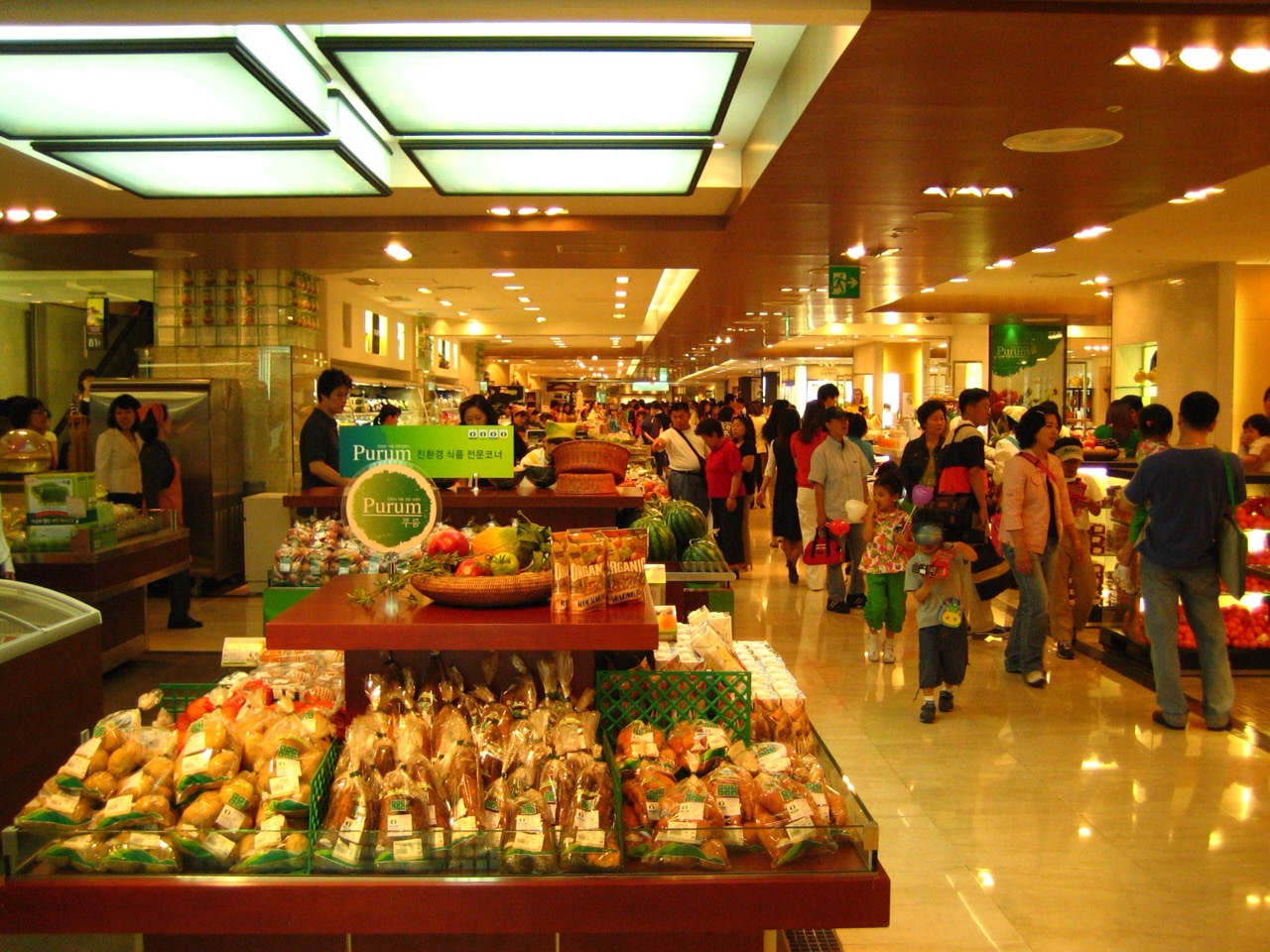
Send them down, then send them up · Japan's depachika. The original form of the idea that filling a department store basement with food pushes customers from below upward. ⓒWikimedia Commons
Send them down, then send them upJapan's depachika. The original form of the idea that filling a department store basement with food pushes customers from below upward. ⓒWikimedia Commons
14.What actually differs is the competitor. This food hall's rival is not Gwangjang Market but Doota Mall across the road, and what those two buildings sell is neither clothes nor food but dwell time. The problem is that dwell time does not convert to revenue by itself. 8.23 million foreign visitors to Seoul in the first half spent KRW 5.6172 trillion on cards, about KRW 680,000 each, and which floor that money lands on is decided by the counters upstairs rather than by the restaurants. Even if the basement gathers people, with nothing to sell upstairs the food hall is just thirty restaurants.
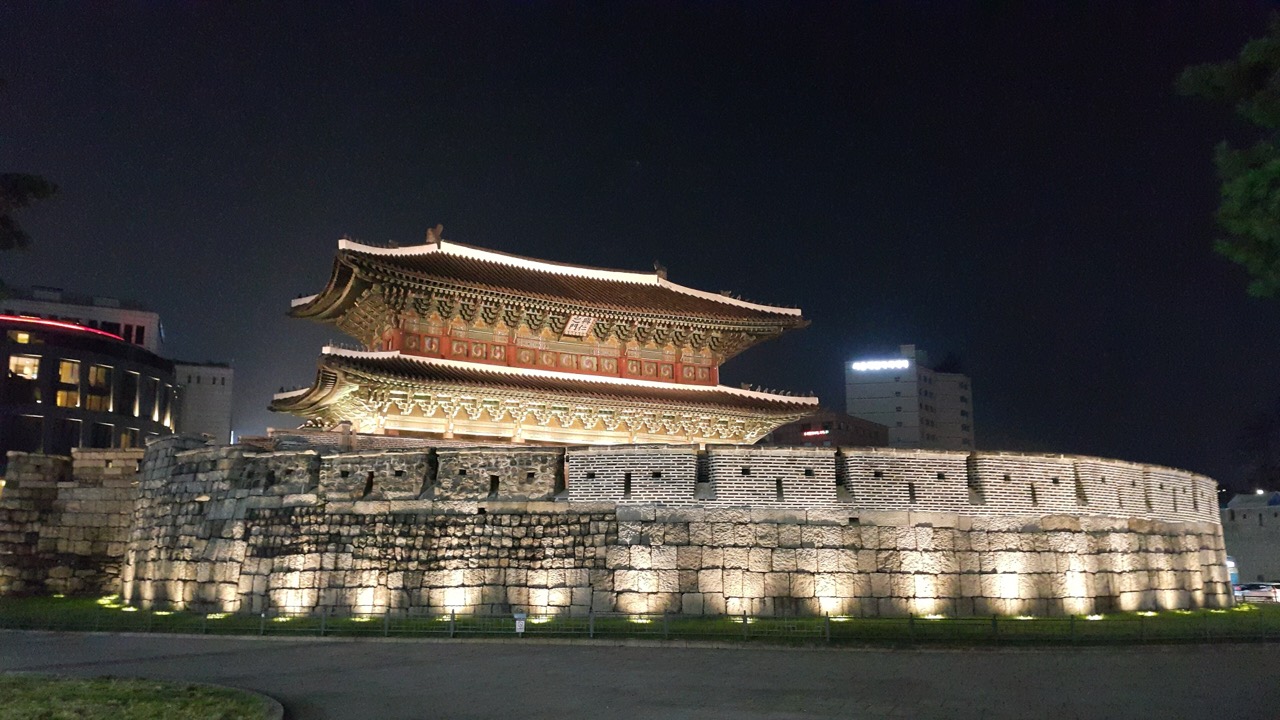
The name stayed, the trade split · Heunginjimun. The name Dongdaemun came from here, and the customers in this area today split between wholesale traders and individual travellers. ⓒWikimedia Commons
The name stayed, the trade splitHeunginjimun. The name Dongdaemun came from here, and the customers in this area today split between wholesale traders and individual travellers. ⓒWikimedia Commons
15.A city outlet has opened up its own body for the first time in ten years to turn 4,595 sqm on basement two into a market-alley food hall in September, and the case rests on one line of survey data, that visitors to this area spend 37.4 percent on food and drink against 15.3 percent on fashion. Put this structure in Korea and the services catch first. Mixing several trades into one hall splits the licensing between refreshment and general restaurant categories outlet by outlet, and the moment frying and grilling go in, grease ducts and supply and extract capacity start eating the floor-to-floor height. Fail to work that into the numbers from the start on basement two, and a drawing that set out to build an alley loses its seats first while dodging the ductwork.
References: Hyundai Department Store press materials and Kyunghyang Shinmun, Herald Economy, Newspim and Asia Today (2 July 2026; first large-scale renewal of Hyundai Outlet Dongdaemun in the ten years since opening; four floors from basement two to level two, about 14,800 sqm; phased through the end of the year; some 60 new brands; the 4,595 sqm basement two food hall opening in September; market alley concept; some 30 food and beverage outlets; Apgujeong Doseulbak, Gwanghwamun Mijin, TERAROSA, Cuchara and a Japanese bakery; basement one K-fashion hall in August with some ten Korean brands; beauty concept store and pharmacy-style health and beauty on level two; global service lounge expanded by year end; foreign sales up 122 percent year on year from January to May 2026; foreign customers at 23.7 percent of total sales, about three times the 2019 share). Bloter (July 2026; the Hyundai Department Store Group Dongdaemun downtown duty free store closed in July 2025, five years after opening; fewer Chinese group tourists and daigou buyers, a higher exchange rate and rent pressure; Seoul Design Foundation survey figures of 37.4 percent food and drink and 15.3 percent fashion in DDP visitor spending; competition with Doota Mall). Electronic Times, Sisa Today and Kyeonggi Ilbo (March 2016; Hyundai City Outlet Dongdaemun opened 11 March 2016; 20 Jangchungdan-ro 13-gil, Euljiro 6-ga, Jung-gu, Seoul; the former Geopyeong Freya and Keresta building; six basement levels and nine floors above ground; 37,663 sqm of trading area; first-year revenue target of KRW 160 billion). Travel Times, Aju Business Daily and Korea Economic Daily (July 2026; 10.71 million foreign arrivals in the first half; 8.23 million foreign visitors to Seoul; KRW 5.6172 trillion of foreign card spending in Seoul, up 56.8 percent year on year). Diningcode and Gwanghwamun Mijin official information (founded in the 1950s; buckwheat noodles from KRW 11,000; Michelin Bib Gourmand across several years). Siksin and Diningcode (Doseulbak; Apgujeong Rodeo and department store locations; shiitake bibimbap and pork set meal at KRW 17,000; perilla oil makguksu and boiled pork at KRW 19,000). Fair Trade Commission surveys of sales commission rates at large retailers and industry material (average commission of around 20 percent for small and medium suppliers in department stores; food court lease commission typically 22 to 28 percent of revenue; restaurant ingredient cost typically around 30 percent; average monthly revenue in the KRW 30 million range for new food court units). 300 seats, eight turns, 2,400 people a day, an average hall spend of KRW 15,000, 350 trading days, annual revenue of KRW 12.6 billion, KRW 9.06 million per pyeong a year, KRW 35 million a month per outlet, a 20 percent labour ratio, outlet areas of 10 to 15 pyeong and the estimate of empty seats by time of day are the writer's estimates built from published areas, outlet counts and prices plus standard trade figures, not figures issued by the operator. The food hall is due to open in September 2026, so actual seat counts, trading hours and lease terms may differ at opening. Sensory description is held to what holds generally for the published menu and cooking methods, and no particular visit is described. Photographs ⓒeach source as credited in the captions; these are freely usable images, cited with attribution. Remarks on applying this in Korea are general to the sector; on any given site, lease terms, food hygiene licensing and supply and extract capacity must be checked individually.