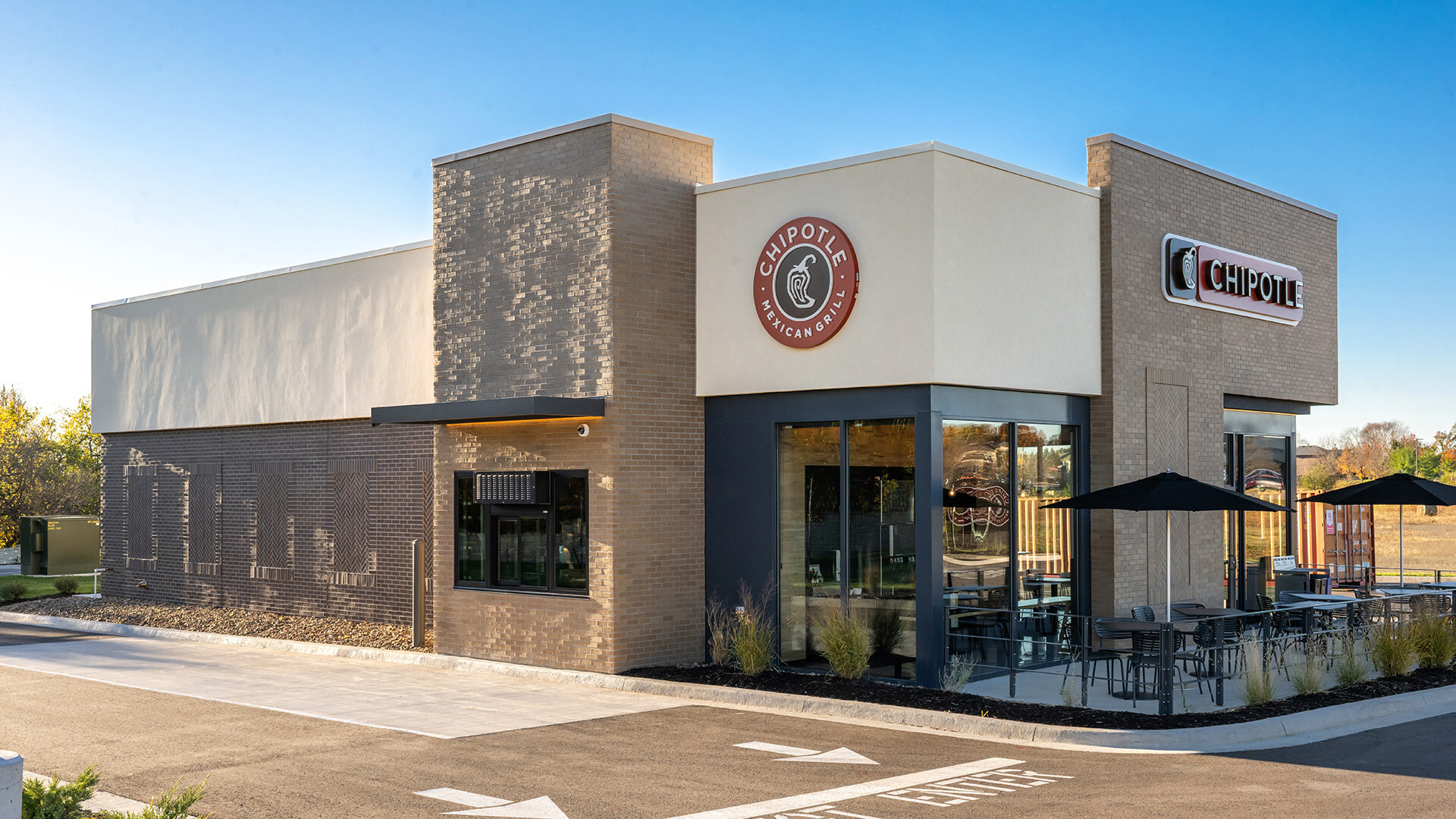
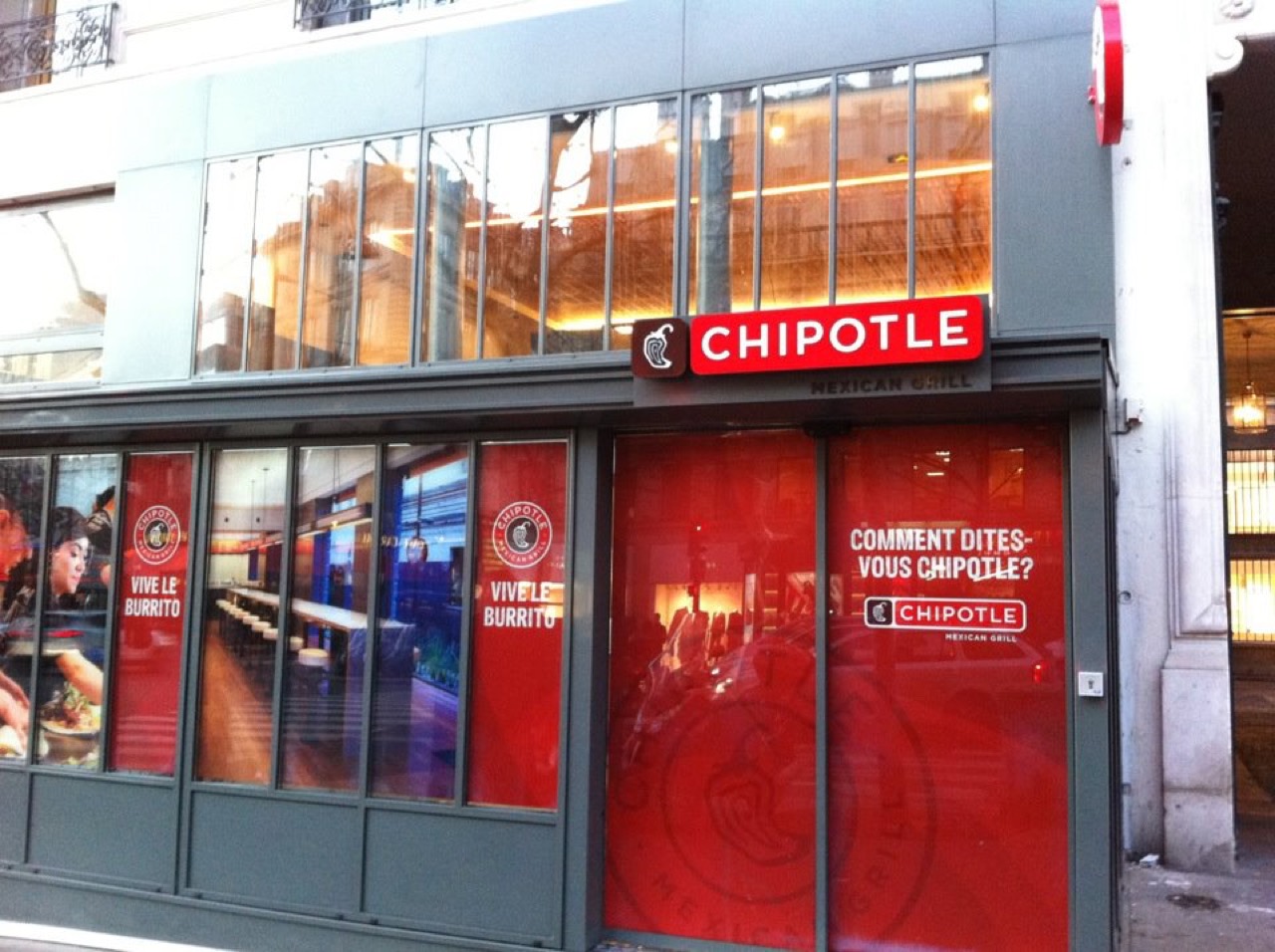
Chipotle opens its first restaurant in Asia this month, right by Gangnam Station in Seoul. The operator is the same company that brought Shake Shack to Korea, and the new unit sits next door to that Shake Shack. One Chipotle in the United States sells about 3.2 million dollars a year.
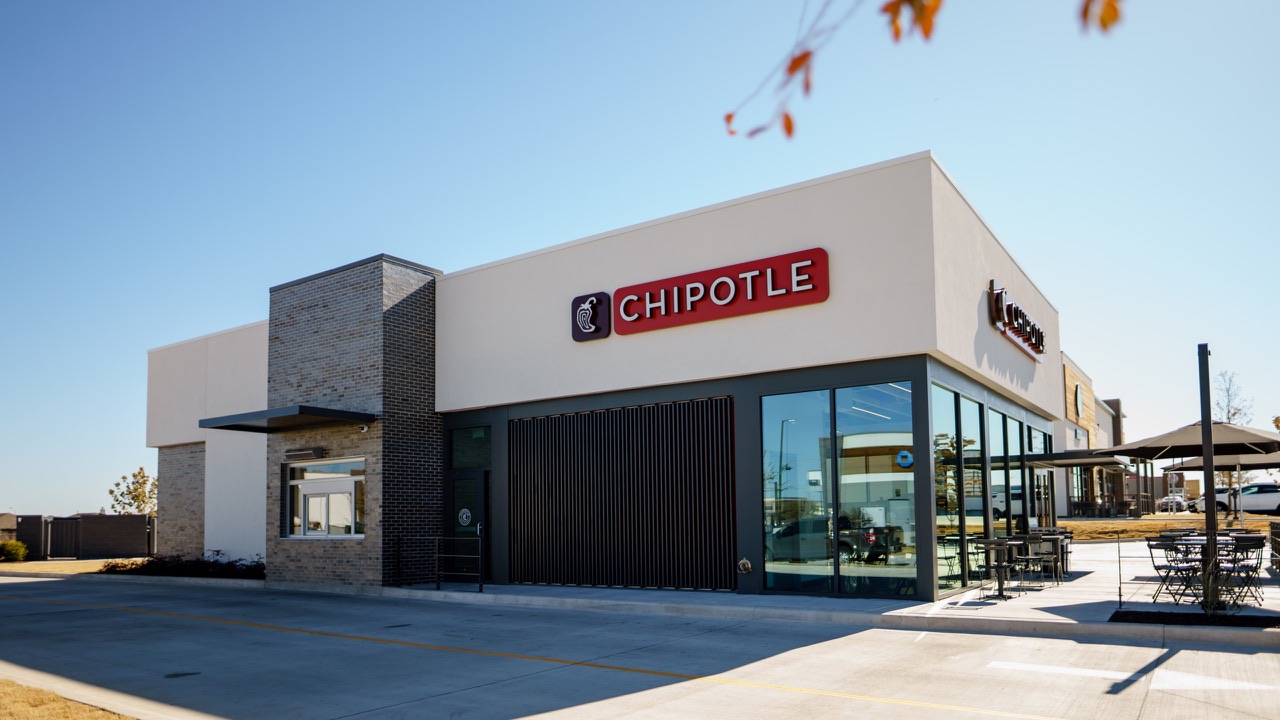
1.423 Gangnam-daero, Seocho-gu, Seoul, ground floor of the Hanseung Building. Sometime this month, the first Asian location of Chipotle Mexican Grill opens there. The original target was May or June, then it slipped to August, and so far only the address has been confirmed: a street-level unit on the main road near Exit 11 of Gangnam Station. Seat count and menu prices have not been released.
2.The operating entity is S&C Restaurants Korea, a joint venture set up last July by Chipotle and BigByte Company, part of Sangmidang Holdings. It holds exclusive rights for two markets, Korea and Singapore. This is the first time Chipotle has gone abroad through a joint venture. Canada and the United Kingdom were direct investments, while the Middle East and Mexico went to large local restaurant groups under license.
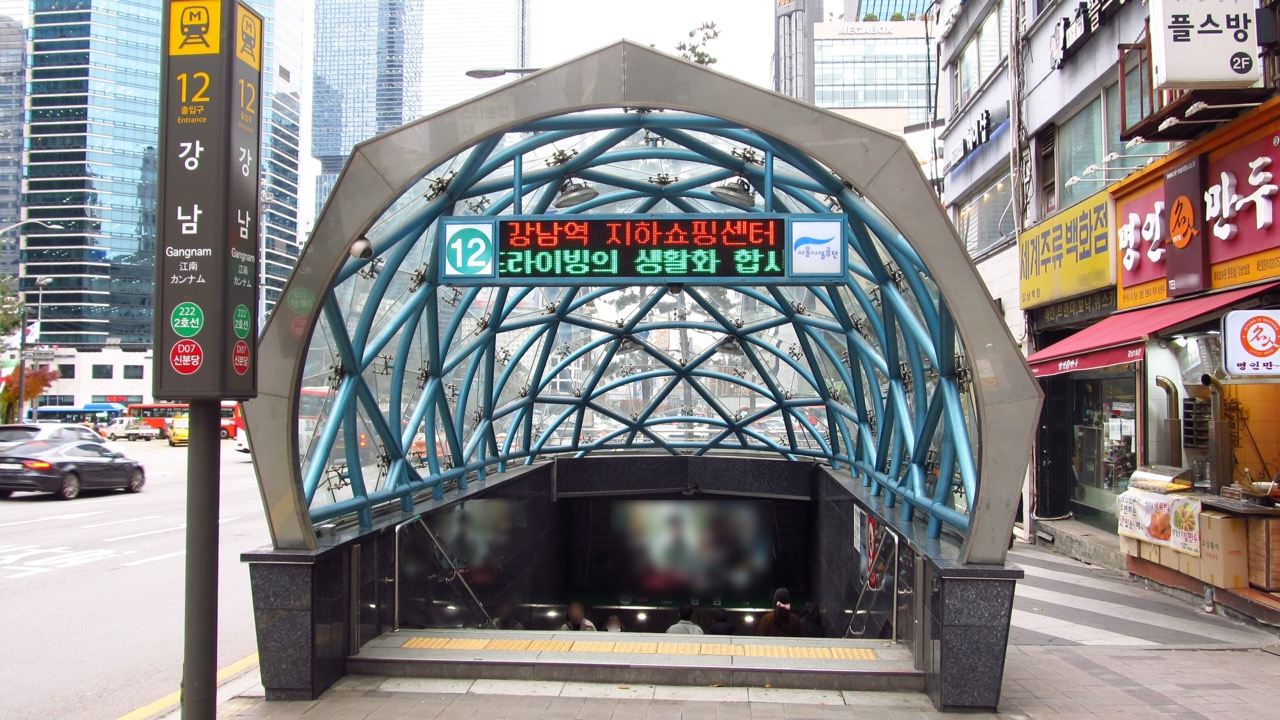
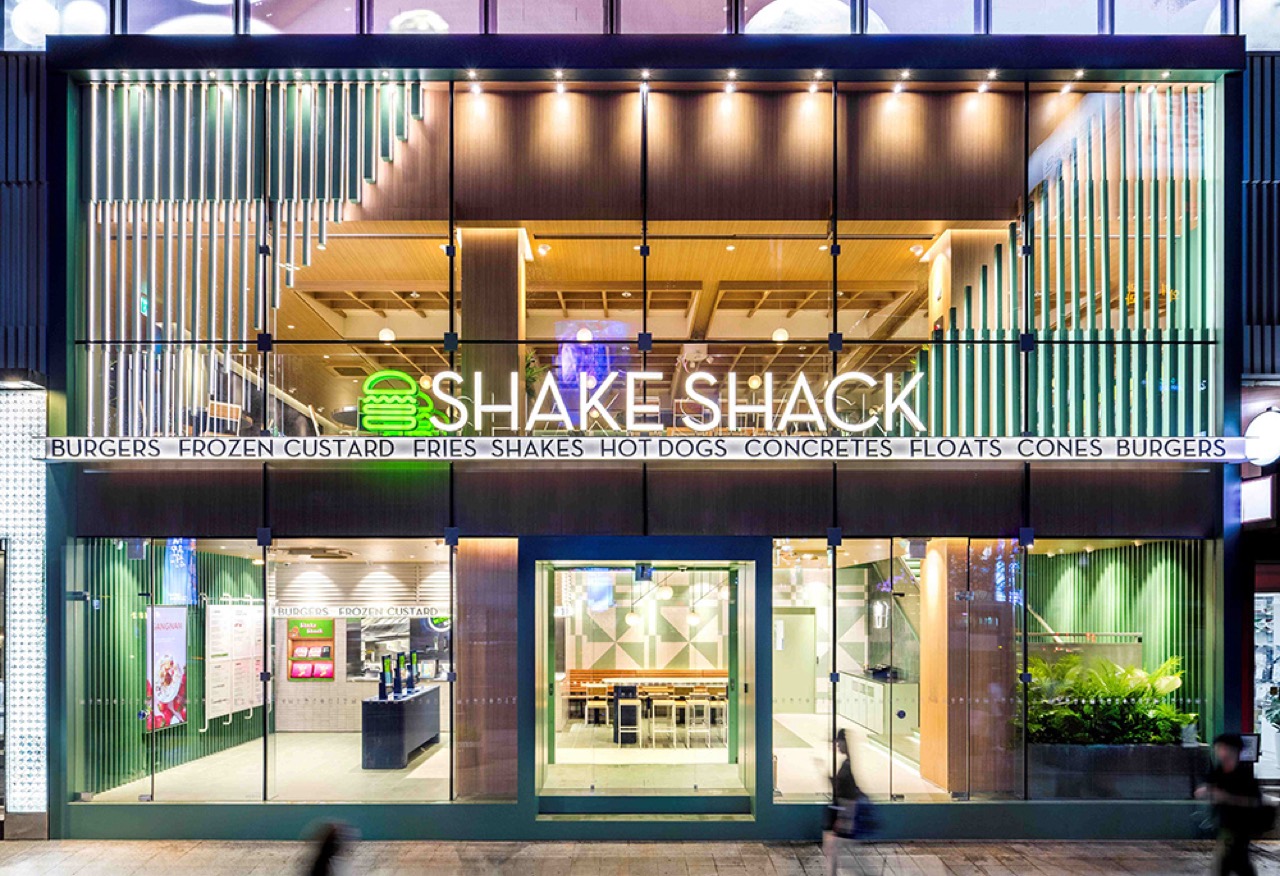
3.In August 2023 the same company moved its first Shake Shack from Cheongdam to this street. That restaurant will be the new Chipotle's neighbor. One operator, two American brands side by side, feeding the same lunch crowd.
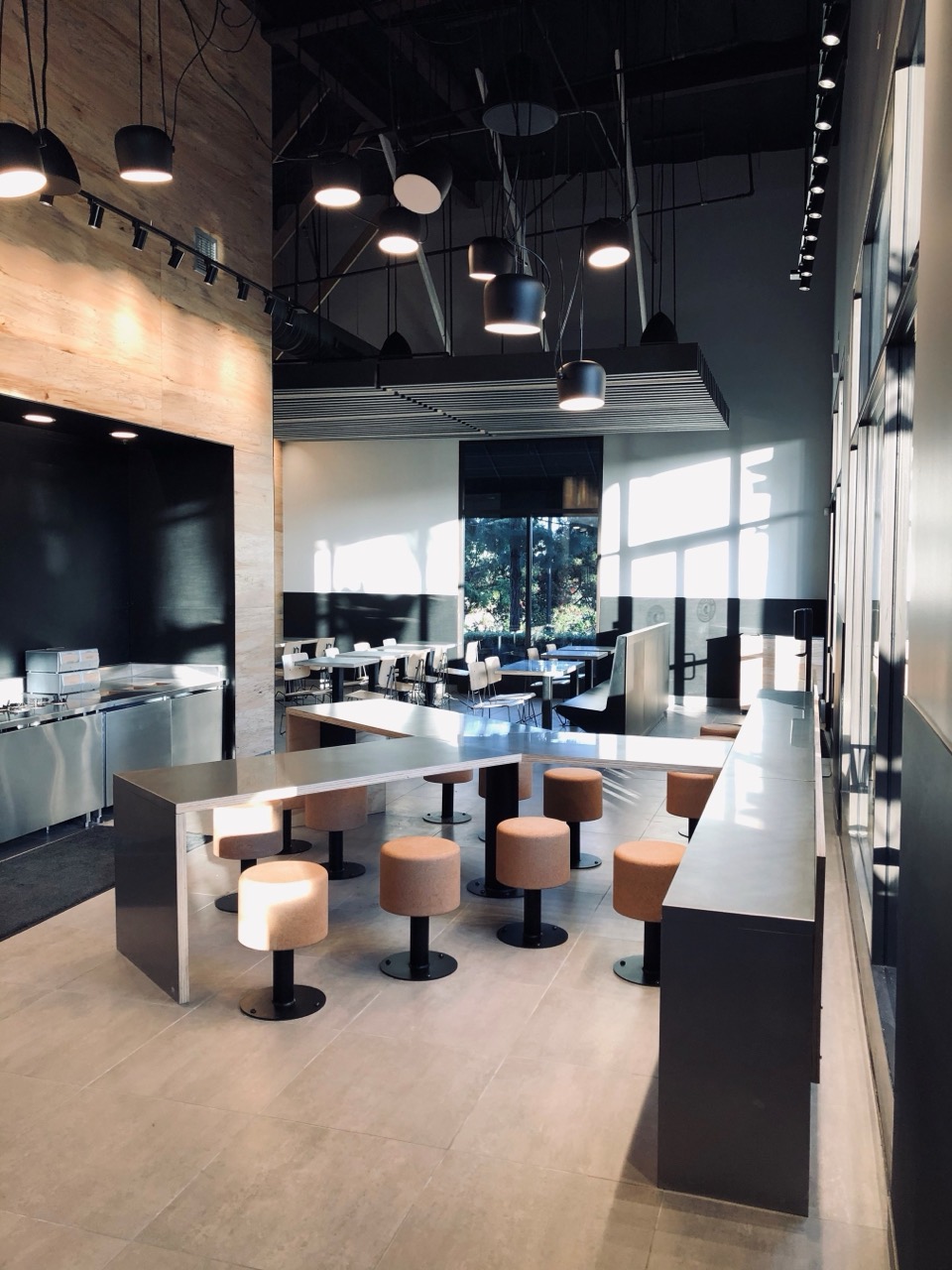
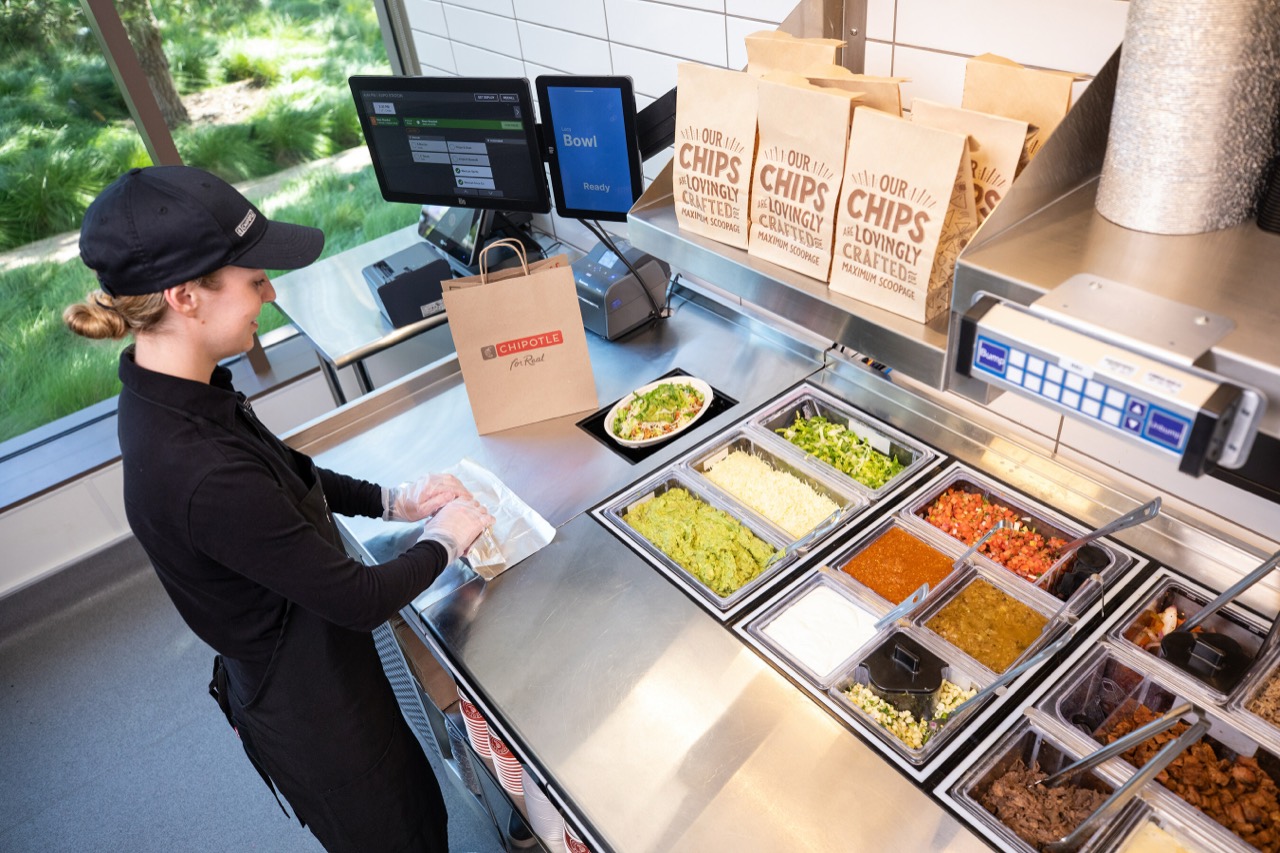
4.A single counter decides the floor plan. American units run 2,200 to 2,500 square feet, and close to half of that goes to the straight service counter and the kitchen behind it. Customers queue in one line, walk from the left end to the right end watching the bowl fill, and the register waits at the far end.
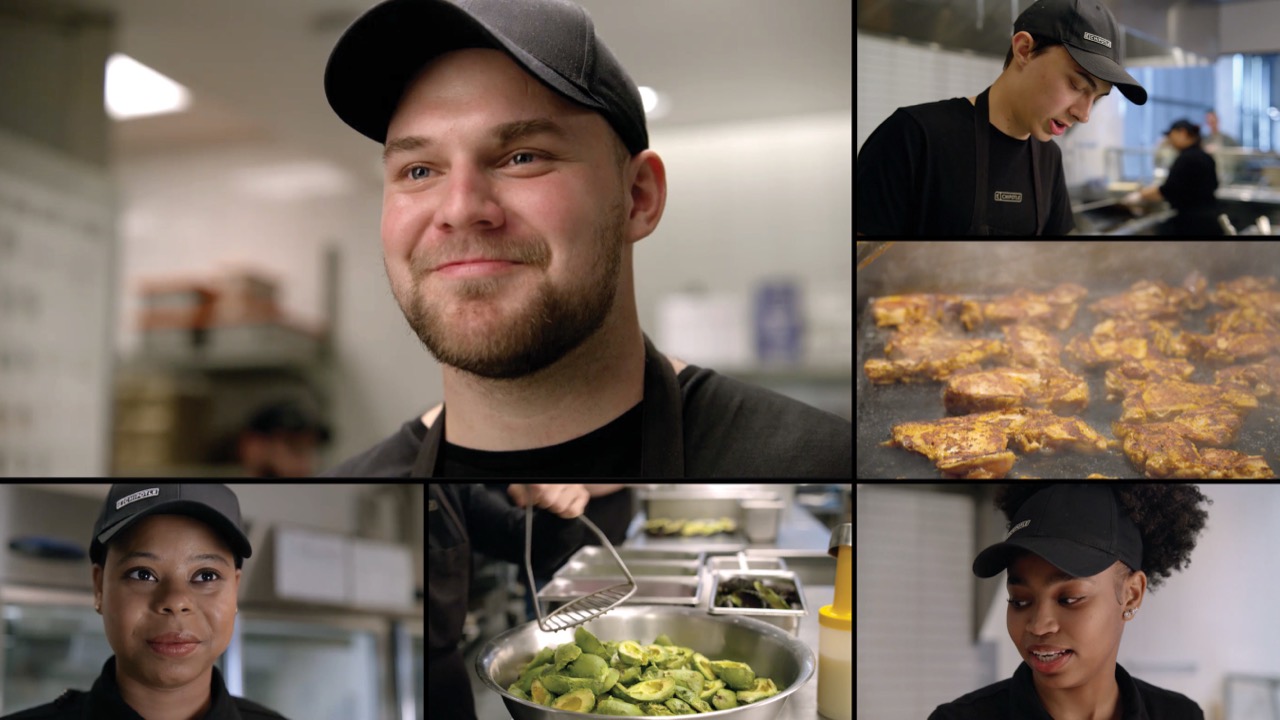
5.The sound of this format comes off that counter. Adobo chicken presses onto the flat top, hisses, then two blades come down and chop it fine, while beside it a paddle turns cilantro lime rice with the juice just squeezed in. Heated spice and raw cilantro rise at the same moment, which means a customer walking through the door has usually decided before reaching the line.
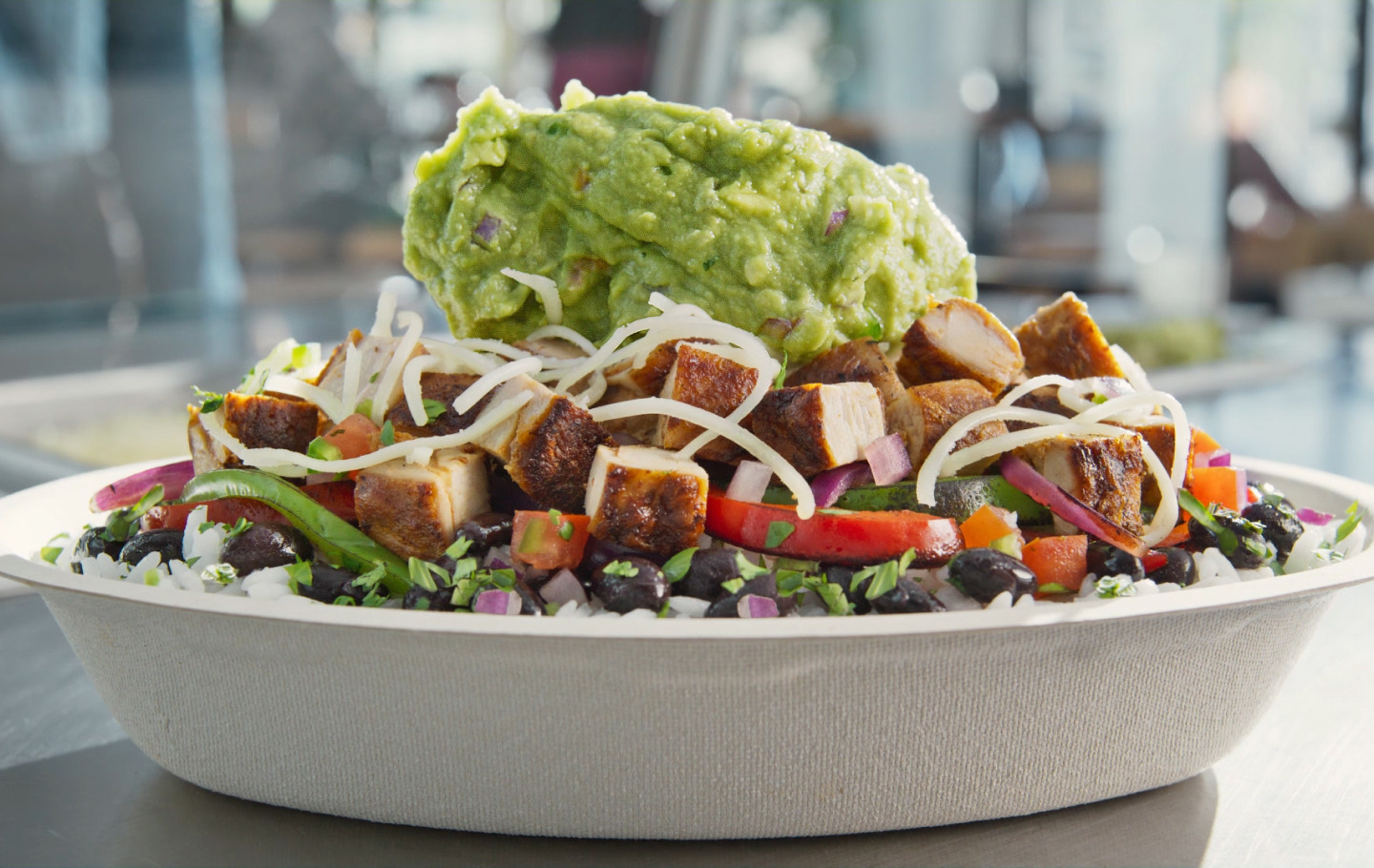
6.The way you choose is itself the product. Rice and beans go down, then one protein, then the customer points at four salsas, cheese, sour cream, lettuce. Guacamole is the one topping that costs extra, and that single scoop moves restaurant margin. Avocados have to be checked by hand every day for ripeness, and half a day past that point the color dies.
7.The first number this company uses to grade a restaurant is not sales but how many entrees went out during the busiest 15 minutes. Put one more person between the burrito roller and the cashier. Keep every ingredient and utensil in its assigned spot. Staff the line with the fastest crew at peak, and give one person the sole job of refilling wells before they run dry. Restaurants doing all four push out four to five more entrees in that peak quarter hour, the company says.
8.Four or five bowls sounds like nothing until you spread it across a two hour lunch: 40 a day, more than 10,000 a year. Raising sales without adding seats is essentially the only lever this format has. Nobody sits longer than 20 minutes, so there is no turnover left to squeeze, and raising prices runs into the burger next door.
9.Second quarter 2026 results show what this model weighs. Divide 3.35 billion dollars of quarterly revenue by 4,186 company restaurants and each one sold 800,000 dollars in three months, about 3.2 million a year, roughly 4.4 billion won. Restaurant-level operating margin came in at 25.2% that quarter, down 2.2 points from 27.4% a year earlier.
10.Split 4.4 billion won across 2,300 square feet and you get roughly 67 million won per pyeong a year, about 5.6 million won a month. Almost nothing in Korean food service produces that number, and the ones that come close are flagship units of large urban chains. BigByte Company posted 106.5 billion won in revenue last year; divide the 105.5 billion in directly operated sales by 30 Shake Shacks and you land near 3.5 billion won per store, though Jamba Juice sales are folded in, so the true Shake Shack average sits a little lower.
11.The build cost is public too. A new American restaurant runs about 850,000 dollars, roughly 1.2 billion won. Against 4.4 billion in sales at a 25% restaurant margin, 1.1 billion stays each year, which reads like payback inside a year and change. That figure carries no corporate overhead, no depreciation, no royalty. Company-wide operating margin for the same quarter was 15.7%.
12.Lay that American income statement onto a ground floor on Gangnam-daero and two lines break first. One is rent. Street level on that road is generally reckoned at 400,000 to 600,000 won per pyeong a month, so 2,300 square feet costs around 30 million won monthly. Chipotle holds occupancy and other operating costs to 20% of sales in the United States, and holding that ratio here means this restaurant has to sell at least 1.8 billion won a year.
13.The other is the avocado. Every avocado in Korea is imported, so exchange rates and freight ride straight into cost, and the ripeness American crews check two or three times a day has to be hit within days of customs clearance. Price the guacamole surcharge as low as the United States does and the item eats margin; price it high and the cheap fullness the brand sells starts to blur.
14.This brand has not always traveled well. It went into Canada, the United Kingdom, France and Germany on its own money and never matched its American pace, and in recent years it has handed operations to large local restaurant groups in the Middle East and Mexico instead. Partner-run restaurants numbered 15 worldwide at the end of the second quarter. Set beside 4,186 company units, that is still an experiment.
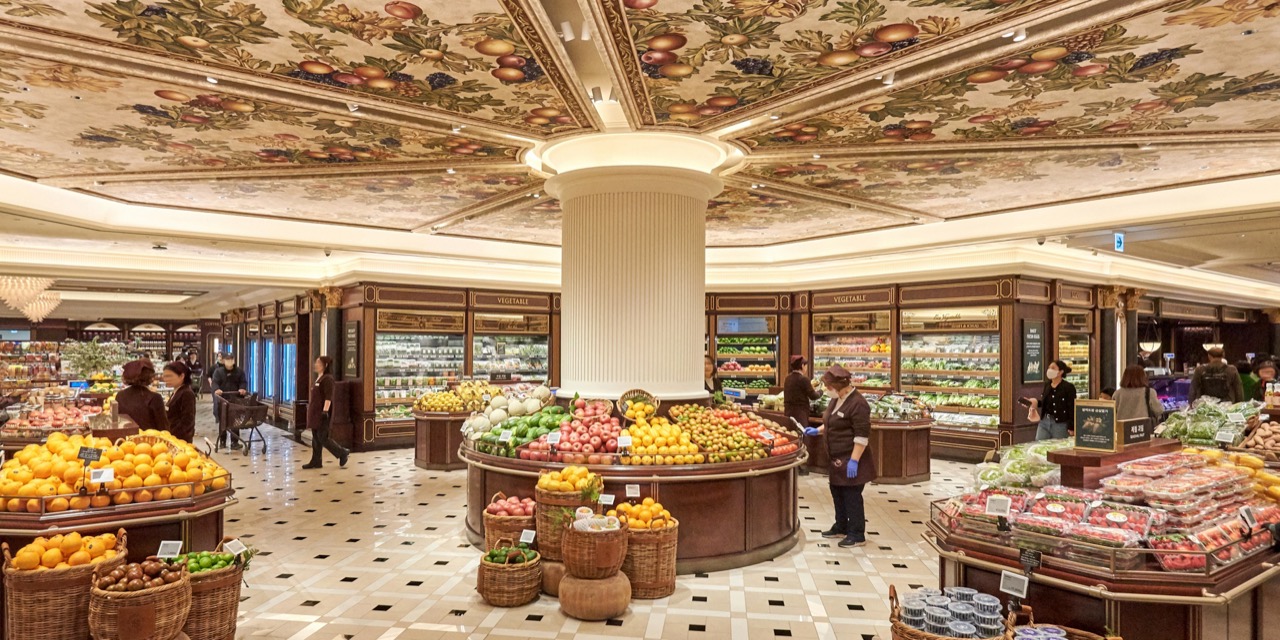
15.The receiving side has its own problems. BigByte Company was spun out of Paris Croissant in December 2023, and it ran 30 Shake Shacks plus Jamba Juice to 106.5 billion won in revenue while posting a loss in its first full year. A company expanding faster than it earns has now added another brand, and reports put the second Chipotle in the basement food hall of Shinsegae Gangnam, likely late September.
16.Filling a bowl while the customer walks the line is, in the end, a design that earns by moving people through quickly, and in the United States that design put 4.4 billion won a year onto 2,300 square feet. What catches first in Korea is seating. Korean customers will trade a lunchtime queue for a place to sit, and adding seats shortens the counter, and a shorter counter cuts the entree count in that peak 15 minutes. Which one to give up is the question anyone importing this format has to settle on the first floor plan.