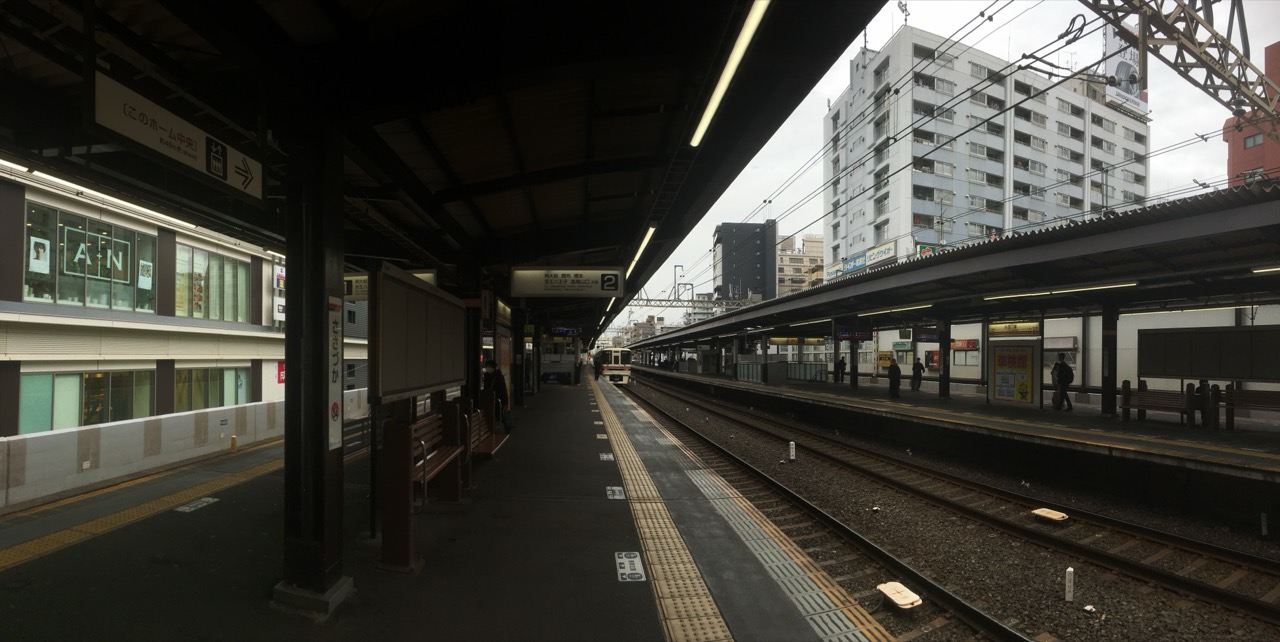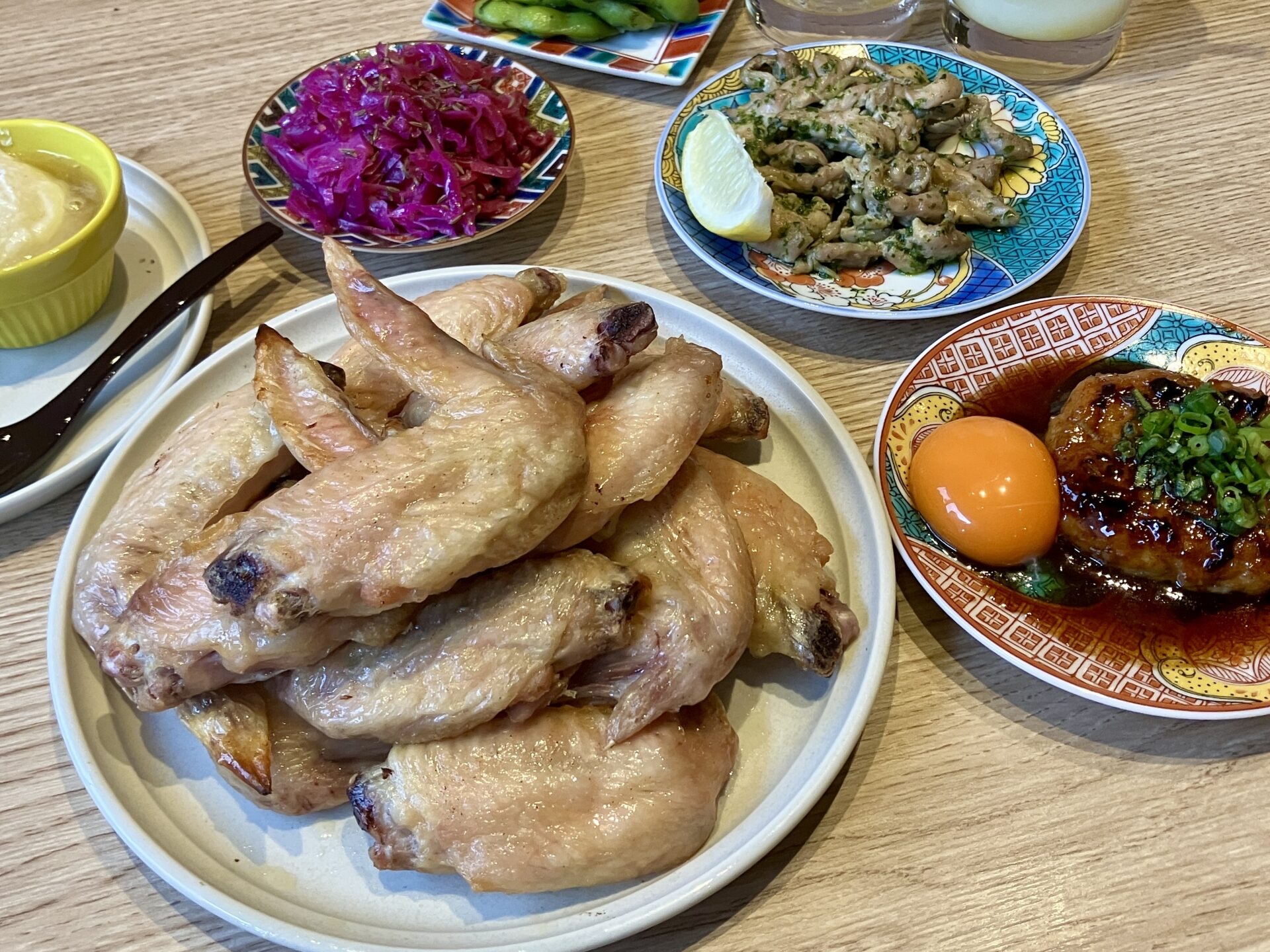
Two names now hang over a 66-square-meter unit outside Sasazuka Station in Tokyo. From 11:00 to 14:30 it is a chicken-broth ramen shop, from 16:00 to 23:00 a grilled chicken wing bar. There are two phone numbers as well. This is the first Tokyo trial by a Sapporo company that runs 45 restaurants.
1.At 11:00 on April 9, a restaurant opened on the first floor of Frente Sasazuka, the commercial building in front of Sasazuka Station in Shibuya Ward, Tokyo. Two restaurants, to be exact. From 11:00 to 14:30 it is the chicken-broth ramen shop Hakkeisha, and from 16:00 to 23:00 it becomes Torinoiro, a grilled chicken wing specialist. The floor area is 66 square meters, with 32 seats. Both shops sit their guests in the same chairs.
2.The two phone numbers say most of what needs saying. 080-6768-1832 by day, 03-6407-0077 by night. Signage, menus and booking lines are all split. What stays shared is one kitchen, 32 seats and a single lease.
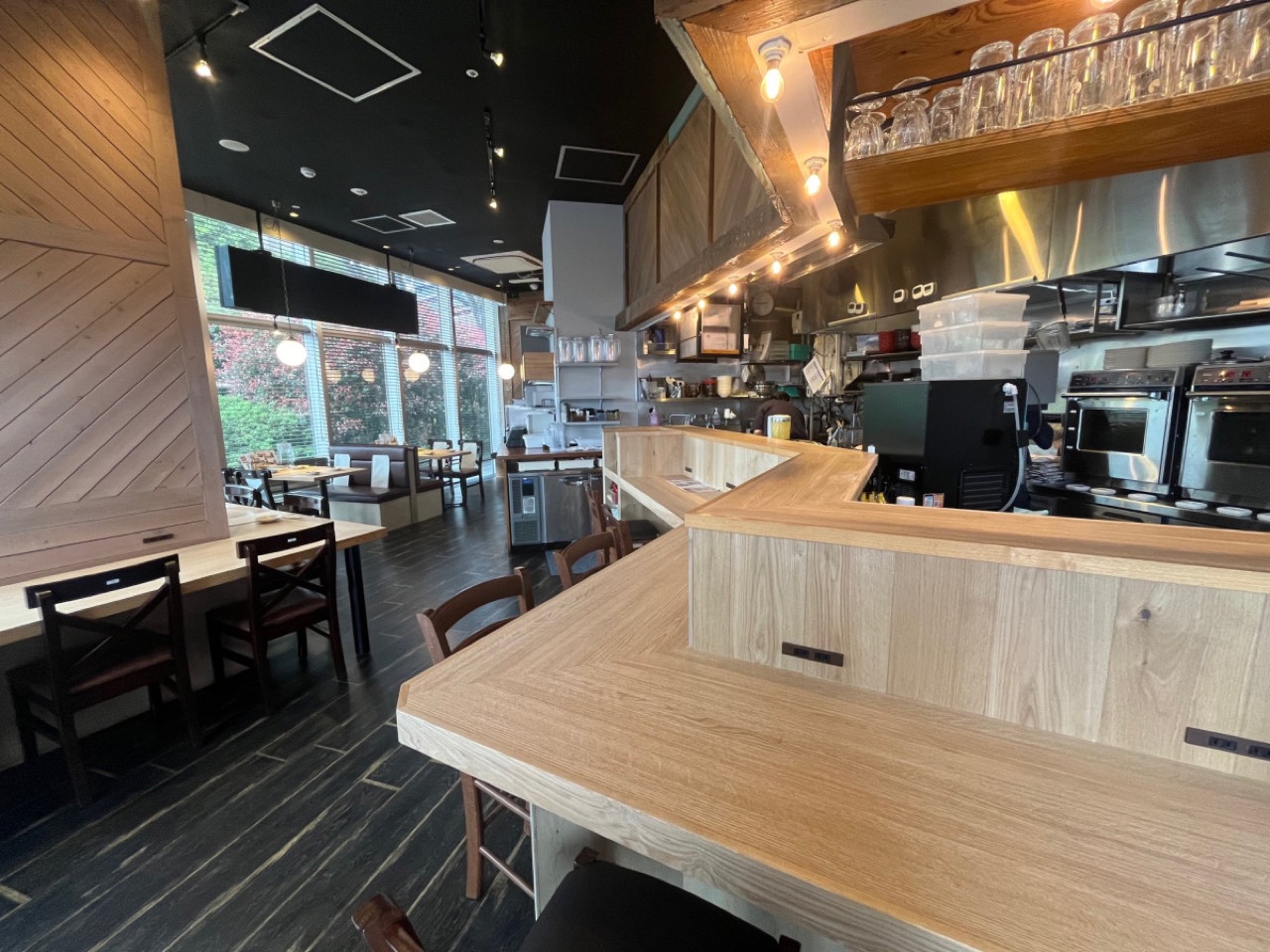
3.The operator is Easton, founded in Sapporo in September 1971 and running 45 directly managed restaurants across Hokkaido, Tohoku and Kanto as of August 2025. Its ten brands include the Italian restaurant Mia Bocca, the yakitori dining bar Itadaki Cocco-chan, the fresh pasta shop Mugi to Tamago, along with Chinese restaurants and bars. This is the first time the company has built what the Japanese restaurant trade calls nimosaku, or double cropping, into a single unit.
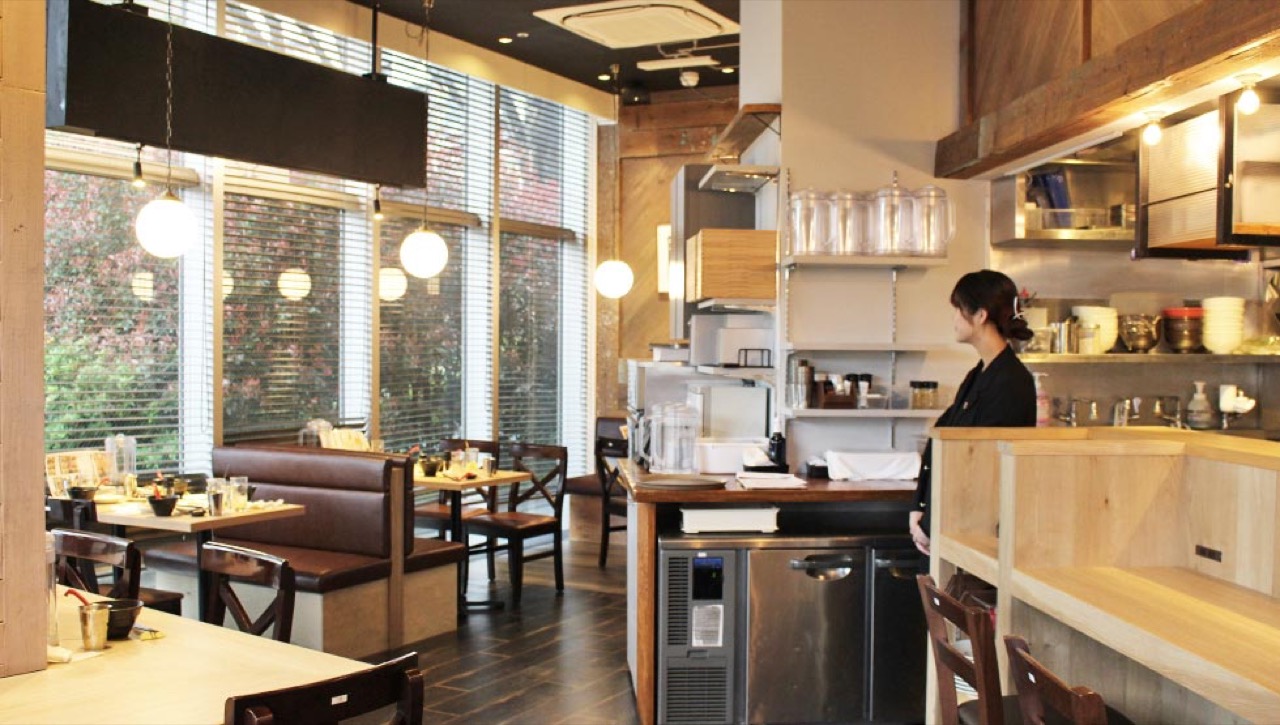
4.Thirty-two seats in 66 square meters works out to a little over 2 square meters per seat. The glass panel between the kitchen and the counter was taken out, and the counter itself was raised. Steam from the noodle boiler crosses that gap at lunch, oven heat crosses it at night. Service runs three and a half hours by day and seven hours by night, and the ninety minutes in between are when the signage changes.
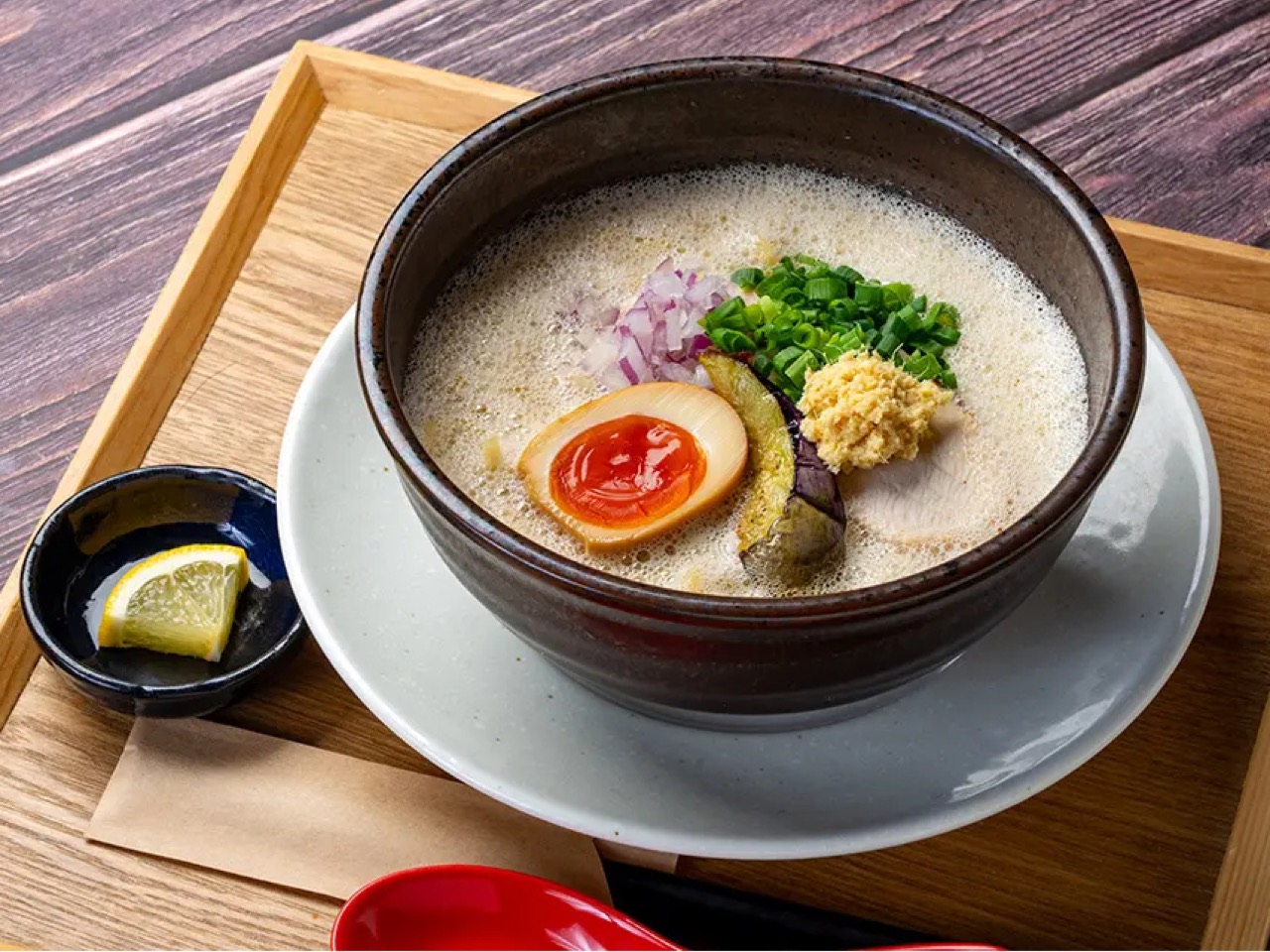
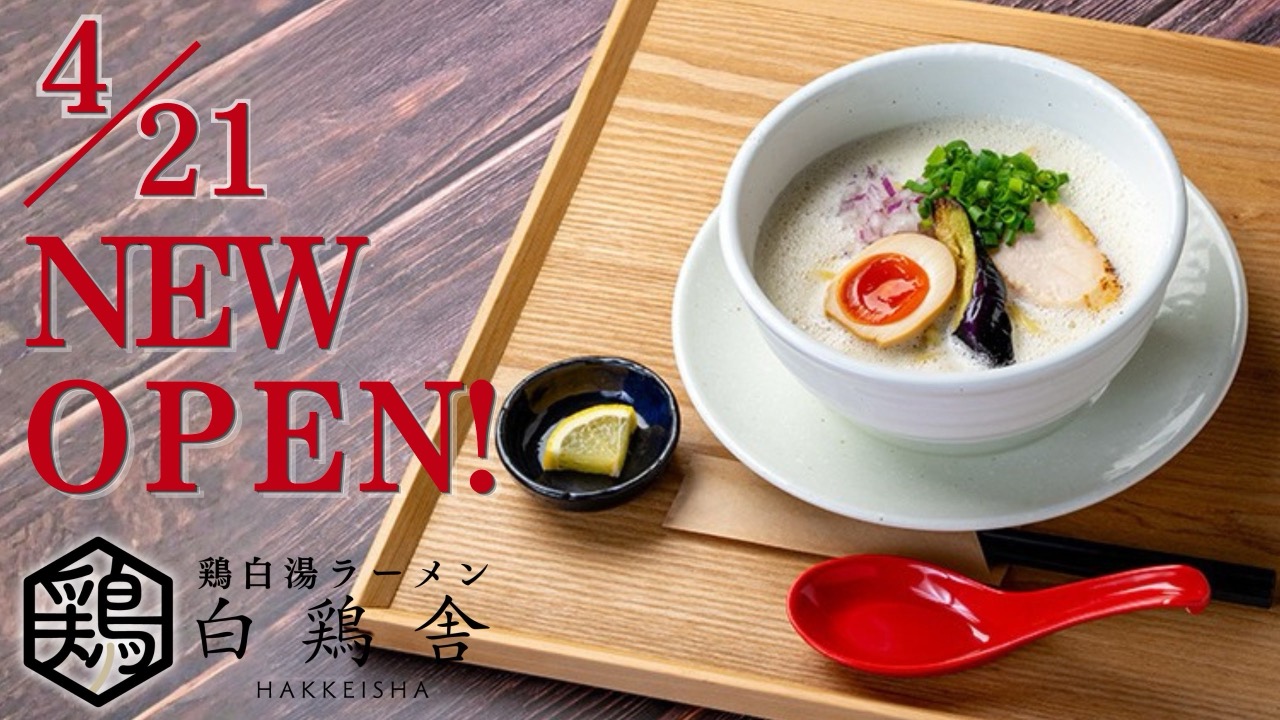
5.Lunch offers three items and nothing else: tori paitan, miso tori paitan and spicy miso tori paitan, all at 950 yen. Domestic chicken bones are simmered for hours, a little pork bone goes in, and a blender folds air into the broth at the end, which leaves the surface under a layer of foam and makes the first spoonful read closer to soup than to ramen. The egg noodles are made in house. Lemon and apple vinegar sit on the table so the flavor can shift halfway through, and 150 yen more finishes the bowl as risotto rice with cheese and Hokkaido rice.
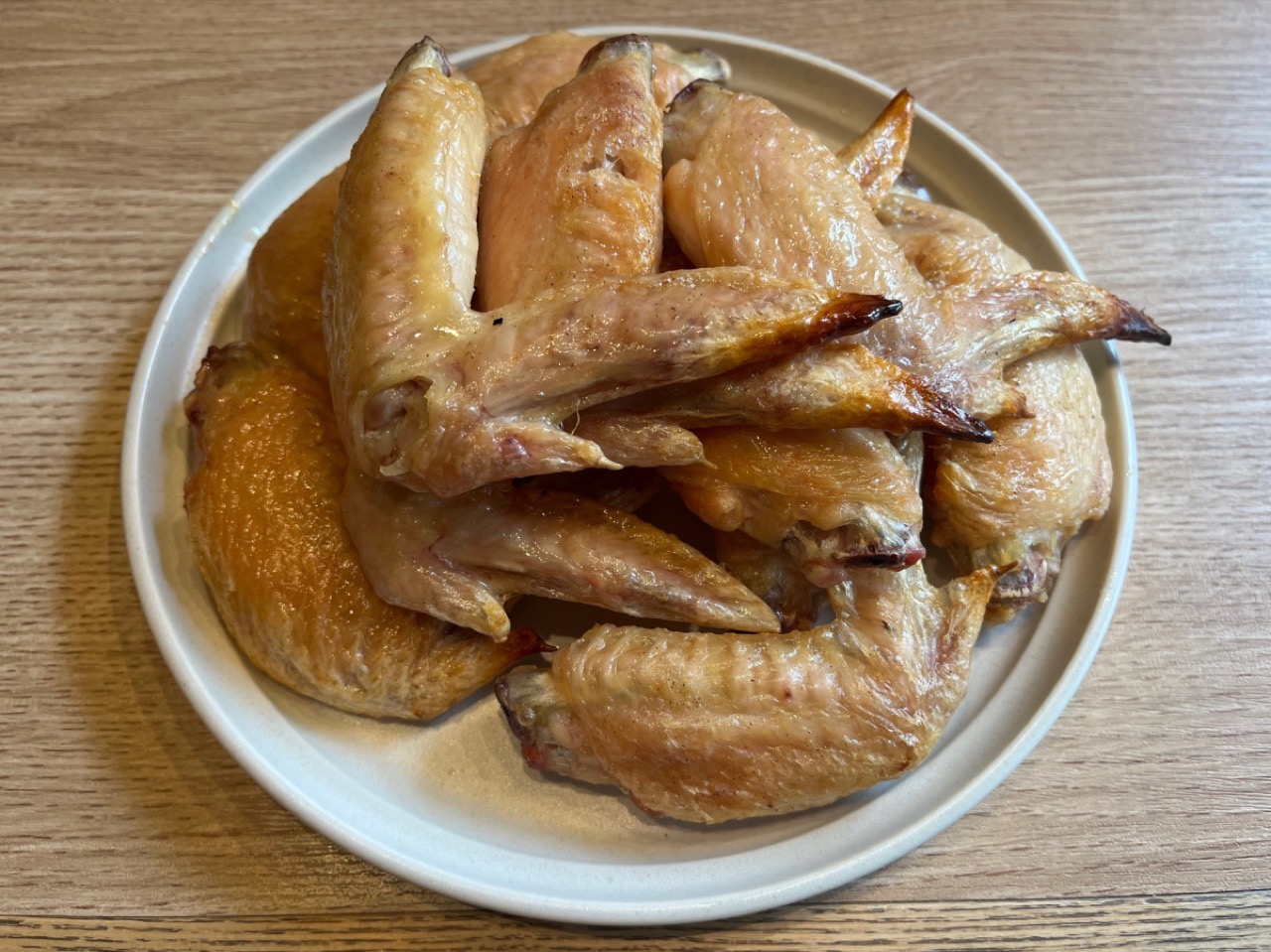
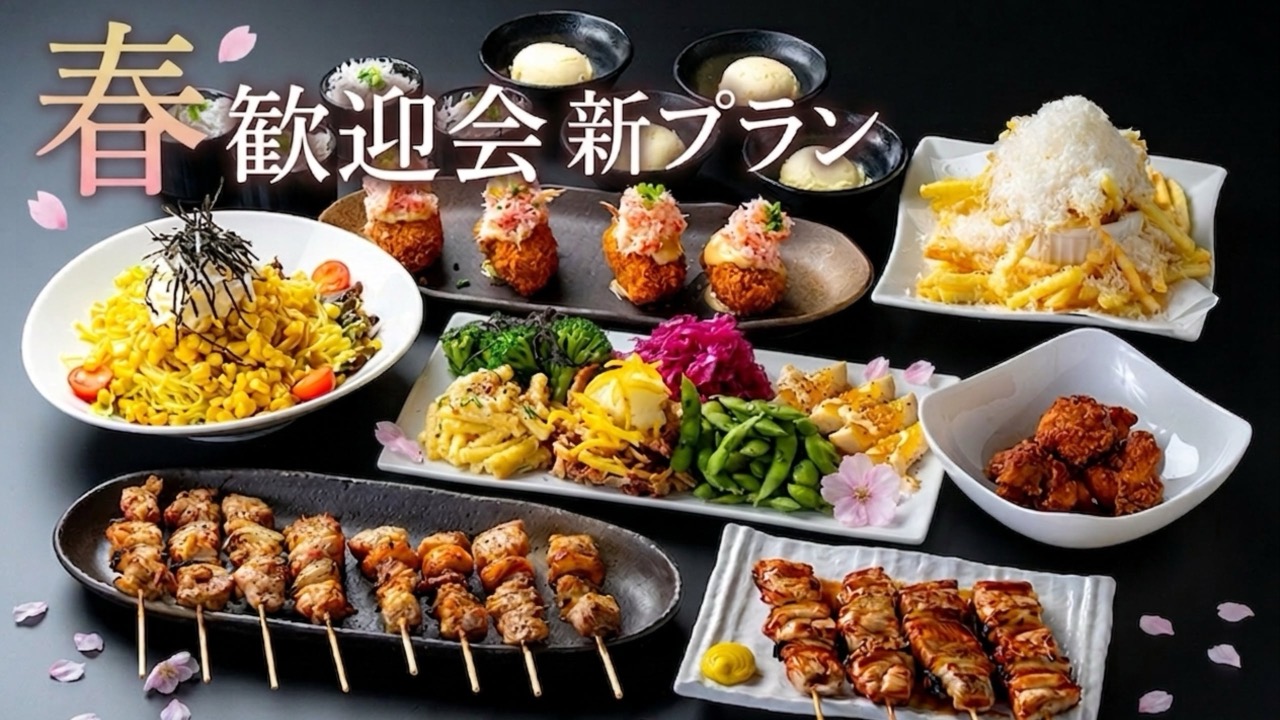
6.Nothing is deep fried at night. Domestic chicken wings are coated in a house salt and spice blend and roasted slowly in an oven, so what fills the room is the smell of skin drying rather than of oil. Twelve wings cost 1,280 yen. Four pieces of thigh karaage run 680 yen, plated yakitori starts at 480 yen, and a lemon sour built specifically for the wings was added alongside.
7.Rent does not scale with opening hours. The monthly rent on 66 square meters is the same whether you trade only at lunch, and depreciation and insurance behave the same way, while revenue alone follows the clock. The only way to close that gap is to sell more hours, and nimosaku sells those hours under a different name.
8.Not every pairing works, though. Curry at lunch and a bar at night means two sets of stock, two refrigerators, two order sheets, two waste rates. The two formats here share one raw material. Chicken bones make the broth and chicken wings go into the oven. Buying one bird and splitting it between day and night raises the order size and lowers the unit cost.
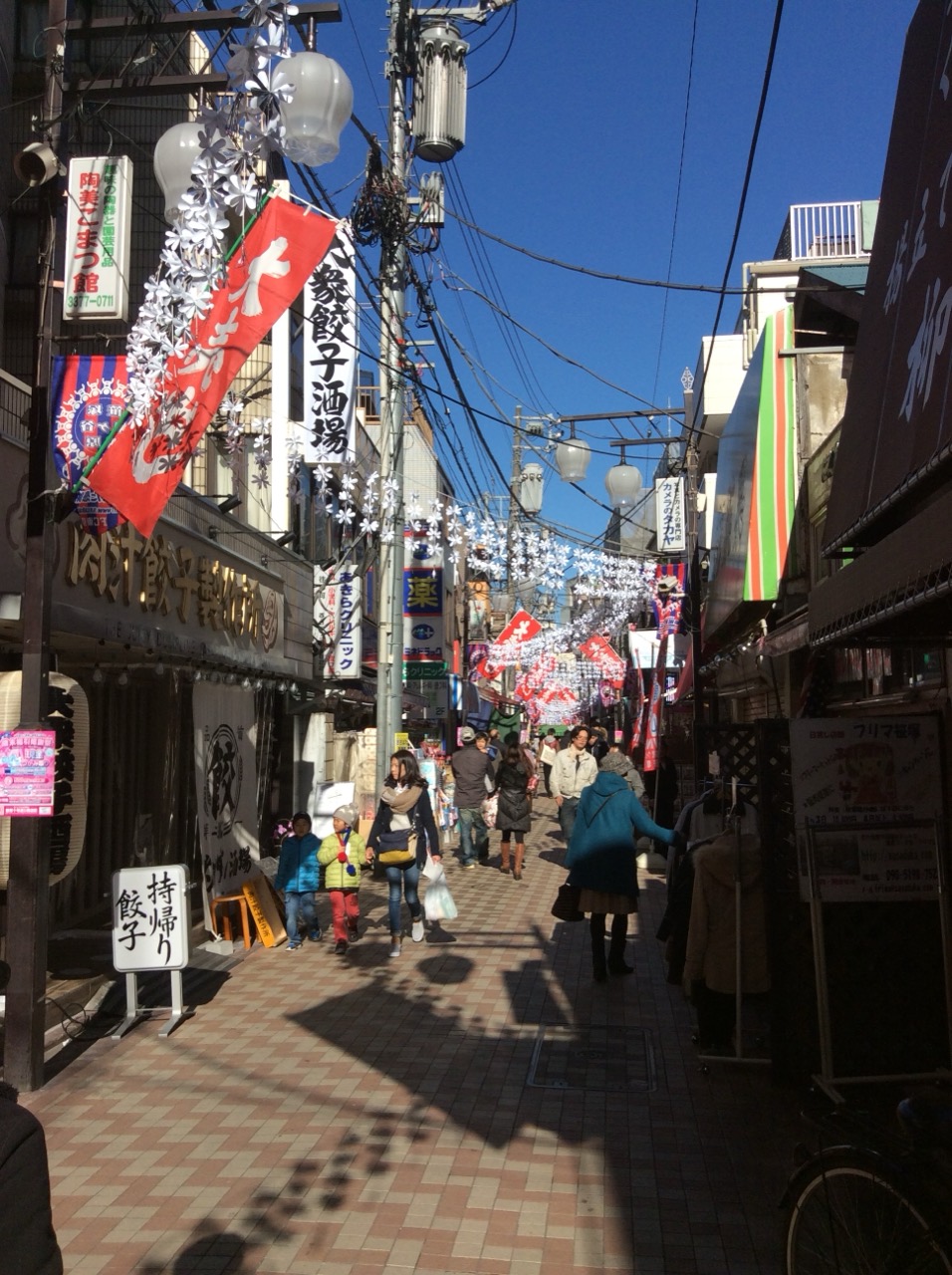
9.The location suits the method. Sasazuka is 3.6 kilometers from Shinjuku, and Keio Line limited express trains stop there. Daily boardings and alightings averaged 75,711 in 2025. The operator describes the area as a place where an office catchment overlaps a residential one. People who work nearby eat lunch, people who live nearby drink at night, and because those two crowds do not overlap, splitting the signage is the more accurate answer.
10.The operator projects an average check of 1,050 yen at lunch and 3,000 yen at night. Why should the same chair produce a gap of nearly three times? Ramen carries a low food cost and turns fast, but it caps what one person spends, and a place selling drinks does the opposite. A single seat carries two income statements.
11.Now the arithmetic, and the figures below are estimates, since no sales have been published. Three turns across three and a half hours of lunch gives 96 covers, which at 1,050 yen comes to 100,800 yen. A 1.8 turn across seven evening hours gives 58 covers, which at 3,000 yen comes to 174,000 yen. That is 274,800 yen a day, and with no closing days, roughly 8.24 million yen a month, about 52,000 US dollars at 157 yen to the dollar.
12.Per tsubo, the Japanese unit of 3.3 square meters, that is 410,000 yen a month. Lease terms were not disclosed, but putting a station-front ground floor at 30,000 yen per tsubo a month gives 600,000 yen for 20 tsubo, or 7.3 percent of sales. Trading only at lunch would make that same 600,000 yen 19.8 percent. Trading only at night, 11.5 percent. Nimosaku lives somewhere between those three figures.
13.The cost lands on the labor side. Opening at 11:00 and closing at 23:00 keeps the door open for twelve hours, and prep and closing push that close to fourteen, so one team cannot cover it. Two sets of kitchen equipment are needed as well. A noodle machine, a stock pot and an oven all have to fit inside 66 square meters, which is why the seat count stops at 32.
14.The name Hakkeisha itself was born inside someone else's hours. The brand started as a lunch-only operation borrowing the room of Itadaki Cocco-chan, the group's own yakitori dining bar, and the space went back to being a yakitori shop in the evening. Tokyo reversed the relationship. Here Hakkeisha holds the daytime and hands the night to another name.
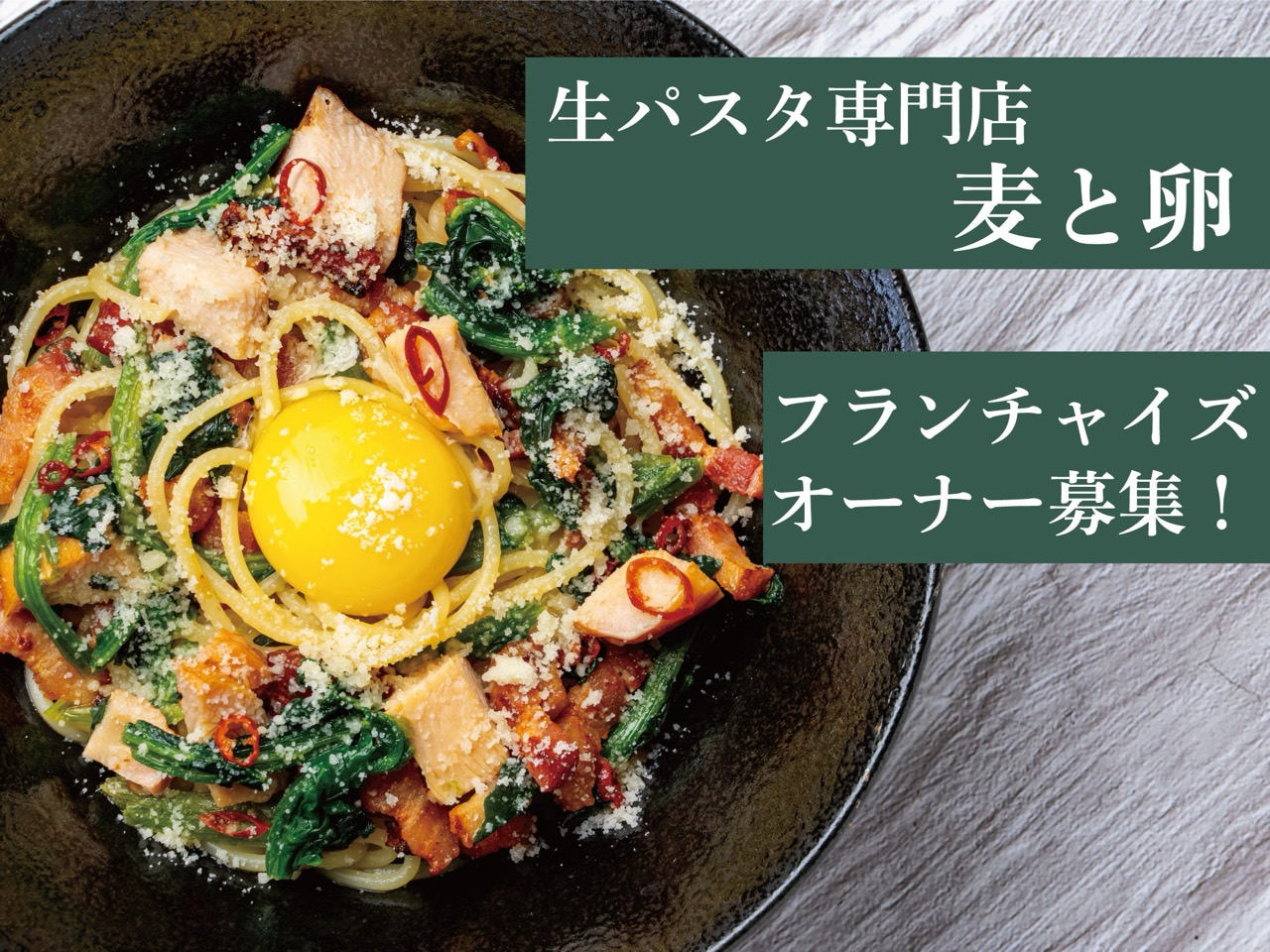
15.The shop that stood here before belonged to the same company. Mugi to Tamago, a fresh pasta restaurant, opened at this address on July 30, 2020, using Hokkaido wheat and the group's own branded eggs, and it tried to cover both day and night with a single format. Then, twelve days after Sasazuka opened, on April 21, the company opened Hakkeisha's first standalone shop in Atsubetsu-minami in Sapporo. A brand that used to borrow rooms was split in two in Tokyo and stood on its own in Sapporo.
16.Inside one 66-square-meter room, a 950 yen bowl of ramen sells at noon and a 3,000 yen round of wings and drinks sells at night. Combine the two, put the month at 8.24 million yen, and the rent burden falls into the 7 percent range, against 19.8 percent for lunch alone, which turns the same floor area into a different asset. In Korea the first obstacle is the trade name. A business registration covers one location and carries one name, and that name goes onto the signage, the receipts and the delivery apps, so an operator changing names by time of day has to register one of them and run the other as a secondary brand. Splitting into two businesses that share a kitchen brings in the shared kitchen operator registration added to the Enforcement Decree of the Food Sanitation Act in June 2022.