A takoyaki chain with 523 shops across Japan opened the first store of a new format on July 13. The signature item is not takoyaki but xiaolongbao, with the wrappers rolled out in the shop. Eight takoyaki cost 702 yen at a street counter; on the same company's izakaya menu, eight would run 997 yen.
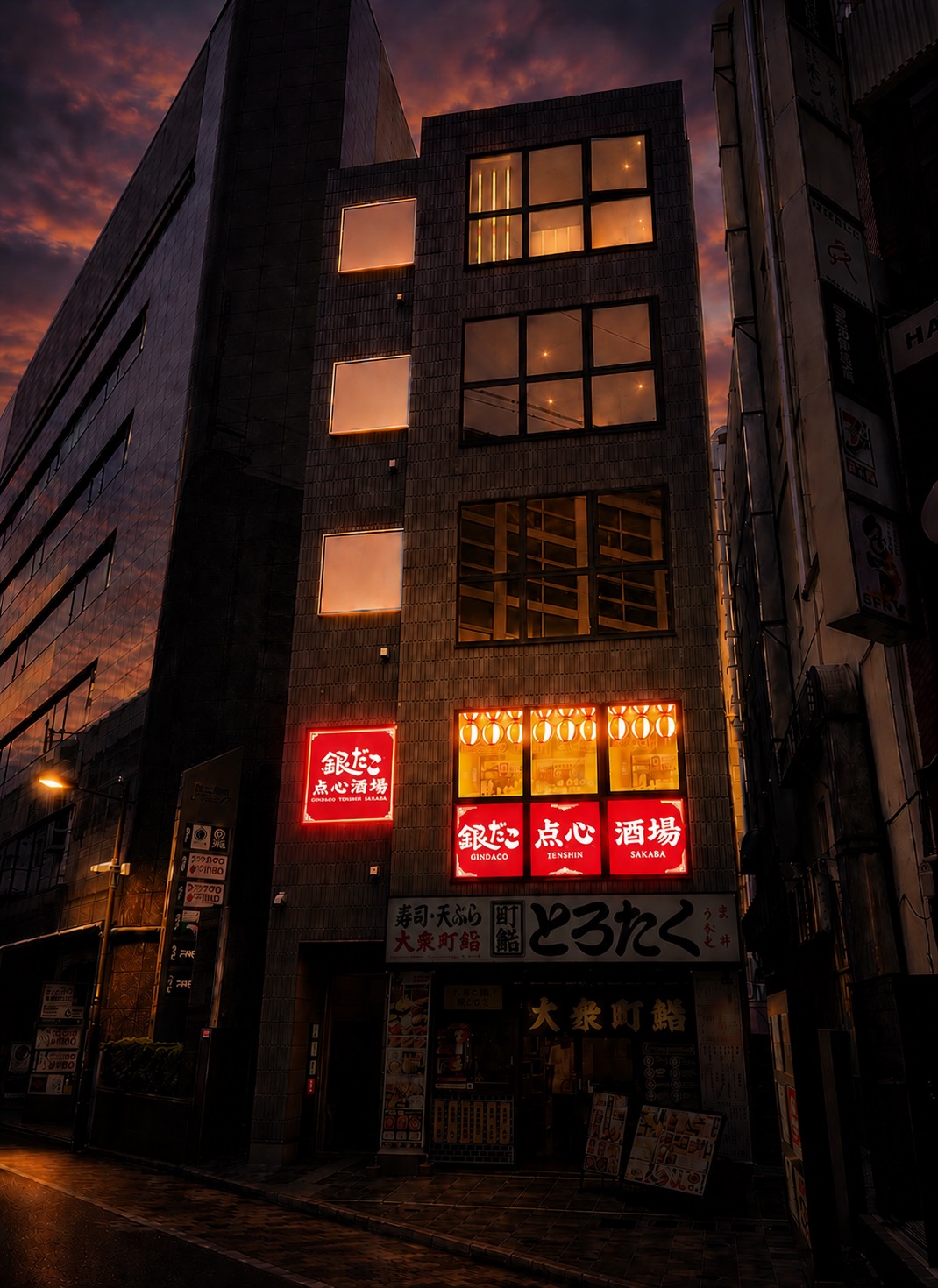
1.On July 13, a red sign lit up on the second floor of a narrow building one minute on foot from the south exit of Kanda Station in Tokyo. 銀だこ 点心 酒場. The first store of Gindaco Tenshin Sakaba, a new format from the company behind the takoyaki chain Tsukiji Gindaco.
2.Sixty-six seats: 60 at tables plus one private room for six. The operator is Always Co., a consolidated subsidiary of Hotland Holdings. The address is 2-1-4 Kajicho, Chiyoda. The signature item is xiaolongbao with wrappers rolled in the shop, five for 858 yen.
3.Lunch service was added eight days later, on July 21. From 11:30 the kitchen runs two and a half hours on 990-yen set meals and 1,078-yen half-and-half plates, then reopens at 4 p.m. and closes at 11. The doors are locked for an hour and a half in between.
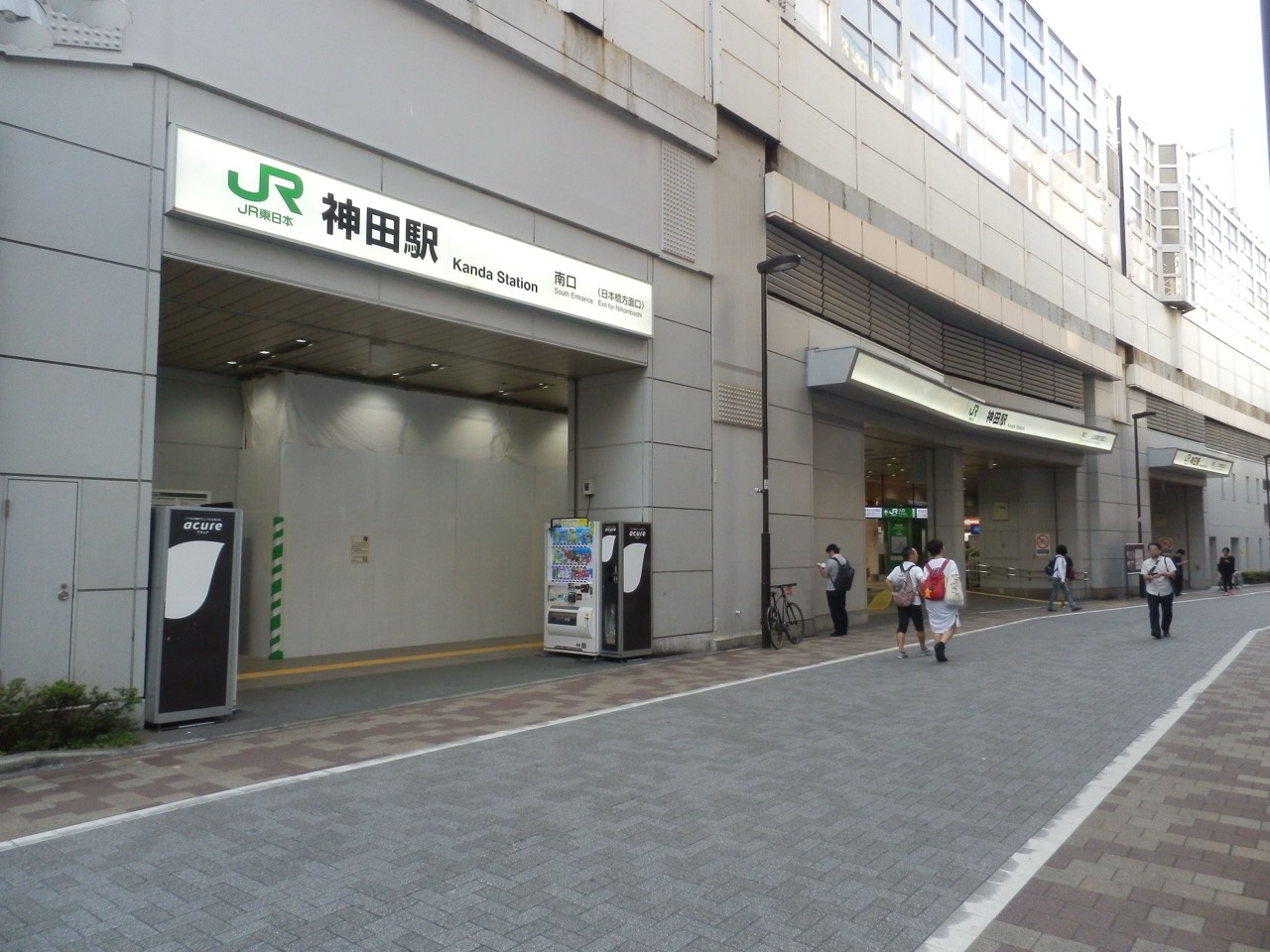
4.The defining condition here is the second floor. Almost nobody wanders in off the street, and in exchange the rent is softer than on the ground floor. Kanda holds one of the densest concentrations of offices in Tokyo, so the people who might climb those stairs already pass underneath.
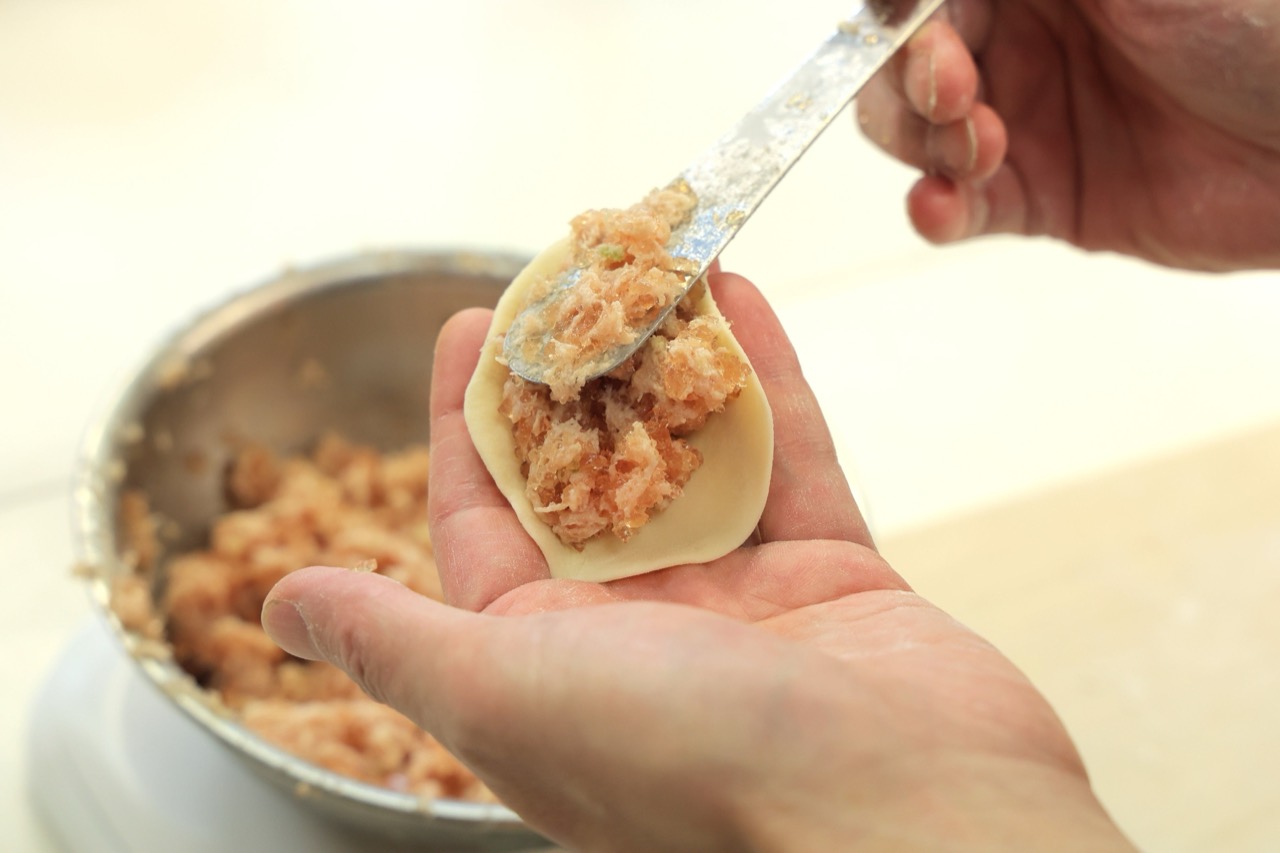
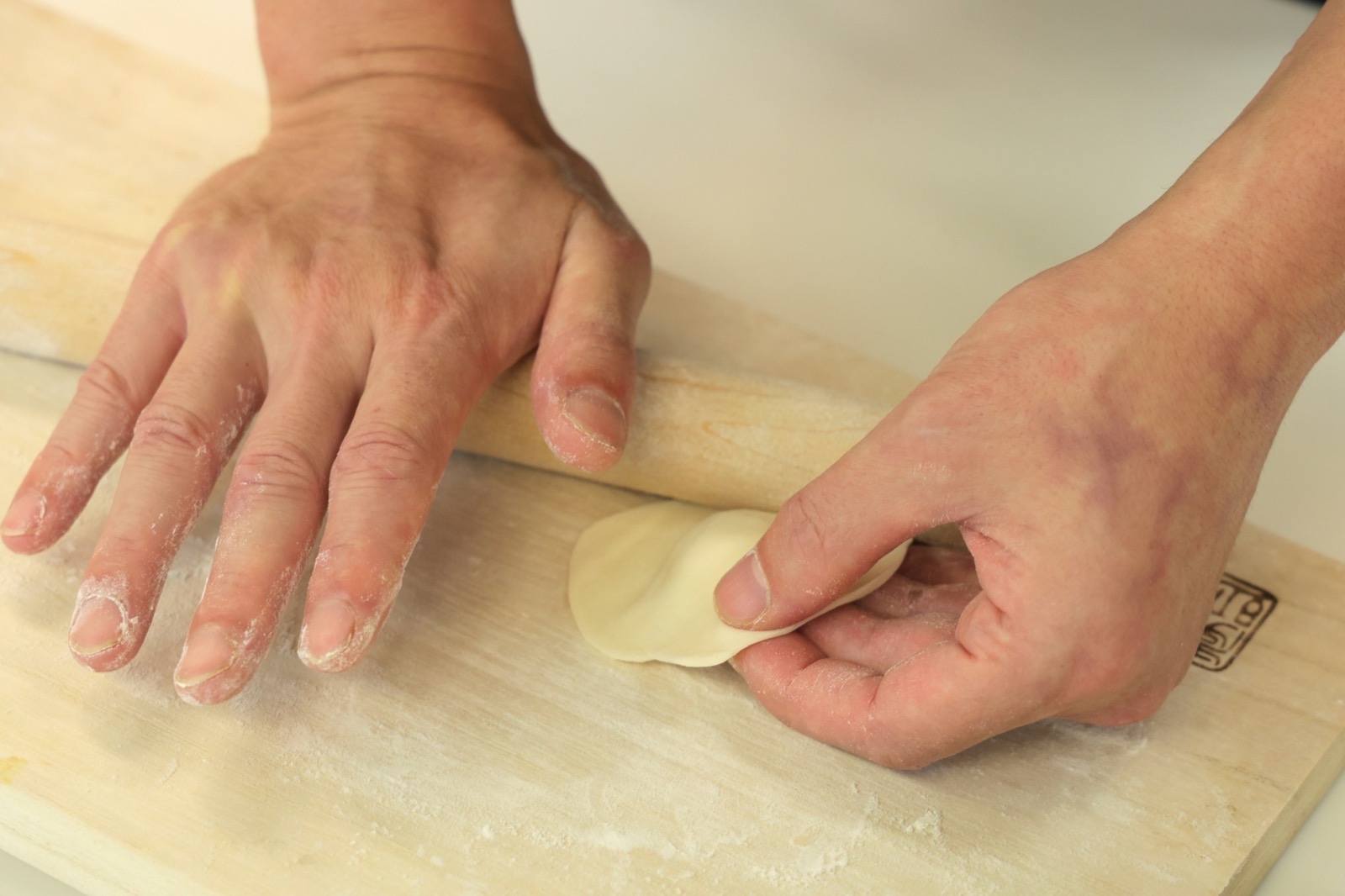
5.From the dining room, the first thing you see of the kitchen is a pair of hands. A floured palm rolls the pin flat across the dough, and the other hand drops a spoonful of filling on top. There is barely a sound to it, yet the eye follows.
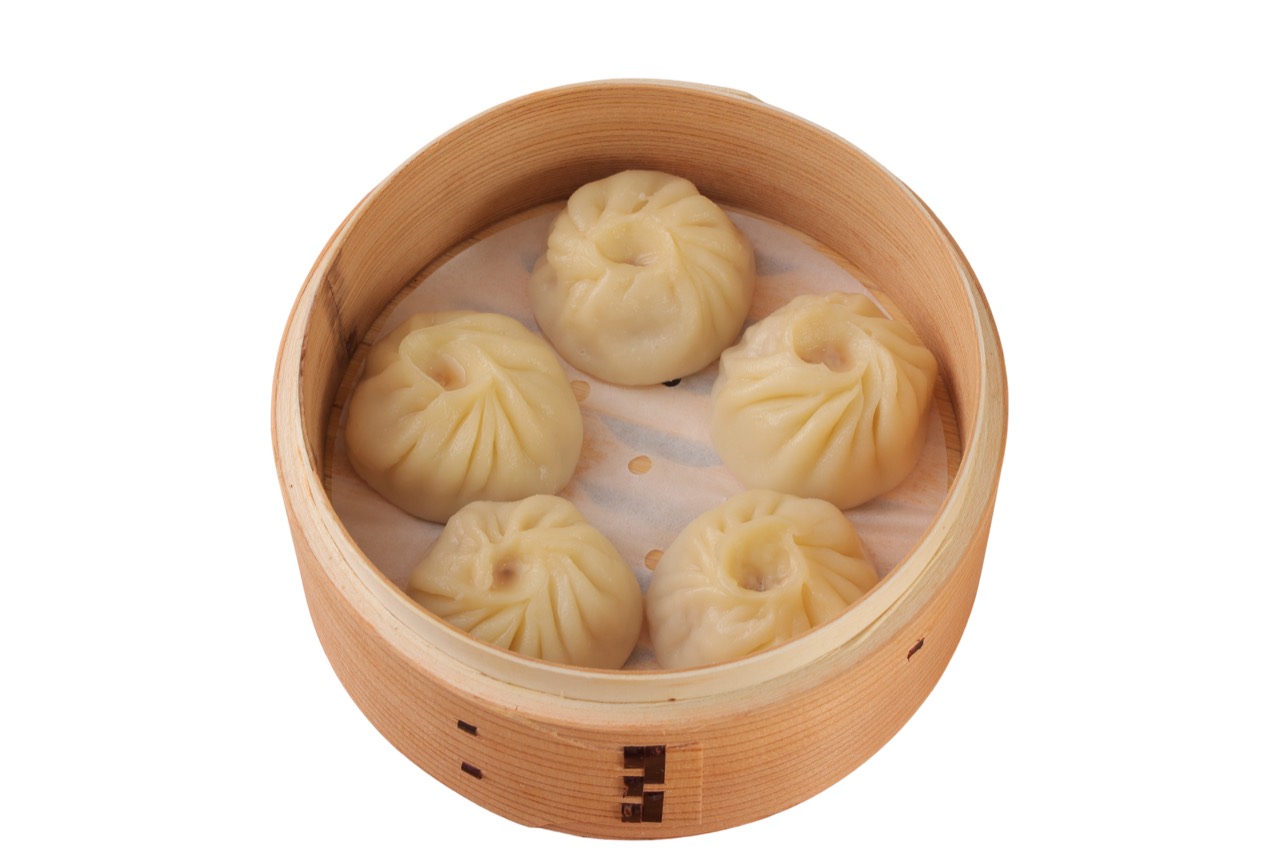
6.Lift the lid off the steamer and the vapor comes up all at once, with the pleated parcels sitting underneath. A thin skin bursts the instant chopsticks touch it. Food that makes people careful keeps them on one plate longer, and the glass empties while they wait.
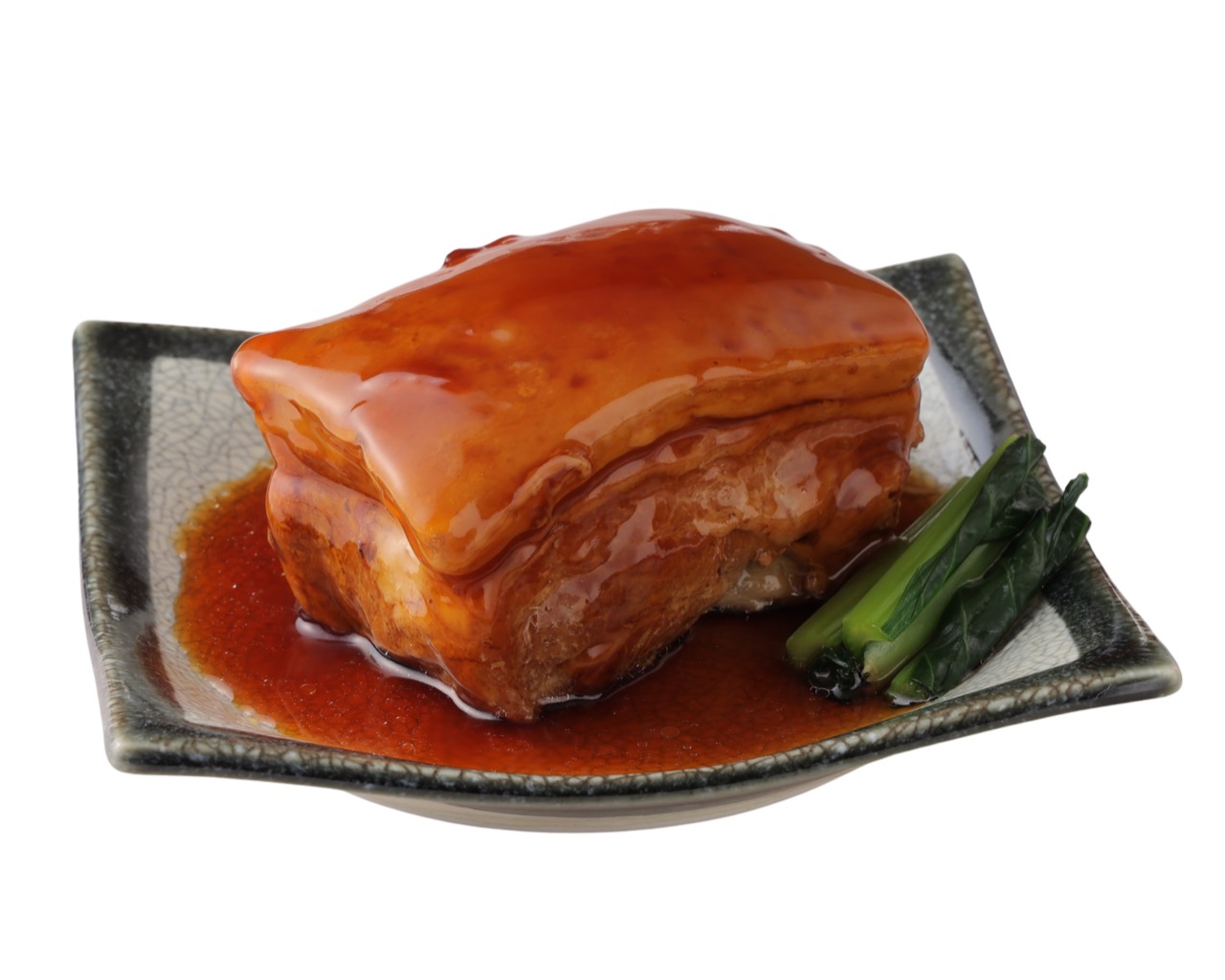
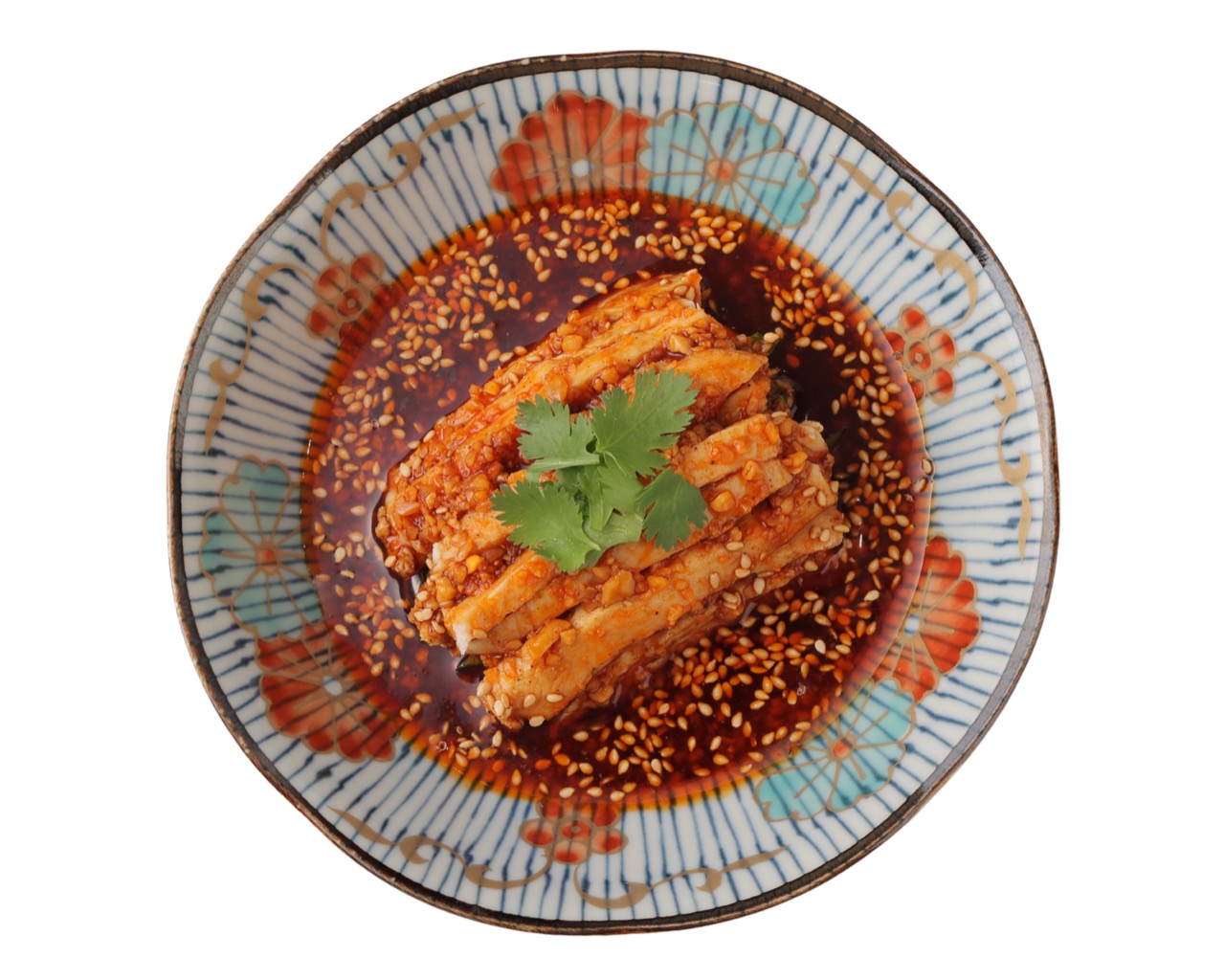
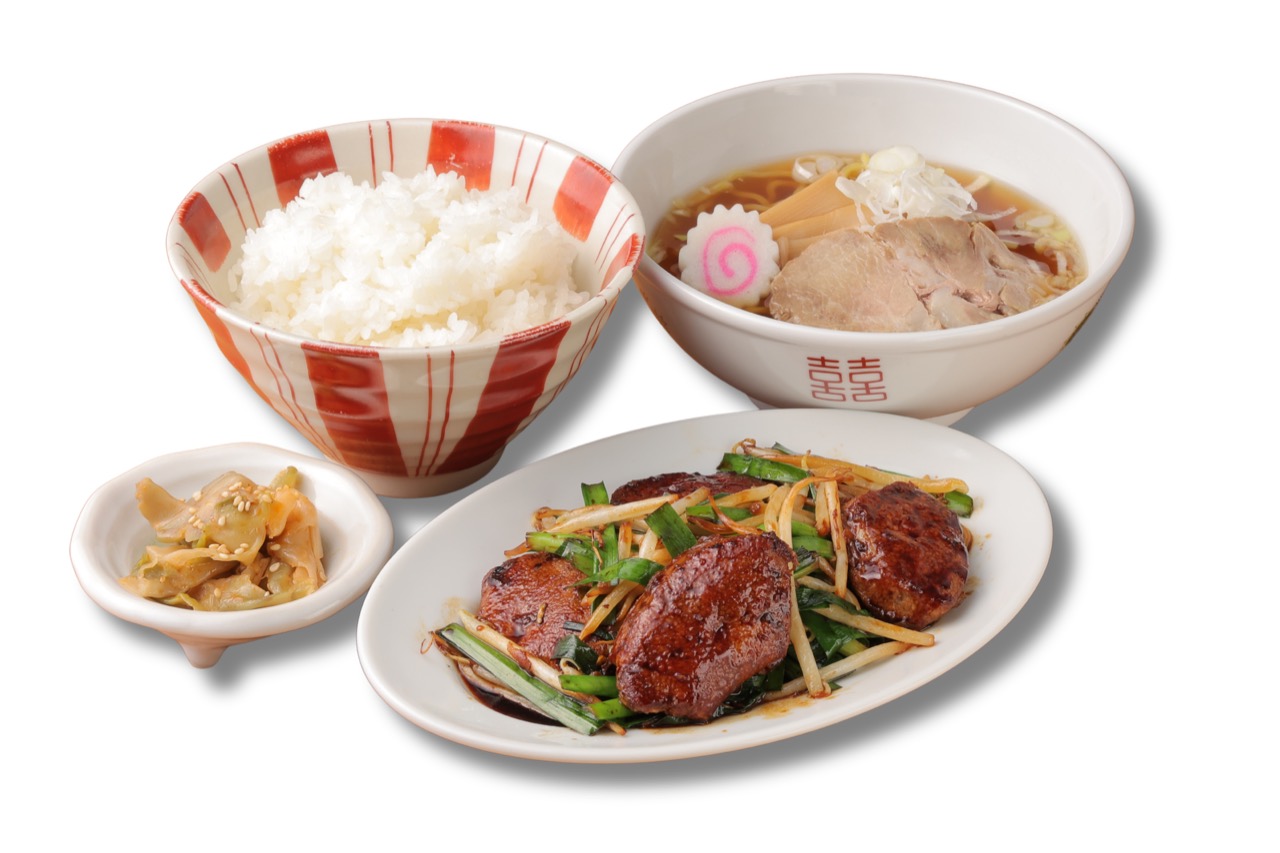
7.The rest of the menu was built around drinking. Dongpo pork at 748 yen, liver and chives (レバニラ炒め) at 638 yen, plus mouthwatering chicken (よだれ鶏), bang bang chicken (棒棒鶏) and shrimp mayo. Takoyaki survives as a single line: three pieces, 374 yen.
8.This format did not appear out of nowhere. The company opened Gindaco Highball Sakaba in Shinjuku in 2009, and that izakaya chain had grown to 109 stores by the end of July 2026. House-made xiaolongbao and shumai were already on those menus.
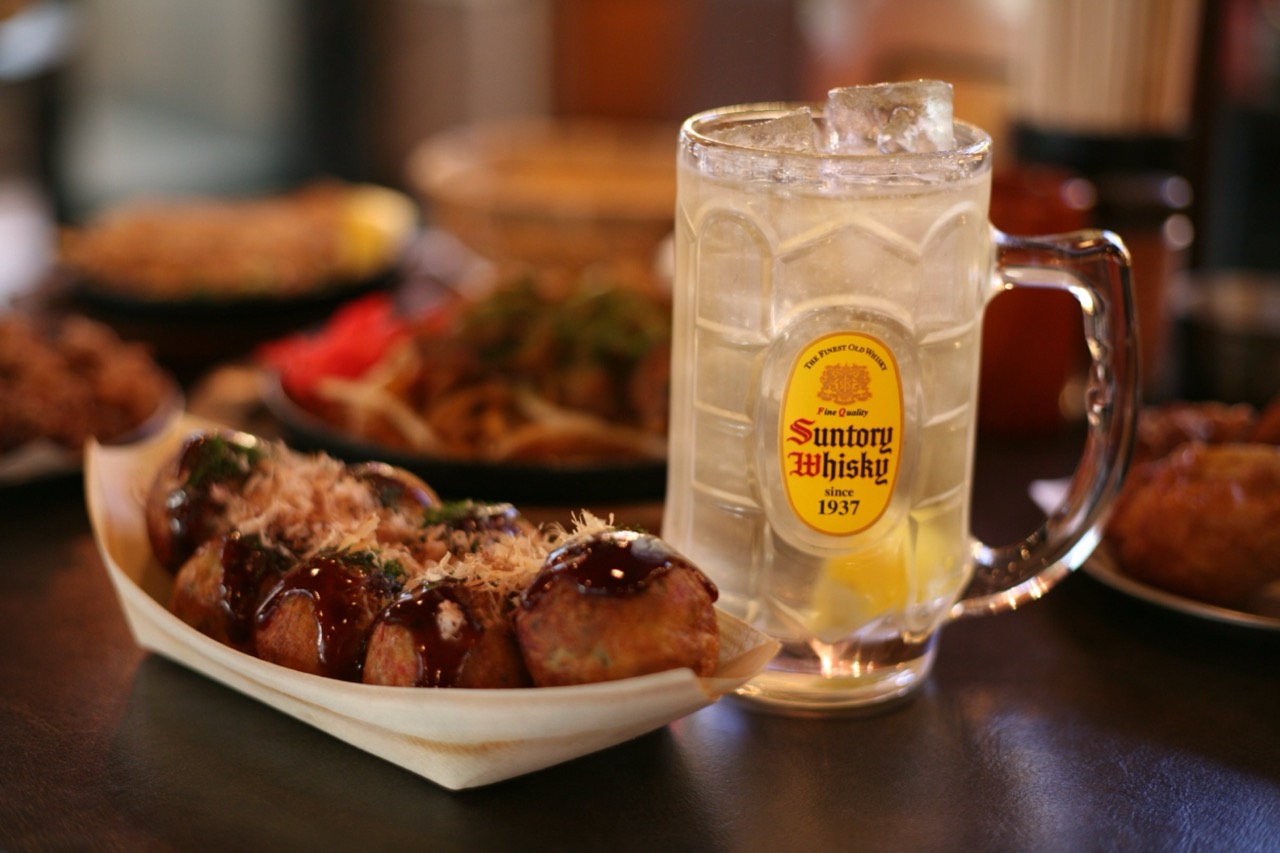
9.So the sequence ran from takoyaki to liquor, and from liquor to dim sum. What sold well inside the izakaya was pulled out and grown into a shop of its own, and customers have no new brand to learn. From the company's side, it is a way of entering a new district with an item already proven.
10.The reason for choosing Chinese food appears to be the clock. Few categories sell set meals at noon and liquor at night, and Chinese does both. The same 66 seats split between a daytime crowd and a nighttime one.
11.The same takoyaki changes price with the place that sells it. Eight with sauce at a street counter come to 702 yen. In the izakaya, three cost 374 yen, so eight would be 997. Adding a seat alone is worth 1.4 times.
12.Measured per pyeong, the street counter wins. A three-pyeong counter selling 250 orders a day takes in around 170,000 yen, clearing 1.5 million yen per pyeong per month. The 66-seat shop looks to run just over 40 pyeong with the kitchen, and even at 360,000 yen a day that is about 220,000 yen per pyeong. The second set of figures is not disclosed; it was built from seat counts and average spend.
13.The reason for adding izakayas anyway lies in the price of octopus. Last December 3 the company raised eight takoyaki from 669 to 702 yen, citing octopus and wheat prices, and crossed 700 yen for the first time since it started in 1997. A third straight increase. Liquor and dim sum do not swing like that.
14.A company strong at street counters usually travels the other way into seated dining. Seated brands bolt on a takeout window; takeout does not build izakayas. This one carried the takoyaki griddle in whole, and left the cooking visible inside the izakaya too.
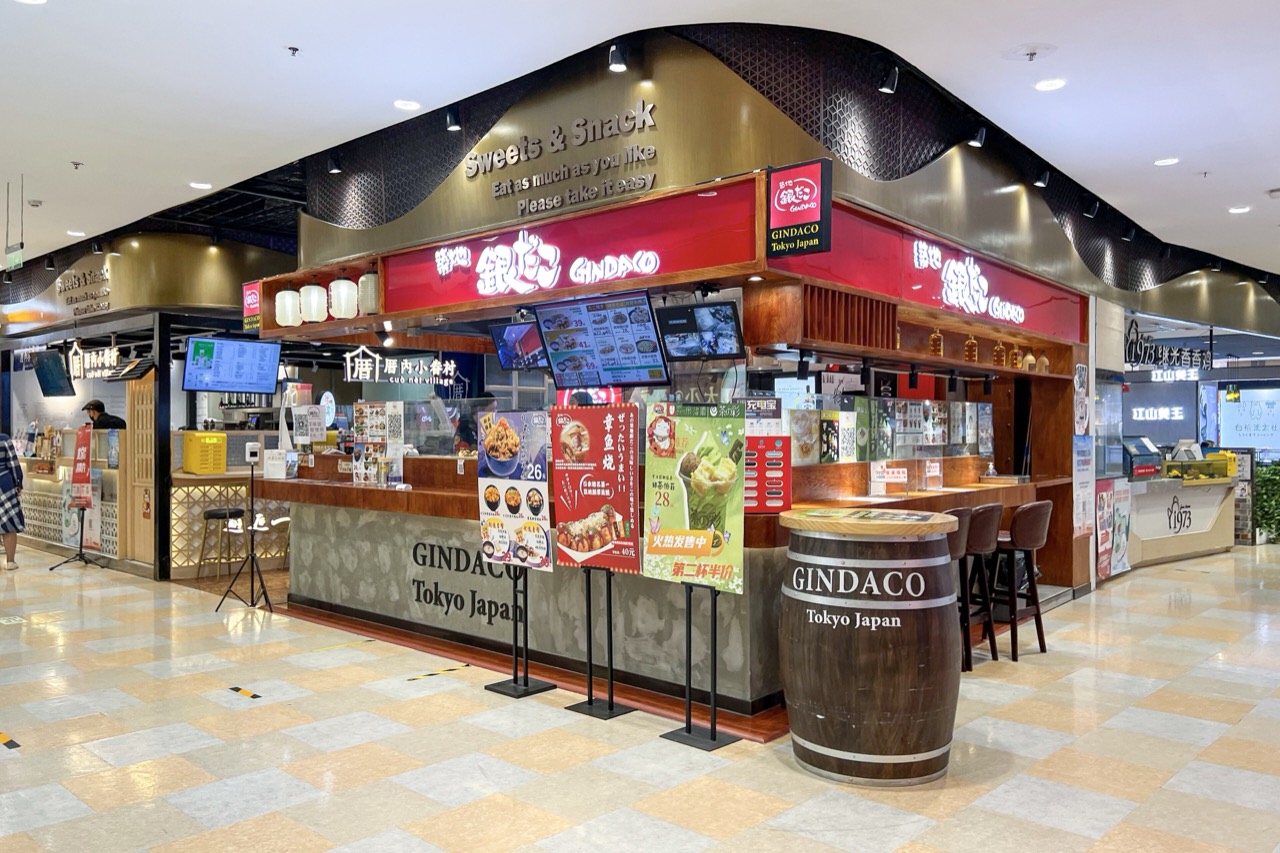
15.Openings on the izakaya side continued this month. On August 26 a 31-seat store opened on the ground floor of a new complex joined to Toyota City Station in Aichi, and on September 8 a 120-seat store opens in Susukino, Sapporo. It is the chain's first store in Hokkaido, serving until 4 a.m. The company's revenue target for this year is 58 billion yen.
16.A company that grilled takoyaki at 523 locations in Japan has put a 66-seat Chinese izakaya on the second floor by Kanda Station, and eight pieces that cost 702 yen at the counter become 997 yen on that menu. Build this structure in Korea and the first thing that catches is the hand rolling the dough. For the act of folding by hand to be the product, that hand has to stay through the whole service, and running lunch sets and evening drinks with the same person turns the job into a split shift with a break wedged in the middle. Put one more cook in the kitchen and the arithmetic of a 2,500-yen average check starts to shake; fill the gap with frozen dim sum and the scene that drew people in is gone.