Fifteen courses of omakase sushi for 4,400 yen. That is one-fifth of Ginza rates, and 100 yen below the 4,500-yen average check at an ordinary Japanese sushi restaurant. An Osaka company has stamped out eight copies of this box in eighteen months, each one a counter of eight seats turned twice a night. Next target: 200 of them in five years.
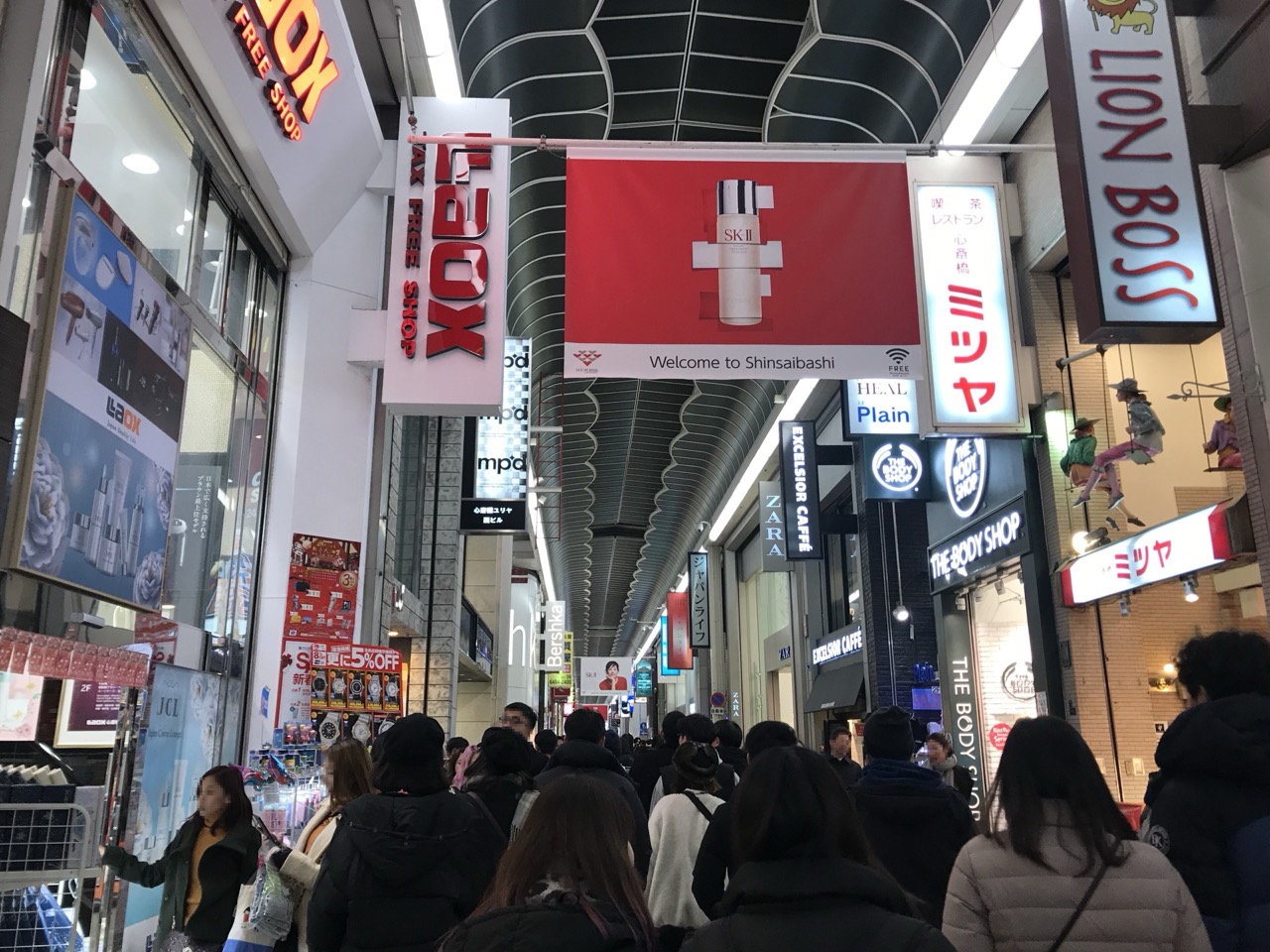
1.On September 1, Sushi Koki opened on the ground floor of the Nippo Jumbo Building at 2-1-13 Higashi-Shinsaibashi, Chuo-ku, Osaka. Nigiri, house-made condiments, plated dishes and dessert are bundled into fifteen courses for 4,400 yen. Tax included; drinks are charged separately.
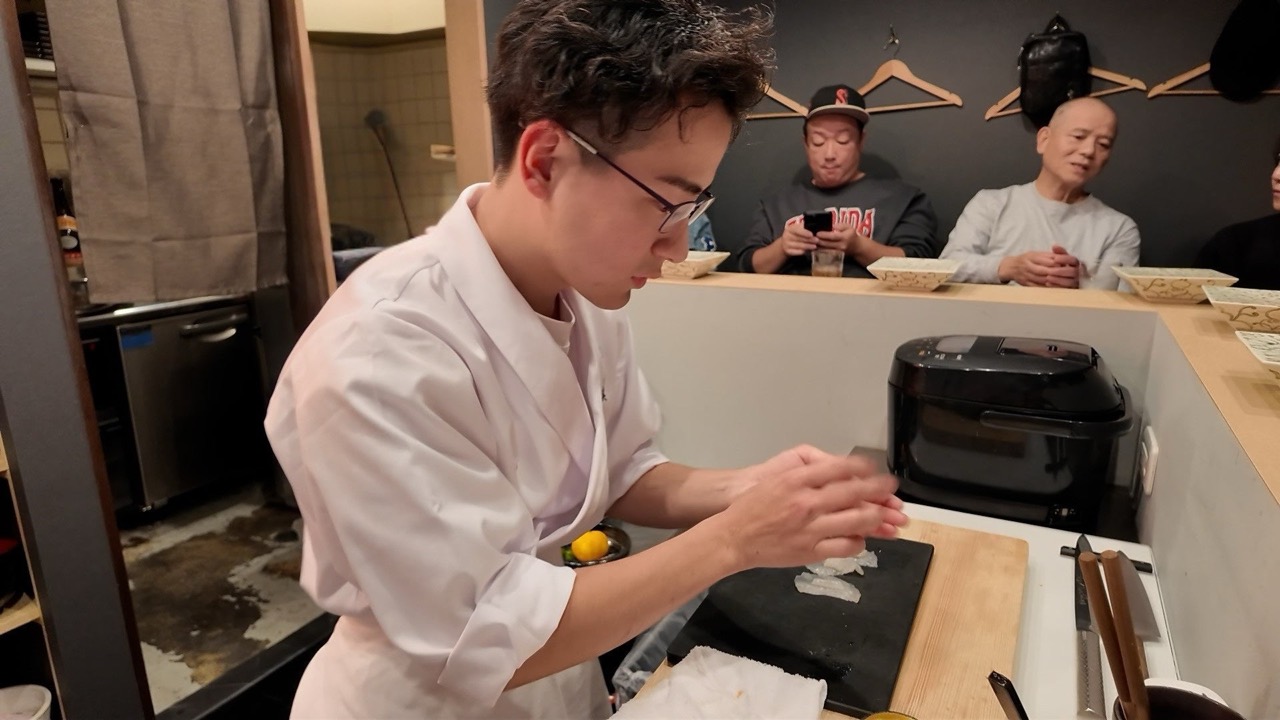
2.Reservation-only, two seatings a night. The first sits at 17:30 and rises at 19:30; the second runs from 20:00 to 22:00. Yasuki Oyama, who works the counter, graduated from Tsuji Culinary Institute Osaka and passed through French, Italian, pastry, bistro and Japanese kitchens before training at a three-Michelin-star restaurant. That résumé is attached to a 4,400-yen course.
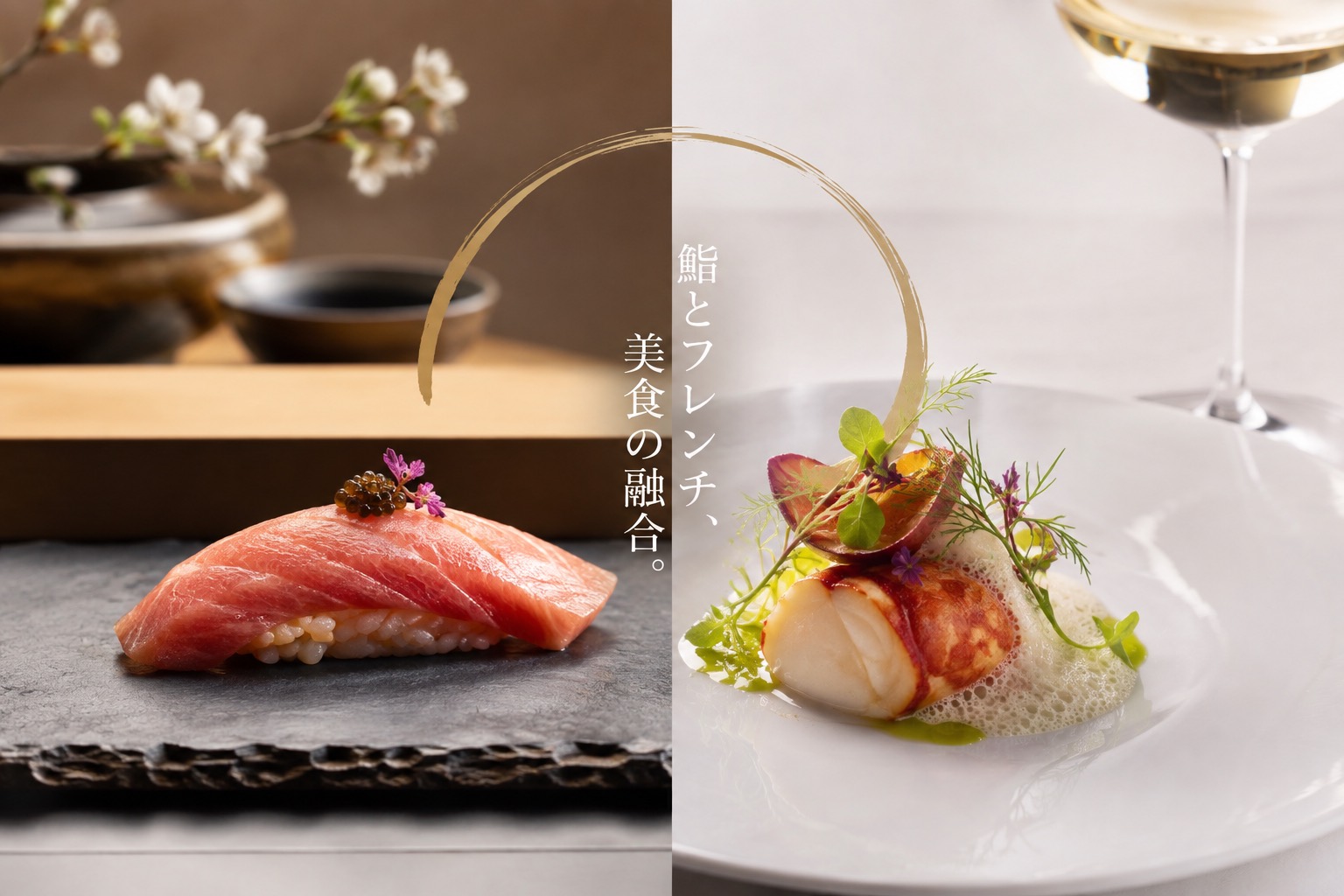
3.Eight shops share the same blueprint. The operator, 881 Inc., was incorporated only last April 17, and already runs eight locations across Tokyo and Osaka: Sushi Yamato, Sushi Kazue, Sushi Tatsuki, Sushi Koki. Every name on every sign belongs to the person standing behind that counter, and Yamato, the first one, opened in June 2024 and is now booked six months out.
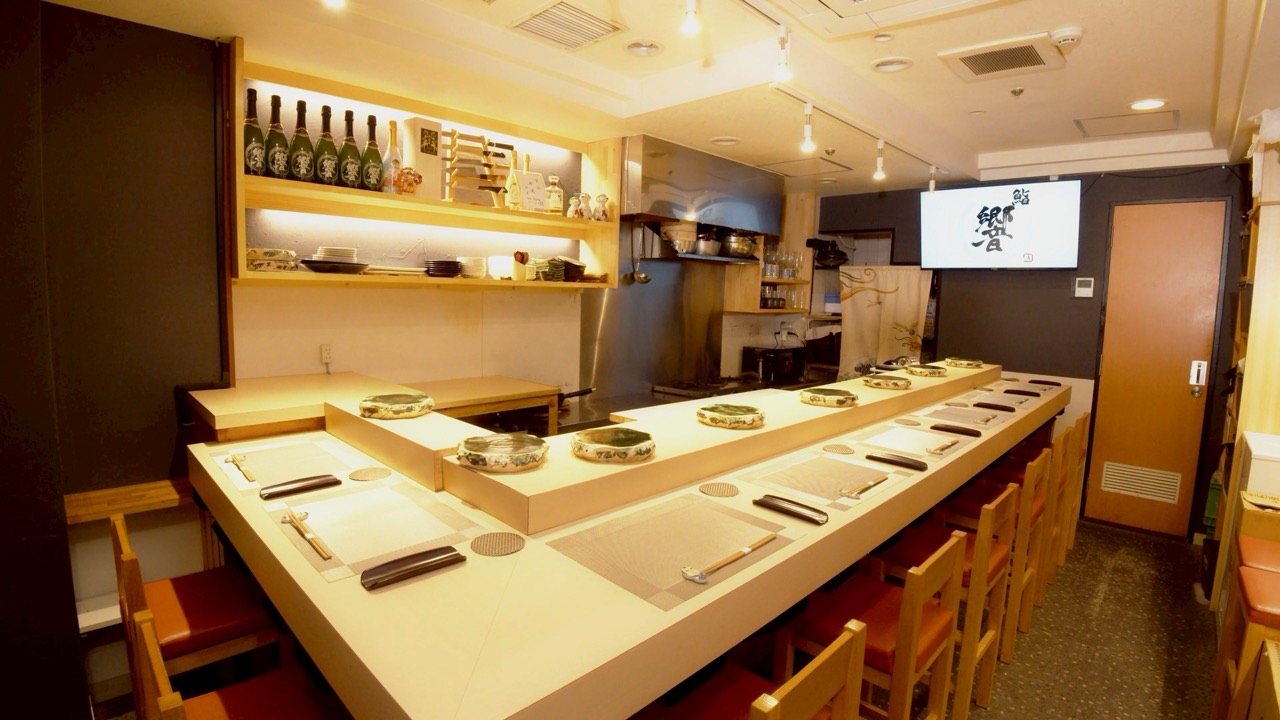
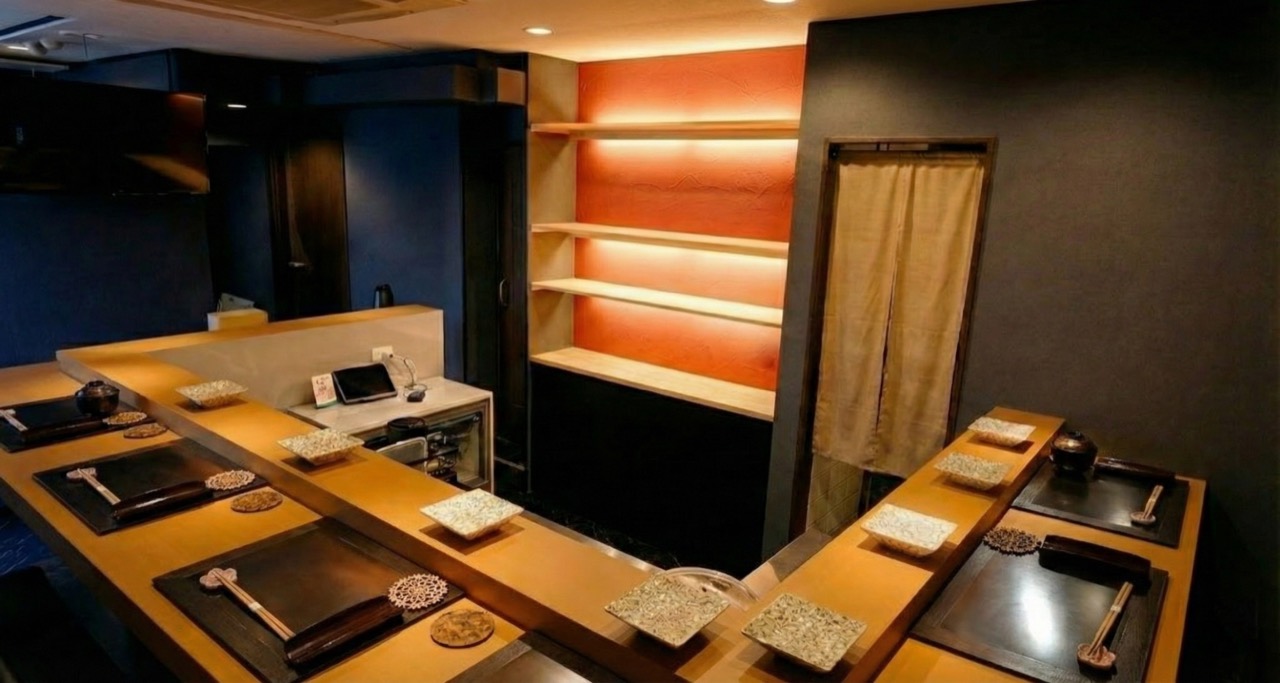
4.The space is plain. Sushi Tatsuki, opened late last year in Kita-Shinchi, has eight counter seats, and the other shops look to hold around ten. No floor, no rooms, no waiting area. The rice cooker sits out on the prep line, and guests sit on the far side of it.
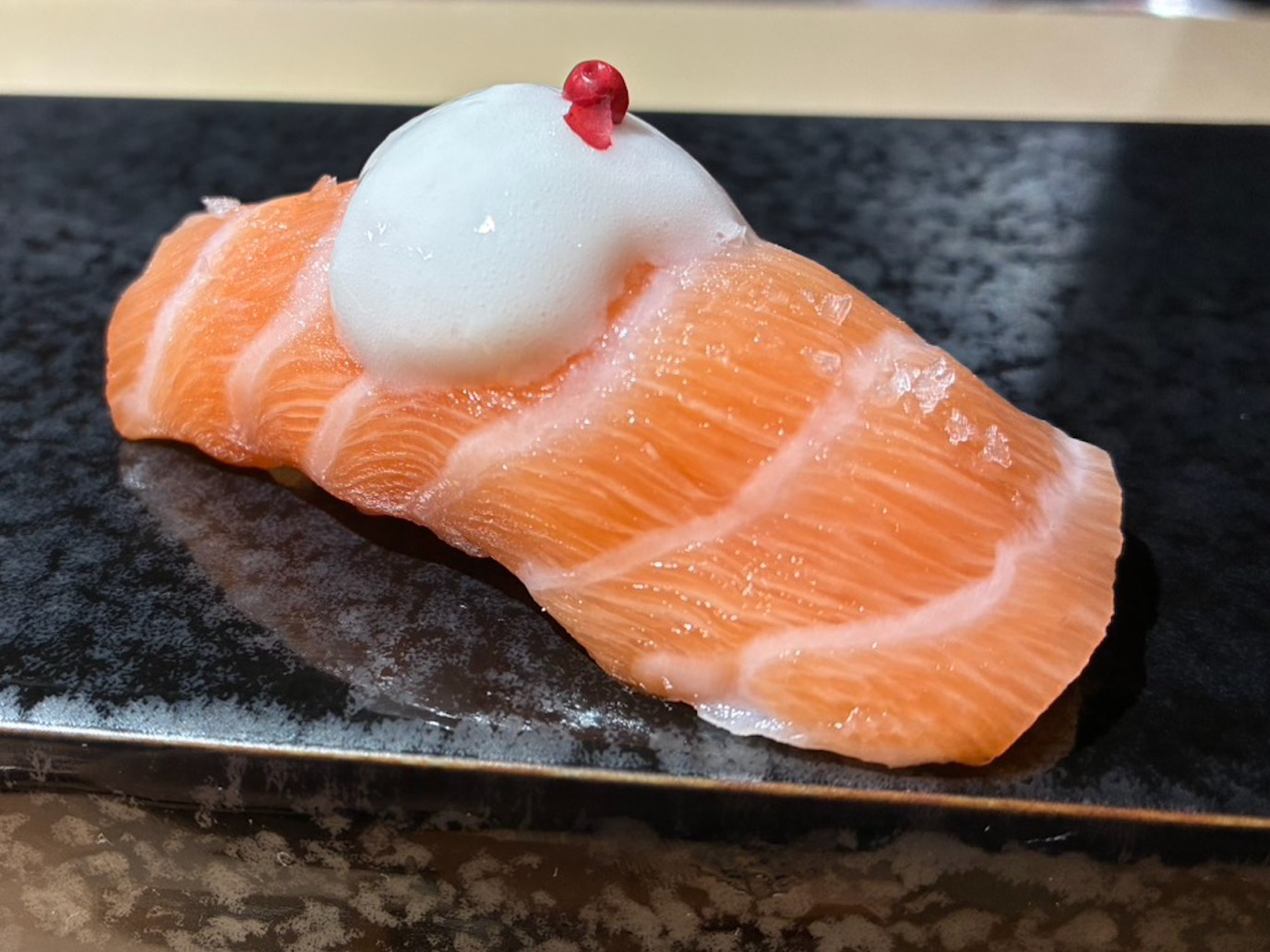
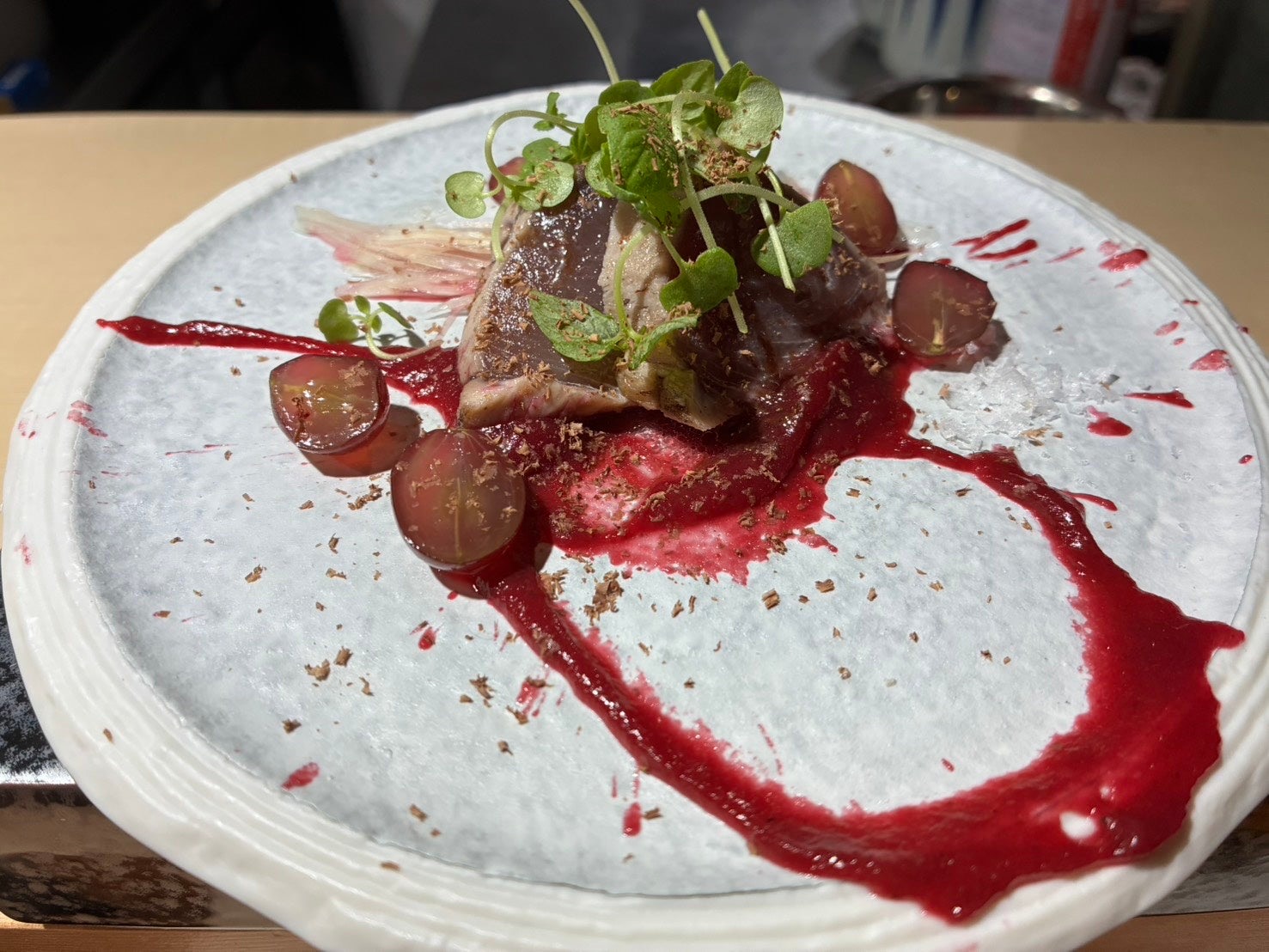
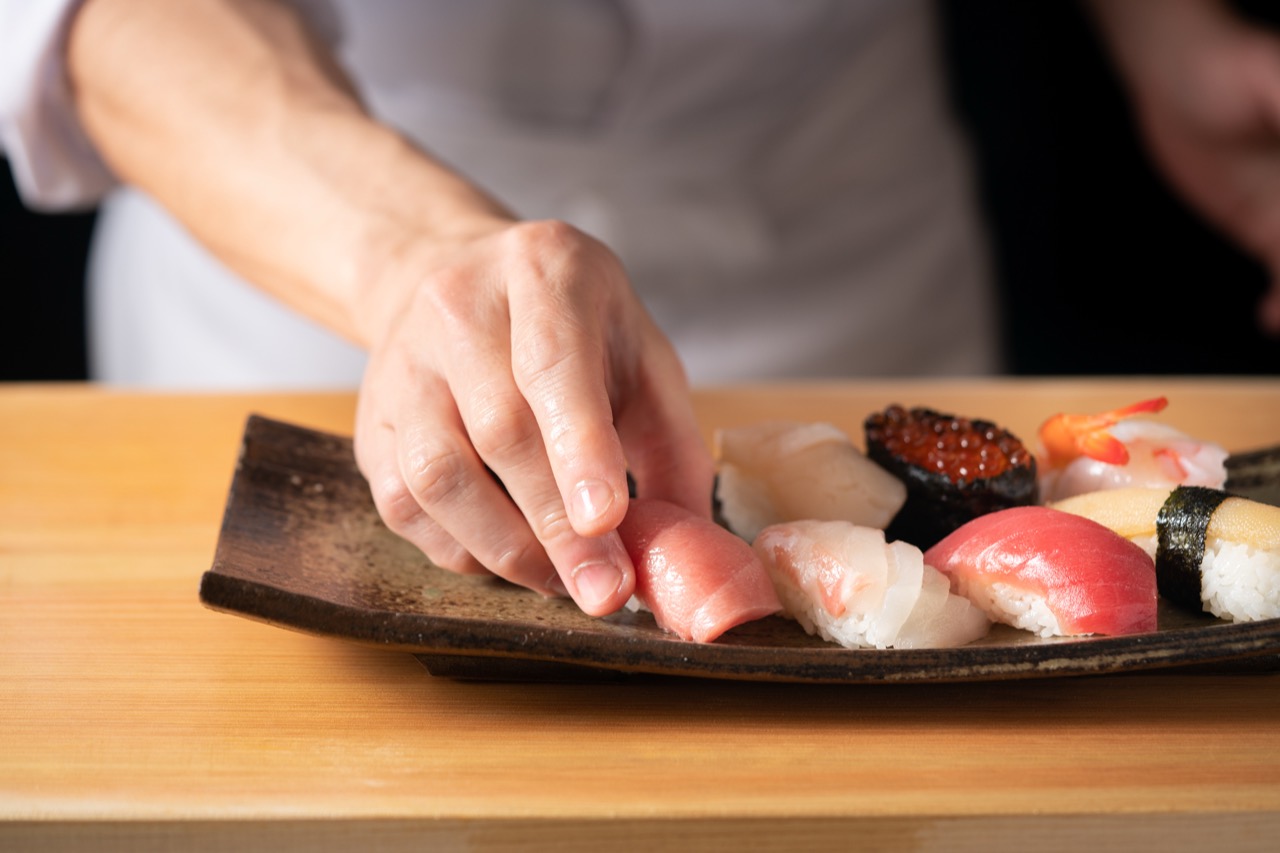
5.The course lays French tools on top of sushi. A spoonful of white foam goes onto a salmon nigiri, with a single red berry pressed into it. The foam collapses on the tongue first, and the oil and the warmth of the rice arrive behind it. A plated dish takes lightly cooked bonito over a red berry sauce, garnished with grapes and young leaves.
6.The last dish at Tatsuki is ramen. Broth is pulled from the bones and trimmings left over from the day's fish, and it comes with free refills. The signature is not an expensive ingredient either but sakasa-inari, an inverted inari sushi that chef Tatsuki Nishi says he learned from his grandmother. Cheap ingredients open and close the course.
7.Where the price sits is the whole business. The average check at a Japanese sushi restaurant is 4,500 yen. Omakase in Ginza and Akasaka runs 20,000 to 30,000 yen, and even a young chef's own shop starts around 8,800. So 4,400 yen is not the bottom of the omakase range; it is the price of dinner at the neighborhood sushi place.
8.Price is not the only thing that keeps people out of omakase. Not knowing what the bill will be. Not feeling able to ask what is coming. Feeling you should have dressed for it. Fix the price in advance and take payment at booking, and all three disappear at once. That is how first-timers end up at the counter.
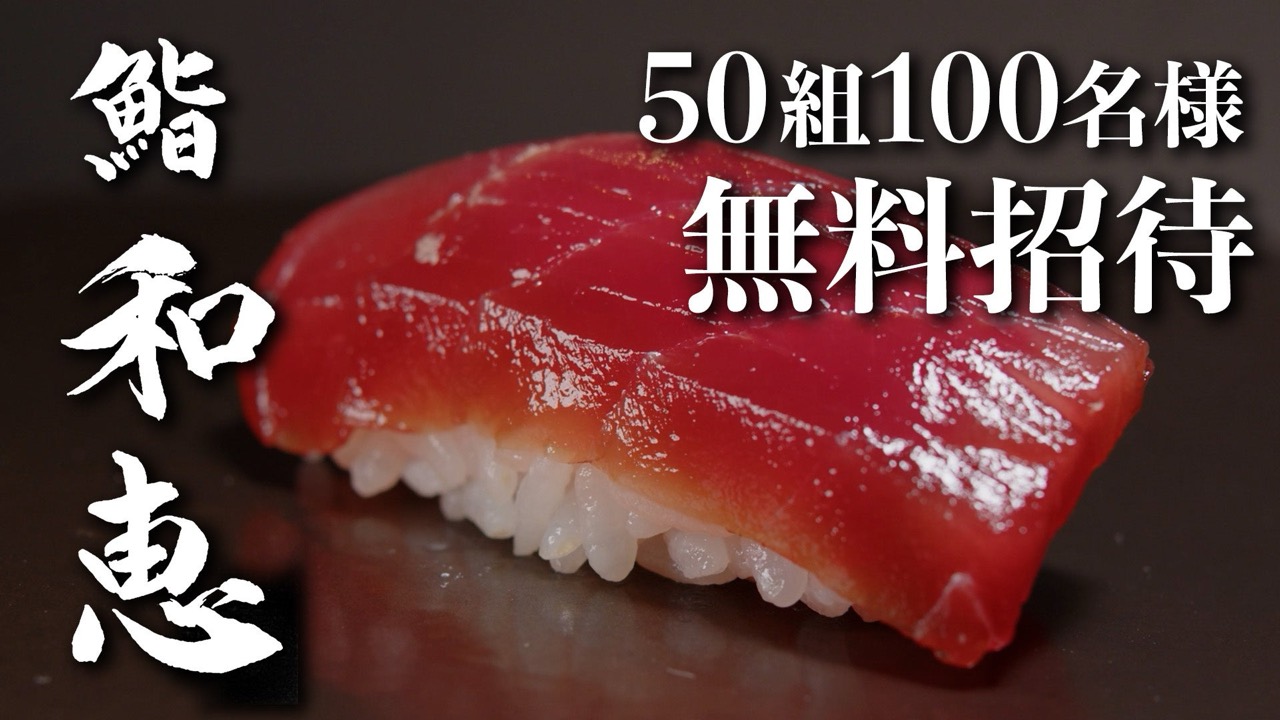
9.Waiting lists can also be manufactured. Last December the company gave away 100 seats across 50 parties at Sushi Kazue in Shinsaibashi. Entry meant commenting "881" on an Instagram post, and winners were announced on a livestream. Kazue's chef, Kazue Toyoshima, is a woman sushi artisan listed in the Michelin guide five years running.
10.Eight seats filled twice a day is sixteen people, or 416 over a 26-day month. Multiply by 4,400 yen and you get 1.83 million yen a month. Seats and seatings are both fixed, so there is no ceiling above that. The industry's standard model shop, 25 tsubo and 18 seats, does 4.21 million a month. On revenue alone this is less than half of it.
11.The industry averages 45% food cost, 23% labor, and rent at 8-10% of sales. Take 820,000 yen of ingredients, 180,000 of rent and 220,000 of other expenses out of 1.83 million and 610,000 is left (estimated). But that 610,000 is the number when the owner works the counter himself. Hire one person and it falls by more than half.
12.So where does the money come from? Not the sushi. Fifteen courses at 4,400 yen caps ingredients at a little over 2,000 yen, about 130 yen a course, which is why salmon and lean tuna show up so often in the photos. Alcohol runs about 30% cost, so 1,500 yen a head adds more than 400,000 yen a month. The company's promise of "10 million yen a year for the owner" comes from the glass, not the plate.
13.Japan has made sushi cheap twice already. Once with the conveyor belt, a market that grew to 831.8 billion yen across 4,270 shops. Once with standing sushi bars, which reached the Michelin listings. What 881 went after the third time is neither ingredient nor technique but the time a guest occupies a seat. Two hours, cut clean, twice, and the day is done.
14.And yet what this company sells is not sushi. A corporation capitalized at 3.5 million yen runs a separate franchise recruitment page advertising a one-month minimum to open, 200 shops in five years, and 10 million yen a year for the owner. Opening a sushi restaurant normally costs 30 million yen and takes six years to pay back. The eight-seat counter is a box designed to shrink those numbers, and the actual product is the owner's seat inside it.
15.What holds this box up is neither price nor technique but a supply of people. Since Tokyo Sushi Academy opened in 2002, several schools have appeared that put someone behind a counter in two to six months, and the premise of a twenty-year apprenticeship has already collapsed. Taking those graduates, putting their names on the sign and selling them the box is 881's business.
16.What collapsed in Korea was not the price but the middle of the range. Sushi restaurants charging 80,000 won at lunch and 150,000 at dinner closed one after another, and the reason was that the same money buys a trip to Japan. A 4,400-yen course takes its guests from the other side of that calculation. Setting the same price in Korea runs into people before it runs into ingredients. There is no school here that puts someone behind a counter in two months, and no company that hands that person its signboard. An eight-seat counter barely returns one person's income when the owner works it himself, and the moment that person has to be hired, the arithmetic never starts.