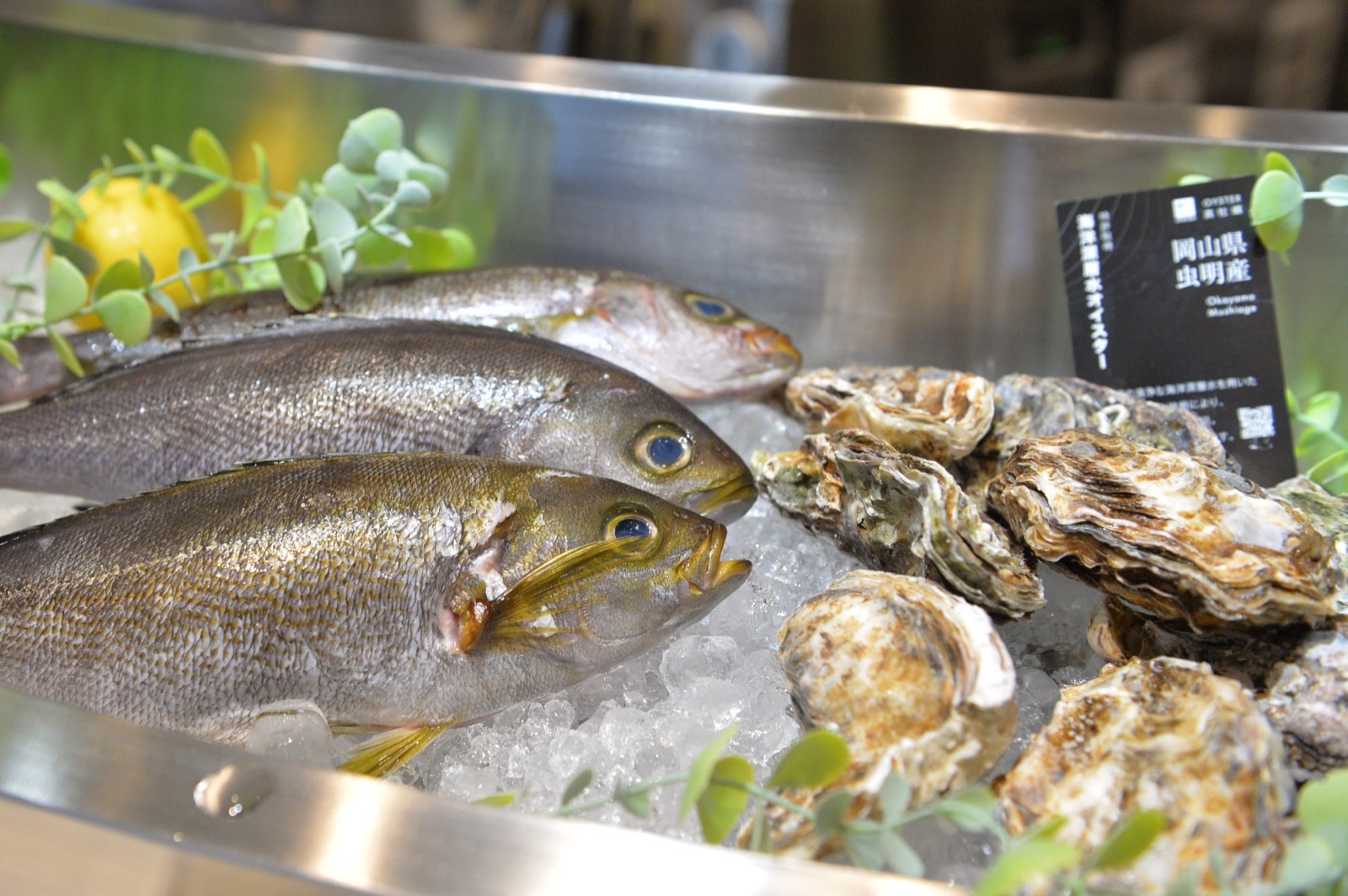
The Oyster Table sign came down on the third floor of a retail complex in Ueno, Tokyo. The kitchen and the seats stayed where they were, only the name and the menu changed, and MARE&OYSTER opened on July 24. A listed company that sold oysters and little else for 26 years is now cutting its own oyster share. The decision landed in a year when Hiroshima's oyster output fell to roughly a third of the previous season.
1.The address is the third floor of Ueno-no-Mori Sakura Terrace. It sits against the park entrance, a short walk from JR Ueno Station, so tourists and commuters climb the same stairs. 34.43 tsubo, about 114 square meters, 46 seats. This is not a new build. The shell of the previous restaurant was kept exactly as it was.
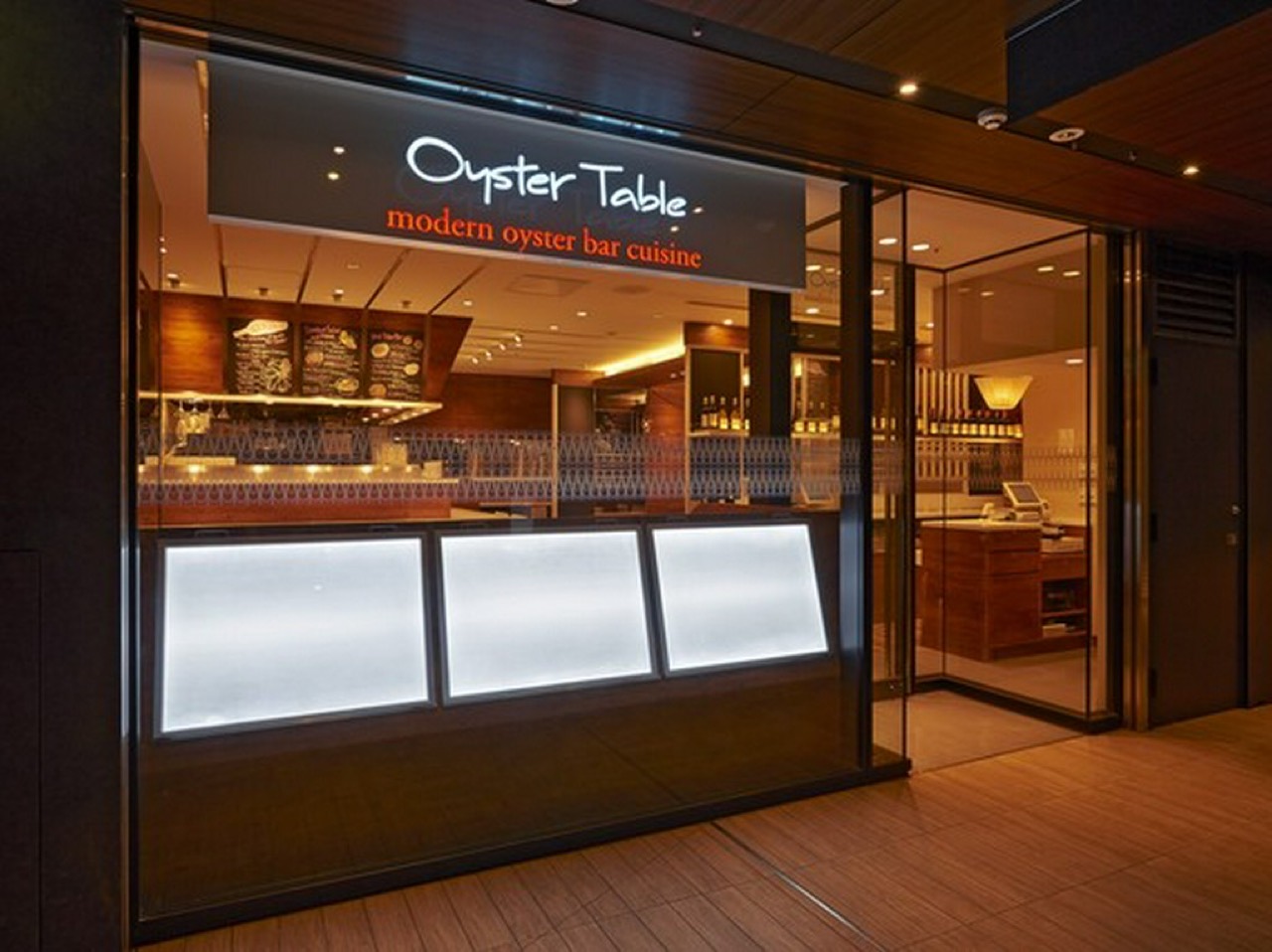
2.The operator is General Oyster, founded in 2000, listed on the Tokyo Stock Exchange, running 33 restaurants nationwide. It holds a patent for purifying raw oysters in deep-sea water drawn from Toyama Bay, flowing over them for more than 48 hours, and sells the result under the name 8TH SEA OYSTER. Its wholesale side serves roughly 800 accounts.
3.Ueno was not the first site to carry the new name. On March 28, 2026 the company opened a 30.44 tsubo room with 36 seats on the third floor of OIMACHI TRACKS in Oimachi, Shinagawa Ward, and says customer counts came in 30 percent above plan. That number is why existing restaurants started being swapped over. The Espal store at Sendai Station is next, in September.
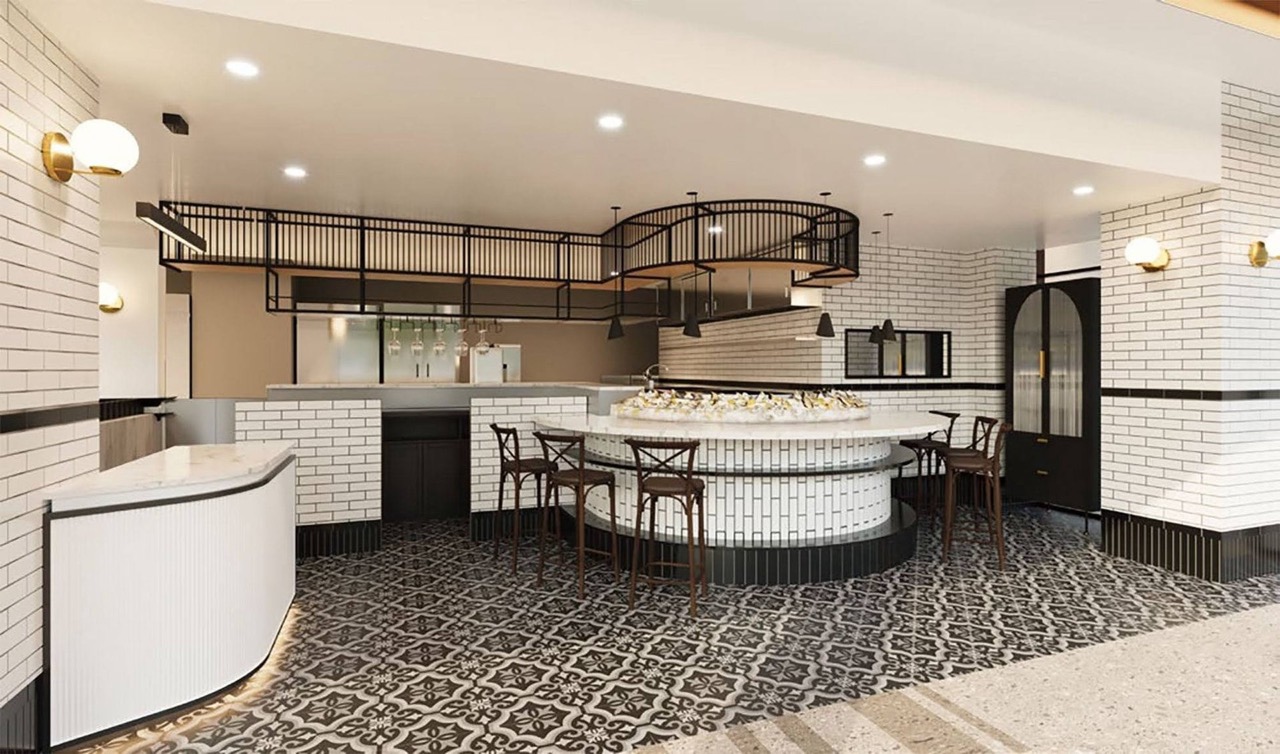
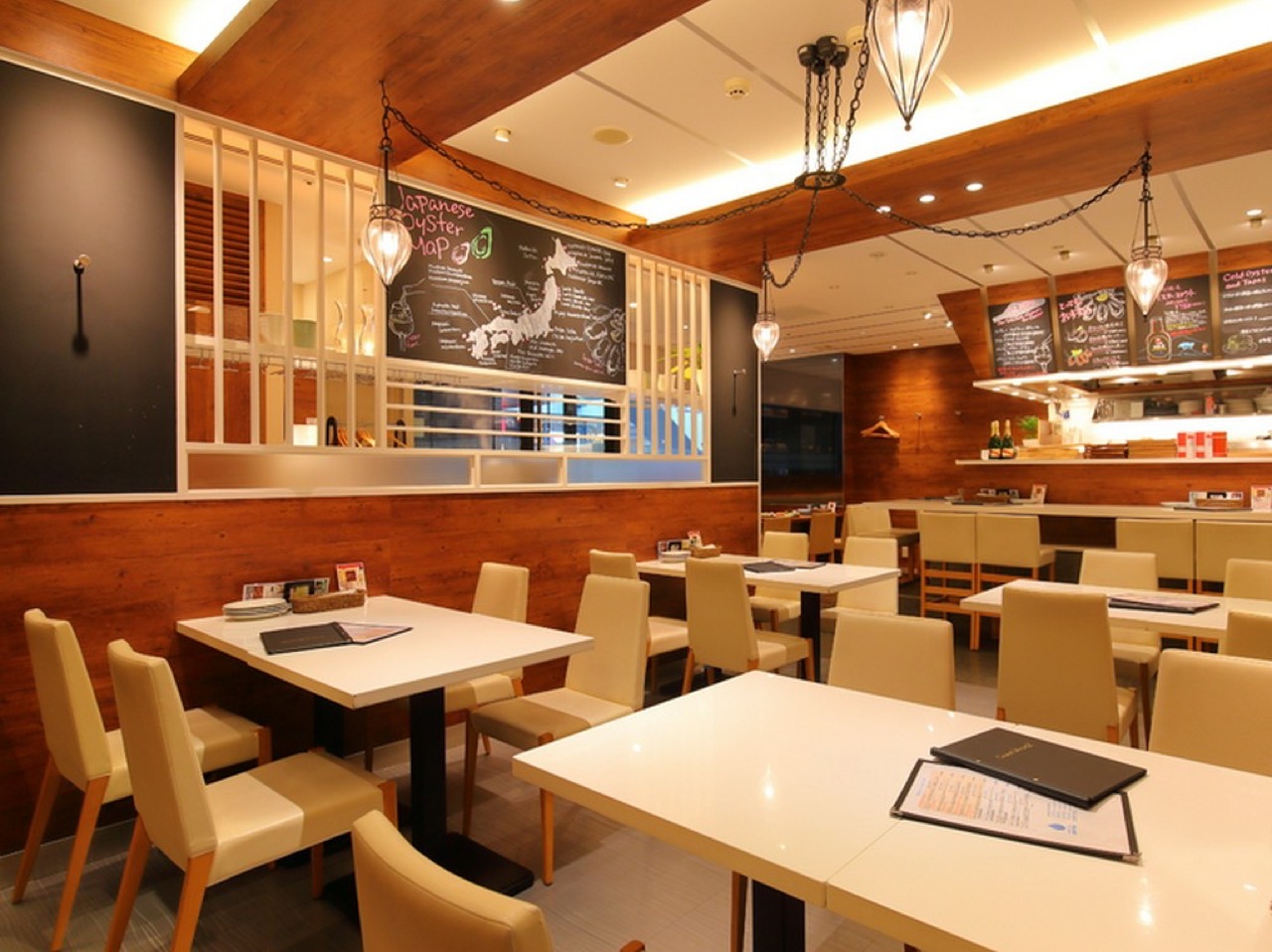
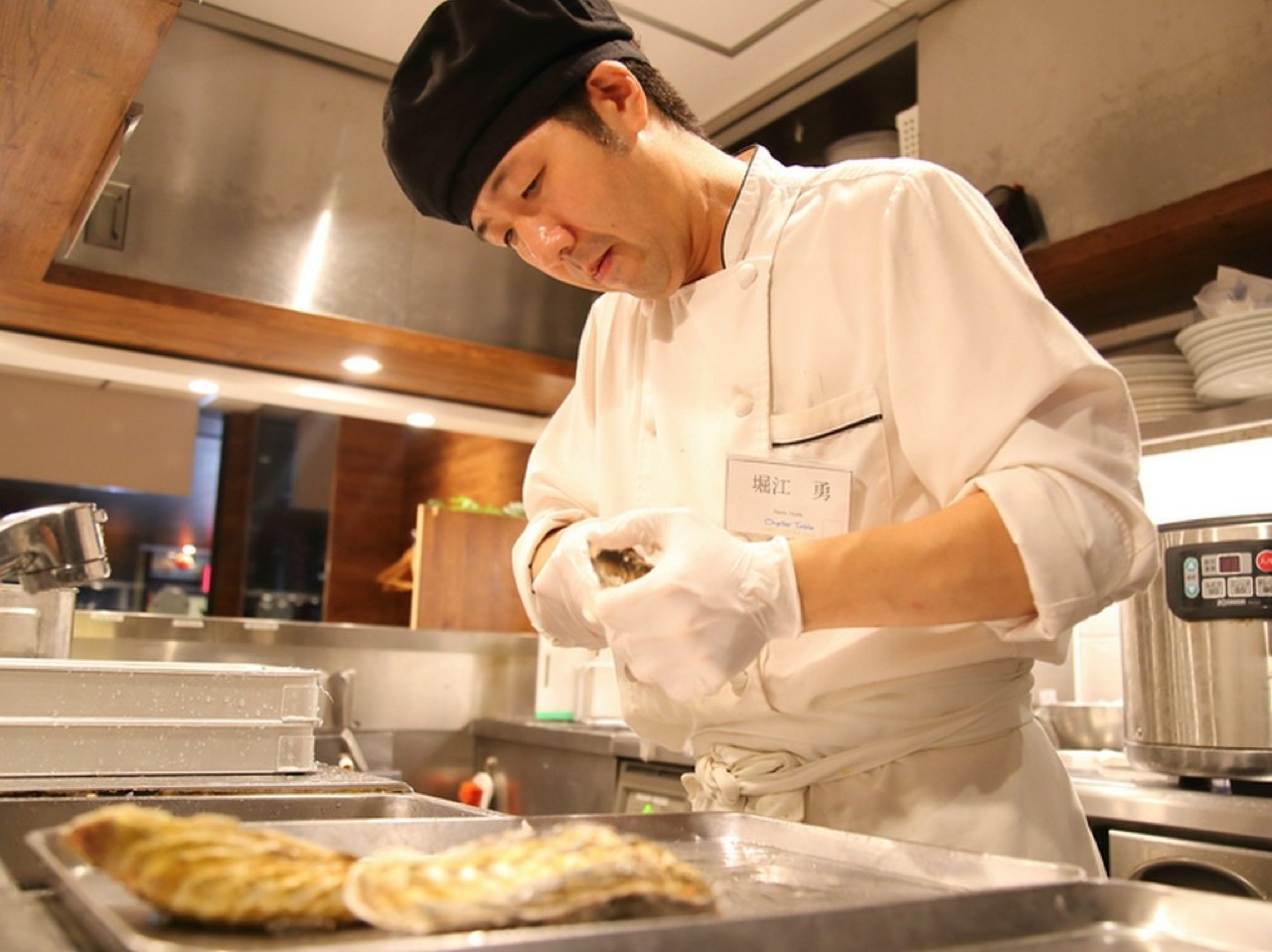
4.The Ueno room inherited almost all of its oyster bar interior. One full wall is a chalkboard carrying the Japanese archipelago in chalk with the growing areas written across it. Timber-clad walls, cream chairs, a U-shaped counter facing the open kitchen. The plan already put the shucking inside the customer's sightline, so a change of product needed no change of circulation. Only the sign and the menu moved.
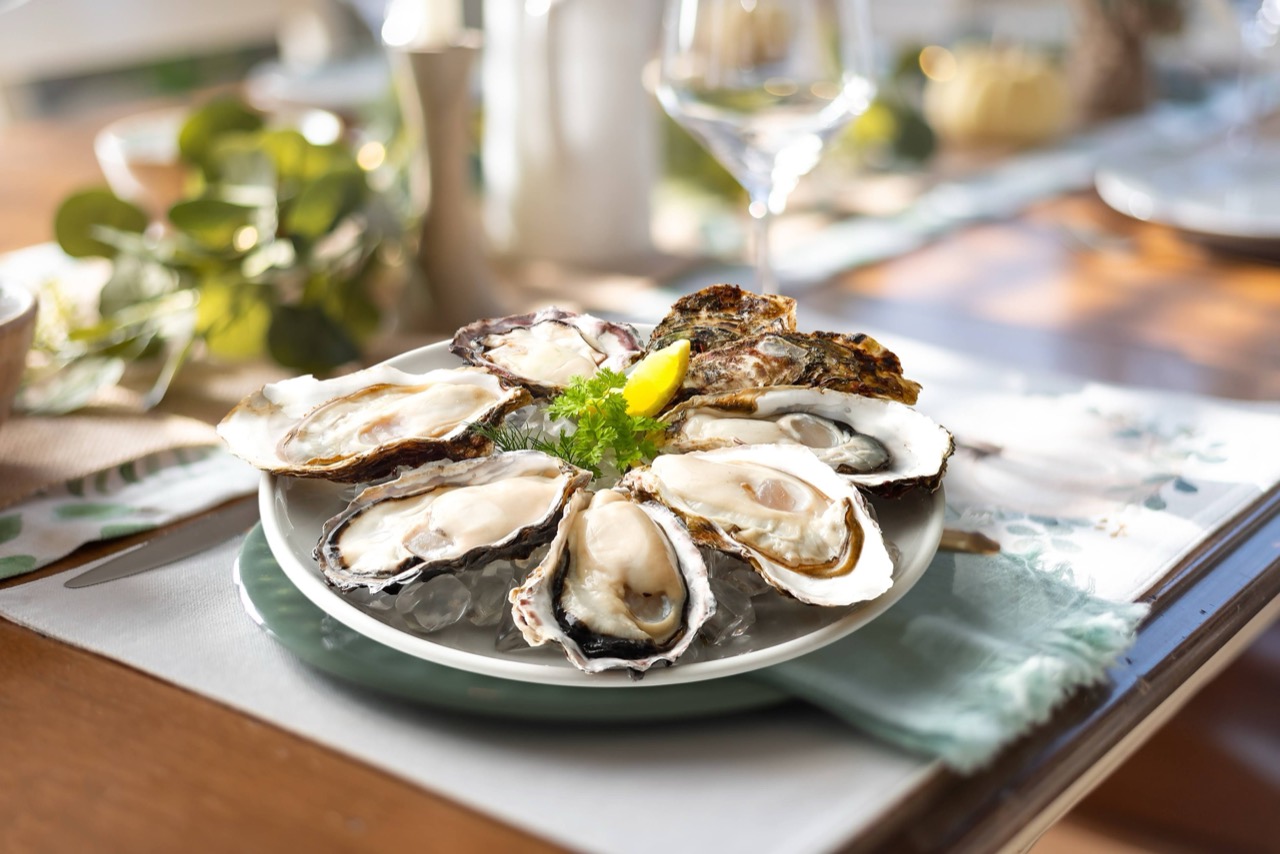
5.A plate of ice arrives with six oysters set around it like spokes, lemon and parsley standing at the center. The sound of a shell opening is short and dull. From 2,068 yen for four pieces to 4,048 yen for eight. Up to here, the same product this company has sold for 26 years.
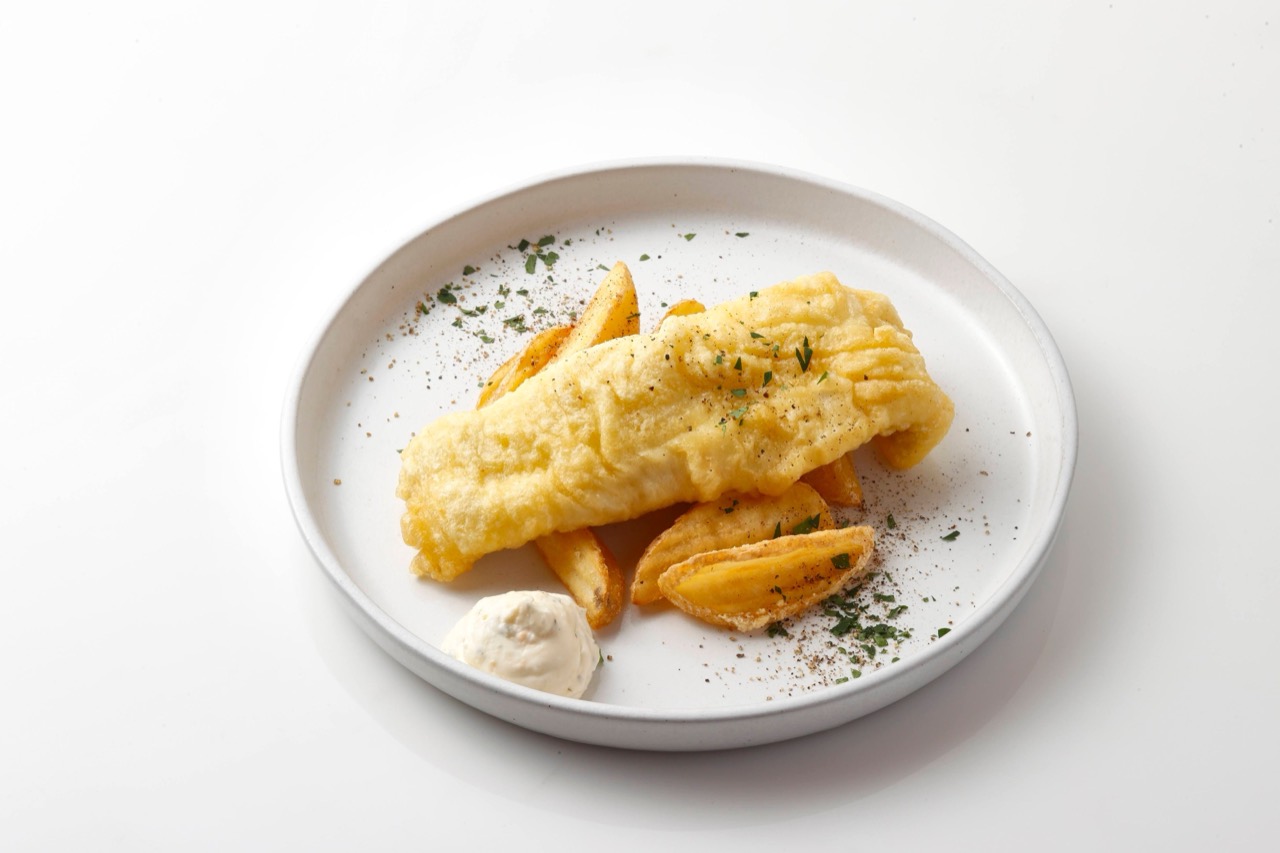
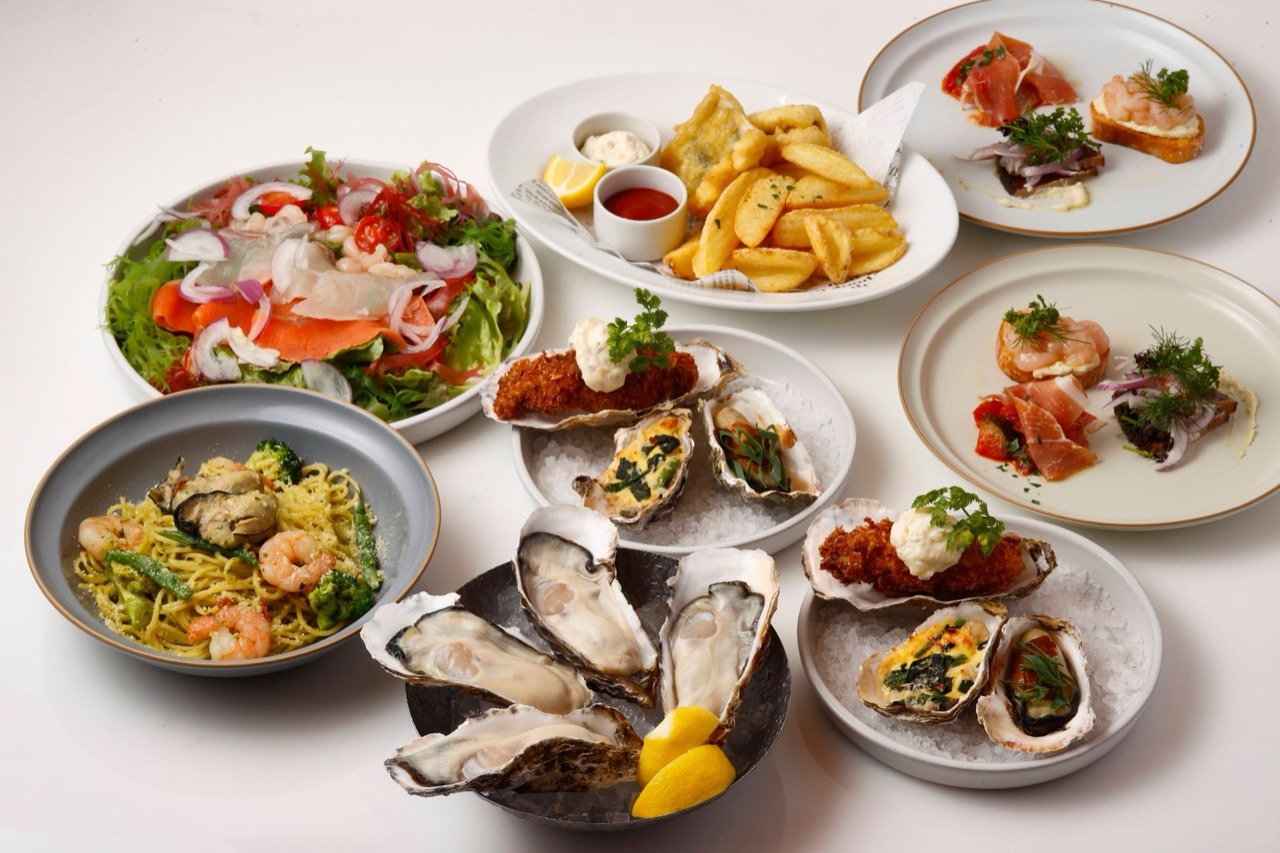
6.What changed sits next to that plate. Clam chowder at 880 yen, smoked mackerel bruschetta at 935, tuna tagliata at 1,320, hamo fish and chips at 1,518, pescatore at 2,200. A menu that makes a full dinner without a single oyster now runs underneath the raw bar.
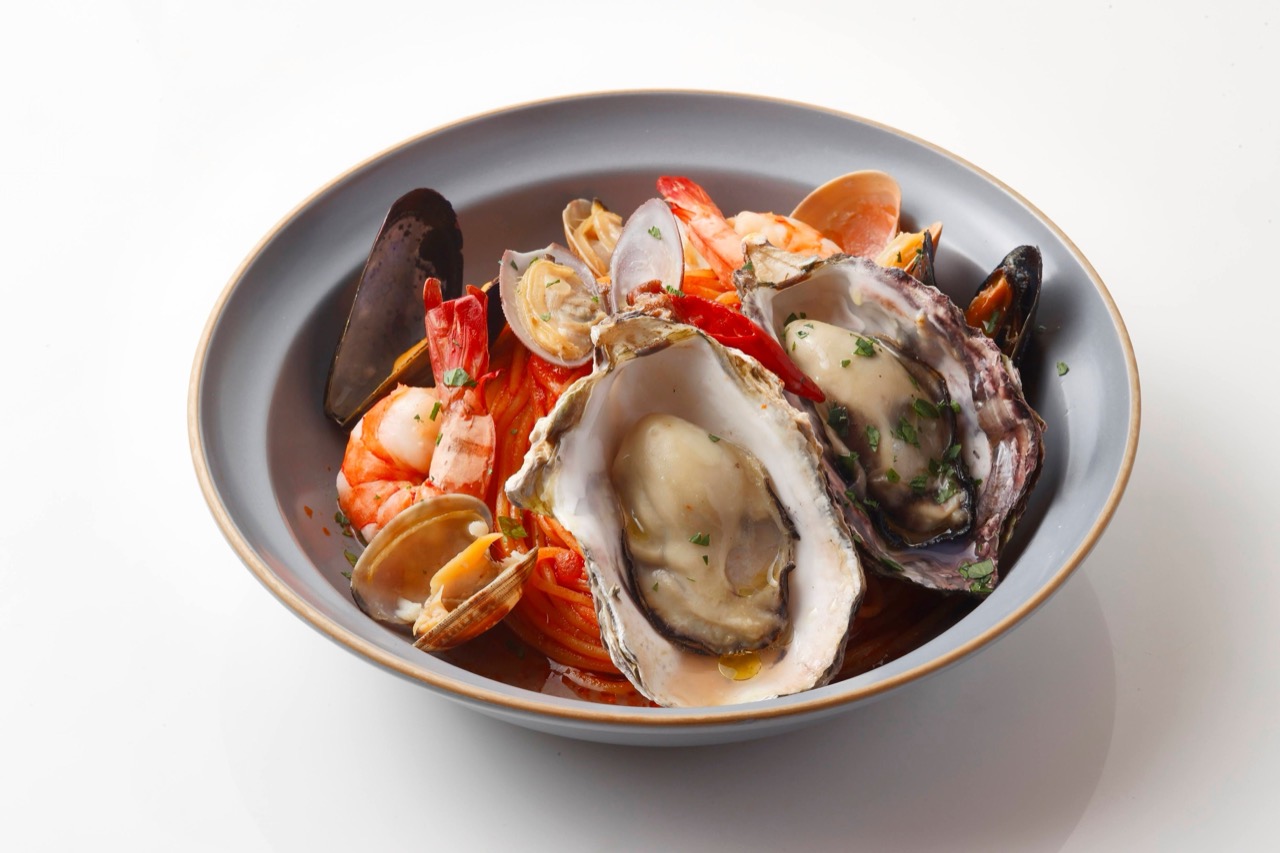
7.The pescatore bowl carries two oysters along with clams, mussels and shrimp. The shellfish build the broth and the tomato covers it, so pulling the oysters out does not take the sea with them. What 26 years of oyster work built was not the oyster itself but hands that know shellfish, and moving those hands onto other ingredients costs no new equipment.
8.An oyster specialist picks its customers. More precisely, it picks parties. Four people are choosing dinner and one of them cannot or will not eat oysters, so what happens? The table goes to another restaurant, and that one person never appears in any figure. In a 46 seat room this leak shows up in neither turnover nor average check.
9.Consolidated results for the year to March 2026 show revenue of 4.304 billion yen, up 9.6 percent, against an operating loss of 92.27 million yen and a net loss of 175.01 million yen. The company names two causes: trouble sourcing oysters as norovirus spread, and rising ingredient and labor costs. Restaurant segment profit fell by close to 60 percent.
10.The sourcing problem starts in Hiroshima. Measured in shucked oysters the prefecture supplies 60 percent of national output, and its 2025 season dropped to 30 to 40 percent of the year before. The head of the prefectural fisheries cooperative federation projected 5,000 to 7,000 tons, the lowest on record, and in some grounds 60 to 90 percent of the crop died. High water temperature is the cause named.
11.This company's oyster bars are reported to run an average check around 4,000 yen. Take the 46 seats in Ueno at 1.2 turns for dinner and 0.8 for lunch. Drop the lunch check to 2,500 yen and the day comes to a little over 310,000 yen (estimate). Open every day with the complex, that is above 9.3 million yen a month, and divided by 34.43 tsubo it works out to 270,000 yen per tsubo per month. Ordinary ground for casual dining inside a Tokyo retail complex.
12.Put rent at 10 percent of sales and it lands in the 900,000 yen range per month, while food cost slides from somewhere near 35 percent in the oyster-only years to under 30 percent once pasta and fried plates enter the mix (estimate). The cost inside an 880 yen clam chowder does not compare with the cost inside 2,068 yen of raw oysters. Cutting the oyster share widens the customer base and pulls food cost down at the same time.
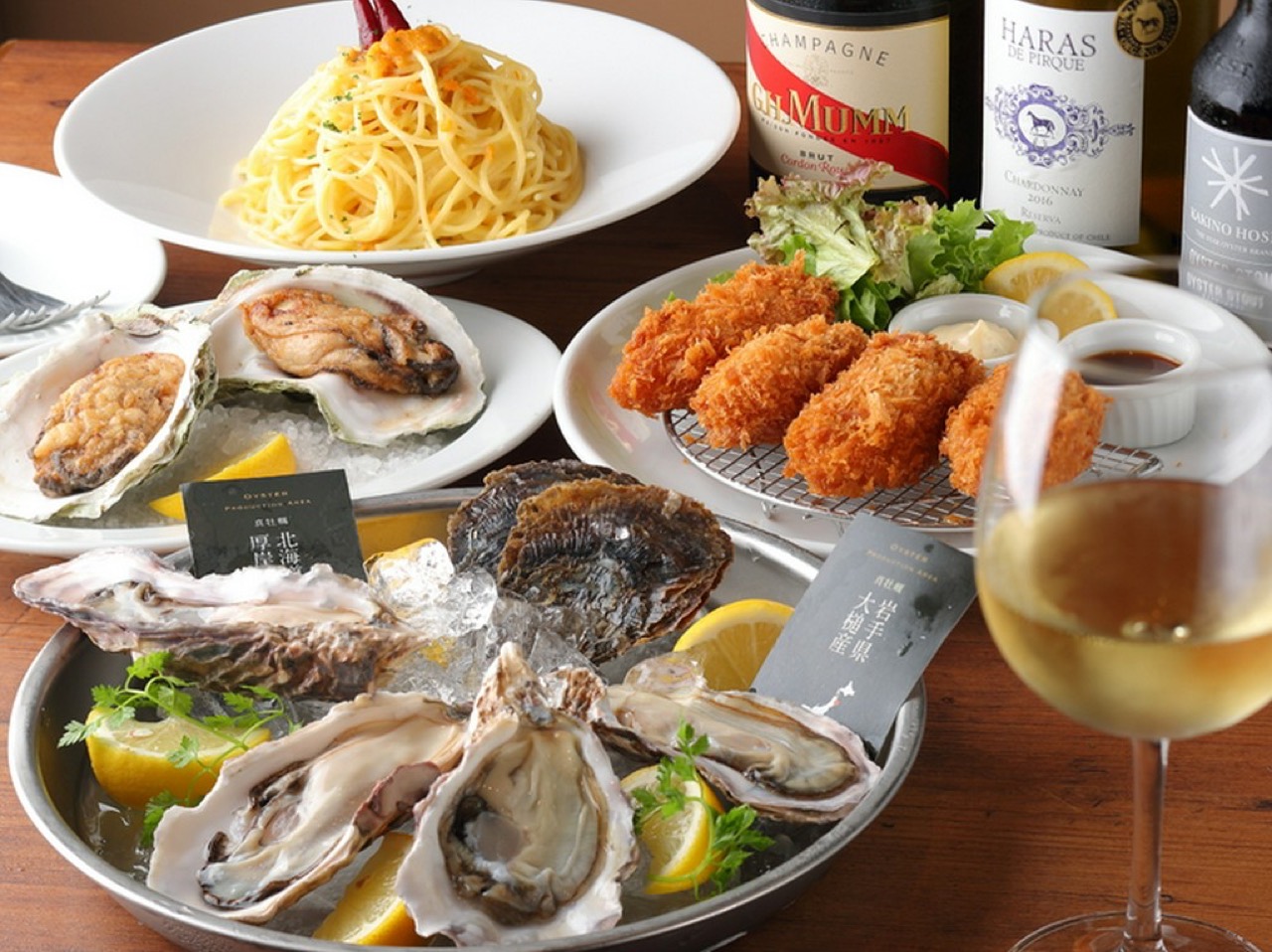
13.The oyster bar took hold in Japan in the 2000s and this company stood in the front row. Breaking the old rule that oysters belong only to months with an R, through deep-sea purification and a relay of growing areas, was the core of the product. Oysters all year round: that was the answer for 26 years.
14.The company that beat the calendar got caught by the growing grounds. The harder news sits elsewhere. The format carrying fewer oysters outsold its own plan by 30 percent. A belief that narrower is better carried 26 years, and what shook it was not a competitor but water temperature. If a menu built because oysters could not be bought sells better than the menu that sold only oysters, the reason to go back gets thin.
15.A company that built 33 restaurants on one shellfish has pushed that shellfish from the center of its menu to the side, and the customer count at the first converted site, 30 percent above plan, is the reason. In Korea the first thing a raw oyster restaurant runs into is the water itself. Only designated areas such as Tongyeong and Geoje produce oysters cleared for raw consumption, and when weekly testing finds norovirus, product from that area ships labeled for cooking only. A seat selling raw oysters on ice becomes a seat selling fried oysters on the strength of one notice. Korean supply has moved the opposite way from Japan, recovering while consumption falls and prices sit low, yet this risk stays regardless of price.