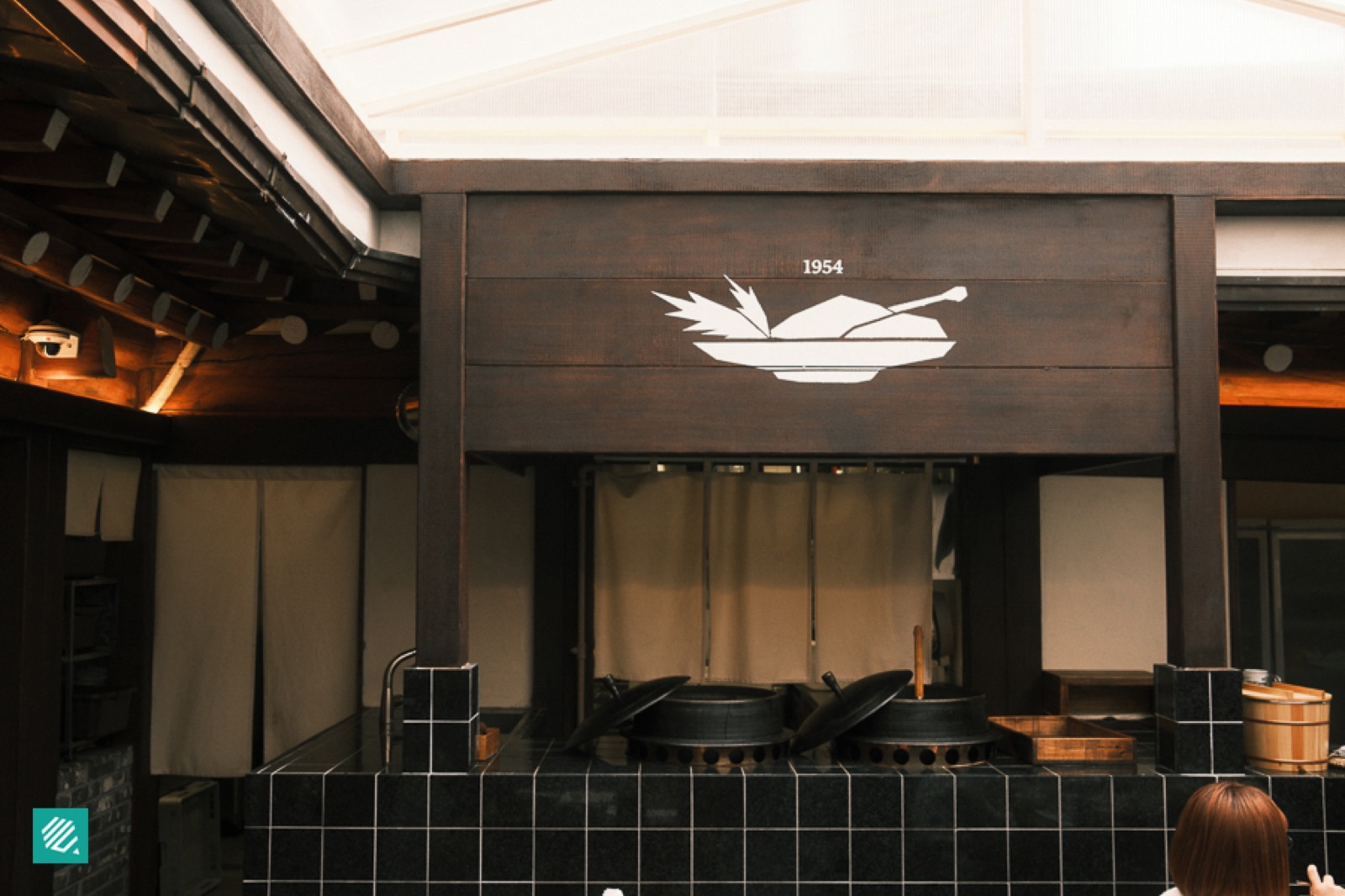
A single hanok in an alley east of Gyeongbokgung Palace. Two cast-iron cauldrons hang in the middle of the dining hall, whole chickens are steamed in them, and the birds are cut up in front of the guests. A bowl costs 18,000 won, less than the Seoul average, and on weekends people wait an hour or two.
1.7 Yulgok-ro 1-gil, Jongno-gu, Seoul, a seven-minute walk from Exit 1 of Anguk Station. Muguok made the list of six new restaurants that the MICHELIN Guide Seoul & Busan revealed ahead of its 2027 edition. It sits in the lowest price band, and the guide describes it as a hanok in an alley near Gyeongbokgung serving North Korean-style chicken dishes. The owners renovated the house and opened in 2024, so the place is not yet two years old.
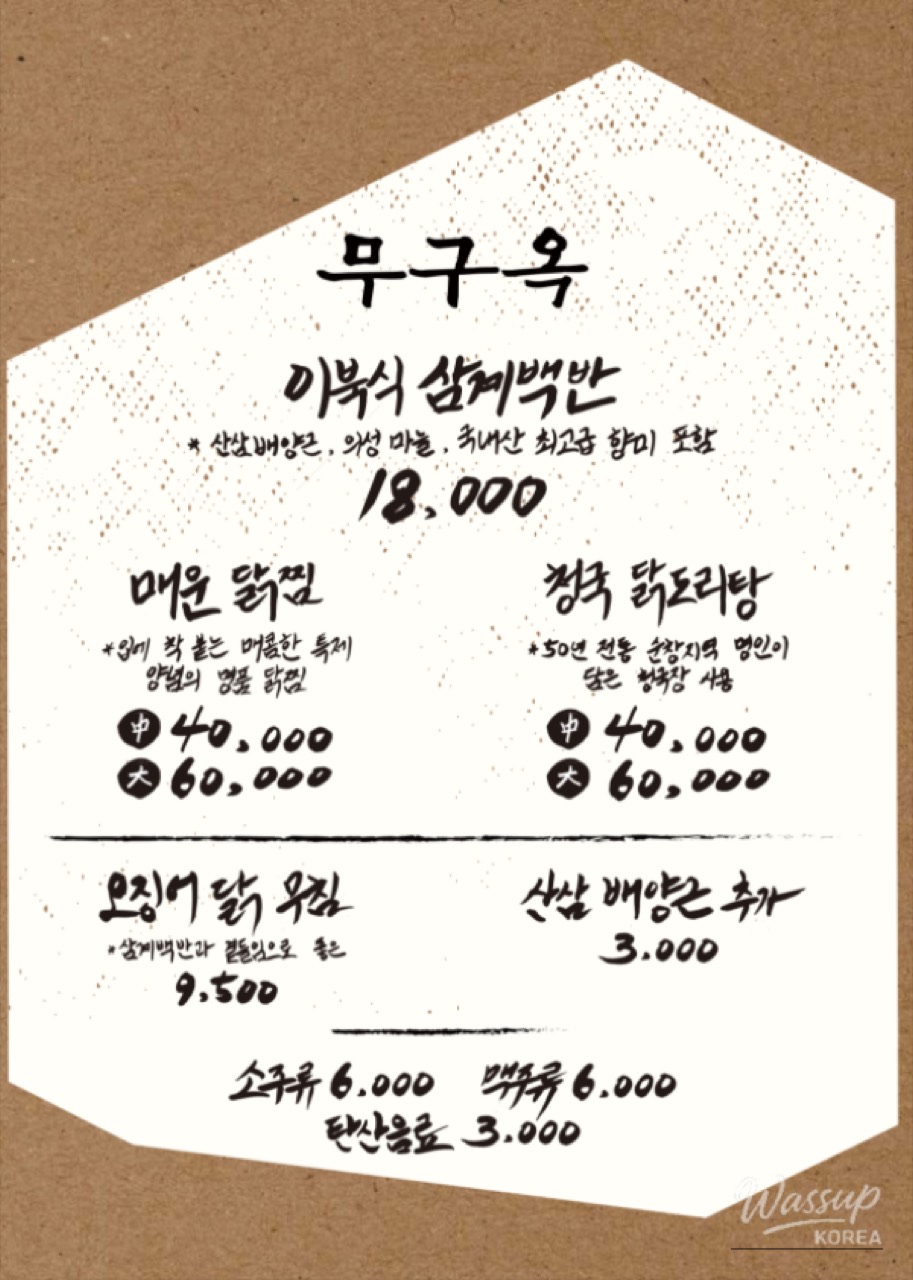
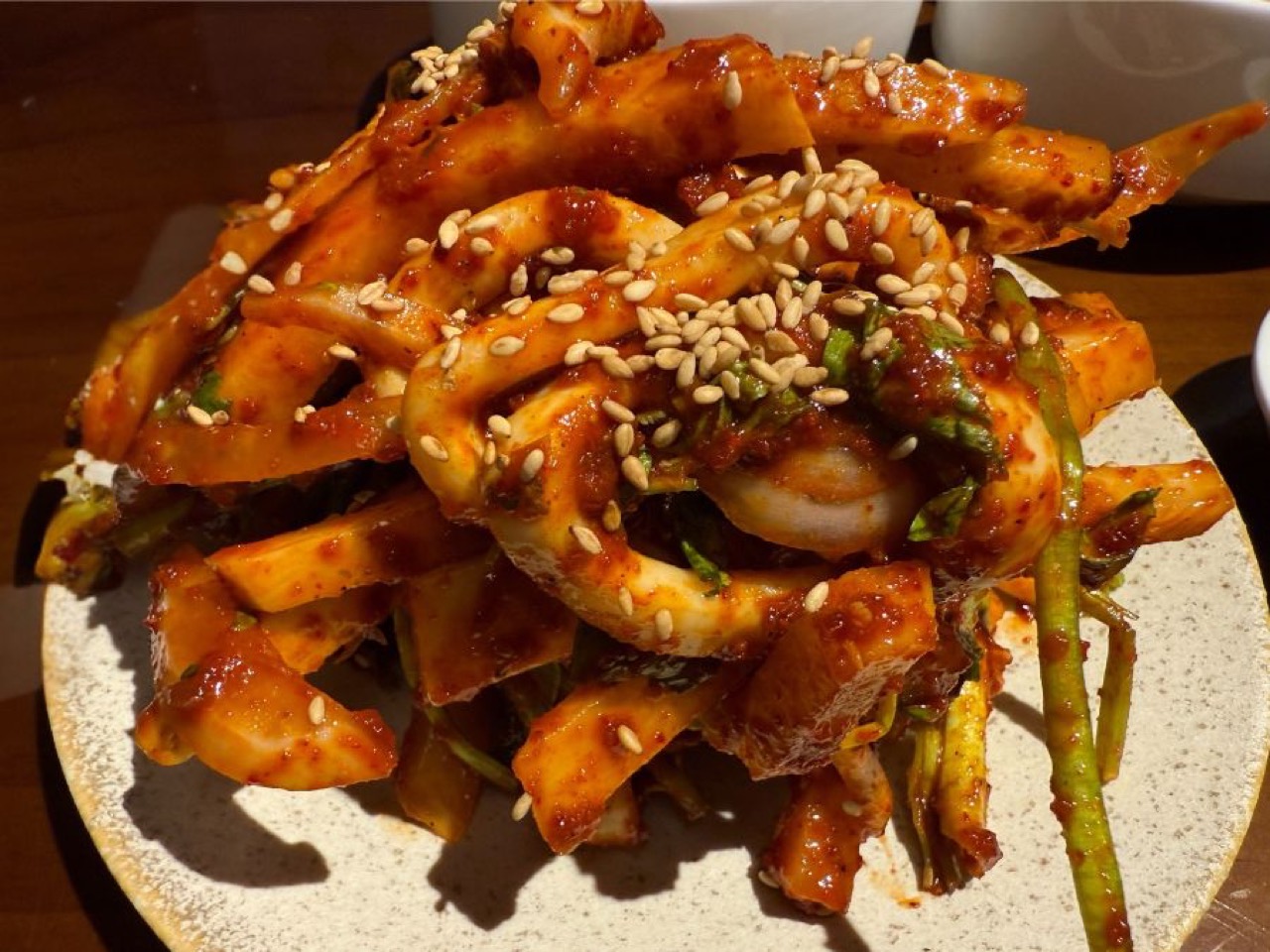
2.The menu has four lines. North Korean-style samgye baekban is 18,000 won, spicy braised chicken and cheonggukjang chicken stew are 40,000 won for a medium and 60,000 won for a large, and seasoned squid and chicken is 9,500 won. An extra portion of cultured wild ginseng root adds 3,000 won. The only single-person meal is the samgye baekban, and everything else is meant for sharing. The restaurant is open every day from 11:30 a.m. to 9 p.m., with a break from 3 p.m. to 5:30 p.m.
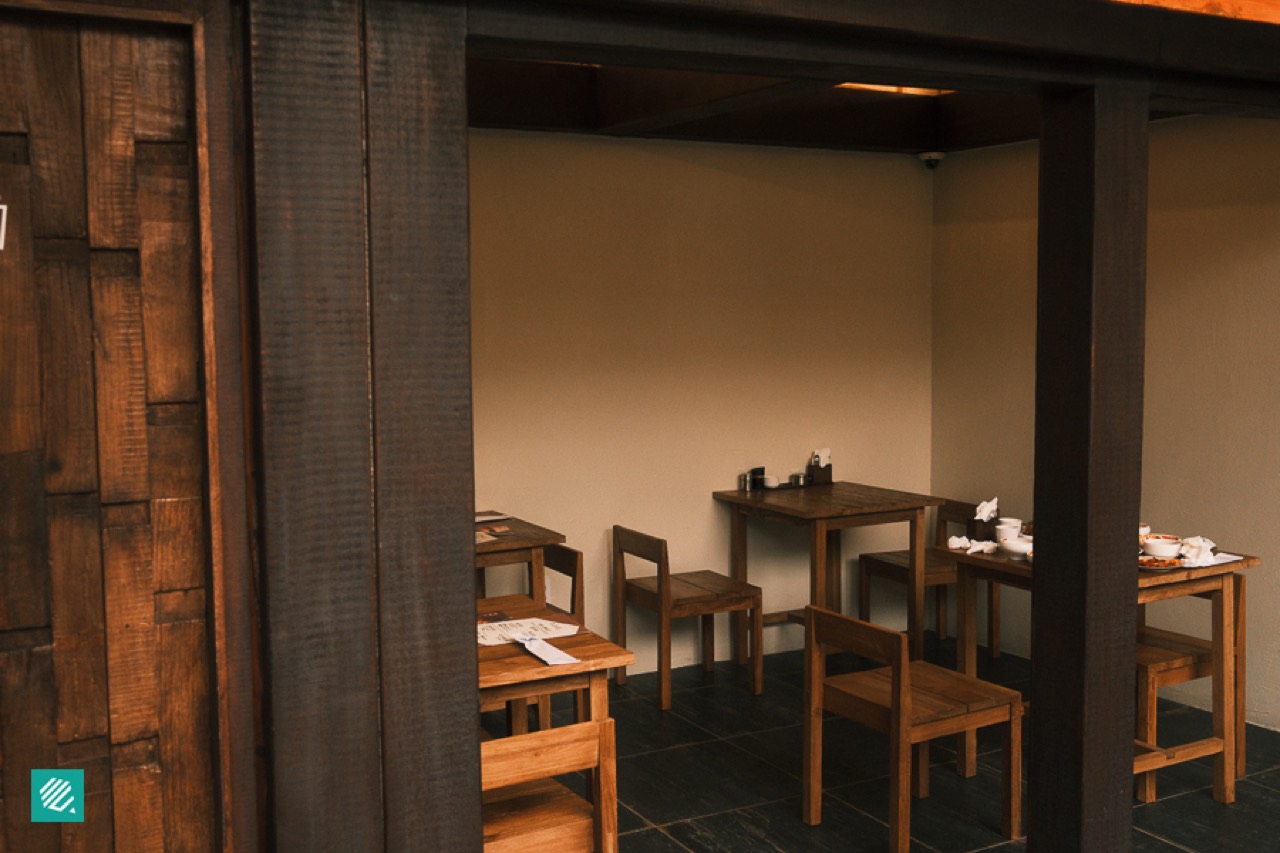
3.Wassup Korea reports that the house was built in 1954. The same number is painted in white on the wooden board above the cauldrons. The rafters and posts are left exposed, a translucent roof covers the old courtyard, and the two iron pots sit in the middle where every seat can see them. Separate rooms on the side take groups of four to ten. The cauldrons work as the kitchen and as the signboard at the same time.
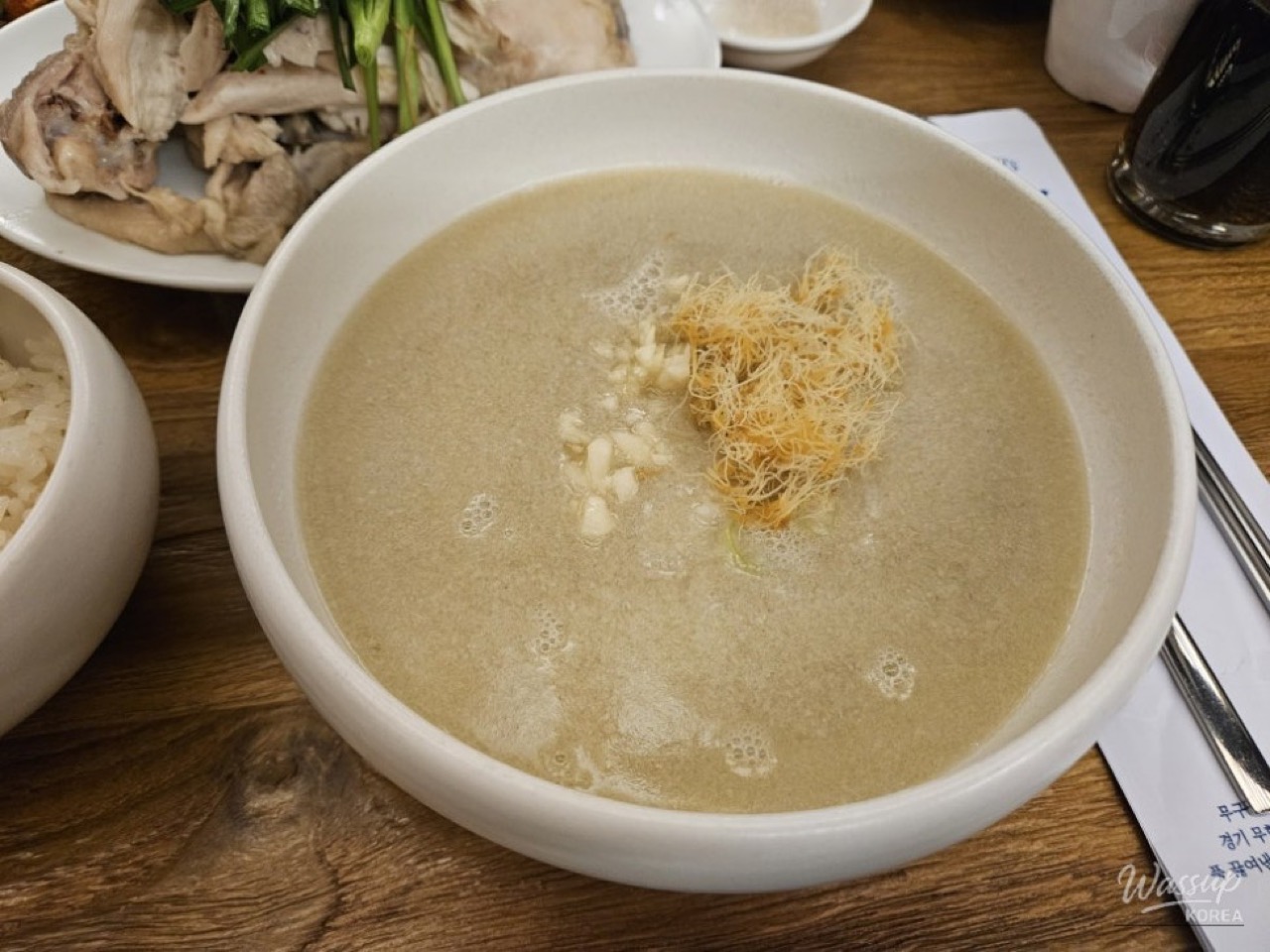
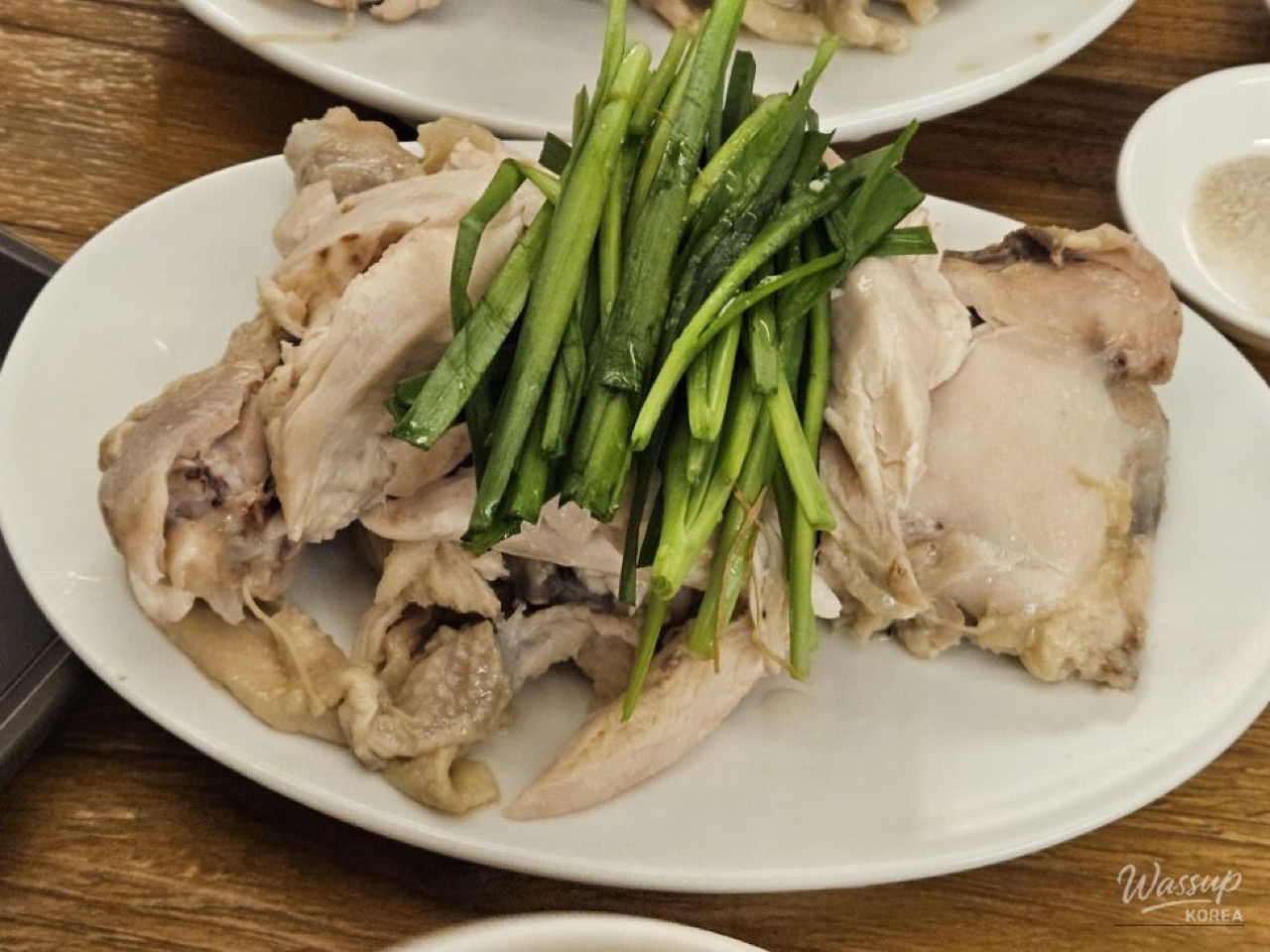
4.The samgye baekban does not arrive in one earthenware pot. A thick, milky broth comes in its own bowl, the chicken cut with scissors comes on a plate topped with chives, and rice made from aromatic grain comes in its own bowl. On the side: a small dish of cultured ginseng root and minced Uiseong garlic, salt, soy sauce, and a green sauce of ground scallion and ginger. Kkakdugi and Jeju-style kimchi sit next to them.
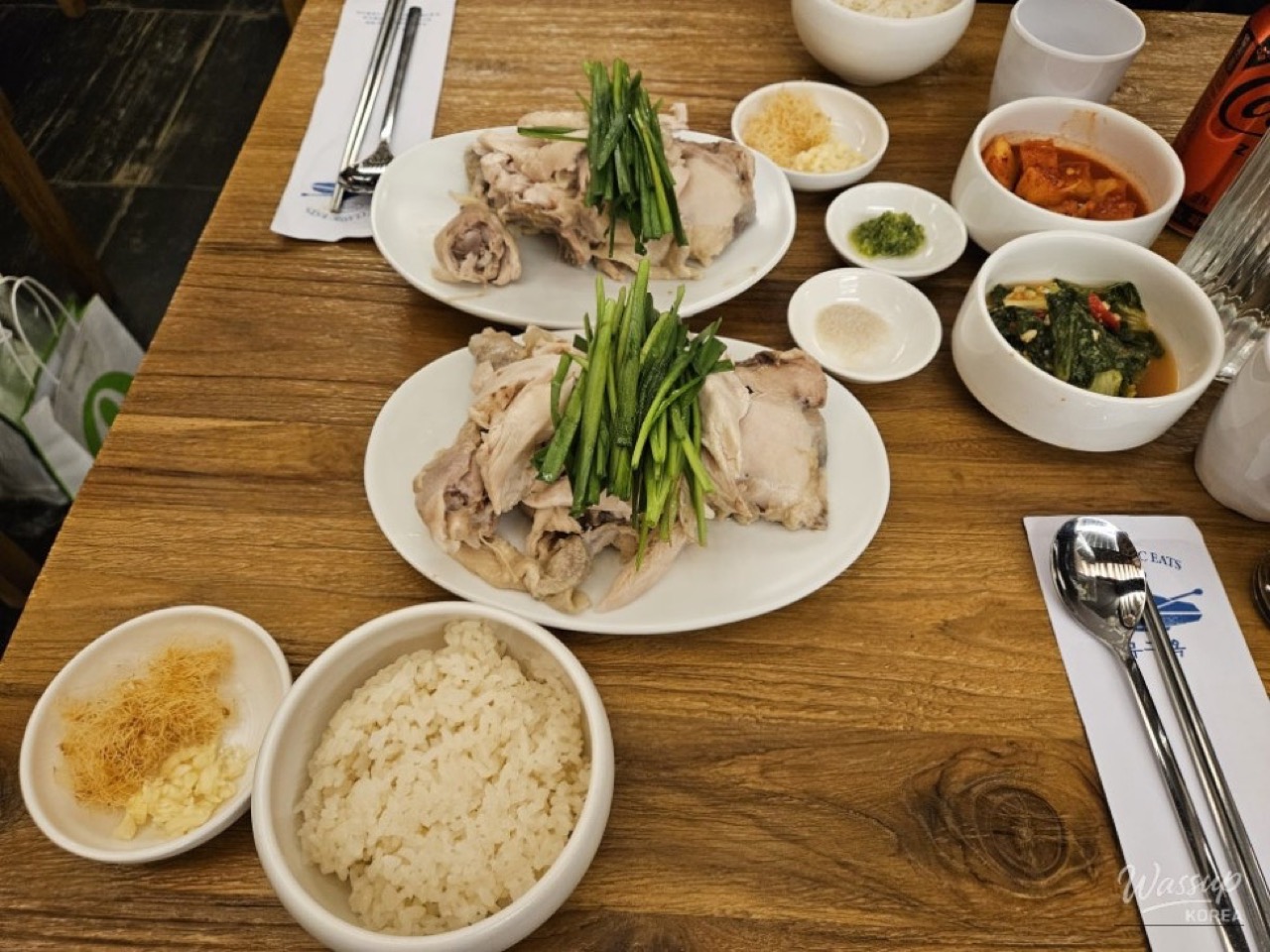
5.Dip a strip of meat pulled along the grain into the green sauce and the heat of ginger reaches the nose first. Drop the thin ginseng roots into the broth and a bitter, earthy smell rises with the steam. The guide wrote that the chicken is moist, clean and bouncy, and that the broth is rich with a long finish. The guest decides the order. Rice into the broth, or the chicken first.
6.According to the Korea Consumer Agency's Chamgagyeok price service, the average price of samgyetang in Seoul was 18,154 won in June this year and 18,192 won in July. It rose 29% in five years from 14,077 won in 2021, and well-known shops have already passed 20,000 won. Muguok's 18,000 won sits 154 won below that average. How many samgyetang places on the Michelin list charge less than the Seoul average?
7.Foreigners make up much of the line. Michelin filed the place under eating like a local, and several Singapore food blogs have written it up as the samgyetang spot in Anguk. There are no reservations. Instead, a remote queue opens on Catch Table from noon for lunch and from 5:30 p.m. for dinner, and on-site sign-up starts an hour before opening. Weekend waits run from one hour to an hour and a half.
8.Splitting the meal across dishes also suits people who eat alone. Catch Table counted solo reservations up 38.1% and solo waitlist entries up 48.5% from January to July this year compared with last year. A samgyetang you must finish from a single pot is heavy for one person, but split into a plate and a bowl it becomes a proper one-person meal. That is also why a Singapore blog described this place as easy to visit alone.
9.The cauldrons pay off on the operations side. At a typical samgyetang shop, each earthenware pot goes back on the flame when an order comes in. The number of burners caps how many bowls can go out at once, and washing the pots holds up everything behind. Steam the chickens all at once in two large cauldrons and the only work left after an order is lifting, cutting and plating. When cooking turns into assembly, the time each guest spends in a seat also shrinks.
10.The seat count is not public, so from here the numbers are estimates. Judging by the size of the hanok, call it 40 seats. Three turns at lunch and two at dinner make 200 guests a day. If most lunch guests eat only the 18,000-won bowl and dinner adds braised chicken and drinks, the average spend is 21,000 won per person. That comes to about 4.2 million won a day and 126 million won a month. The shop opens every day, so the month is counted as 30 days.
11.Costs are estimates too. Wholesale broiler chicken was 6,518 won per kilogram in May this year, up 15% in a year. A portion of chicken plus aromatic rice, ginseng root, garlic and side dishes puts ingredient cost at around 6,500 won per person, and with drinks and side dishes mixed in, the cost ratio lands near 35%. Cutting and plating never stops, so labor is set at 28%. With rent for the Anguk hanok at 10 million won a month, what remains is about 15%.
12.In this math, the 18,000-won bowl is not what carries the weight. When three or four people come in the evening and order a large spicy braised chicken at 60,000 won with the squid and chicken plate and two bottles of soju, one table spends more than 80,000 won. Lunch draws the line with price, and dinner raises the bill with dishes for sharing. The 3,000-won ginseng root add-on works the same way.
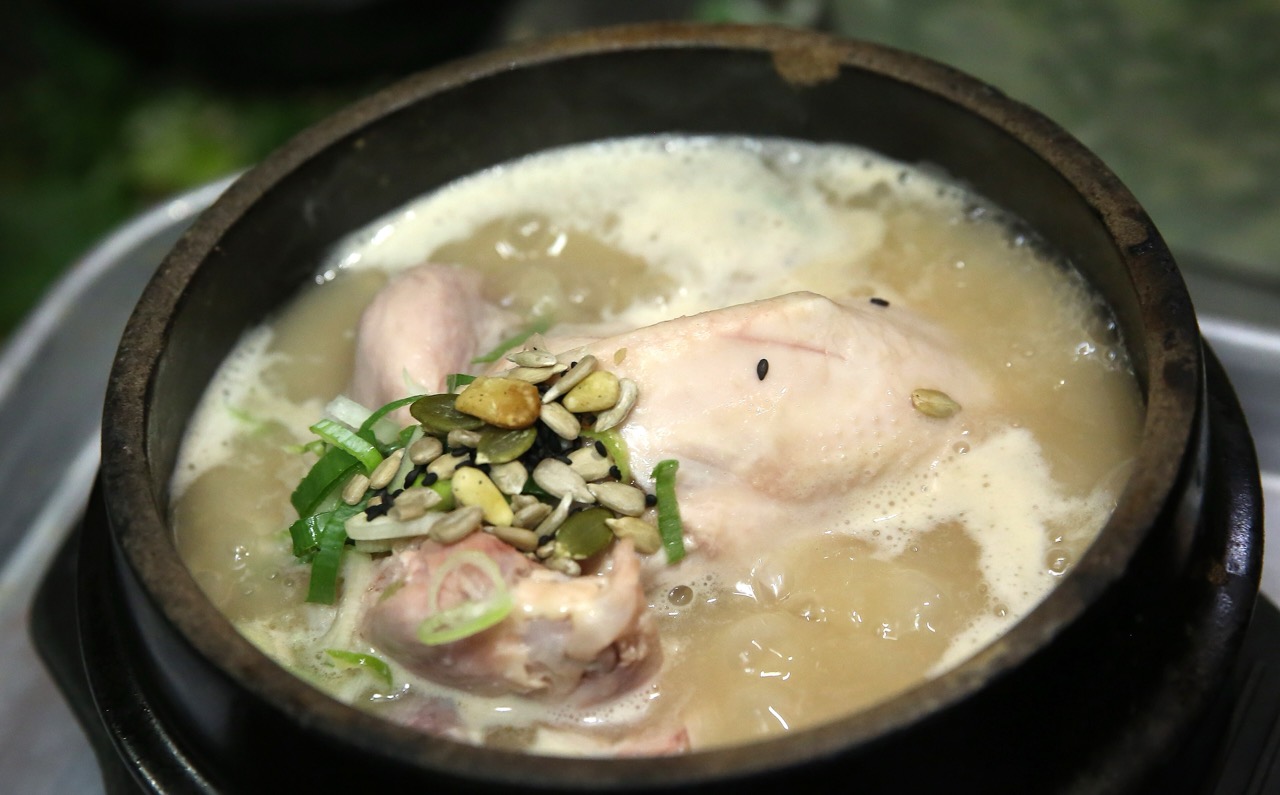
13.West of Gyeongbokgung, in Chebu-dong, Tosokchon has been open since 1983. It is a large restaurant in a standalone hanok, it became the samgyetang place that Japanese and Chinese tourists seek out, and a bowl now costs 20,000 won. Every year on the hottest days of summer, the news shows a line running along its hanok wall to the end of the alley. A house that has spent more than 40 years settling how to sell samgyetang to tourists in a hanok.
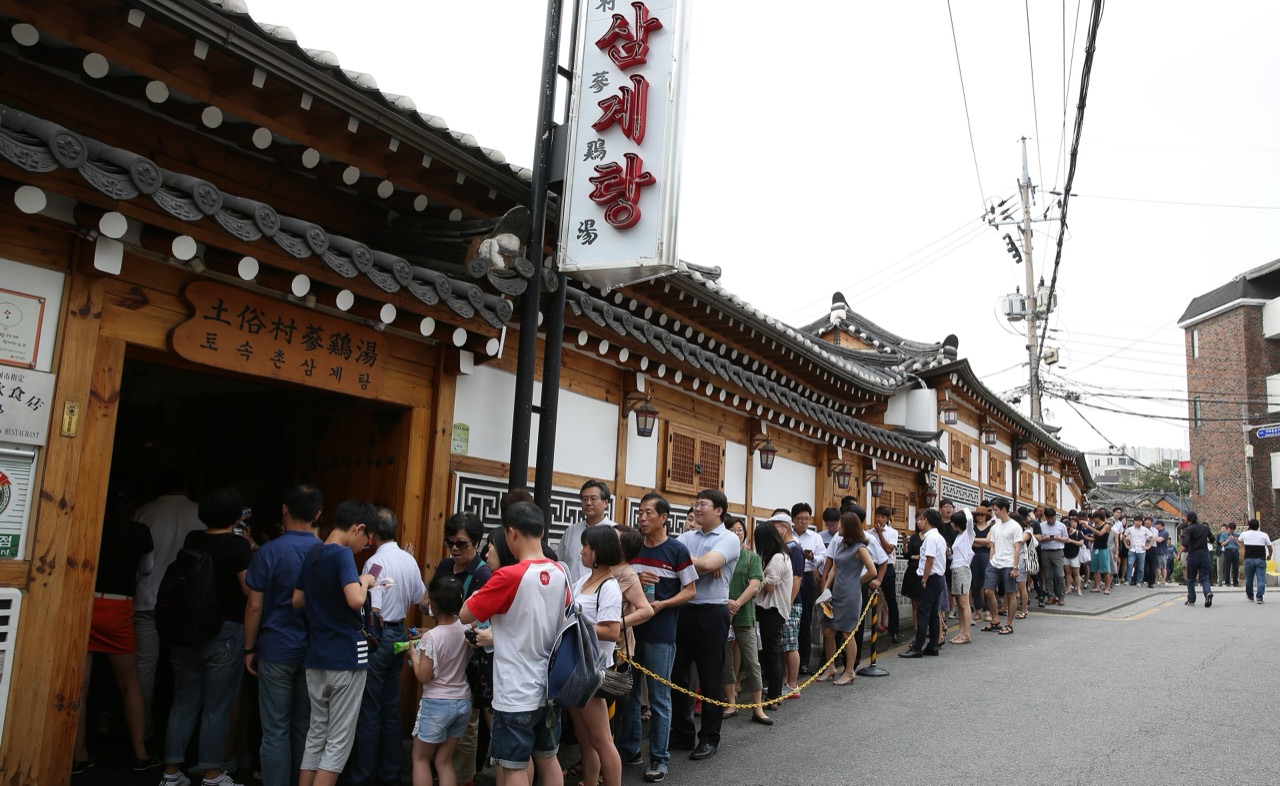
14.Muguok took the same combination and turned only the price the other way. In an alley on the opposite side of the palace, it charges 2,000 won less, and it breaks the meal into a one-person spread on plates instead of a pot. In autumn 2025 it opened a second branch on the ground floor of a new building on Achasan-ro in Seongdong-gu. The building is not a hanok, yet the two cauldrons went back onto a brick counter, under a copper-colored hood bearing the shop's name.
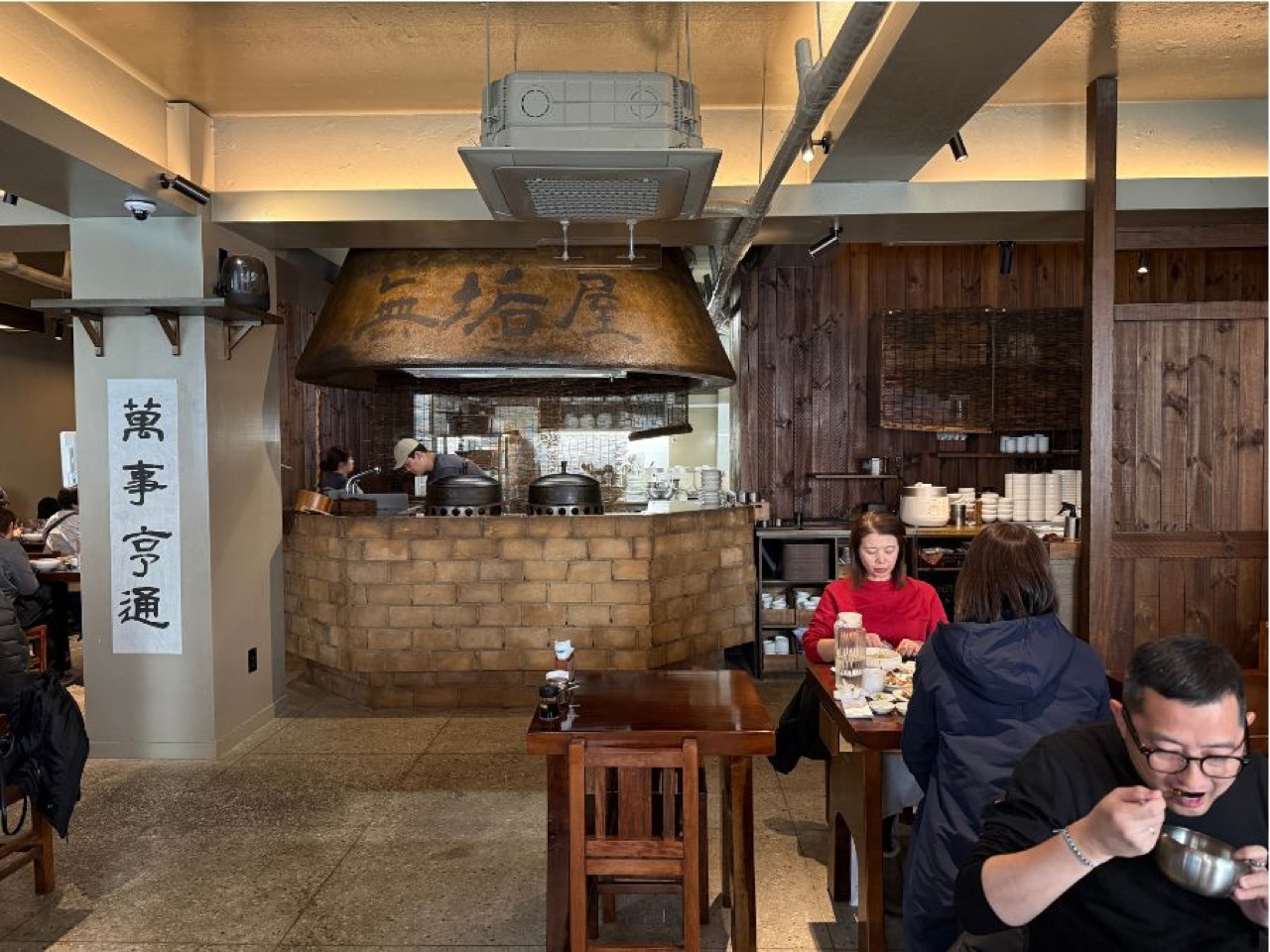
15.The second branch shows what this shop was selling. The hanok was a condition of the first site and did not travel. What followed was the pots in the middle of the hall and the ritual of cutting the chicken in front of the guest. You can load a cauldron onto a truck. A 1954 hanok stays where it is.
16.A hanok in Anguk selling samgyetang for 154 won less than the Seoul average made the Michelin list, and its line is full of foreigners. Steaming chickens all at once in cauldrons and cutting them onto plates removed the ceiling that burner count puts on an earthenware-pot kitchen, and by this estimate about 126 million won a month comes out of those two pots. Anyone trying the method in Korea runs into food hygiene first. How long the pre-steamed chicken is held, and at what temperature, becomes the first question in an inspection, and when the cauldrons sit in the middle of the hall, the answer is in plain view of the guests.