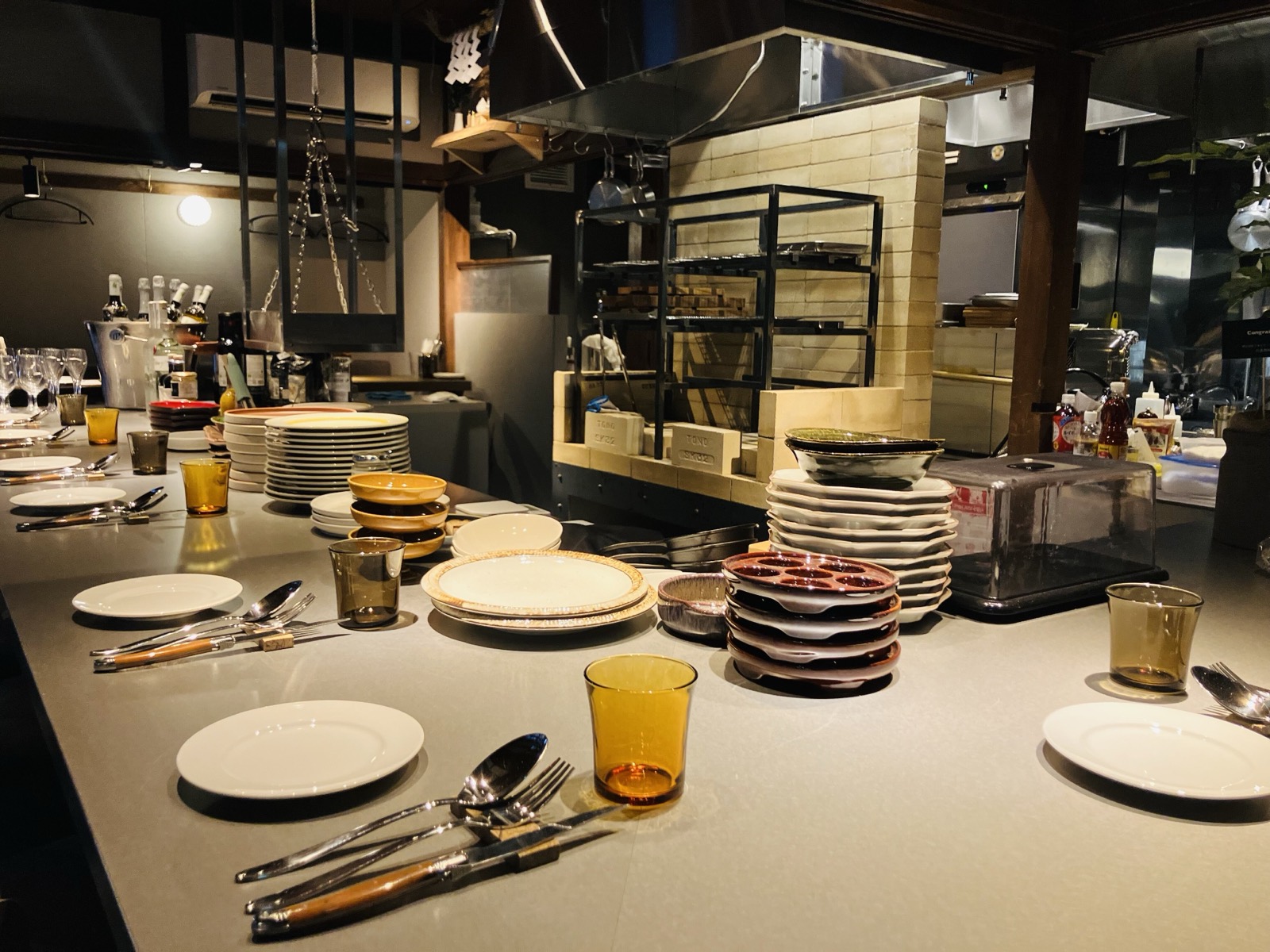
West of Ikebukuro, walk to the end of a half-basement corridor in an aging building and a Showa-era wooden house appears. It is the first restaurant from a company that ran oyster bars in Shibuya before it changed parent companies, and it grills bear and venison over charcoal.
1.On September 17, the charcoal bistro Le Logis Beau opened in Nishi-Ikebukuro, Tokyo. Its two floors add up to 24 tsubo (about 79 m²) with 40 seats indoors, 50 once you count the courtyard terrace. The operator is Forstar, which has run a string of oyster bars in Shibuya, and this is the first shop it has opened under new management.
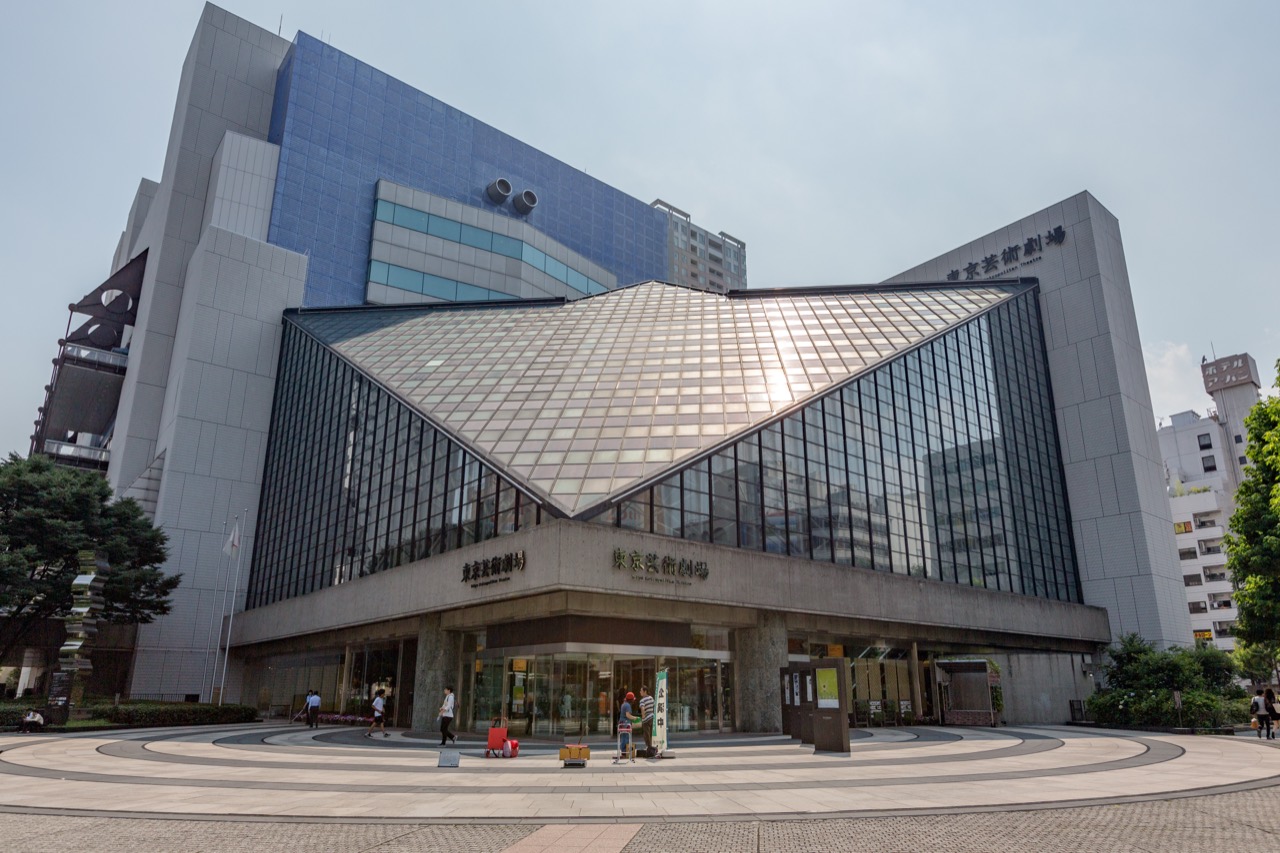
2.The address is across Gekijo-dori from Tokyo Metropolitan Theatre, near Nishi-Ikebukuro Park. Unlike the busy streets outside the station's west exit, this block has restaurants but little foot traffic. The trade paper FDN (Foodrink News) wrote that the area has a faintly underground smell to it.
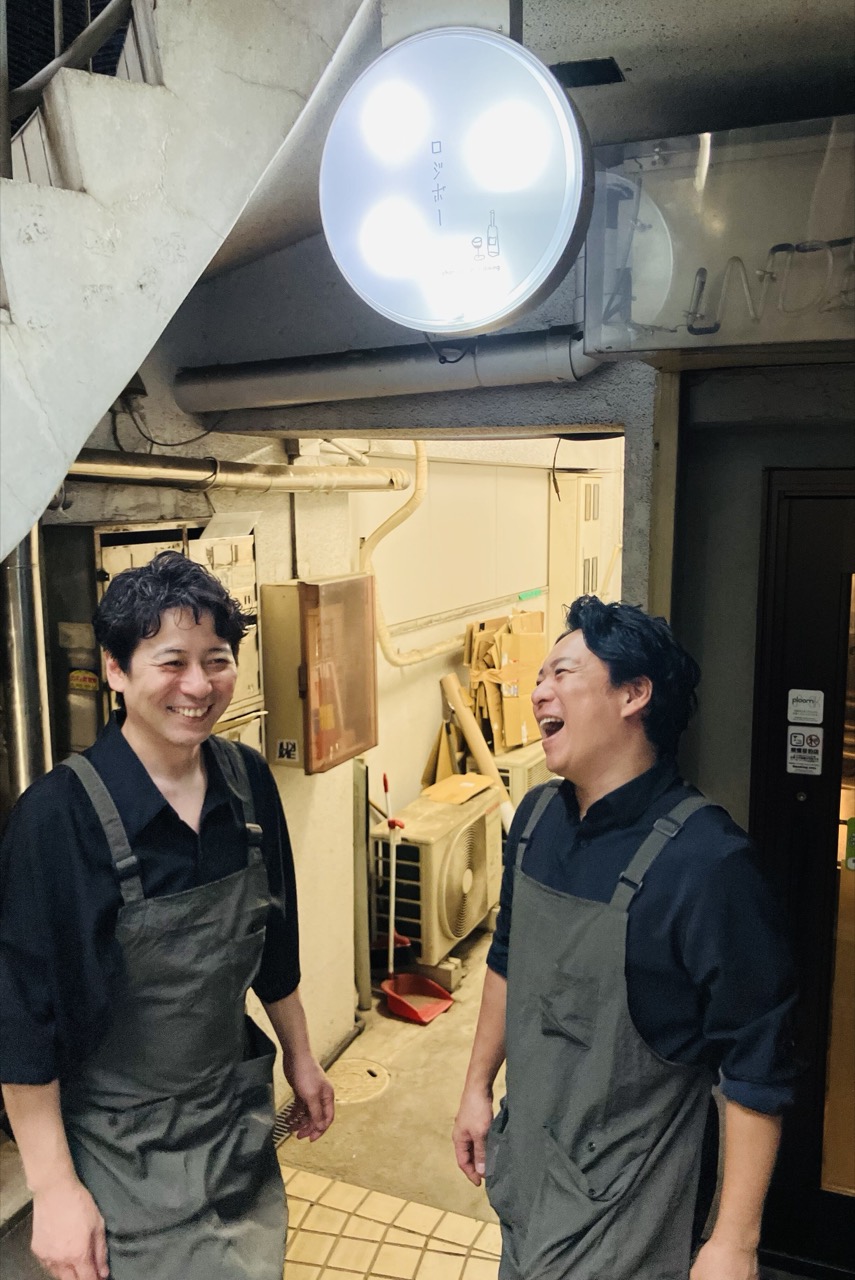
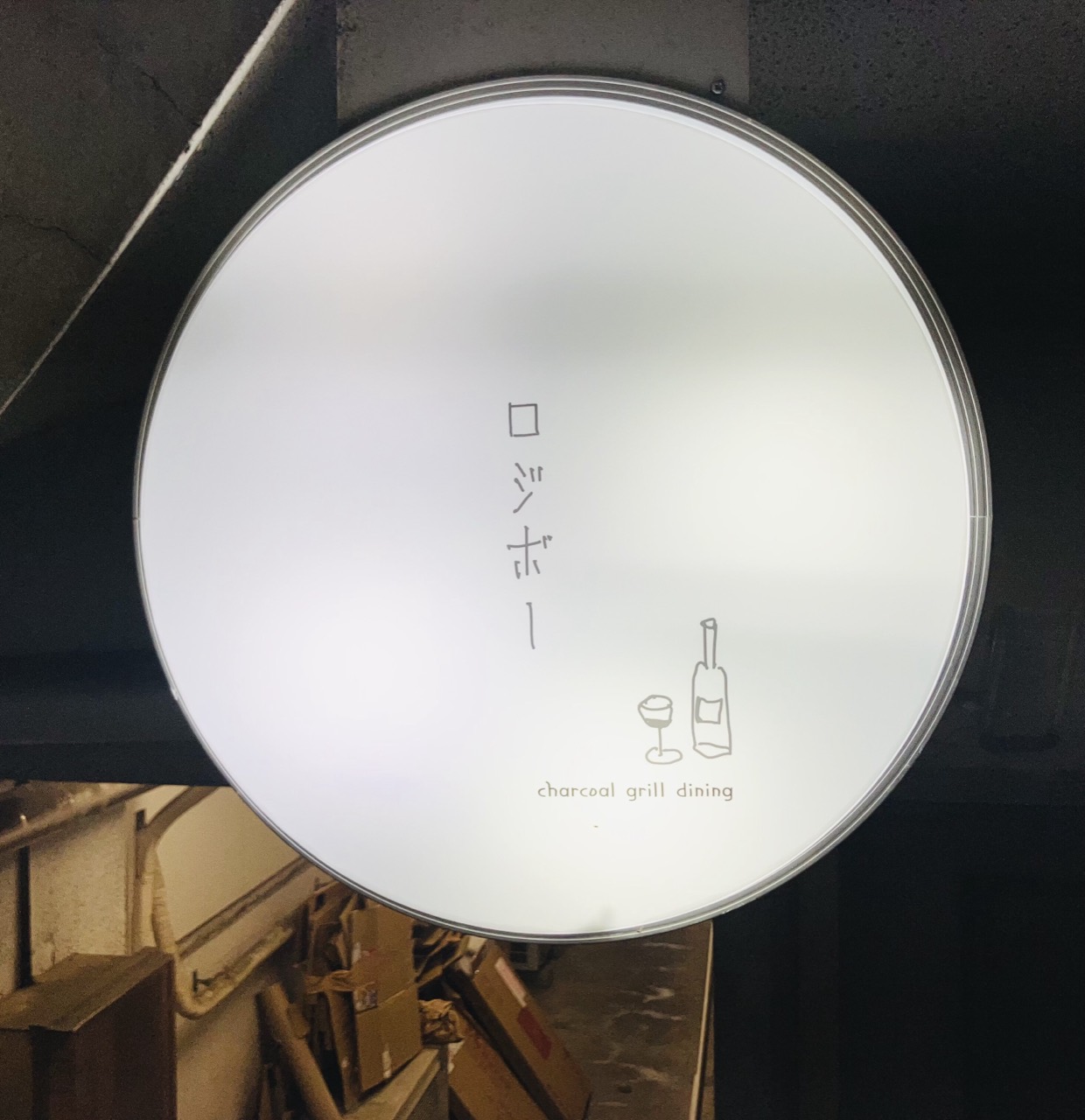
3.You cannot see the restaurant from the street. Only at the far end of a half-basement corridor in an old building does a nearly 60-year-old Showa-era wooden house come into view. Office blocks and apartments hem it in on every side, so from the road you cannot tell a house is there at all. The only marker is a round sign hanging from the corridor ceiling. FDN wrote that even people who know the neighborhood will struggle to find it.
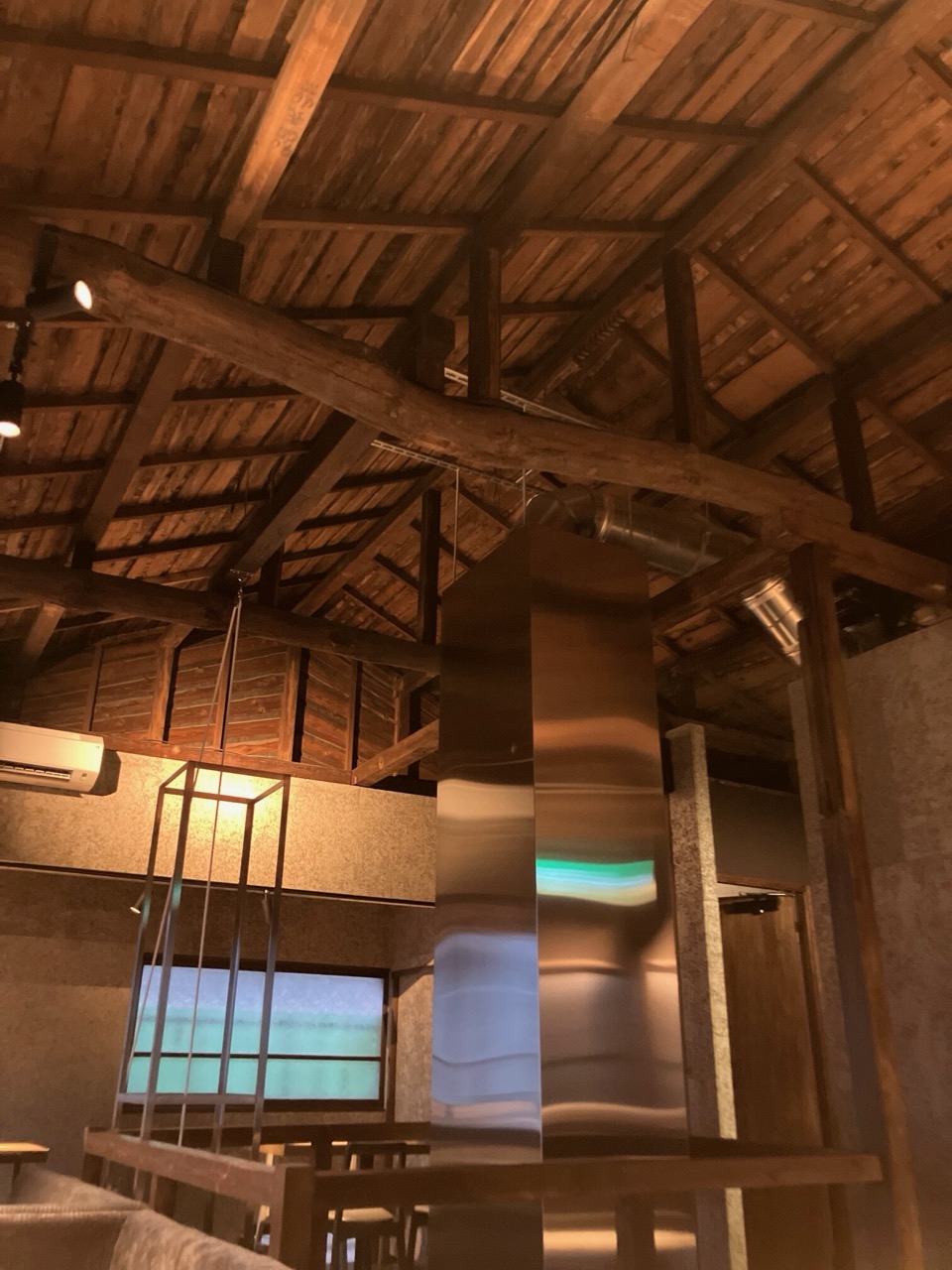
4.Inside, the bones of the old house are on show. The ceiling was stripped to expose heavy beams and rafters, and Showa details were kept: patterned plate glass, old window latches, pillars finished with adze marks in the naguri style. What catches the eye is a void cut through the middle of the second floor. A hand-pulled rope lift runs through it, carrying plates from the ground-floor kitchen upstairs. The design is by Miho Hanaoka of gris design.
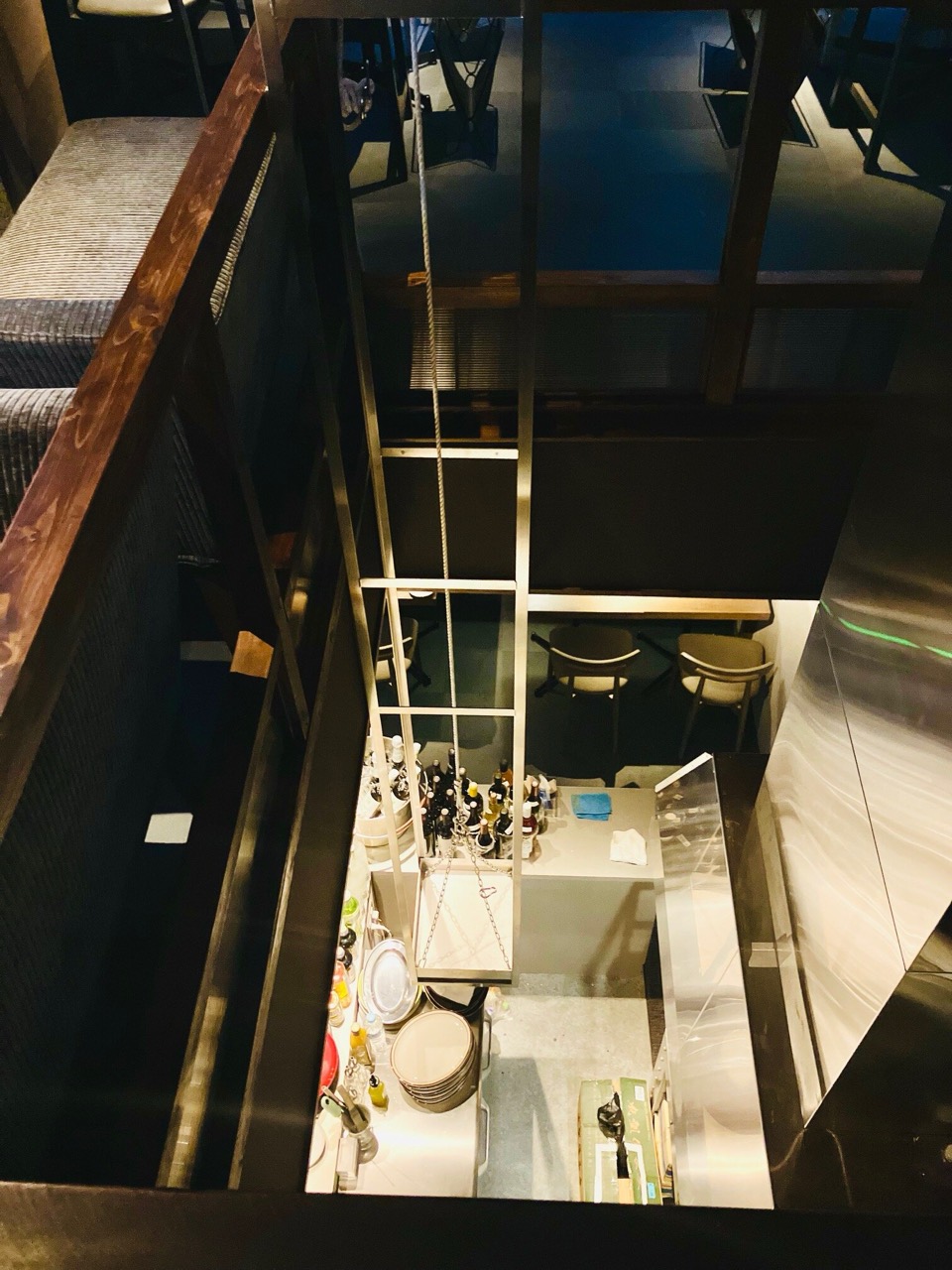
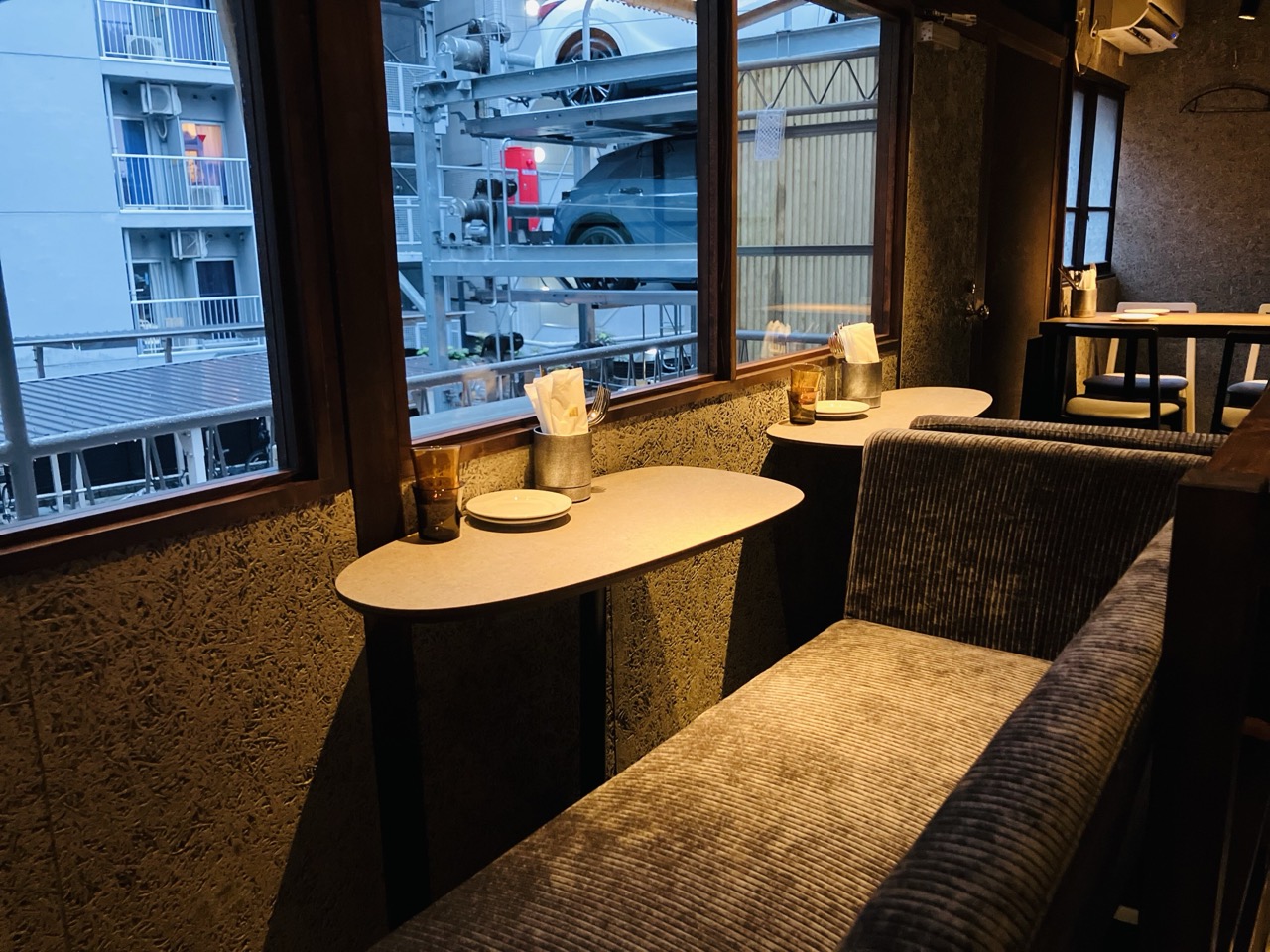
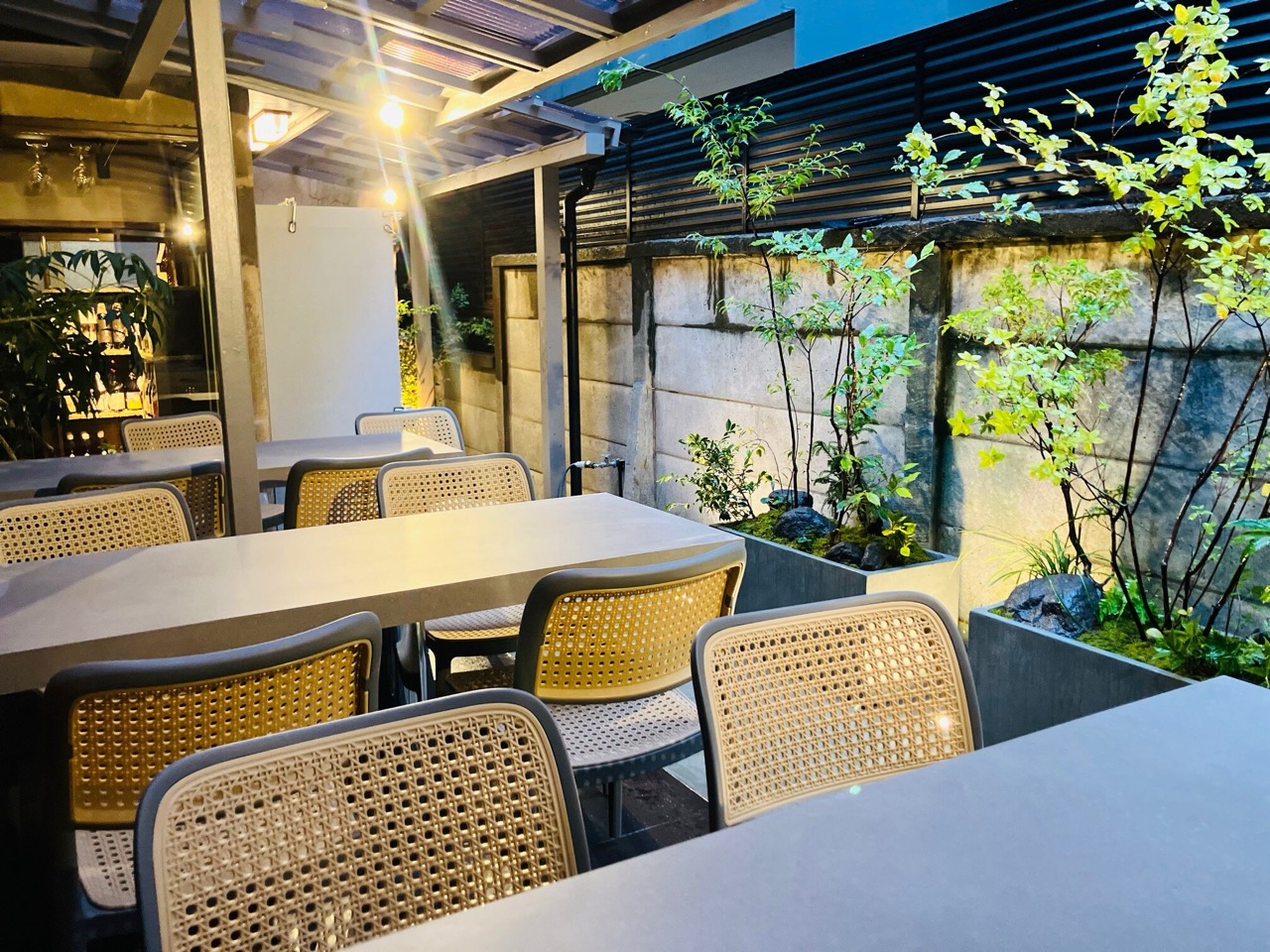
5.The ground floor is counter and table seating around the open kitchen, with the charcoal grill at the back. Upstairs, two deep-backed couple seats sit against the windows, and the other tables are rearranged when groups book. On the terrace, a gardener planted trees and the owners brought in rattan chairs. Each floor was laid out by first deciding who would sit there, then choosing the furniture.
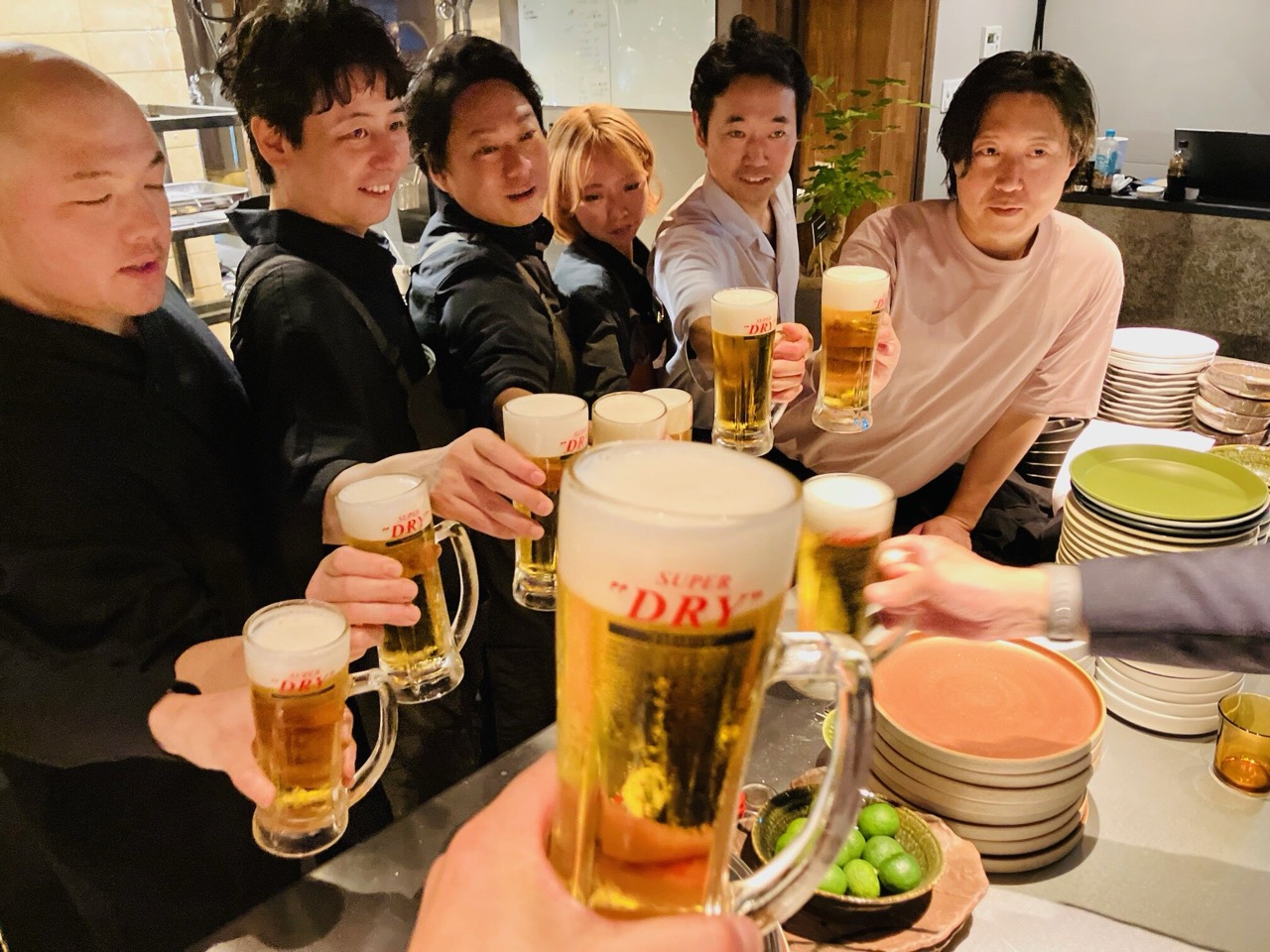
6.The menu runs to about 30 items. Charcoal-grilled meat sits at the center: wagyu at 2,800 yen and game (bear, venison, wild boar, lamb) at 2,200 yen. There is also a braise of bear, wagyu cheek and beef tongue in demi-glace. As you would expect from an oyster company, raw oysters, oyster escargot butter and an oyster cream risotto are mixed in with the bistro dishes.
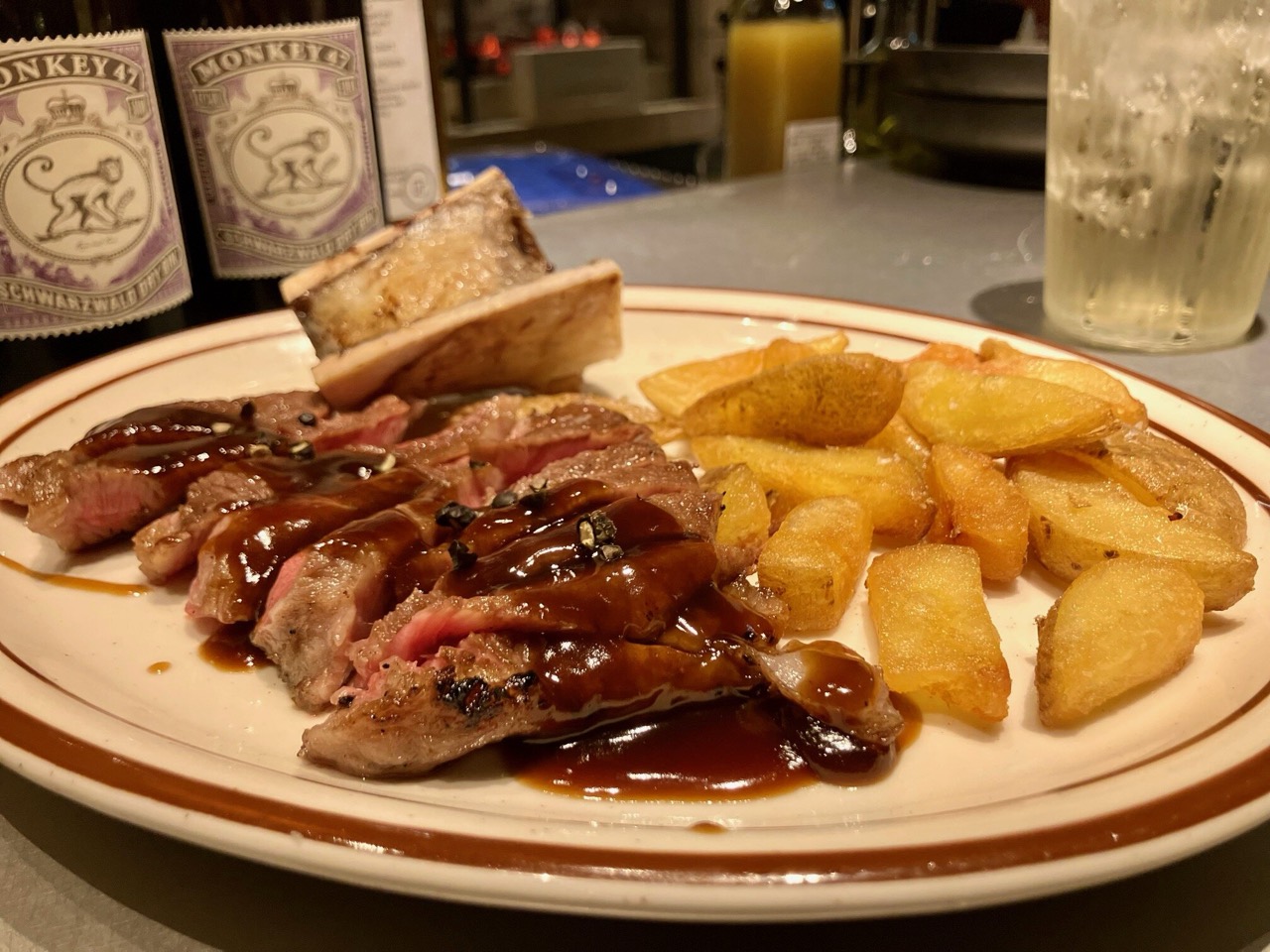
7.One of FDN's photos shows a chef pressing a live coal directly onto a thick cut of meat. When the coal meets the fatty surface there is a short sizzle, smoke rises, and the smell of charred fat drifts to the counter. Wild game carries less fat and a stronger aroma than farmed meat, which suits the fierce heat of charcoal. The wagyu is sliced, sauced and served with wedge potatoes.
8.Restaurants in renovated old houses are common now, and so are restaurants with no sign on purpose. What sets Le Logis Beau apart is that you cannot see it exists from the street. Walk-in trade was never part of the plan; every guest arrives through a booking, a search or a friend's tip. The half minute spent walking down that corridor becomes a story, and the story brings the next guest.
9.The bear on the menu is well timed. Japan's Ministry of the Environment counted 14,720 bears captured in fiscal 2025, the most since the current method of tallying began in fiscal 2006. Diners can meet on a Tokyo bistro plate the animal they saw on the news, and that curiosity becomes a reason to book. Venison and wild boar were already reaching restaurants through licensed game-processing plants.
10.Tabelog puts the dinner budget at 6,000-7,999 yen. If two people order two hors d'oeuvre plates, one wagyu and one game grill, a pasta, and three drinks each, menu prices come to around 7,000 yen a head. Glass wine, draft beer and highballs make up about a third of the bill.
11.Sales are not public. Assume the 40 indoor seats turn a little under once each evening, and monthly revenue lands in the low 6 million yen range, or around the mid 200,000s per tsubo. The terrace comes and goes with the seasons, so it is left out. If wagyu and raw oysters push food cost up, what covers the gap? The drinks.
12.The math of this shop turns on rent. A spot you cannot see from the street is hard to lease, so the landlord cannot ask much. Le Logis Beau's actual rent has not been disclosed. The chart below sets an assumed street-level rate beside an assumed hidden-lot rate and compares the share of the same revenue each would take.
13.The rent saved goes to staff. Someone has to stand at the charcoal, and serving 50 seats spread over two floors and a terrace takes more floor staff than a single-level room. The hand-pulled lift adds Showa atmosphere and also cuts the number of plates carried up and down the stairs. Opening service was coached by Kenji Negita, twice runner-up at the S1 Server Grand Prix.
14.Forstar started in 2013 in Maruyamacho, Shibuya, with Spiral, a bar serving oysters with Spanish and Italian food, and went on to open nine oyster bars, oyster-grill shops and izakaya centered on Shibuya. In August last year it joined the group of ASAHITEC Corporation, based in Shiga Prefecture, and President Narita, a director since the founding, now leads the new setup. He came from Diamond Dining.
15.The parent began in 1962 as a packaging company and grew through contract manufacturing and shipping work at factories; group sales top 10.1 billion yen. It has expanded into food service by buying the operating rights to a Ginza yakiniku restaurant and running Ikinari! Steak and Kushikatsu Tanaka franchises. A group that runs franchises stamped out by manual bought an oyster bar company, and the first shop it opened is a single house that could never be found twice.
16.An oyster bar company from Shibuya changed parents and opened a 50-seat charcoal bistro in an old house invisible from the street, selling a dinner of around 7,000 yen with the effort of finding it thrown in. Try the same kind of house in Korea and the first obstacle is change of use. A detached house has to be reclassified as a neighborhood commercial facility to serve as a restaurant, and a layout reached only through one half-basement corridor in someone else's building has to be reexamined from the escape route up.