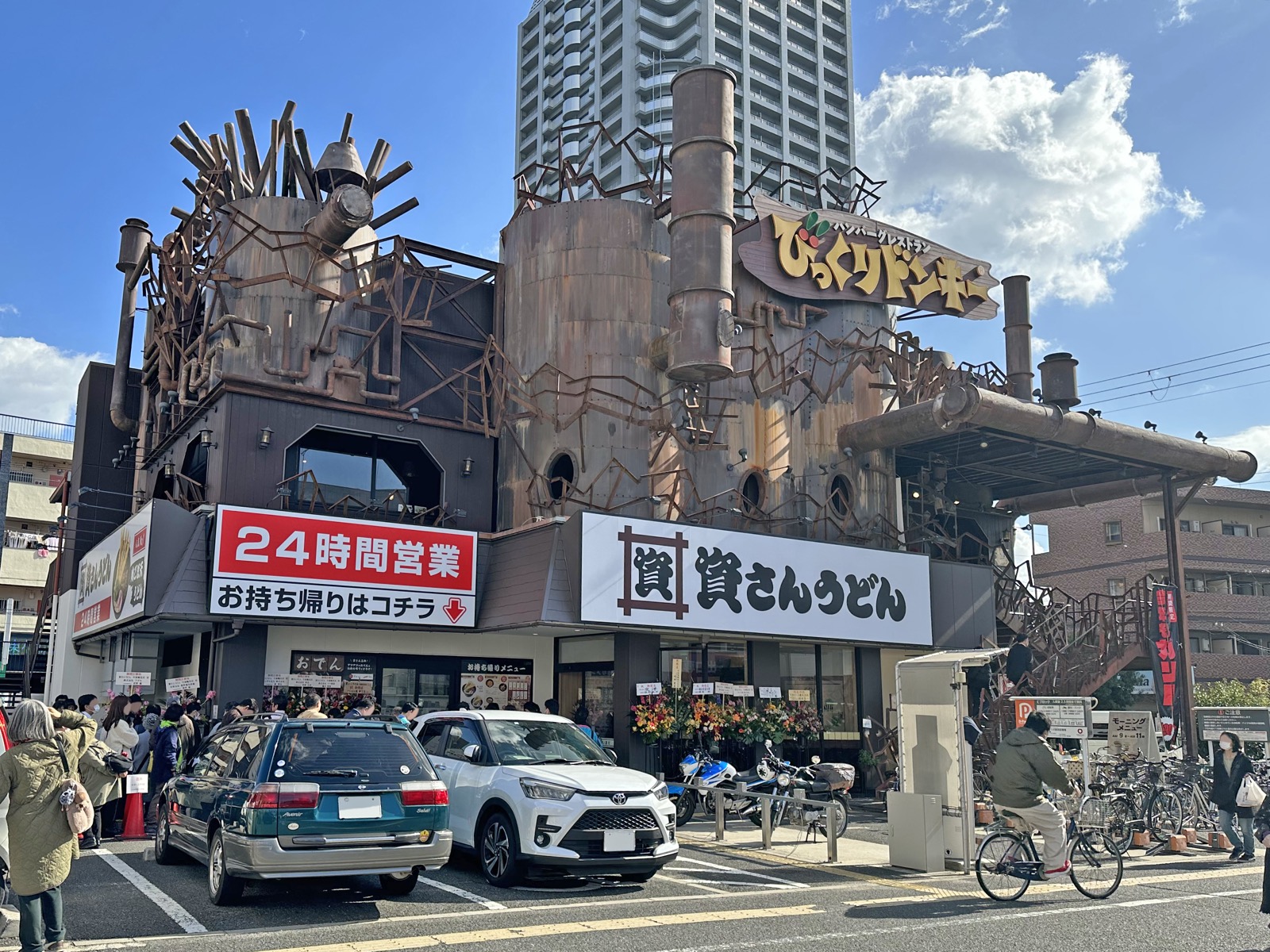
An udon chain from Kitakyushu opened its first shop in the city of Kyoto on September 24. It sits in a suburban roadside building that a Steak Gusto from the same group used to occupy, and it stays open 24 hours. The company that bought the chain for 24 billion yen is the same one that ended 24-hour trading at every one of its restaurants six years ago.
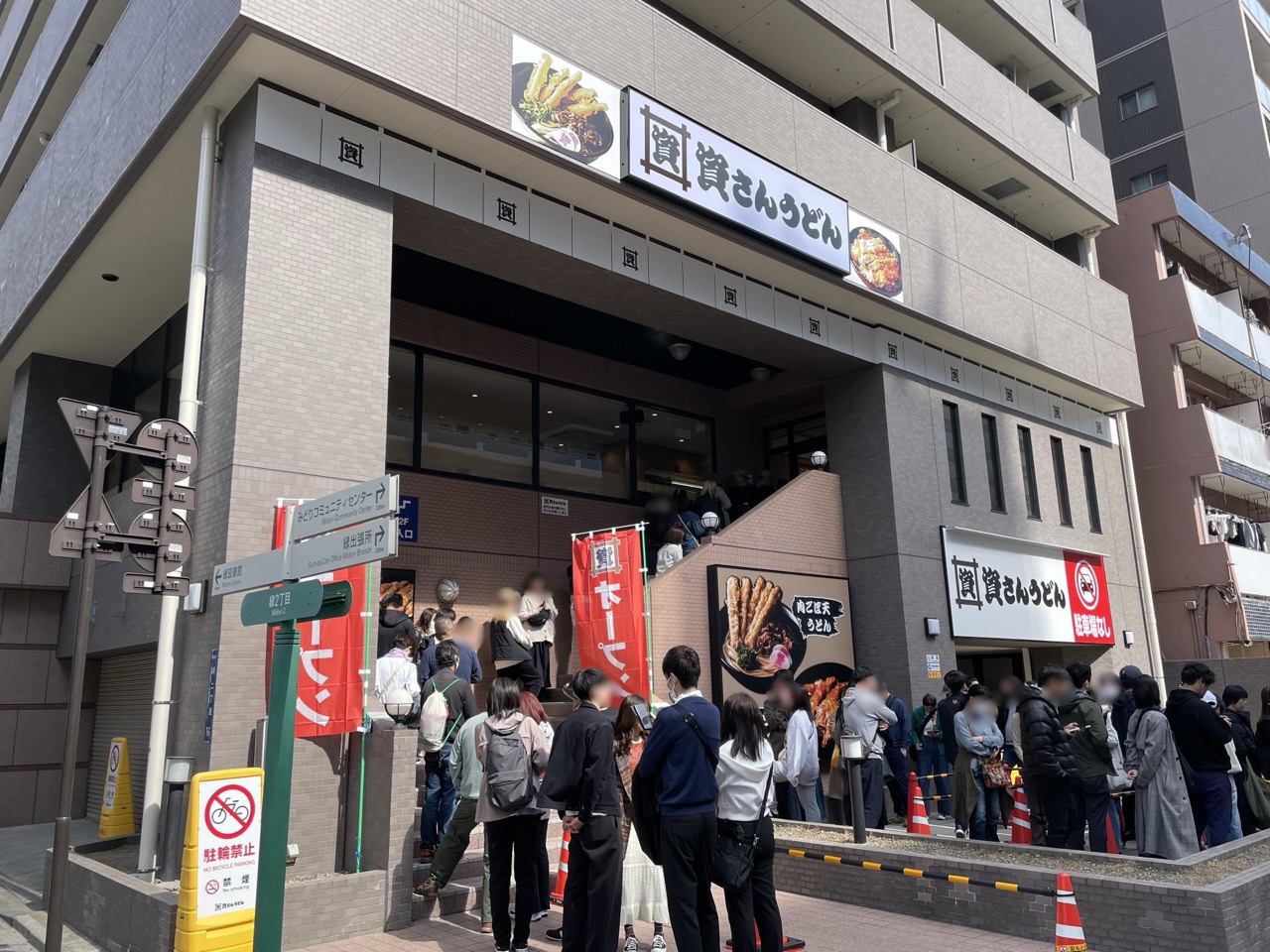
1.At 8 a.m. on September 24, Sukesan Udon's Kyoto Katsura branch opened on Katsuragawa Kaido in Katsura, Nishikyo Ward, Kyoto. Ninety seats and 36 parking spaces, with tables, counter seats and booths. The company advertises it as open 24 hours, every day of the year, with no late-night surcharge. It is the chain's 121st shop nationwide, and the second in Kyoto Prefecture after the Yawata branch that opened in April.
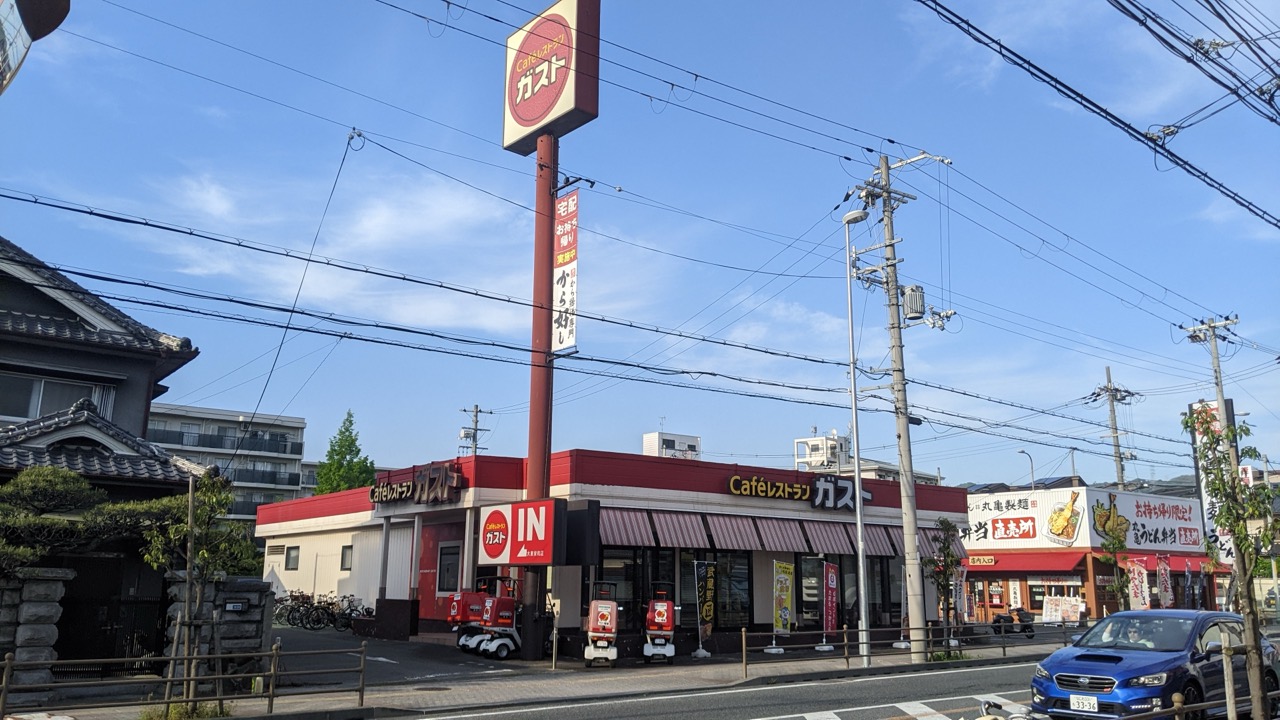
2.Founded in Kitakyushu in 1976, the chain spent decades without leaving Kyushu, Chugoku and Shikoku. Unison Capital, a private equity fund, bought it in 2019. In October 2024 Skylark Holdings, owner of the Gusto family restaurant brand, acquired all of its shares for about 24 billion yen. Just over 70 shops at the time became 121 in two years. The previous tenant of the Katsura building: Steak Gusto, from the same group.
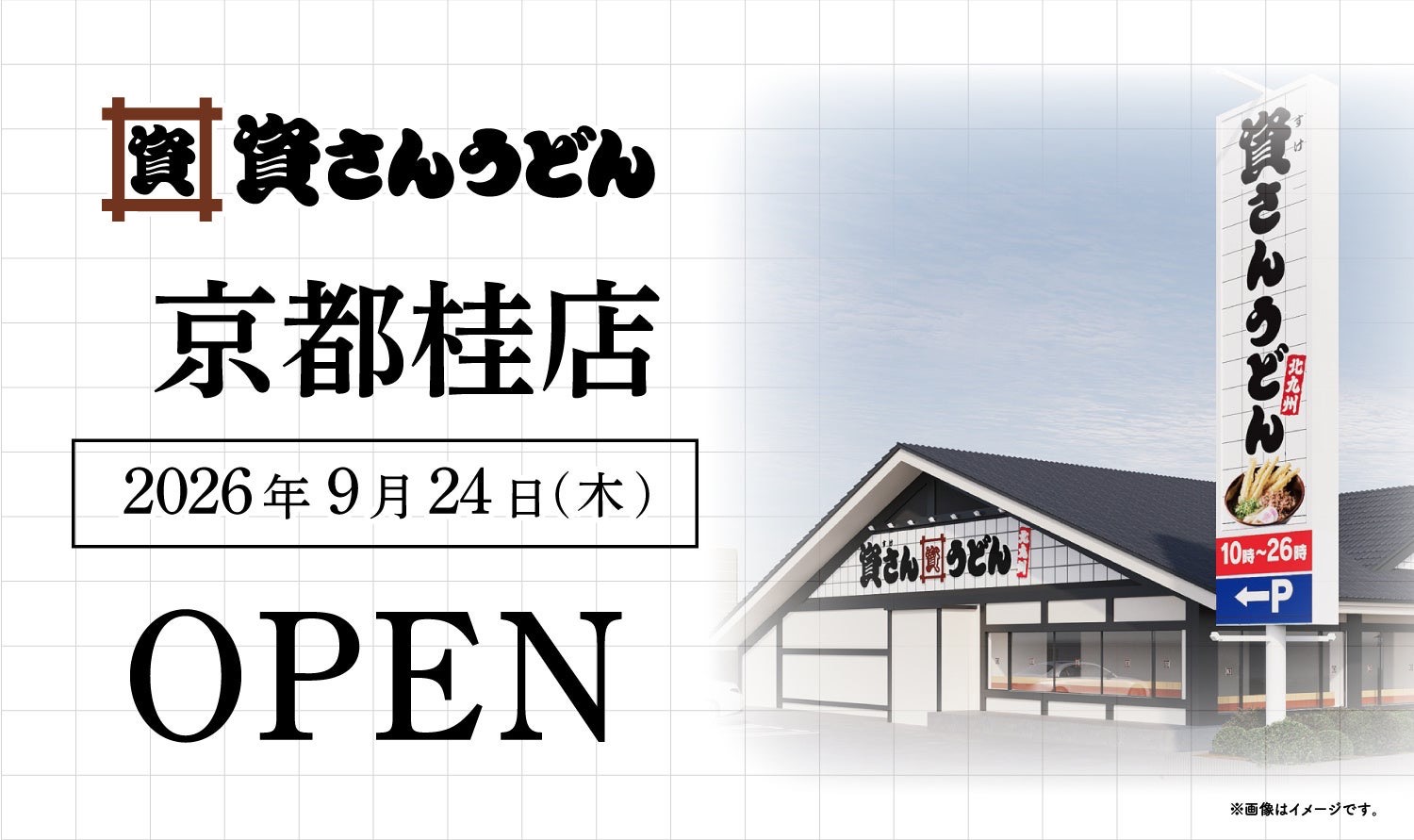
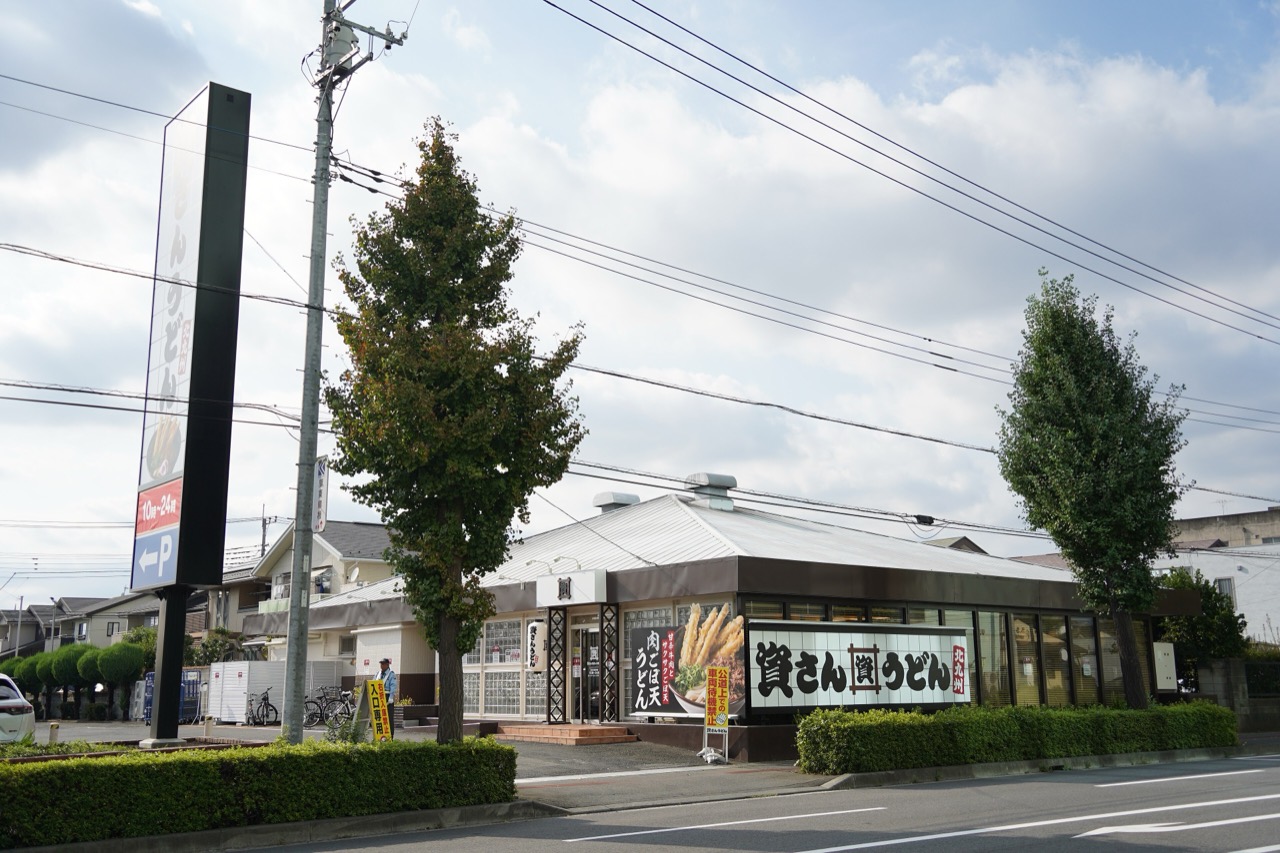
3.It is an ordinary suburban family-restaurant lot: a single-storey building set behind a wide car park on a road that meets National Route 9. Customers drive in from the residential west of Kyoto, and the road also leads out toward Kameoka and northern Kyoto. Rather than build new, Sukesan tends to take over the group's existing restaurants and swap the sign and the kitchen. Kitchen exhaust, plumbing, parking and entrances are already in place, so the works shrink to the interior and the signage.
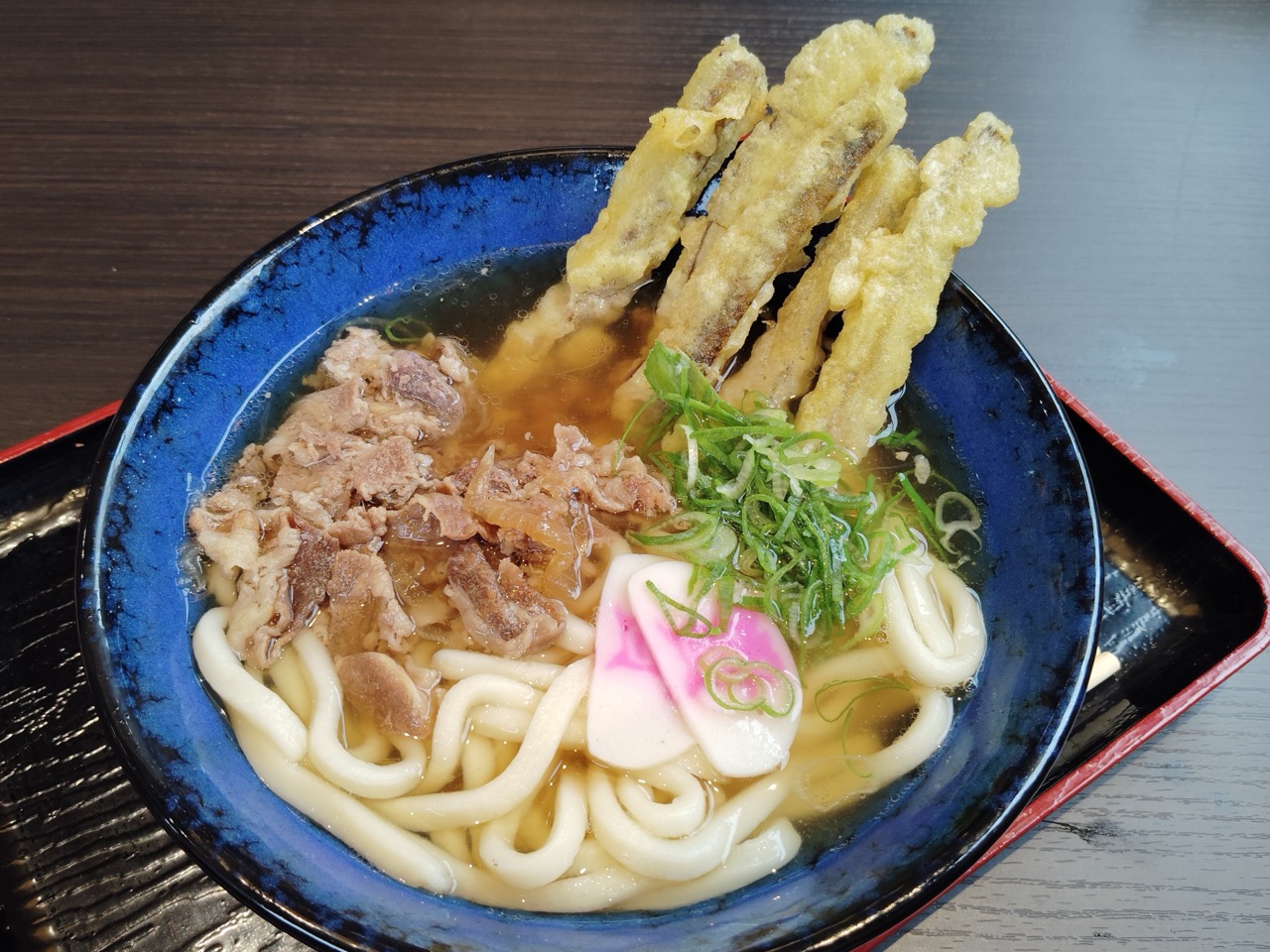
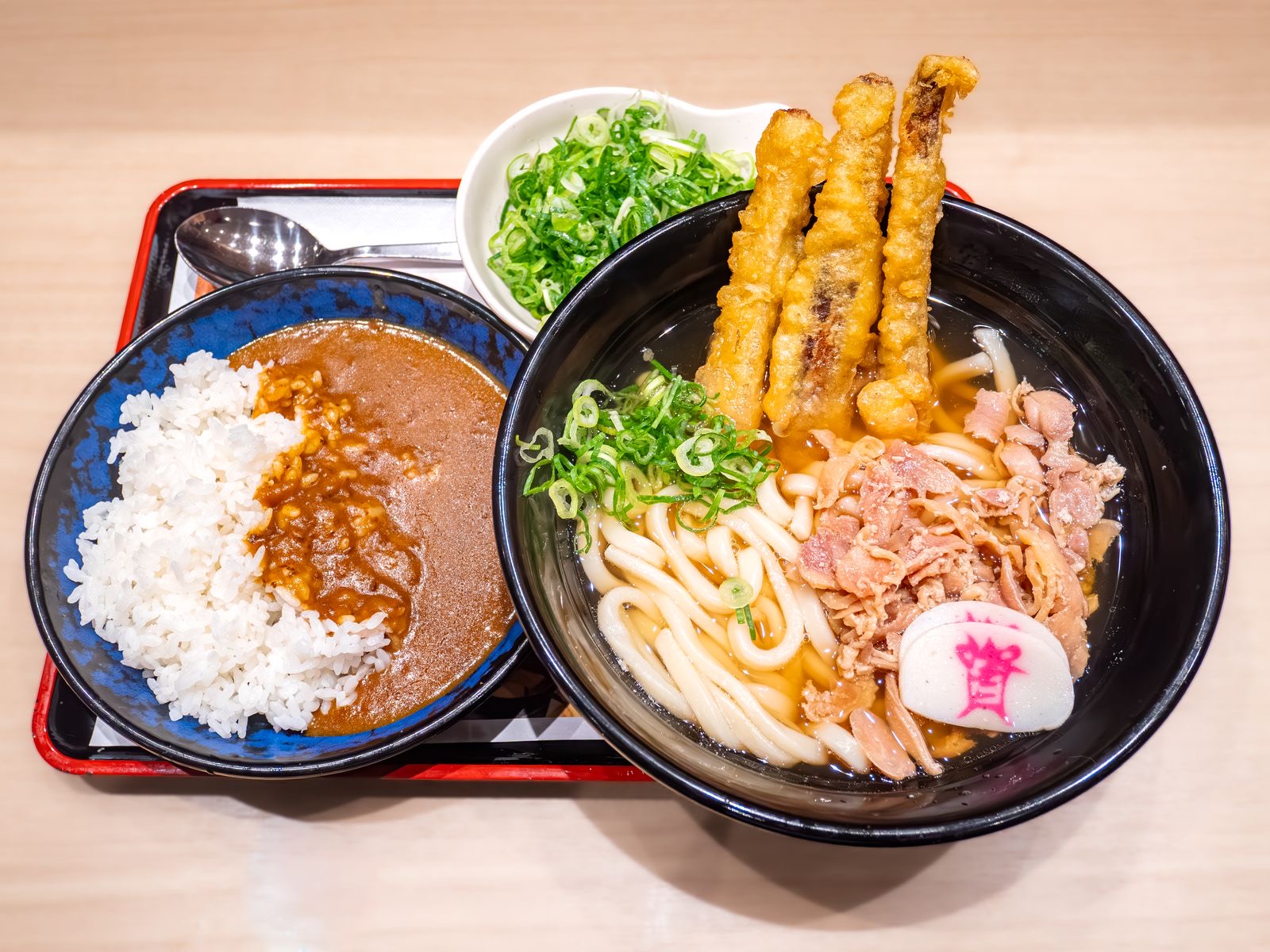
4.The signature dish is niku gobo-ten udon. Beef simmered sweet and salty, and long sticks of fried burdock, go into one bowl. Kitakyushu udon is soft, so your teeth sink in before you really chew, and the burdock tempura starts crisp, then slowly softens as it drinks the broth. On a Fukuoka menu, three sticks cost 801 yen and five cost 878 yen. Around the udon sit soba, rice bowls, curry and oden, more than 150 items in all.
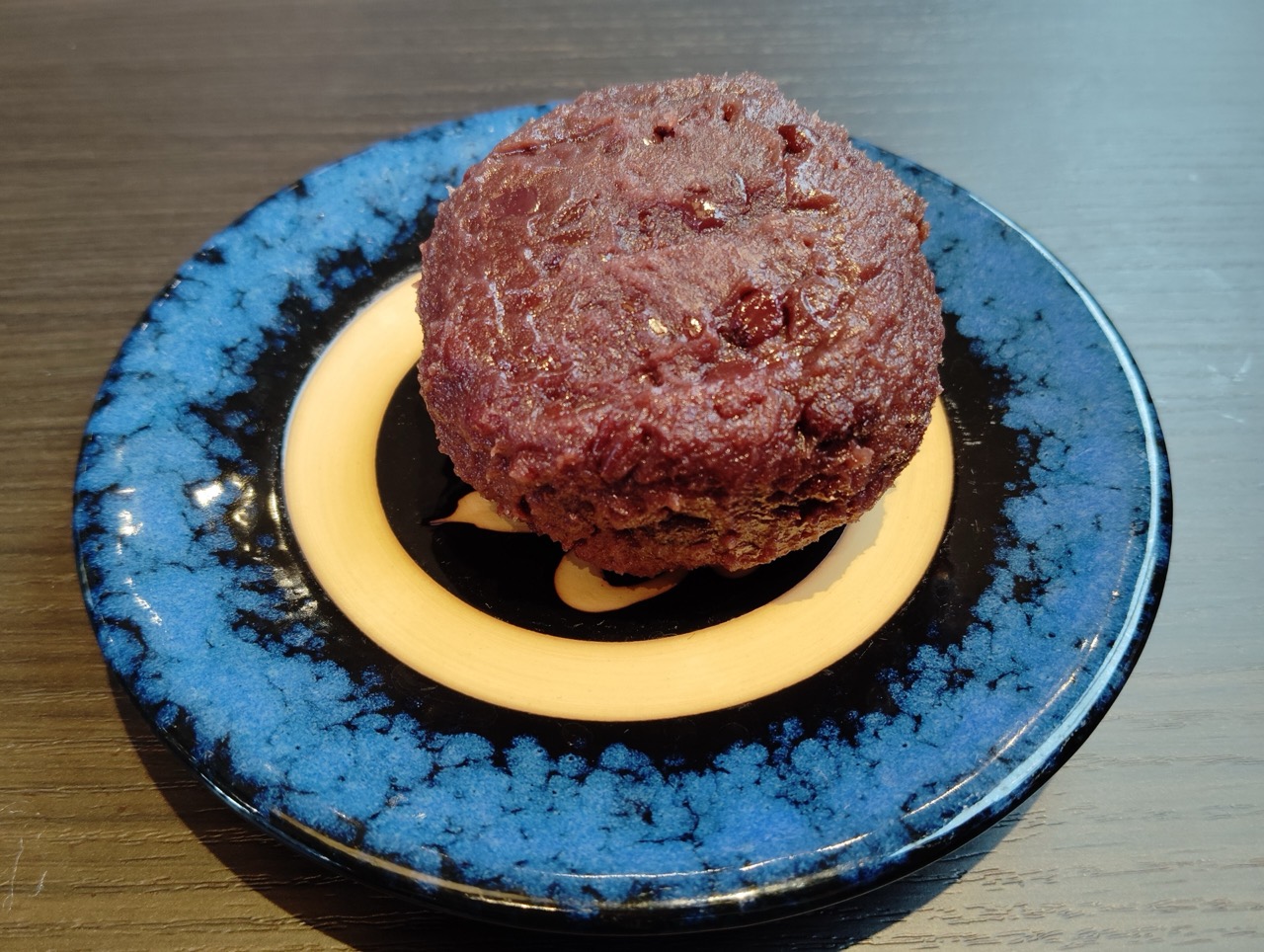
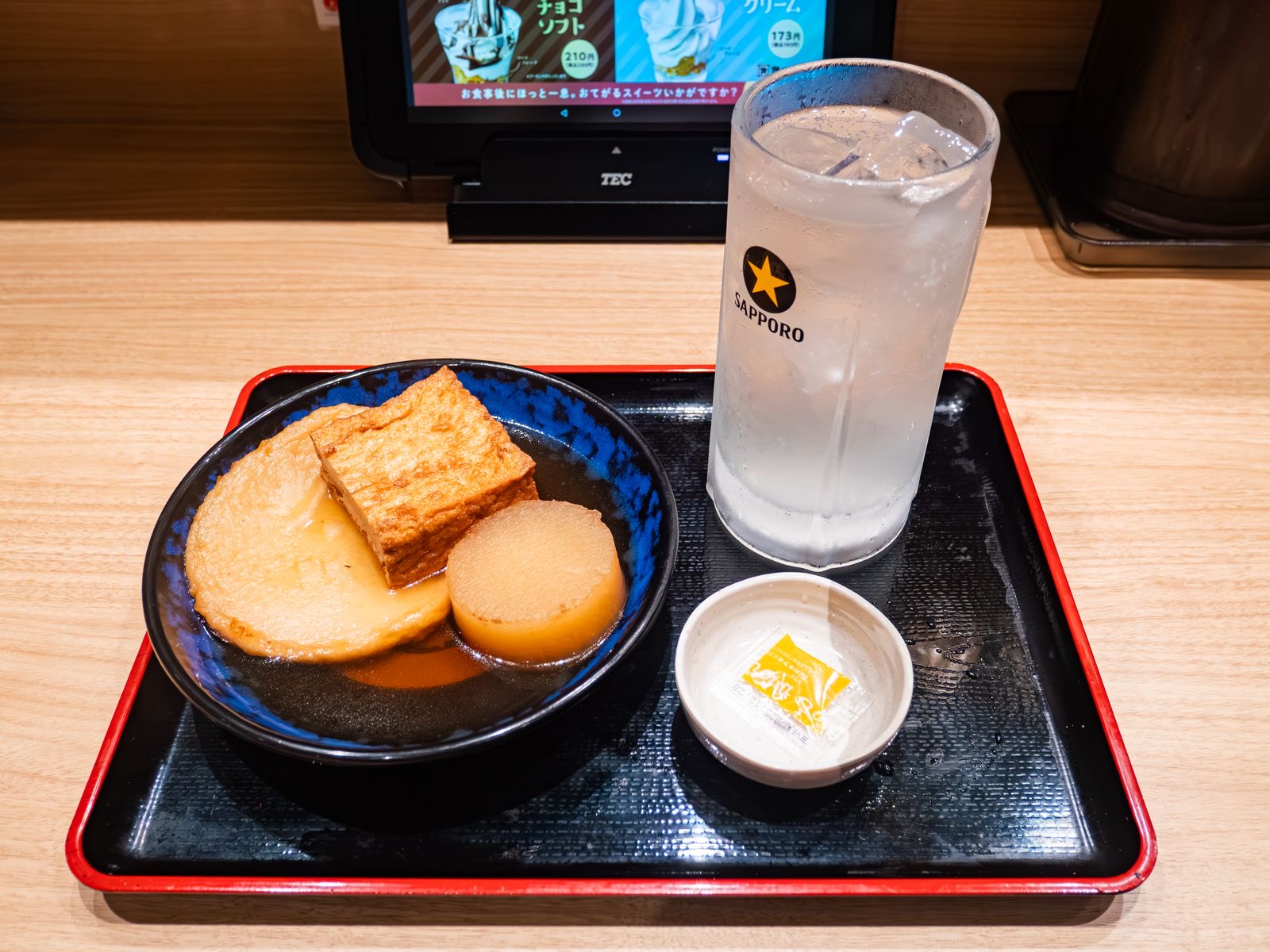
5.Botamochi pile up by the till. It is sticky rice wrapped thickly in sweet red bean paste, and 6.8 million of them sell each year. At night some customers put daikon and fried-tofu oden on a tray with a lemon sour. A bowl of udon plus one botamochi still comes in under 1,000 yen. Meals, snacks and a drink all happen in one shop, so the menu never has to change with the hour.
6.Roadside restaurants that keep the lights on all night have become rare, even in Japan. Where can a night-shift worker, a long-haul driver or someone who missed the last train sit down and eat at 3 a.m., other than a convenience store? Other chains cut late-night hours over labour costs, and the pre-dawn trade they left behind has fallen to Sukesan.
7.Outside Kyushu, the response showed up in the numbers. The first Kanto shop, opened in Yachiyo, Chiba, in December 2024, was reported to average around 2 million yen in sales a day, and a queue formed outside the Ryogoku branch in Tokyo when it opened in February 2025. For people who moved up from Kyushu, it is food from home. For first-timers, it is a filling meal for 1,000 yen.
8.Skylark said it bought the chain on the condition that its taste and service stay the same, and it cut its 2026 target for new shops from an initial 50 to 30. The reason given by Minoru Kanaya, Skylark's president: opening only as fast as is manageable protects quality. In Kanto and Kansai, the chain plans to move to making its own noodles.
9.Divide 24 billion yen by the roughly 70 shops at the time of the deal and each shop cost about 340 million yen. Diamond Online reported a price of more than 17 times EBITDA of about 1.4 billion yen, and with restaurant deals usually priced at 10 times or less, talk spread that Skylark had overpaid. Kanaya flatly denied it.
10.Shop sales give him grounds. Divide sales of 12.379 billion yen for the year to August 2023 by the roughly 70 shops then, and each one sells close to 180 million yen a year. That is high for a suburban udon shop, and it is an average built by old shops in Kyushu.
11.New regions beat that average by a wide margin. If the first Kanto shop really sells 2 million yen a day, that is 730 million yen a year, four times the average. While the queues last, shops like that pay back their share of the purchase price years early.
12.For the Katsura branch, only estimates exist. Assume a 1,000-yen average check and average-shop sales, and it serves a little over 480 customers a day, turning its seats just over five times. Udon customers crowd in at lunch and dinner, so for a few hours before dawn most seats will probably sit empty with the lights still on.
13.If Skylark got a brand out of the deal, Sukesan got a store network. All five Sukesan shops that opened in the 41 days from August 7 to September 17 were converted Gusto, La Ohana and Yumean restaurants. The time spent buying land and putting up buildings disappears, and each site's sales history, customer base and car park come along with it. Ingredients go out from group distribution centres in Higashimatsuyama, Sagamihara and Nishinomiya.
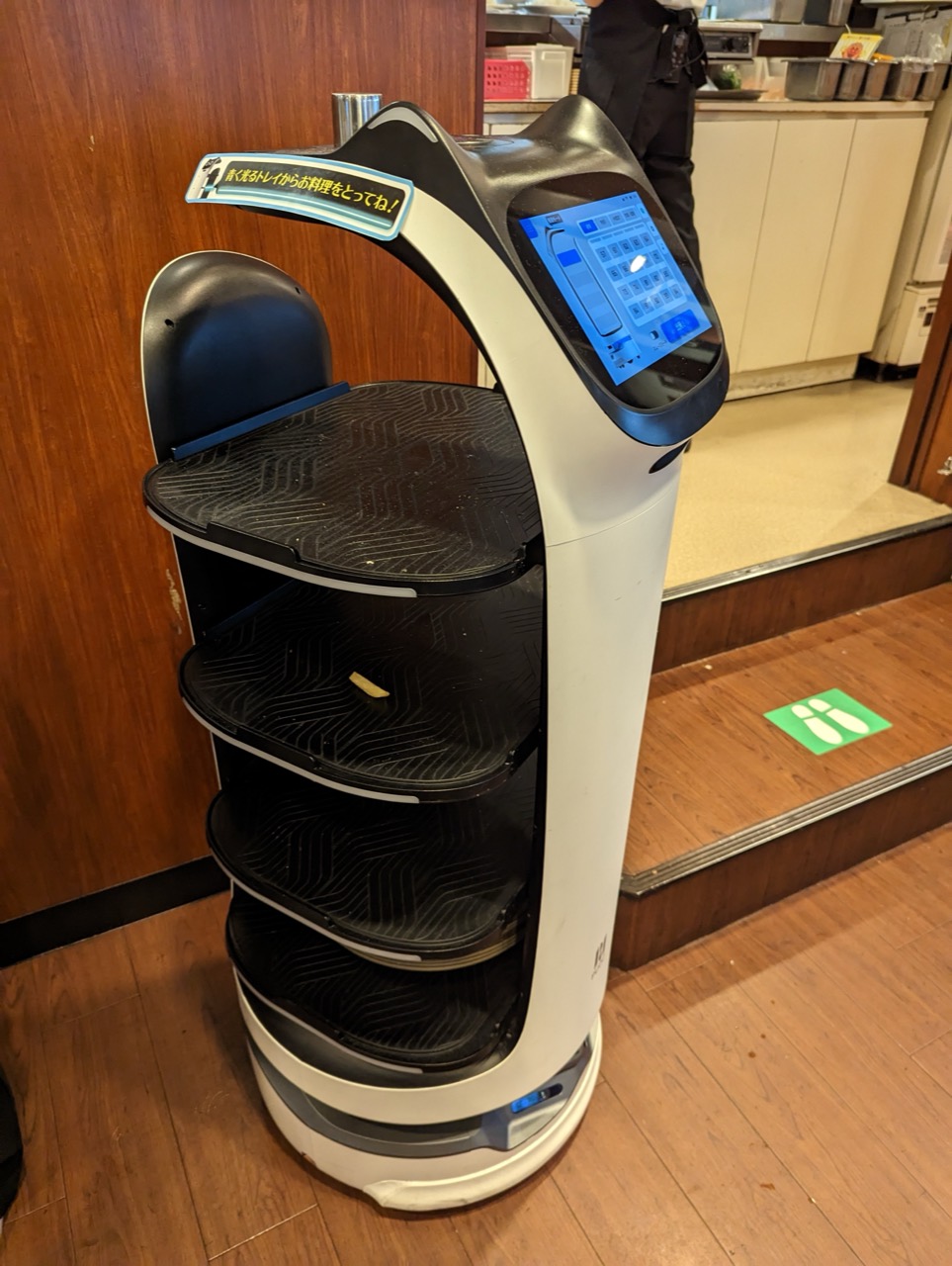
14.The cost of trading around the clock falls on people. Japan's Labour Standards Act requires a 25% premium on wages for hours worked between 10 p.m. and 5 a.m. Skylark has cut floor staff at Gusto with serving robots and tabletop tablet ordering. With a group that has that experience running the night, the pre-dawn shift can be designed to run on one or two people.
15.Skylark had traded 24 hours a day since 1972, but in January 2020 it decided to end round-the-clock trading at all of its roughly 150 24-hour shops. The reasons it gave were falling late-night sales and staff health. From July that year, group restaurants closed at 11:30 p.m. as a rule. Six years later, udon comes out of a former Steak Gusto building owned by the same company at 3 a.m.
16.Two years after an udon chain from Kitakyushu sold to a family restaurant company for 24 billion yen, it has 121 shops, and its Kyoto Katsura branch keeps the lights on all night in a suburban building where the group once gave up on nights. Suburban Korea has no shortage of closed family restaurant buildings with car parks. But anyone trying to copy the 24-hour model runs into wages first. Any shop with five or more regular employees must add 50% to pay for hours worked between 10 p.m. and 6 a.m., double Japan's premium.