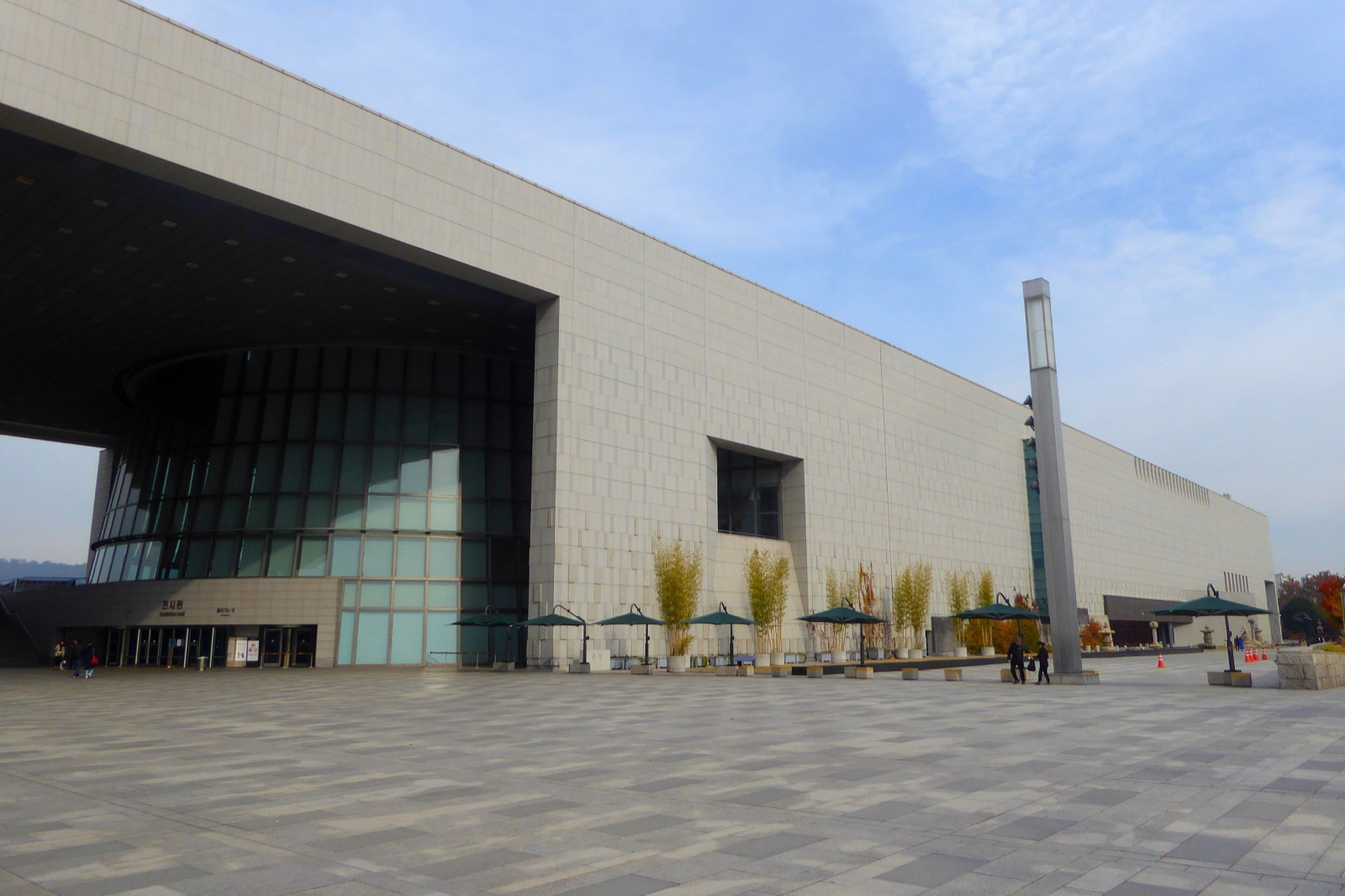
The National Museum of Korea's special exhibition Our Table runs until October 25. From rice grains charred 3,000 years ago to Kim Hong-do's Jumak, it lays out the Korean meal in 684 objects. A ticket costs 5,000 won, yet the ticket booth is not where the real money moves at this museum.
1.Today is Chuseok, and the National Museum of Korea is closed. On either side of the holiday, on the 24th and on the 26th and 27th, anyone can see the special exhibition Our Table for free. In a museum where every permanent gallery is free, the special exhibition halls are the only rooms that charge. The usual adult fare: 5,000 won.
2.It opened on July 1. Fifty-one institutions lent 684 objects to fill Special Exhibition Hall 2 in the permanent exhibition building, several of them designated Treasures. According to the museum, this is the first time it has covered Korean food culture whole, in a single show.
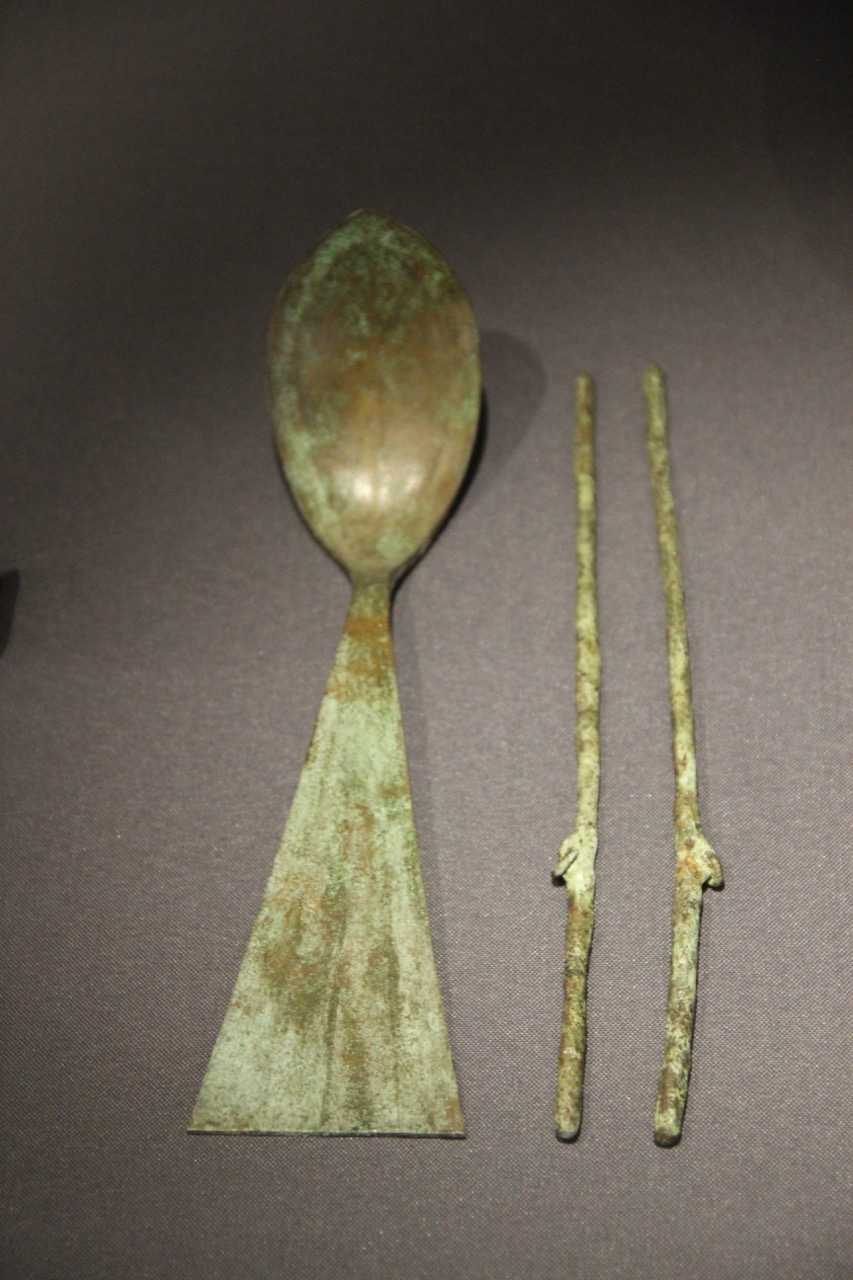
3.The line that greets visitors at the entrance is "Have you eaten?" Part 1, "Our Table Through Life," starts with rice. First come rice grains charred 3,000 years ago, excavated at Heunam-ri in Yeoju, followed by the spoons and chopsticks from the Baekje tomb of King Muryeong and the bowls that once held soup and side dishes. Visitors walk the order in which a table gets set, and Part 1 ends at Wonhaeng Eulmyo Jeongni Uigwe, the record of the meals King Jeongjo served at his mother's sixtieth birthday banquet.
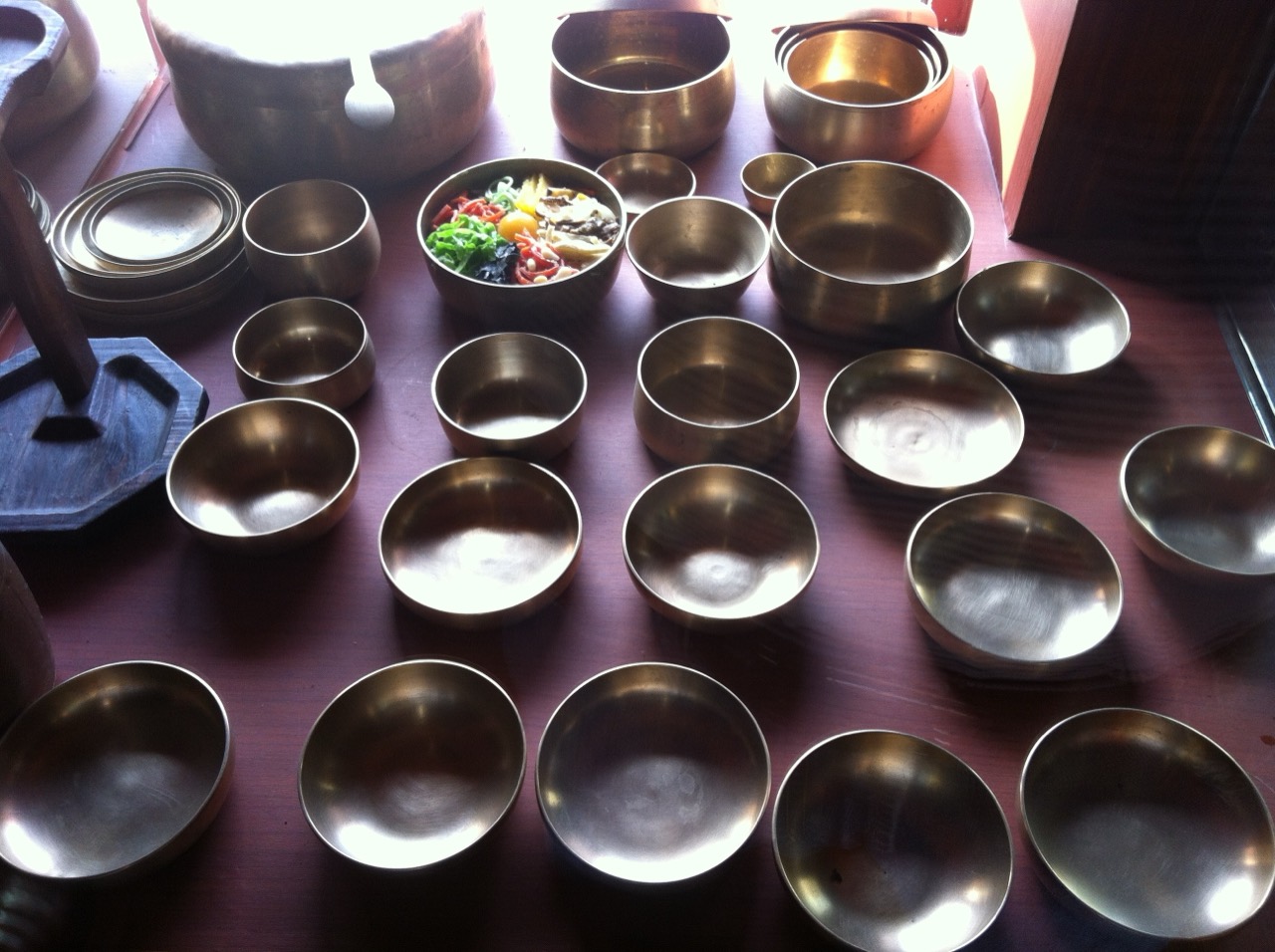
4.There is no smell of food in the galleries. Food cannot be brought into the museum, so this exhibition has only eyes and ears to work with. So it chose sound. Onomatopoeia and sound effects of boiling, chopping and grilling drift between the cases, and cooking videos made with Onjium's taste workshop loop on screens. While actor Ryu Soo-young reads the commentary for 21 objects, a table stacked with lidded brassware sits under the lights at the center of the room. The show cannot give you the taste, so it gives you the sound of a kitchen.
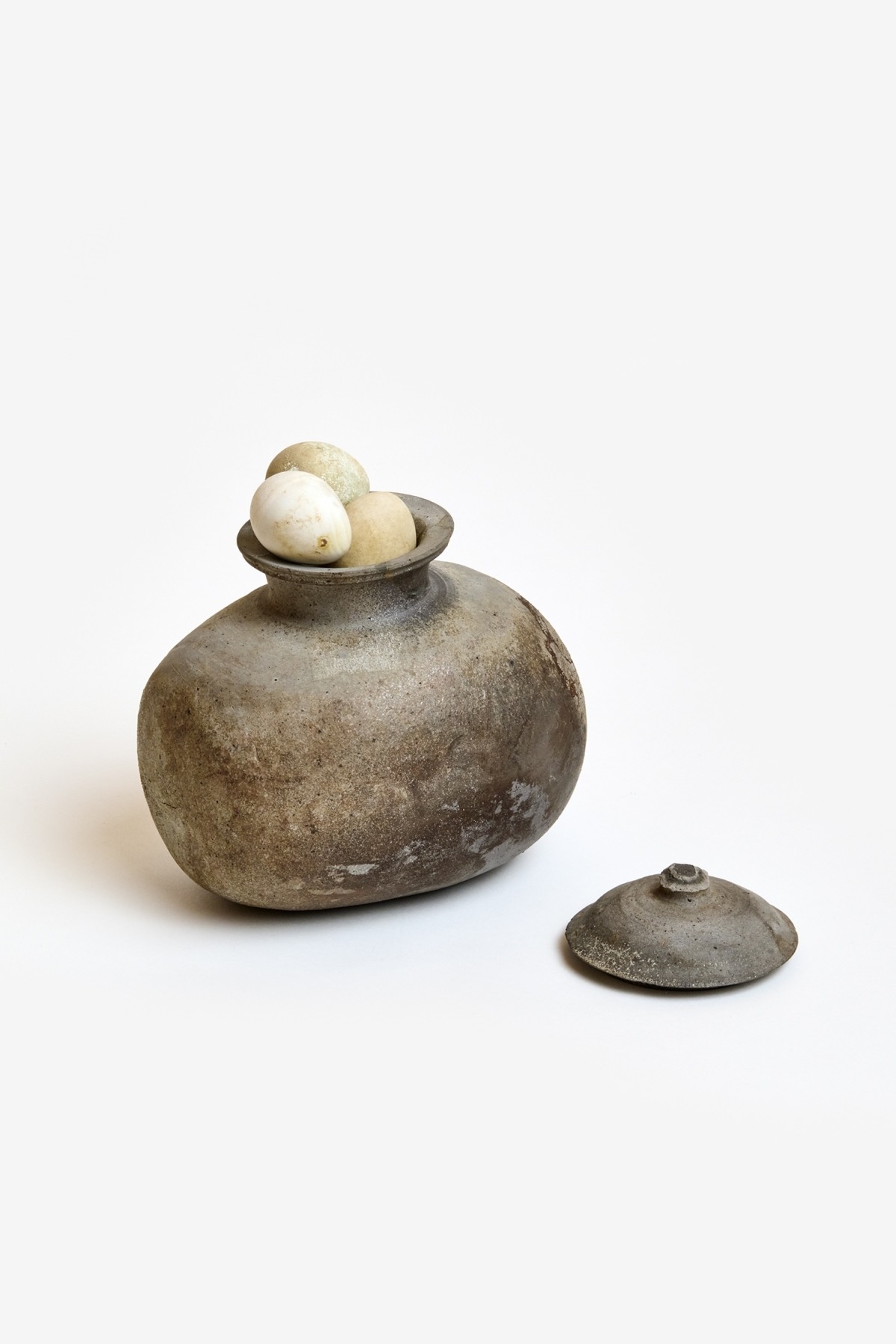
5.Part 2, "Our Table Shaped by Nature," turns to ingredients: seasonal produce from the eight provinces, seafood and meat, ways of storing food through winter, then fermentation and seasoning. Charred clumps of soybeans from Sinchang-dong in Gwangju, dated to the 3rd to 5th century, are shown as a presumed origin of doenjang, alongside shellfish vessels and a pot of bird eggs buried in Silla tombs. People 1,500 years ago put food in the grave, bowl and all.
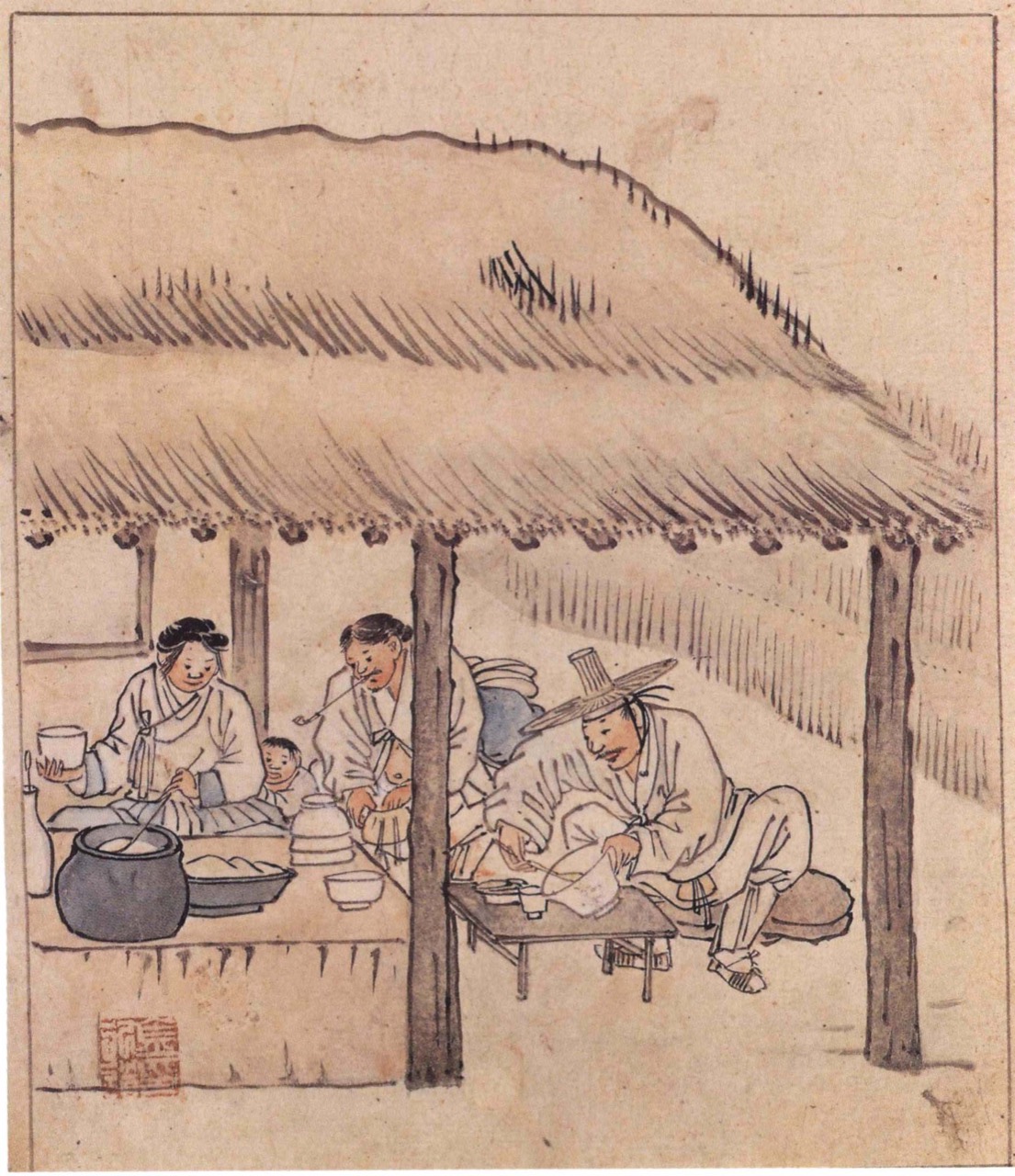
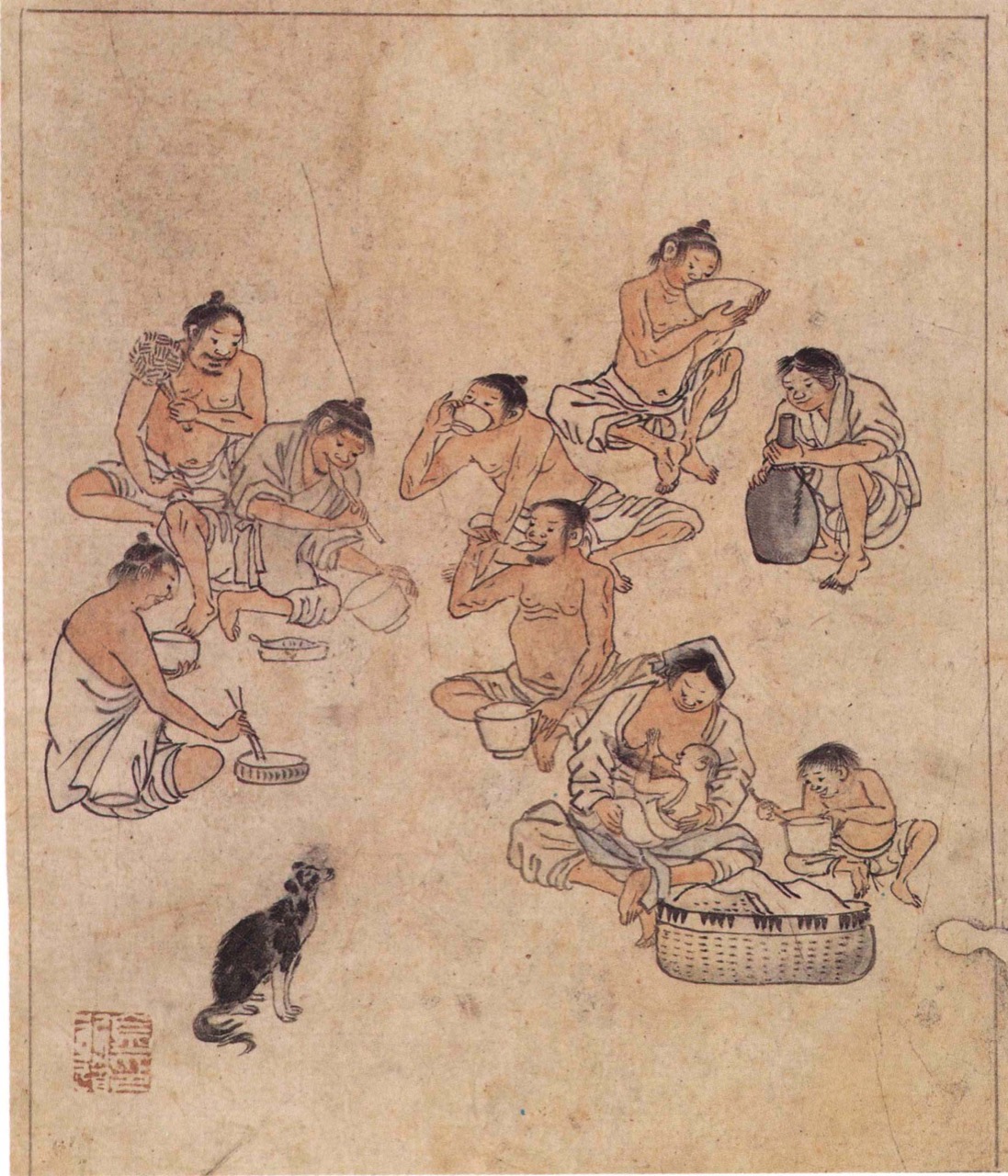
6.The usual barrier to a museum show is knowledge. You have to know what you are looking at to see the color of celadon or the hand gesture of a Buddha. The table works the other way. People sit down in front of one three times a day, so every visitor walks in already an expert. The man in Kim Hong-do's Jumak, tilting his bowl to scrape up the last grains, needs no explanation.
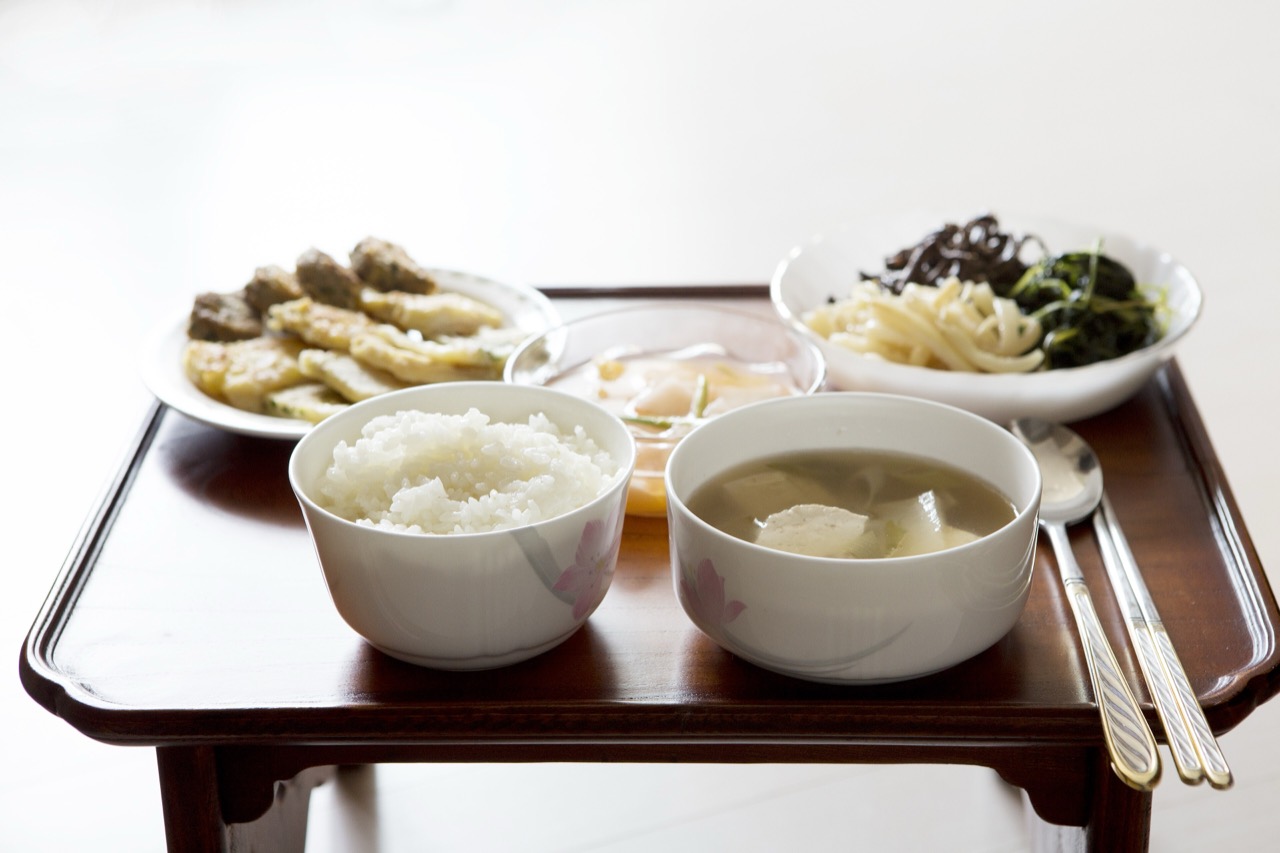
7.The audience has changed too. More than 6.5 million people visited the museum last year, and the museum and the press attribute much of the jump to foreigners and young people who came for traditional culture after the Netflix animation KPop Demon Hunters took off. For them, kimchi and bibimbap are already familiar words. To anyone who has eaten Korean food, 3,000-year-old rice grains are not an alien relic. They are what the rice on their plate looked like long ago.
8.Families are a target too. Family viewing cards titled "A Generous Exhibition Spread" sit at 10 points in the galleries, and the run was set to cover both summer vacation and Chuseok. The holiday is the day of the year when Korean households set their biggest table, and the exhibition stays open through it.
9.Admission is 5,000 won for adults and 3,000 won for youths and children, and free for those 65 and over. Half price on Wednesday evenings. Tickets are sold through Ticketlink and Naver booking, and the galleries stay open into the night on Wednesdays and Saturdays.
10.How many tickets can this show sell? Visitor numbers have not been released yet. Our Yi Sun-sin, which closed this spring, drew 407,045 people, the most ever for a special exhibition on Korean heritage. Apply that show's daily average to this run and you get about 490,000. Even if every one of them paid the adult fare, revenue would come to just over 2.4 billion won (estimate).
11.Step outside the ticket booth and the numbers change. For the opening, the National Museum Foundation of Korea released tableware tied to the exhibition. A rice and soup bowl set made with Hankook Chinaware costs 35,000 won, and a lunch box set made with the living brand Sseum costs 55,000 won. Trays on which artists with developmental disabilities redrew Kim Hong-do's Jumak and a meat-grilling scene: 8,000 won.
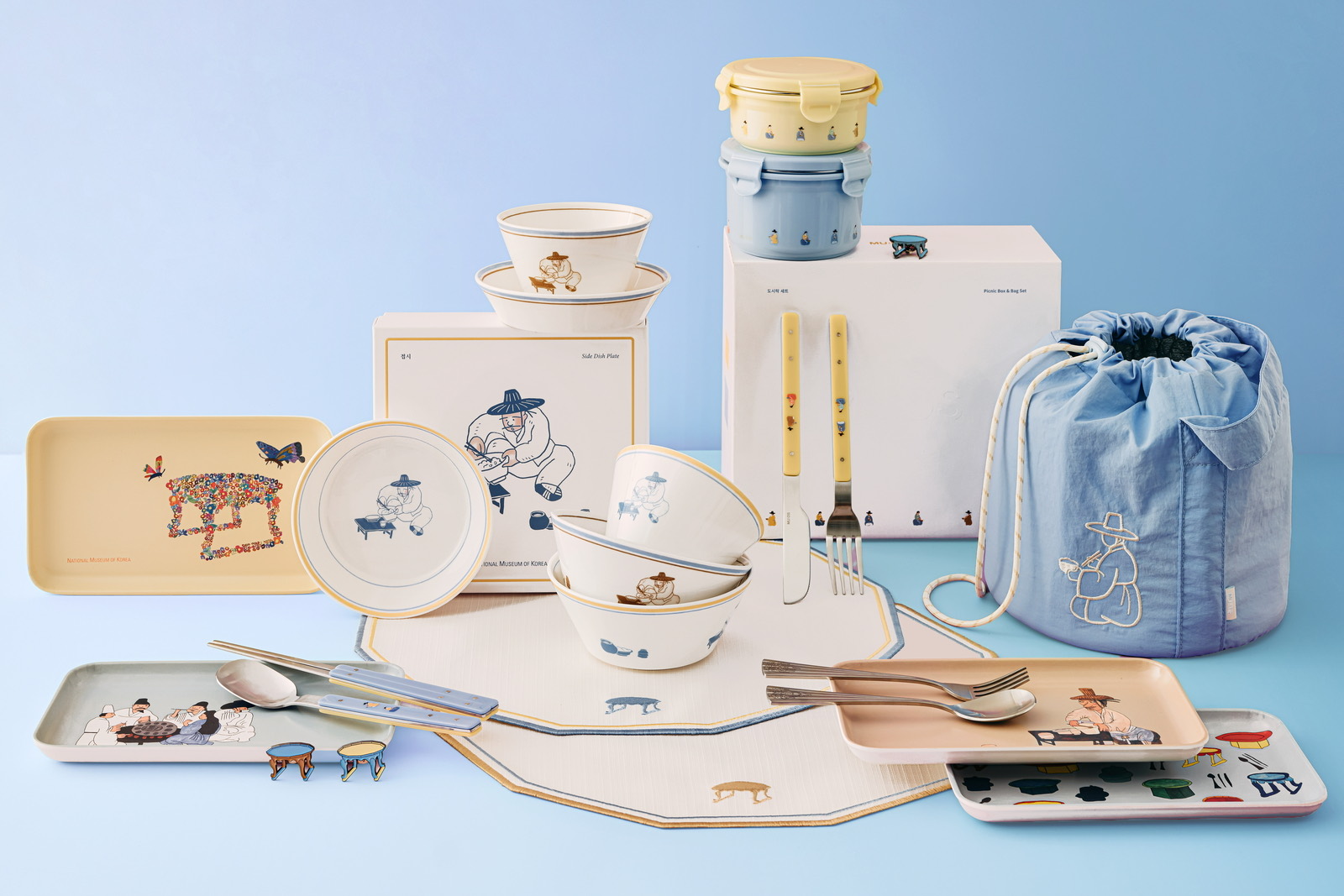
12.The foundation sells this kind of museum merchandise under the name MU:DS. Last year, MU:DS sold 41.3 billion won worth across national museum shops nationwide and online. This year it sold 21.8 billion won in the first half alone, and split by day that comes to about 120 million won.
뮷즈 연 매출 추이
13.This is not the first exhibition to bring food into a museum. In autumn 2023 the National Museum of Nature and Science in Ueno, Tokyo, held the special exhibition Washoku and charged 2,000 yen for general admission. In the same park, Tokyo National Museum charges 1,000 yen just for its permanent collection. Korea's national museum charges less than that for special shows, and nothing at all for the permanent galleries.
표 한 장과 매대 1년
14.Free permanent admission may change soon. The museum is piloting an integrated reservation system this year and will then decide on charging for the permanent galleries. The figure Director Yoo Hong-jun mentioned at the parliamentary audit was around 2,000 won. Even if all 6.5 million of last year's visitors bought that ticket, it would come to 13 billion won a year (estimate). Still short of the MU:DS counter.
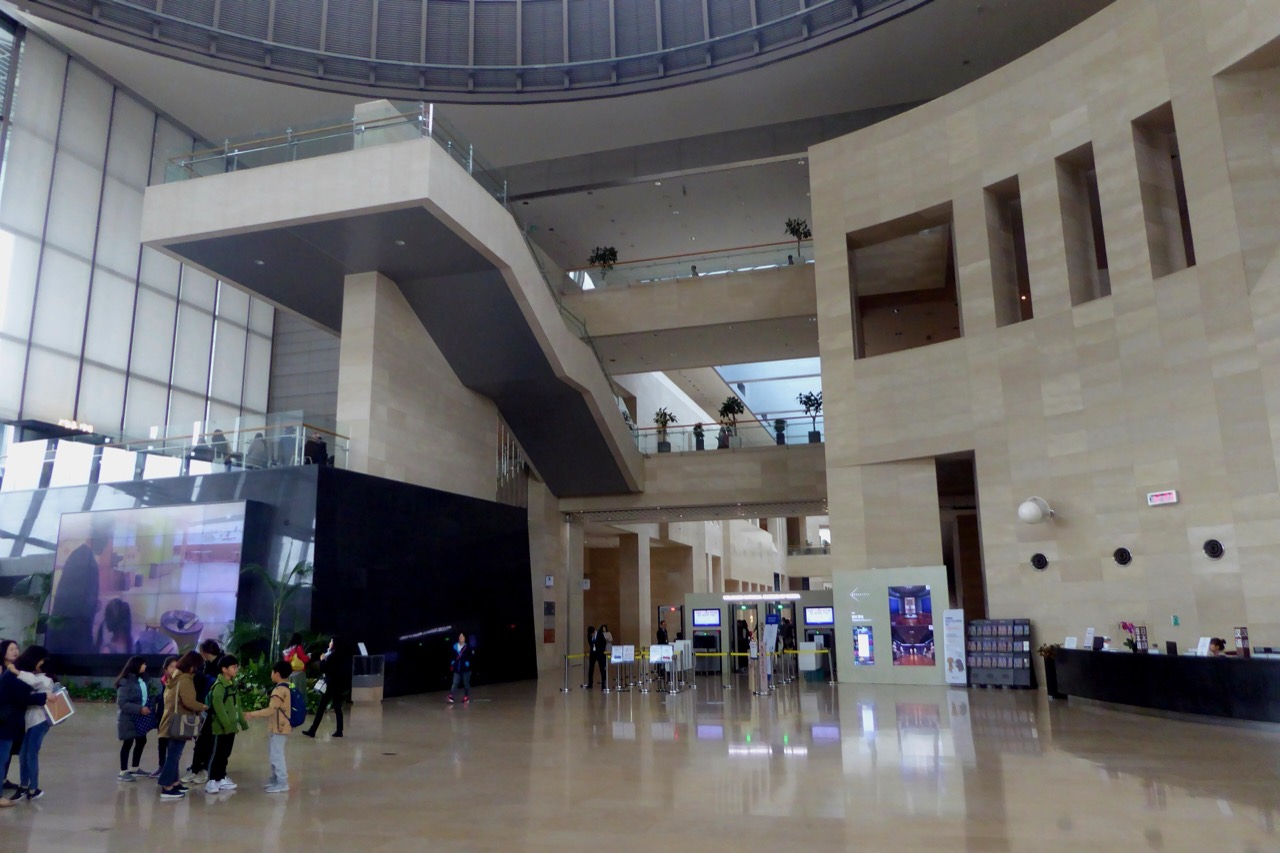
15.So the director says charging admission is not about making money. When the museum moved to Yongsan in 2005, the building was designed to handle 2 million people a year, and now more than 40,000 come in on a single peak-season day. The ticket price is not revenue. It is a knob for controlling crowds. Free entry draws people in, and those people buy rice bowls at the counter by the exit. Take away free entry, and the line at the counter may be the first thing to shrink.
16.The National Museum of Korea opened its table exhibition free over the Chuseok holiday. Next to a show that would earn about 2.4 billion won even if every ticket sold, the museum's merchandise sold 41.3 billion won worth last year. Whoever attaches merchandise to an exhibition carries inventory. The show closes on October 25, but whatever was produced stays. This time the foundation chose rice bowls and lunch boxes over posters and postcards. They are things used in the kitchen every day long after the exhibition ends, so even leftover stock can keep selling.