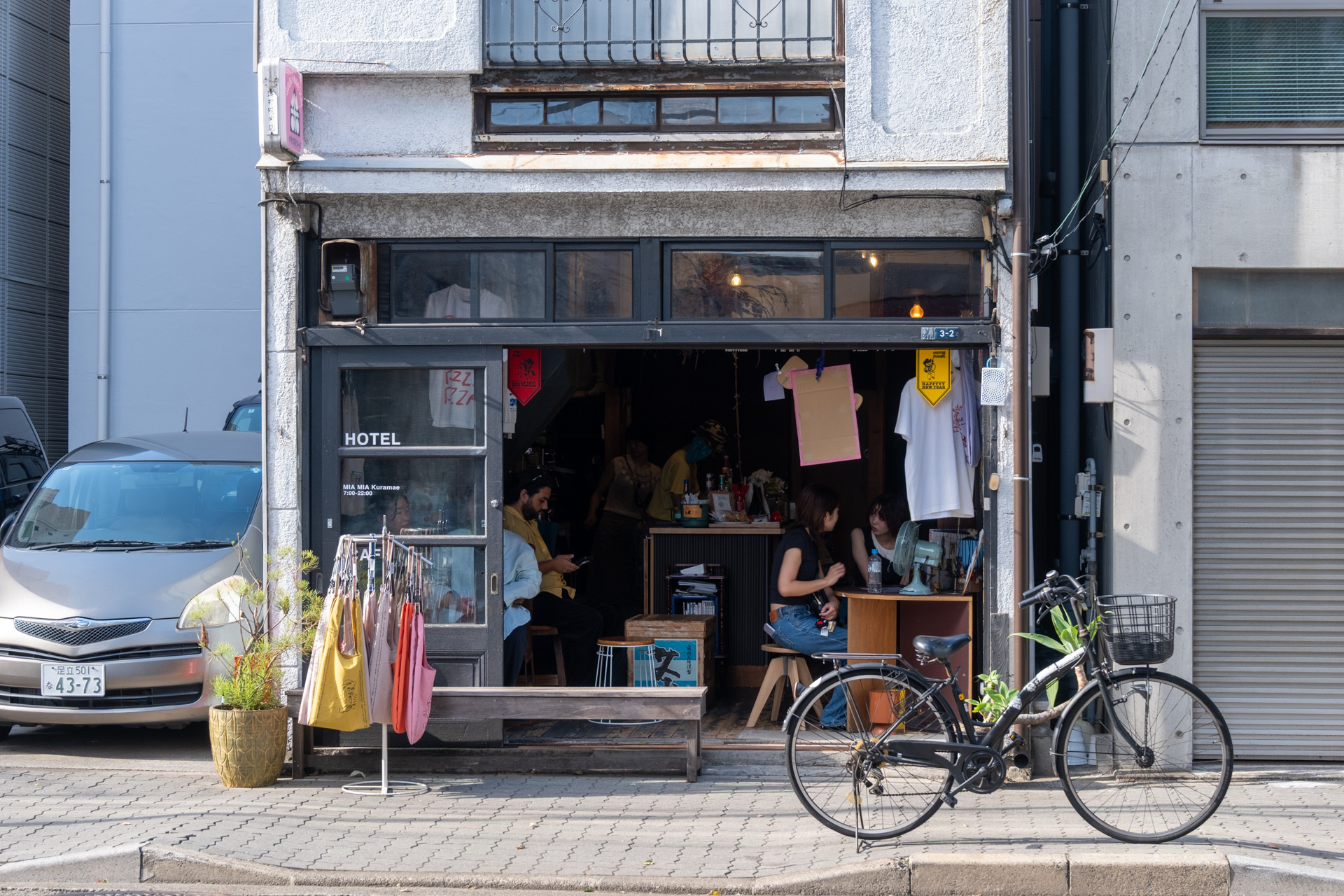
MIA MIA Kuramae, a cafe opened by a Melbourne-born owner inside an old rice shop in Tokyo's Kuramae, turns one this month. The ground floor sells coffee from 7am to 10pm, and the two guest rooms on the second and third floors are booked only through the cafe's own form, with no travel sites involved.
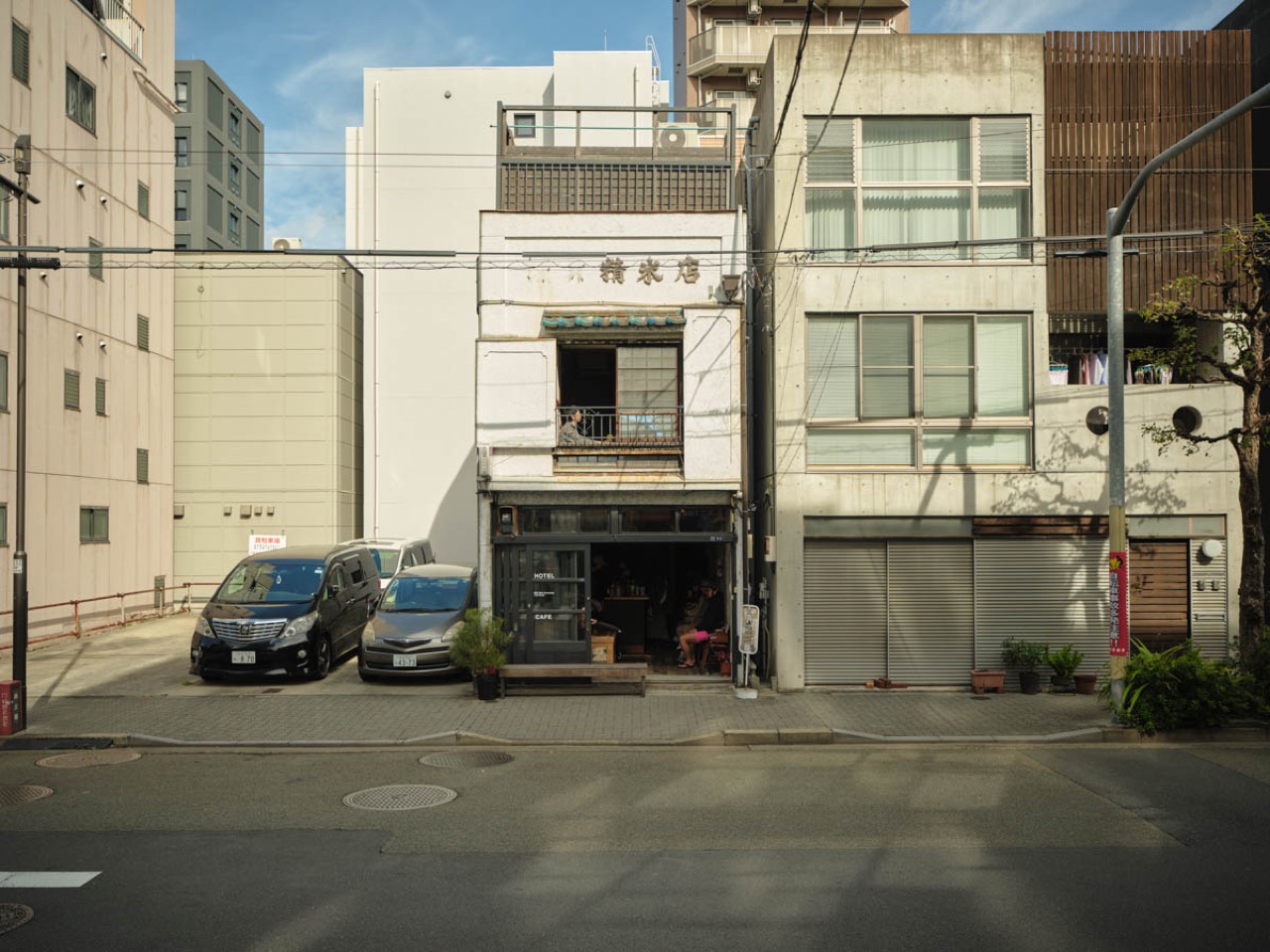
1.The address is 2-3-2 Kojima, Taito City. Three minutes on foot from Shin-Okachimachi Station, a little over ten from Kuramae Station. It opened on September 1, 2025, and trades every day from 7:00 to 22:00. A cafe downstairs, a two-room inn on the two floors above. The operator describes the building as a rice mill built 120 years ago.
2.The owner is Vaughan Allison, from Melbourne. He first came to Japan at thirteen and has lived here for close to half his life. With his wife Rie Allison, an architect, he opened the first shop in April 2020 in Higashi-Nagasaki, a neighbourhood just west of Ikebukuro, in a boutique that had stood for 50 years. The name comes from the Wadawurrung language of Aboriginal Australia and means a hut where even passers-by can come in and rest.
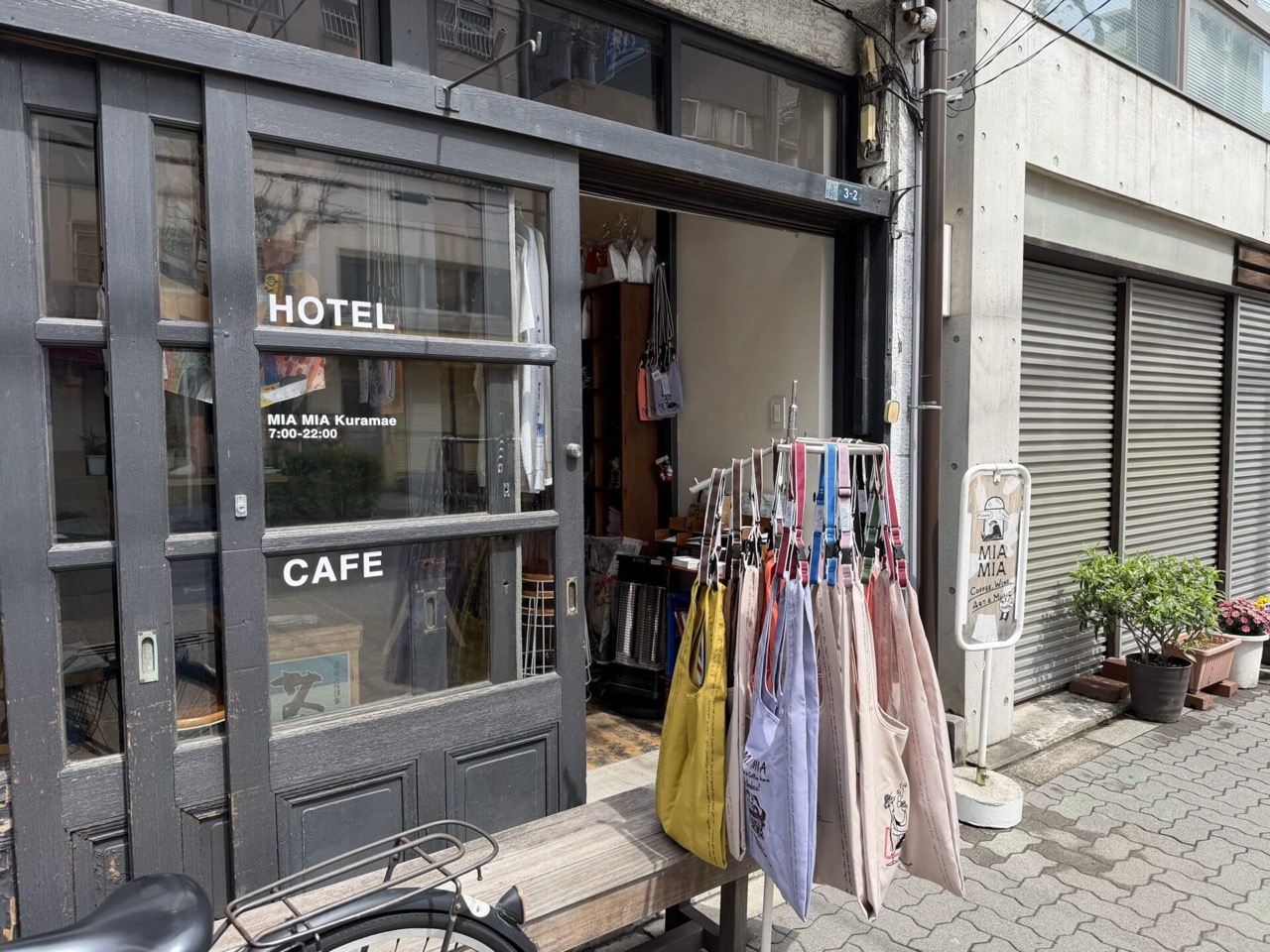
3.Before the cafe, the building went by another name. From 2018, Luis Mendo and Yuka Okada Martín Mendo ran an artist residency here called Almost Perfect. The ground floor was a gallery and the upper floors were rooms where artists lived and worked; over six years more than 100 artists passed through. The residency closed on February 1, 2025, and seven months later a cafe moved into the same address.
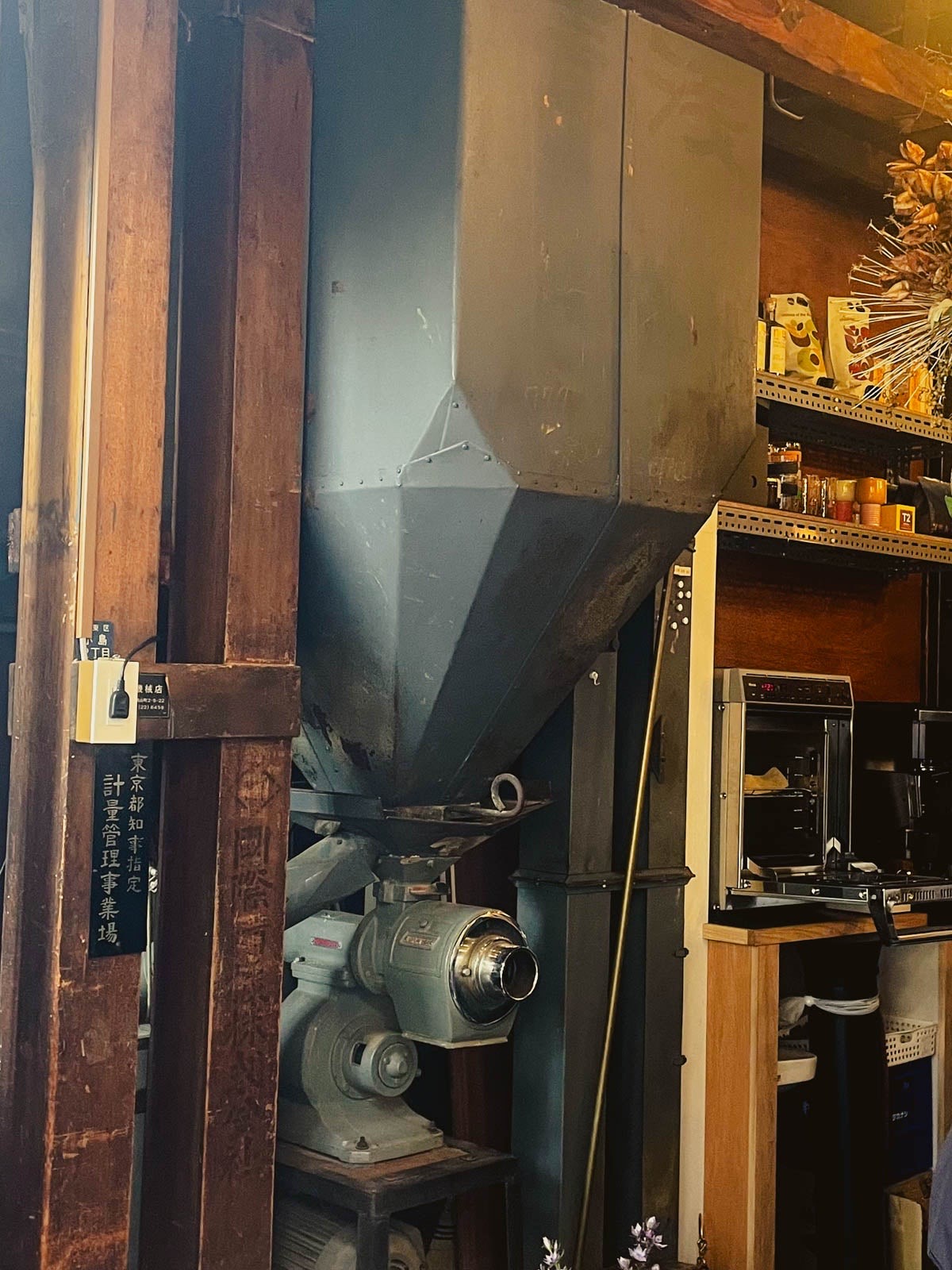
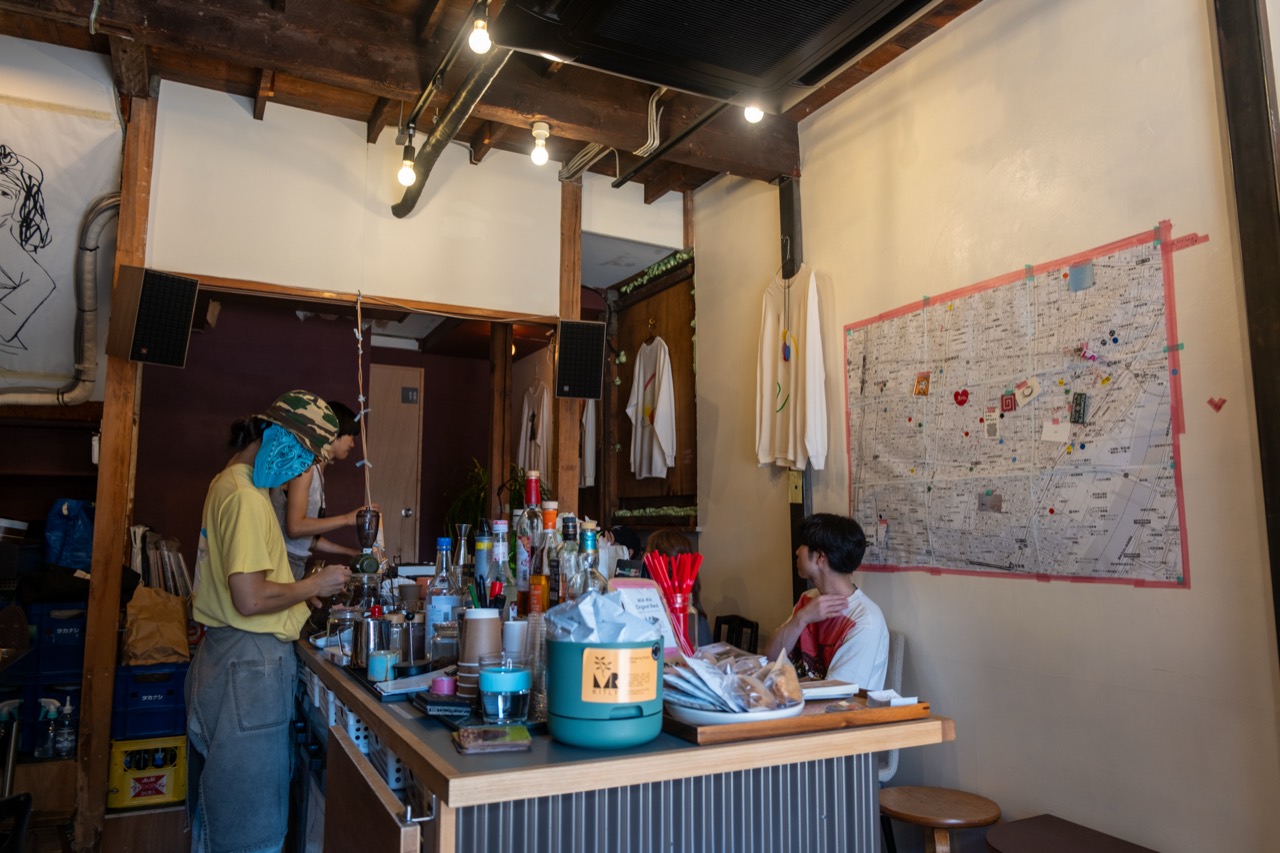
4.The rice shop's sign stayed up, and the wooden chests that once held tea leaves became tables. At the back stands a single rice-polishing machine. First-timers usually take it for a coffee roaster. There is no roaster in this shop at all, and asking about the mistake is how most customers start talking to the barista.
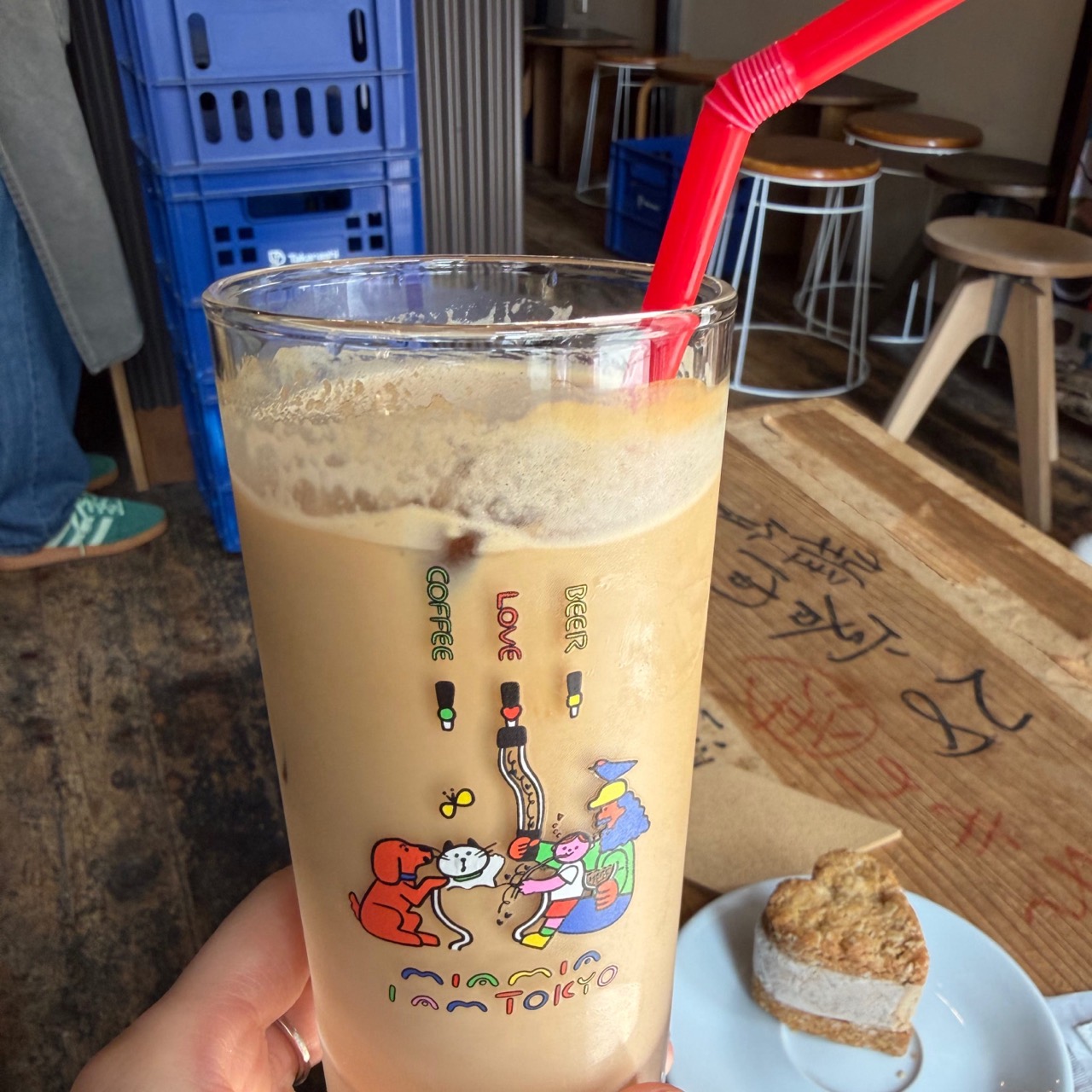
5.The menu runs on puns. The hot latte is 「愛ce LATTE」 and the iced one 「NICE LATTE」, both 800 yen, while the cappuccino, a twist on an actor's name, is 「Leonardo DiCappuccino」, listed at 900 or 950 yen depending on the publication. Melbourne-style espresso with steamed milk is the core of the menu, so the first sip brings the sweetness of the milk and the feel of the foam before any acidity from the beans.
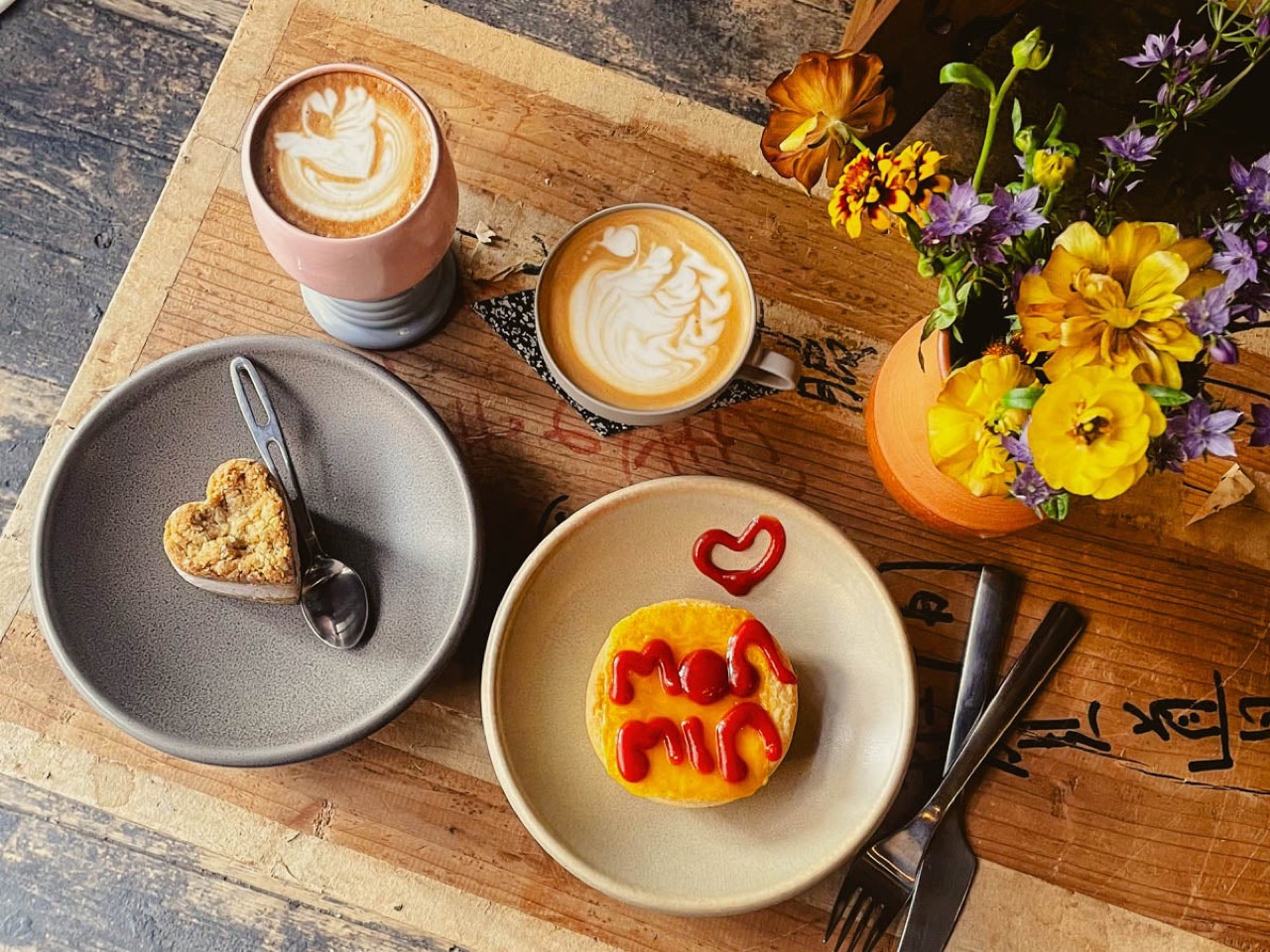
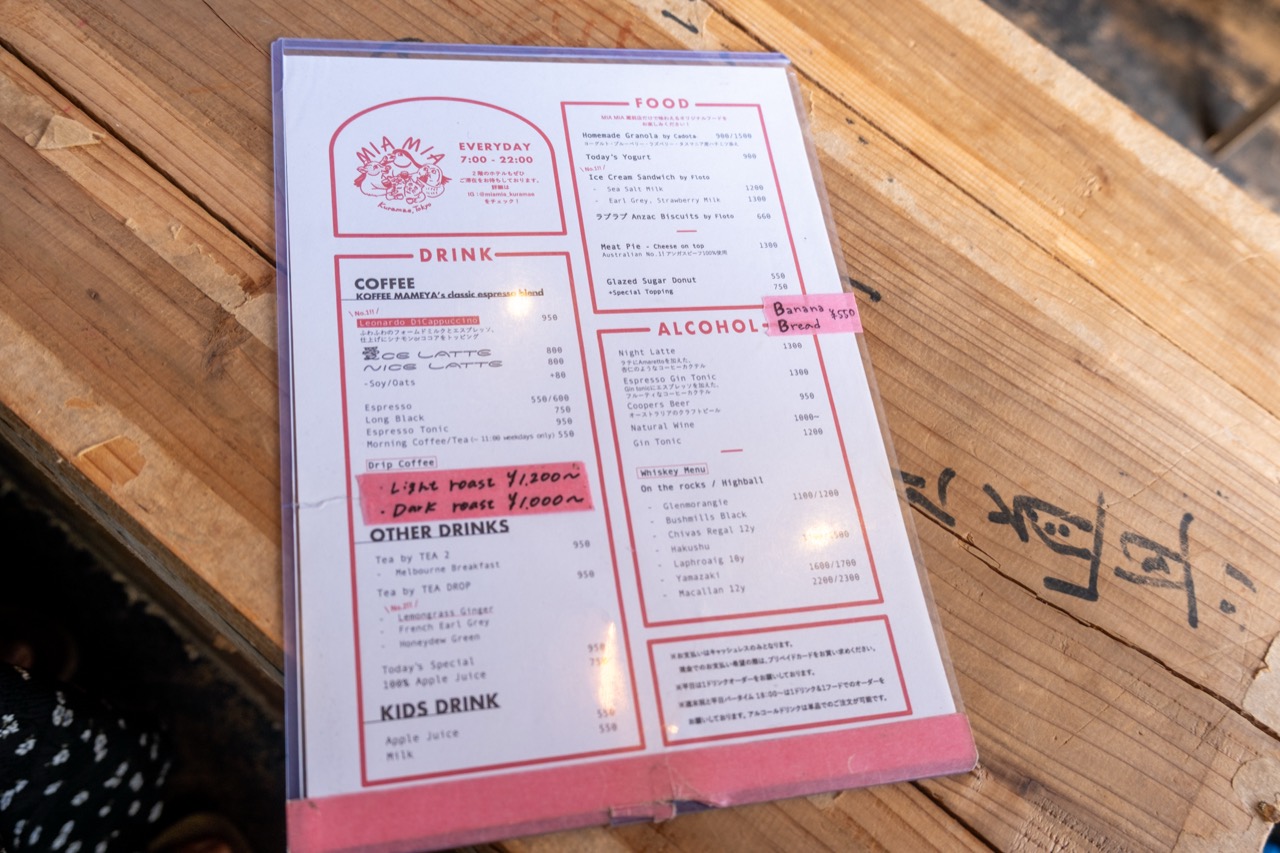
6.The coffee is not tied to a single roaster. A magazine piece from the first shop's early days said the lattes used an original blend from KOFFEE MAMEYA; there is no public record of which beans the Kuramae shop uses. The food is straight from Australia. A meat pie costs 1,300 yen, an Anzac biscuit, the oat biscuit, 660 yen. The ice cream sandwich, a scoop between two Anzac biscuits, is 1,200 yen, and in one bite the crisp, crumbling biscuit meets cold, melting cream.
7.What this shop sells alongside the coffee is conversation. Allison says Australian baristas wake you up twice: once with the coffee, once with a human greeting. Staff speak first to anyone who walks in new, and on a map of Kuramae on the wall customers pin notes about shops in the neighbourhood. One visitor's write-up records a local with a dog handing out cards for a nearby bakery.
8.The approach took shape first at the original shop. Rie, the architect, put the kitchen at the window and opened an arched window so the street runs straight into the bar, and gathered all the seating around one large table. Every Wednesday at 6:55am there is radio calisthenics in the car park next door. A little over ten people turn up, from pensioners to people in their twenties. The shop makes no real distinction between those who came for coffee and those who simply live nearby.
9.Kuramae adds hotel guests to the mix. When a traveller staying upstairs comes down the stairs in the morning, they land in the room where locals drink their lattes. MEN'S NON-NO reports the space was planned so that cafe customers and guests would mingle naturally. Travellers sit among the regulars instead of at a sightseeing spot, and the regulars meet a new face every day.
10.When the couple opened the first shop, they set break-even at 80 cups of coffee a day. Before opening, about 15 people a day walked past the storefront. With passing trade that thin, 80 cups was never going to happen, so the only route was getting people who came once to come back. Radio calisthenics and the big table were the answer.
11.Kuramae's sales are not public. Take an average spend of 1,100 yen for a drink and a sweet, and 150 customers a day, and a month comes to about 4.95 million yen, roughly 46 million won. An estimate. The long hours make labour heavy. In return, the early opening catches both the commuter's cup and the guests' breakfast.
12.Room rates are not public either. Bookings come only through a Google form on the website. Following rates for small inns around Kuramae, at 25,000 yen a night and 70% occupancy the two rooms earn 1.05 million yen a month. An estimate. Through a travel site, around 15% of that would have gone out as commission.
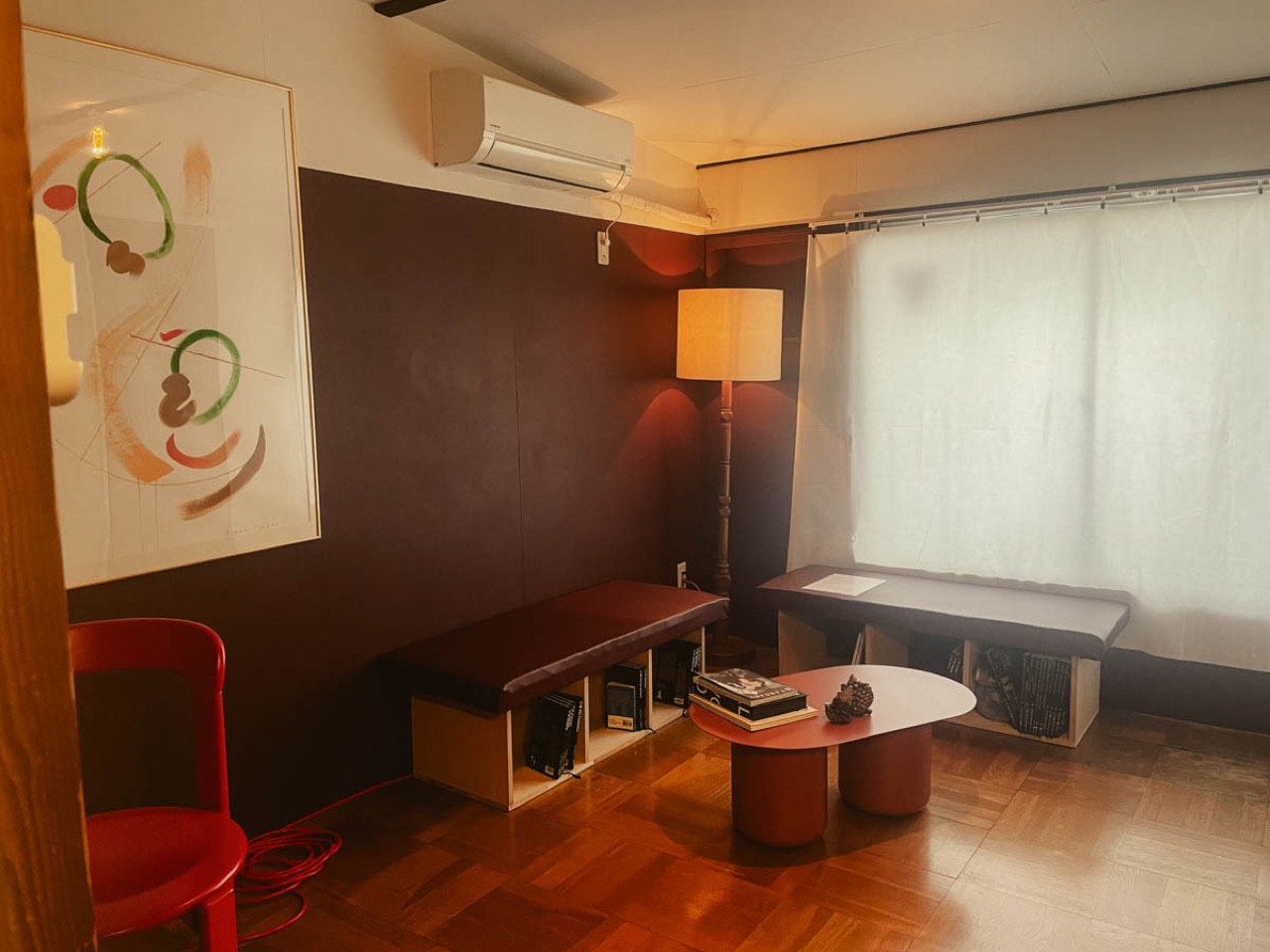
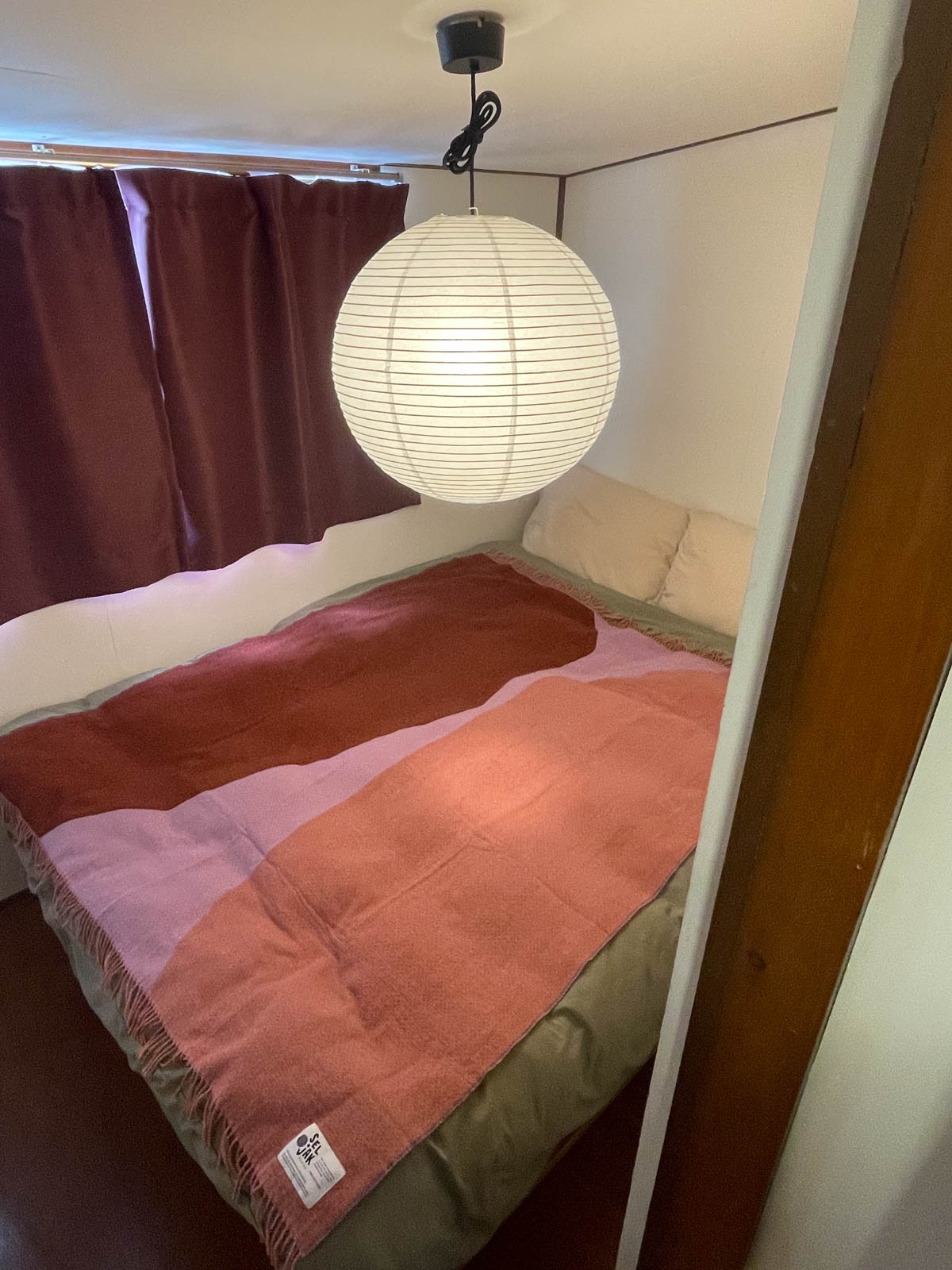
13.The rooms earn about a fifth of what the cafe does. So why bother with two rooms at all? Lease a three-storey wooden building whole and you pay rent on two upper floors a cafe cannot use; the rooms carry that share. With only two of them, cleaning and check-in are small enough for cafe staff to handle during service.
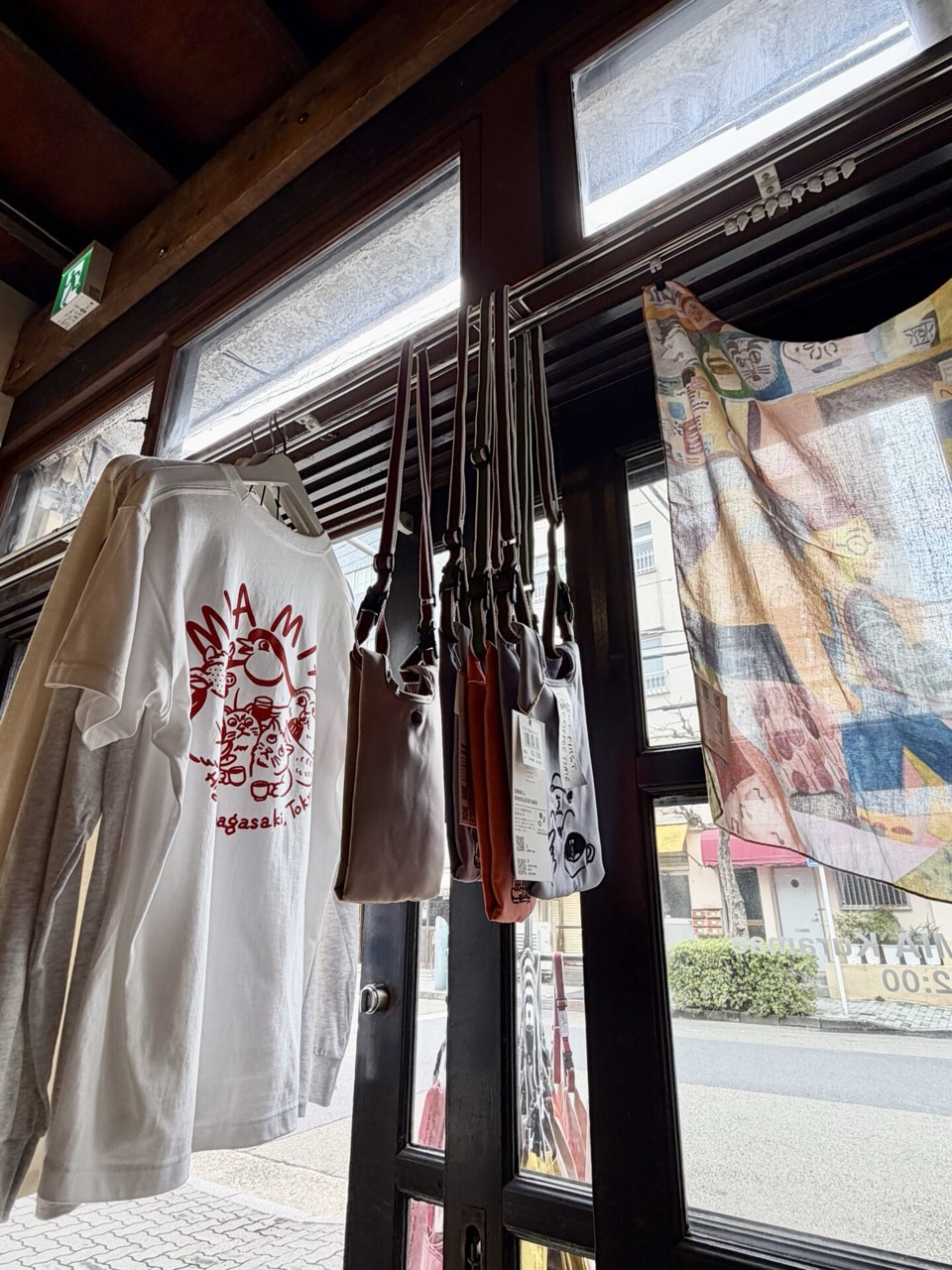
14.Merchandise earns its own money. The animal illustrations go onto glasses, T-shirts and tote bags, and since the first shop there have been hats made with the hat brand GENERAL THINGS. In the evening records go on, one more excuse for neighbours who do not care about coffee to step inside. Still, the heart of ground-floor sales is the 800-yen latte.
15.The Australian cafes that made a name in Tokyo were mostly large brunch spots in busy districts. MIA MIA went the other way and chose old buildings away from the main stations. In the first shop's neighbourhood, the people passing by numbered a fifth of the target cup count. In Kuramae, by putting travellers to bed upstairs, the shop brought in its own passers-by. The rooms where the residency once housed artists now house paying guests.
16.MIA MIA took over a closed residency building within seven months and has filled a year with a ground-floor cafe and two guest rooms. The regulars-first operation built to clear 80 cups a day at the first shop now extends, in Kuramae, to travellers sleeping upstairs. In Korea, the same layout would hit a wall at the upstairs rooms first. The foreign-tourist urban homestay licence requires the owner to live in the house, and using the upper floors of a neighbourhood commercial building as guest rooms means changing its designated use to lodging. The older the commercial building, the sooner the cost of meeting fire and evacuation standards arrives, ahead of any cafe fit-out.