The Frankie Shop, the Paris and New York label known for oversized suiting, opened its first Italian store in Milan on September 23. Of its 230 square metres over two floors, the street-level floor goes to exhibitions and collaborations, and clothes are sold only upstairs. Half of the brand's revenue comes from online.
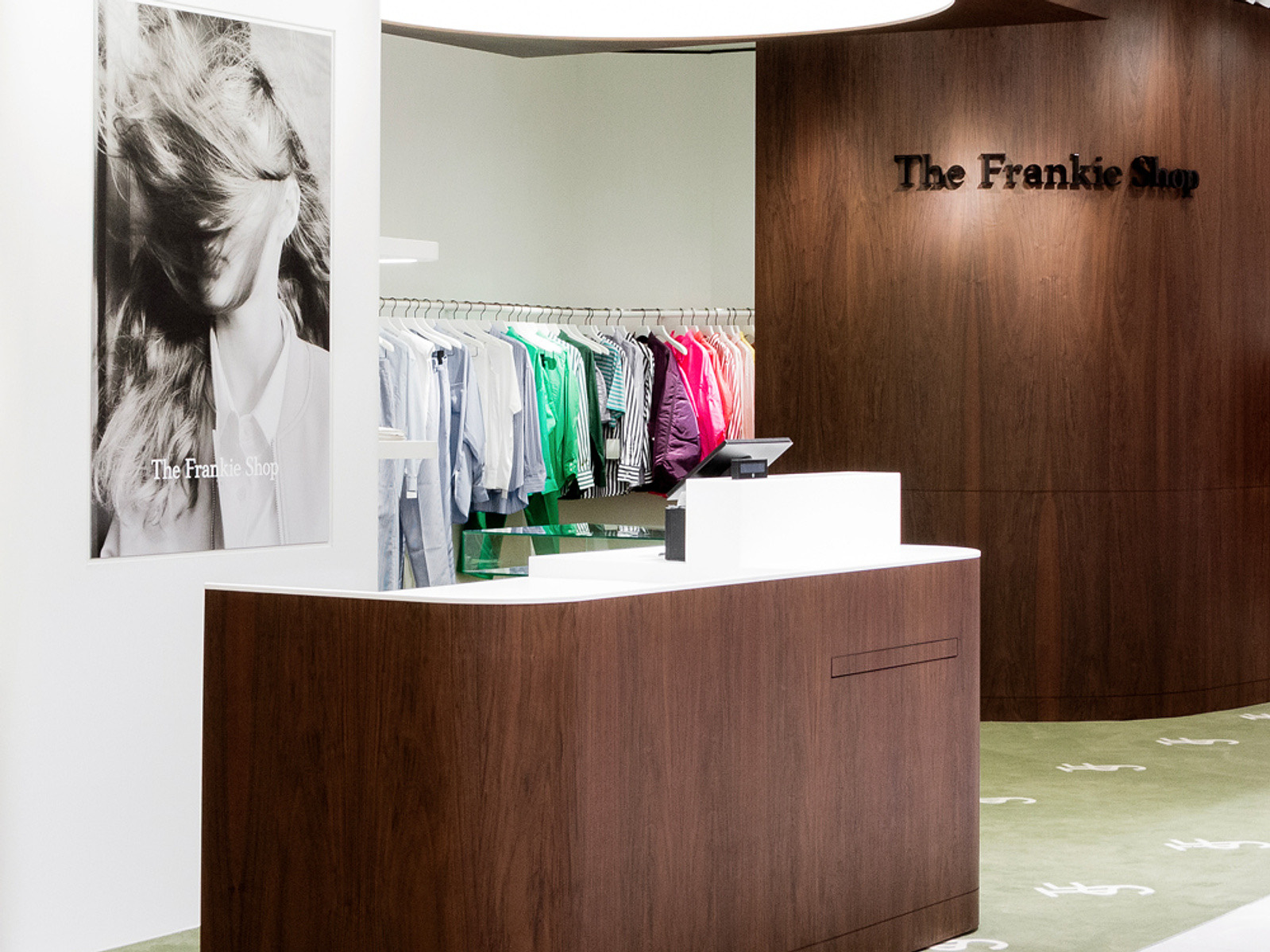
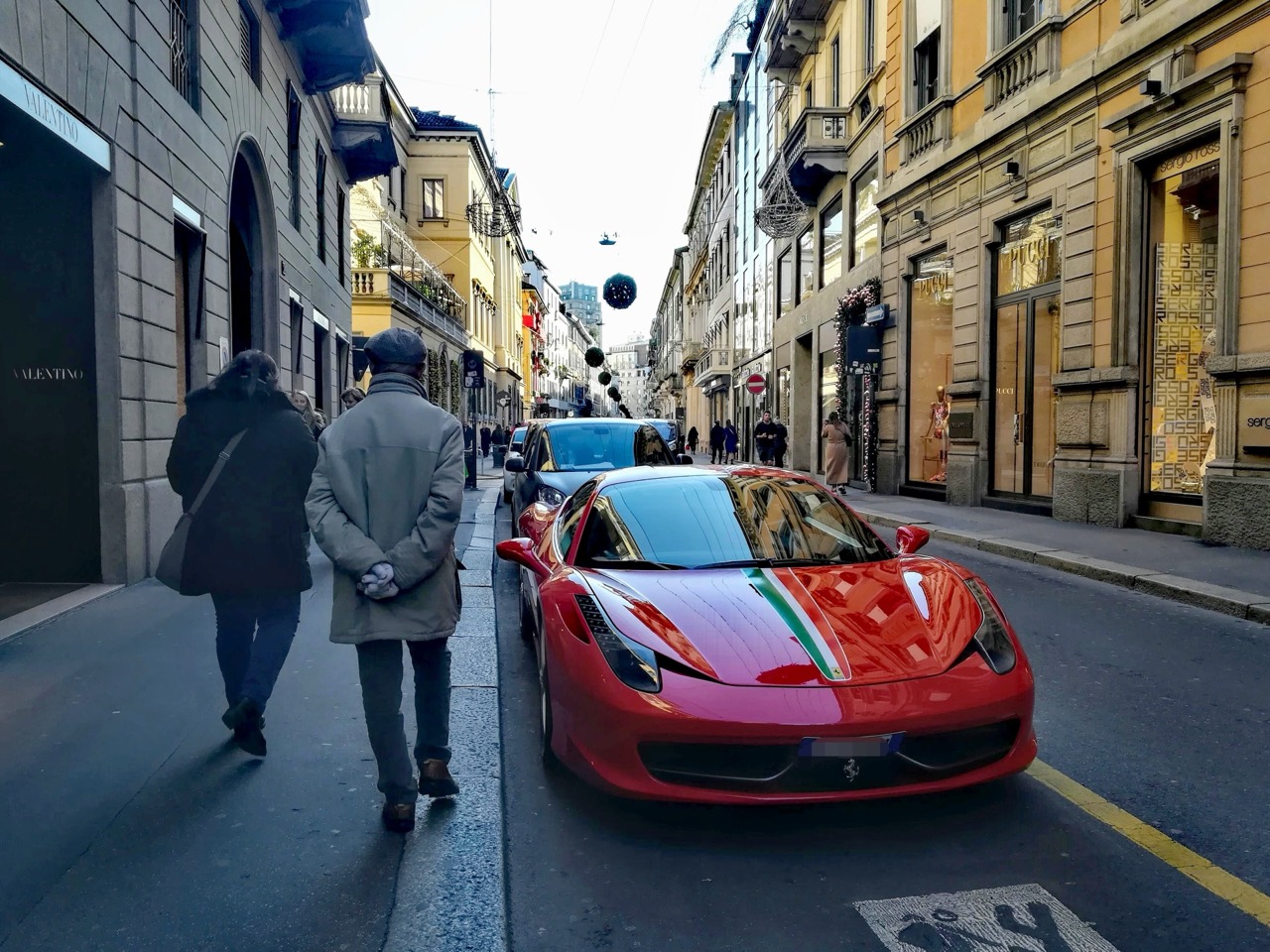
1.The address is 26 Via San Pietro all'Orto, a side street linking Via Montenapoleone with Corso Vittorio Emanuele II, with Aspesi in the next building. The store covers 230 square metres, about 70 pyeong, on two floors. The ground floor you walk into from the street is a gallery for artists' shows and collaborations. The clothes hang upstairs.
2.The founder is Gaëlle Drevet, a former French journalist. She started in 2014 on New York's Lower East Side with a shop selling a curated mix of other brands' clothes. Today the in-house label's suits and coats, cut with a wide, dropped shoulder, bring in 80% of revenue. There are two stores each in Paris and New York, plus two concessions inside Paris department stores. Milan, eleven years in, is its first permanent store outside those two cities.
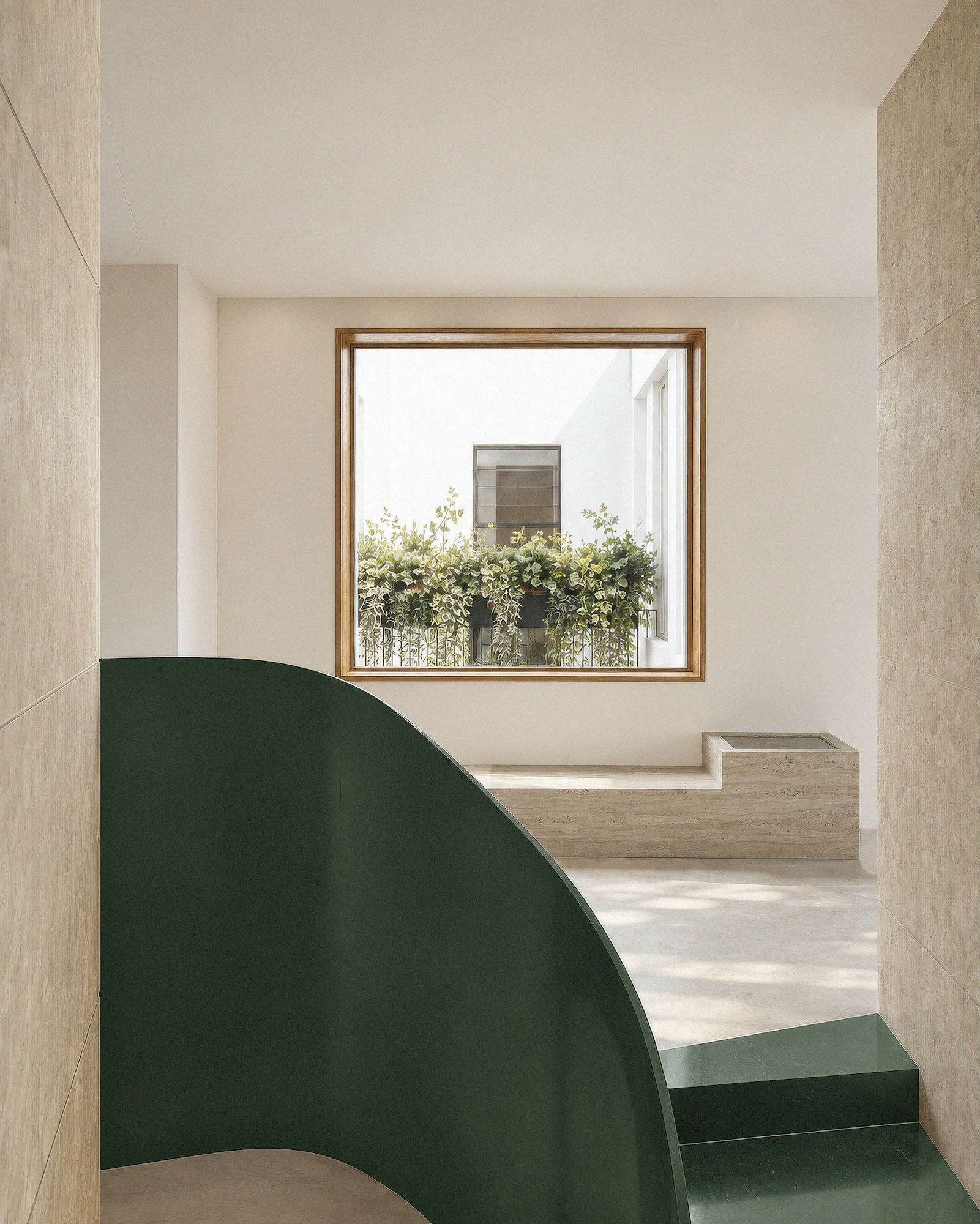
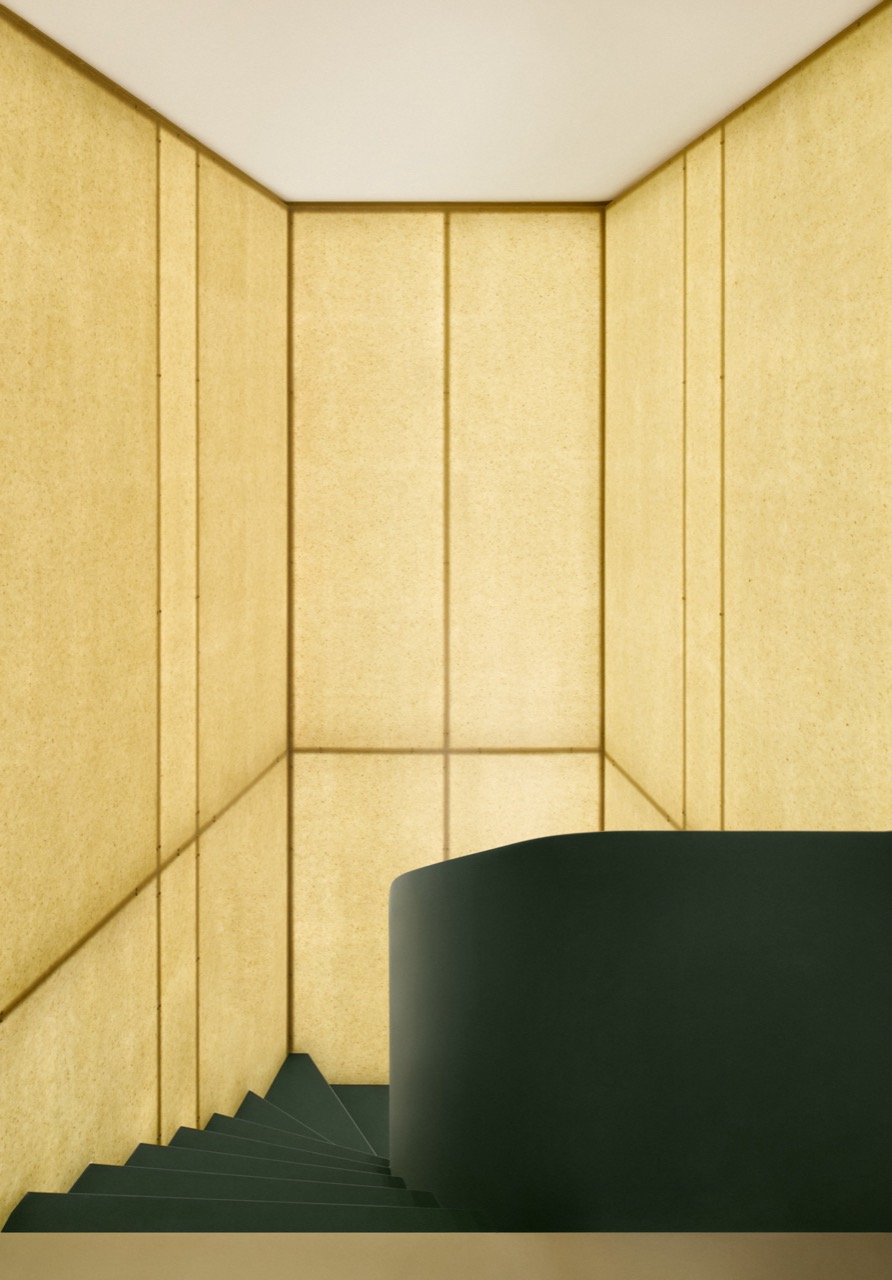
3.The staircase is the face of this store. A banister lacquered in deep green curves upward, and the stairwell walls are wrapped in panels that seem to glow yellow from within. Upstairs, the windows face a planted inner courtyard rather than the street, and the fitting rooms are carpeted in a Gio Ponti pattern. Only once you climb to the room where you try clothes on do you step on a Milanese architect's name.
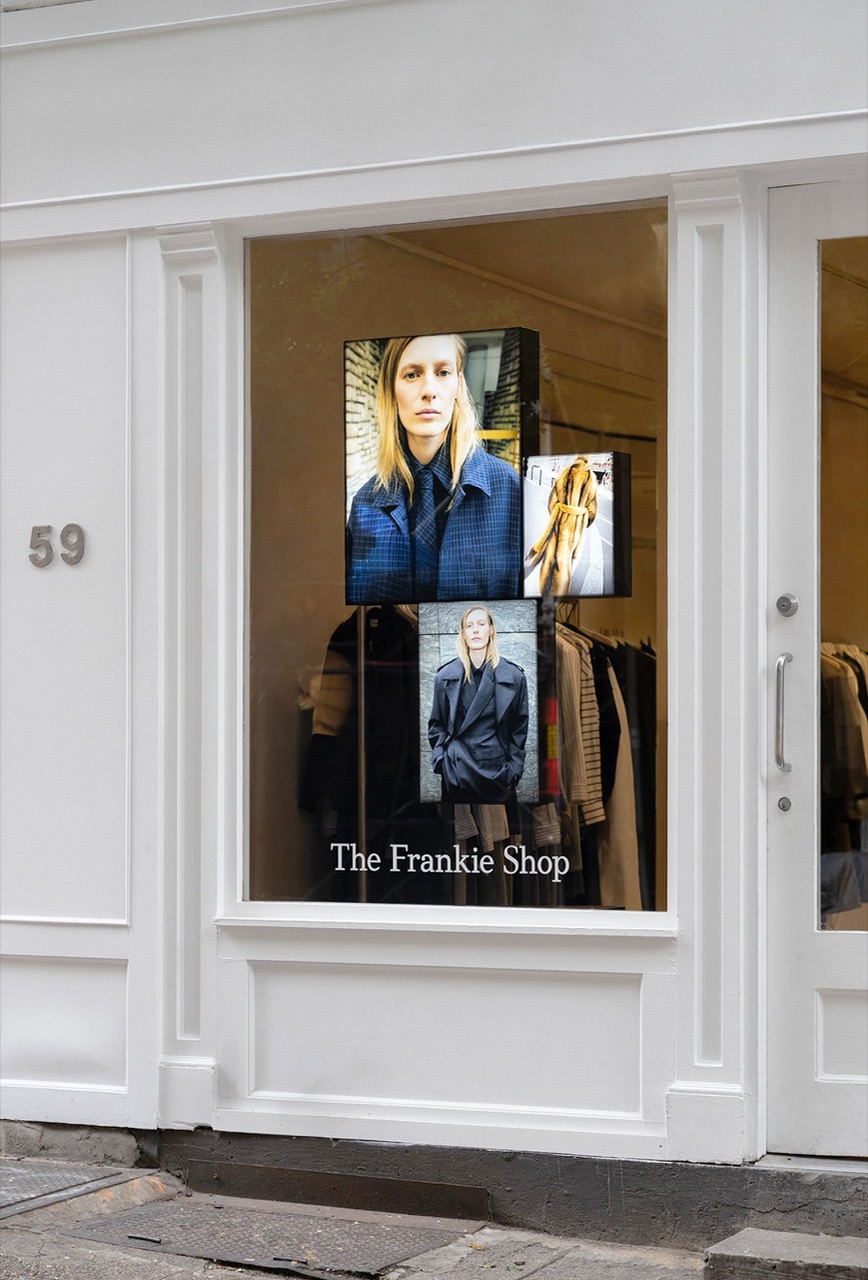
4.The architects are Mattia Nunzio and Isabella De Baviera Galimberti. They cite Casa Malaparte on Capri and Gio Ponti's interiors as references, and scattered Italian modernist vintage furniture through the rooms. The two stores in the Marais in Paris are done in wood, resin and a green onyx table, and the womenswear store has a De Sede DS-600 sofa snaking through its centre.
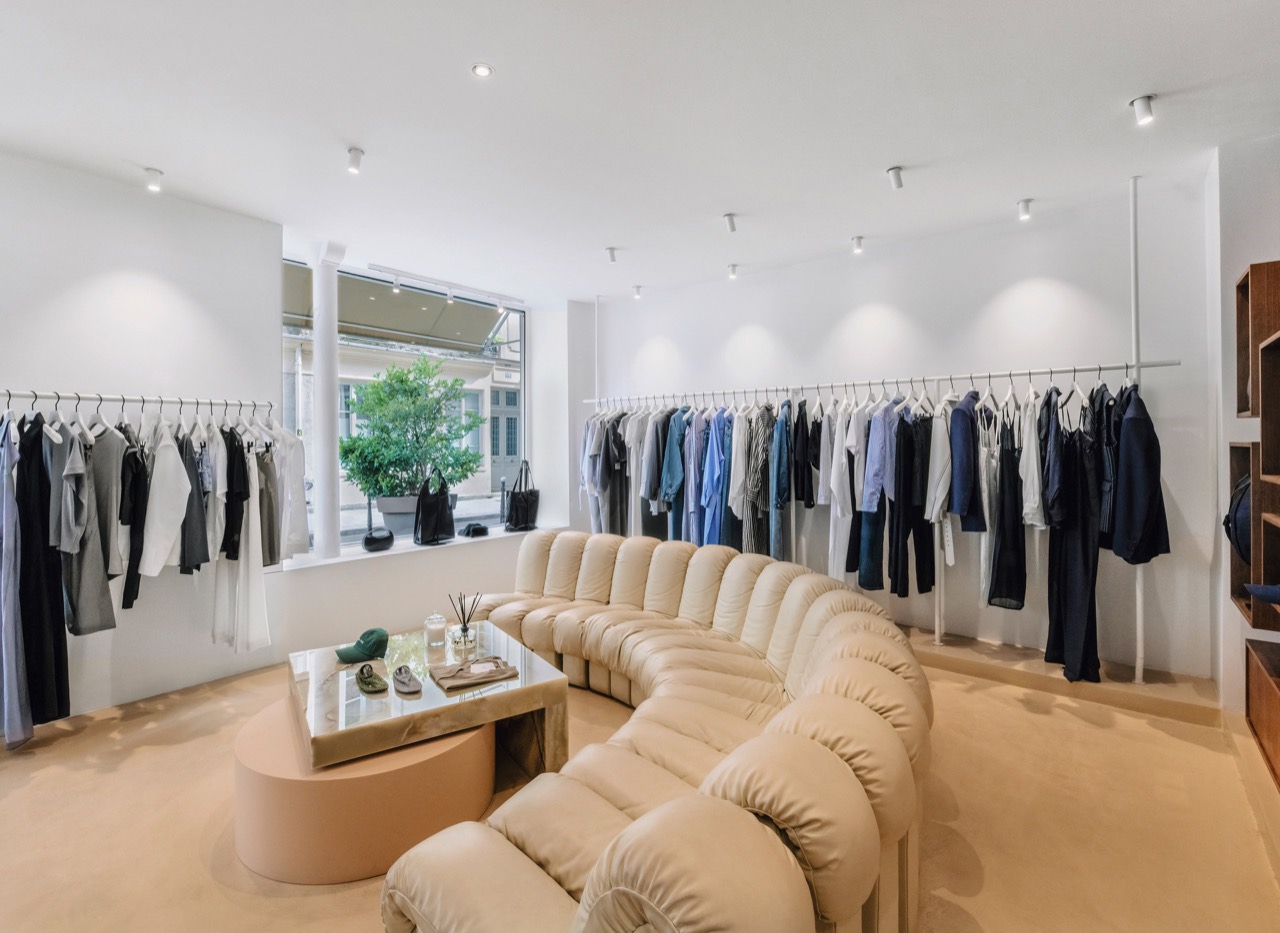
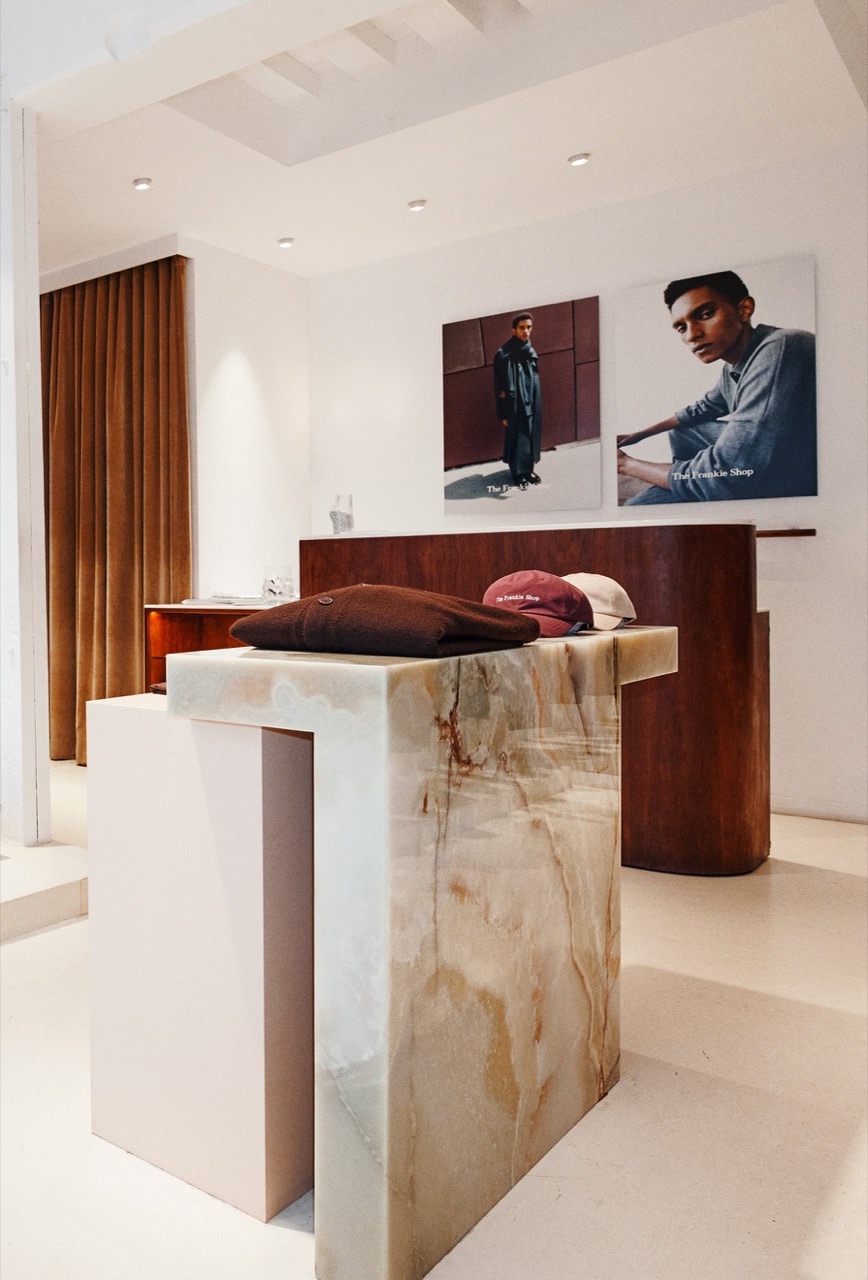
5.Upstairs, the house label hangs beside other brands such as Sportmax, Hed Mayner, Calcaterra and Bevza. A capsule collection released for the opening lays violet, electric blue and pink over a base of muted tones.
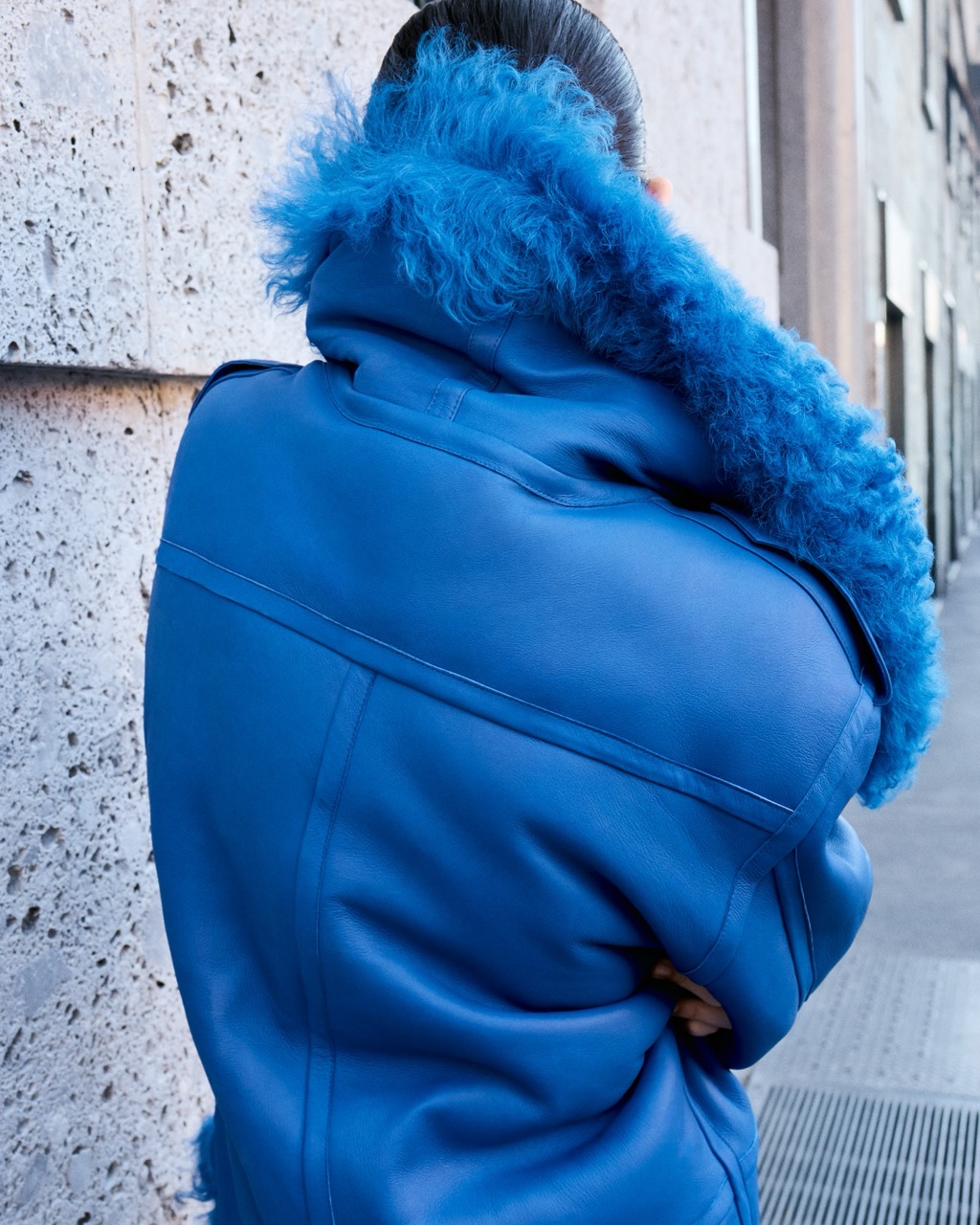
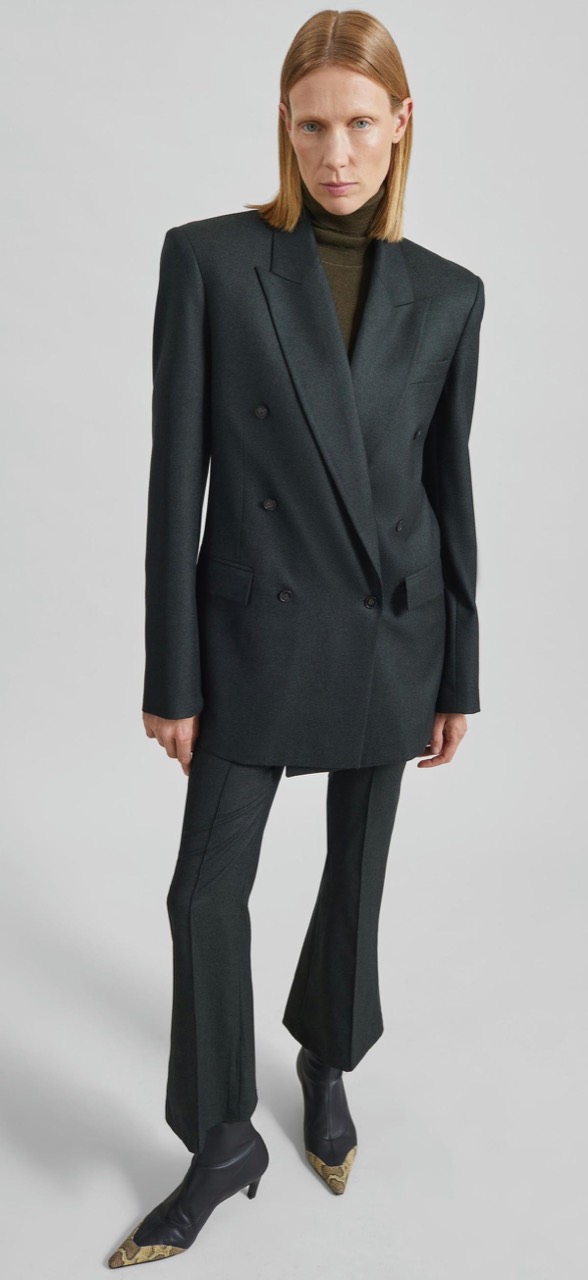
6.So what are customers buying? The silhouette of luxury tailoring. The signature Jane coat is €495 (about KRW 790,000) and the average online selling price sits around $300, while a luxury house coat with a similar dropped shoulder costs several times that. Photos of influencers wearing the clothes spread on Instagram first, and customers come in looking for the shoulder line in those pictures. Drevet describes the core of the brand the same way: the line where girl meets boy.
7.Many of the factories making those clothes are in Korea. Last November Drevet told an Italian business paper, "We are very well known in Korea because we produce a lot there." She pointed to good fabric at small order quantities as the reason. Only the best-selling belts and gloves are left to Italian factories.
8.Revenue was $40 million (about KRW 55.2 billion) in 2022 and rose 15% in 2024. This year's figure is undisclosed, though growth has reportedly picked up. The company's stated goal: double revenue by the end of 2027.
9.Money comes in through three channels. Online 50%, own stores 30%, wholesale 20%. Wholesale means roughly 50 partners, online retailers like Net-a-Porter and Mytheresa plus department stores. For a company that earns half its money on screens, the arithmetic of opening a store starts from a different place than it does for an ordinary clothing shop.
10.Rent on Via Montenapoleone runs €20,000 per square metre a year (Cushman & Wakefield, 2025). No figure is public for the side street a block in. Even at one fifth of that, 230 square metres costs €920,000 a year, about KRW 1.5 billion (estimate).
11.Close to half of that floor area is a floor that sells no clothes. To keep rent within 15% of sales, the store alone would need €6.13 million (about KRW 9.8 billion) a year, which at the average ticket means more than 60 transactions a day (estimate). Drevet has called Italy "always an enormous market for us." Plenty of customers there were already buying online, so the store's numbers only add up once those orders are counted in.
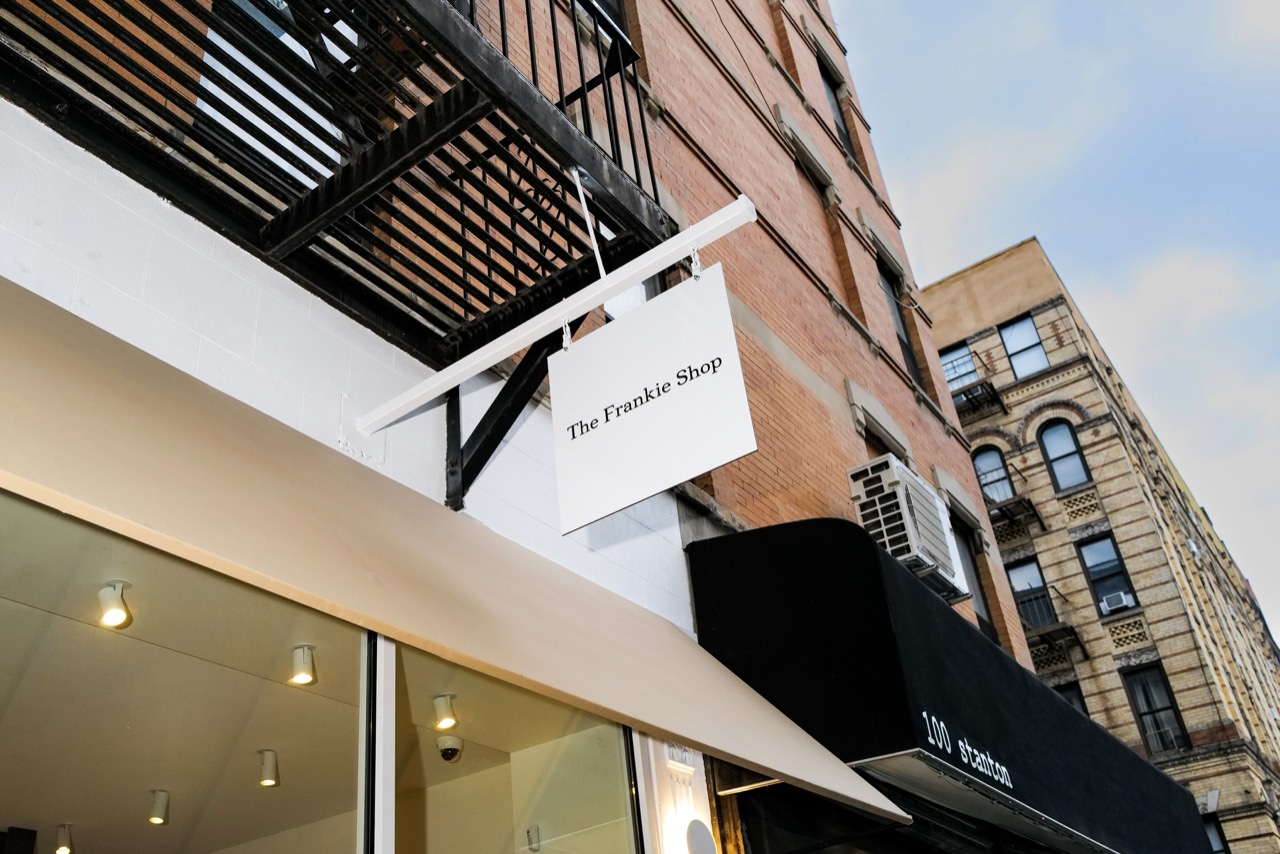
12.The stores grew slowly. The first, on Stanton Street on the Lower East Side, is a 74-square-metre shop, about 22 pyeong. The SoHo store on Crosby Street opened as a pop-up and became permanent when customers kept coming. Milan is three times the size of the first shop.
13.Drevet owns 100% of the company, which runs at a profit without outside investment. Last September it brought in a professional manager for the first time: Sabine Brunner, formerly of MCM and Roger Vivier, became chief executive and is planning the store and overseas expansion. Drevet says she is open to investors, but only for a minority stake.
14.100 Stanton Street was originally home to Pixie Market, a concept shop Drevet opened with a partner in 2006. Eight years later the sign changed to Frankie, and other brands' clothes still bring in 20% of revenue. Brands whose own label sells well usually hang only their own clothes. This one, even in Milan, hangs Italian brands alongside its own and gives the ground floor to other people's work. The habits of a shop that began as a multi-brand boutique seem to have carried over into the 70-pyeong space.
15.London is next. The lease is already signed and the store opens in spring 2027. In the meantime there will be a two-month pop-up in Shanghai and a one-week pop-up in Japan in late October. A bag line is also in the works, though Drevet draws a line: she does not believe in the it bag.
16.A brand that earns half its revenue online took a 70-pyeong space on a Milan side street and turned the street-level floor into a room that sells nothing. Paying the rent from store sales alone would take more than 60 sales a day, so the store works more like a signboard pulling in Italian online orders. For Korean designer brands that get their clothes from the same Korean factories, the obstacle to following this sequence is not the factory. Open a first store in a city where nobody is buying from you online yet, and there is no room from day one to leave the ground floor empty.