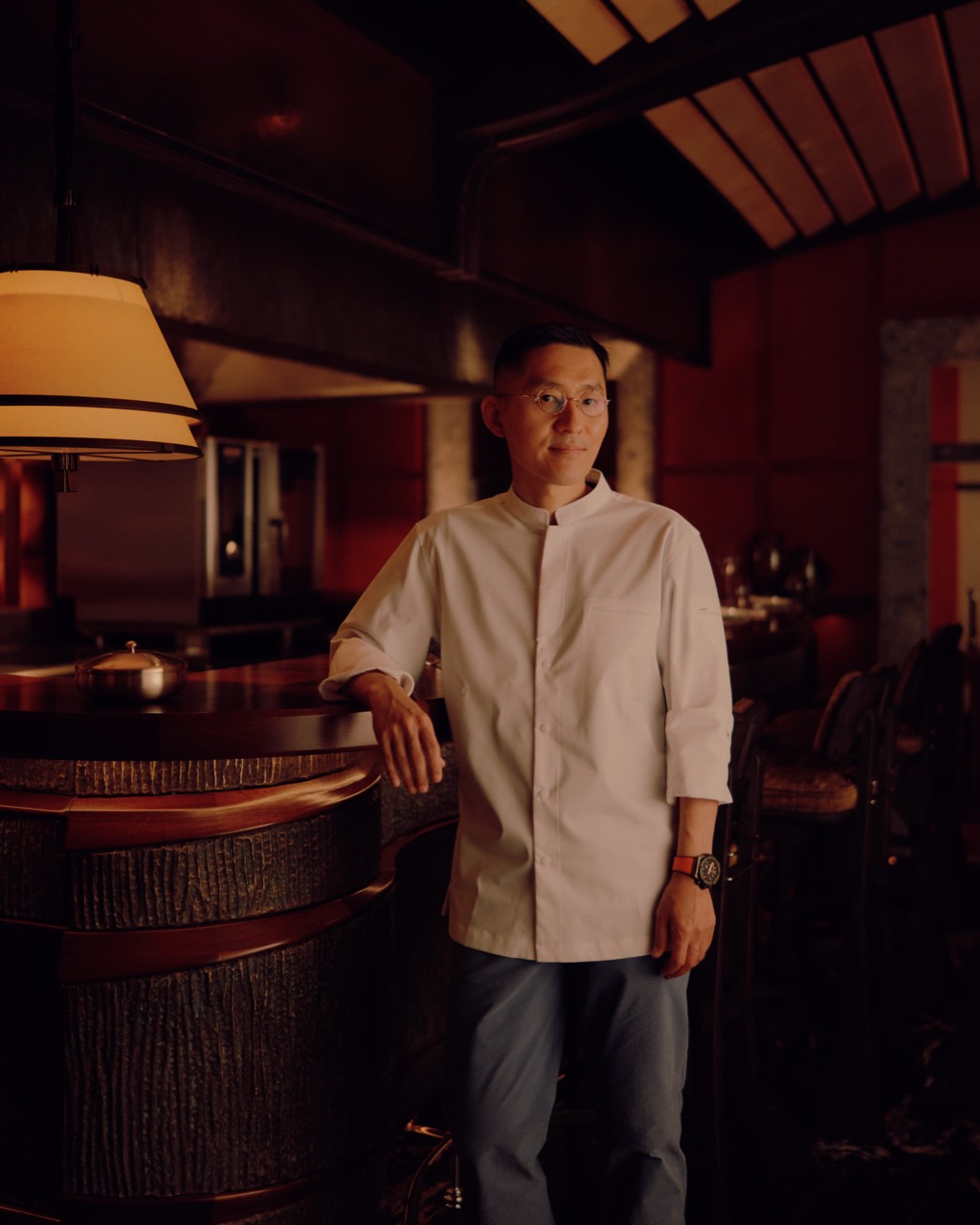
Mingoo Kang, chef of the three-Michelin-star Mingles, opened his first restaurant in a hotel beside Place Vendôme in Paris on September 17. Instead of a tasting menu he serves small plates and galbi wrapped in leaves, and only at dinner.
1.On September 17, the Korean restaurant SEOK opened at Park Hyatt Paris-Vendôme, 5 rue de la Paix in the 2nd arrondissement. It is the first Paris restaurant from Mingoo Kang, who runs Mingles in Cheongdam-dong, Seoul. Mingles earned three Michelin stars in 2025 and ranked fifth on Asia's 50 Best Restaurants the same year. The name comes from the chef's father.
2.A hotel of 156 rooms, 45 of them suites. The building already holds PUR', a one-star French restaurant run by chef Jean-François Rouquette, and both dining rooms were designed by the Franco-Mexican architect and artist Hugo Toro. They even share a reservation number. SEOK opens Tuesday to Saturday at 5:30 pm and closes at 10 pm. There is no lunch service.
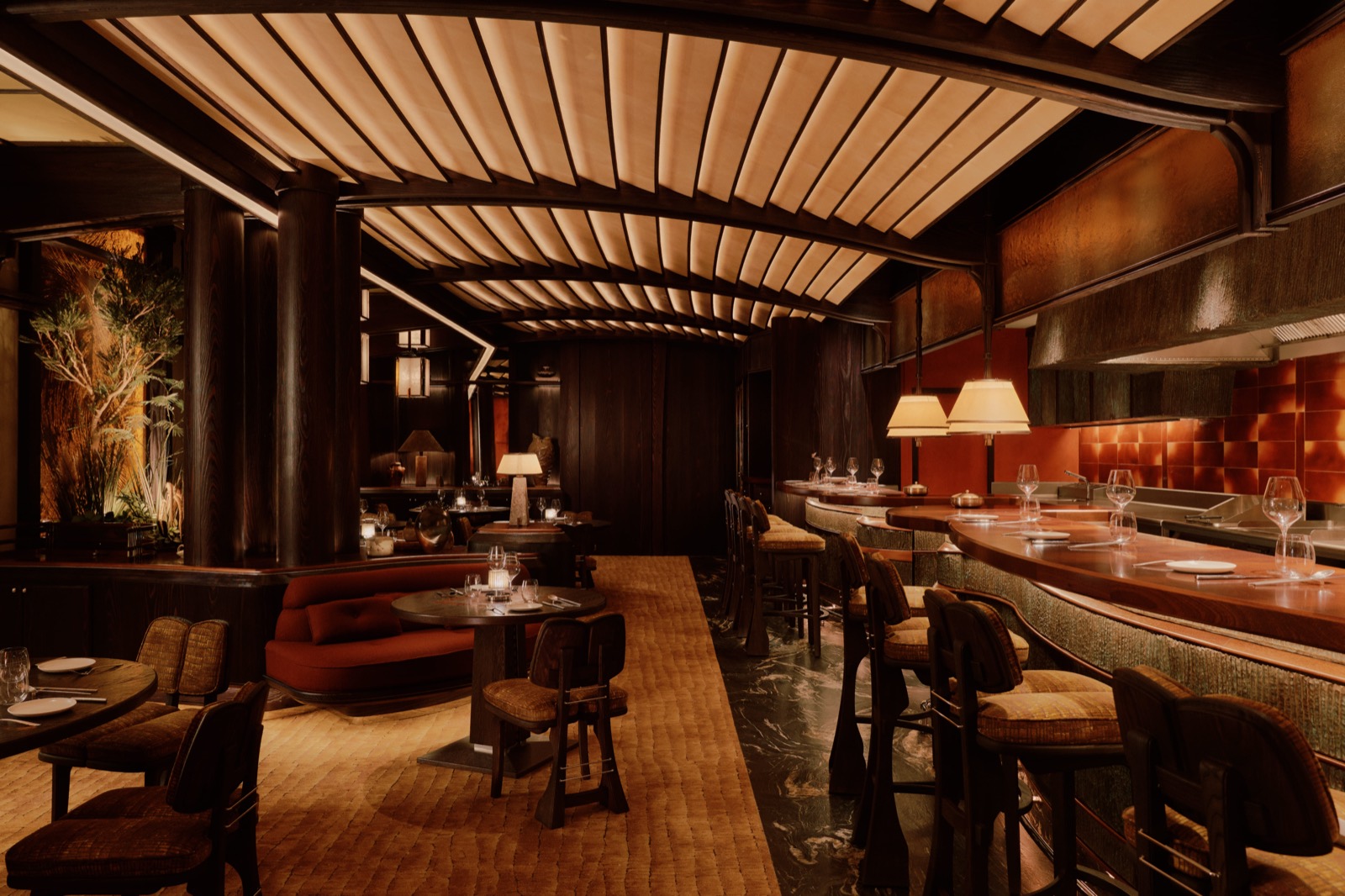
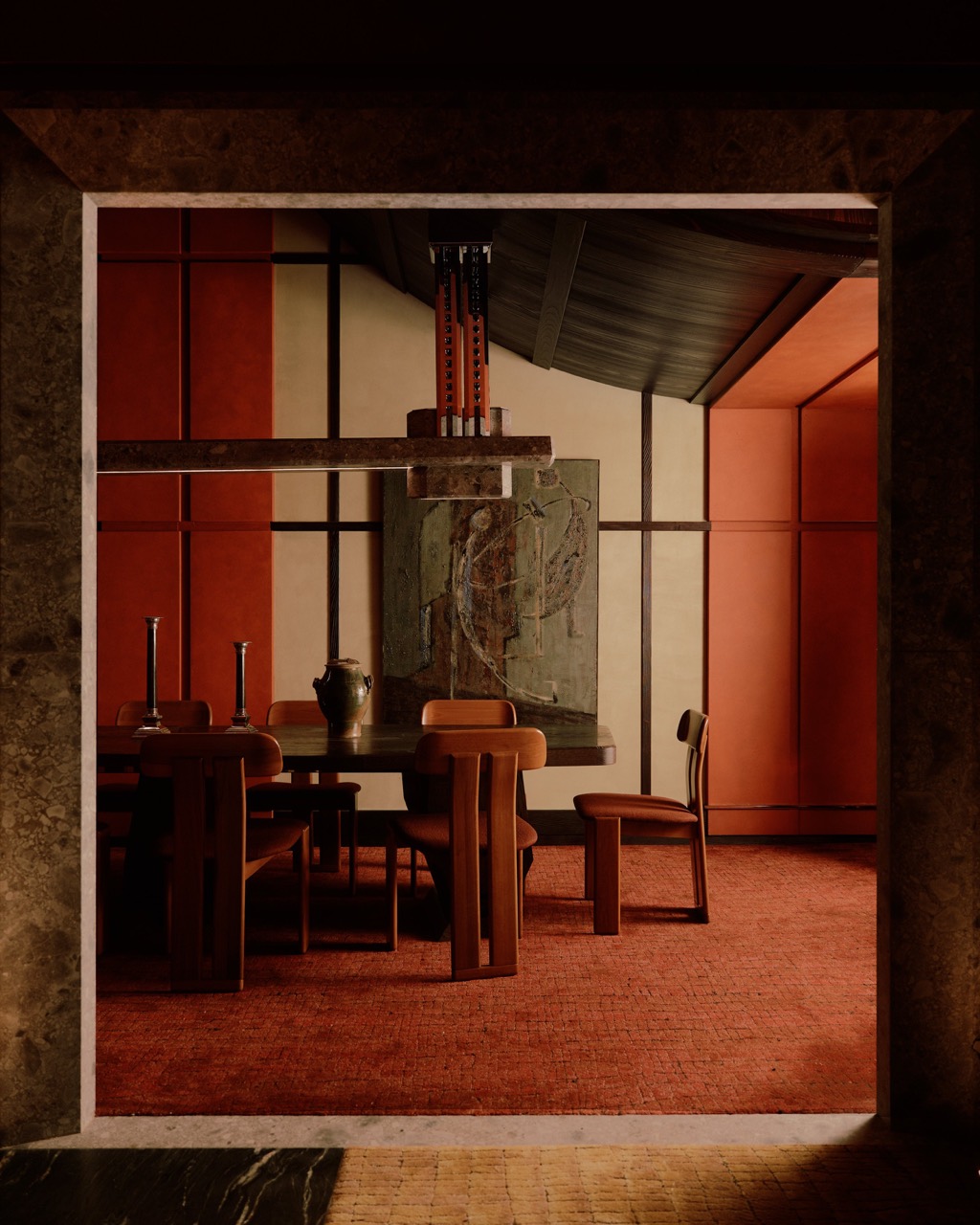
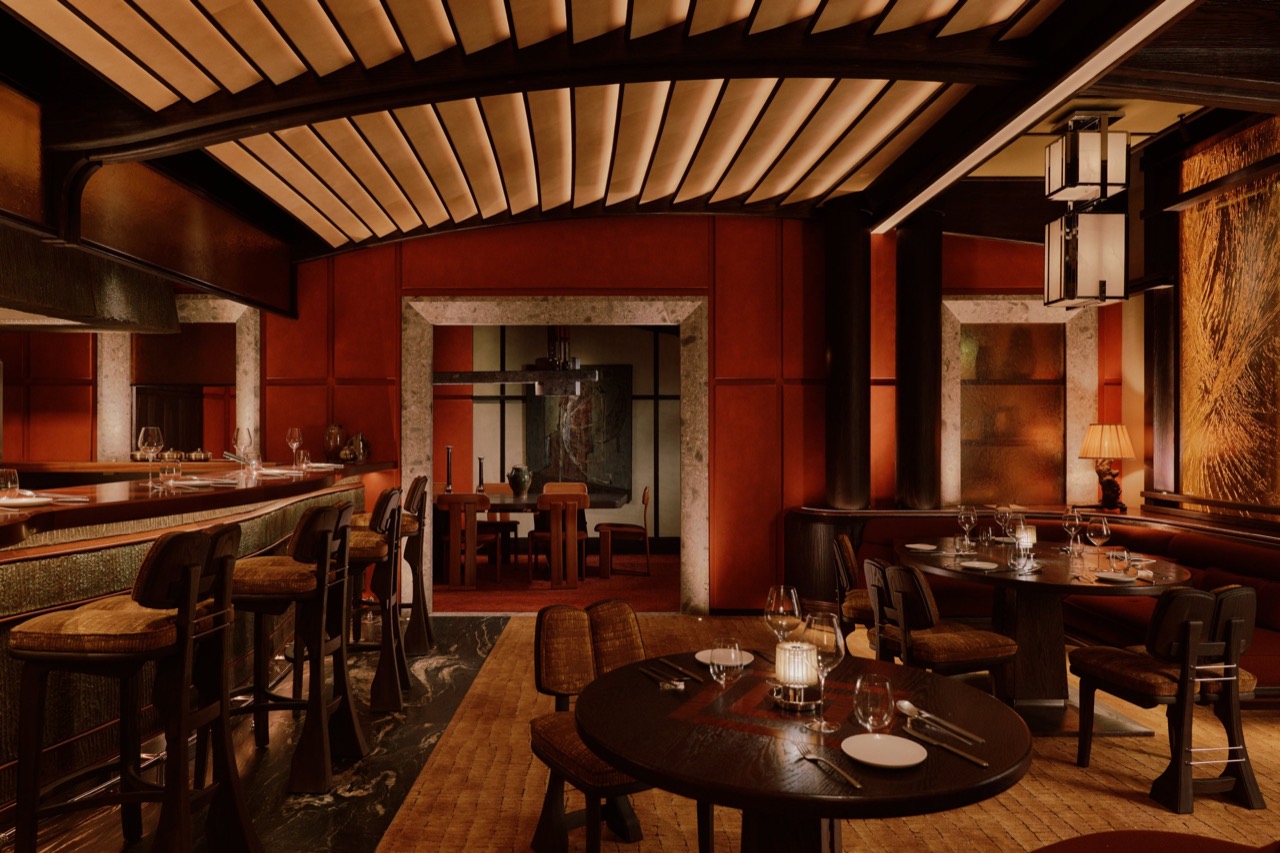
3.Past the door, the open kitchen runs straight into a dining bar lined with counter seats. Further in sits a room lit in amber, plus one private room for 10. Walls and furniture are built in black and brown wood with red plaster between them, and parchment panels curve across the ceiling. Hammered copper, crackled lacquer and ceramics complete the materials. The seat count has not been published yet.
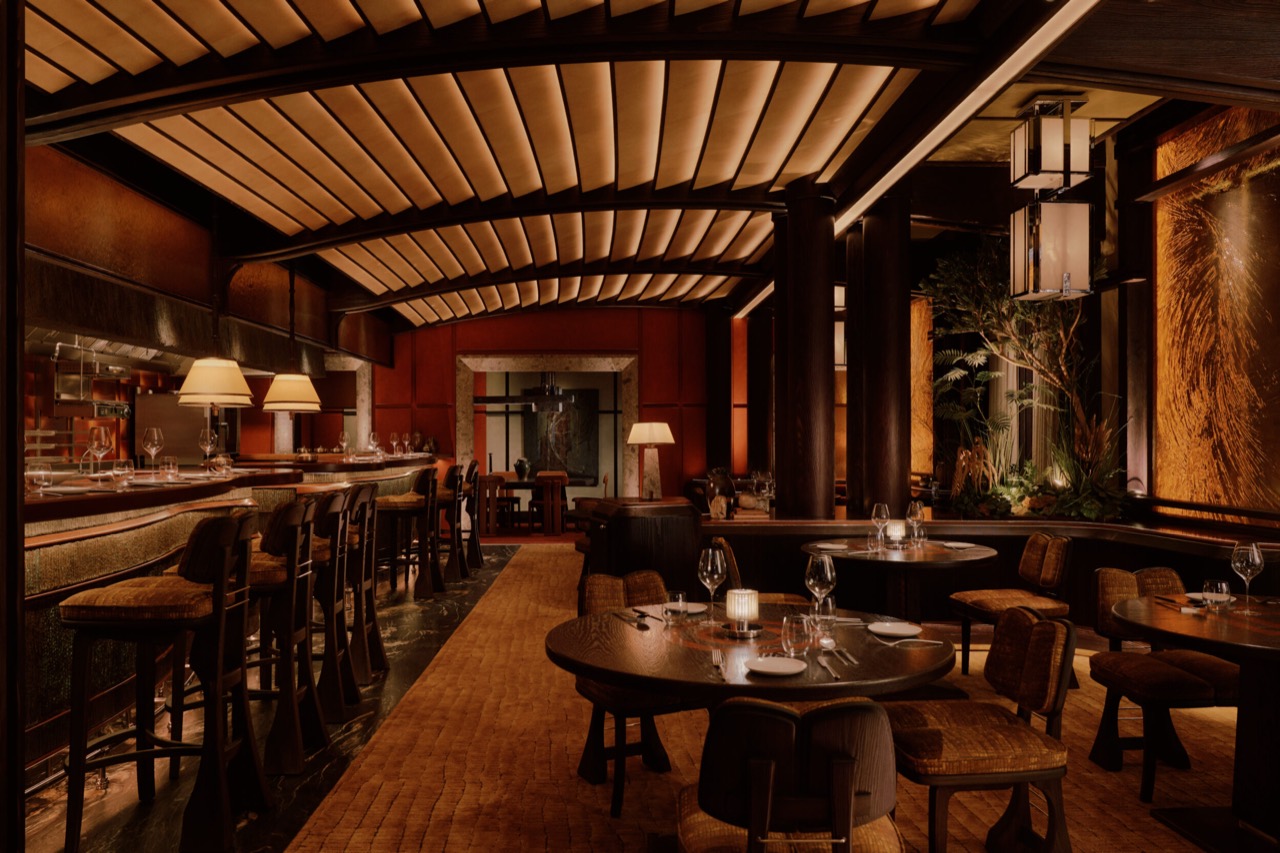
4.The light does not fall from above. It filters through the parchment and spreads along the curve of the ceiling, while shaded lamps on each table light the plates at hand height. From the counter, the fire of the open kitchen sits straight ahead. In a dark room only two things are bright, the table and the kitchen, and the diner's eye moves between them.
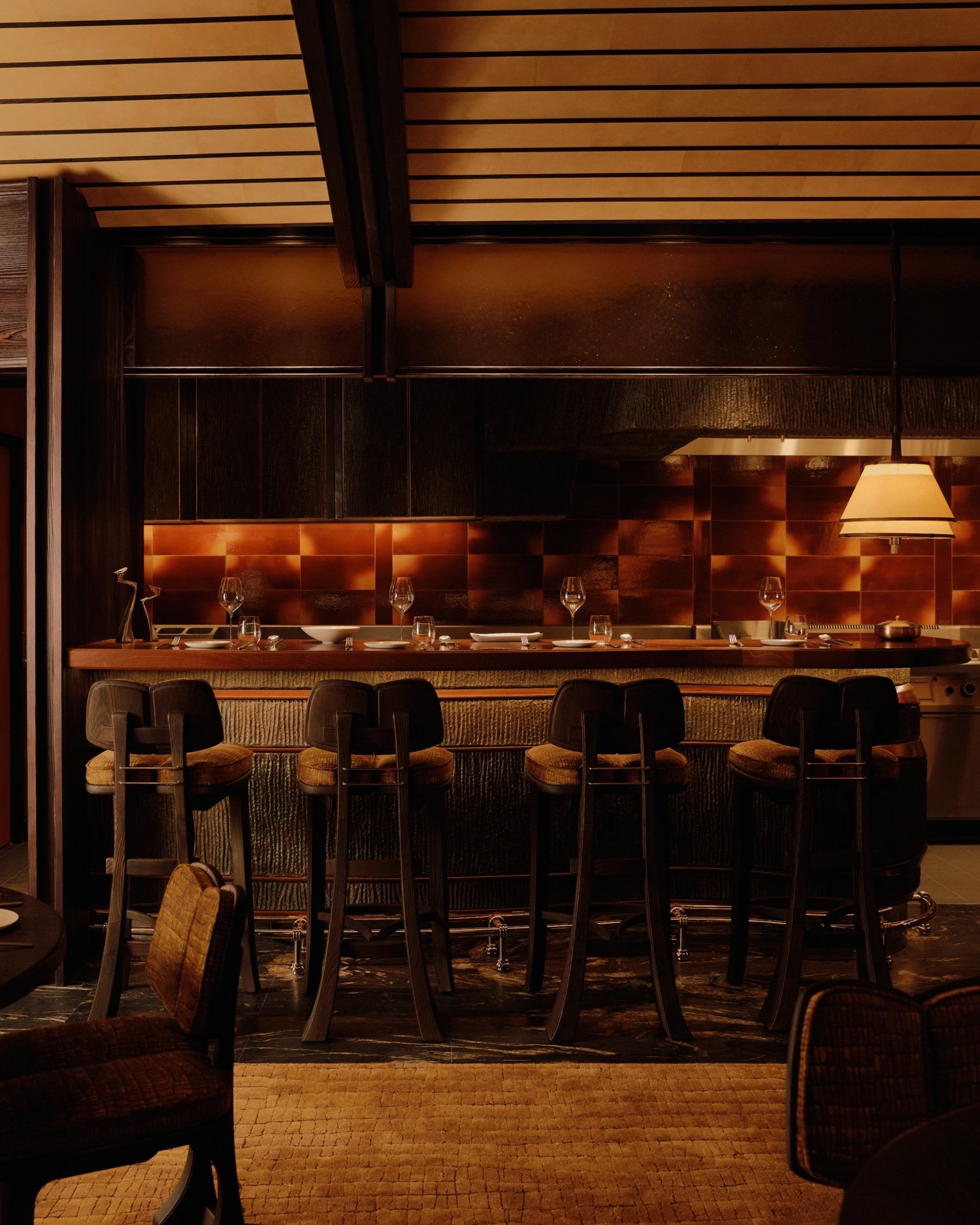
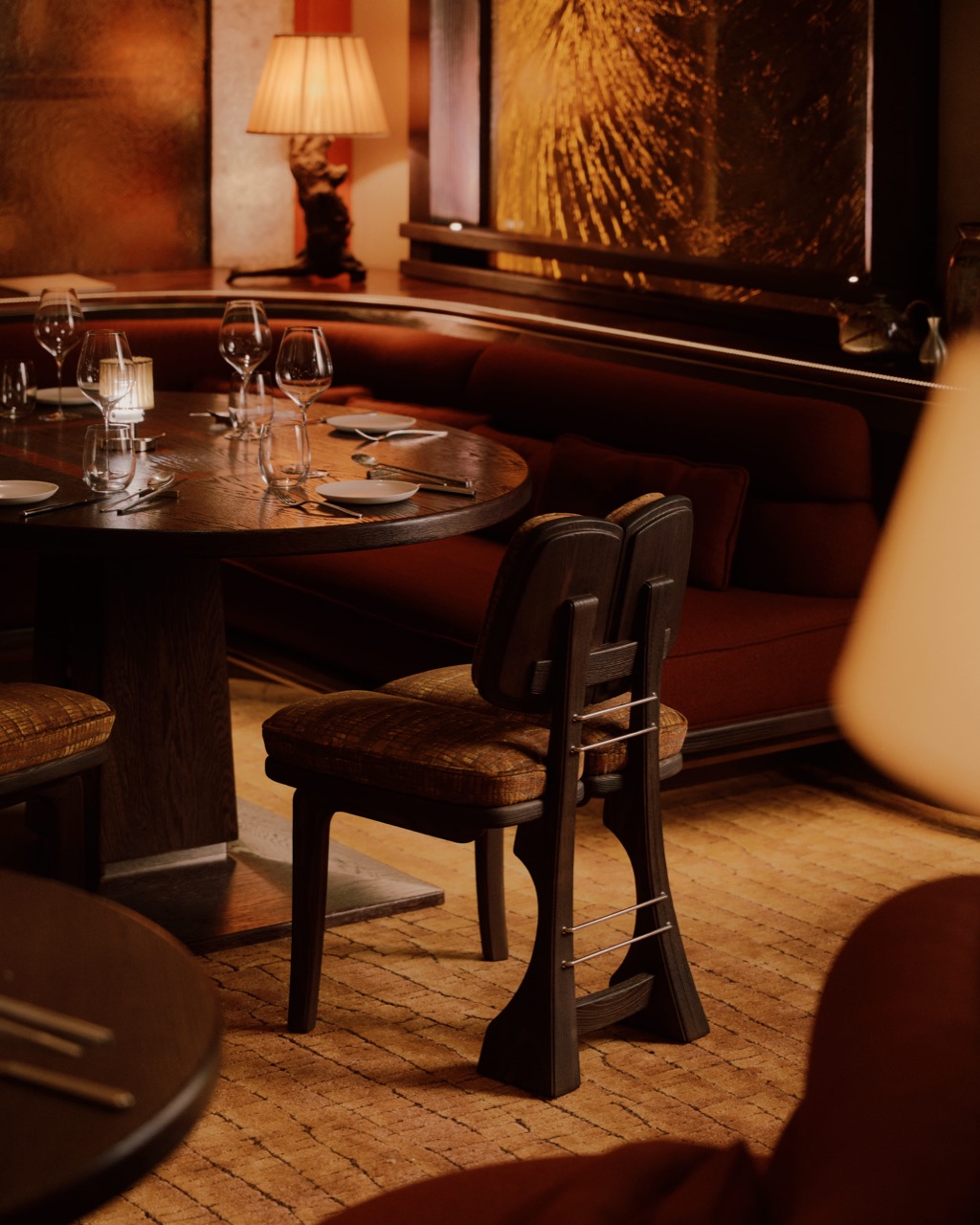
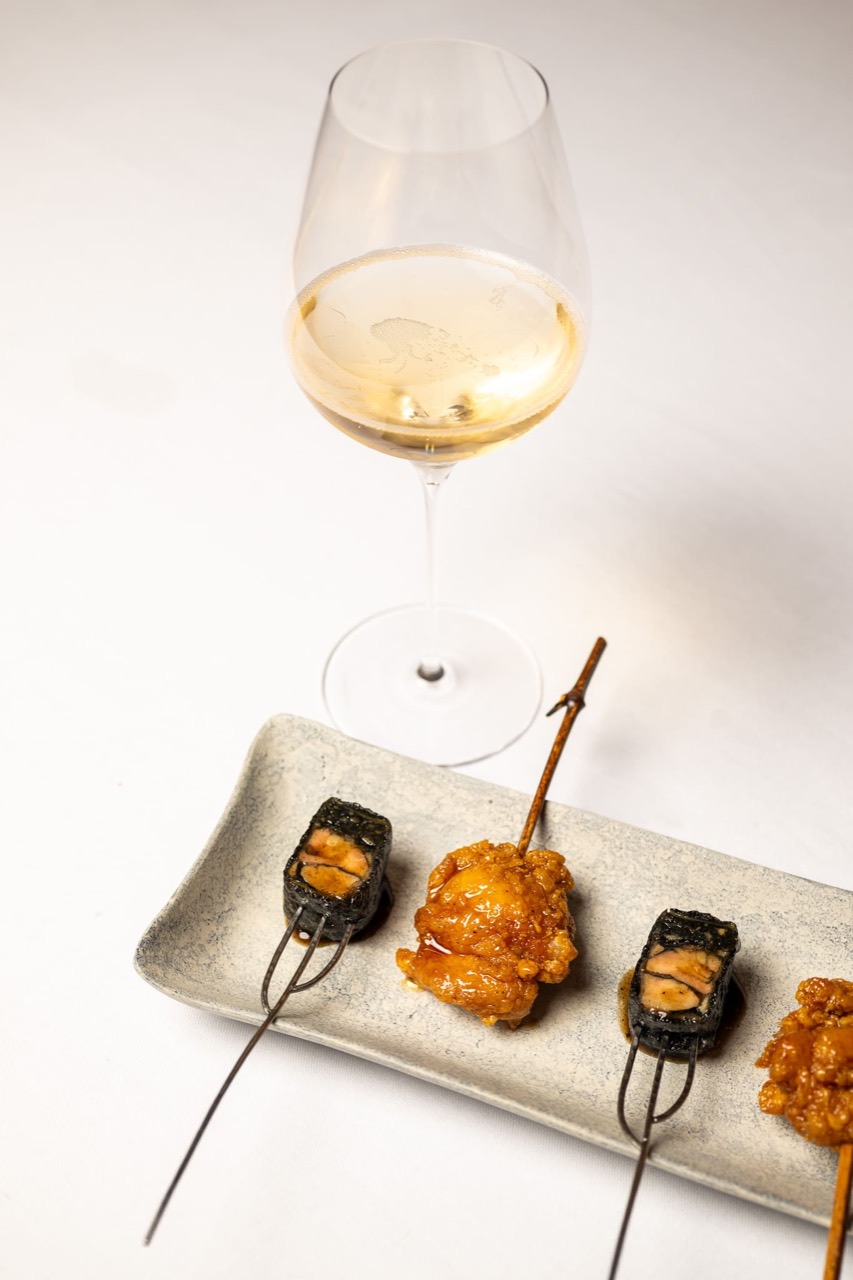
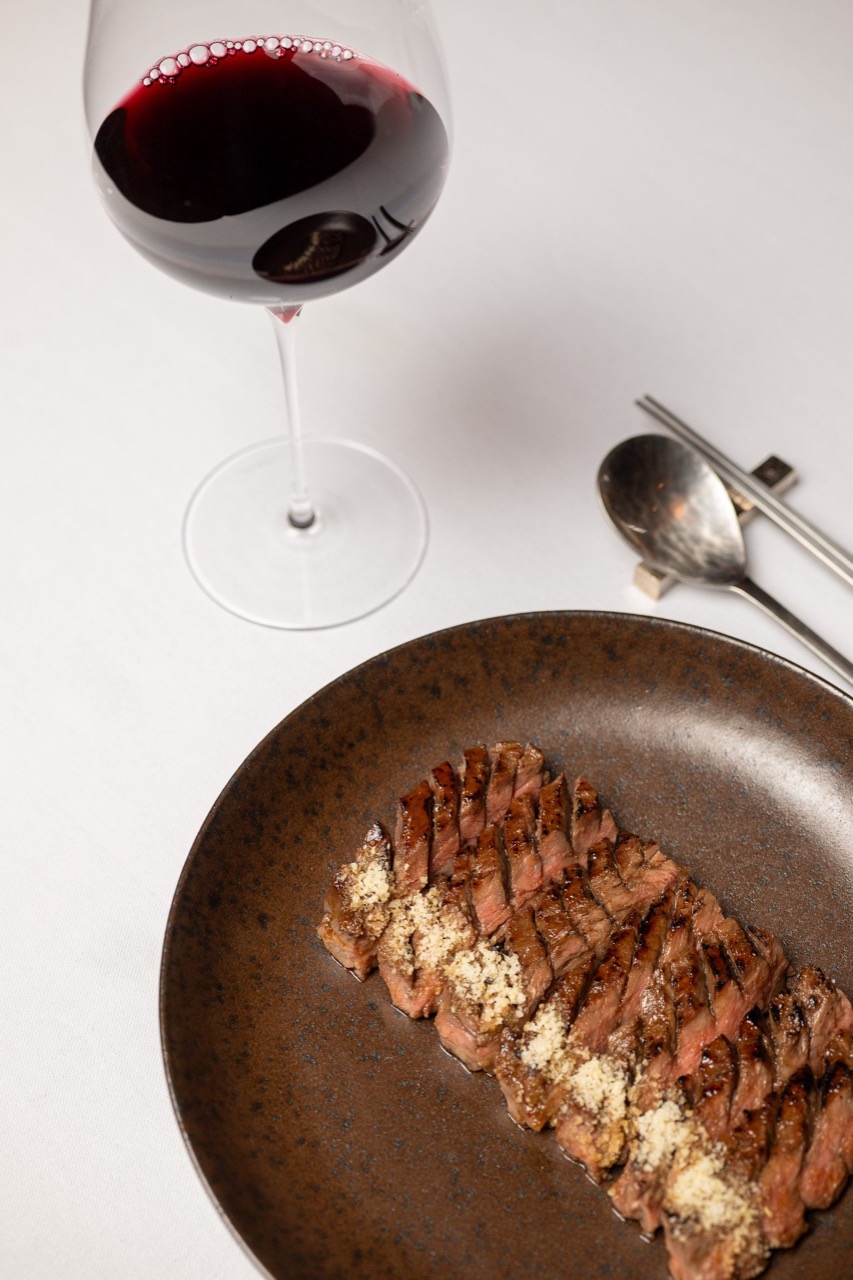
5.There is no set course. Guests build their own table from small plates, larger dishes to share, banchan and condiments. Each main comes with three banchan: two seasonal sides plus a choice of kimchi or marinated vegetables. The signatures are a crispy yam jeon borrowed from street food, a twice-fried chicken duo and Angus beef ribs marinated in soy sauce and grilled. The galbi goes into lettuce or perilla leaves.
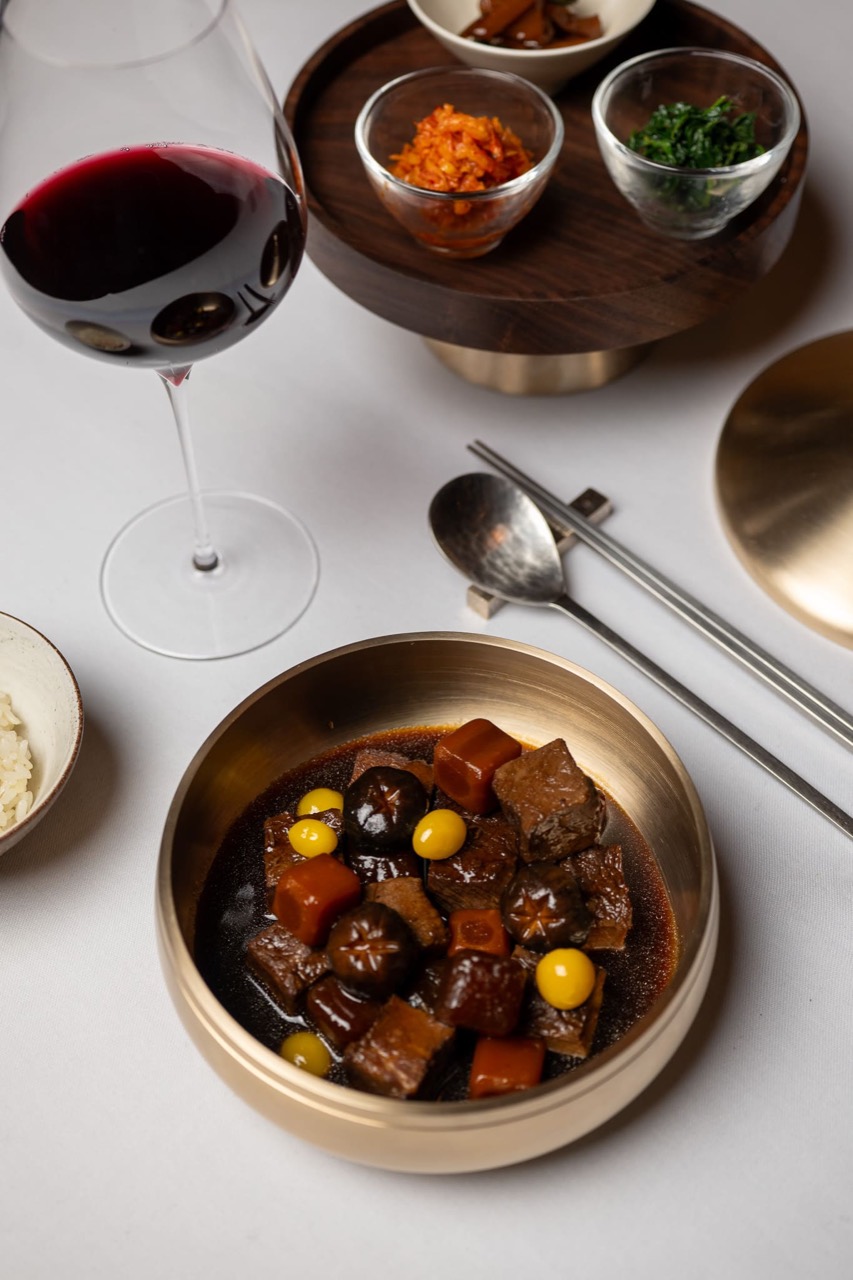
6.The whole menu rests on three jang: ganjang, doenjang and gochujang. A ssam is cooked by the hand. The guest unfolds the leaf, lays down the meat, adds the banchan and decides the order before it goes into the mouth, and the scent of perilla stays on the fingertips. To drink, Champagne, and cocktails made with X Premium from the Korean rice spirit brand HWAYO, aged five years in American oak and six months in earthenware jars.
7.This is not the first time Kang has carried Korean food across the water. Hansik Goo, which he opened on Lyndhurst Terrace in Hong Kong in 2020, was planned as a relaxed place to share plates, but diners took it as the city's first Korean fine dining restaurant. Within a year it moved to The Wellington in Central and reopened with 51 seats. Today it holds one Michelin star and serves only two tasting menus at dinner.
8.In Paris he went the other way. Dinner at Mingles in Seoul costs more than 400,000 won, and the same hotel already has a one-star restaurant selling a French tasting menu. Will a guest staying several nights sit through a long course two evenings running? SEOK set the tasting menu aside and sells a Korean table where plates go in the middle and everyone shares. The chef has said he is not after fusion. French seasonal produce, but fermentation, balance of flavour, texture and temperature handled the Korean way.
9.SEOK's fires burn four and a half hours a day, 22.5 hours a week. That is 13% of 168. PUR' takes guests from 7 pm to 9:15 pm on the same days. Both restaurants in one hotel leave lunch empty and gather their guests into a few evening hours.
10.France's legal working week is 35 hours. A dinner-only, five-day schedule, prep and close included, is roughly the length one kitchen team can cover in a week. Open for lunch and a second team is needed, and in a Paris hotel kitchen that payroll comes straight off the profit. Opening hours are, in the end, a number that sets headcount.
11.Prices are not published either. At a Paris five-star hotel, three or four small plates, the galbi and a drink can be put at around 150 euros a head. If each seat turns once a night and the room opens 22 days a month, that comes to about 3,300 euros per seat per month. Split the evening into early and late guests and one and a half turns is within reach. These are estimates, not figures from the company.
12.A tasting menu sends a fixed amount of fixed ingredients to every seat. With shared plates the average check rises as the table orders more, and there is no need to assign servers who explain and clear each course. Tying three banchan to every main also makes sense on the cost side. Seasonal vegetables, kimchi and jang are made ahead in large batches, so each small dish costs little, and they fill out the table beside the expensive Angus galbi.
13.The hotel does not collect rent from this restaurant. When a hotel brings in a star chef, a common arrangement pays the chef's side a name and consulting fee while the hotel runs the staff and kitchen itself, though SEOK's terms have not been disclosed. What the hotel gains is more than restaurant sales. It keeps guests from 156 rooms from going out for dinner, and it draws outside diners looking for a Korean reservation near Place Vendôme into its lobby.
14.Mingles opened in Cheongdam-dong in 2014, won a star in 2017, the first year of the Michelin Guide Seoul, and moved to a larger space in the same neighbourhood in 2019. A chef who climbed to three stars in 11 years with a tasting menu built around jang has put the tasting menu down in Paris, the home of the long course. The long French evening is left to PUR' in the same hotel.
15.A chef who earned three stars in Seoul with a course costing more than 400,000 won now serves three banchan and ssam in a Paris hotel, and opens only at dinner. For a Korean hotel bringing in the same kind of restaurant, the first hurdle is kitchen hours. Workplaces with five or more employees are capped at 52 hours a week including overtime, so a hotel restaurant open for both lunch and dinner staffs its kitchen in two teams. With a dinner-only schedule, that kitchen can run on one.