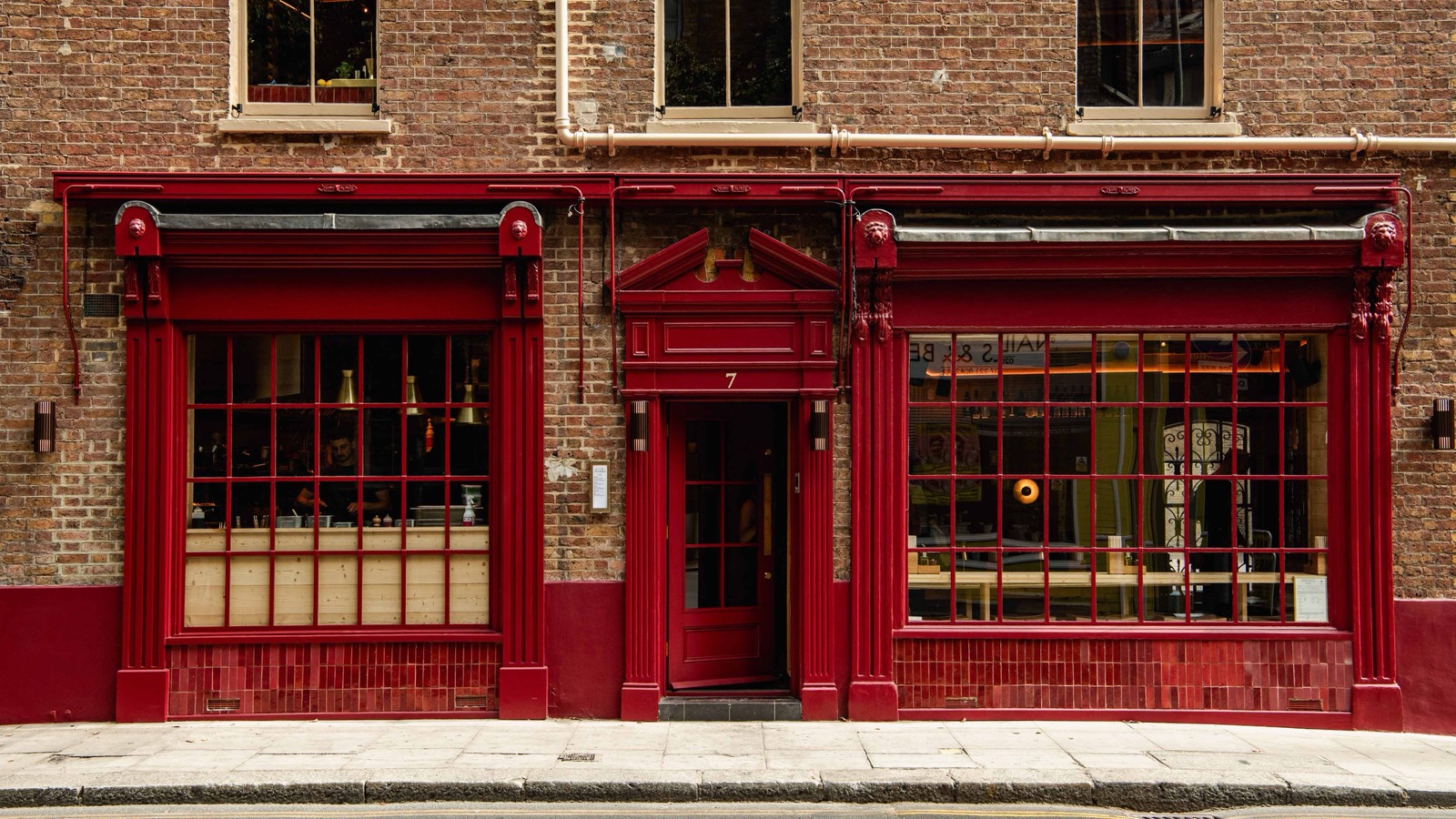
The team behind a Michelin-starred bistro has opened a Japanese restaurant in a three-storey townhouse in Notting Hill, London. The ground floor is a ramen bar where you sit on stools; the first floor is a 25-seat dining room. Ramen is served on both.
1.On 7 September, the Japanese restaurant Nakimushi opened at 7 Kensington Mall in Notting Hill, London. It takes a whole Victorian townhouse, up to the third level, less than five minutes' walk from Notting Hill Gate station. Ground floor: ramen bar. First floor: a 25-seat restaurant and bar. Top floor: prep kitchen and larder. The name comes from the Japanese word nakimushi, meaning crybaby.
2.The owner is Chris D'Sylva, who runs several restaurants and food shops in Notting Hill. He opened the butcher and fishmonger Notting Hill Fish + Meat in 2019, and Dorian, the bistro he opened in 2022, won a Michelin star in 2024. Two chefs share the kitchen: Yuji Shimokawa Kelly of Urchin, which covers Japanese cooking broadly, and Robin Kosuge of the ramen-focused Robin's Ramen. Both first fed customers as temporary residencies in a corner of D'Sylva's luxury grocer, Supermarket of Dreams, before moving into this building.
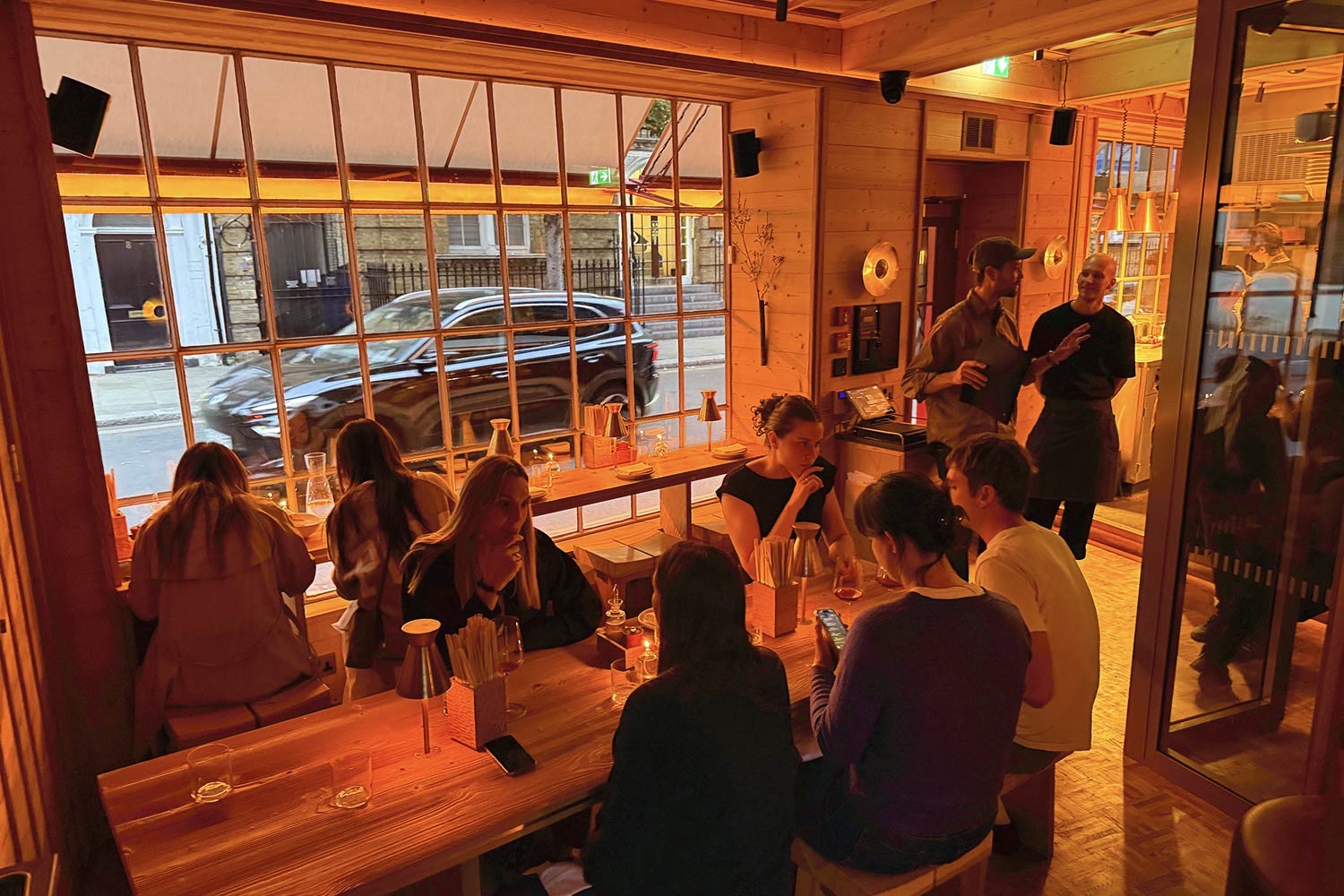
3.Open the door and the open kitchen is right in front of you. Diners sit back to back at a window counter and a long communal table in the middle, on low stools that look borrowed from a public bathhouse. The walls are pale timber panelling, the ceiling is gridded, and the parquet floor meets hand-glazed Japanese tiles here and there. The house line is that a Tokyo backstreet ramen shop has been set down inside a Victorian home.
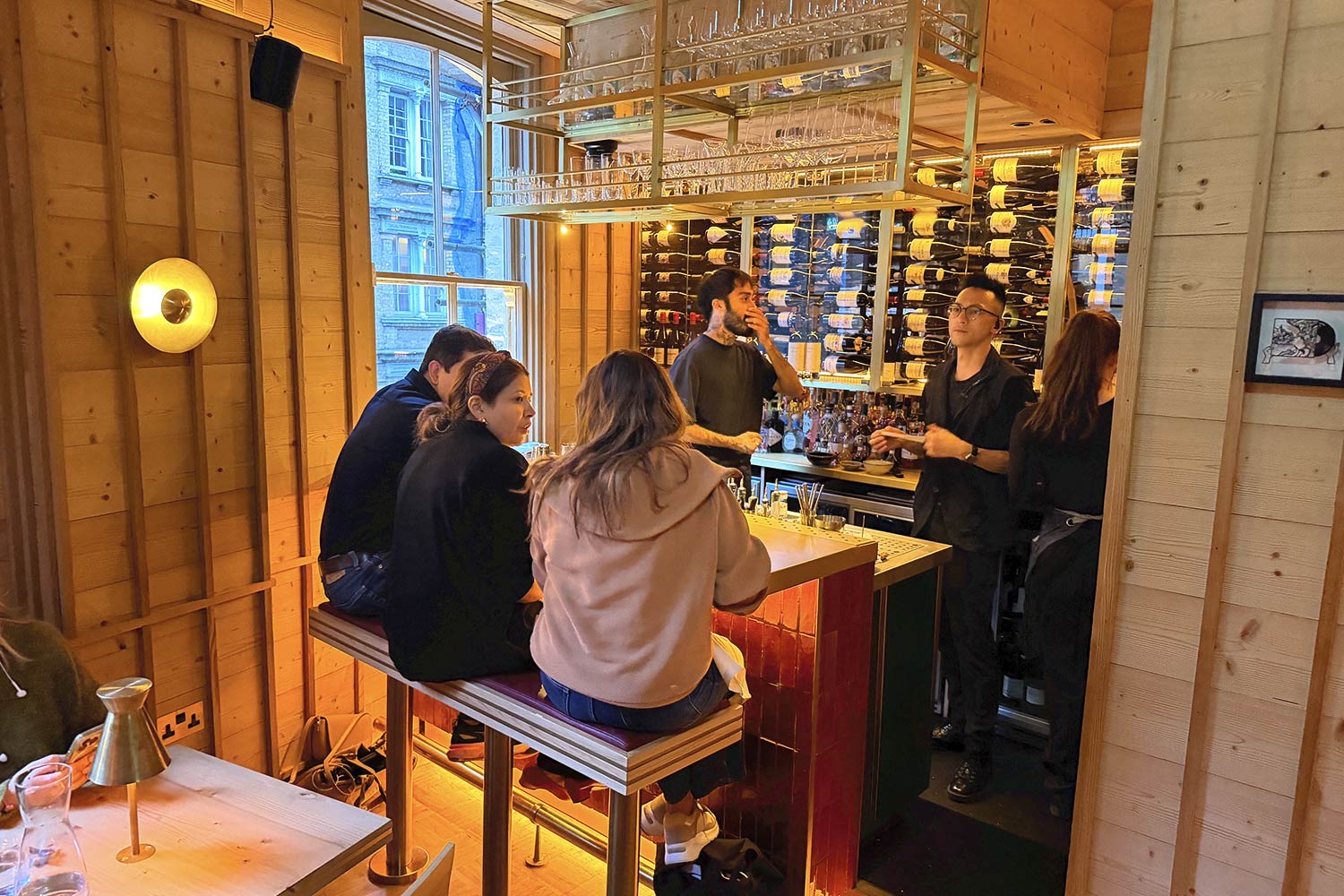
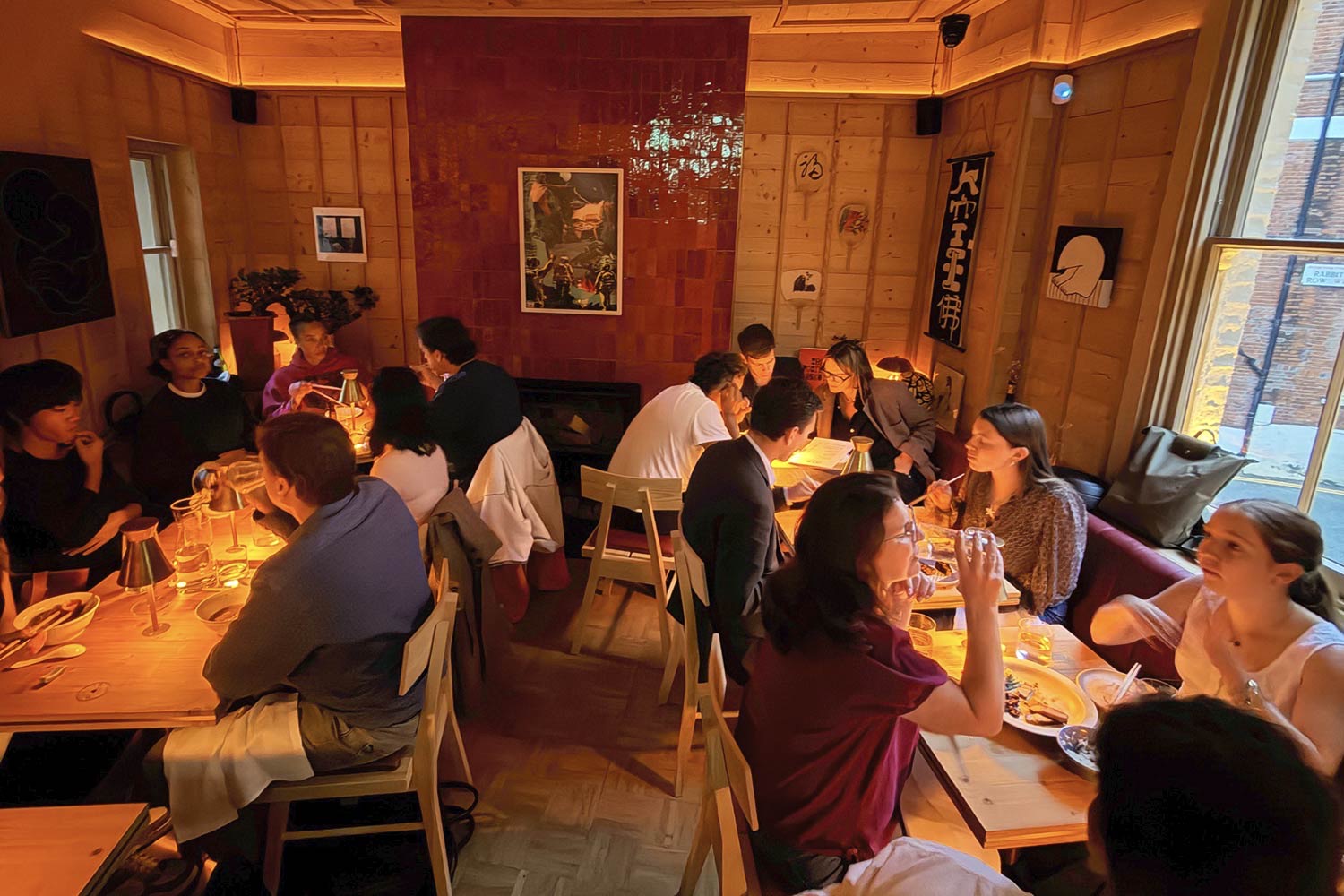
4.You reach the first floor by a narrow staircase that turns like a turret. Upstairs are leather banquettes and a tiled bar, with framed Japanese prints and wine bottles on the walls. One test-drive review named the corner tables at the back as the best in the room. The prep kitchen and larder on the top floor are left open for guests to look into. Ingredients are prepared at the top and sent down to the two floors below.
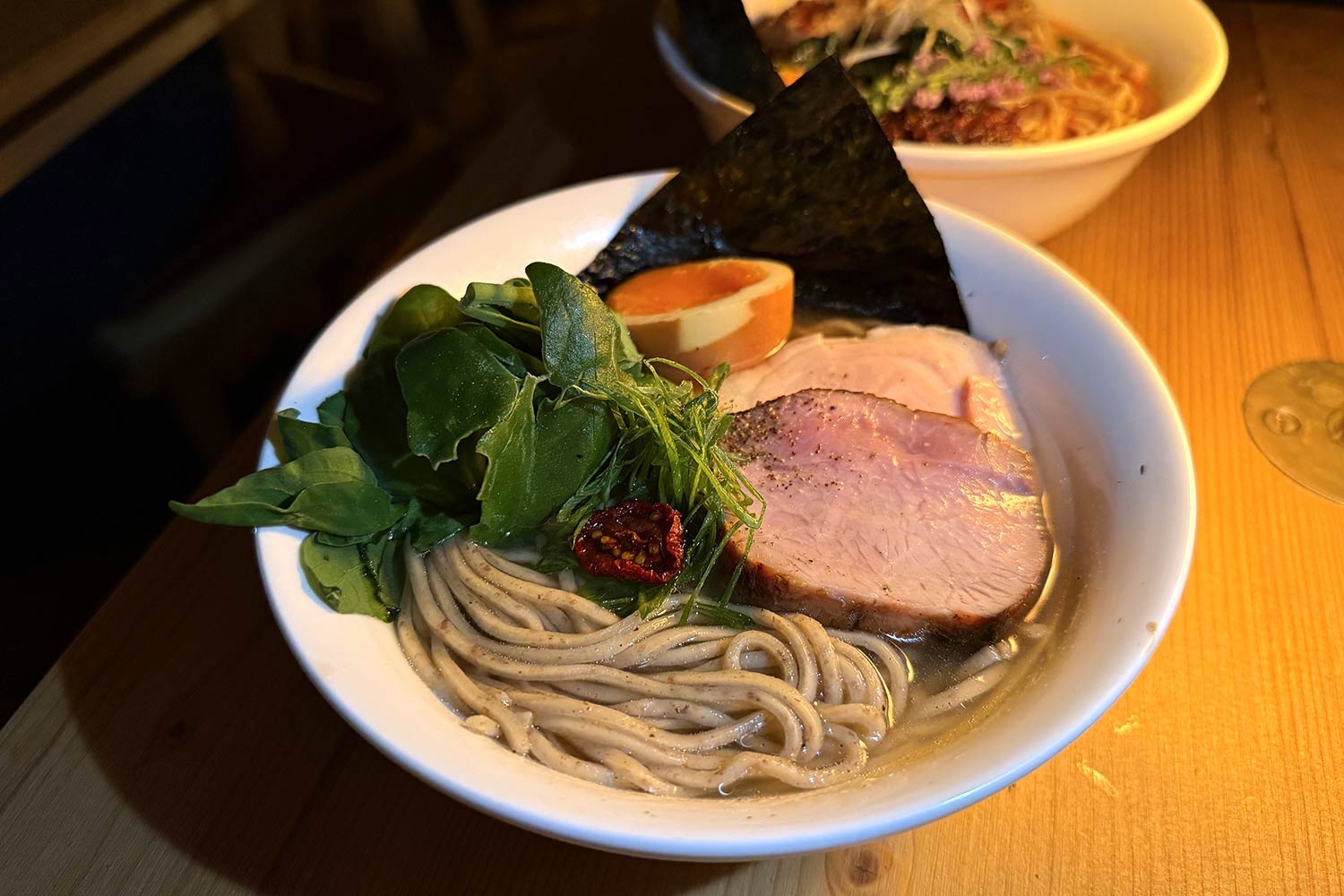
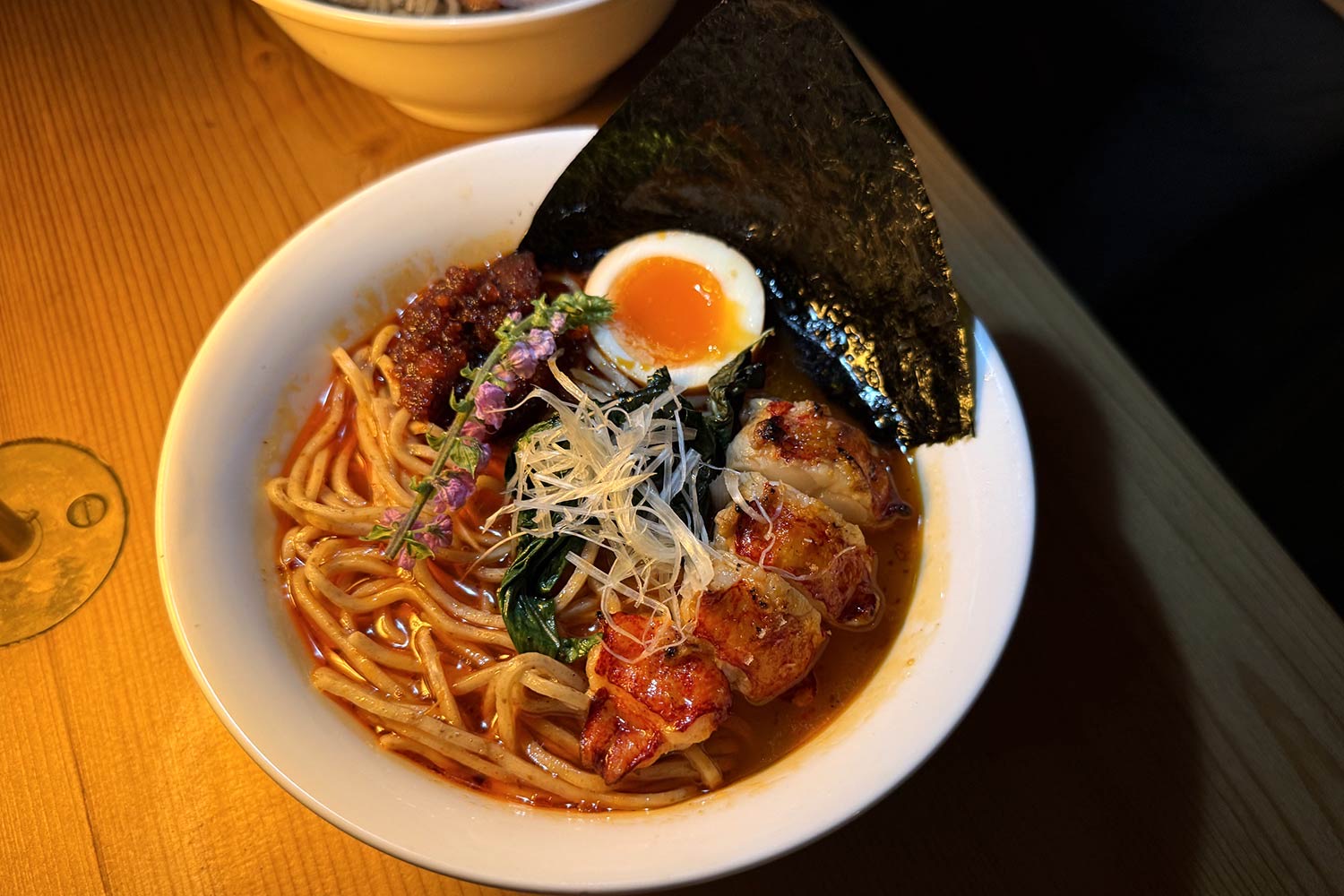
5.The ground floor's signature is Kosuge's lobster ramen. A milky seafood paitan broth carries Scottish lobster and komatsuna, with sobrasada, the paprika-reddened Spanish sausage, stirred through. The pork chashu ramen uses a Basque chicken broth and comes with ajitama egg. In the lobster bowl, red fat from the sobrasada spreads over the pale broth, and paprika follows the sweetness of the seafood. The prices recorded in the test-drive review: £10 for chashu ramen, £24 for lobster ramen.
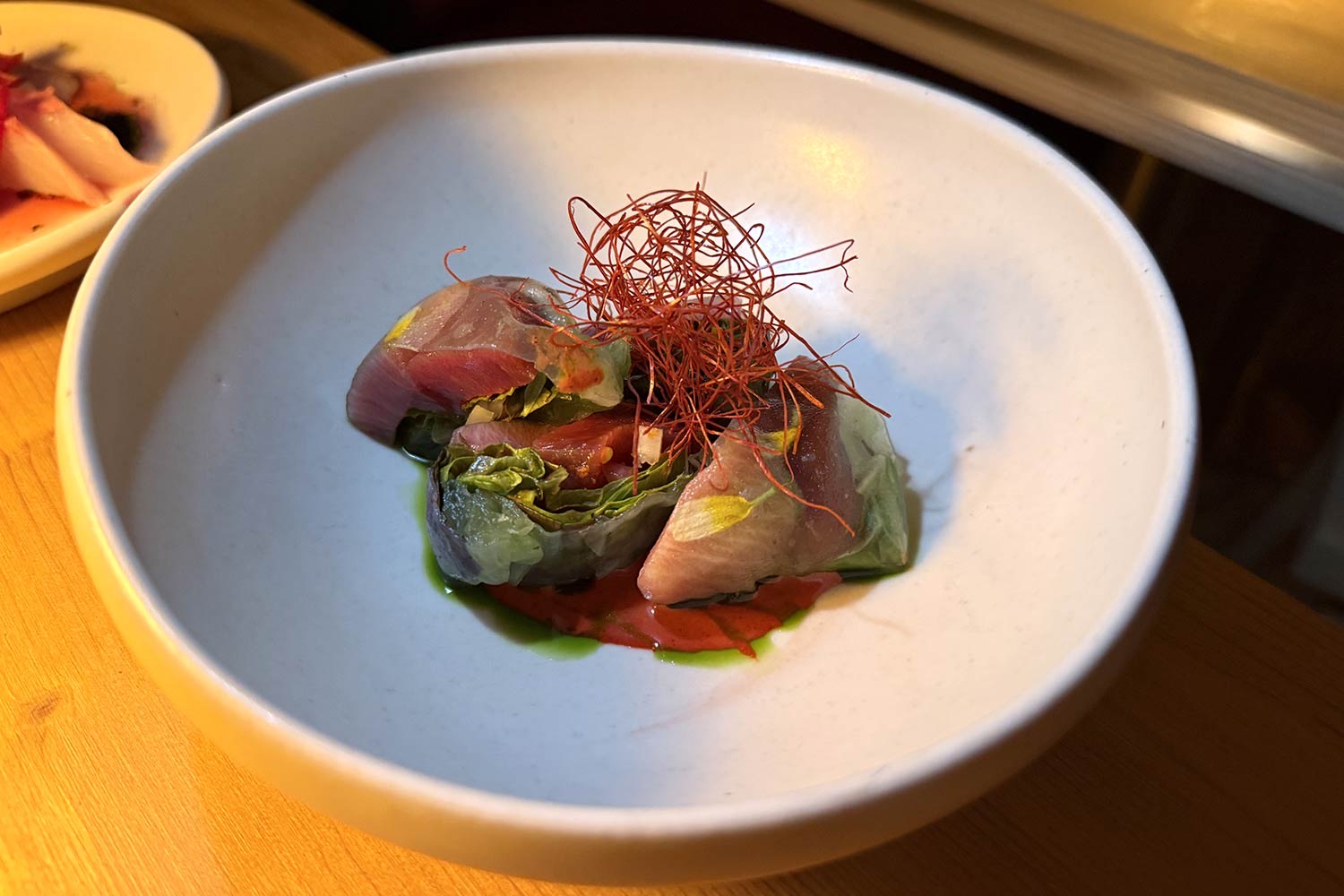
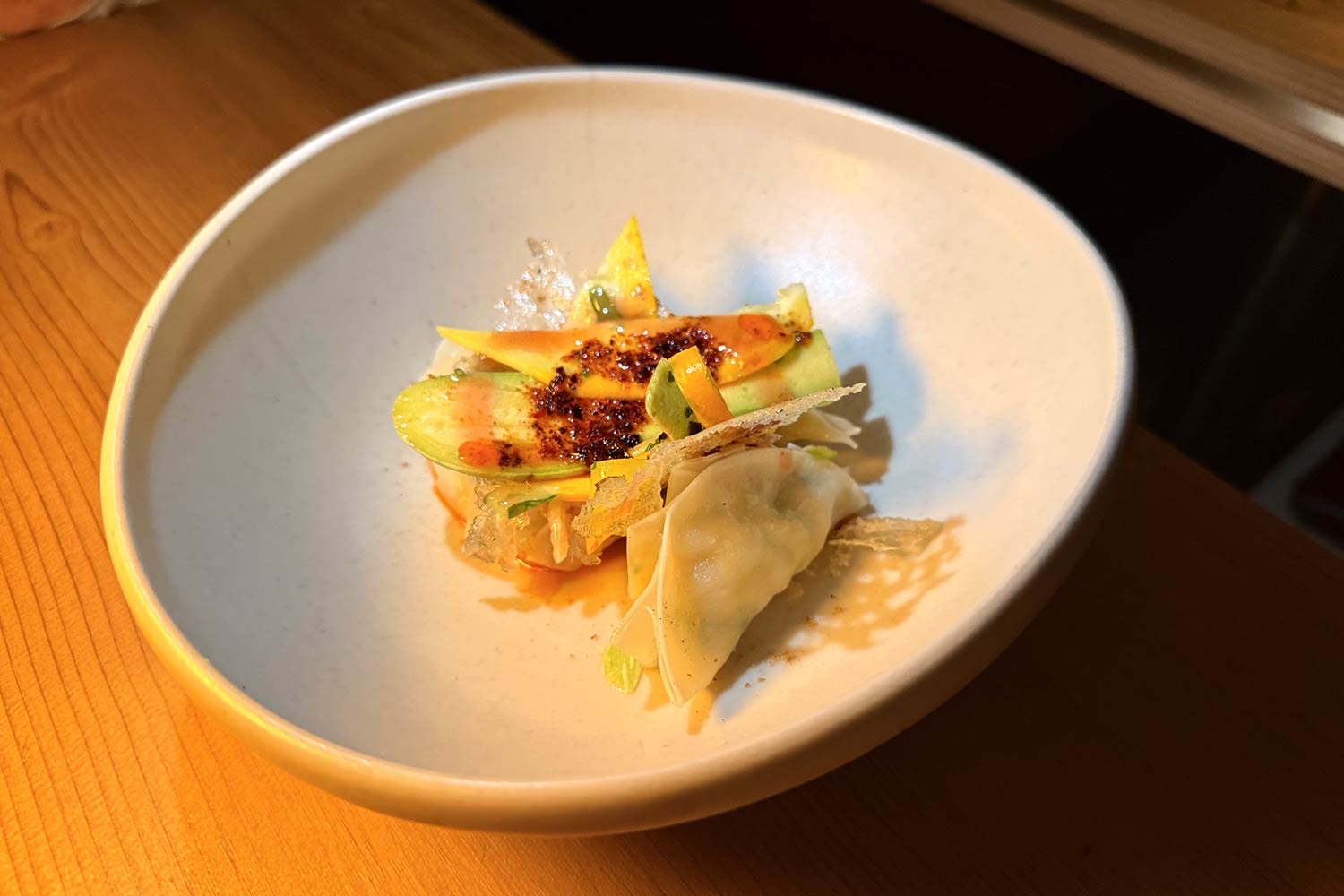
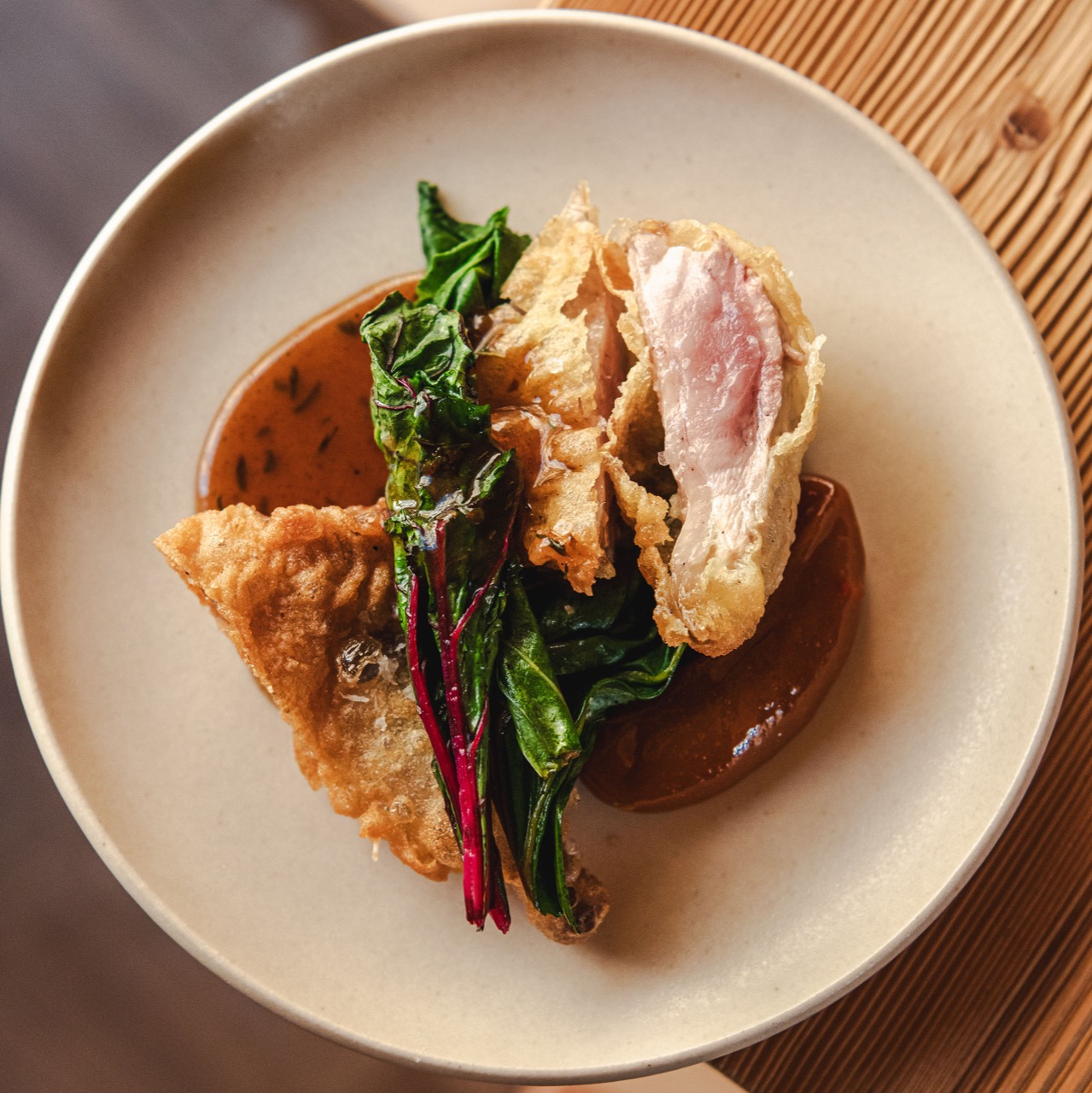
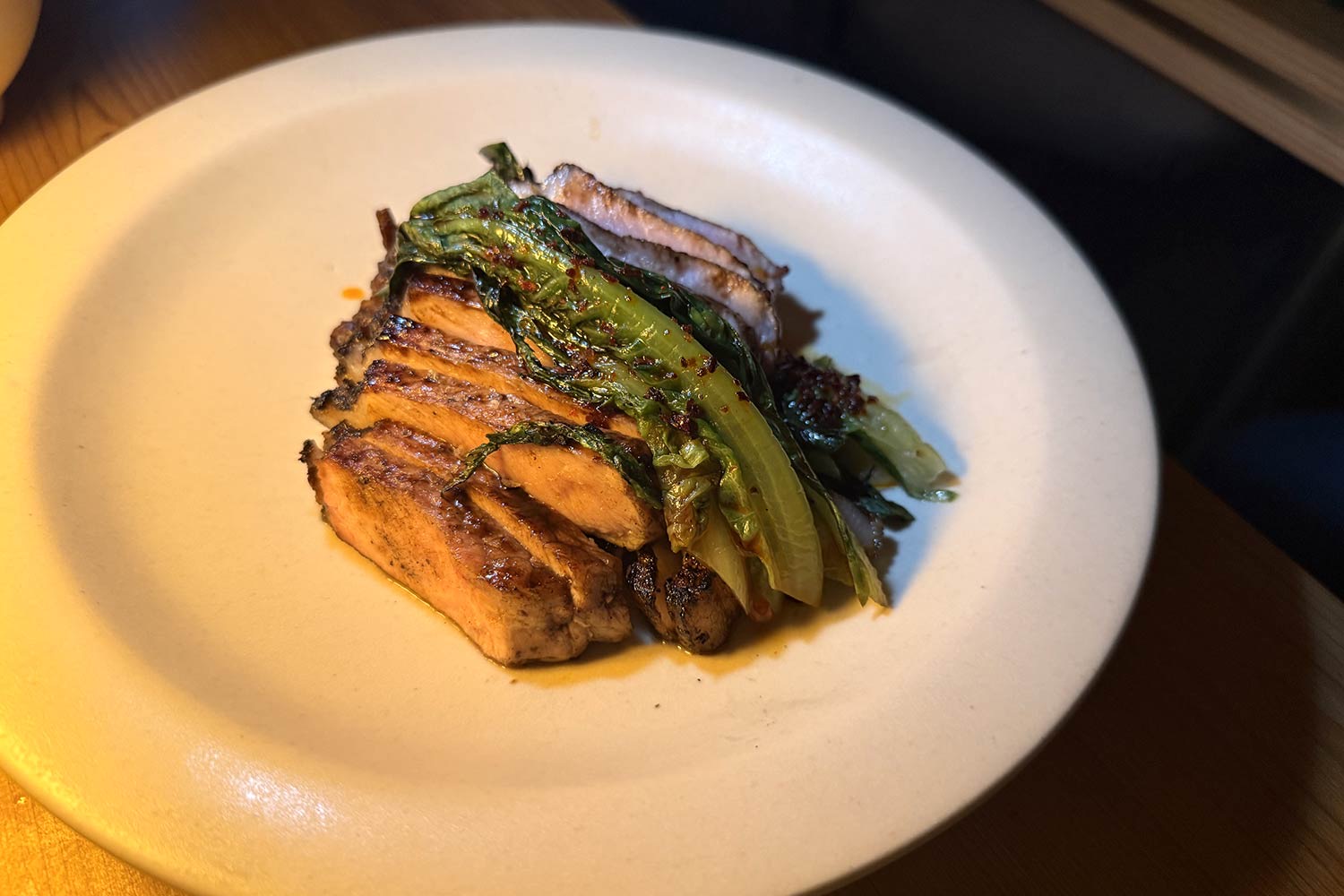
6.Upstairs, the menu runs on small plates. Corn tempura with fig-leaf salt is £6, wild hamachi with yukari ponzu £9, and a tuna summer roll on blackberry and hibiscus sauce £11. Quail tempura sits on apricot purée, and Iberico pork loin is grilled over charcoal and served at £29. On many plates the crunch of batter comes first and a sharp sauce follows. You have to order everything at once, at the start.
7.The first reason for the crowds is the name Dorian. The place comes from the team behind what has long been called one of London's hardest tables to book, and within a week of opening, dinner reservations were full until the middle of next month. Yet this restaurant does not turn away people without a booking. The ramen bar opens at lunch too, and in the evening a seat comes up if you wait outside. On the ground floor, a £10 bowl of ramen is an open door to the Dorian name.
8.Ramen is sold in different sizes on each floor. Downstairs it comes as a full bowl; upstairs it is cut to a half portion and slotted between other plates. For a ground-floor diner, ramen is the whole meal. For a first-floor diner, it is one plate among several. The same broth from one kitchen becomes a meal on one floor and a course on the other.
9.DesignMyNight's review recorded a meal for two at £151 before service, about £75 a head. UK restaurant prices include 20% VAT, so the restaurant keeps about £63 of revenue per person. If the 25 seats turn one and a half times at dinner, that is about 38 covers and roughly £2,360 a night. The turn rate is an estimate.
10.The ground floor's seat count has not been published. Judging from the window counter and communal table in the photos, it is around 20. If each diner spends £30 on a bowl of ramen, a side and a drink, and the seats turn four times across lunch and dinner, daily revenue after VAT comes to about £2,000. Both floors together make a little over £4,300 a day. Seat count, spend per head and turns are all estimates, not figures from the restaurant.
11.Ramen costs the same on either floor. Take VAT off a £10 chashu ramen and £8.3 is left. With a food cost of 25-30%, a common figure for ramen shops, the ingredients come to around £2-2.5 a bowl. The lobster ramen works differently. The bowl was listed at £38 during the residency and at £24 in this review; whether the portion shrank or the kitchen absorbed the cost has not been disclosed. Food cost is an estimate.
12.The margin comes from the glasses upstairs. Cocktails start at £12, and wine starts at £50 a bottle with most of the list in the £100s, leaning on white Burgundy. Sake comes by the glass or the bottle. Drink carries a lower cost ratio than food, so when two people upstairs open one bottle, that table brings in about as much as ten bowls of ramen downstairs. The ground floor brings people in; the first floor is where the money stays.
13.The two chefs looked at customers before they looked at a lease. Urchin began as a ten-seat counter on the Greek island of Sifnos and then spent 12 months at Supermarket of Dreams. Robin's Ramen ran a one-day pop-up at EEL Sushi in summer 2025, then sold ramen for eight months at the same grocer, from October 2025 to May 2026. The space was borrowed, so there was nothing to build; in the evening a communal table made of joined planks went up for service.
14.In London, ramen is usually a format that chains grow by adding sites. This place goes the other way. A Michelin-starred bistro team uses ramen as the ground-floor shop of its own building and puts a room that sells drink on top. When the 25 seats upstairs are booked out, the leftover demand flows down to the stools on the ground floor. Here, a bowl of ramen does the work of a waiting list.
15.The Dorian team filled a three-storey townhouse by joining two residencies, and the 25-seat first floor had a month of dinners booked within a week of opening. Try the same layout in Korea and the first floor up is where you get stuck. When a general restaurant sits on a floor other than the ground floor and its area is 100㎡ or more, it becomes a multi-use business under Korean law, which means emergency exits, evacuation equipment and a safety-facilities certificate before it can open. A 25-seat room is a size that can stay under that 100㎡ line, and whether you cross it decides the fit-out bill.