Designer Woo Youngmi has handed the bottom floor of her Itaewon flagship to Alain Ducasse. Four months in, the menu has no tasting course, and each plate is priced somewhere between 14,000 and 42,000 won.
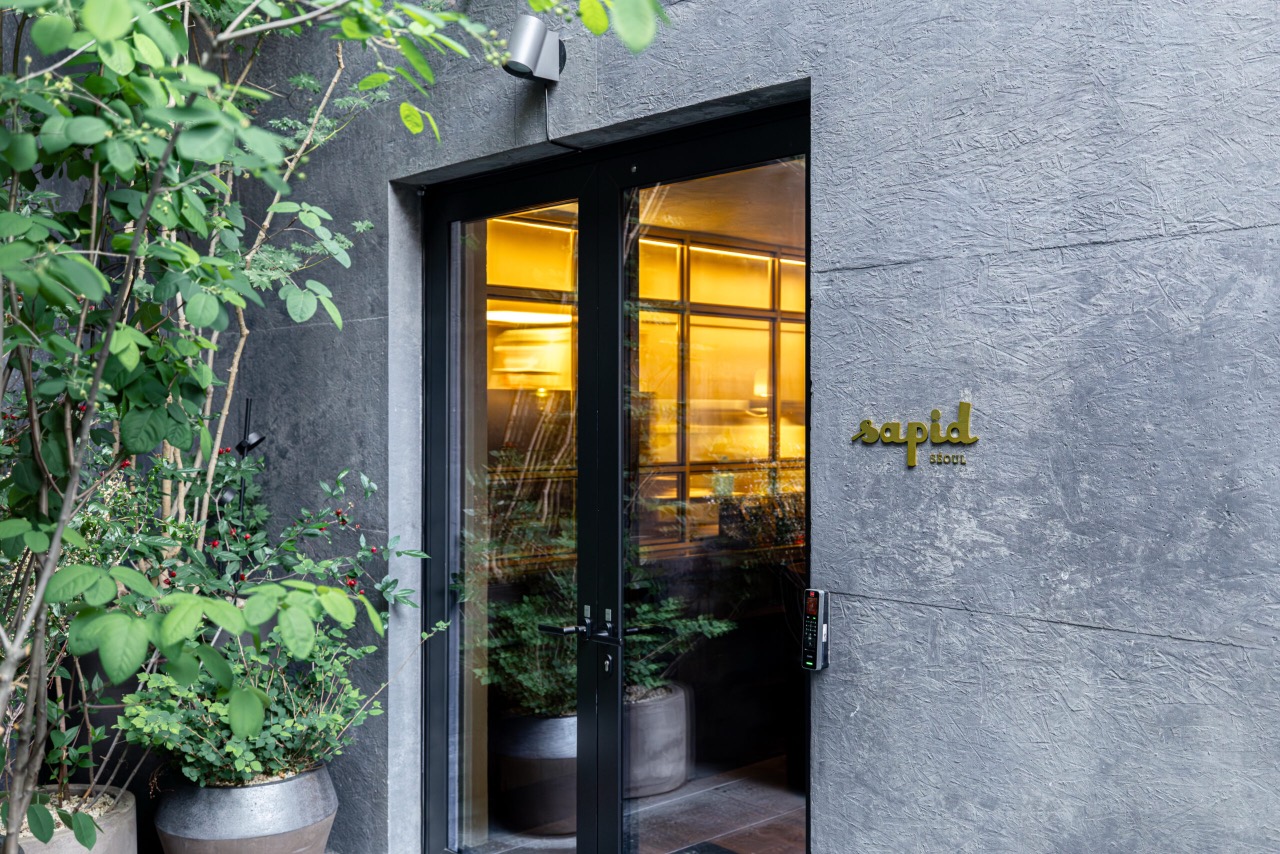
1.On May 20, 2026, Sapid Seoul opened in the basement of the WOOYOUNGMI flagship on Itaewon-ro 27-gil in Seoul. It is the first restaurant in Korea from Alain Ducasse, often cited as the chef with the most Michelin stars. The building itself opened nearly seven months earlier, when the restaurant was announced for the end of the year.
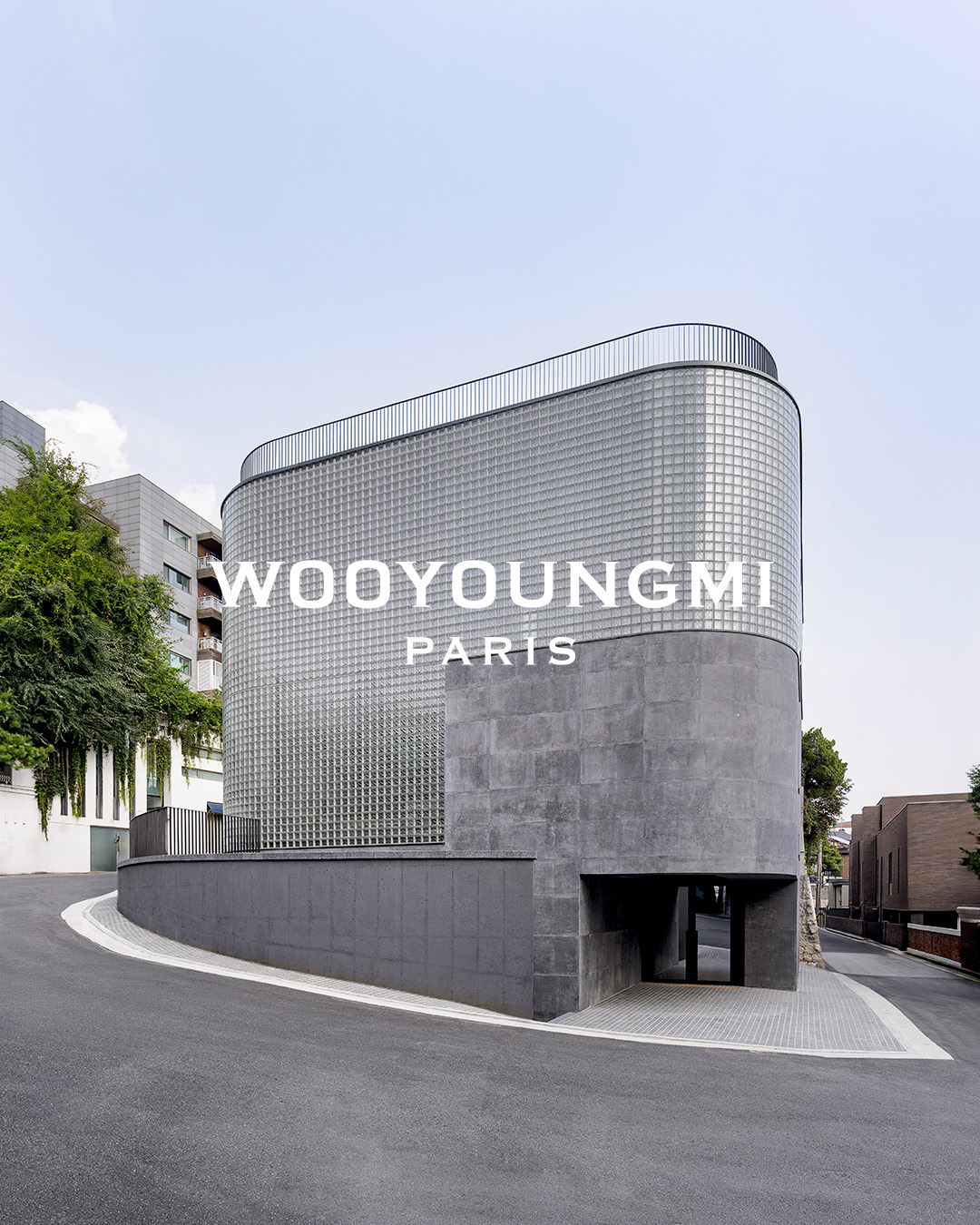
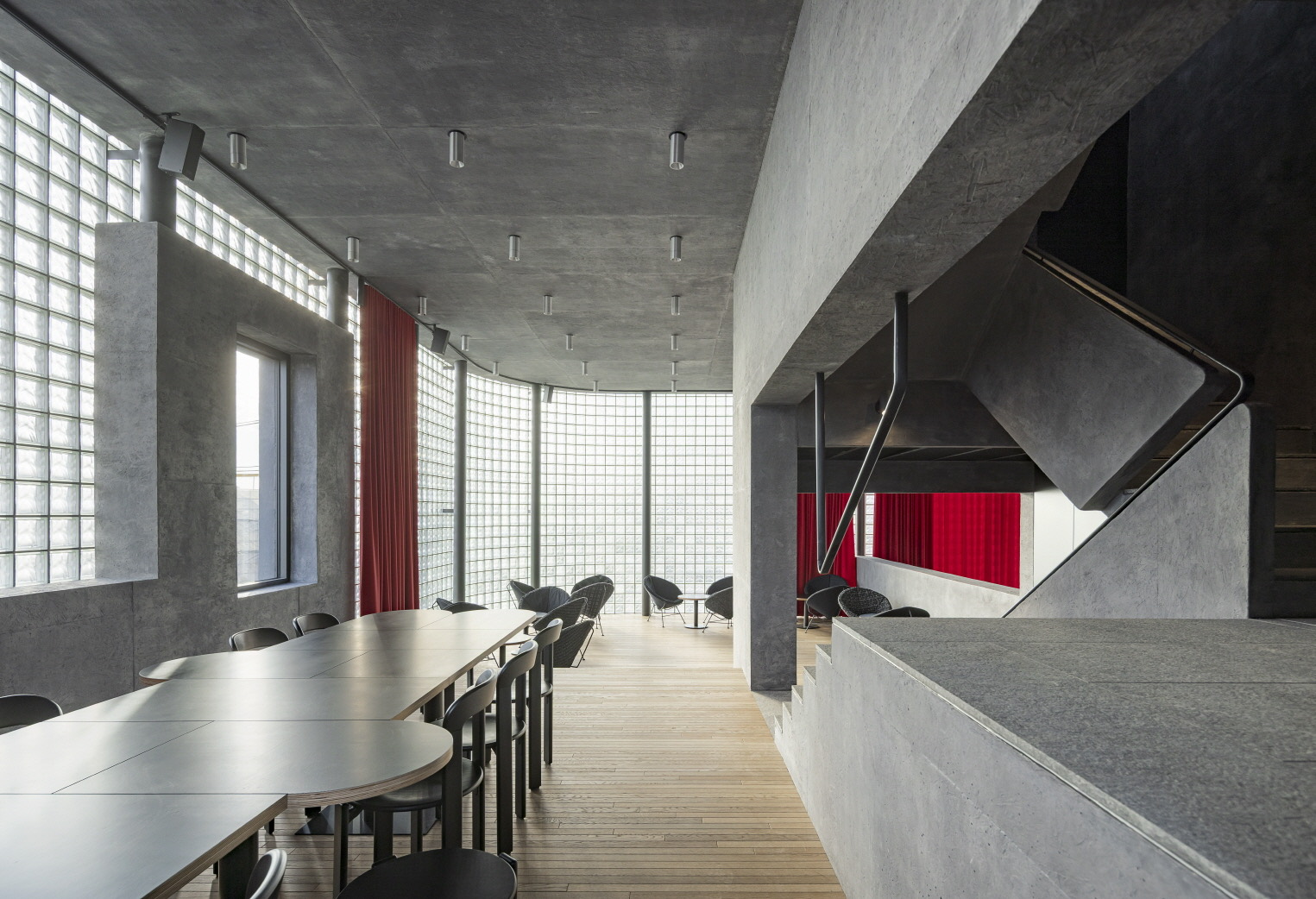
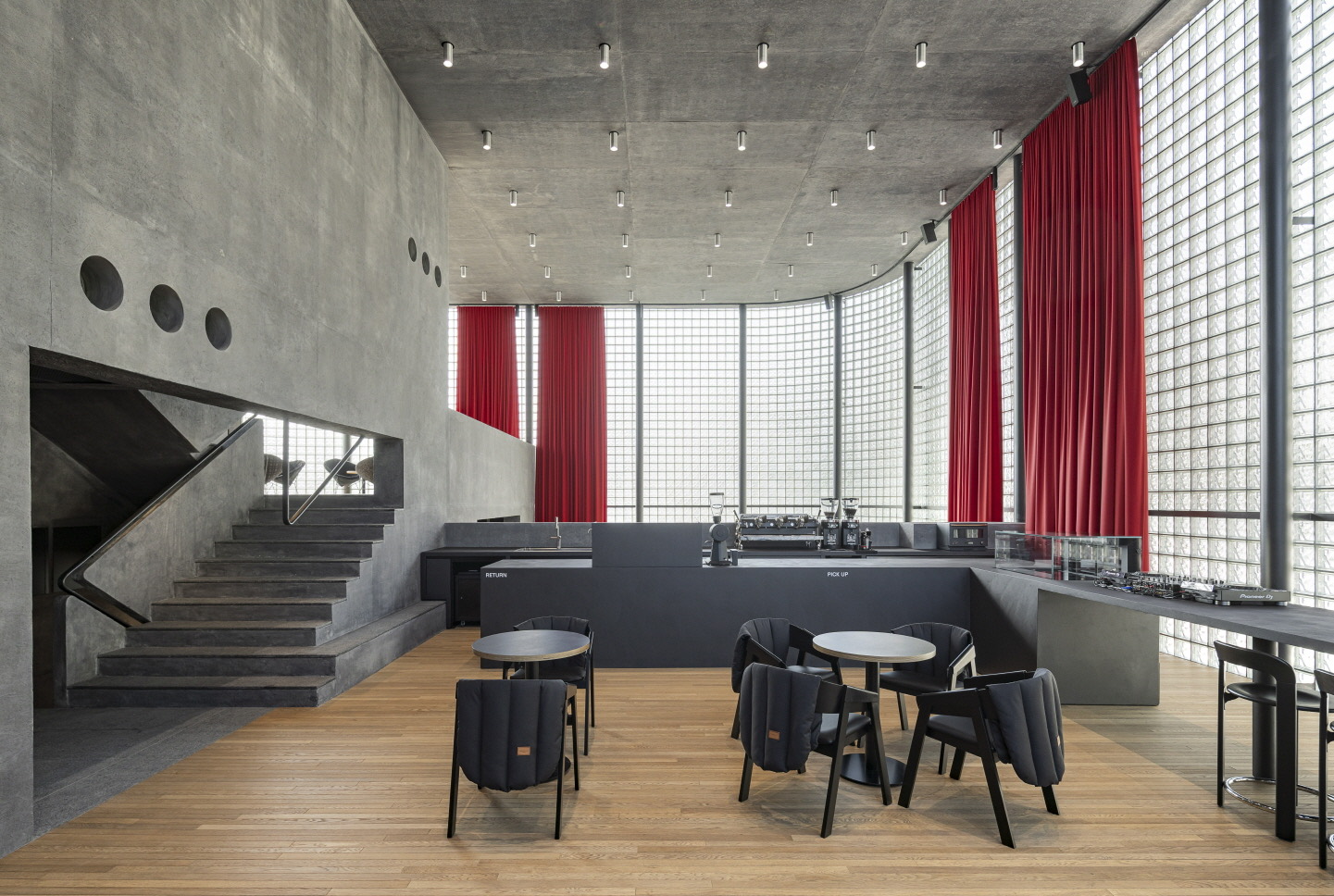
2.The building runs from one basement level to four floors above ground, on a 150-pyeong (about 500㎡) plot. The design is by Swiss firm Stocker Lee Architetti. A curved outer wall is wrapped in concrete and glass block, and inside, the floors are offset by half a level in a skip-floor section. Above ground sit the men's and women's floors, Café de Wooyoungmi on the fourth floor and a garden on the roof. The restaurant sits at the very bottom.
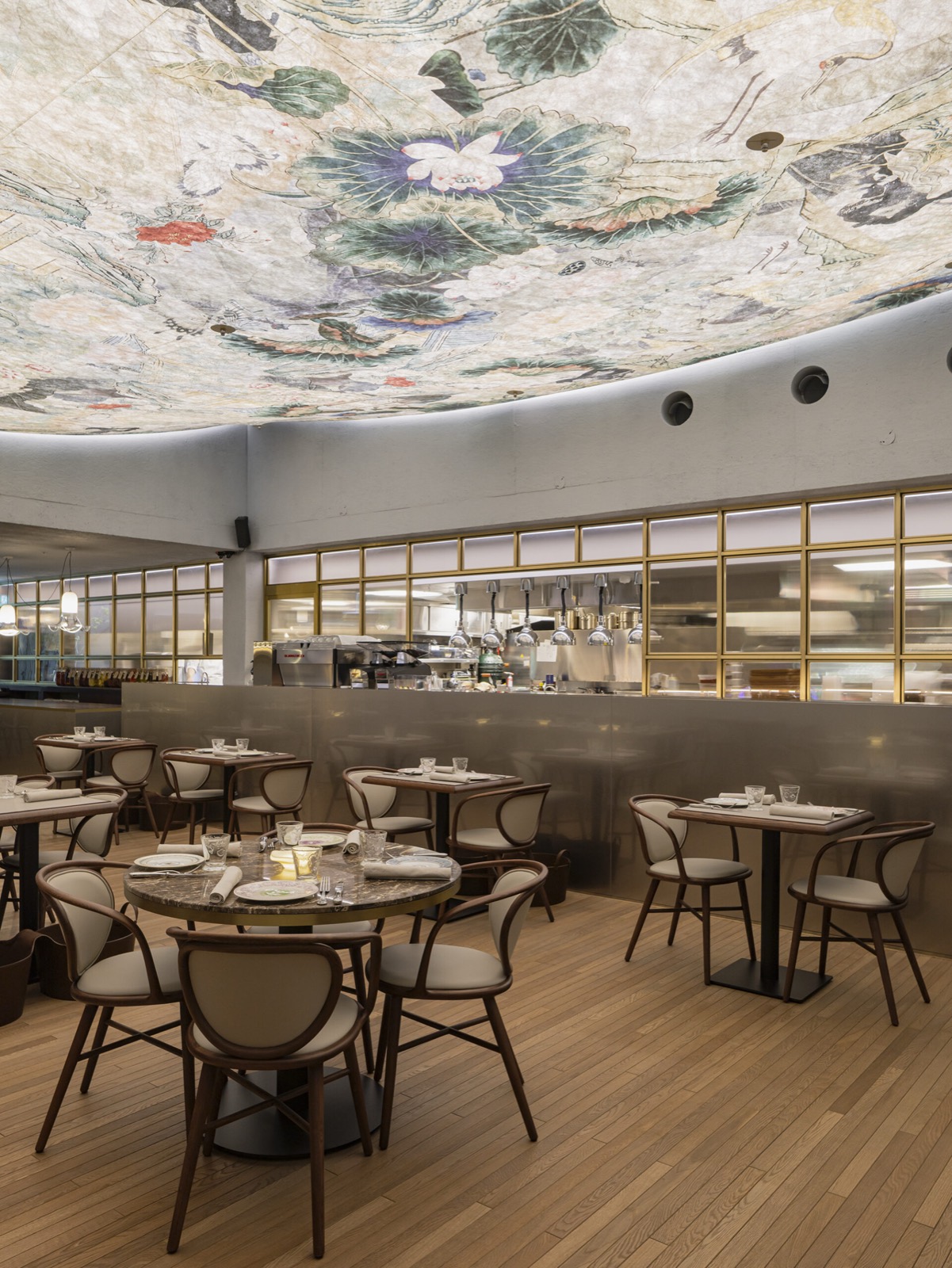
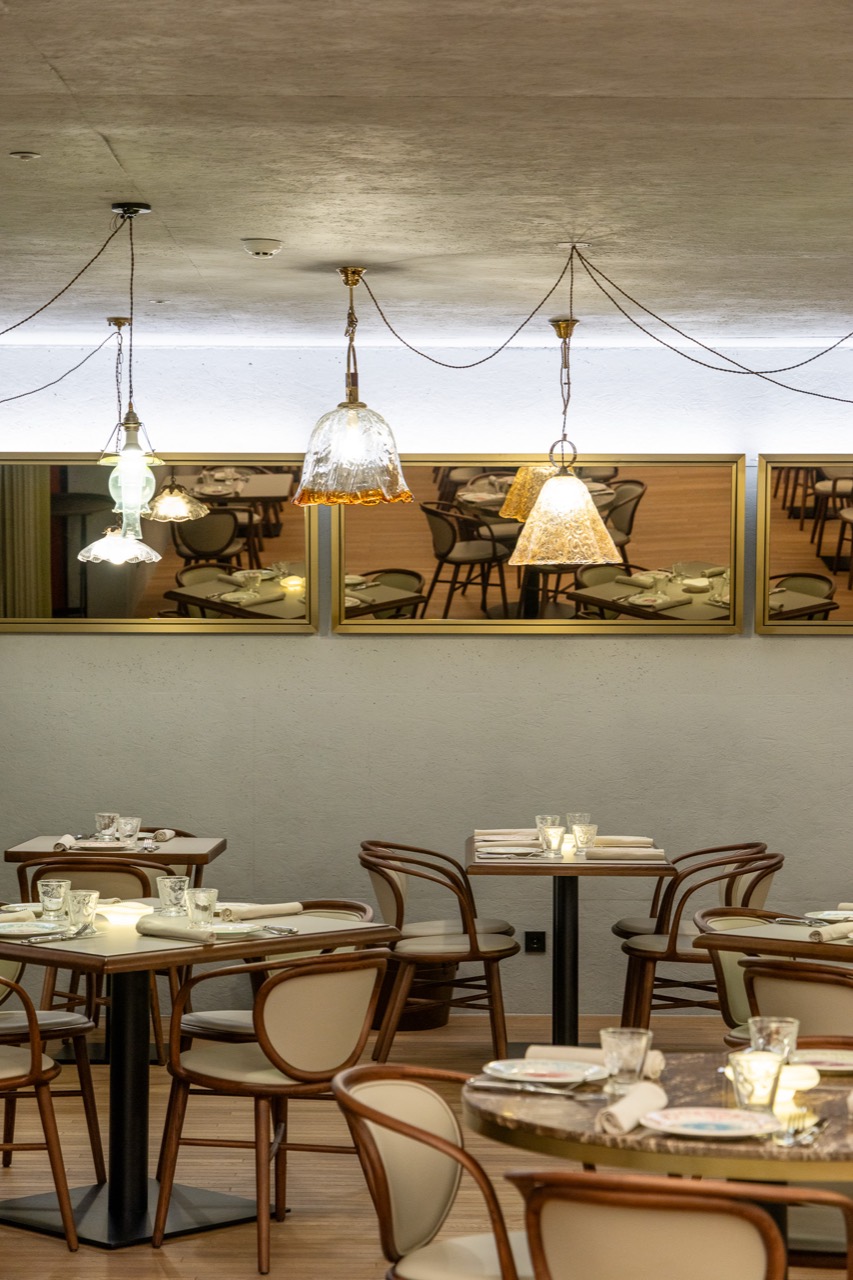
3.Walk down the last flight and the ceiling hits you first. Woo transferred her redrawn minhwa folk-painting patterns onto fabric and covered the entire dining-room ceiling with it. Below, botanical watercolors suggested by Ducasse hang framed in rows along the wall. The lighting is vintage Murano glass from the 1970s. Even the staff uniforms were designed by Woo Youngmi.
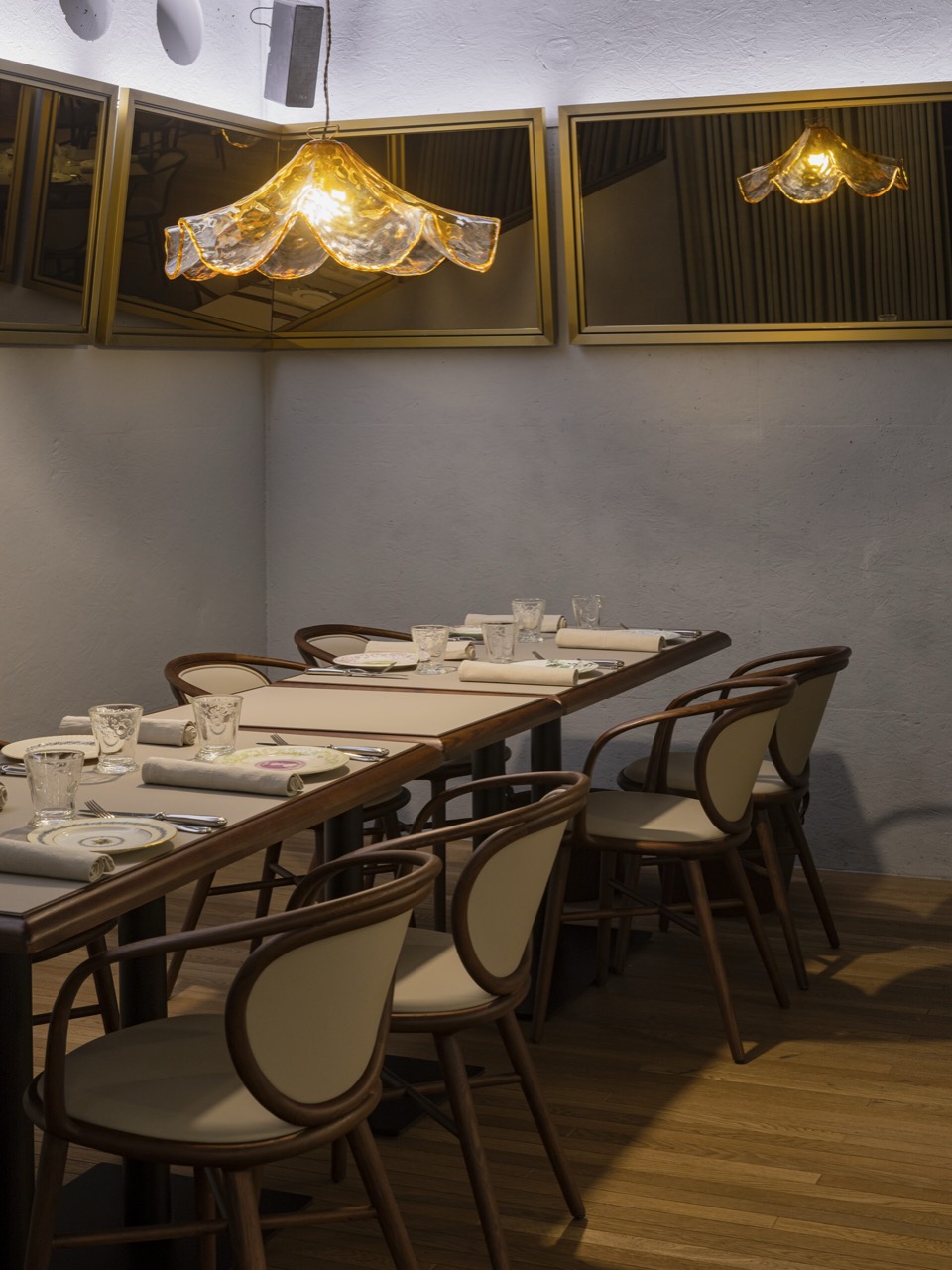
4.From a bar seat you can watch the cooks' hands plating, straight through the glass. The rest of the room mixes two-tops with a long communal table. The seat count has not been disclosed; counting from published photos, it comes to around 40 (estimate).
5.Vegetables, grains and seafood lead the menu, with meat in a supporting role. This is Ducasse's Naturalité: less butter and cream, less sugar and salt. The main shown before opening was green asparagus topped with a poached egg. Cut the egg with a fork and the yolk spreads over the asparagus and does the work of a sauce, a job once given to a butter sauce now handed to a single egg.
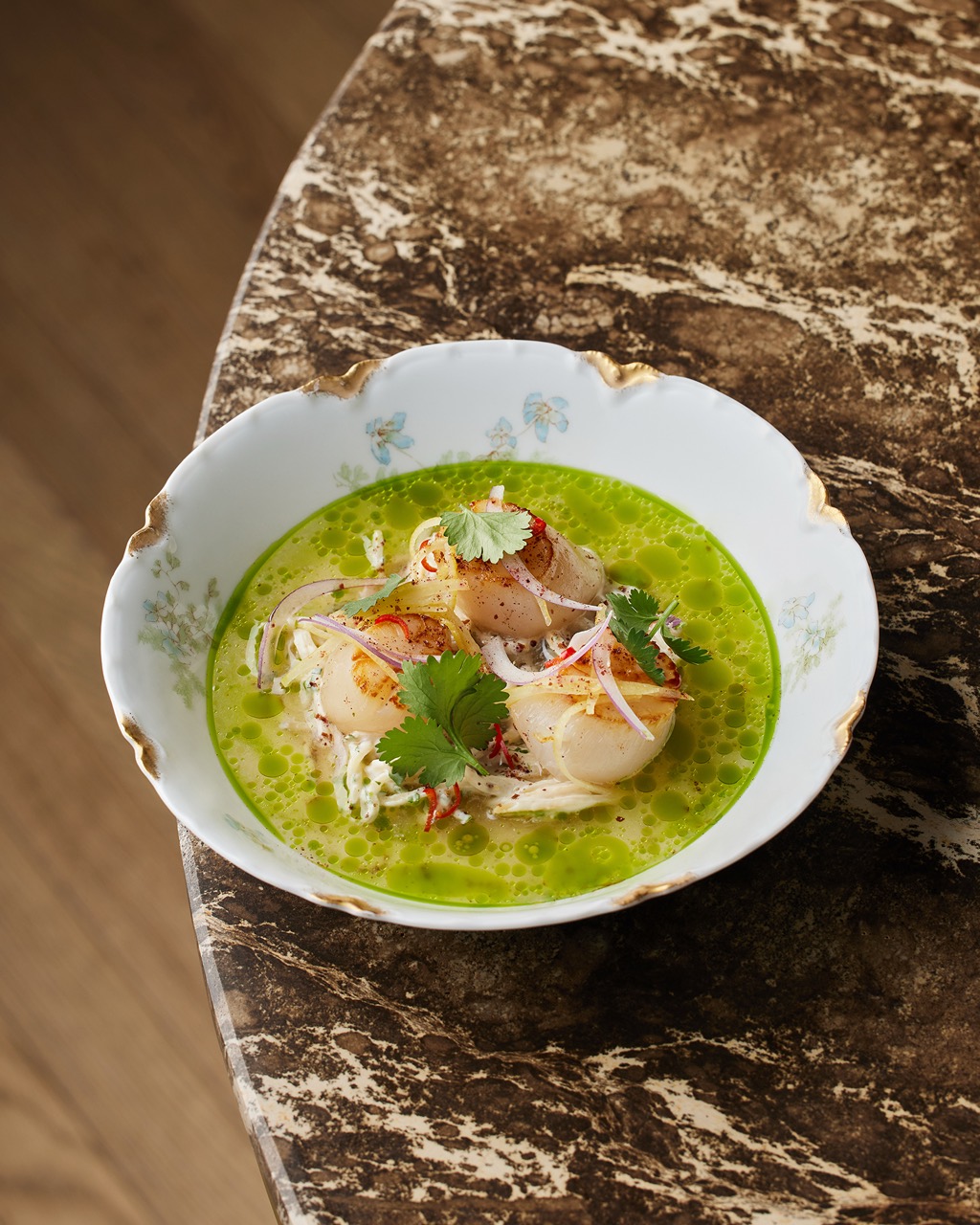
6.More than 80% of ingredients come from Korean farms and small producers. Nine days after opening, a columnist was served roasted butternut squash with stracciatella, green beans with abalone, an octopus burger with beetroot, and scallops with celeriac and mustard. Dessert was an éclair filled with vanilla and soy cream, scattered with toasted quinoa praline. Soy milk in place of cream, grain in place of nuts: the whole menu's principle fits inside one dessert.
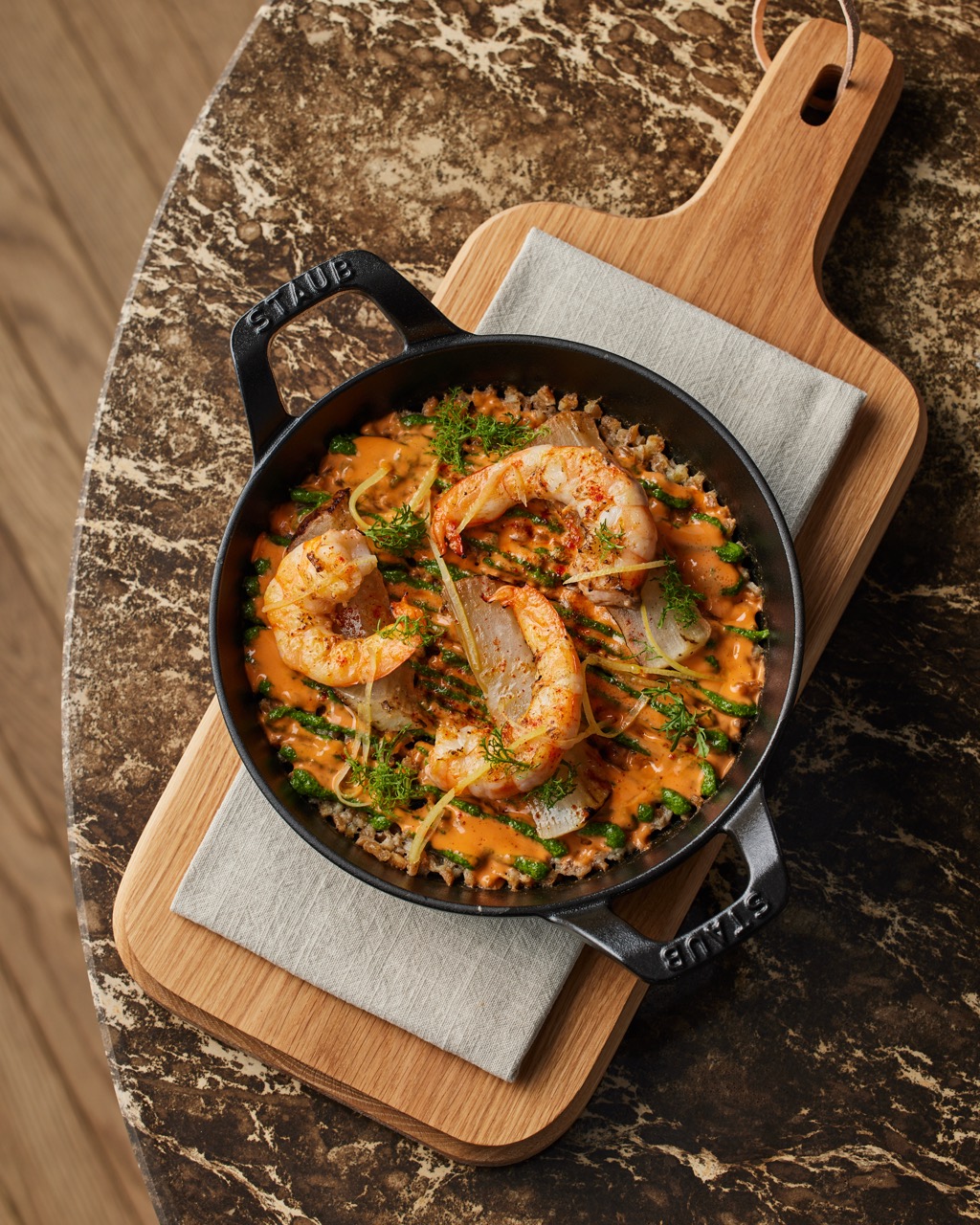
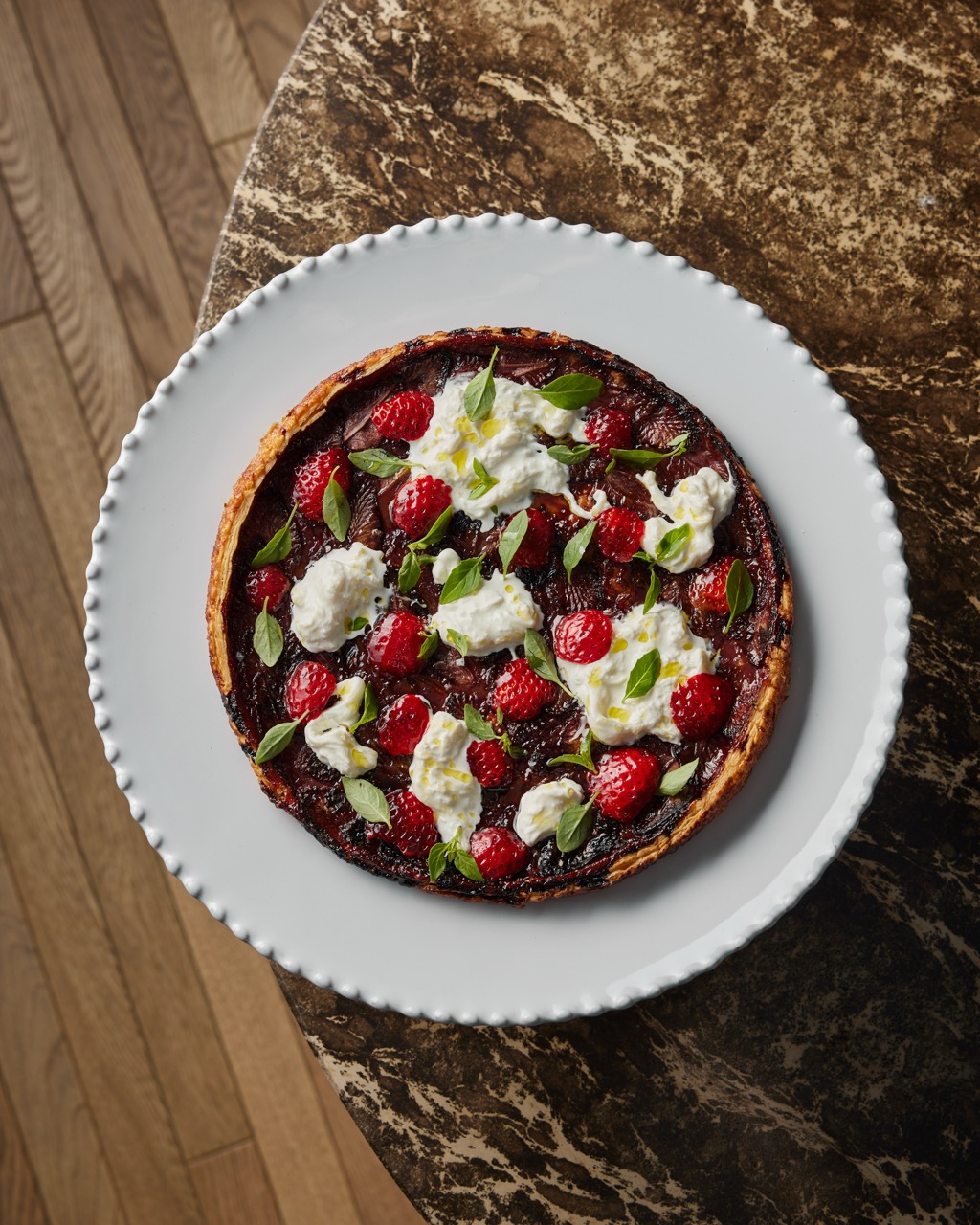
7.There is no tasting menu. The card is split into starters, mains and desserts, and guests build their own meal. Plates run from 14,000 to 42,000 won, and a broth of mushroom, hemp tofu and hazelnut costs 26,000 won. Few restaurants in Seoul carrying a starred chef's name sell à la carte at this price.
8.In autumn 2022, the Alain Passard pop-up in the Louis Vuitton building in Cheongdam-dong charged 300,000 won for dinner, and reservations filled in five minutes. Vegetable-forward French cooking, a fashion-house building: the setup was the same. What differed was time. Passard left when the run ended. Sapid moved in for good, as one floor of this building.
9.A permanent restaurant cannot live on guests who come once. A pop-up is a single evening's event; a permanent floor only adds up if the same people come down two or three times a month, and Sapid's price list looks built for that math. Someone shopping for clothes walks down half a level at a time and ends up at lunch, while the fourth-floor café and the rooftop garden hold the other end. Put places to eat and rest at both ends of a building, and guests pass the retail floors twice.
10.One starter, one main and a drink come to around 70,000 won per person (estimate). We assumed 40 seats and 56 guests a day across lunch and dinner. The bet is that lunch fills better than dinner, since this is a building where people arrive during shop hours.
11.Open every day, that is monthly revenue of about 117 million won. With a high share of Korean produce and labor-heavy vegetable cooking, we put food cost at 32%. Wages for 14 cooks and servers come out larger than the food bill, because à la carte orders arrive scattered and need more hands in the kitchen than a set course.
12.Rent is the shakiest line in this table. Whether the company owns or leases the building has not been disclosed, and how much to charge the restaurant for a basement inside its own store is the company's call. The fee paid to the Ducasse side is not public either. The 18 million won left over in the table is before that royalty.
13.Judged as a stand-alone business, the numbers are tight. SOLID, which runs Wooyoungmi and Solid Homme, posted 99.8 billion won in revenue in 2022. For a fashion company that size, the basement restaurant is less a revenue line than a floor showing what the brand eats and which plates it picks. The longer guests sit downstairs, the more often they walk past the clothing racks above.
14.The name Sapid came from Paris first. The original Sapid, which Ducasse opened with Romain Meder on rue de Paradis in October 2021, was a vegetarian restaurant where you ordered at a terminal by the door and sat side by side on long benches like a school canteen. Fish appeared only sparingly, as seasoning.
15.Sapid Seoul took only the name and the principle. Staff take the order instead of a terminal, and guests sit at tables under a minhwa ceiling instead of on benches. Ducasse calls this approach, carrying a philosophy and building a different restaurant in each city, Nomad Cuisine. The same columnist wrote that, given the size of the names involved, the meal did not fully meet expectations.
16.A fashion company gave the bottom floor of its flagship to a chef's brand, and chose permanent over pop-up, à la carte over a course. The most expensive plate is 42,000 won, one-seventh of the Cheongdam pop-up's dinner price. In Korea, an à la carte restaurant open from lunch through dinner every day runs first into the 52-hour weekly cap. The kitchen has to split into two shifts, so labor costs swell before revenue does.