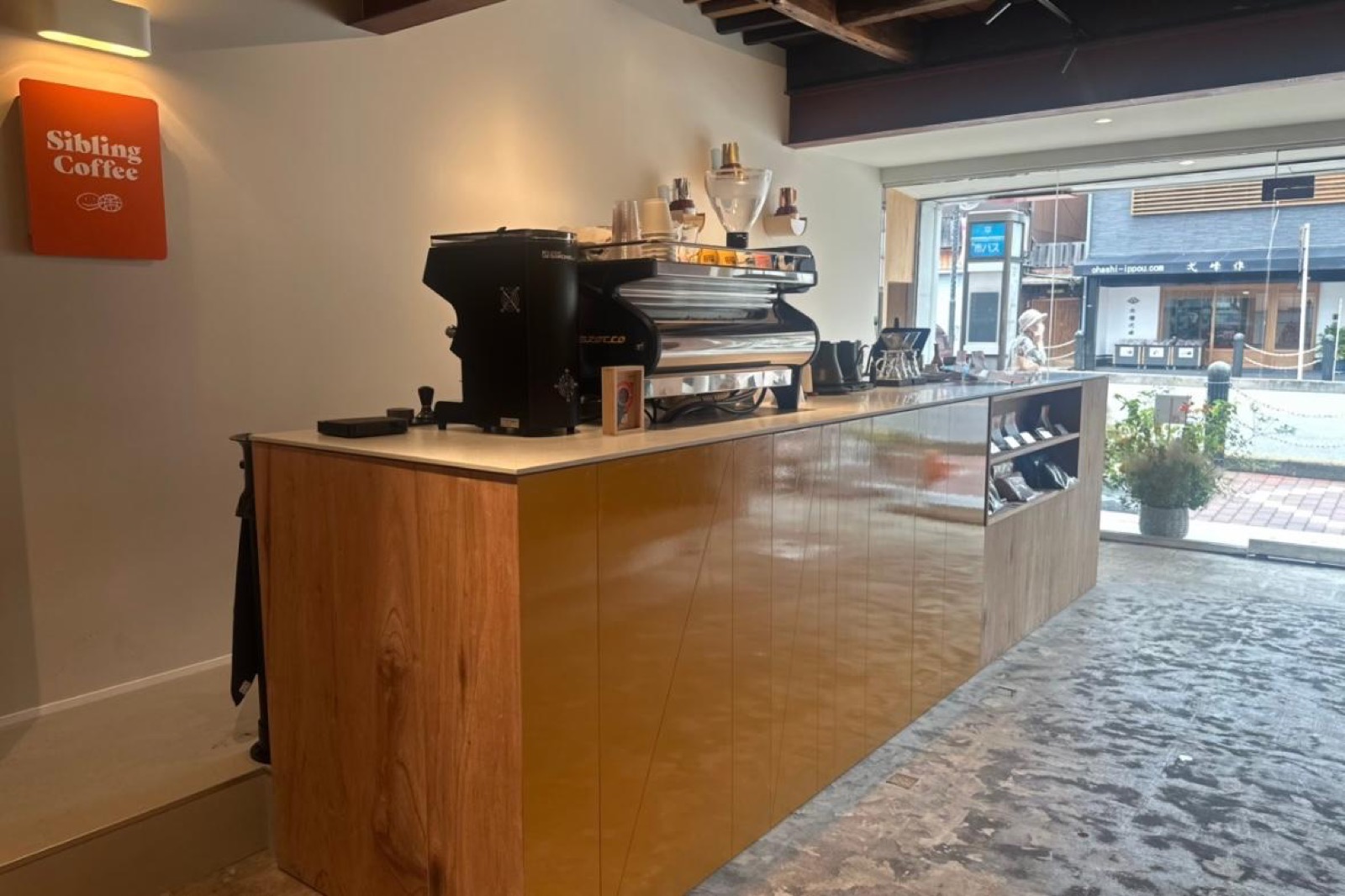
On July 6, 2026, a coffee stand opened on the ground floor of a residential block in Nishijin, Kyoto. The owner is a barista who won Japan's latte art championship, and the shop announces classes as a third revenue line alongside cups and beans. Follow the arithmetic that choosing an address off the tourist route makes between rent and tuition.
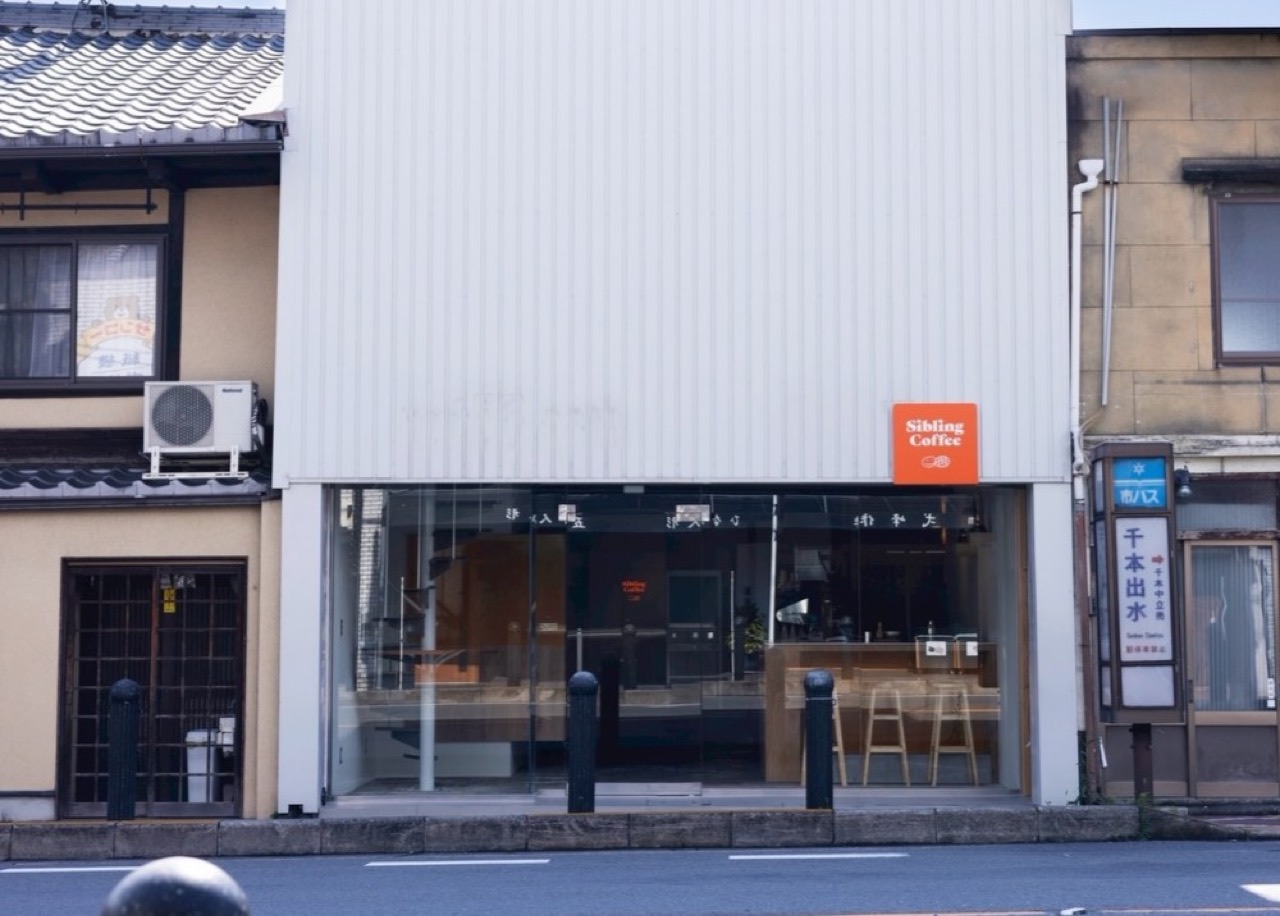
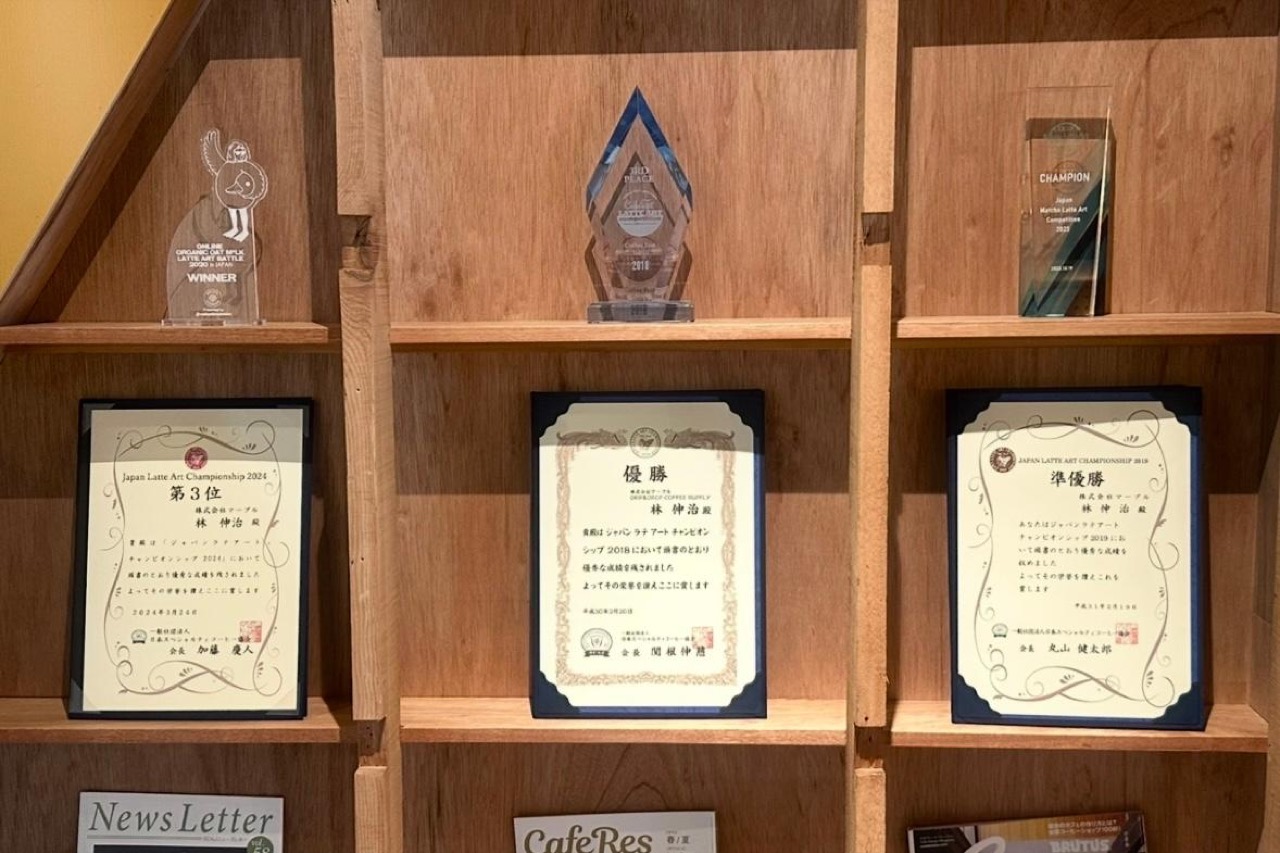
1.389-1 Fukushimacho, Kamigyo-ku, Kyoto, right where you step off at the Senbon-demizu stop. Sibling Coffee held its grand opening on July 6, 2026. Eight hours a day, 10 a.m. to 6 p.m., with no fixed closing day. The owner barista is Hayashi Shinji, winner of the Japan Latte Art Championship and third at the Coffee Fest World Latte Art Championship.
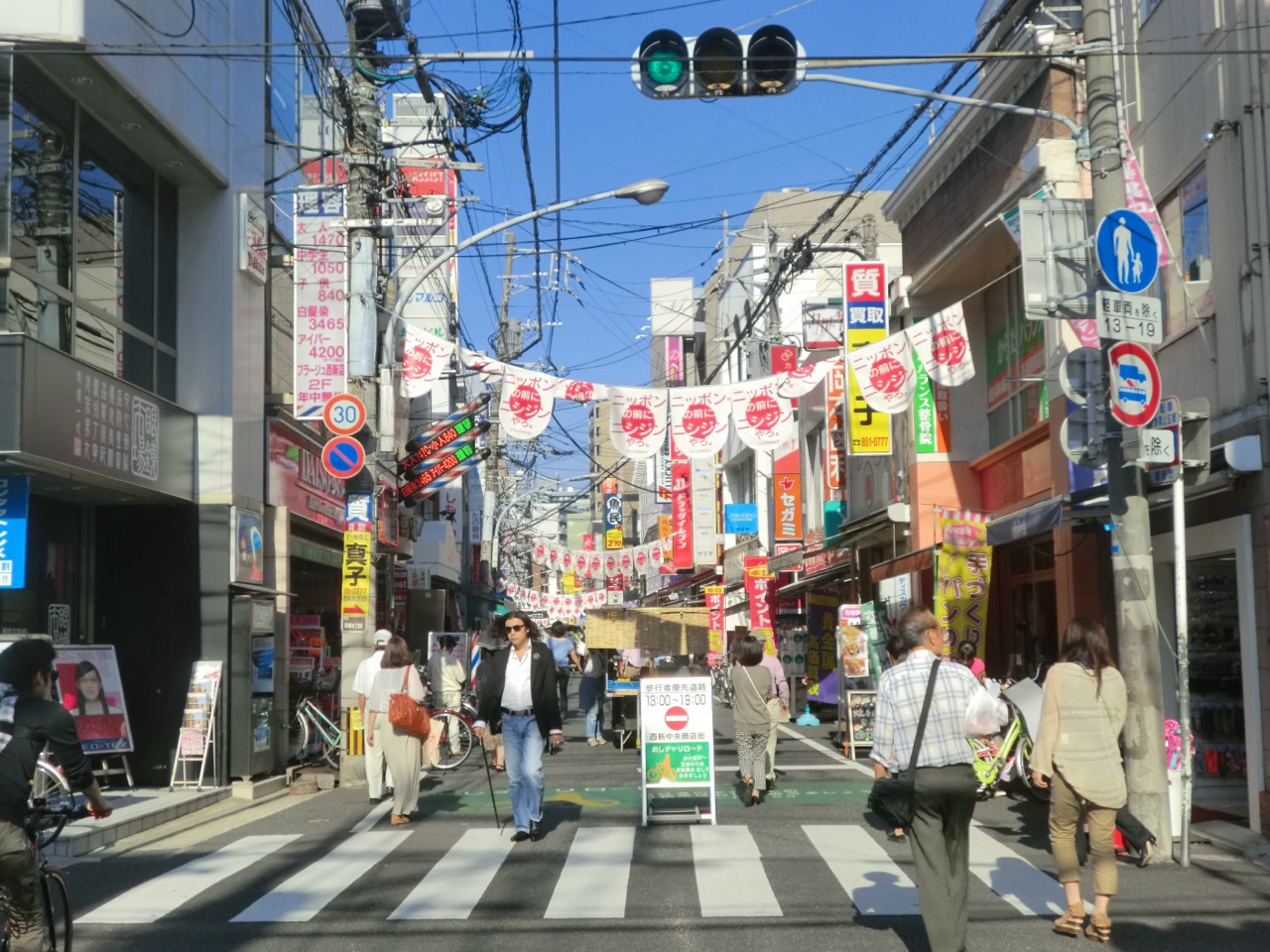
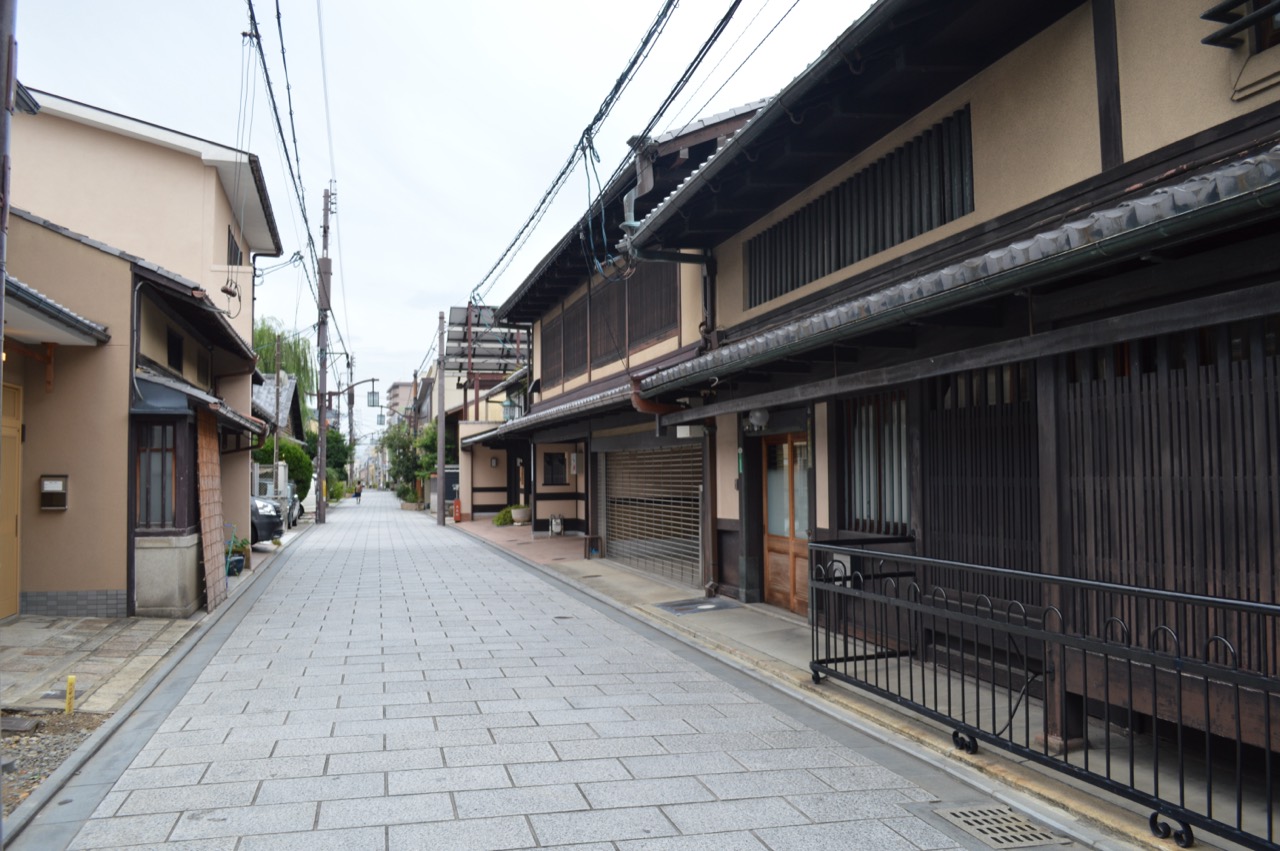
2.Start with the address. Not Gion, not Arashiyama, not a spot where tour buses stop. Nishijin was the neighborhood that wove silk, and that industry has been shrinking for a long time. Shipments of Nishijin-ori came to 16.9 billion yen in 2023, the lowest on record, 6% below 2020. The share of manufacturing workers in Kamigyo-ku working at looms set up in their own homes fell from 13.3% in 1990 to 3.6% in 2015.
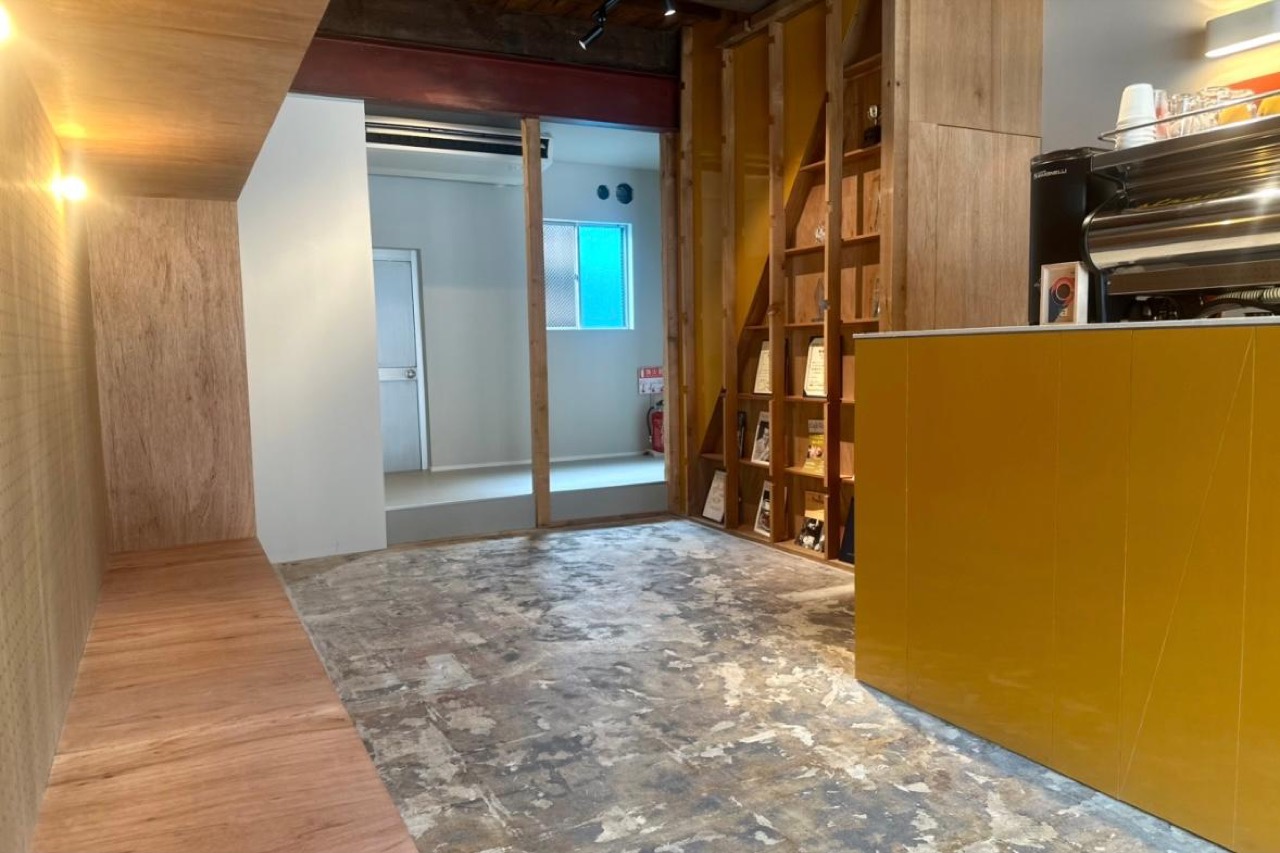
3.The shop did not tear out the spiral stair that was already there. A standing table was built to wrap around the stair, a bench went along the wall, and counter seats stayed in front of the bar. Standing room and seating share one room. The standing customer leaves in ten minutes and the seated one takes an hour, and both speeds sit on one floor plan.
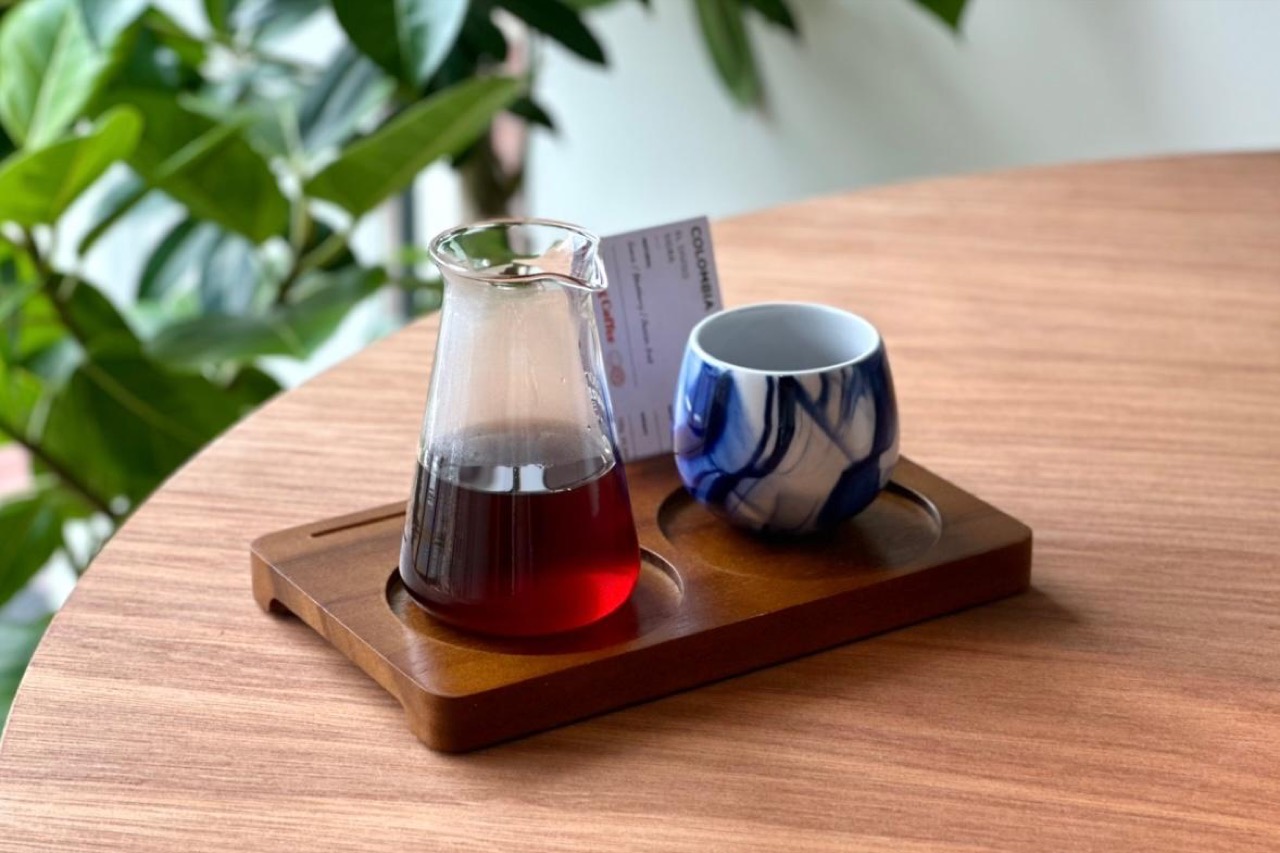
4.The cups split three ways. Sibling Blend, the house name, holds the base, while Kenya Kianyangi AA and a Colombia Miran Geisha competition lot stand above it. Cafe latte and matcha latte take the milk side, and watermelon tonic, lemon soda and kids' apple serve people who do not drink coffee. Doughnuts and chocolate chip scones too. A shop with a children's menu is not looking at tourists.

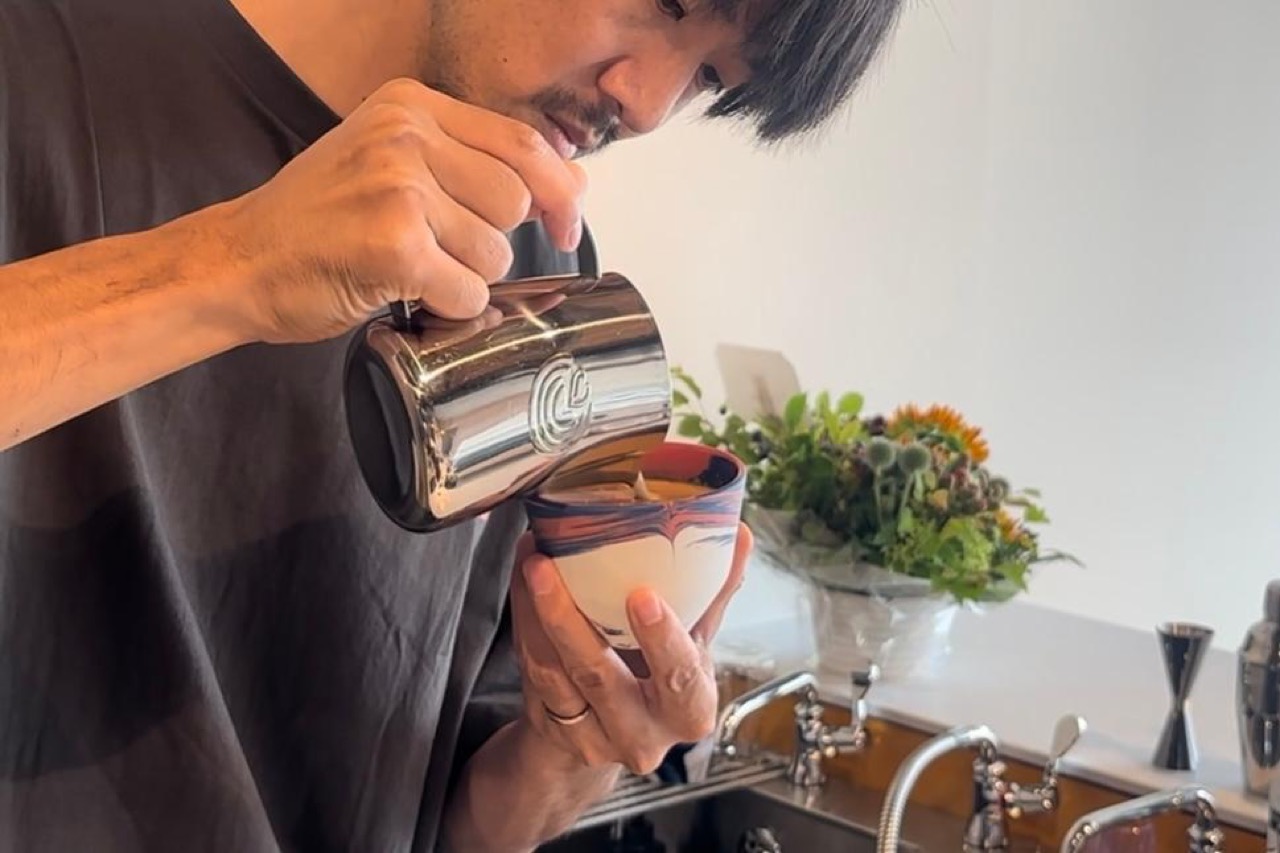
5.Latte art looks like drawing on a cup, but the work is handling the grain of the milk foam. Milk that has taken in air near 60 degrees Celsius stretches at the surface like wet paint, and only in that state does the line hold unbroken over the crema. Coarse foam bleeds the picture, and heat past the mark takes the sweetness out. If a competition tests one perfect cup, the shop floor tests the hand that rebuilds that state a hundred times a day.
6.The filter side runs the other way. Washed Kenyan coffee pushes acidity forward as it cools, and geisha holds its aroma longer lukewarm than hot. Drinking these cups fast is a loss. They are hard to sell to someone standing, and this is also where the need for seats comes from. Putting in the bench was less an interior decision than one the bean lineup dictated.
7.Numbers from here. Retail rent in Kyoto runs 25,000 to 50,000 yen per tsubo a month around Shijo-Kawaramachi and Kiyamachi, and 20,000 to 40,000 around Shijo-Karasuma. Sanjo and Nijo run 15,000 to 30,000, Kitayama and Shimogamo 12,000 to 25,000, Saiin and Uzumasa 10,000 to 20,000. The Senbon-dori area has no separate line in that table, and as a residential district off the center it reads at 12,000 to 20,000 yen per tsubo, an estimate.
8.Take 15 tsubo. That is 375,000 to 750,000 yen a month at Shijo-Kawaramachi and 180,000 to 300,000 in Nishijin. The usual rule in food service is that rent above 10 to 15% of sales turns dangerous, so 15 tsubo in Nishijin has to carry 1.2 to 3 million yen a month. Put the same floor area at Shijo-Kawaramachi and it jumps to 2.5 to 7.5 million. Converted into 800 yen cups, the first is 60 to 140 a day, the second 120 to 360.
9.The question is whether cups alone can fill that. One person at the bar pulling lattes, brewing filter and ringing up the till tops out realistically near twelve cups an hour, an estimate. Pack all eight hours and that is ninety-six cups, and a residential block off the tourist route does not hold a queue for eight straight hours. On cups alone, even the lower line is tight.
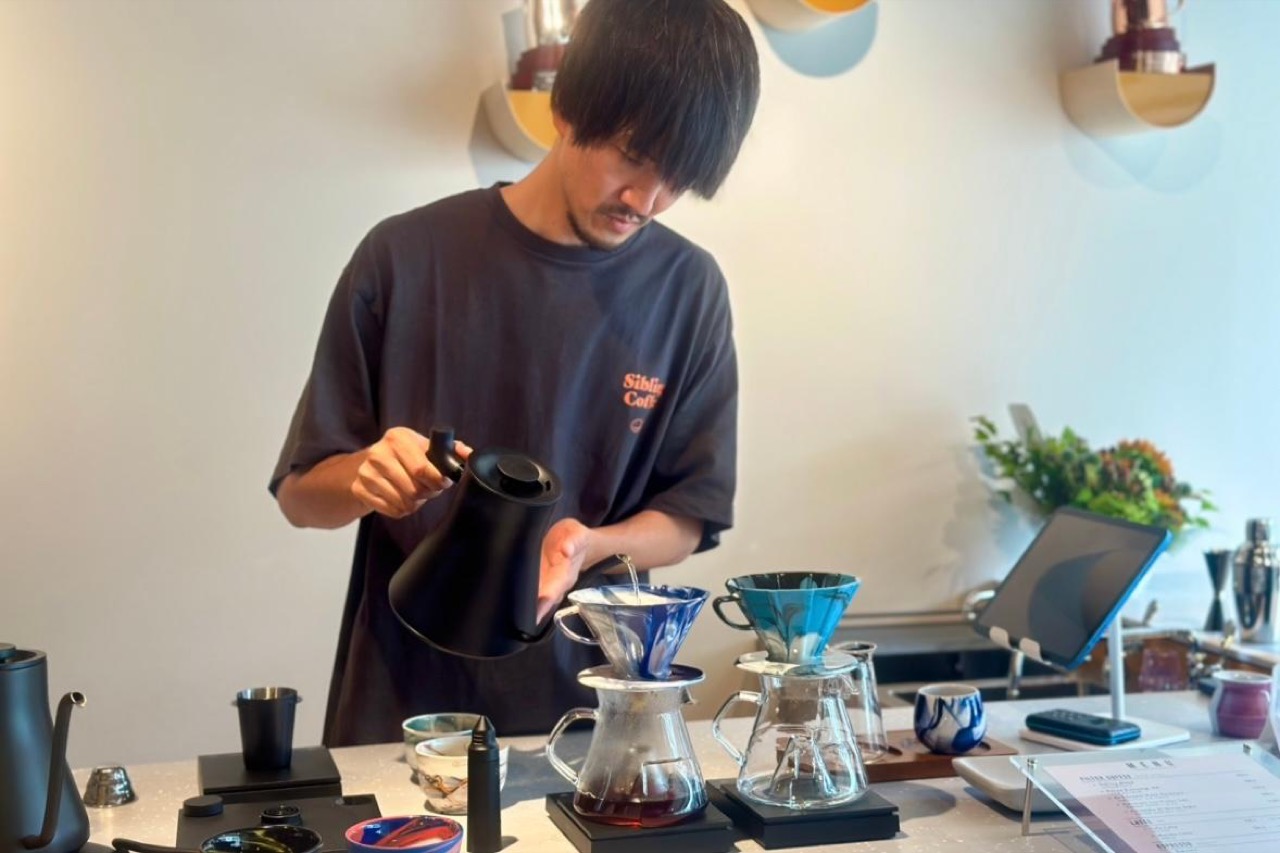
10.So a third leg goes on. Under the name Sibling Coffee Open Lab, the shop announces barista, latte art and brewing courses. In Japan a one-off latte art lesson goes for 4,000 to 7,000 yen, and private instruction starts at 9,000 yen for two hours. Take six people at 5,000 yen for two hours and that is 30,000 yen, with materials around 3,000 yen even counting milk and beans generously.
11.Pull cups at the bar for the same two hours and sales come to 19,200 yen, leaving 14,400 after cost, an estimate. The class leaves 27,000. What a championship record holds up is the class, not the cup. You cannot charge 1,500 yen for a latte because a champion made it, but you can charge 5,000 yen for two hours of learning from one. The trap sits in the same place. For the two hours a class runs, the bar stands empty.
12.Why does the neighborhood accept this. Nishijin still has rows of kyo-machiya standing, and their vacancy rate rose from 10.3% in 2008 to 13.8% in 2016. When a tourist trade moves into the space people vacated, residents get pushed out first. A coffee stand sits differently. A shop where you buy a cup in the morning and stop in with a child takes its place inside a resident's daily route.
13.People who come to learn are another kind of customer. Someone in Kyoto trying to make coffee a living, someone already running a shop who cannot get milk under control. They come once and then come again, they buy beans on the way out, and they say this shop's name in their own. Which makes the class a route to wholesale accounts that costs nothing in advertising.
14.Latte art competition grew big in the United States. The Coffee Fest World Latte Art Championship is a tournament where two people stand facing each other and pour the same design at once, and Japanese competitors held the upper places right through the 2010s. But the competition cup and the shop cup are different objects. A competition stakes everything on one cup, a shop has to push a hundred at the same quality. That is why a trophy cannot raise the price of a cup.
15.The name the shop chose looks toward the coffee problem of 2050. Climate change is set to halve land suitable for arabica by 2050, and World Coffee Research puts the loss as high as 75%. The smiling face and the globe in the logo say that. No single cafe can solve origin risk. Growing people can be done inside a small shop, and putting a competition record onto the classroom rather than the cup price is the one spot where the brand story and the income statement agree.
16.A barista who won a latte art championship opened a coffee stand in a residential block off the tourist route and stood his sales on three legs, cups, beans and classes. The number that stays is 27,000 yen for two hours, close to double what the same two hours leave at the bar, and it is this leg that let him choose a cheap address. Moving it to Korea snags first on the teaching side. A one-day class is fine. But the moment you recruit ten or more of the same learners into a course running past 30 days, you fall under the Act on the Establishment and Operation of Private Teaching Institutes, and classroom area and fire safety standards follow through city and provincial ordinance. Checking with the education office before you build the curriculum is the cheaper order.