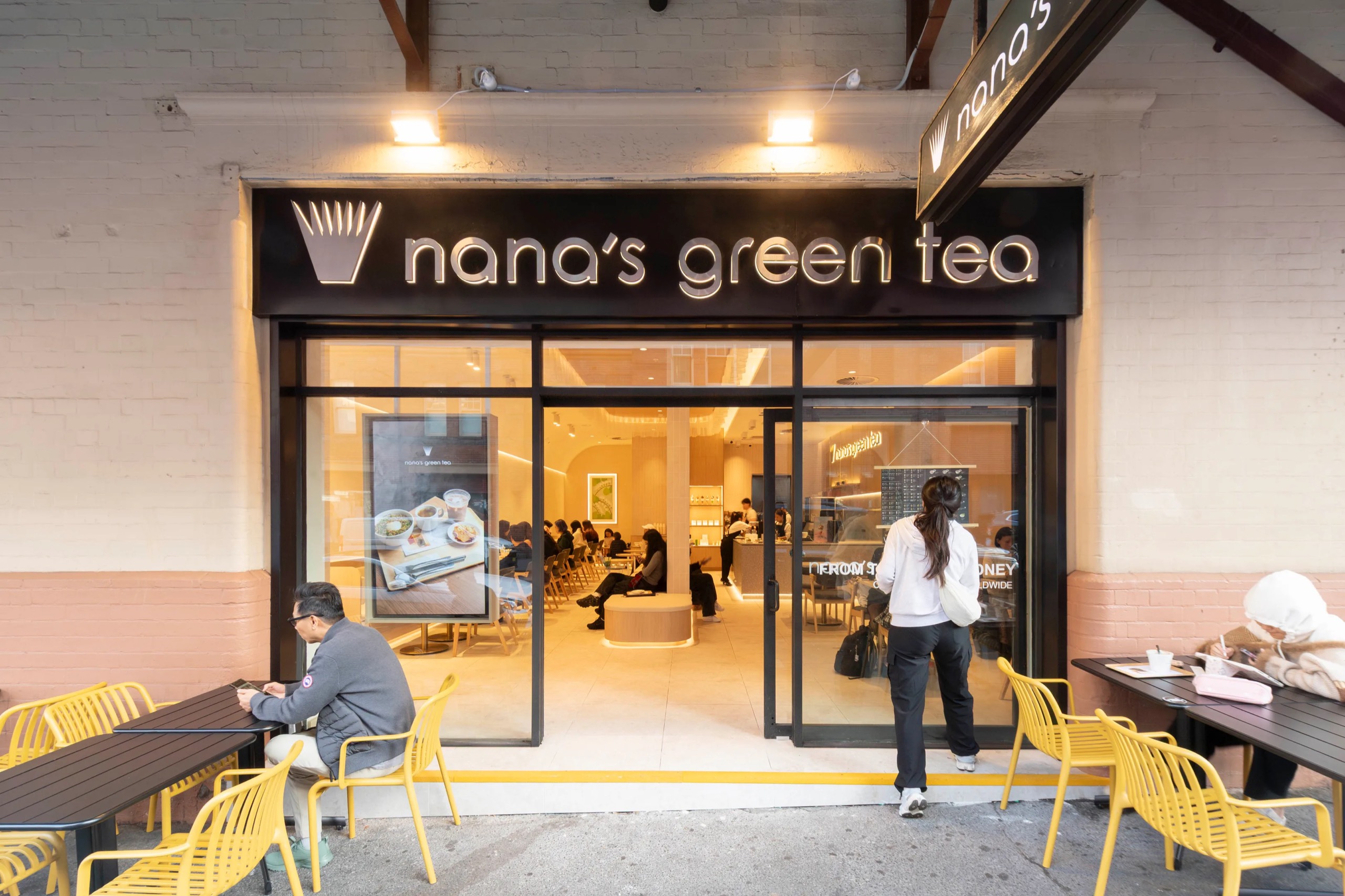
A matcha cafe from Tokyo opened in May on a shopfront strip next to Sydney's Chinatown. The sign says green tea, but the back half of the menu carries more than thirty savoury dishes: udon, ochazuke, sandos. Friday through Sunday it closes at 11pm. All of this in a year when the auction price of first-flush Uji tencha rose 265 percent.
1.The address is 3/37 Ultimo Road, Haymarket, a street-level shop across from Market City. The name is nana's green tea. JC Hospitality Group runs it, having opened two Melbourne stores first, which makes Sydney the third in Australia. Monday to Thursday it opens at 11.30am and closes at 10pm; Friday to Sunday, 11am to 11pm.
2.The parent company is Nanaha Co., Ltd., based in Jiyugaoka, Meguro, Tokyo. It opened its first green tea cafe in Jiyugaoka in March 2001 and took the current name in 2006. The hundredth Japanese store came in March 2018, and there are now more than ninety worldwide. Singapore in 2012, Taiwan in 2016, Canada and the United States in 2018: fourteen years outside Japan.
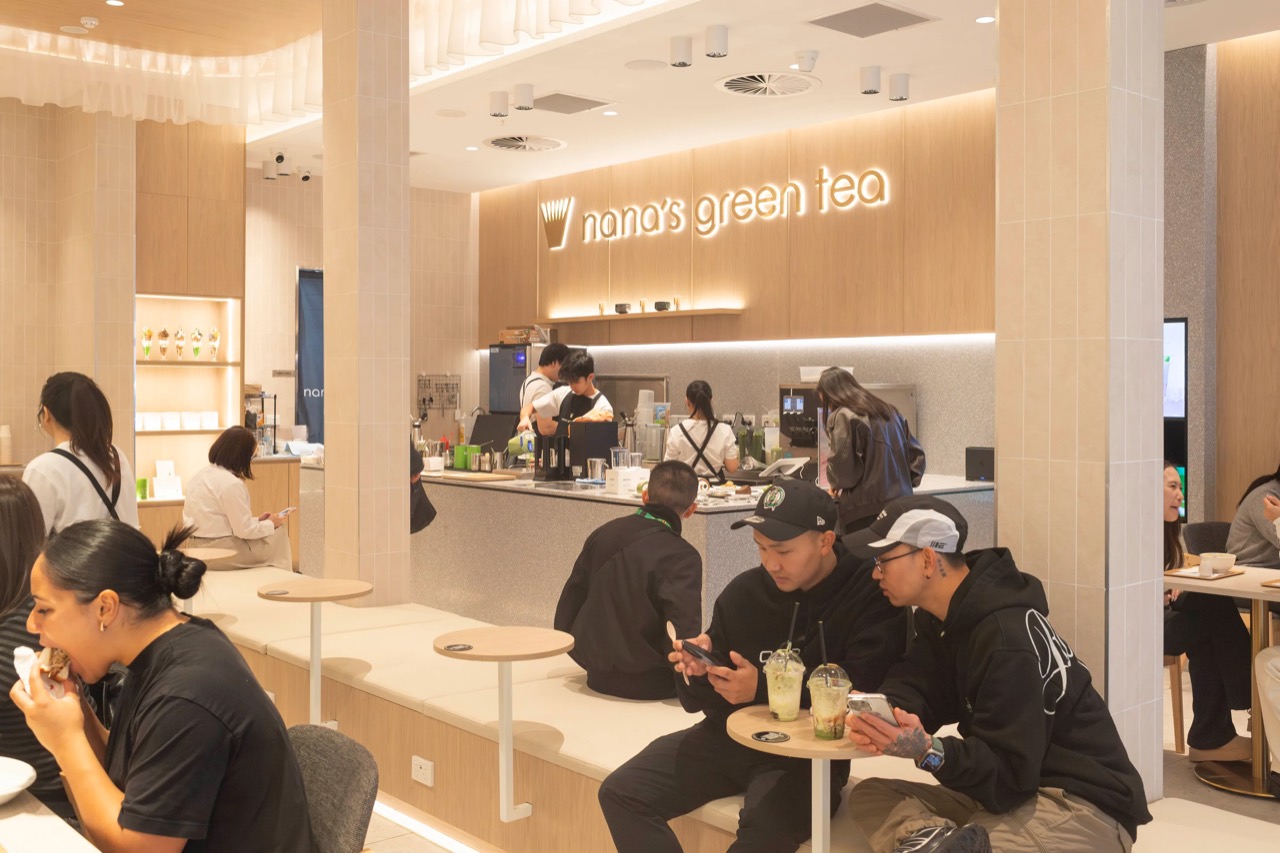
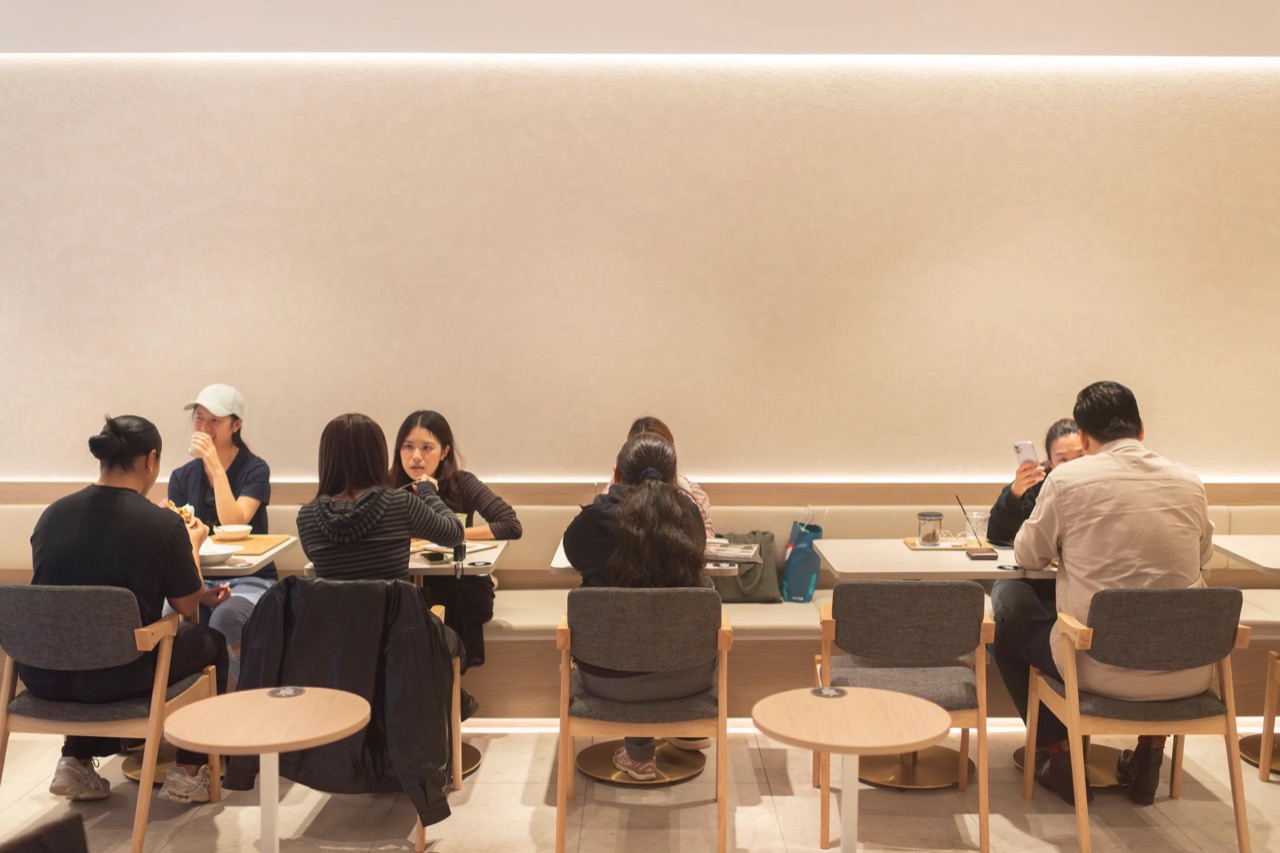
3.Through the door, the counter is on the right and the room runs long to the left. The ceiling is layered with wave-form timber battens hung low, and the walls are cream render with a single line of concealed lighting. Three kinds of seat. A long bench along the wall with round tables the size of a tray, four-tops in the middle of the room, and at the far wall a raised timber platform you step onto with your shoes off.
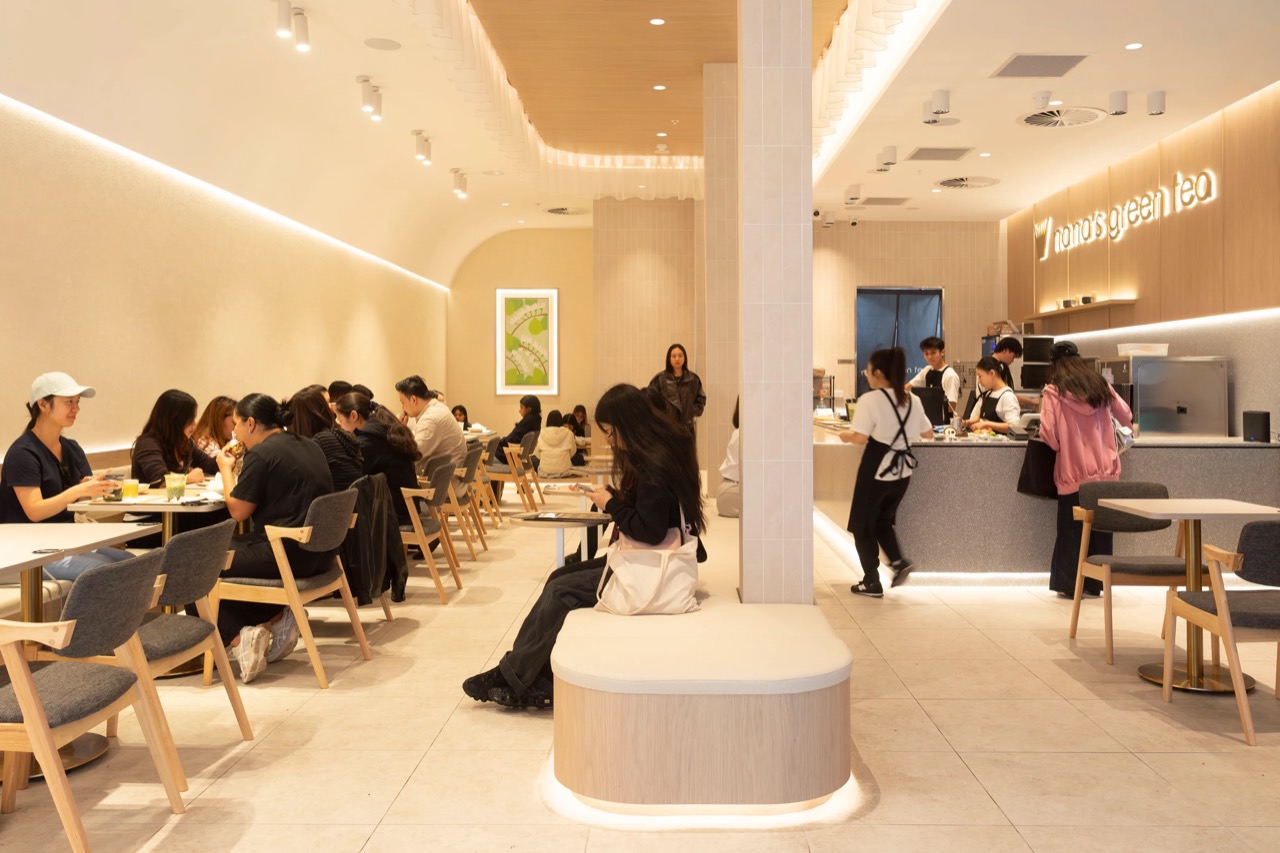
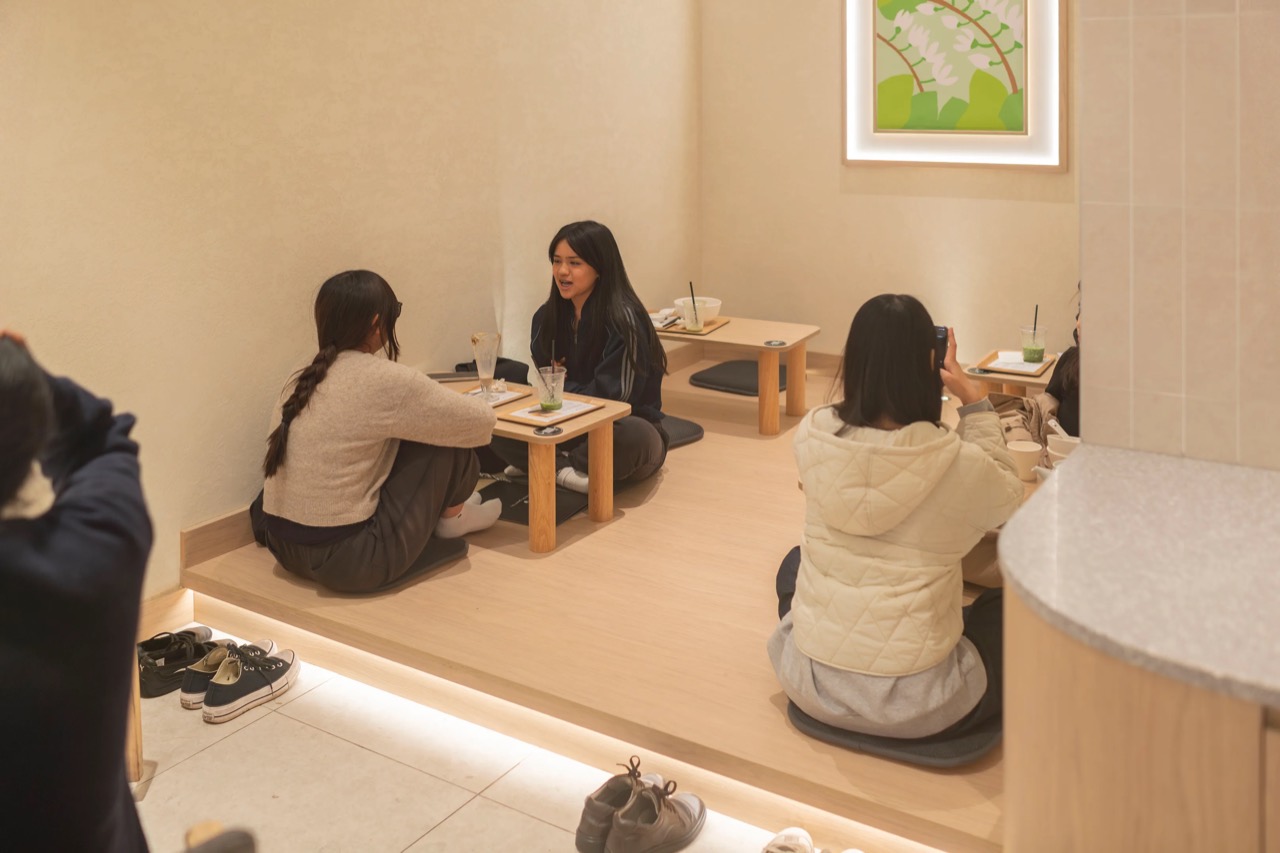
4.Splitting the seating three ways splits the customers. The bench is for the person alone for thirty minutes, the four-top for a group eating a meal, the platform for the party that stays two hours. Three customers with three different lengths of stay sit in the same room without pushing each other out. Fit the room with one kind of chair and only one of those three remains.
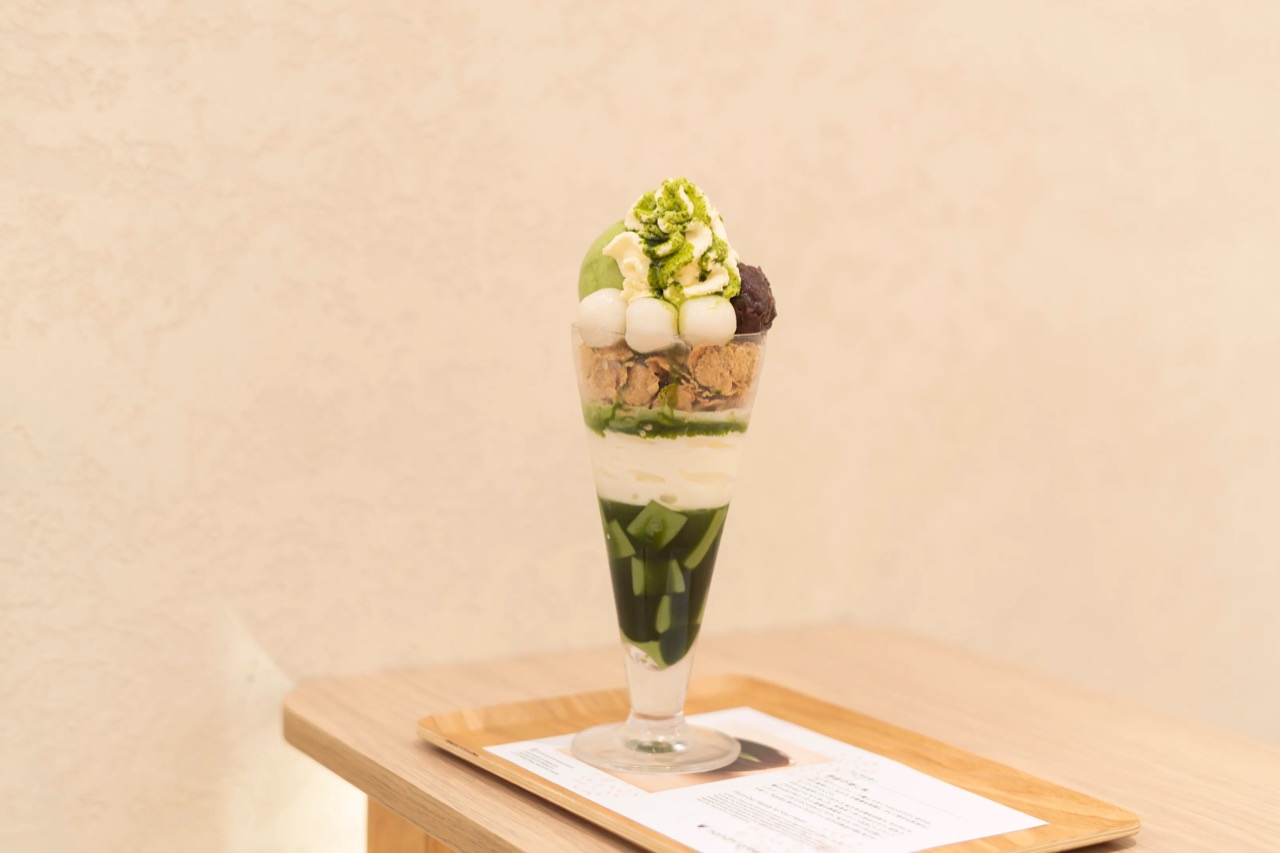
5.Drinks start at 7 Australian dollars for a hojicha latte. A matcha soft-serve latte is 12.90, and the float latte with shiratama on top is 15.90. Around 11,600 and 14,300 Korean won. The black sesame warabimochi parfait fetches 18.50, and the matcha roll and matcha cheesecake sit side by side at 11.50.
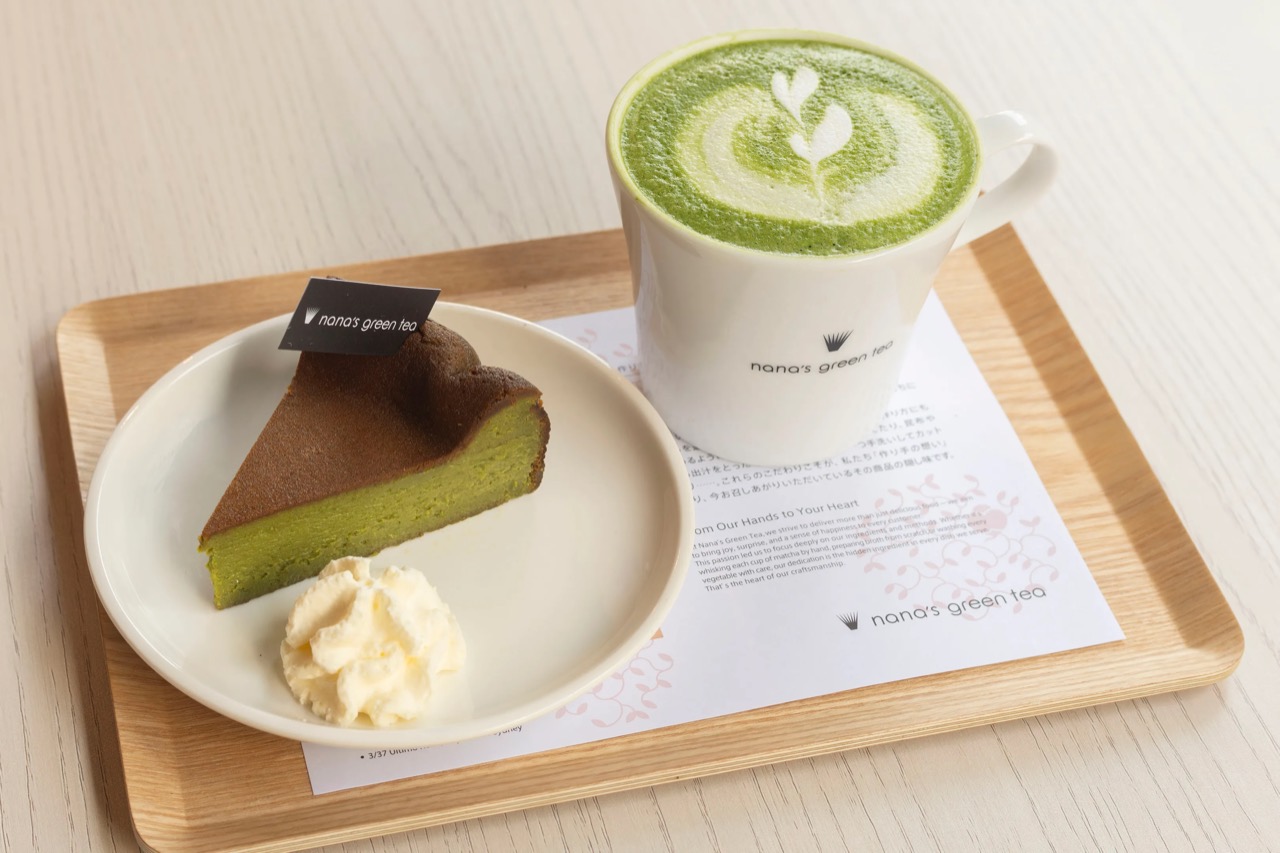
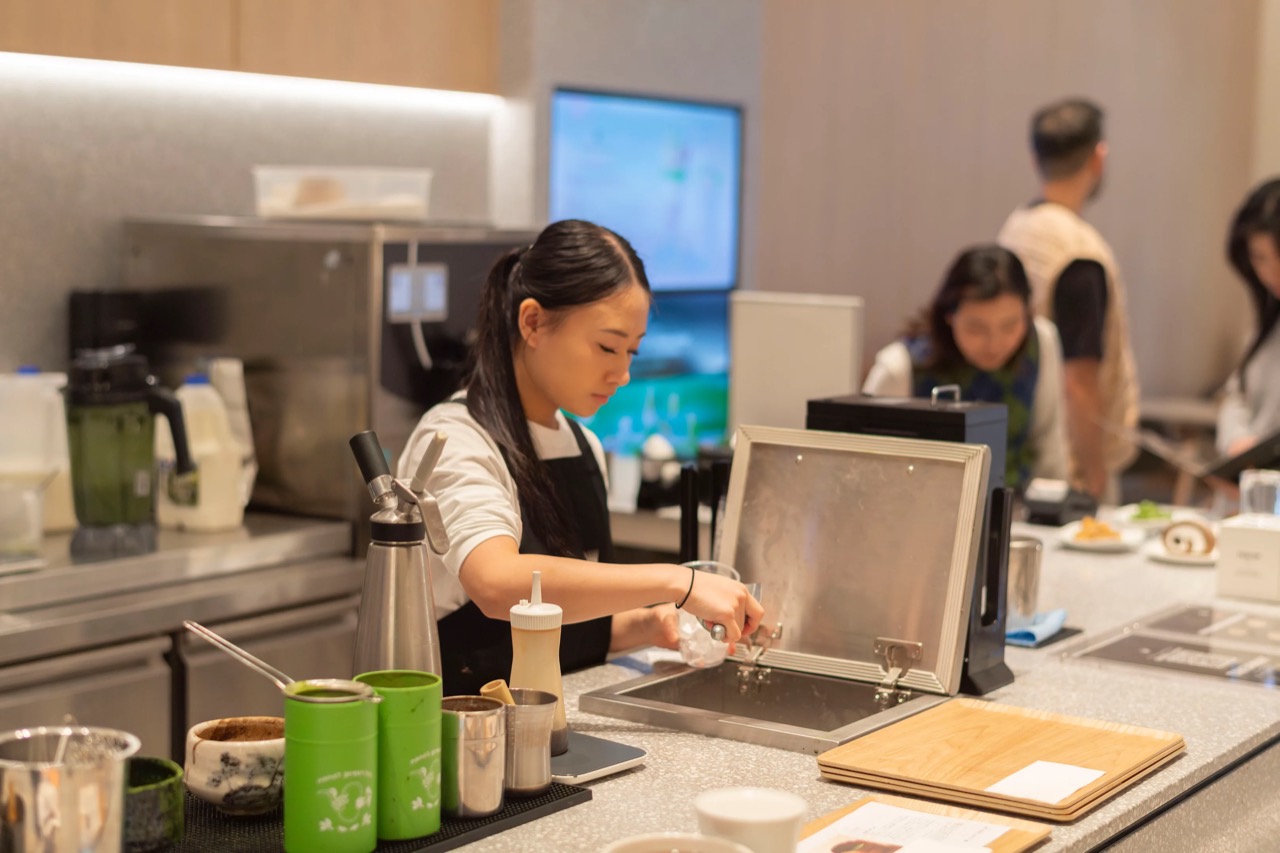
6.The matcha, they say, is whisked cup by cup after the order comes in. The powder whisked into water raises a fine foam on the surface, and warm milk poured over it is held by the milk fat as a leaf. Matcha from first-flush leaf tends to let the bitterness come and go quickly, with sweetness behind it. The layer of cornflakes between the matcha jelly at the base of the parfait and the ice cream on top is there to stretch that short finish out with a sound you chew.
7.Two weeks after opening, the afternoons were full. The crowd skews young. People with laptops open sit in the same room as pairs sharing a single parfait. Julie Fong, from the operator, says: "The demand is there, many young people like to come. It's become a culture for them."
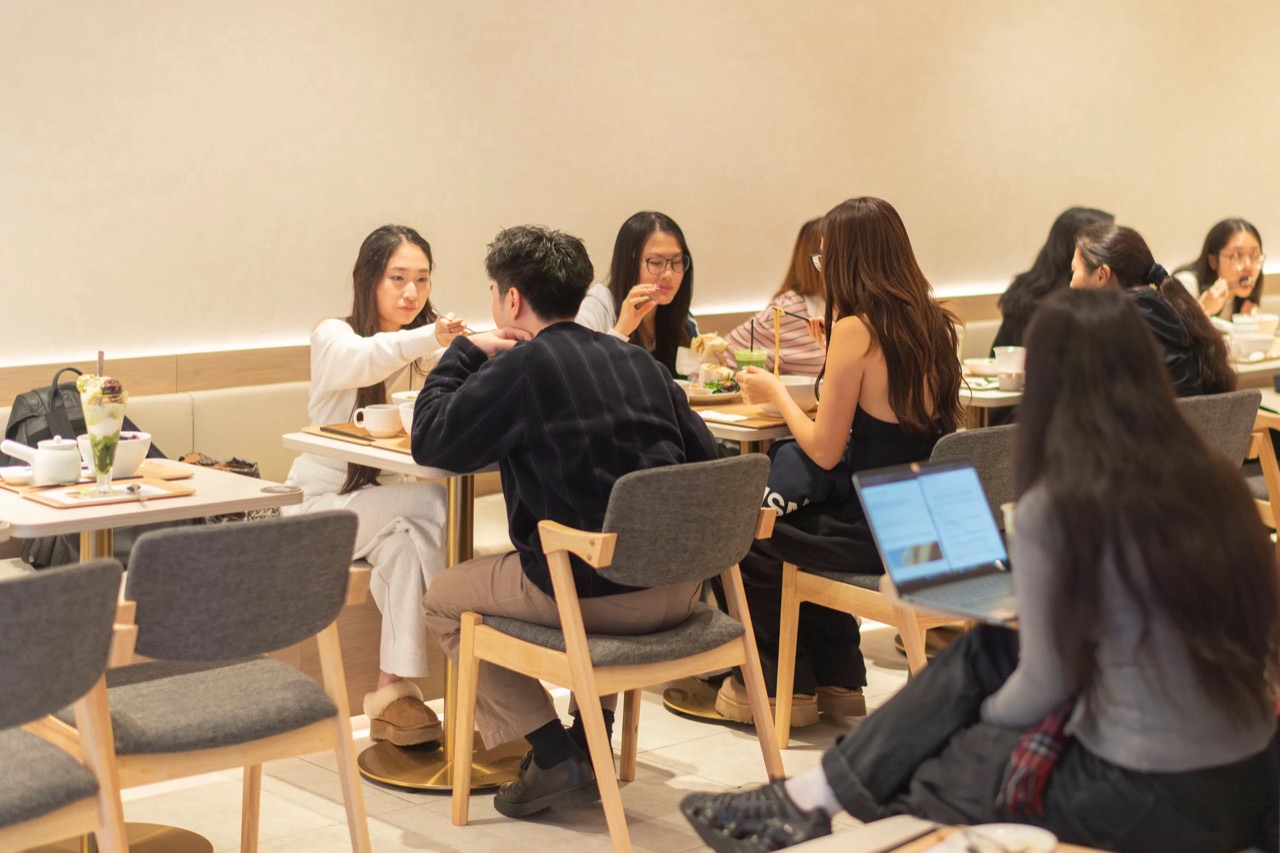
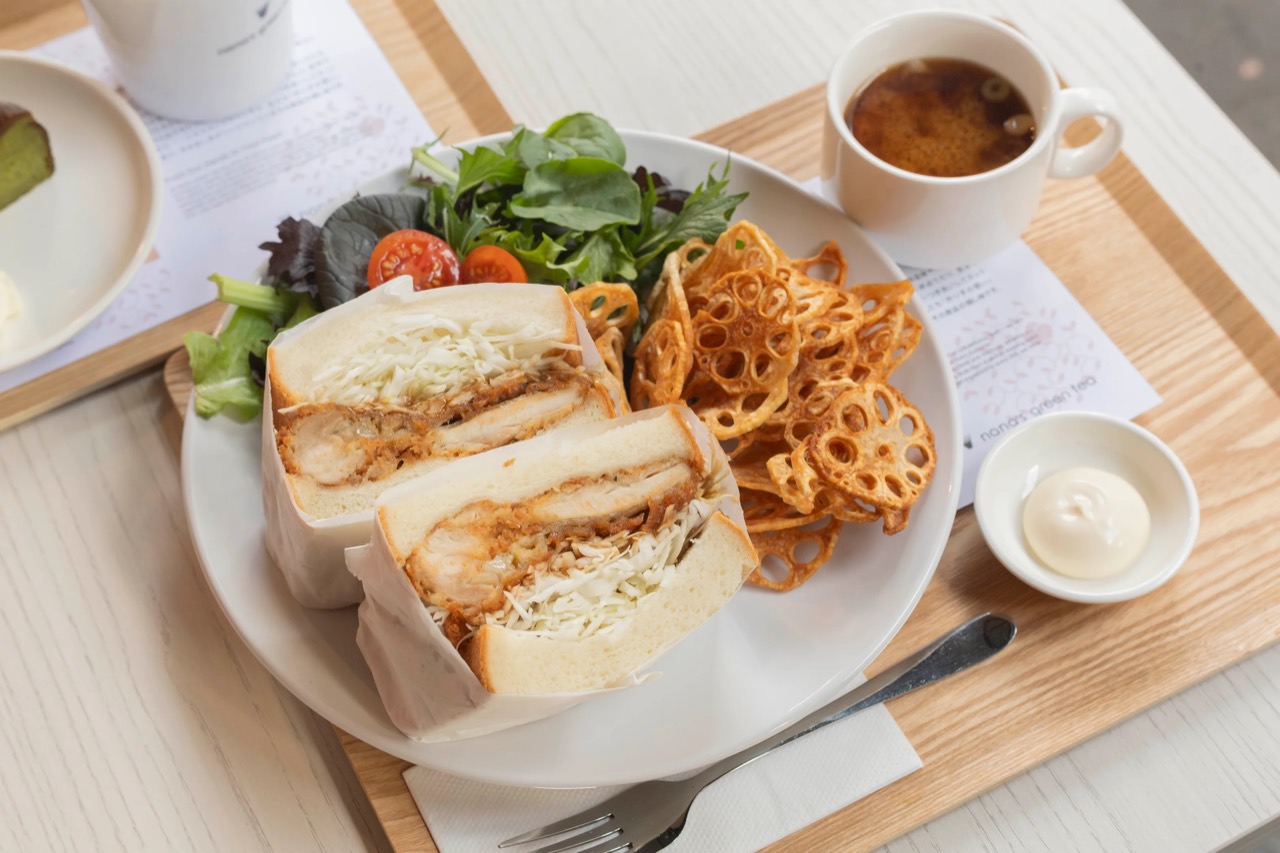
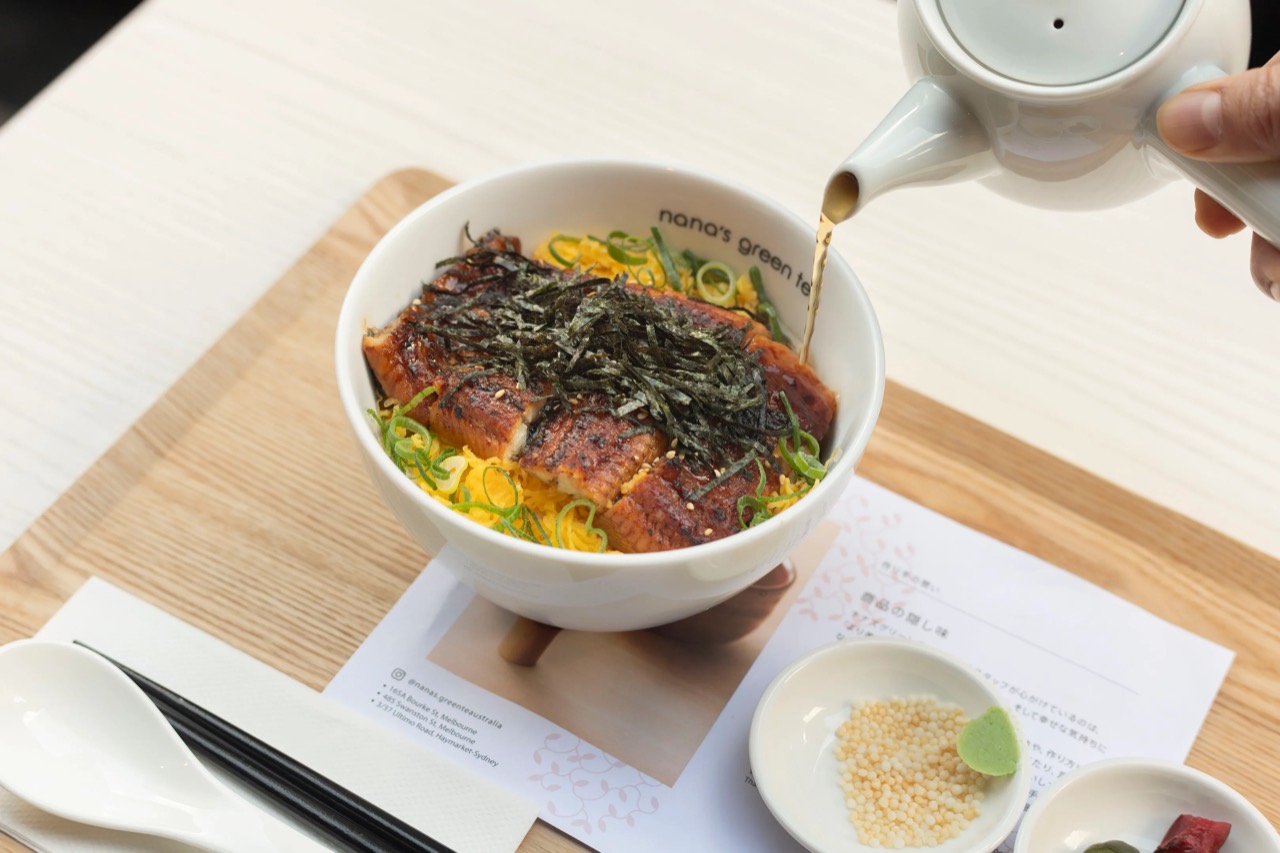
8.The back of the menu is this shop's second face. Egg, chicken katsu, tuna and potato sandos come as sets, and with the rice bowls, ochazuke, udon and salads the count passes thirty. Karaage curry udon is 24.50 Australian dollars, beef sukiyaki udon 25.50. The ochazuke arrives as rice and eel, and the customer pours the dashi from the pot. Most of the ingredients, from matcha and hojicha powder to mochi, black sesame and shokupan, come in from Japan.
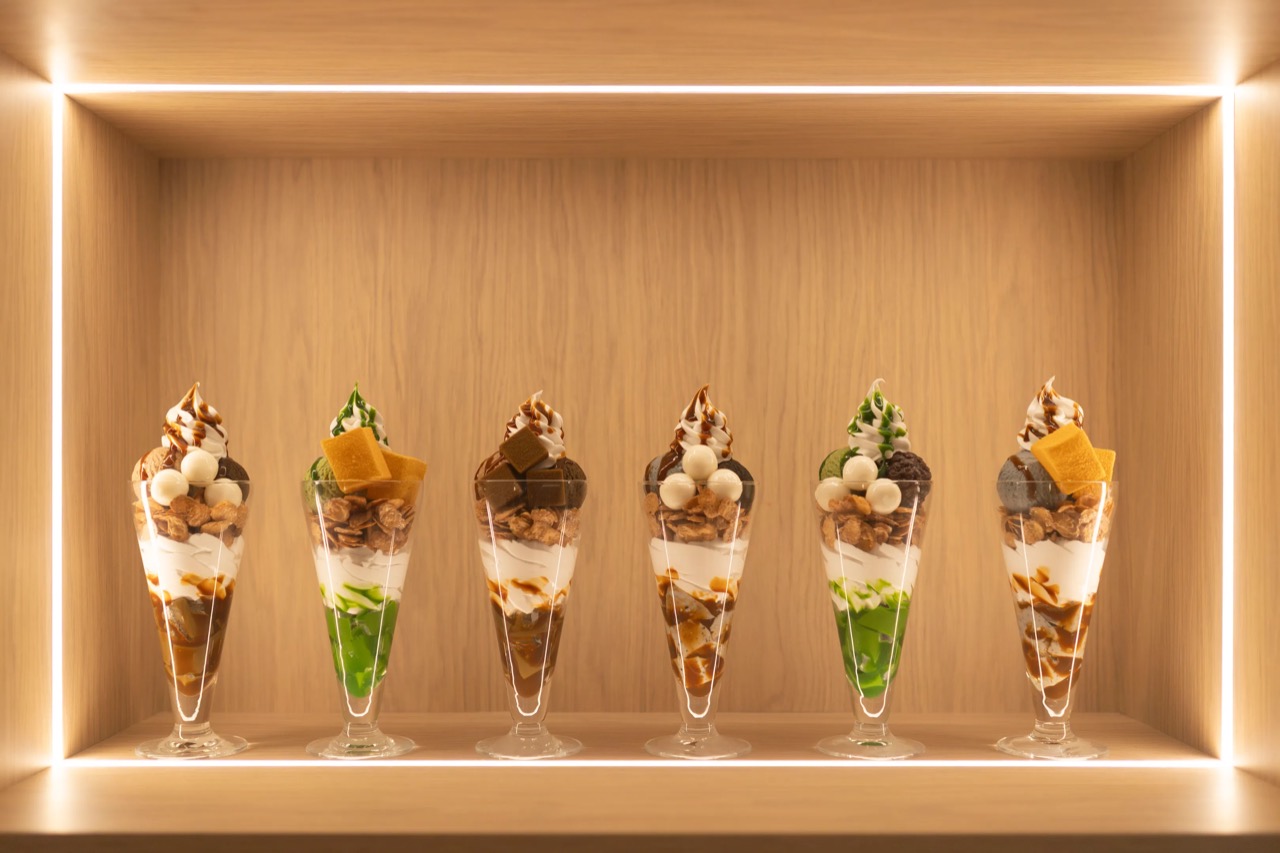
9.In the case beside the counter, six parfait models stand under light. Not a menu with photographs pasted on, but full-size objects. Turn your head while queuing and the 18.50-dollar item is at eye level. Food replicas, used along Japanese restaurant streets since the 1930s, brought inside the cafe.
10.Ingredient costs did rise. First-flush Uji tencha cleared at 43,330 yen per kilogram at last year's auction peak, 265 percent of the year before. Heatwaves landed on the spring shading season, and yields of the highest grade of Uji tencha fell 40 percent in each of two consecutive harvests. For wholesale buyers the arithmetic is simpler: Uji matcha bought at 180 US dollars a kilogram in 2023 now runs 280, close to double.
11.So what does that doubling come to in a single cup? At two grams of matcha per latte, the ingredient cost moves from 0.55 Australian dollars to 0.86. The difference is 31 cents, about 280 Korean won. That is 2.4 percent of the 12.90 selling price. Even with the input cost doubled, the ingredient ratio in this format moves from 15.5 to 17.9 percent. The story that the matcha shortage is closing cafes does not hold up cup by cup.
12.The frightening part is at night. Australia's Hospitality Award (MA000009) sets the level 1 base rate at 26.44 Australian dollars an hour from July 2026, and casual employment adds 25 percent to reach 33.05. Sunday carries a penalty that takes casuals to 175 percent, or 46.27 an hour. About 41,600 Korean won. Keep two people on from 9pm to 11pm and those two hours alone cost 185 dollars.
13.Covering 185 dollars on drinks alone takes seventeen lattes. Thirteen parfaits, or eleven bowls of sukiyaki udon. Few cafes sell seventeen lattes after 9pm, while eleven bowls of udon is three or four tables. The thirty-odd dishes at the back of the menu buy this shop two more hours of trading. Food is what holds the evening, and the evening is what makes the leased floor area pay.
14.How far this structure goes is visible in the New York figures the company has published. The Broadway store, 150 square metres with seventy seats, posted monthly sales of 40 million yen for five consecutive months. Each seat brings in about 5.37 million Korean won a month. Divided by floor area, that is 8.28 million won per 3.3 square metres. Seattle comes next. The thirteen overseas stores passed 2 billion yen in sales for 2024. The company talks of 200 overseas stores by 2030.
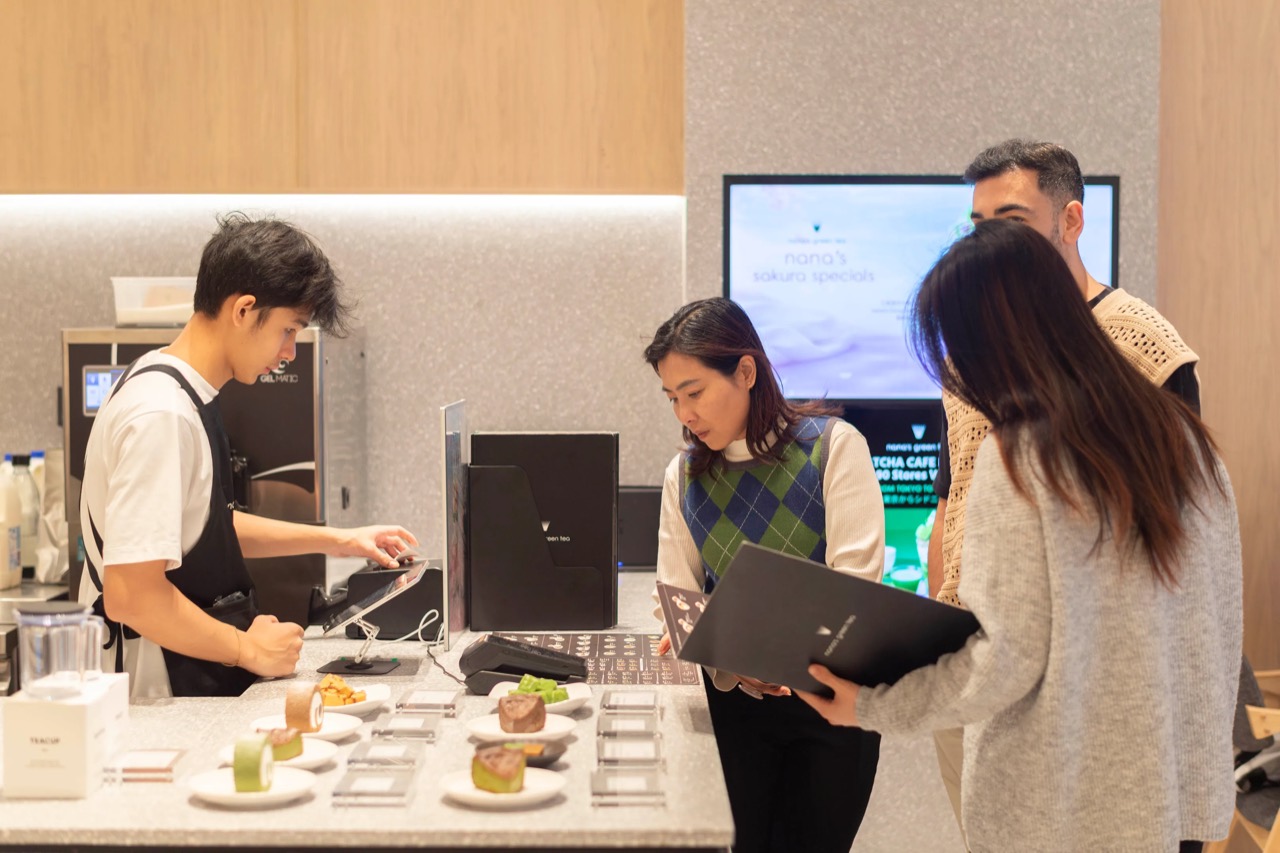
15.Japanese kissaten have been selling napolitan and curry rice for more than seventy years. Coffee alone could not fill the lunch hour, so food was attached, and this company has carried that old method across to matcha. What differs is that the food is not an afterthought. The sando sets and ochazuke arrive with bowls, trays and a dashi pot, priced in the mid-20s in Australian dollars. Food here is the product, not the bait.
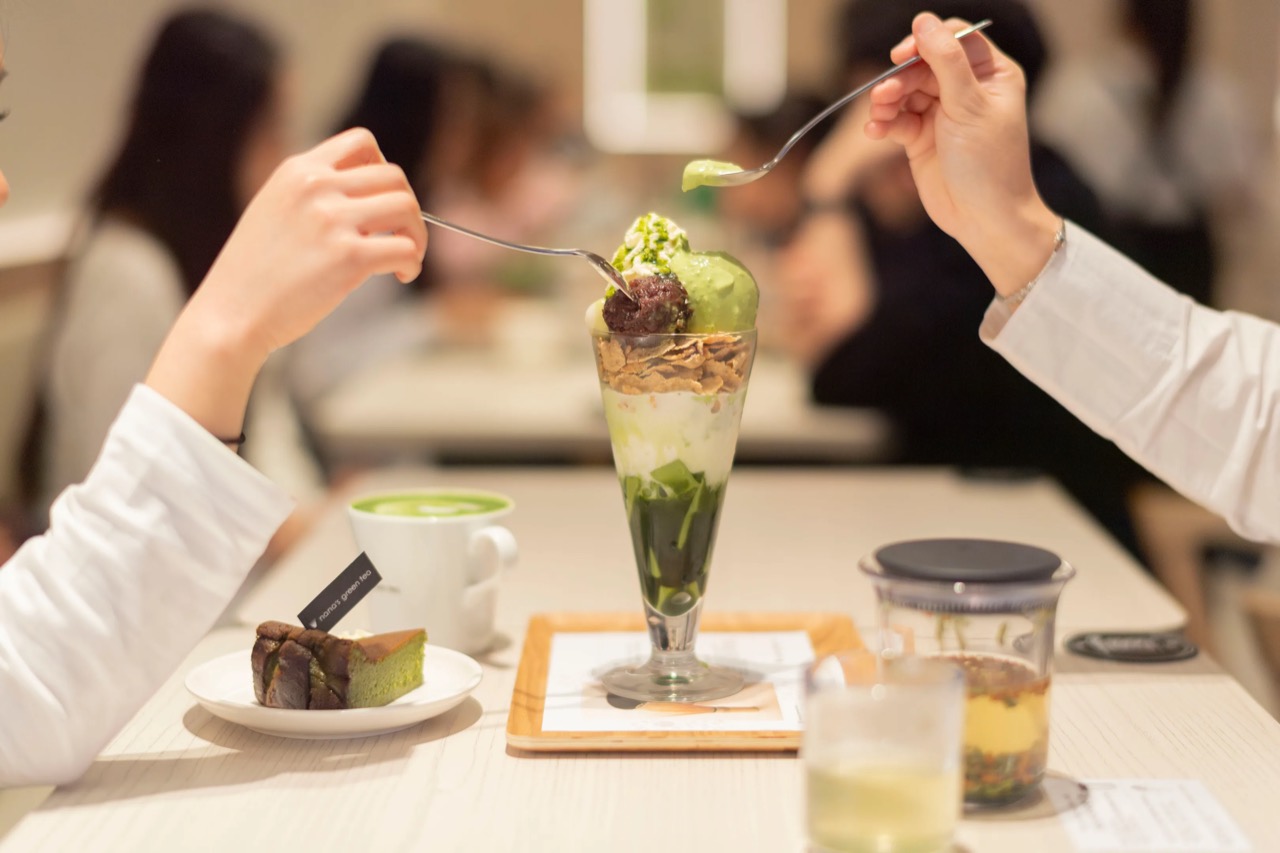
16.A cafe with matcha on the sign and its revenue coming from the evening's food has taken a shopfront bay in Sydney, and the ingredient whose cost doubled ate an extra 31 cents a cup. Doing the same thing in Korea stops first at the business registration. Sell only coffee and bread and it ends as a refreshment business, but the moment you boil udon and cook rice it becomes a restaurant business, and kitchen floor area, mechanical ventilation and a grease trap come with it. That fork has to be settled before the drawings are done, and changing it later means tearing the fit-out out again.