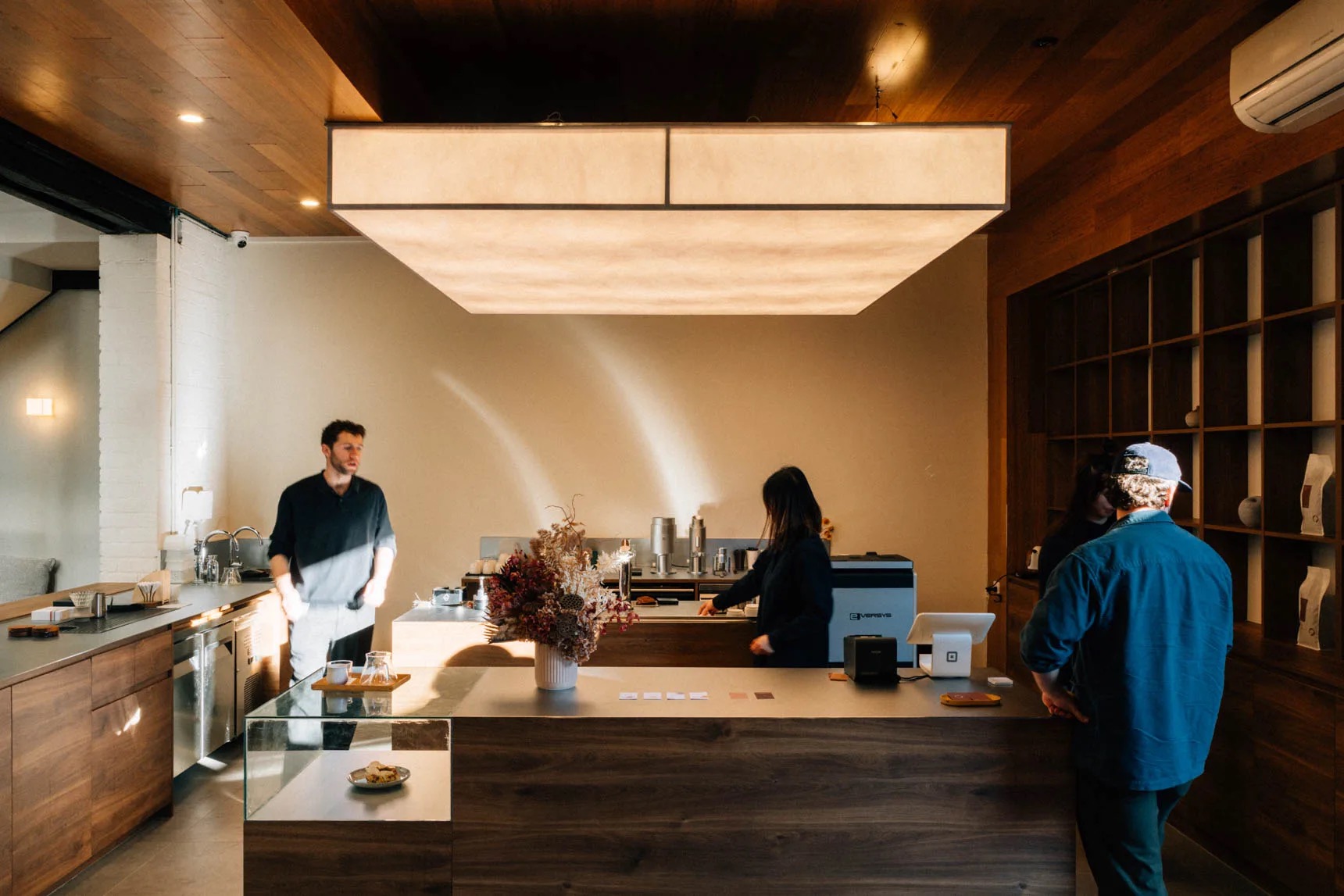
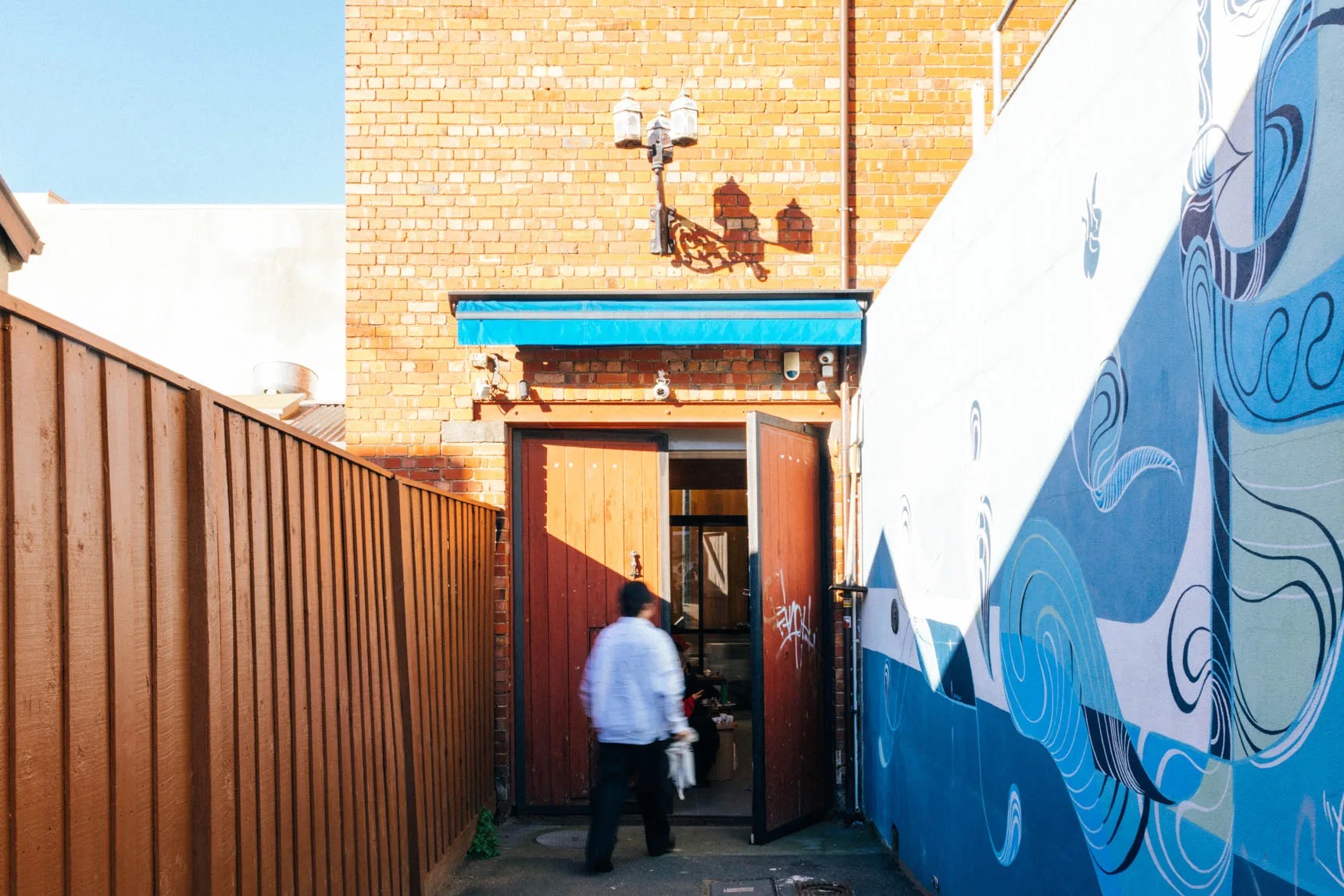
Walk past a petrol station in Carlton, Melbourne, turn once into a cobbled laneway, and you reach a barn door. Push it open and the sounds of coffee being made are gone. No grinder, no portafilter knocked out against a bin, no steam wand tearing through milk. Classical guitar, low in the background, is what fills the room instead. One Swiss-built superautomatic took all of that sound away. Open five days a week and closed by 3.30pm, the shop is still in soft launch, and by midday the queue reaches the door.
1.The name is Atelier Ensō. The address is 8 Raffa Place, Carlton, Melbourne. You come one block in from Lygon Street and then down a laneway behind a Shell petrol station, so nobody wanders in by accident. Vertue Coffee Roasters used to occupy the site, an old stables building it had converted, and the shell sat empty once that roastery left. The lease was taken late last year and the doors opened in July.
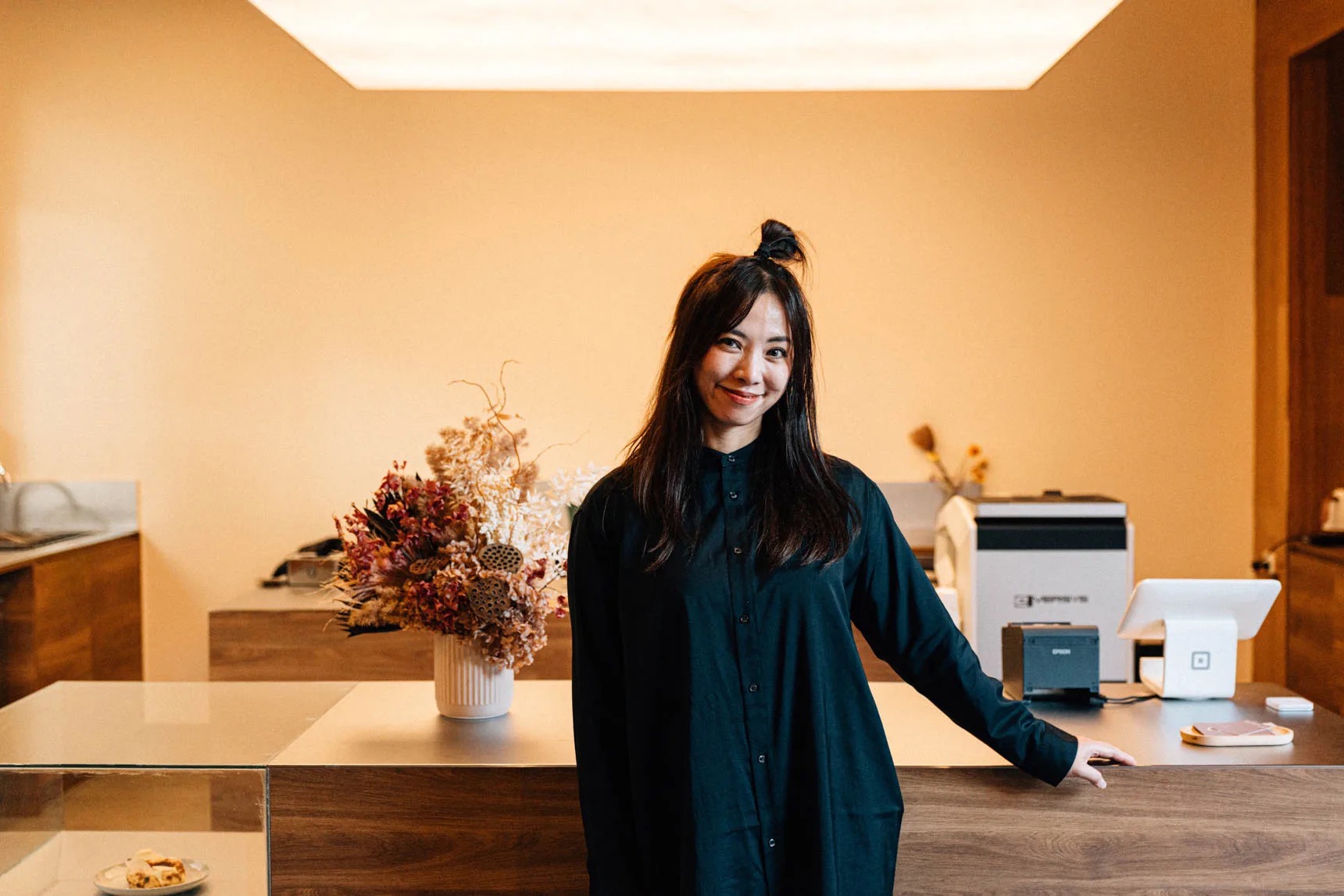
2.Alicia Feng built it. She is a certified sensory judge at the world coffee championships, head judge of the Australian Brewers Cup and a licensed Q grader. Calere Coffee opened in Fitzroy in 2019 and Chiaki in Collingwood was co-founded in 2023, which makes this venue number three. She describes herself as a Buddhist who has been practising more in recent years, and says a calm room has become something she needs, for herself and for the people around her. Ensō is the Zen circle drawn in a single turn of the brush.
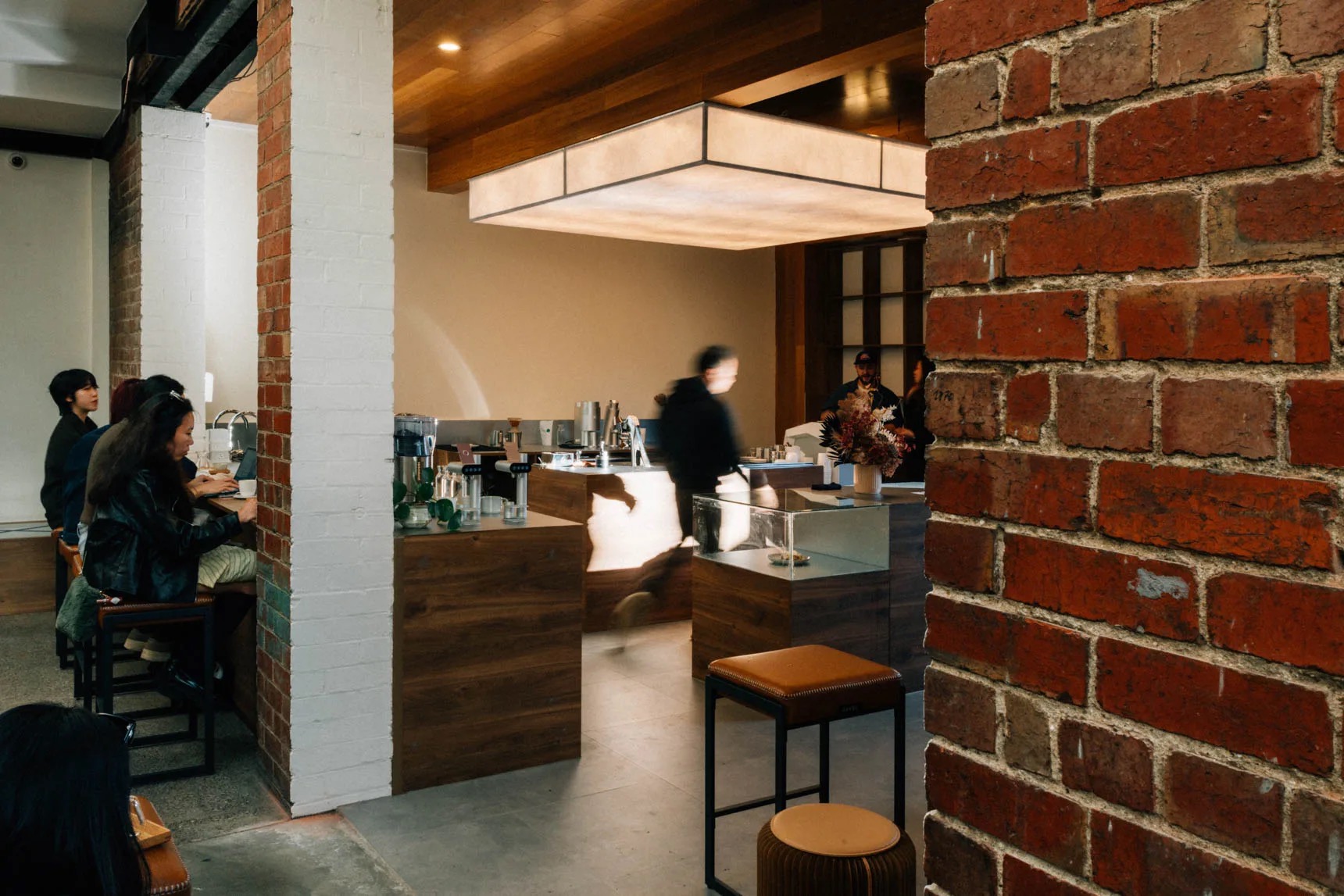
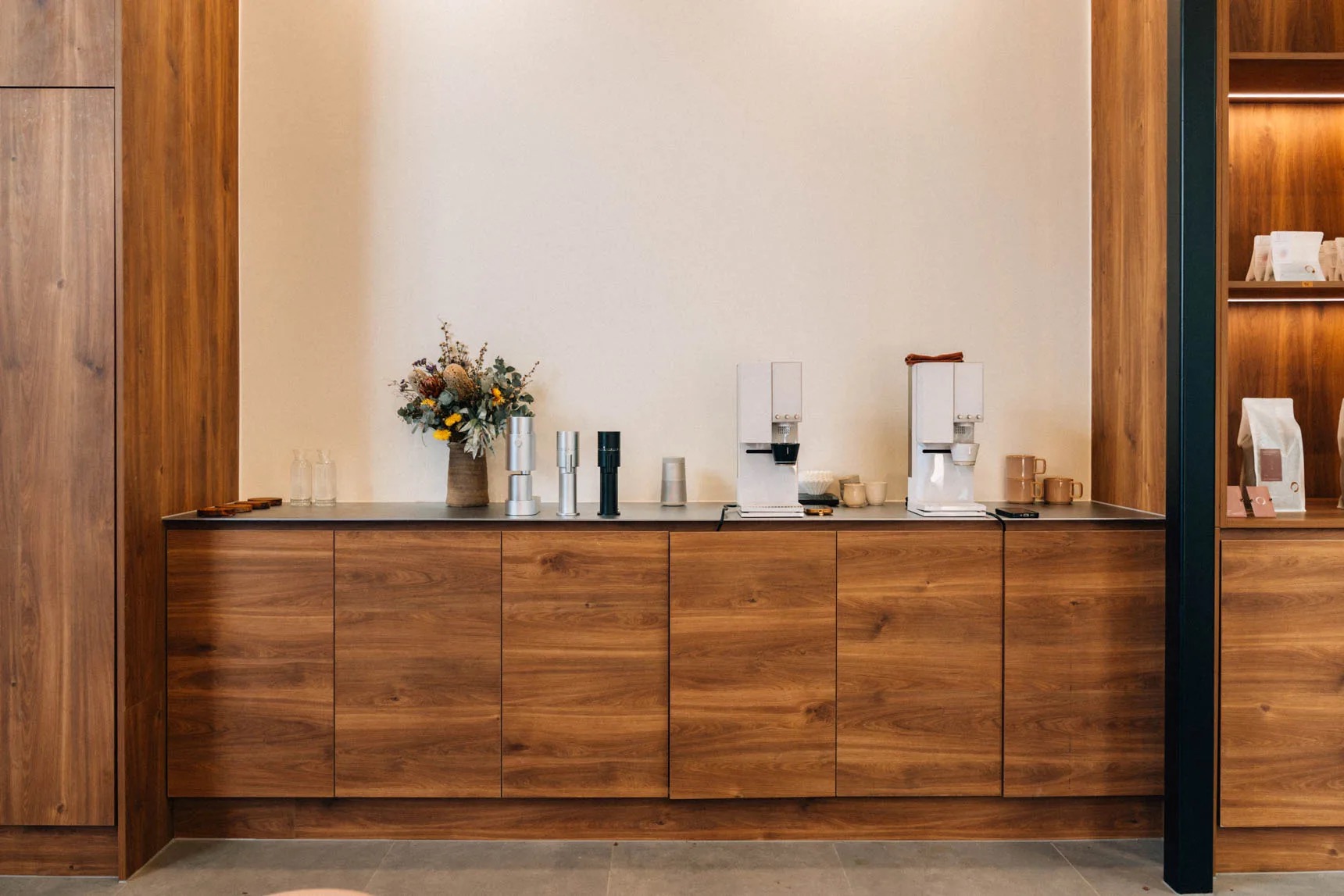
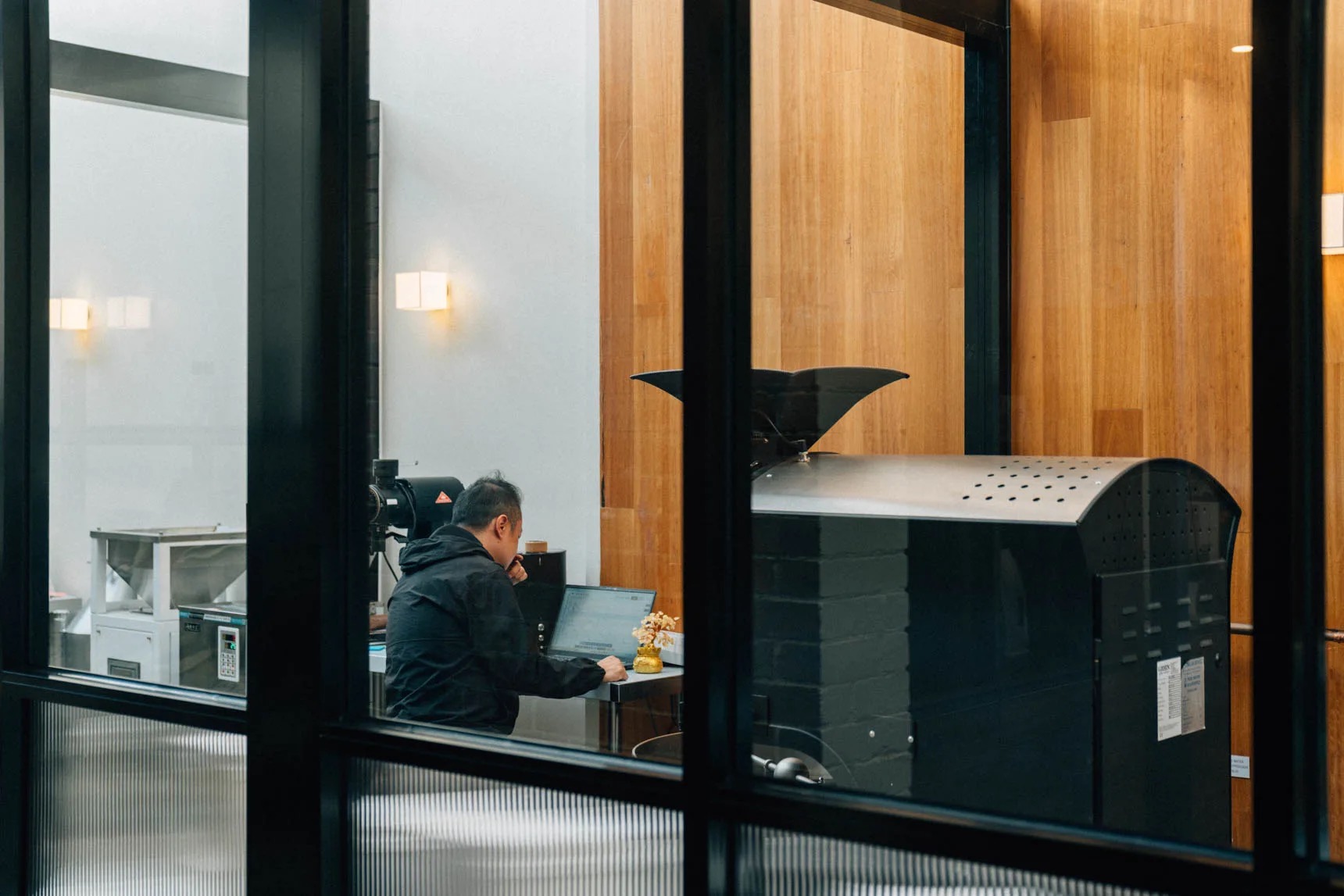
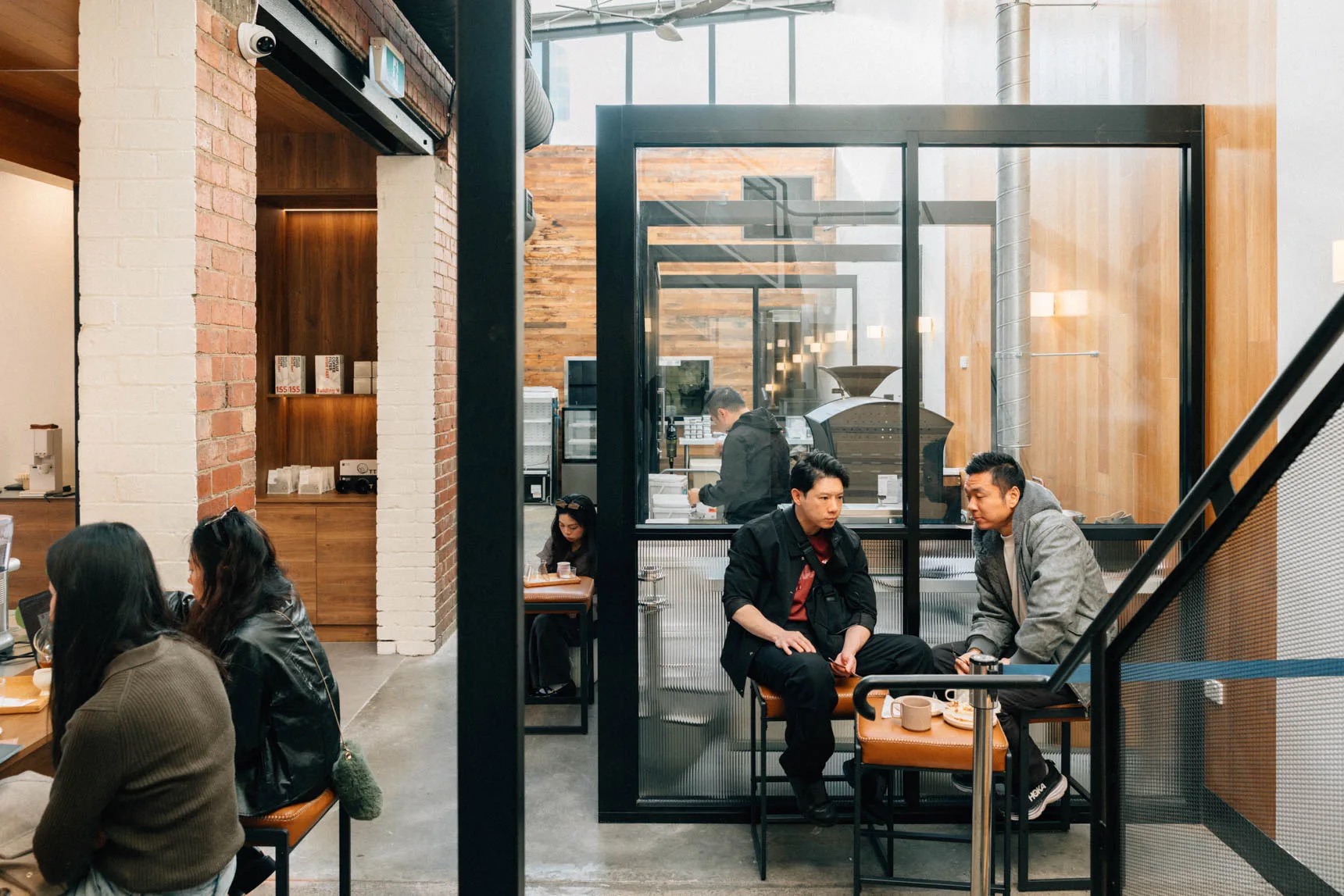
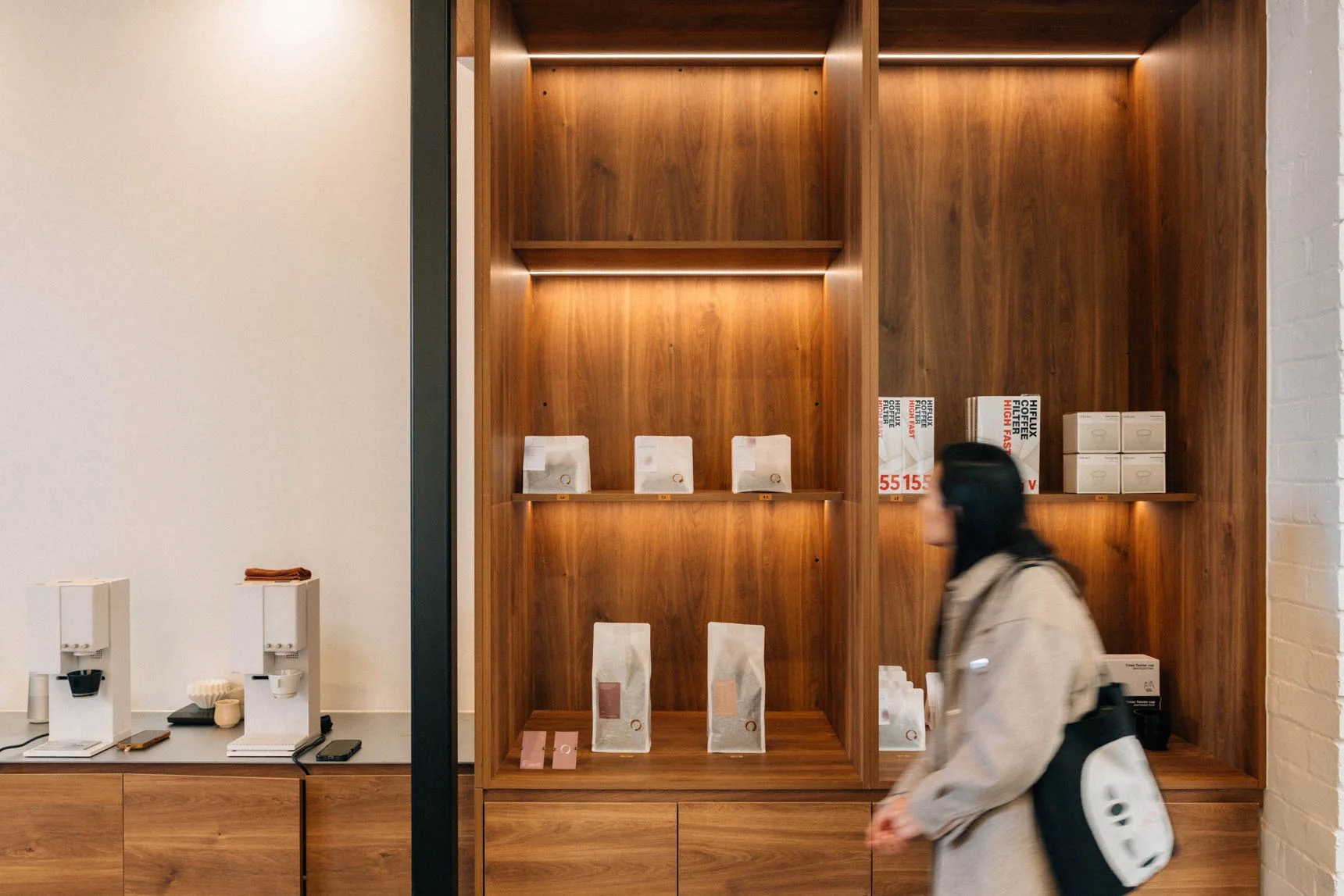
3.The room is built from white painted brick, walnut and stainless steel. A large square paper light hangs low at the centre of the ceiling and the long counter runs beneath it. Bags of beans stand in each cell of the timber grid on the back wall, and the glass cabinet holds Swiss rolls and cookies made at the Gaea kitchen. One bay at the rear is wrapped entirely in black framed glass, a room built around the roaster.
4.The first thing you notice is a sound that isn't there. Most cafe noise comes out of the actions of making coffee. Grinder, tamp, knock box, steam wand. Take all of it away and what remains is human voices. And cups meeting saucers. The counter top was dropped, which brought the machine down with it, so customer and maker meet at eye level over the equipment.
5.Espresso comes out of an Eversys Cameo finished in custom white. Two options, the house seasonal blend roasted on site and a decaf. The shot passes to a tap called LinkBar, where one button drops a long black at a preset water volume and temperature. Very fine bubbles fold in as the water passes, which the shop says flattens the sharp edge a long black usually carries and leaves a creamy feel in the mouth. The tap beside it pours a clear tea brewed from cocoa husk.
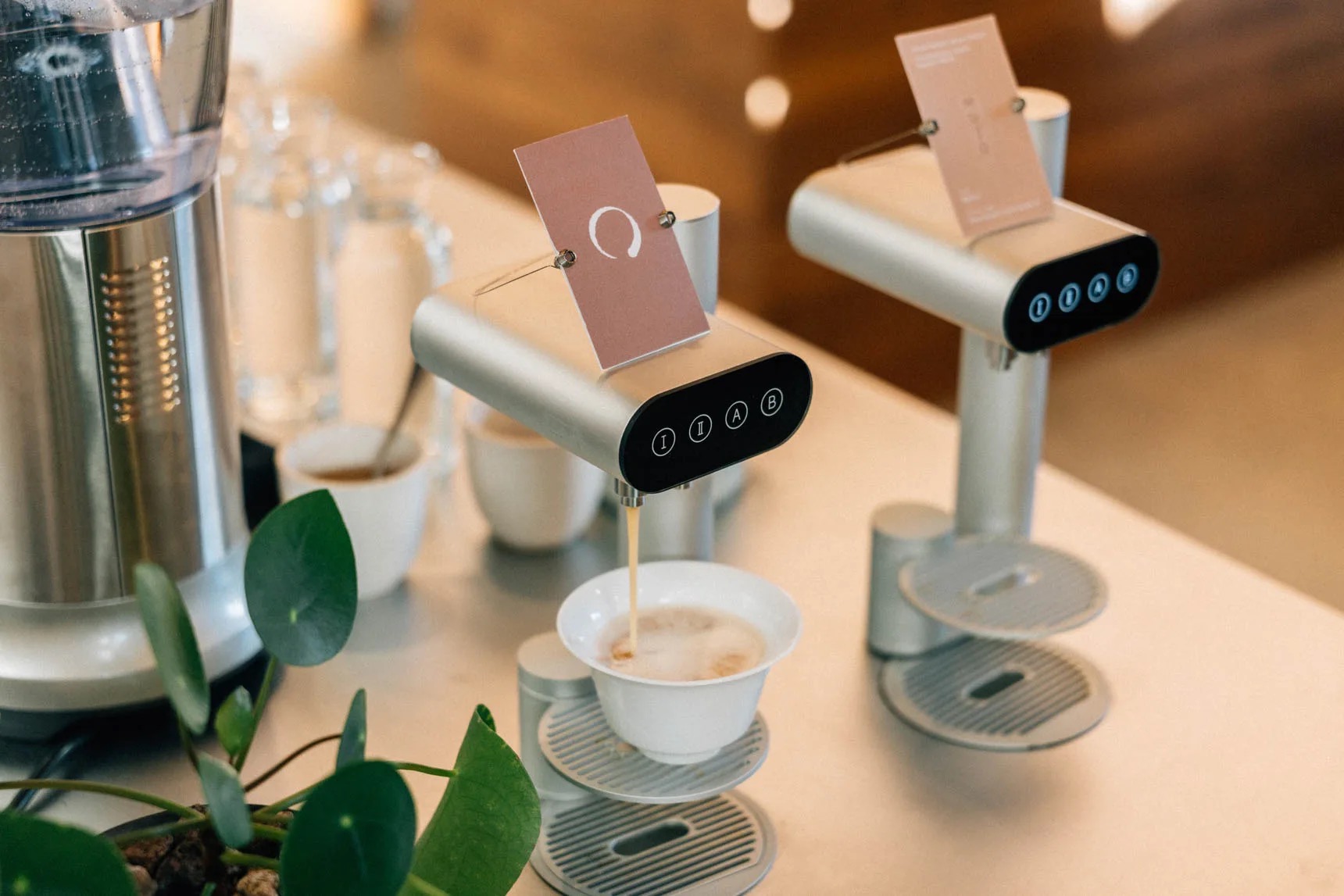
6.Customers who cannot or will not drink milk are a permanent leak in cafe revenue, and this shop plugged it with the husk left over from roasting. Hand brewed filter runs off a Modbar espresso and pour over station set into the counter, while a conventional espresso machine handles the seasonal blends. The seasonals are Panama and Ethiopia. Beside the retail shelf sit xBloom pour over brewers, which produced more than 70 cups on opening weekend alone, and two more are about to be ordered.
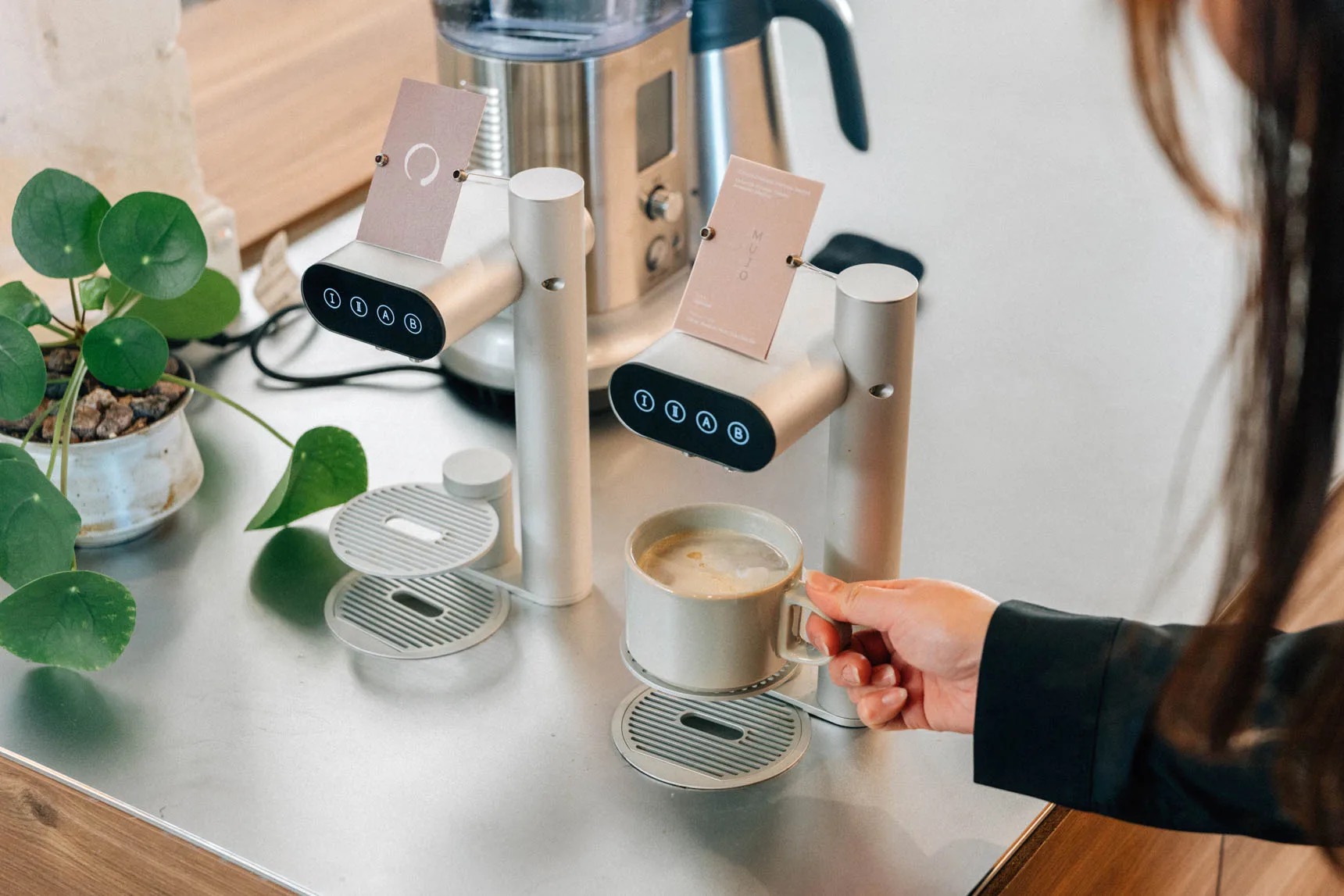
7.There is usually one reason to buy a superautomatic. More cups in the same hour. Here it was used the other way round. Staff apparently told her on the first day that it felt too easy, that they suddenly had nothing to do, and that empty time went into talking with customers. Nobody was cut. What was taken away is the part of the work customers never see.
8.There are no signature drinks on the menu. That was decided, not overlooked. The shop's reading is that pressure to keep launching new drinks pulls a cafe away from its purpose, so the list was cut down to a single condition: staff have to be able to explain what they are selling. A weekly pour over session and sensory training for the public and the trade are planned, and that is what will sit where a signature drink would.
9.The neighbourhood helped. Carlton is where Italian migrants settled after the second world war and introduced espresso to this city in the 1950s. Older locals walk up to the superautomatic to ask why their flat white is textured the way it is, while people in their twenties stand with a bag in hand debating cup notes. The trade is less convinced. The owner puts it at 99 per cent sceptical, with 1 per cent curious but unsure.
10.Australian hospitality pay rose again on 1 July, taking a casual level 1 to 33.05 dollars an hour. One person covering the 40 hours a week this shop trades costs more than 68,000 dollars a year in wages, before weekend penalty rates push it higher. Over the past year, one in eight Australian cafes and restaurants closed.
11.An Eversys Cameo starts at 25,344 dollars. Four and a half months of one barista. Add the LinkBar, the xBloom units and the Modbar station and the whole equipment bill still lands near a single person's annual wage (estimate from here). Equipment is paid once. Wages go out again every year.
12.In exchange, trading hours were cut hard. A Melbourne independent typically opens seven days from morning until 4pm, while this one runs Wednesday to Sunday, eight hours a day. A third of the week is simply not sold. So how does a shop that skips a third of the week earn the same money? By taking 1.6 times as much per hour.
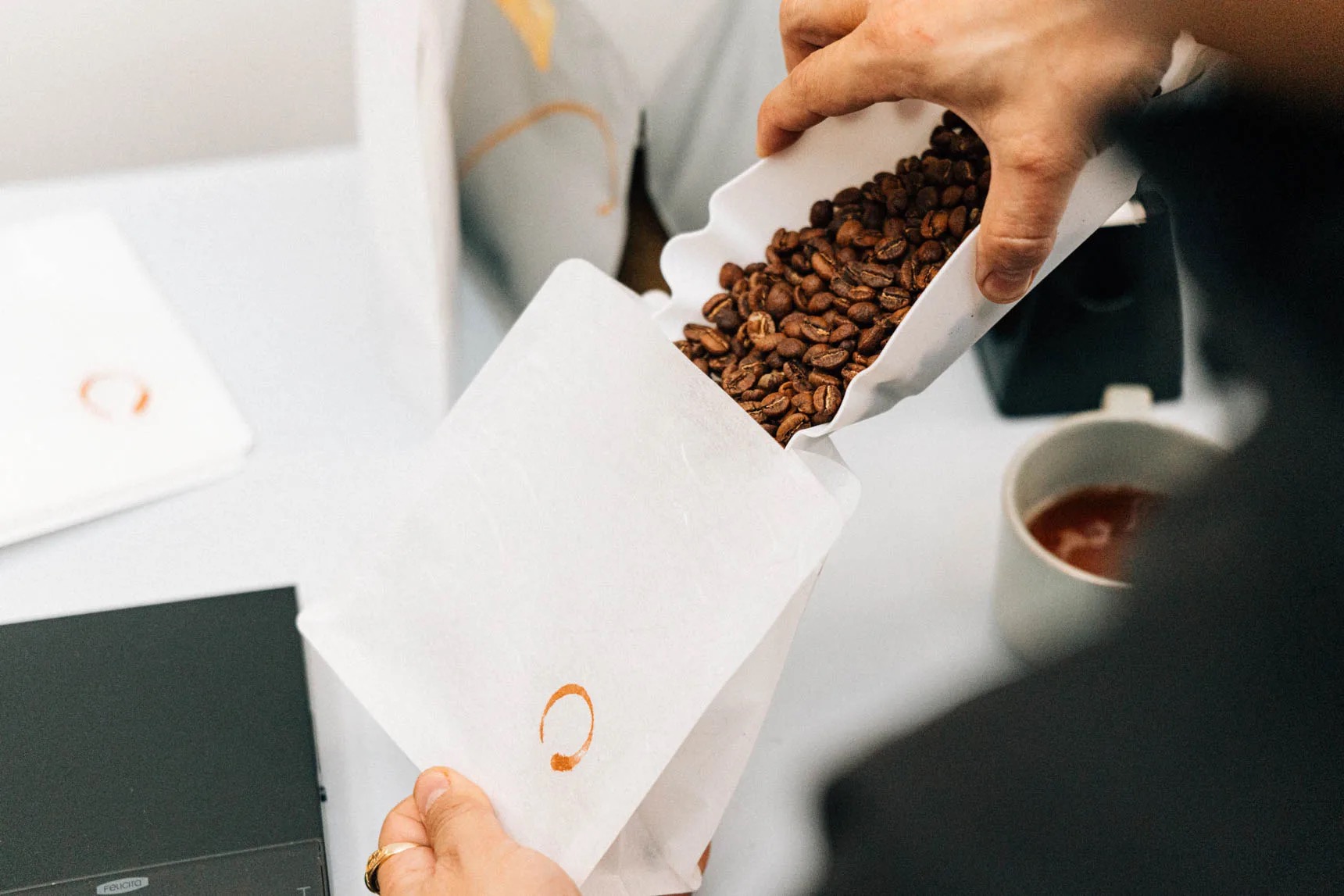
13.That 1.6 times is not made by packing more people in. The shop says it fills seats to 80 per cent and serves takeaway beyond that. Margin comes off the lines that are not coffee. Cocoa husk tea is a roasting by-product carrying almost no cost and sells at drink prices, and the retail shelf bundles beans and brew recipes with home brewers. A training room upstairs is planned, along with roasting to order for collection.
14.What the owner keeps saying is that prices have to go up. Calere Coffee, her first shop, is the smallest cafe on Gertrude Street and was the first on that street to raise prices. "Wages are high, everything is high, but people are scared to put their prices up. There will be less of us if things continue like that." She points out that customers spend 10 dollars on bubble tea and 15 on house wine. Charge what your costs require, she argues, and you can pay your staff properly.
15.This is not where superautomatics usually stand. In Australia they sit in service stations and self serve rooms, and one New York coffee chain used this Swiss brand to reach 90 stores in five years without hiring experienced baristas. Beta Coffee in Sydney uses one to pull espresso in batches before opening. All of it points at scale and speed. An independent cafe using the machine to brew cup by cup, to order, is the first Broadsheet says it has seen.
16.A cafe down a laneway behind a petrol station, open five days a week, erased the sound of coffee being made and spent that time talking to customers instead. The machine costs what four and a half months of an Australian barista costs. Run the same sum in Korea and it inverts. At a minimum wage of 10,320 won, one machine costs more than a year of a person, and plenty of customers still refuse to count a superautomatic shot as coffee. Unless the order is right, that the machine exists to put people in front of customers rather than to remove them, the kit stays an expensive box.