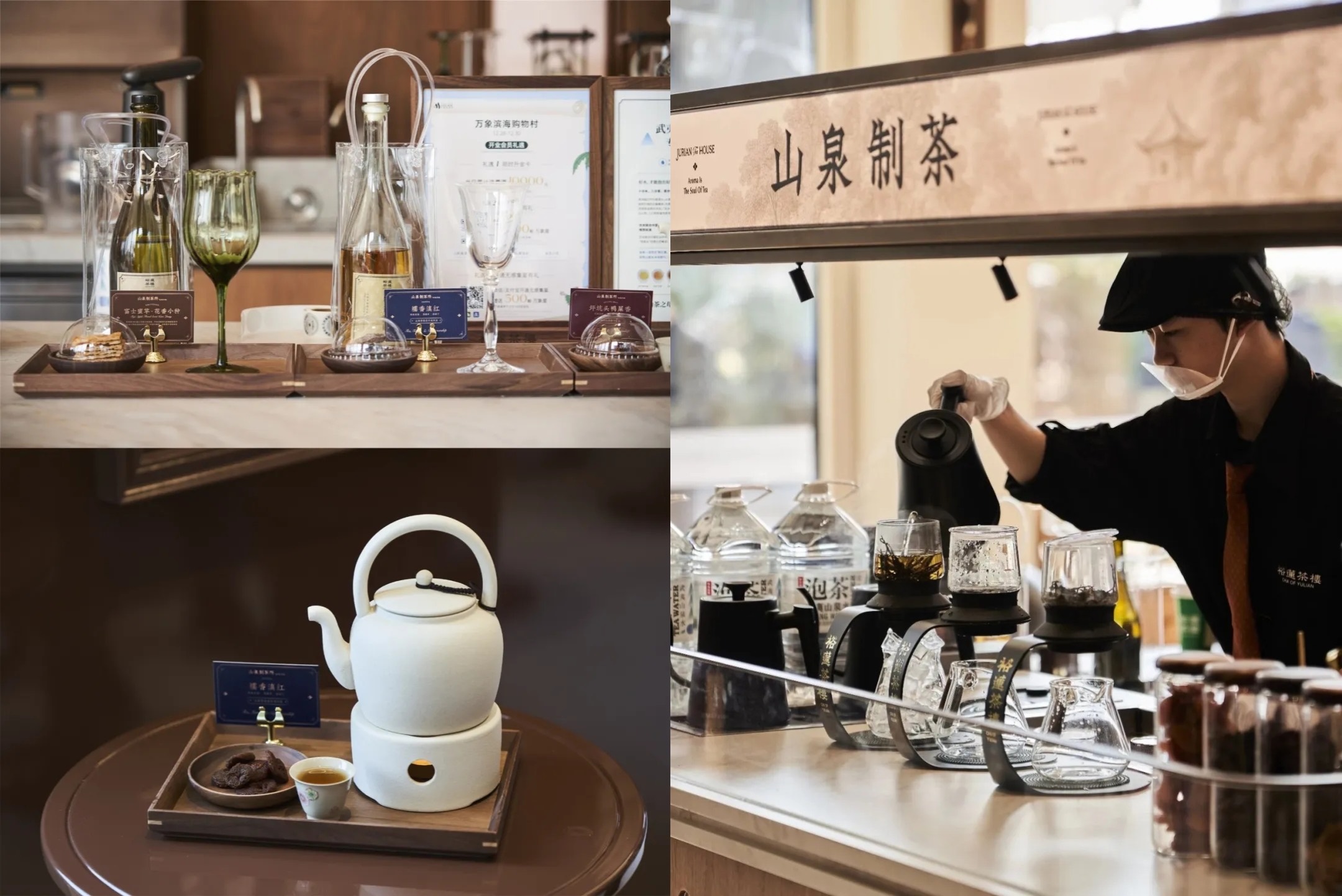
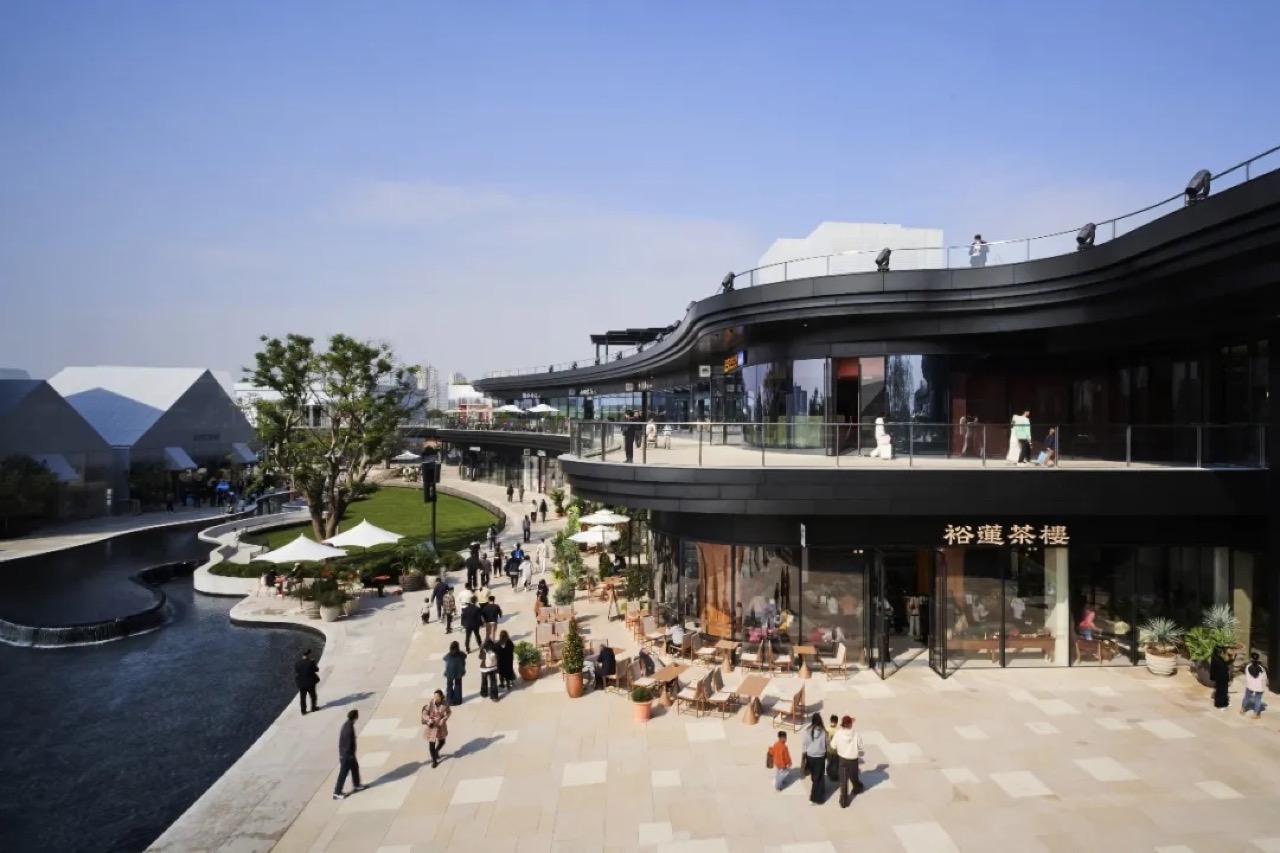
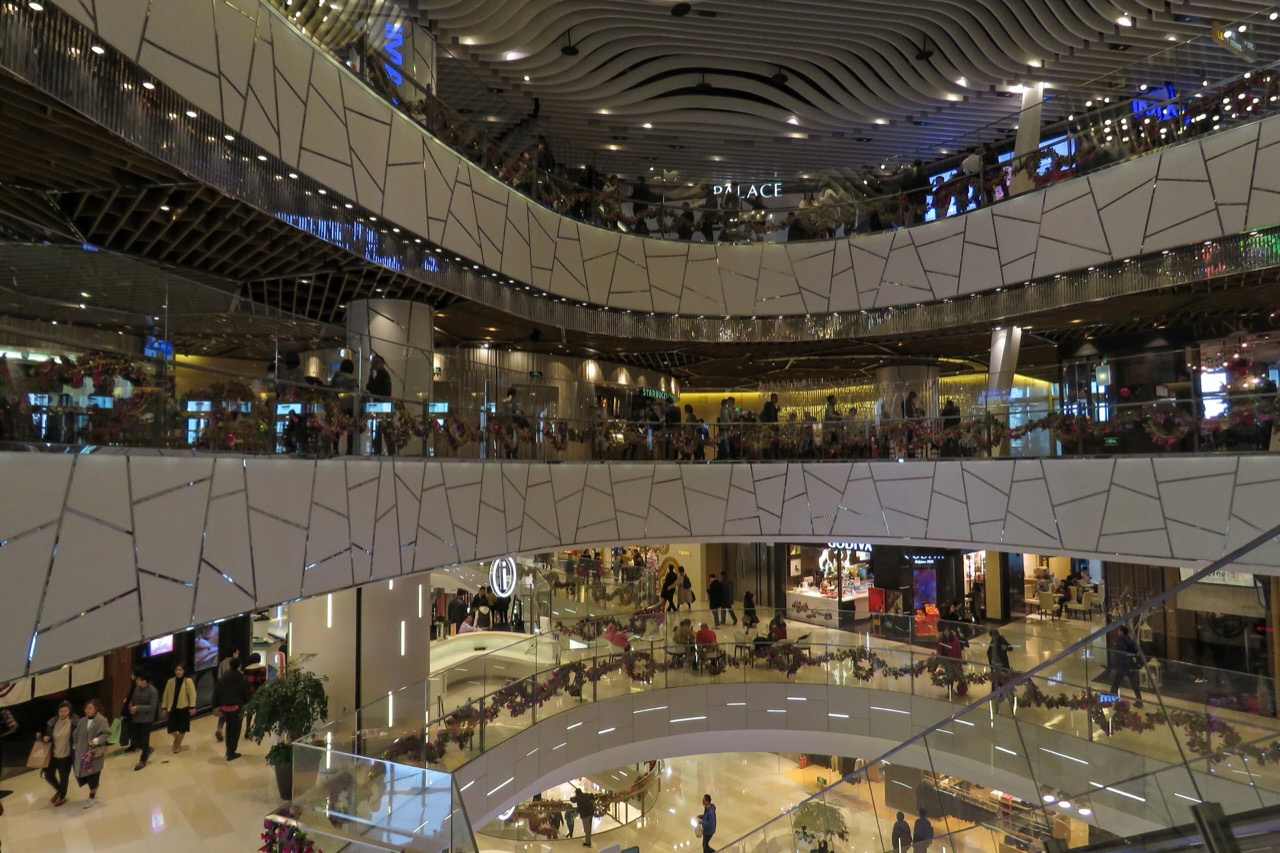
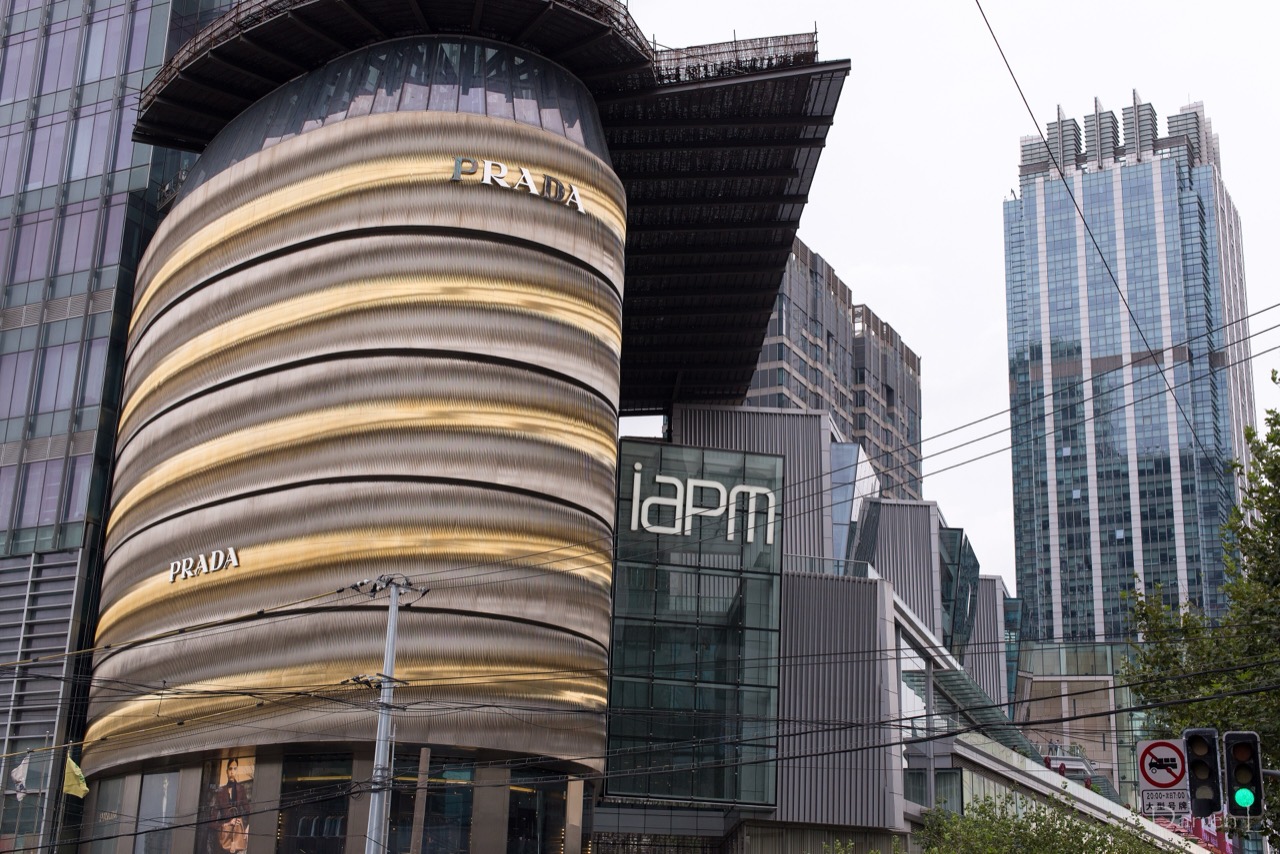
Opening one store costs between 1.5 and 1.8 million yuan. Roughly 300 million won. What that money buys is under 50 square meters. Fifty square meters. What differs is the address. Yulian Chalou put nine out of ten stores inside high-end and upper-mid shopping malls, and more than 60% of those sit on the ground floor. The floor luxury brands use. The chain had 30 stores in early 2024. By June this year it had 158.
1.The brand started in Shanghai in 2005. Its first name was Yulian Lou, a Hong Kong style sweet soup shop. It now sells along three lines: tea drinks made on the spot, bread baked on the spot, and loose tea and tea fruit snacks to carry home. Last month it opened the country's first retail experience store at Livat in Shanghai's Hongqiao. A shop for dried fruit, honey preserves and tea gift sets.
2.The pace of growth stands out. The chain passed 100 stores in March 2025, and as of the end of this March 69.94% of its stores sat in tier one and new tier one cities. Twenty nine in Shanghai alone. The company reports 2024 turnover of 500 million yuan, around 95 billion won, up 400% on the year before.
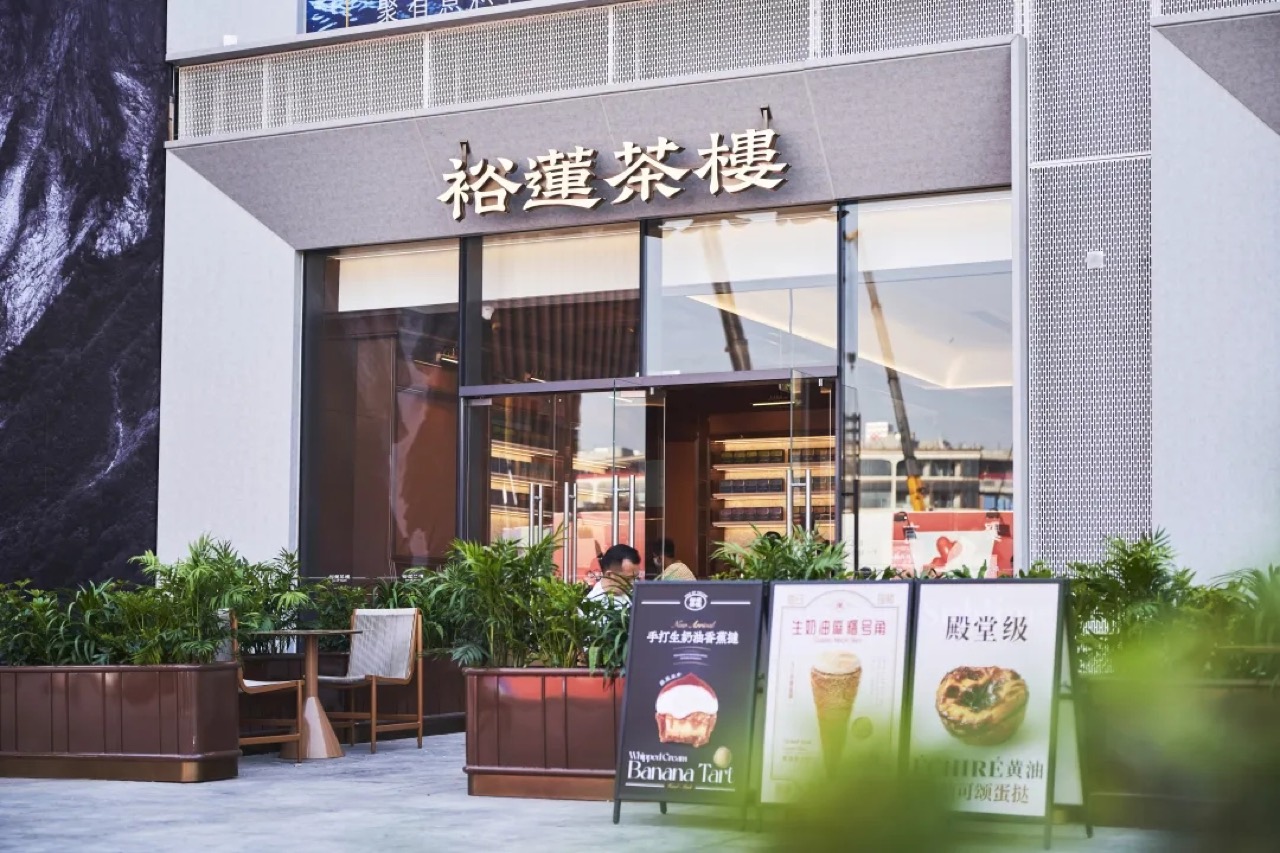
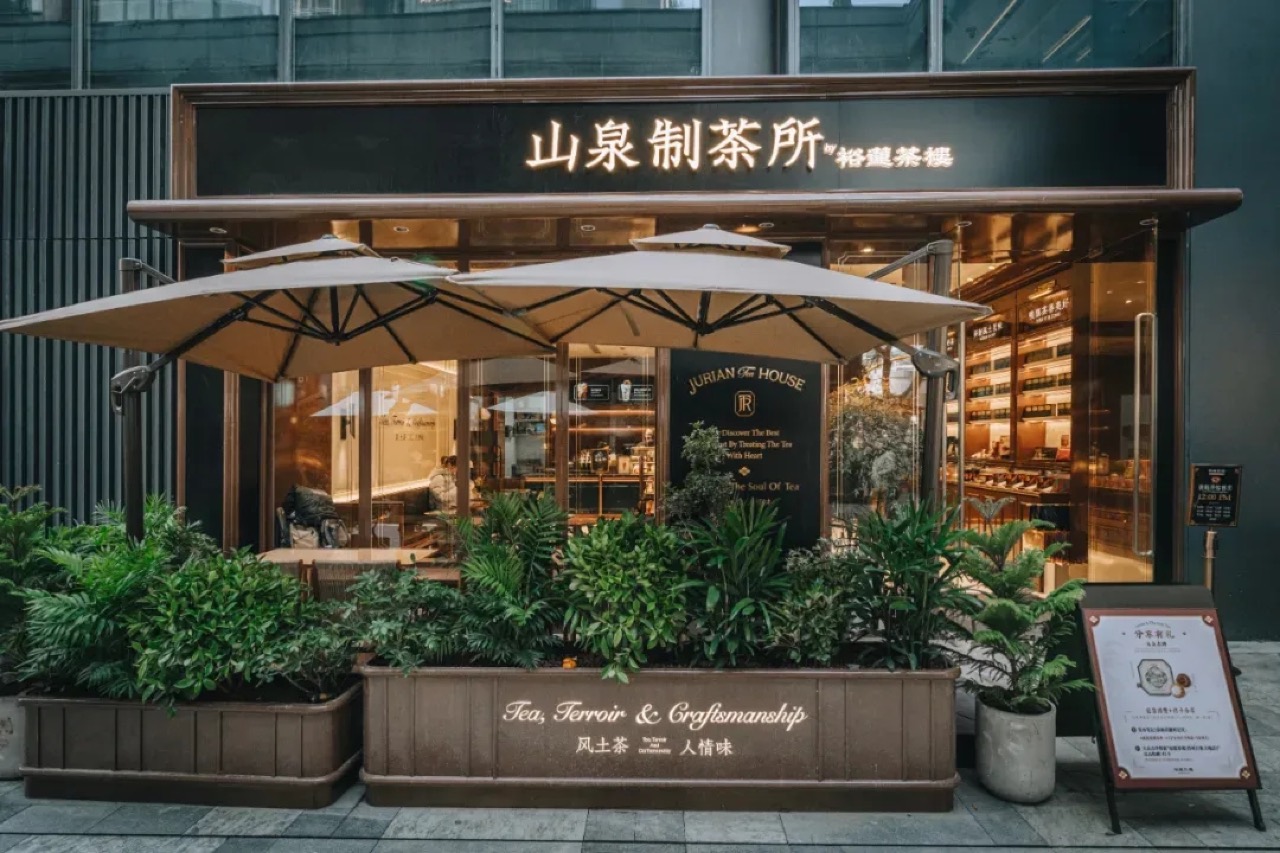
3.The storefront is gold traditional characters. Four of them hang on a stone clad wall, and below the glass the baking station stays in full view. The company calls the interior register Modeng Minguo Haipai. A 1930s Shanghai concession interior rebuilt in today's materials. The Xi'an MIXC store won a silver at Grand Prix du Design Paris 2024 for it.
4.Stand at the bar and you see everything being done. Glass brewers line up, and a staffer in black with a head wrap lifts a kettle and pours over them. Beside them sit handled glass pitchers in a row, and behind those a rank of jars holding dry leaf. Three things go on the A frame board at the door: jian dui with hand whipped cream, sesame mochi ice cream, and a croissant egg tart made with Échiré butter.
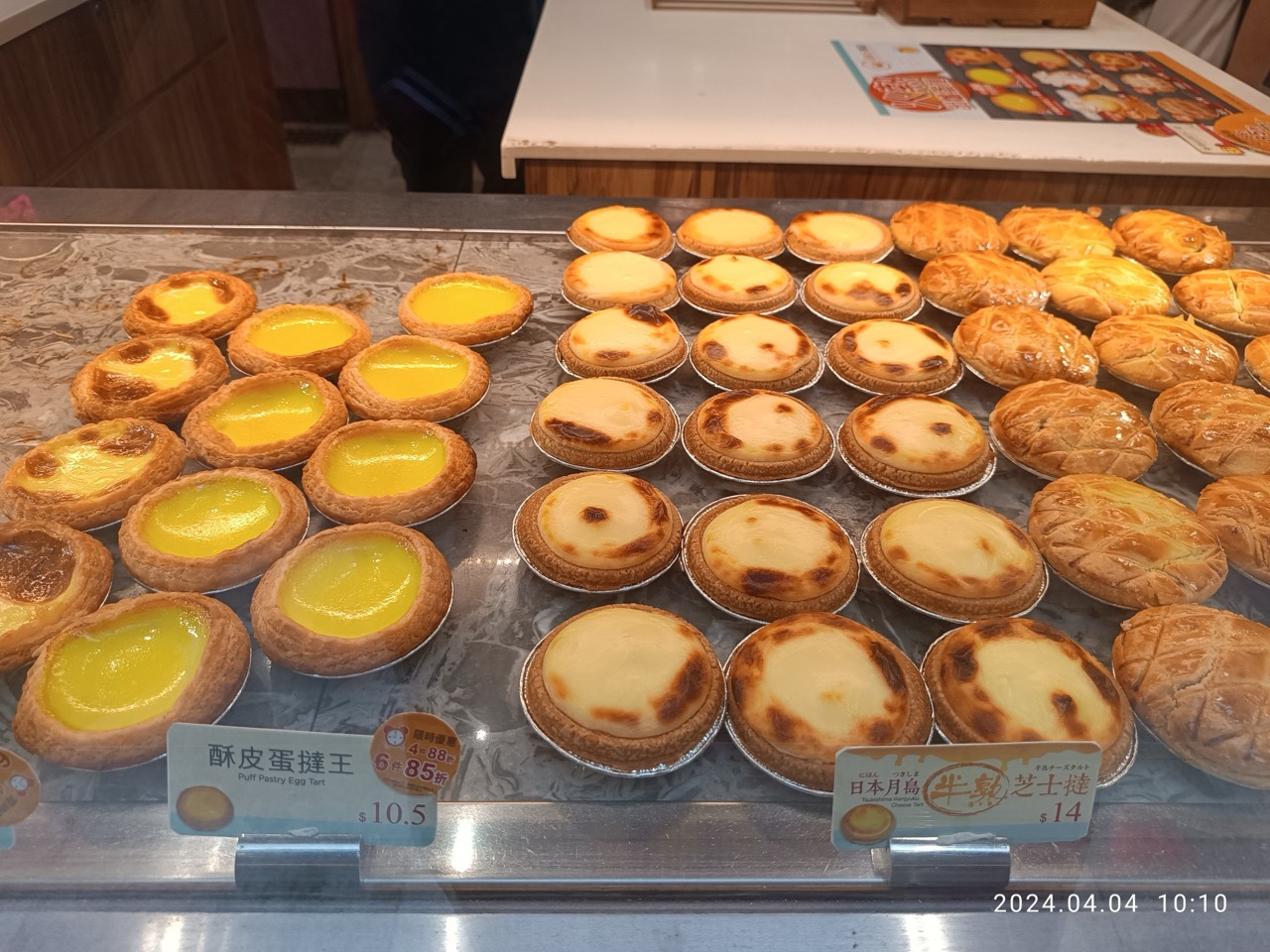
5.That egg tart is 12 yuan, about 2,300 won. One person may buy twelve. At some stores it still takes a two hour wait. The best selling drink is a heavily extracted tea topped with milk, the tenong cha zuan hupo nai. Tea drinks start at 20 yuan, about 3,800 won.
6.The upstairs brand runs on a different register. Shanquan Zhichasuo, launched late last year, brews leaf tea a cup at a time. Yanyun Dahongpao, Heding Hongcha, Jiujiao Moli, Songzhong Dancong. A white porcelain pot sits over a warmer, and a wooden tray brings a few pieces of dried fruit and a small cup alongside.
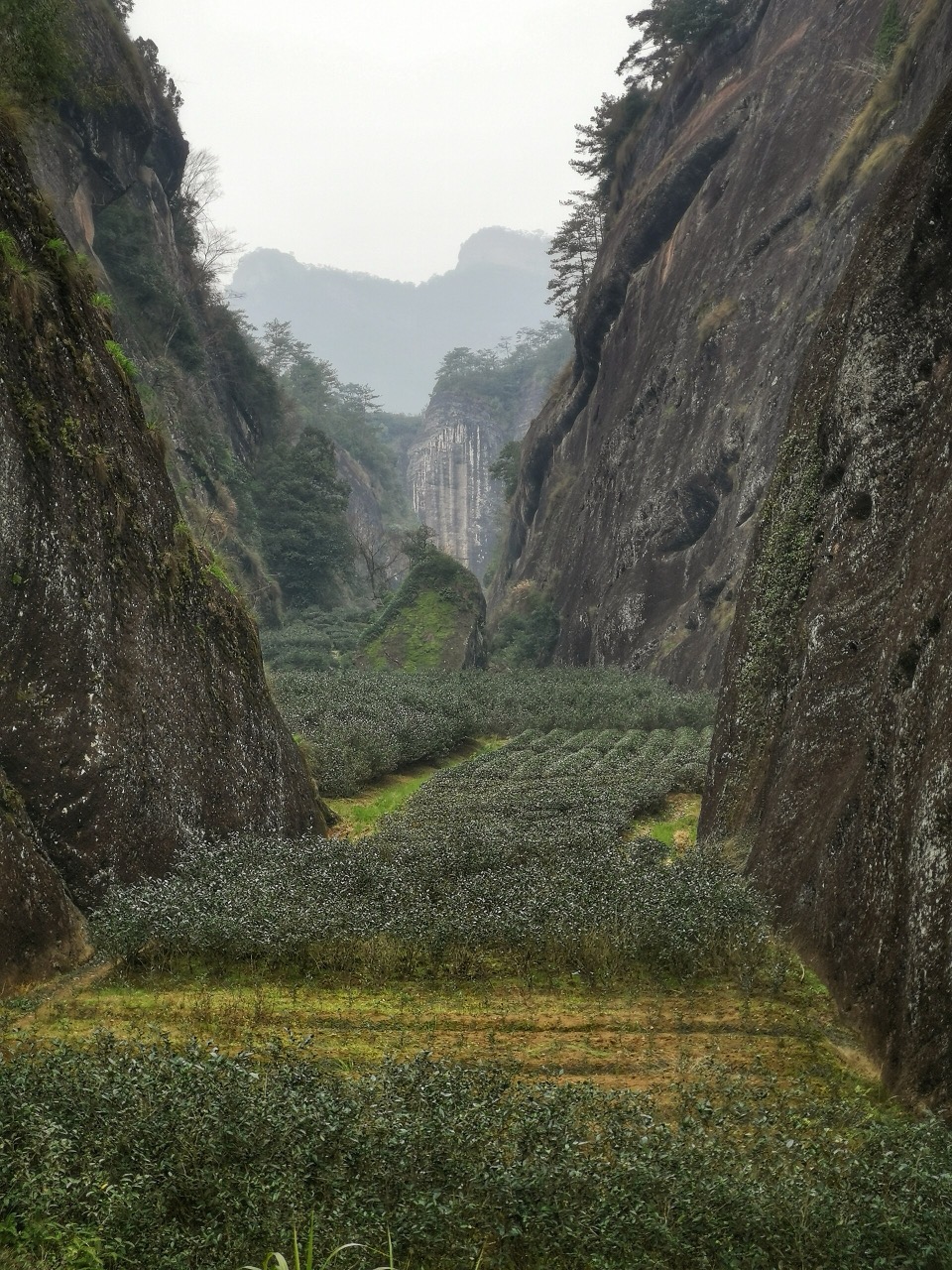
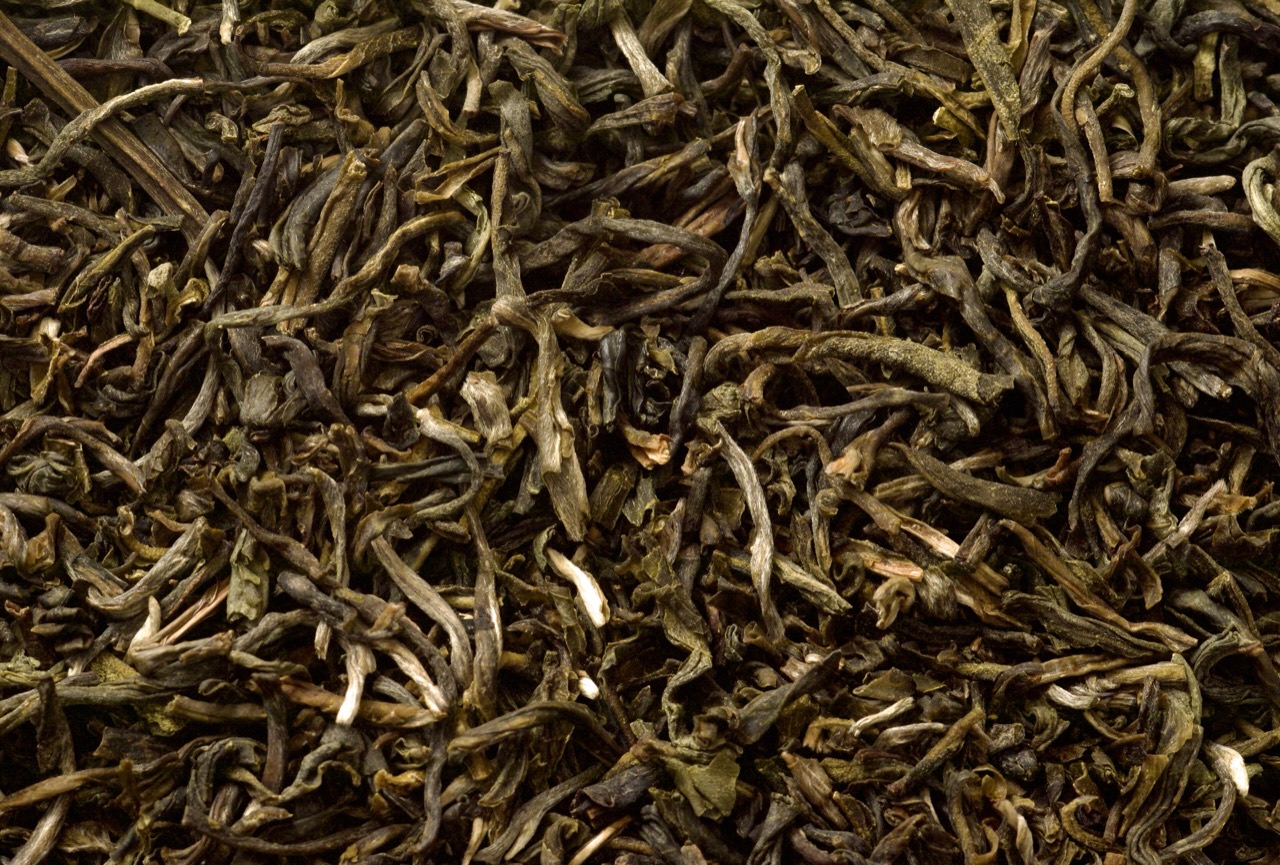
7.The aroma arrives before your nose reaches the cup. While the water over the warmer wets the leaf, the air in the room changes first. Dahongpao, grown in the rock crevices of Wuyishan, leads with a roasted note and leaves sweetness long behind it, while Dancong reverses the order: florals jump first, then a brief astringent catch at the back of the throat. Through all of it the customer sits waiting for the cup to fill again. Over the past month this store took close to 1,800 visitors a day, with an average four hour wait at peak.
8.China's new tea drink market has been cutting prices for years. While brands that dropped below 10 yuan a cup grew store counts into the tens of thousands, this company went the other way. An average ticket of 29 yuan, about 5,500 won. It charges twice the market average and still forms a queue.
9.The real weapon is that the malls came asking first. With China Resources alone the company has signed roughly twenty times, mostly into MIXC centres. Sun Hung Kai and Swire properties followed. Sort the commercial projects it has entered by operating grade and you get 25 at S, 28 at A and 25 at B, with eleven in total below C.
10.Would a mall give up its ground floor for rent alone? Someone who waits two hours for a cup of tea spends those two hours inside the mall. Membership passed three million at the end of 2024, growing 25% a month. Repurchase above 30%, store visit rate 90%. These are not members who take the coupon and never come.
11.The first store in Ningbo turned over 2.38 million yuan in its first 30 days, about 450 million won. The unit is under 50 square meters, so per square meter that comes to about 9 million won a month. The first Beijing store peaked at 135,000 yuan on opening day, and the queue that day ran two hours.
12.An opening month is an opening month. The everyday figure has to be worked backward from the payback period. The company gives payback at 15 to 24 months and gross margin around 60%. Stretch a 1.5 million yuan investment over twenty months and monthly net has to clear 70,000 yuan. Add Shanghai ground floor mall rent and payroll and work back, and everyday monthly revenue lands near 300,000 yuan, about 57 million won (estimate). Three hundred forty five cups a day.
13.Retail attaches here. At some Shanquan Zhichasuo stores, tea gift sets and teaware come to close to 30% of revenue. Drink revenue is capped by seat count and queue length. Gift sets are not. The arithmetic on putting 300 million won into 50 square meters does not close on drinks alone.
14.The way it raises money also differs from the usual franchise. The company calls it lianying: the partner puts in capital only, and operations and management stay entirely with head office. The split starts at 80-20 and moves to 70-30 once the investment is recovered. A structure for gathering investors, not owner operators.
15.Hong Kong cha chaan teng and Cantonese yum cha held this ground first. You order tea in the morning, pick at dim sum and spend the morning there, a form that assumes a wide hall and a long stay. A form that cannot carry ground floor mall rent. What this company did was erase the hall and keep only the queue. Industry analysts put its customer base close to lululemon's. It prices against the same person an activewear brand does.
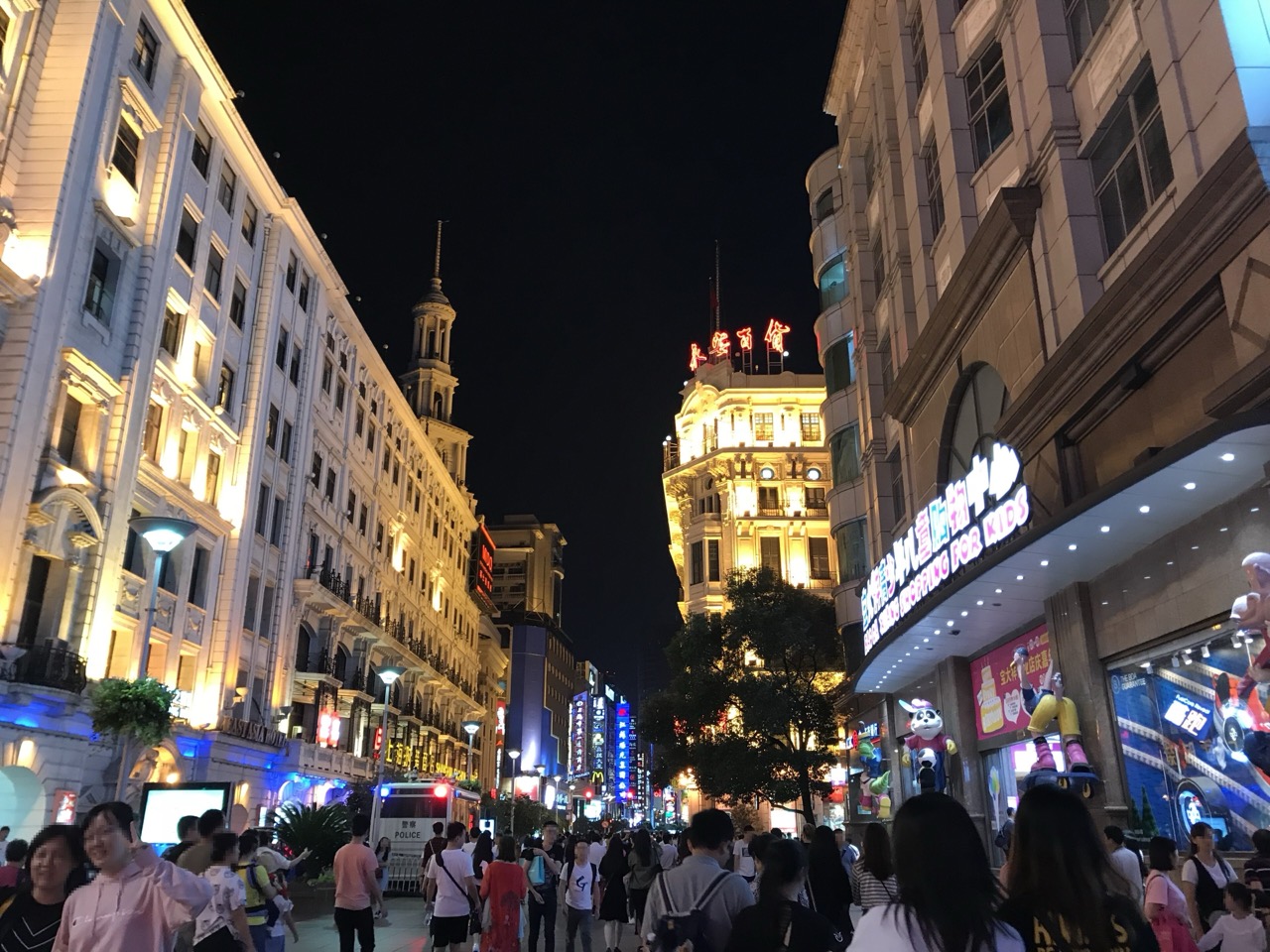
16.While a twenty year old Hong Kong style sweet soup shop in Shanghai grew into 158 stores of under 50 square meters each, the money in each one is 300 million won and payback is set at around twenty months. The arithmetic only closes when the mall hands over a ground floor unit. In Korea what catches first is the floor. Department store ground floors go to cosmetics and accessories while food and drink drops to the basement or the top floor, and a price that only holds up next to a luxury store is hard to collect underground.