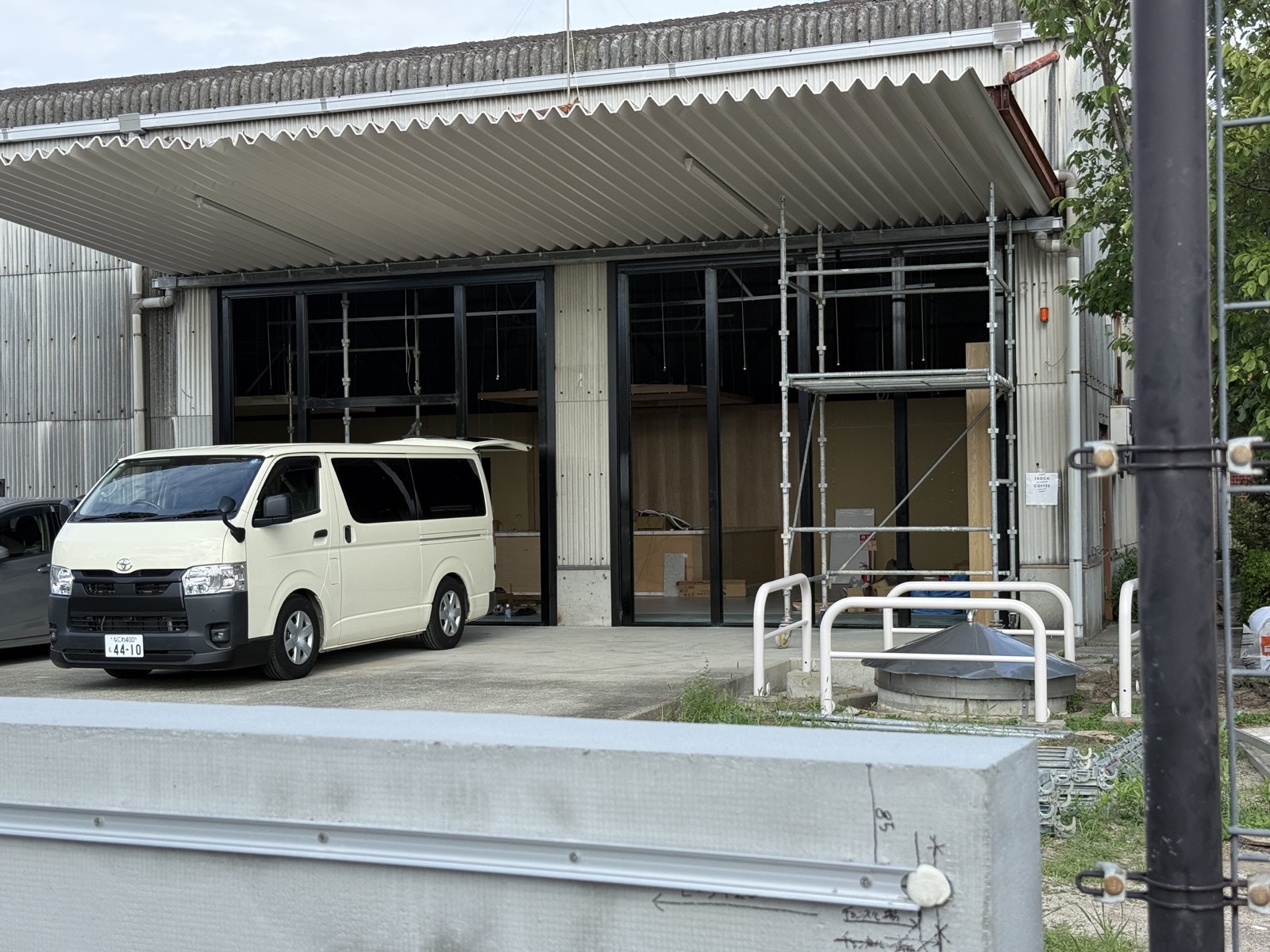
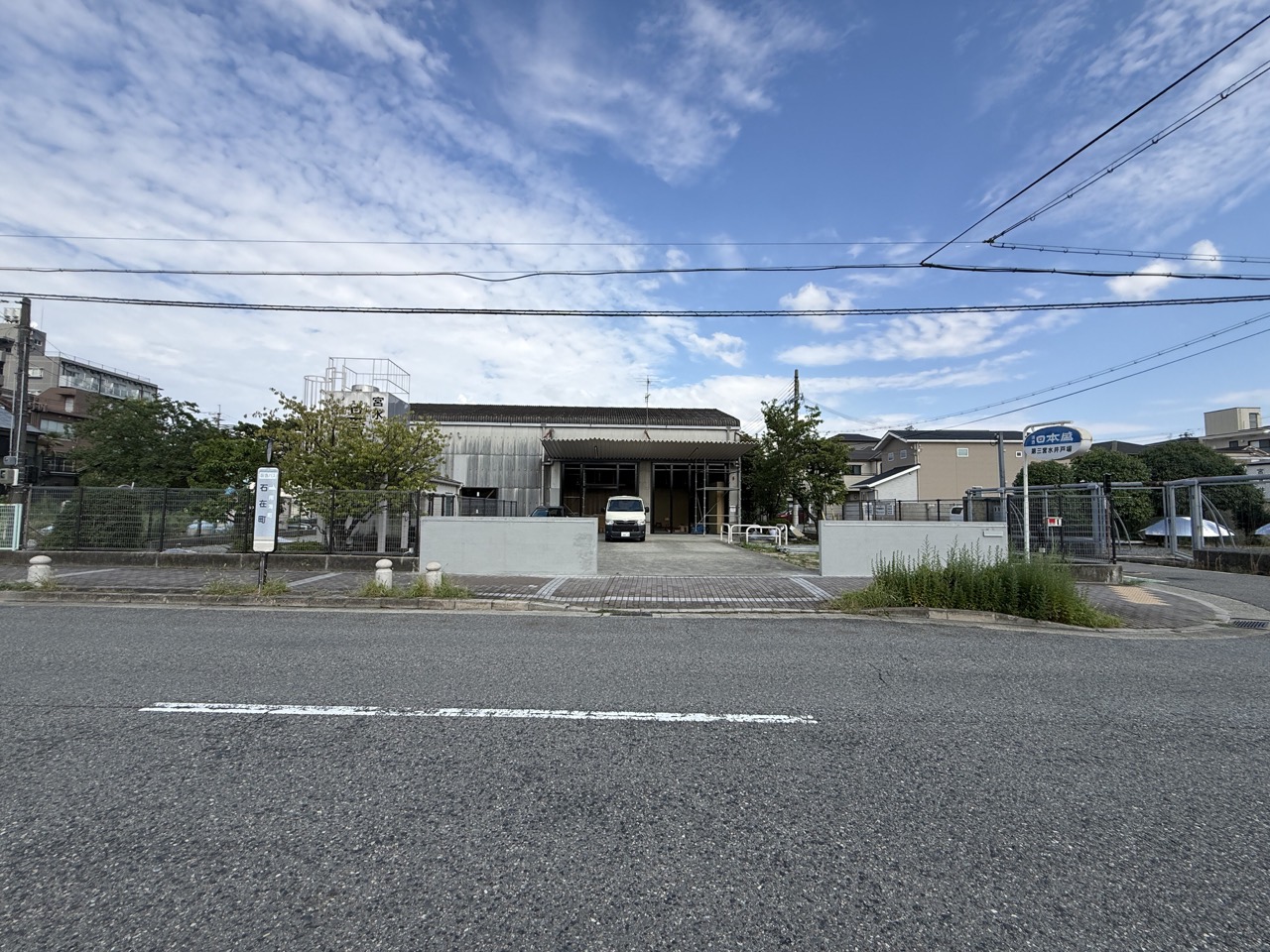
At ten in the morning on September 4, the door of an old warehouse in Ishizai-cho, Nishinomiya, Hyogo Prefecture, opened. Inside is a specialty coffee shop. The sign reads TAOCA COFFEE Ishizai | Miyamizu. That last word comes from the water running under this neighborhood, Miyamizu. It has been making sake for two hundred years, and by coffee standards its hardness is more than double the target.
1.The address is 12-22 Ishizai-cho. Forty seats, seven parking spaces, open from ten in the morning until seven at night. A hot coffee costs 560 yen, about 3.80 dollars. Single-origin beans from Brazil, Colombia and Indonesia line the counter, and bread baked on site is sold alongside them. It is a fifteen-minute walk from Hanshin Nishinomiya Station, which means the shop is built for customers arriving by car.
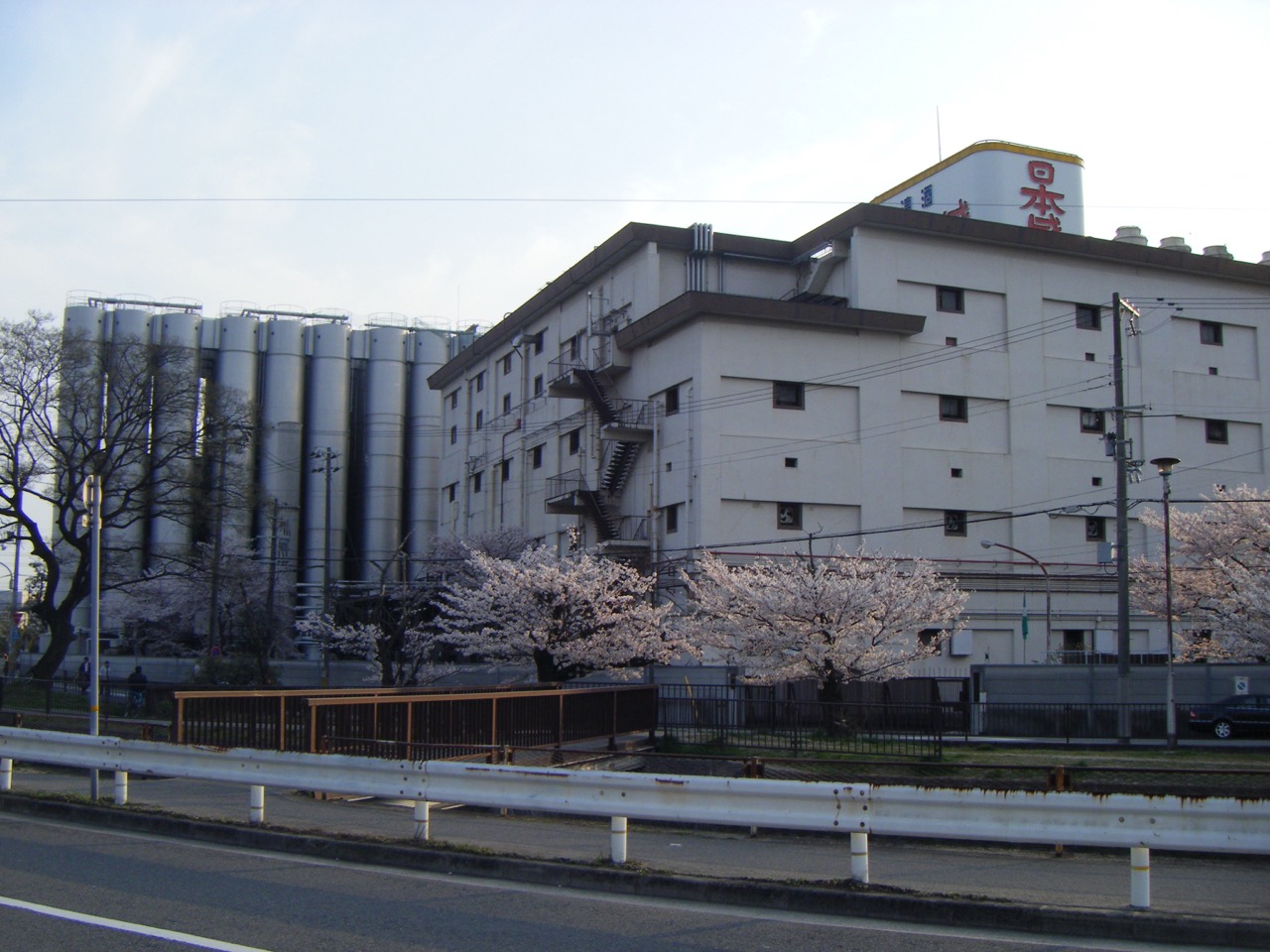
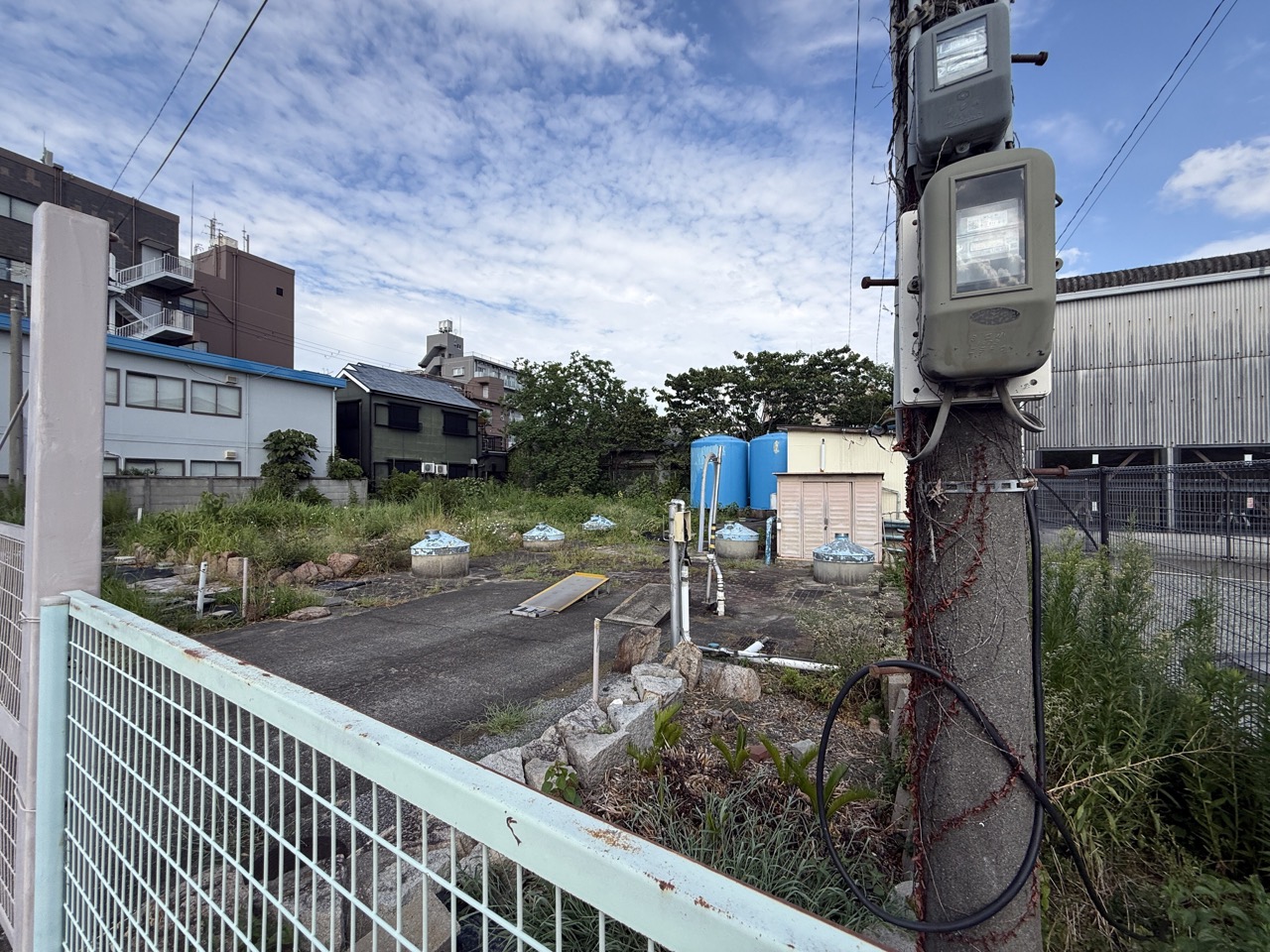
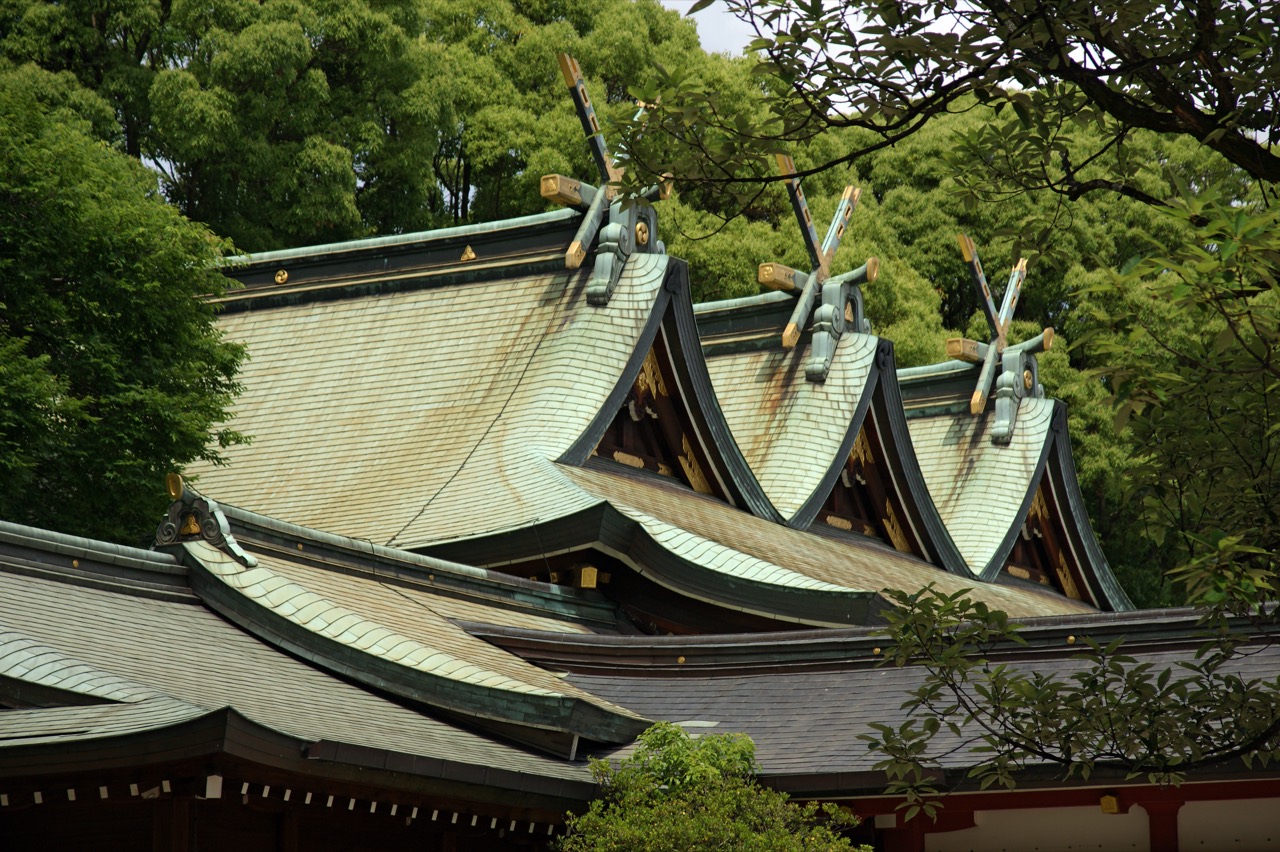
2.The building belonged to the sake maker Nihon Sakari. The company started in Nishinomiya in 1889 and was called Nishinomiya Shuzo until 2000. This warehouse was its Ishizai work facility. Just past the wall to the north stands a blue sign: "Nihon Sakari, Third Miyamizu Well Field."
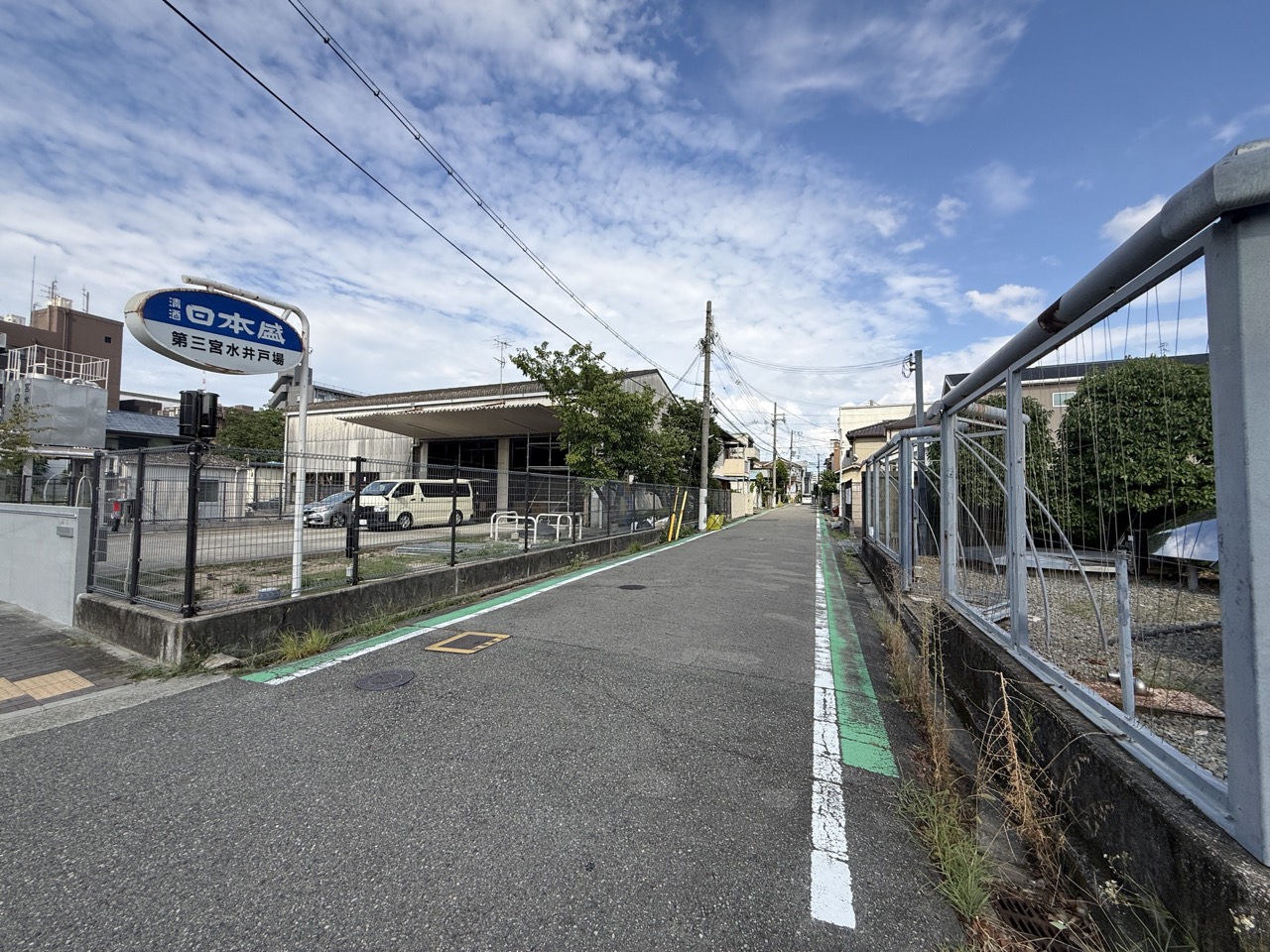
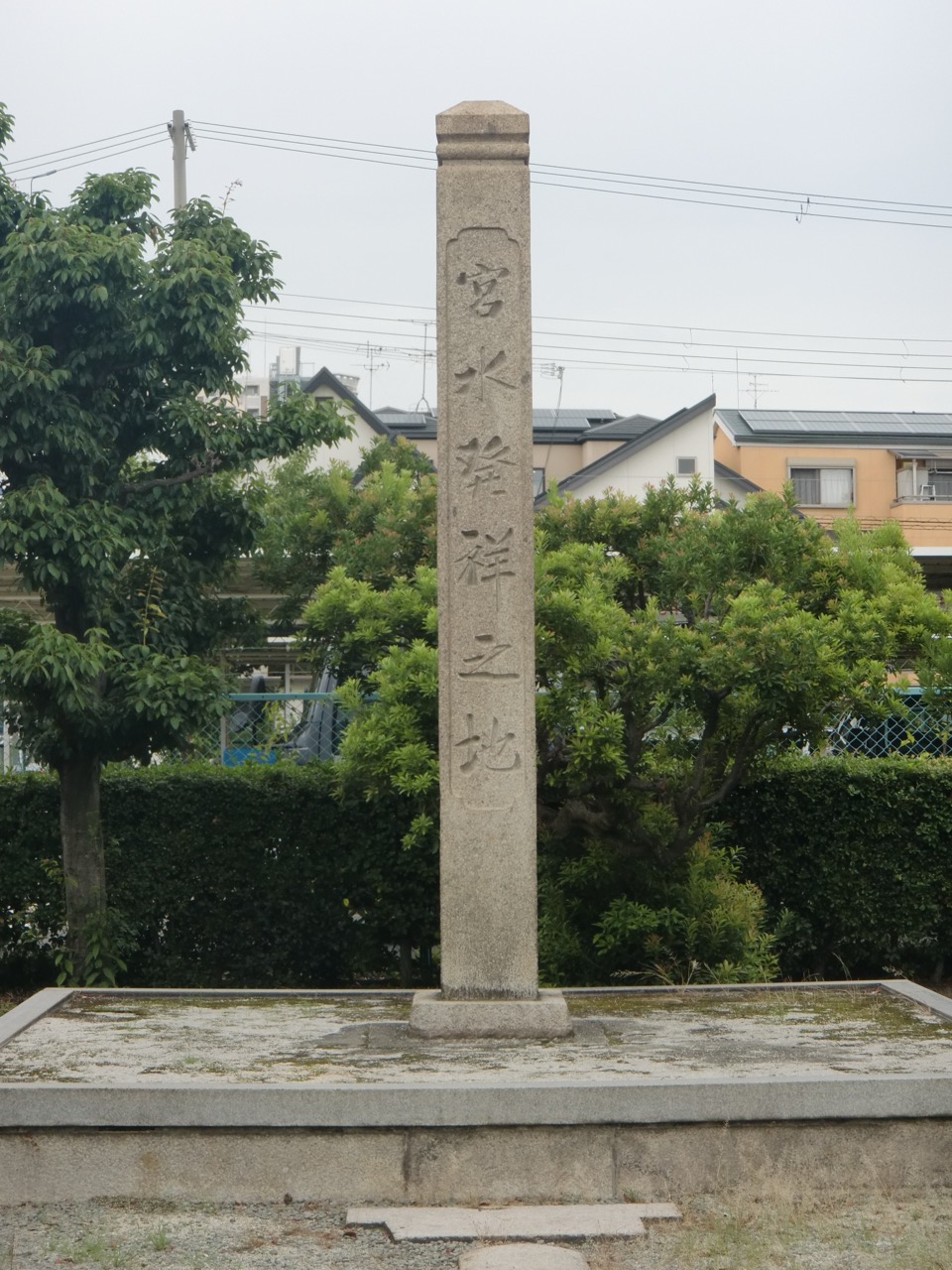
3.Miyamizu is shallow groundwater running two to five meters below the area southeast of Nishinomiya Shrine. Nada Gogo brewed its sake with it, and Hyogo alone accounts for about thirty percent of Japan's sake. In fiscal 2023 the prefecture produced roughly 90,400 kiloliters across 66 breweries. People here like to say one spring seated an entire industry. Read the mineral analysis and it is not an exaggeration.
4.The shell of the warehouse was largely left alone. The corrugated metal walls stayed, only the front was cut open and glazed in black frames, and the eaves were pulled out so people could enter without getting rained on. Inside, the counter and tables are granite. The place name Ishizai itself points to a district where stone was worked. Water was not the only material the company drew from this neighborhood.
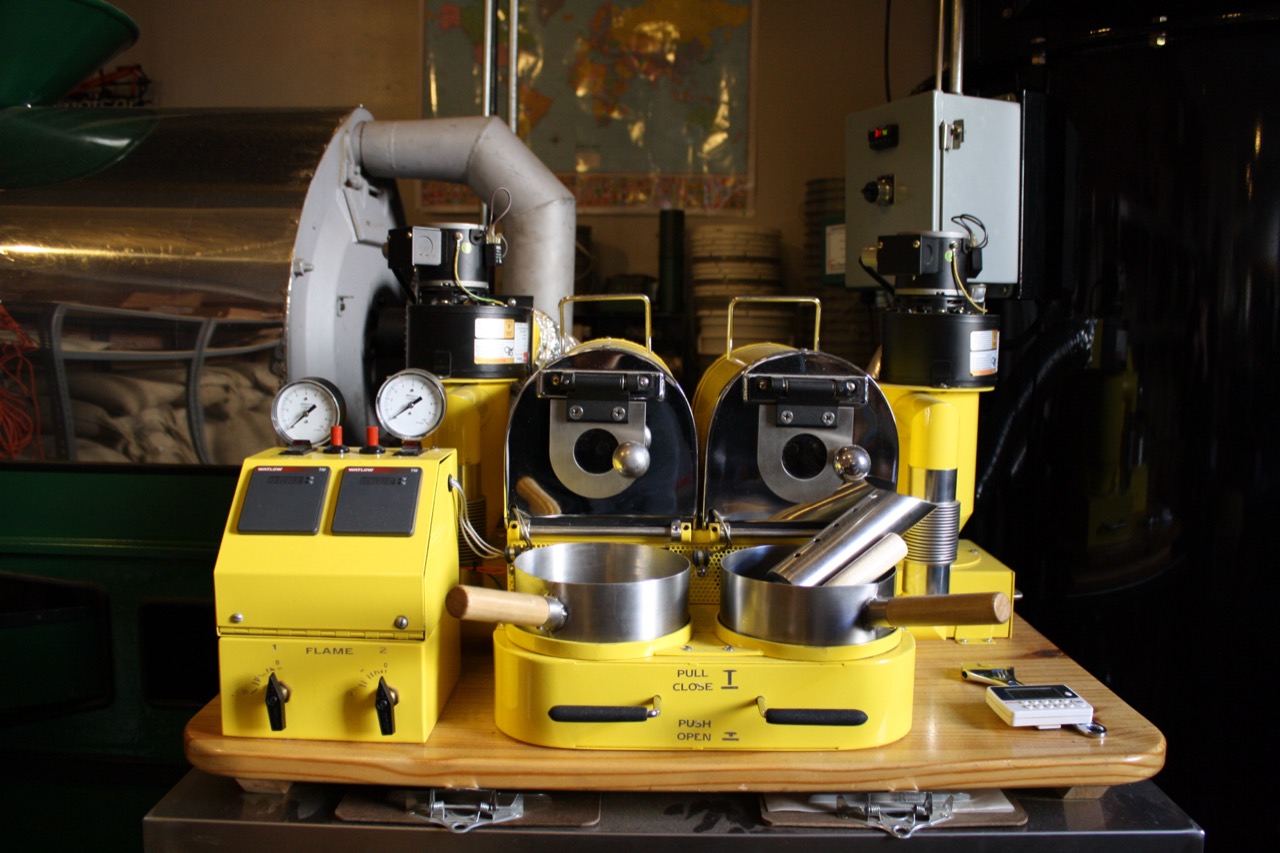
5.The aroma differs before the cup is even poured. A medium roast on Brazil and Colombia puts nuts and brown sugar forward, while Indonesian Sumatra, wet-hulled, lays down something heavier underneath, earth and cedar. What this roaster has chased for years is sweetness in the finish. Aim at what stays in the mouth after the cup is empty and you cannot push the roast or the extraction hard.
6.But the water is a problem. Miyamizu measures 175 to 180 mg/L in hardness. Its phosphorus content runs about ten times that of ordinary brewing water, and it carries plenty of calcium and potassium. That is food for yeast and koji, and the opposite of what coffee wants. The Specialty Coffee Association of America sets a calcium hardness target of 68 mg/L with an acceptable range of 17 to 85. Brew with water at double the ceiling and acidity flattens while bitterness comes forward. Whether the shop actually uses this water has not been disclosed.
7.So why put that name on the sign? This company is from Nishinomiya. Taoka Hideyuki opened the first shop in a residential street in Kurakuen in June 2014, and nine of every ten customers there come from within a kilometer. It then moved into Kobe with shops in Okamoto, Rokko and Motomachi, and built a roastery in Jurinji in 2019. Last January it reached Minami-Aoyama in Tokyo.
8.The seventh shop is a homecoming, and the spot it came home to happens to be one where the water's name can be used. A newly opened cafe usually has no answer to "why here of all places." This one picked the answer up off the ground. Nihon Sakari sake is offered for tasting at the entrance, and drinks made with the brewery hang on the menu board.
9.The sake maker has its own arithmetic. Taxable shipments of Japanese sake fell from 1.77 million kiloliters in 1973 to 460,000. About a quarter of the peak. When brewing income shrinks, what is left is land and story, and Nihon Sakari had already branched into cosmetics and health foods. Now there is one more device for bringing people to the edge of the well.
10.Rent is the core of this structure. Since April 2018 Nishinomiya has enforced a Miyamizu preservation ordinance. Inside the designated preservation zone, any construction or excavation above a certain scale requires prior consultation with the Nada Gogo Sake Brewers Association and a review by a committee chaired by the mayor, with the result reported back to the city. This is land with water flowing two meters down. Prices do not climb where deep excavation is effectively closed off.
11.Forty seats, nine hours of trading. Assume 165 customers a day at an average ticket of 950 yen and monthly revenue lands near 4.7 million yen (estimate). Thirty percent goes to beans, milk and supplies and thirty-two percent to labor, and what happens to the rest is the question. Put the rent for a converted warehouse at 450,000 yen a month and it is 9.6 percent of sales. Against the 20 to 25 percent common on a downtown ground floor, more than ten points fall straight to profit.
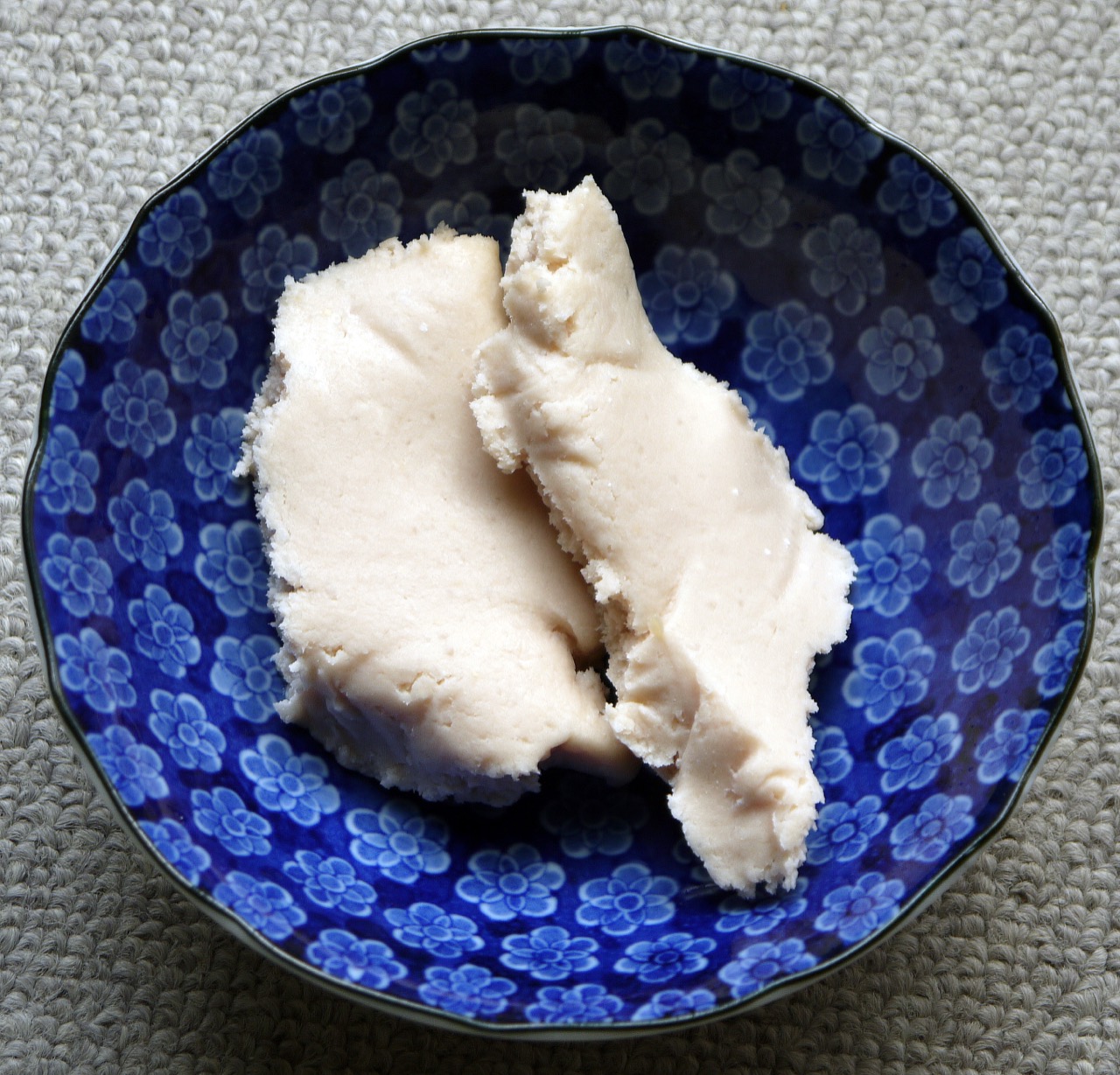
12.The same arithmetic is printed on the menu. The signature dessert here is a sake lees cheesecake at 680 yen, more expensive than the coffee. Sake lees is what is left after the sake is pressed, and breweries get zero to 70 yen a kilogram for it, with a median of 30. If no reuse is found it leaves as industrial waste. A material all but thrown out on the other side of the wall has become the priciest plate on the counter.
13.A cafe beside a brewery is not a new format. Nada Gogo has long had sake museums, factory shops and tearooms attached to them. Most of those, though, are showrooms run by the sake companies themselves, so the coffee was an afterthought and the rooms sat empty on weekday afternoons. What is reversed here is the subject of the sentence. The roaster is the tenant and the operator, while the sake maker supplies the land, the name and even the byproduct.
14.Is water what this shop sells? No. It hangs out the name of water that does not suit coffee and never says whether it brews with it. What is being sold is an address with two centuries attached, and the address is what customers buy. Borrowing a name does not turn on the mineral analysis. It turns on whether you secured the party who can lend the name.
15.In a fading industry, the assets that hold value longest are land and name. While sake shipments fell to a quarter, the work facility next to the well emptied out, and a forty-seat coffee shop moved in at 9.6 percent rent. Move this picture to Korea and the candidates are old breweries, soy sauce plants and rice mills, where the obstacle is not rent but use classification. Converting a warehouse into a Class 2 neighborhood facility comes first, and offering a taste of alcohol at the entrance is a licensing question after that.