Drop Coffee Roasters, the Swedish roastery, opens its first Japanese store on the 18th, on the second floor of Nakano Marui in Tokyo. Fifty one seats, doors open from 8 in the morning until 10 at night, and the only closed days are the first three of January. Twelve single origins are priced the same, 860 yen each. Not a single bean is roasted in Japan.
1.Opening day is Friday, September 18. The address is 3-34-28 Nakano, Nakano Ward. At 860 yen a single origin runs about 7,440 Korean won. For anyone new to specialty coffee there is a 630 yen coffee of the day. No blends on the board.
2.The company that brought the brand over is Industry Creation, a retail consultancy. It does not roast coffee. Its business is placing overseas food, fashion and lifestyle brands inside Japanese commercial buildings. Nakano Marui opened in 2011 under the Marui Group and turned fifteen this January.
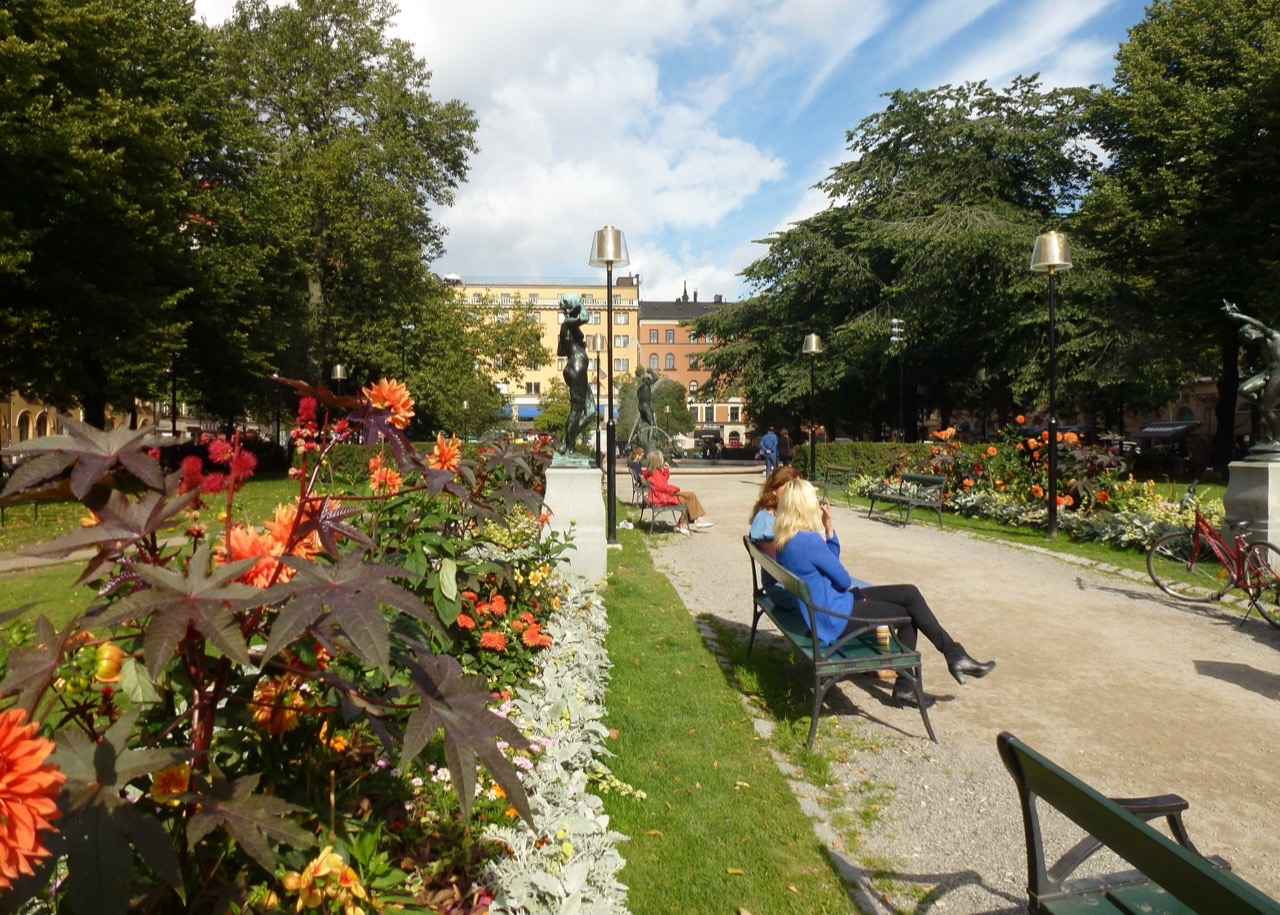
3.Drop Coffee Roasters began in 2009 as a small coffee bar beside Mariatorget in Stockholm. A year after opening it started roasting in house, and in 2018 the roastery moved north of the city to Rosersberg. A certified organic roastery. Co-owner Joanna Alm Leighton has won the Swedish Coffee Roasting Championship three times and finished second at the World Coffee Roasting Championship.
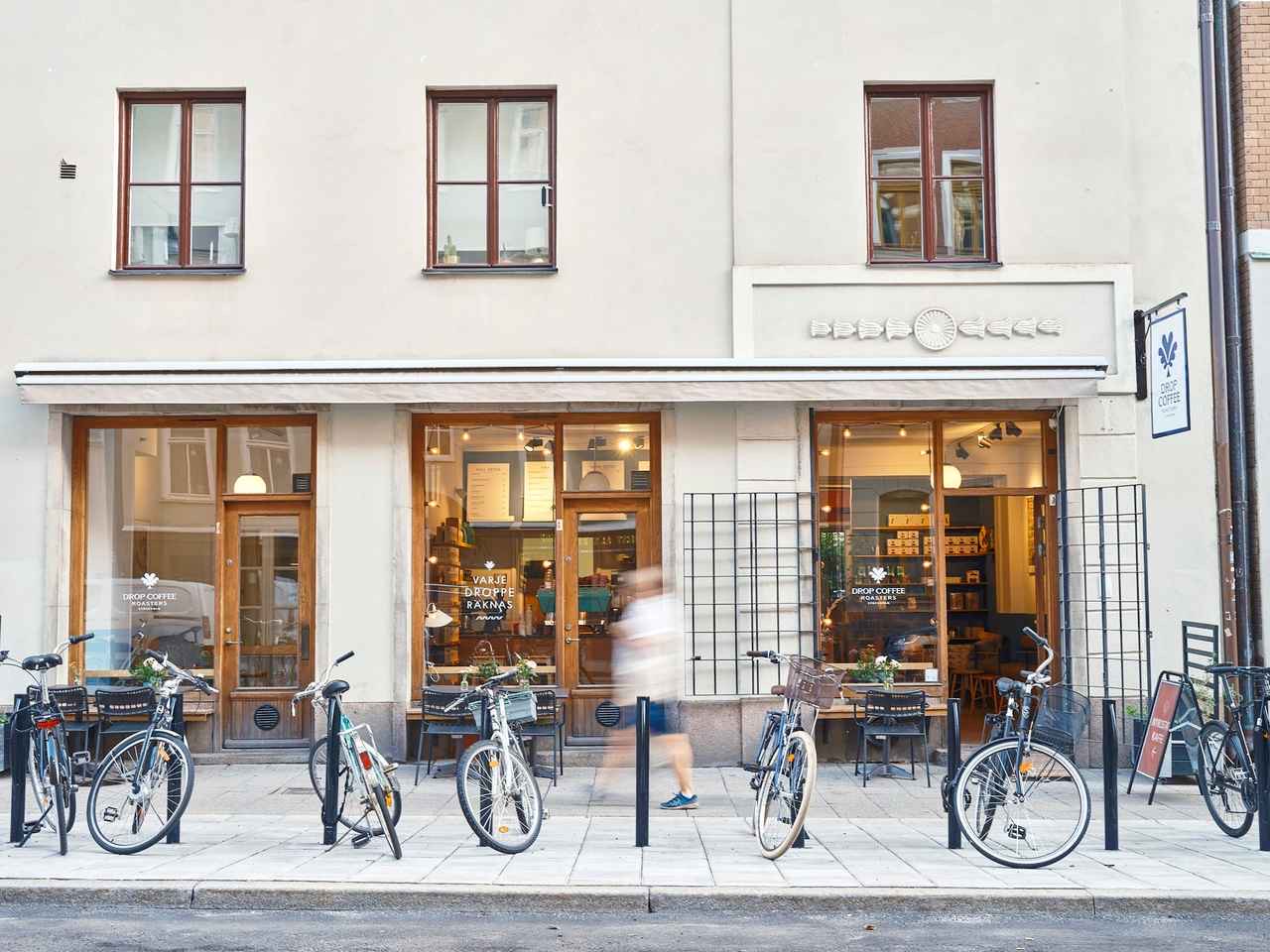
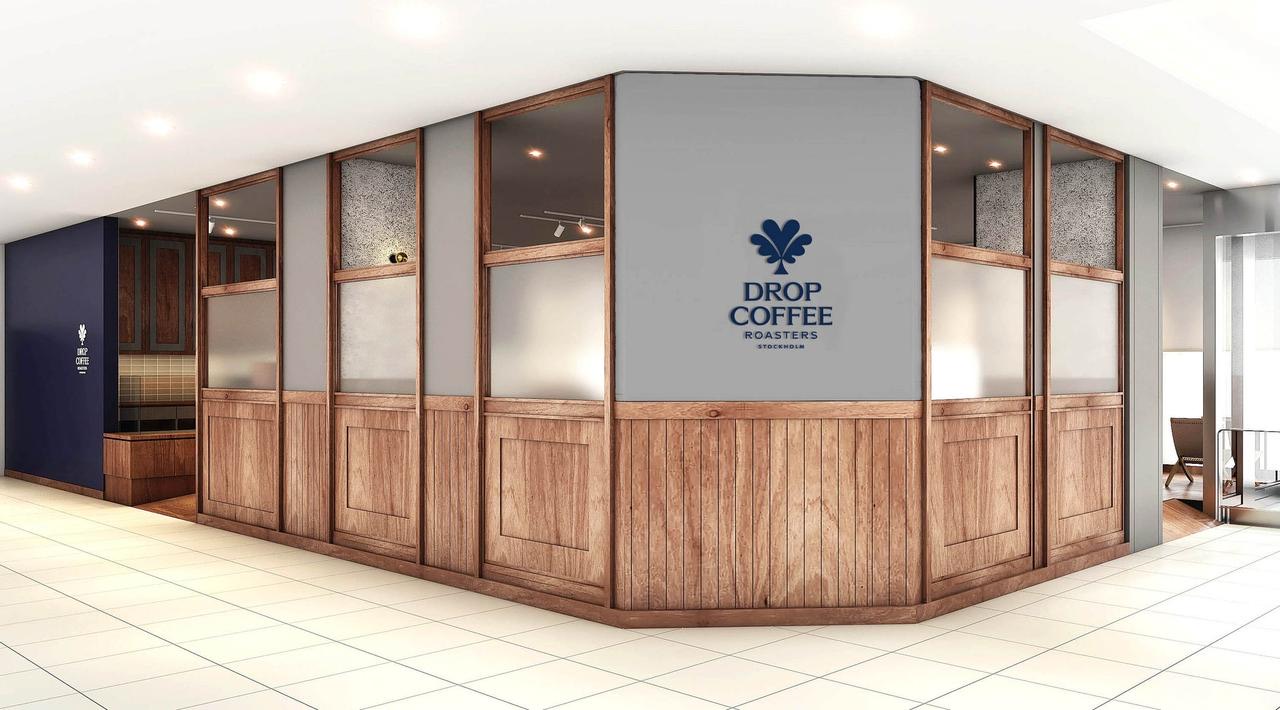
4.The space is a corner facing the second floor walkway. In the released rendering the shopfront is wrapped in timber framing and vertical panelling, with a navy logo set on a grey panel above. Glass begins above waist height, so seated customers are not on show to the walkway. White department store tile meets the store's own timber at the threshold.
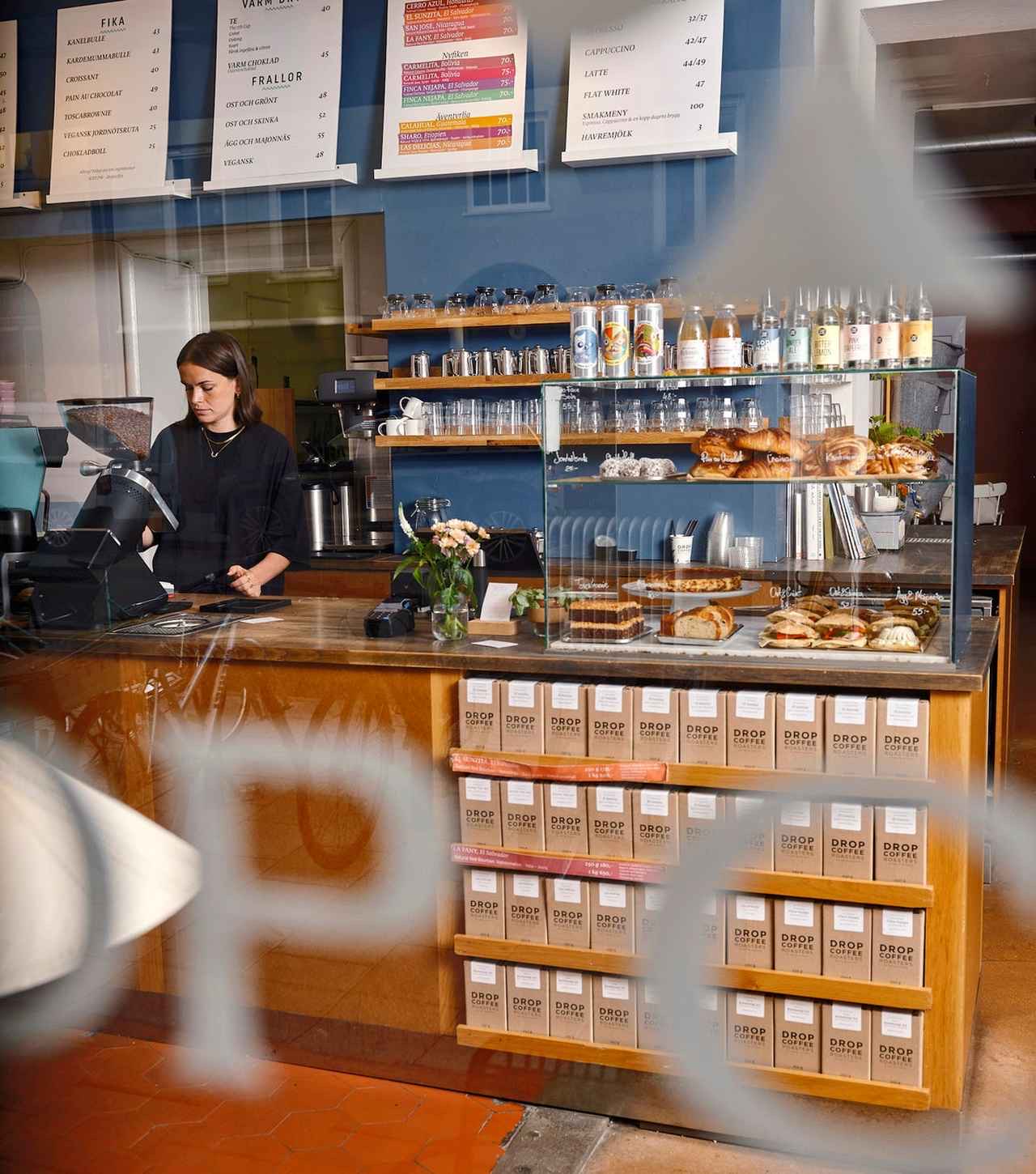
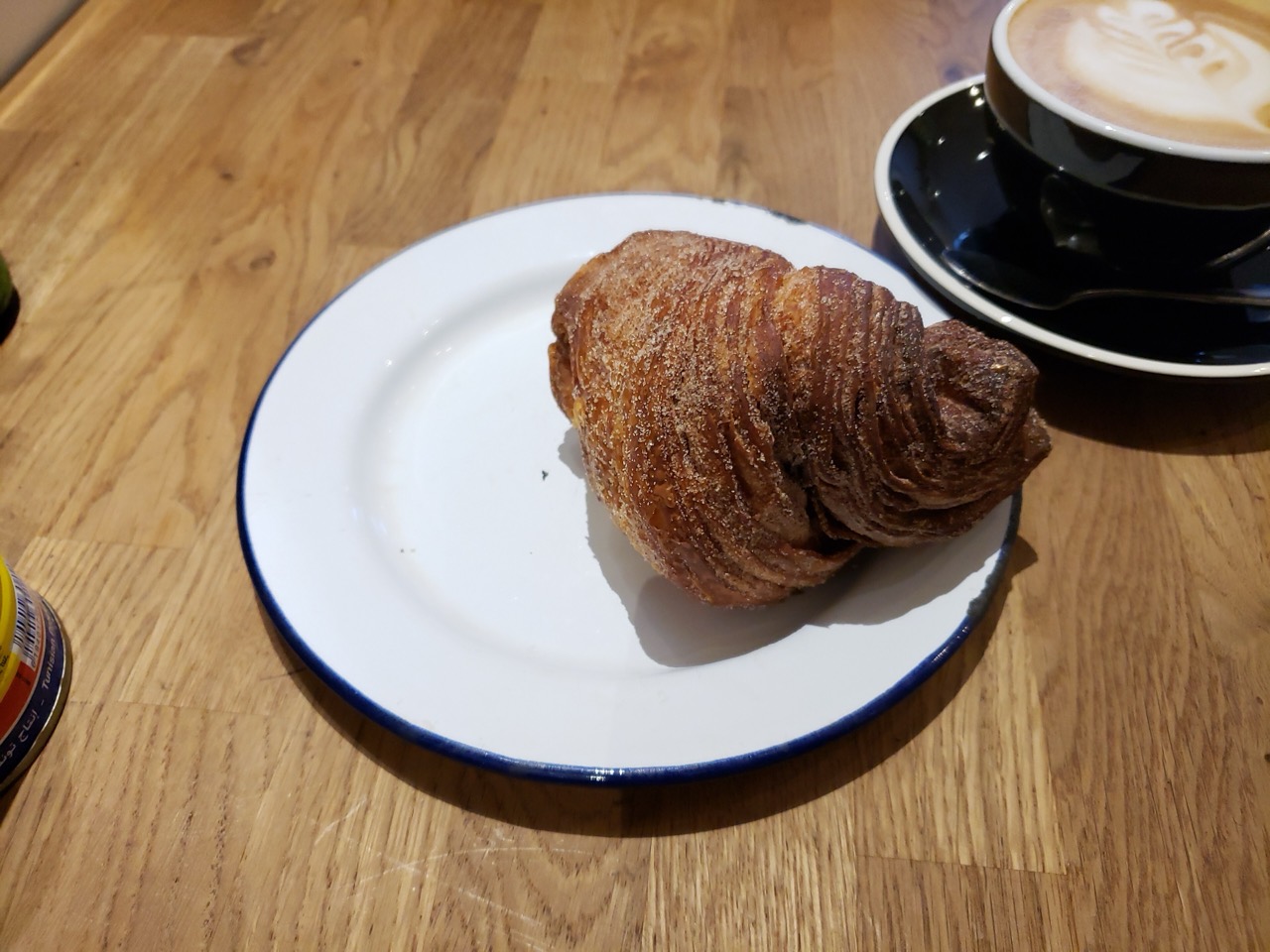
5.The food side is seven or eight cakes developed in Japan plus two Swedish buns: kanelbulle rolled with cinnamon, kardemummabulle rolled with cardamom. Nordic breakfast plates and sandwiches are served from 8 as well. The menu makes plain that 51 seats cannot be carried by coffee alone.
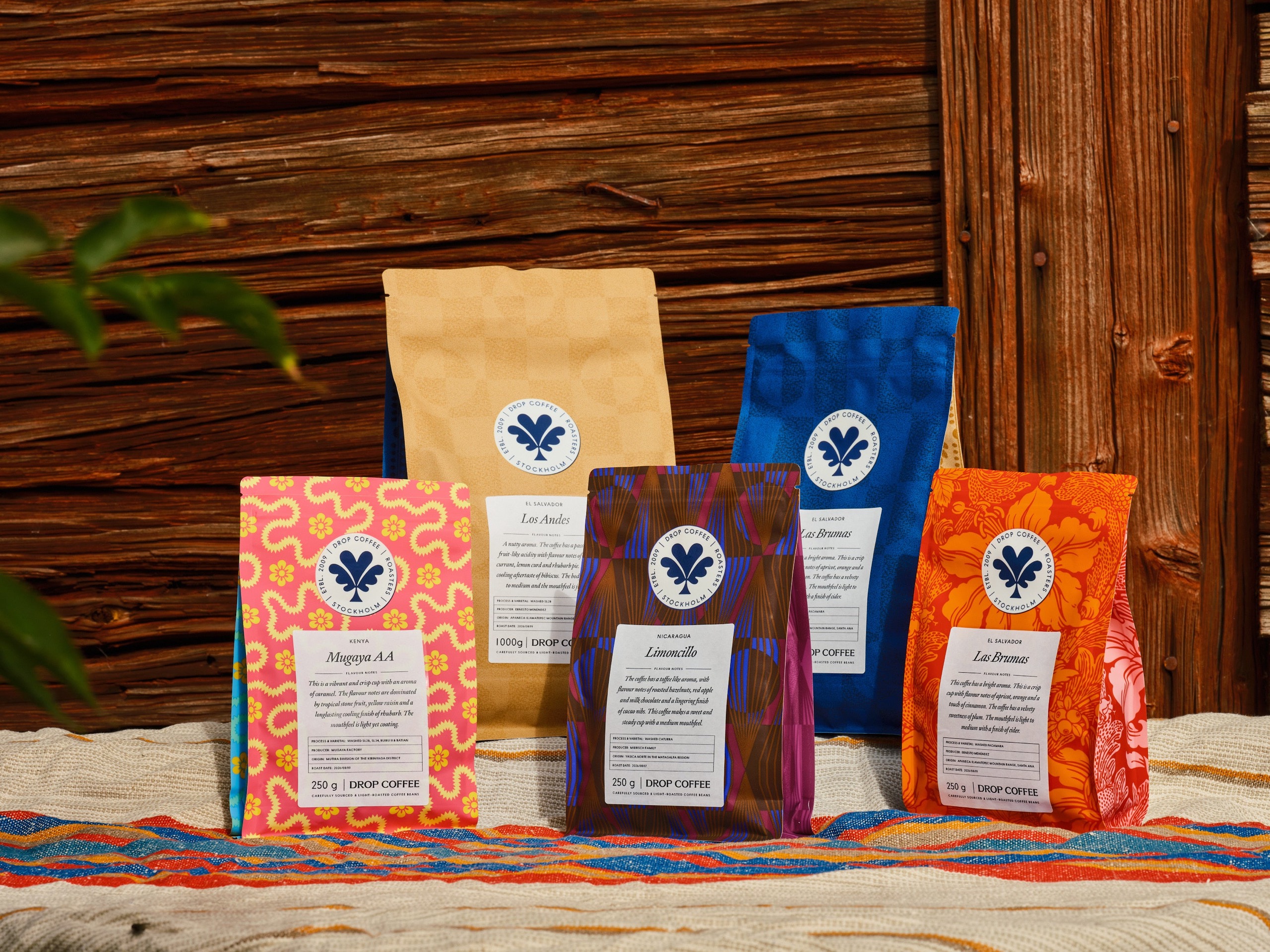
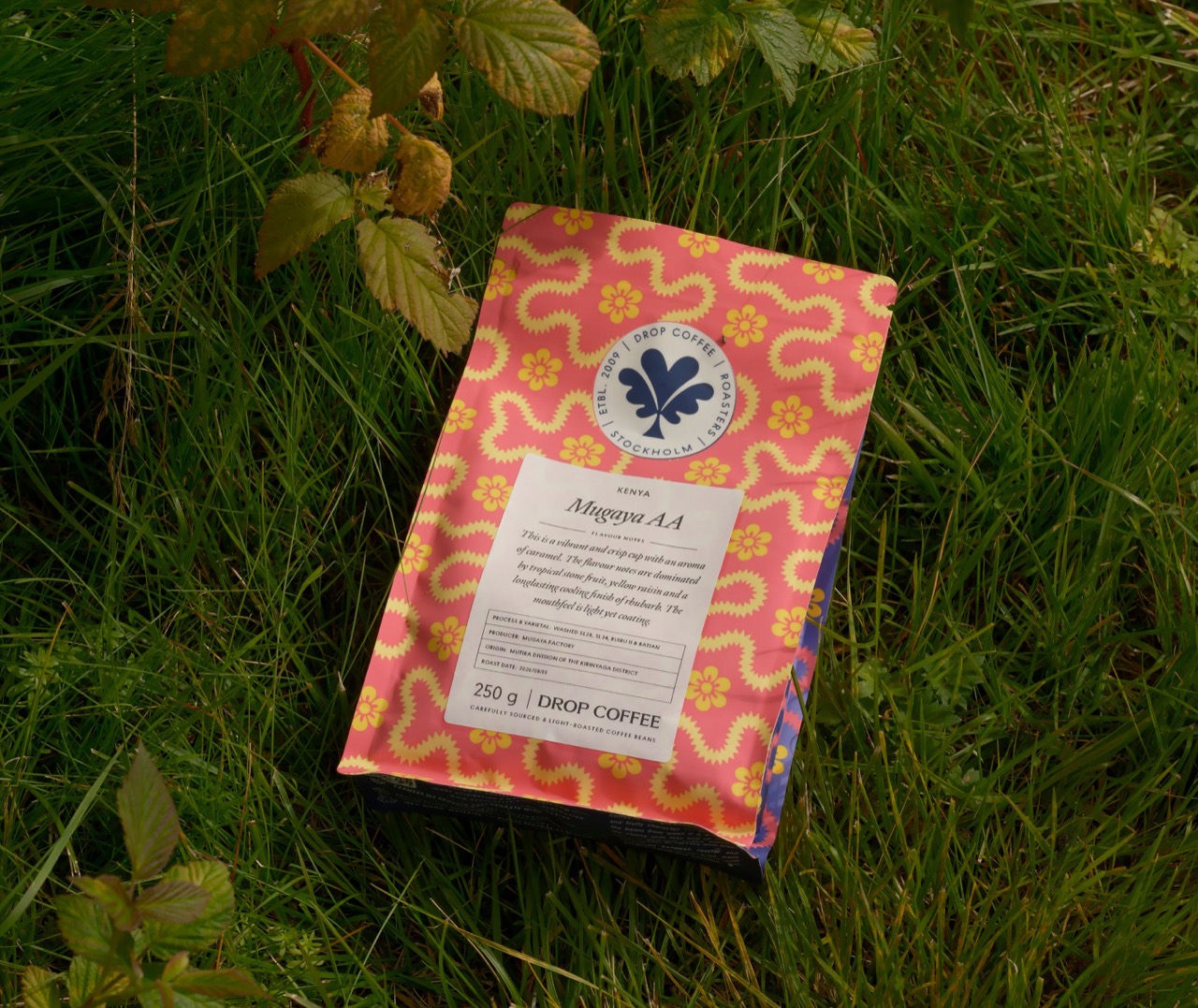
6.A light roasting house. The bag of Kenya Mugaya AA describes caramel aroma, tropical stone fruit and yellow raisin, with a long cooling finish of rhubarb. Las Brumas from El Salvador is written up as apricot and orange brushed with cinnamon, then a plum-like sweetness. The roast date is printed in the table on the front of the bag.
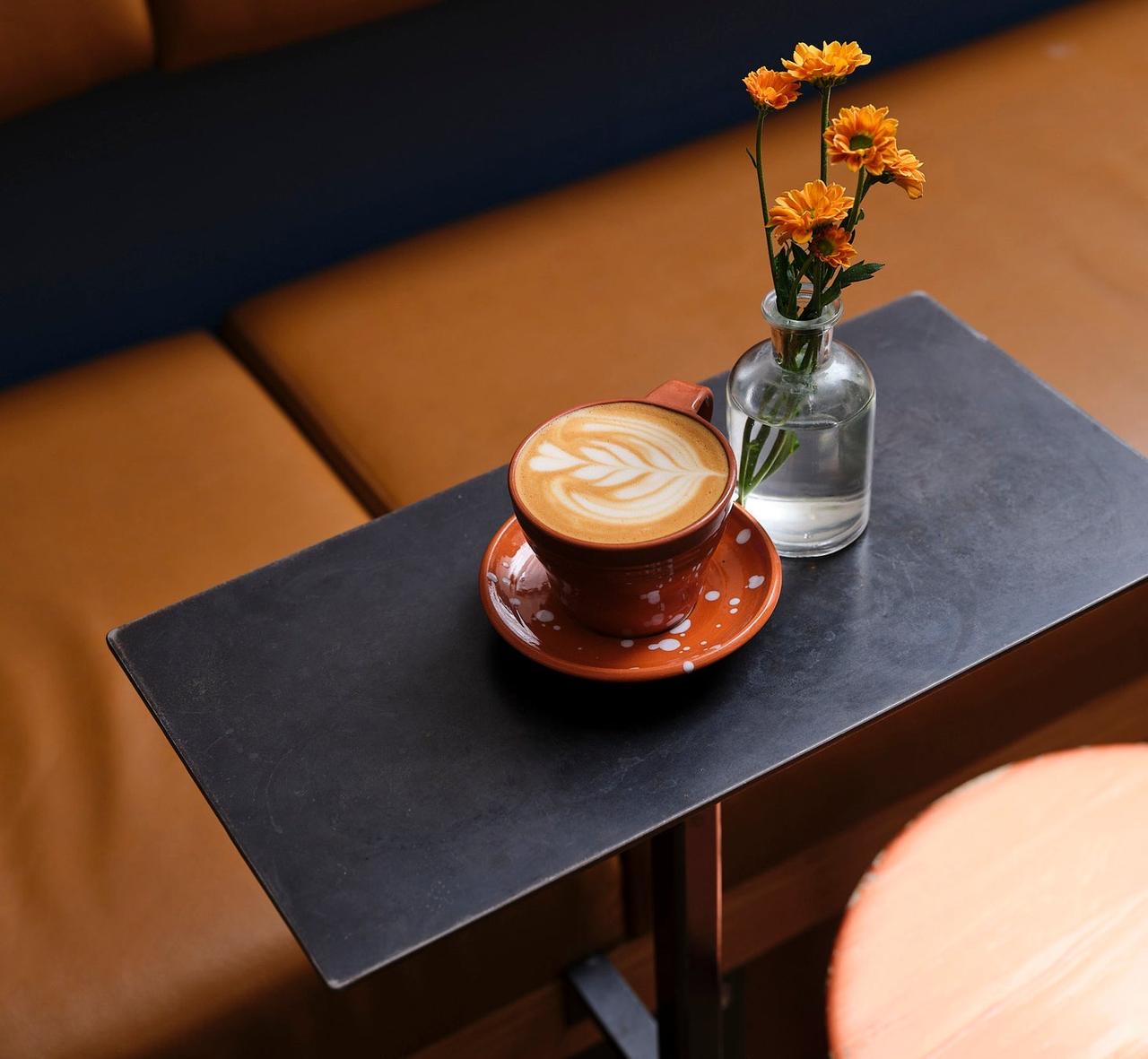
7.Light roasting puts acidity forward and lets the body pass through lightly. It is a roast meant to be drunk without milk over it, so customers sit a long time with one cup in front of them. Who pays for that time? In a 51 seat room, the house does.
8.The filter single origins on the Stockholm menu board run 70 to 75 kronor. At the rate on the 8th, one krona was 16.09 yen, so that comes to around 1,130 yen. Tokyo asks 860. Twenty four percent below the original store.
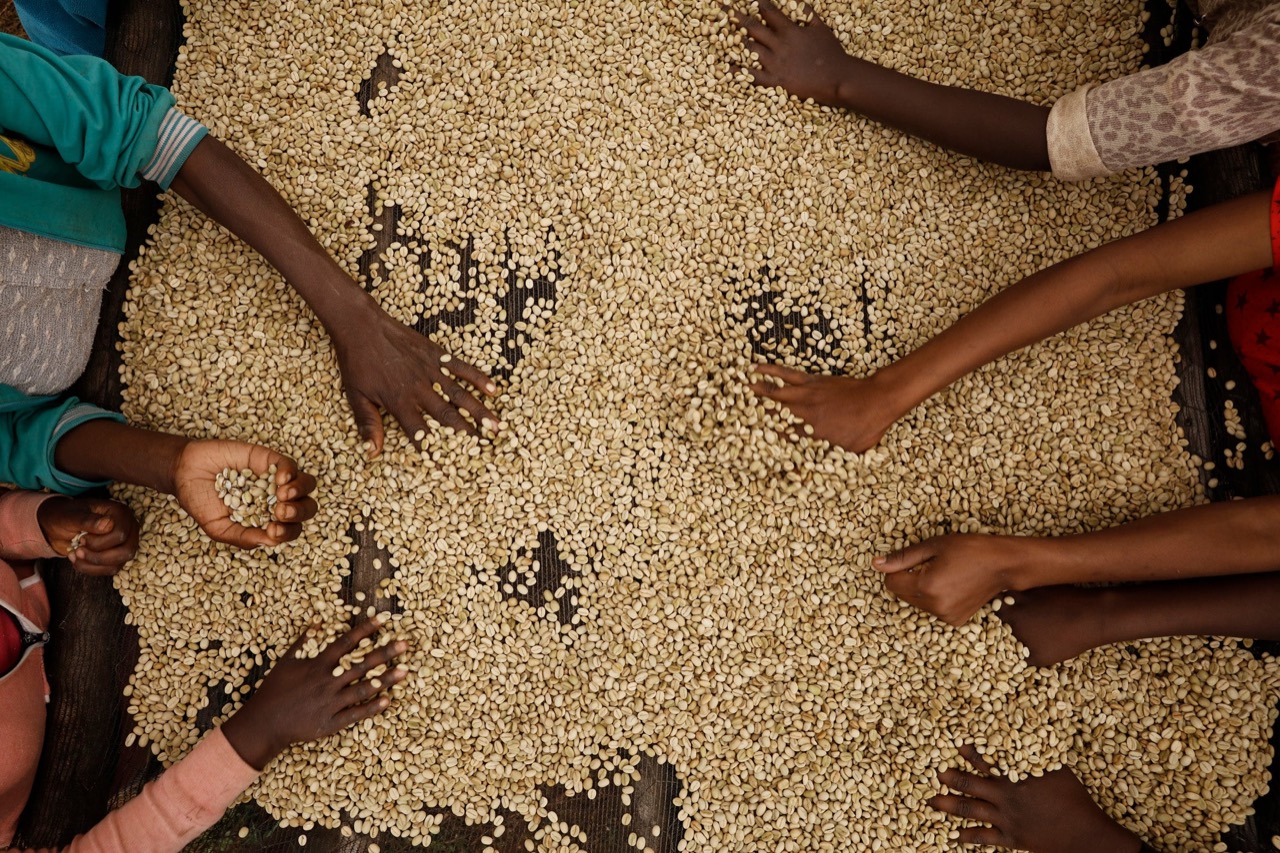
9.How does a price fall when the beans travel more than 8,000 kilometres? Because the beans are not the main cost. This company sells a 250 gram bag in Stockholm for 180 to 230 kronor. Put wholesale cost at half of retail and use 18 grams a cup, and the coffee in the cup costs roughly 150 yen (estimate). Less than a sixth. That is what the beans take out of an 860 yen cup.
10.Seats and hours set the price. The Stockholm store opens at 8 and closes at 6 on weekdays, shorter on weekends, 64 hours a week. Tokyo runs 98. On top of that the Tokyo minimum wage rises from 1,226 yen an hour to 1,280 on October 1. Thirteen days after opening, the floor under wages moves up 4.4 percent.
11.Marui Group spent three years from 2014 changing how it contracts. It moved from shoka shiire, taking a cut of tenant sales, to fixed term leases, and by the March 2019 term 80 percent of its floors were let that way. The deposit a tenant puts down fell from 50 months of base rent to 10, while the real rent burden against sales rose by 4.5 points. The rent comes out at the same figure. Even when fewer people come.
12.Pricing twelve coffees the same is the sharpest decision in this store. With no prices to compare on the board, the axis of choice moves to taste. Bolivia or Kenya is not settled by a 100 yen gap. On the selling side, stock does not drain toward the cheap end either. Running twelve every day only works if no single one carries the room.
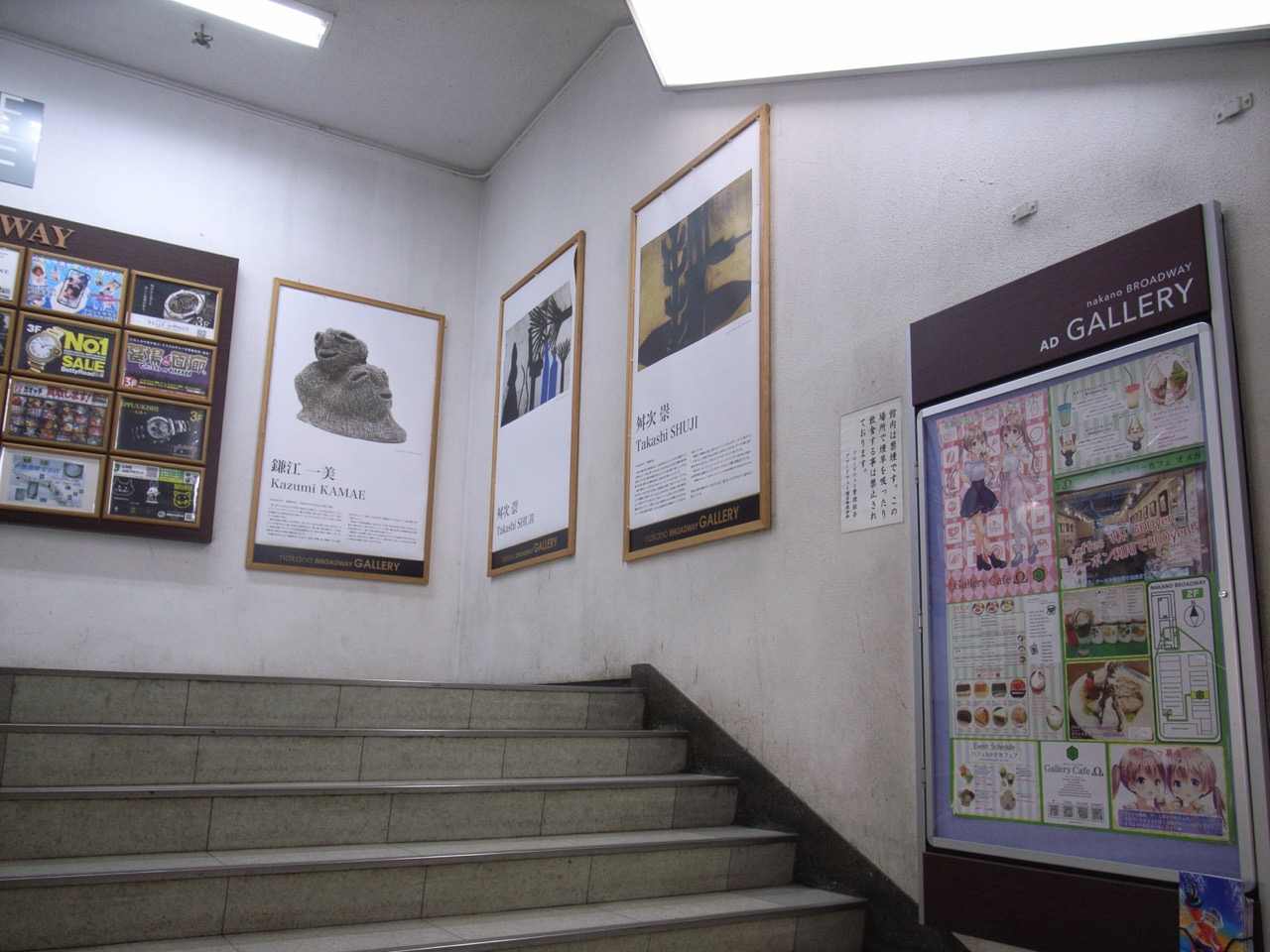
13.Choosing Nakano is tied to the price as well. JR Nakano Station averaged 132,316 boardings a day in fiscal 2024, and Tokyo Metro's Nakano Station averaged 147,113 entries and exits a day last year. North of the station, the Park City Nakano complex opened on May 29. Rents here sit below Ginza or Omotesando, and the foot traffic does not fall by the same measure.
14.Nordic roasters coming to Tokyo is not new. Fuglen, pouring coffee in Oslo since 1963, opened a bar in Tokyo in 2012 and built its own roastery two years later. Its roasteries now sit in Gamlebyen in Oslo and Noborito in Tokyo. Coffee sold in Tokyo is roasted in Tokyo.
15.This time the roasting stayed home. Batches of 8 to 16 kilograms turn in Stockholm and the roasted coffee travels to Nakano. Skipping the equipment and the roaster in Tokyo means filling twelve origins every day with coffee roasted several days earlier. Late last month the roast date printed on this company's bags read August 19.
16.Coffee roasted in Stockholm will sit on the second floor of a Nakano department store and sell for 860 yen. That is 76 percent of the price at home, and the gap comes not from the beans but from 98 opening hours a week and a rent that does not move with the customer count. Anyone building the same picture in Korea runs into customs first. Roasted beans are declared imported food and must carry product name, ingredients, importer and use-by date in Korean, and for a shop that sells on roast dates, every day spent on a ship comes straight off the price.