Two Australians who built two Australian-style cafes in Manhattan set them up so their staff would buy in, bit by bit, and then came home. Their new place is a neighbourhood corner cafe that shuts at 3:30 in the afternoon.
1.Great Jones opened in September on a corner at 1184 High Street in Armadale, in Melbourne's southeast. It opens at 7am on weekdays and 7:30am on weekends, closes at 3:30pm, and takes no bookings, only walk-ins. Owners Josh Evans and Nick Duckworth spent close to ten years running Australian-style cafes in New York before coming back.
2.What the pair left behind in New York was two shops. Banter, in Greenwich Village and the West Village, became a company whose employees share the equity from January 2023. They didn't close it or sell it off whole; they set up a structure in which the staff's stake grows every year, and then stepped away. Great Jones is the first venue they have opened in Australia since.
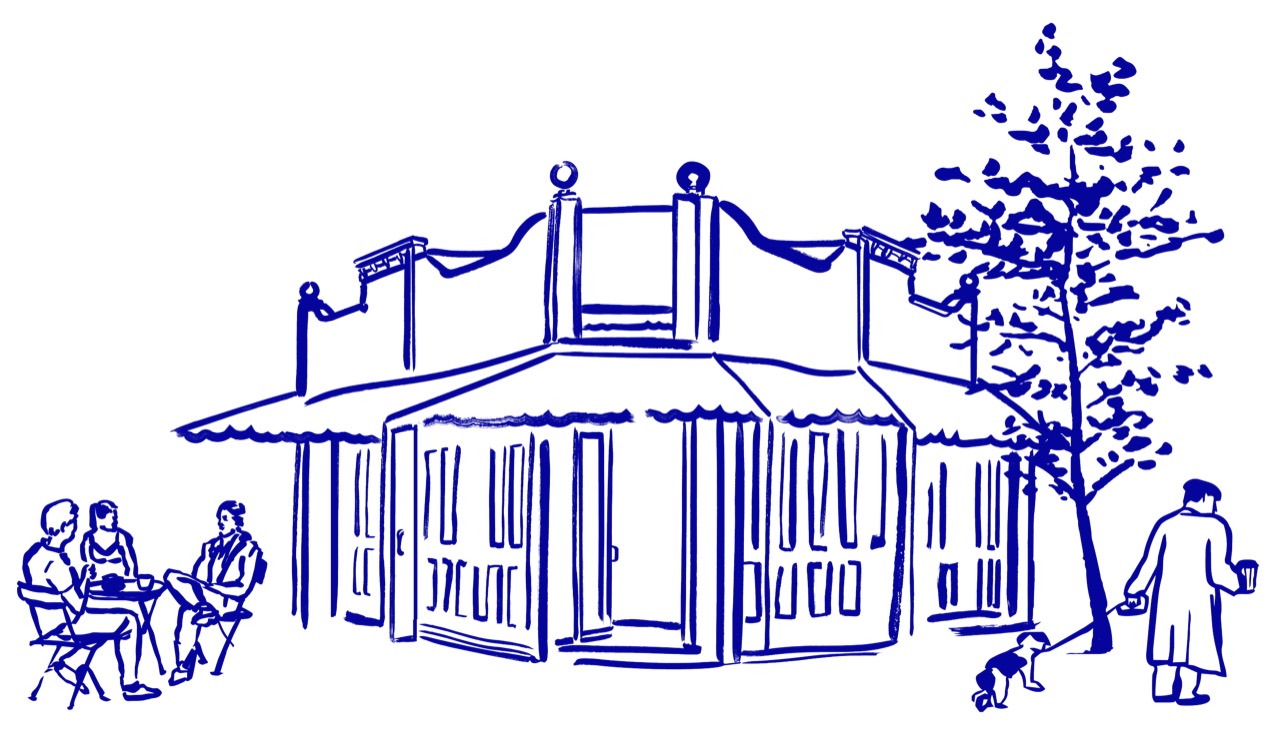
3.The building is a single-storey shop with its corner cut on the diagonal for the entrance. In the exterior drawing the cafe has published, a decorative parapet rises above the roofline, scalloped awnings hang along two sides, and small round tables and folding chairs sit on the footpath. Inside, only as much as the published photos show: a stone tabletop with green veining, timber chairs with horizontal-slat backs, a long banquette in blue fabric, and orange anthuriums on each table.
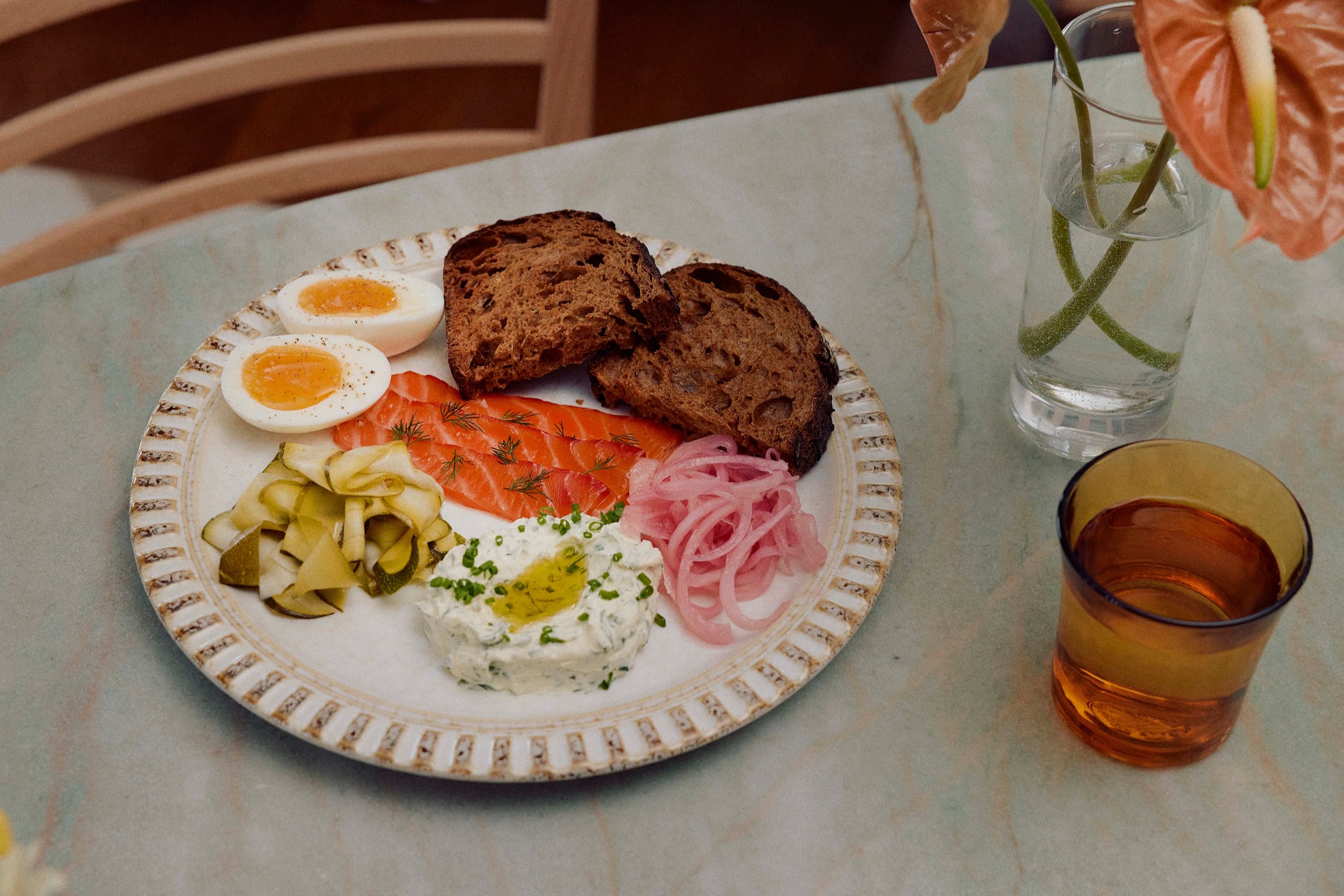
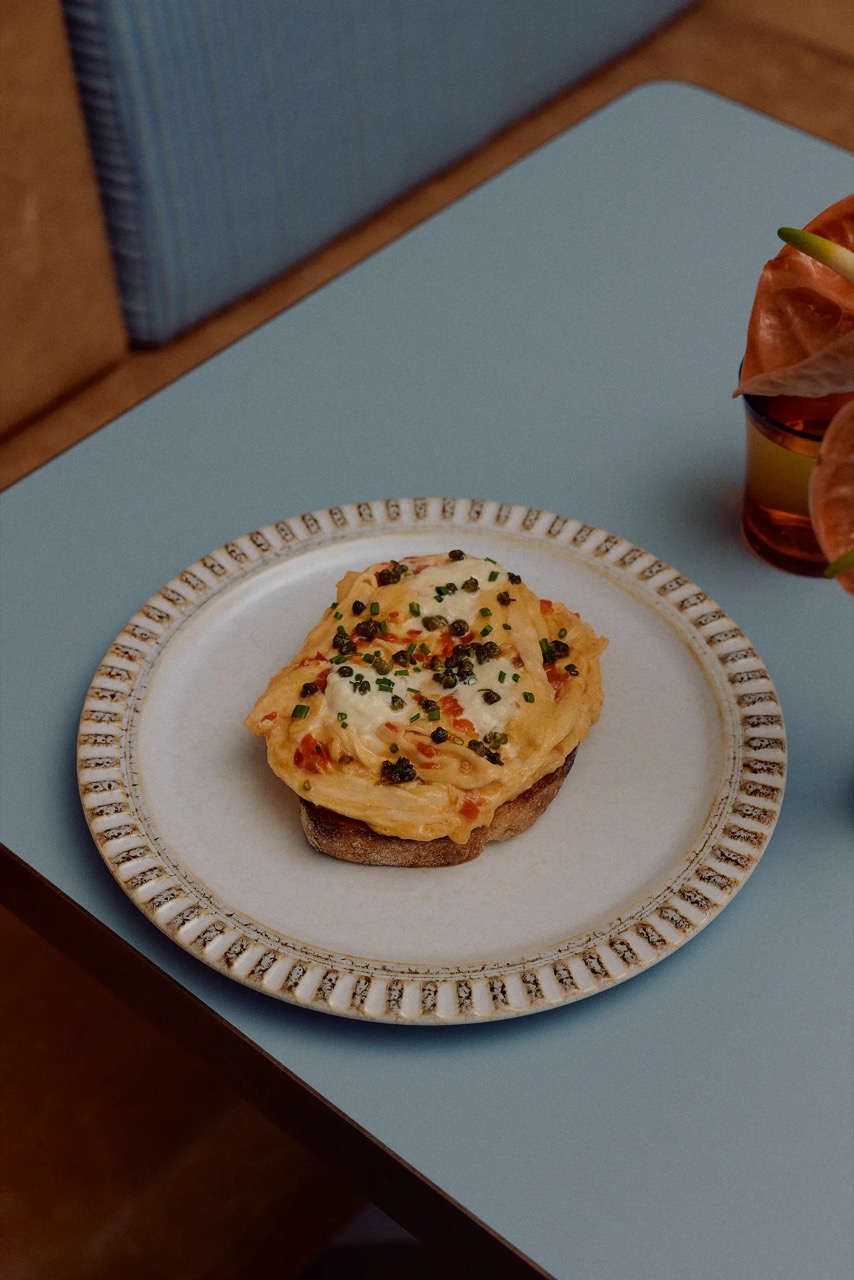
4.The menu puts European ingredients on the familiar brunch lineup. Folded eggs come topped with Calabrian chilli, fried capers and stracciatella, alongside salads, sandwiches and baked goods made in-house. The coffee comes from Sydney roaster Single O. Buying beans from a well-known roaster instead of roasting your own is a common setup for Melbourne neighbourhood cafes.
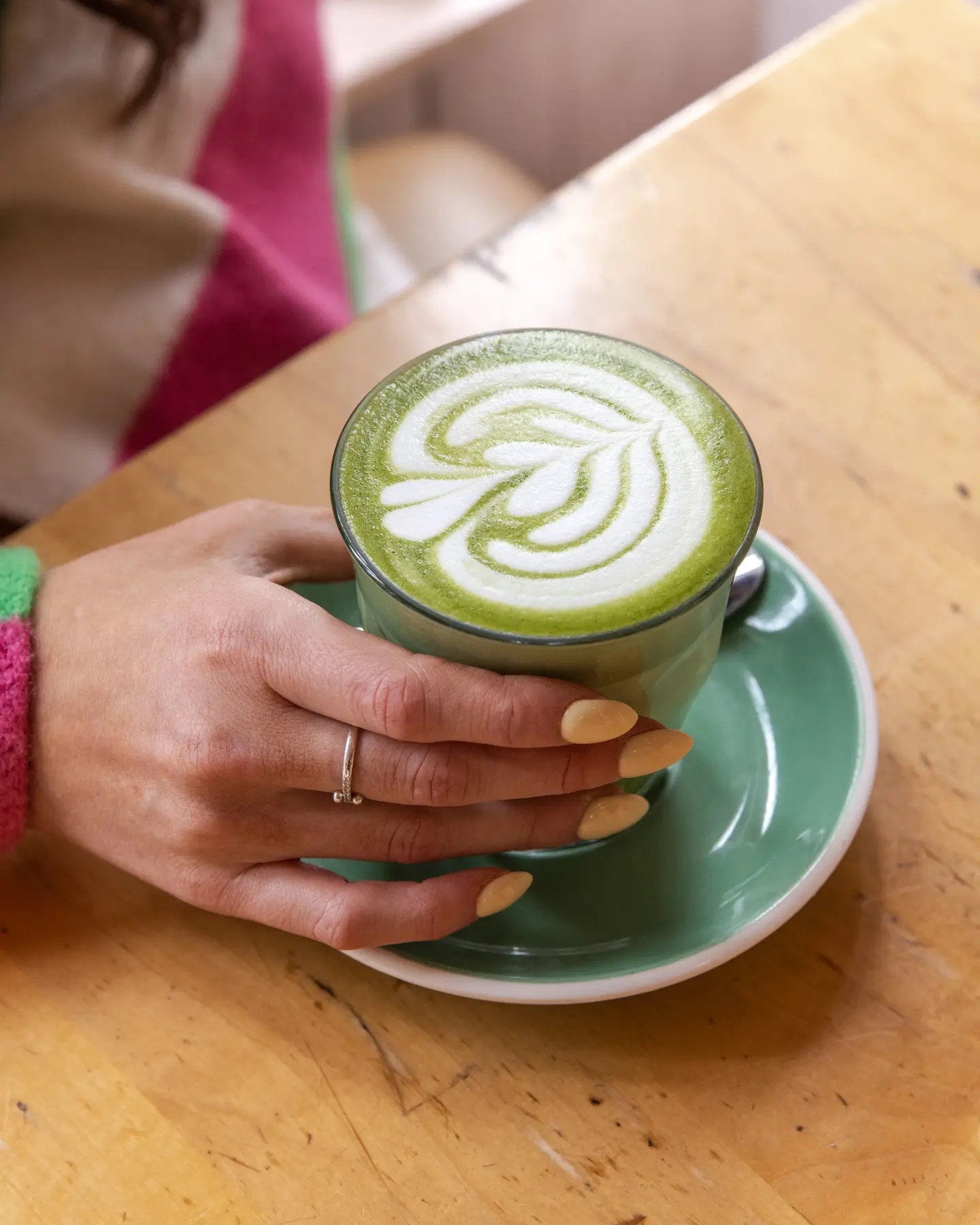
5.The drink they lead with is not a hot flat white but a cold coffee. Cold brew gets a thick layer of vanilla cold foam, then extra-virgin olive oil, sea salt and shaved chocolate. Drink it unstirred and the first thing on your lips is the sweetness of the foam and the salt; the grassy smell of olive oil passes over that, and only then does the bitterness of long-steeped coffee rise from below. It's said to be a dessert from Lilia, a Williamsburg restaurant the pair loved in New York, moved into a glass.
6.Cold brew is coffee made in advance. Even when orders pile up on a weekend morning, the barista only has to pour, add the foam and finish it, which takes that much time off the queue at the espresso machine. Olive oil and salt add a few grams per glass, so the ingredient cost barely moves. Melbourne customers usually order a flat white, but the glass that gets photographed and posted is the one with something on top.
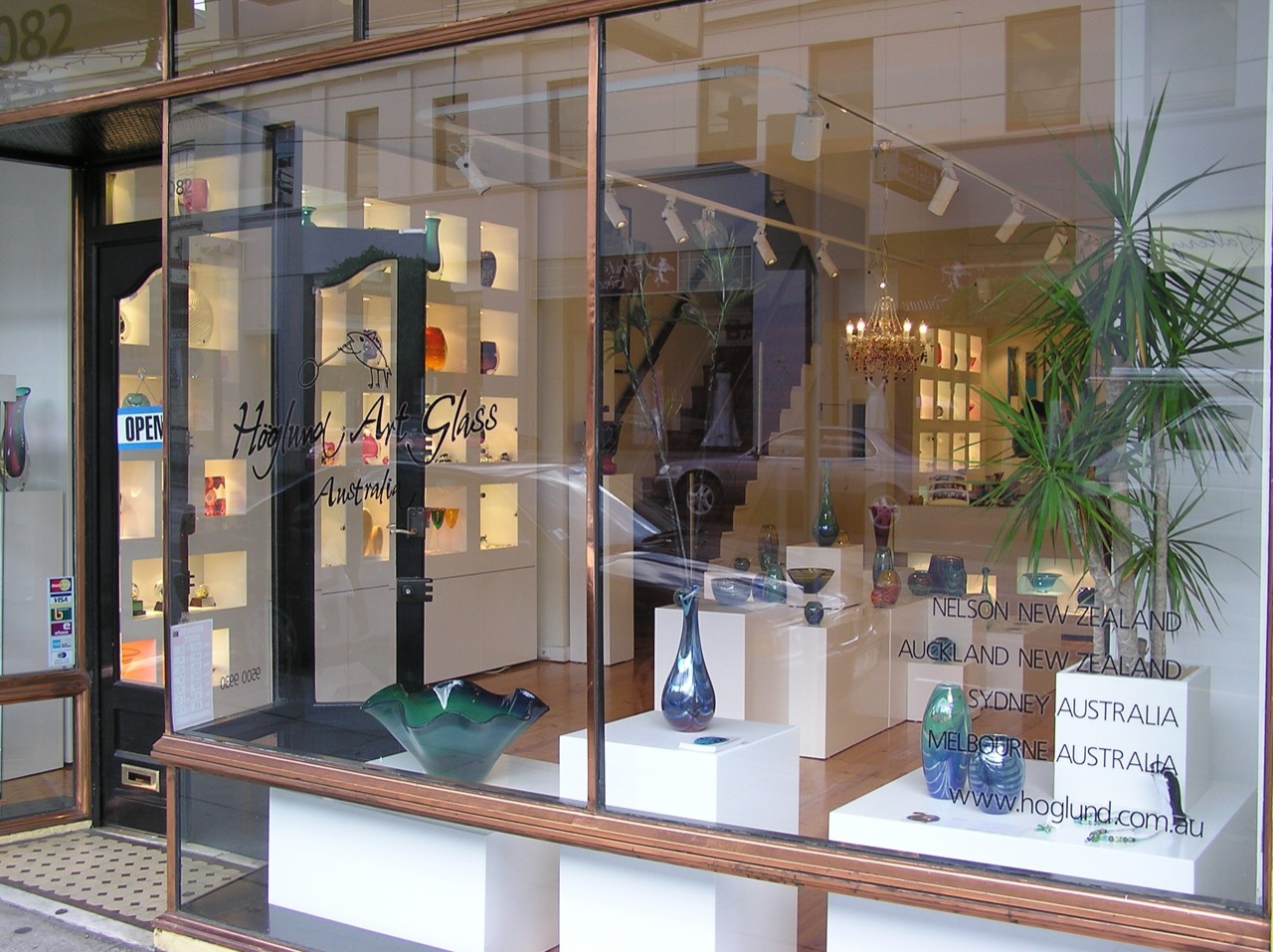
7.Armadale is an older residential suburb six to seven kilometres southeast of the city centre. High Street is known for its antique dealers, bridal boutiques and art glass shops, and the morning trade is people walking out of the surrounding houses with kids and dogs. It's a neighbourhood where a sit-down late breakfast earns more than a takeaway coffee on the way to work.
8.Duckworth is from Sydney, Evans from Melbourne. They moved to New York around 2015, met while working at Two Hands, an Australian cafe in Nolita, and opened the first Banter at 169 Sullivan Street at the end of 2016. The menu: avocado toast, chia bowls, flat whites. A second shop on Hudson Street followed in late 2019, and the pandemic arrived the next spring.


9.Australian cafes became a category of their own in New York in the early 2010s. Bluestone Lane opened in 2013, and the same year Little Collins, named after a Melbourne lane, opened in Midtown. Shops selling flat whites and avocado toast to Manhattan appeared one after another around then, and the two arrived at the height of that wave and learned the trade as staff.
10.On January 1, 2023, 10% of Banter went to its employees. The buyer was Teamshares, a company that acquires small businesses from owners who want to leave and turns them employee-owned over time. Employees pay nothing and earn equity through their service, and the shop's profits are used to buy back and retire Teamshares' stake little by little. Reaching 80% employee ownership is expected to take ten to twenty years.
11.Teamshares buys profitable companies with annual revenue between US$1 million and US$10 million. That puts two-shop Banter inside that range, and the sale price was not disclosed. Alex Skiljan took over as president. The founders get paid and leave; the name, the sites and the people who worked there stay.
12.The Melbourne job ad lists barista pay at A$30-35 an hour, roughly KRW 27,000-32,000. In Australia, casual staff without set rosters get an extra 25% on the hourly rate, and weekend penalties sit on top of that. A neighbourhood cafe that earns its living on weekend brunch pays the most for labour on its busiest days.
13.A Melbourne brunch cafe typically spends 35-40% of revenue on wages, around 30% on food and drink, and 10-15% on rent (an estimate based on usual industry ranges). Take those three out and what's left is single digits. A cafe that closes at 3:30pm trades only eight and a half hours a day, so there is no dinner service to share the rent.
14.So Great Jones built its menu to raise what each person spends. It gets people ordering a plate rather than stopping at a coffee, and according to the job ad it also carries wine, beer and cocktails. Why no bookings? One table that books and never shows wipes out two hours of a weekend morning.
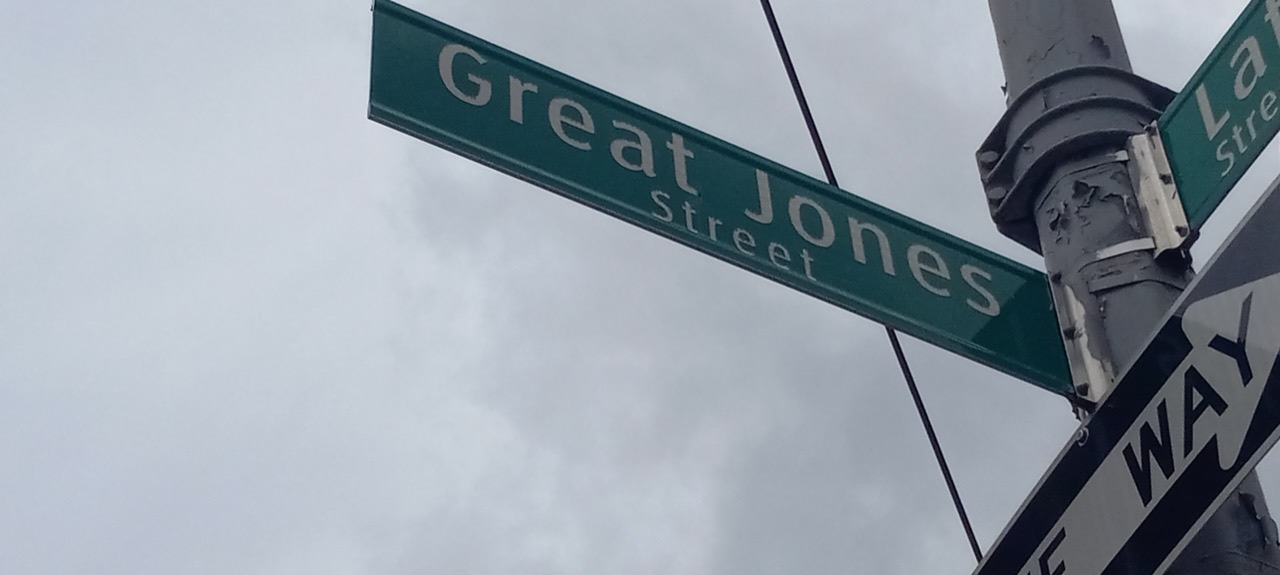
15.The cafe shares its name with Great Jones Street in Manhattan's NoHo. None of the coverage we found says why they chose it. Ten years ago they took an Australian cafe to New York; this time they came back to Melbourne with a New York street name and a drink learned at a New York restaurant. What made the menu is the brunch people at home already ate.
16.Two founders who handed their New York cafes to an employee-ownership structure came home and opened a corner brunch cafe in a Melbourne suburb that closes at 3:30pm. The employee stake in Banter, still running in New York, starts at 10% and heads for 80%. In Korea, a cafe owner leaving the business usually has one route: collect key money and pass the lease to the next tenant. So even an owner who wants to hand over to staff finds no capital in the market to buy that stake on their behalf.