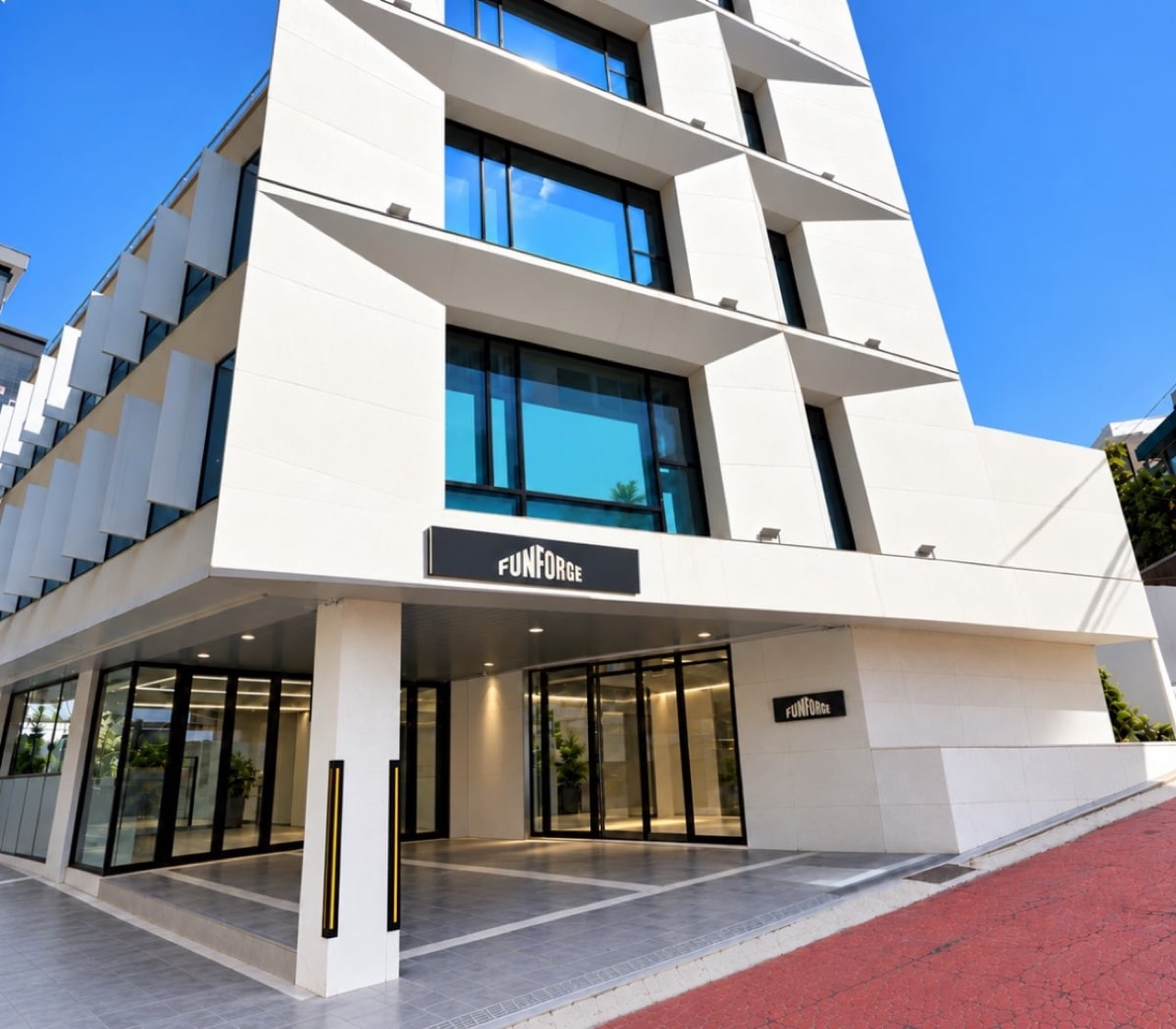
Warhammer's official Korean distributor has opened a store in Hongdae and given part of the floor to gaming tables. The tables are free until the end of the month. Paying for that free space is a British company with a 71% gross margin.
1.Nabita World, the official Korean distributor for Britain's Games Workshop, formally opens the FUNFORGE flagship in Hongdae on October 4. A soft opening ran through the 2nd, and an opening sale takes 10 to 30% off depending on the brand. The in-store gaming area is free to use until October 31. The core stock is Warhammer miniatures, their paints and card games.
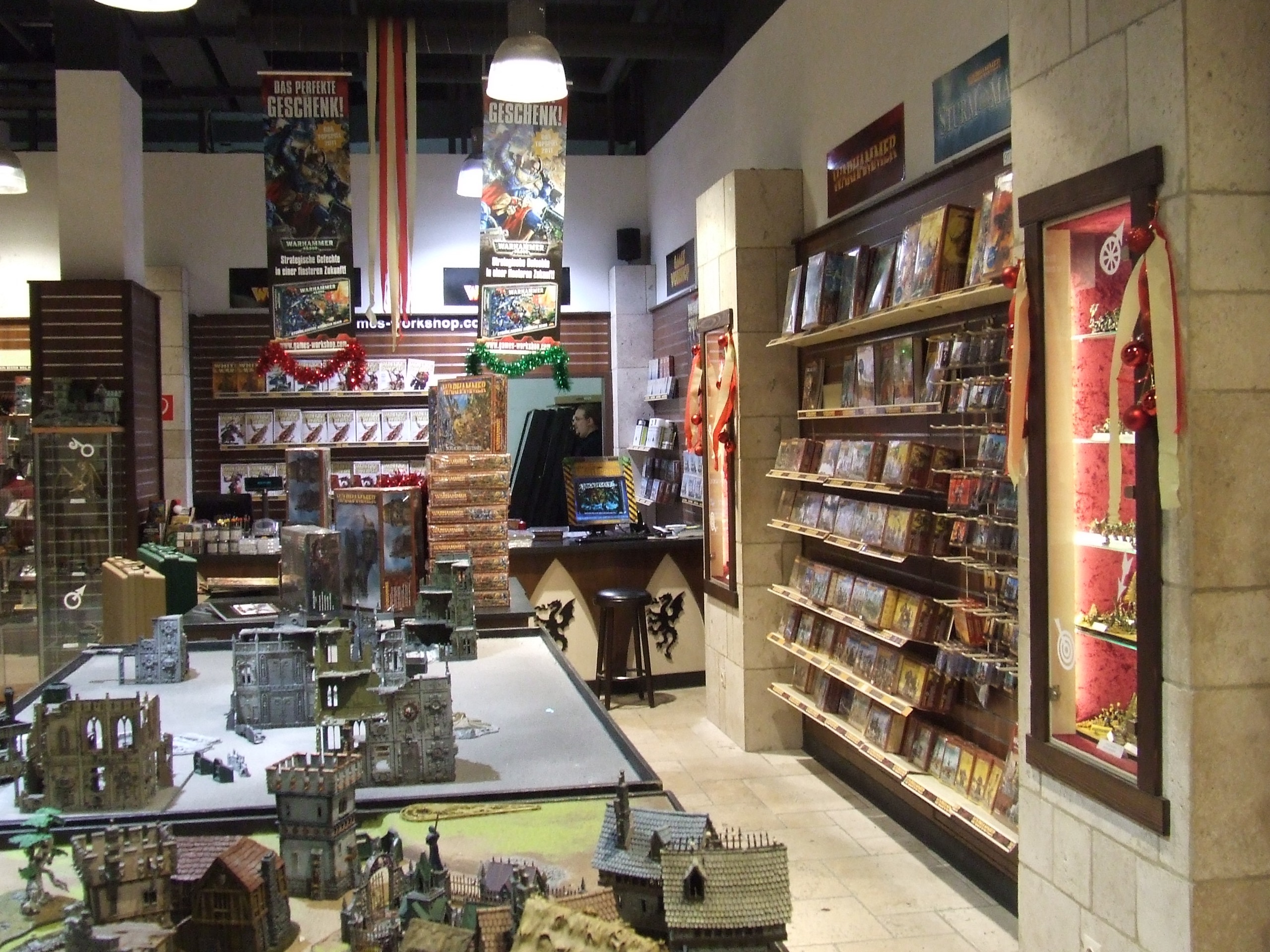
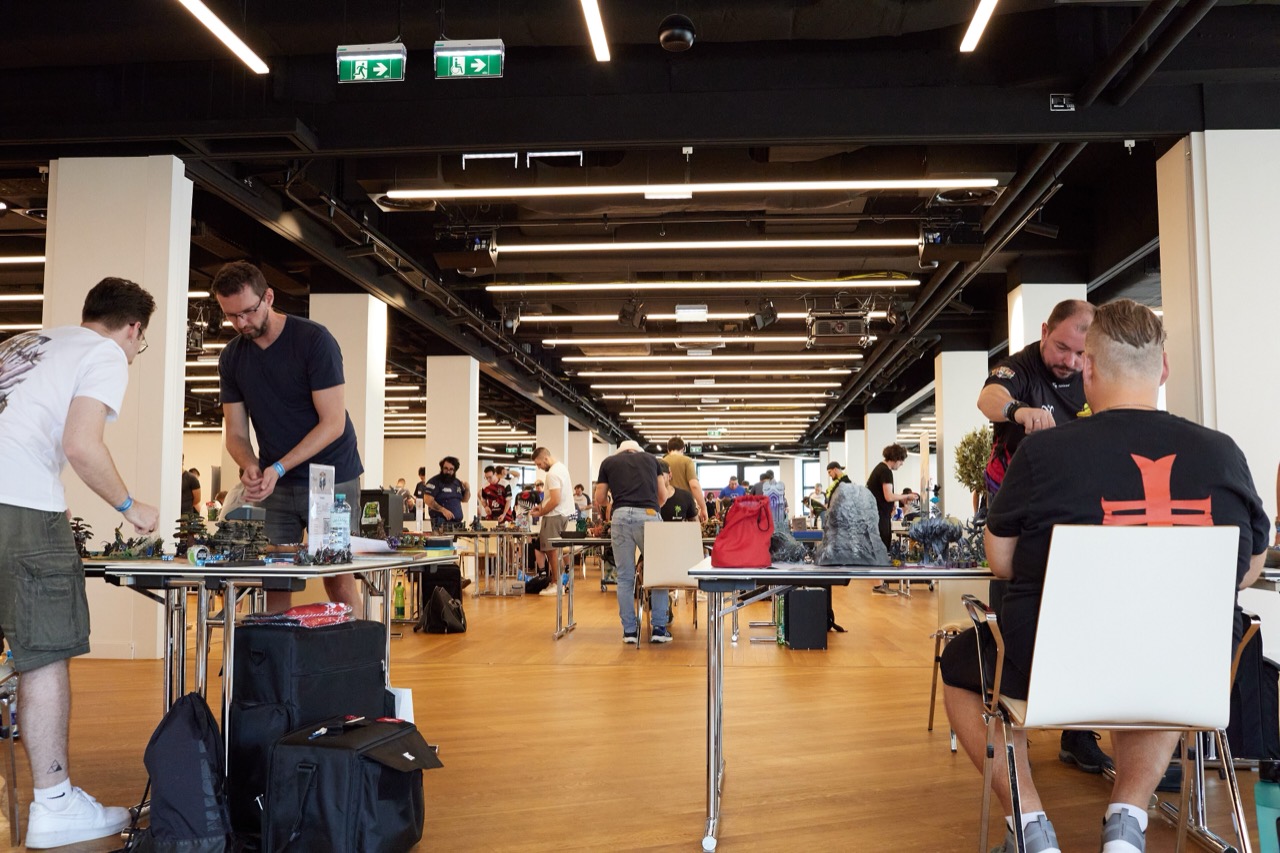
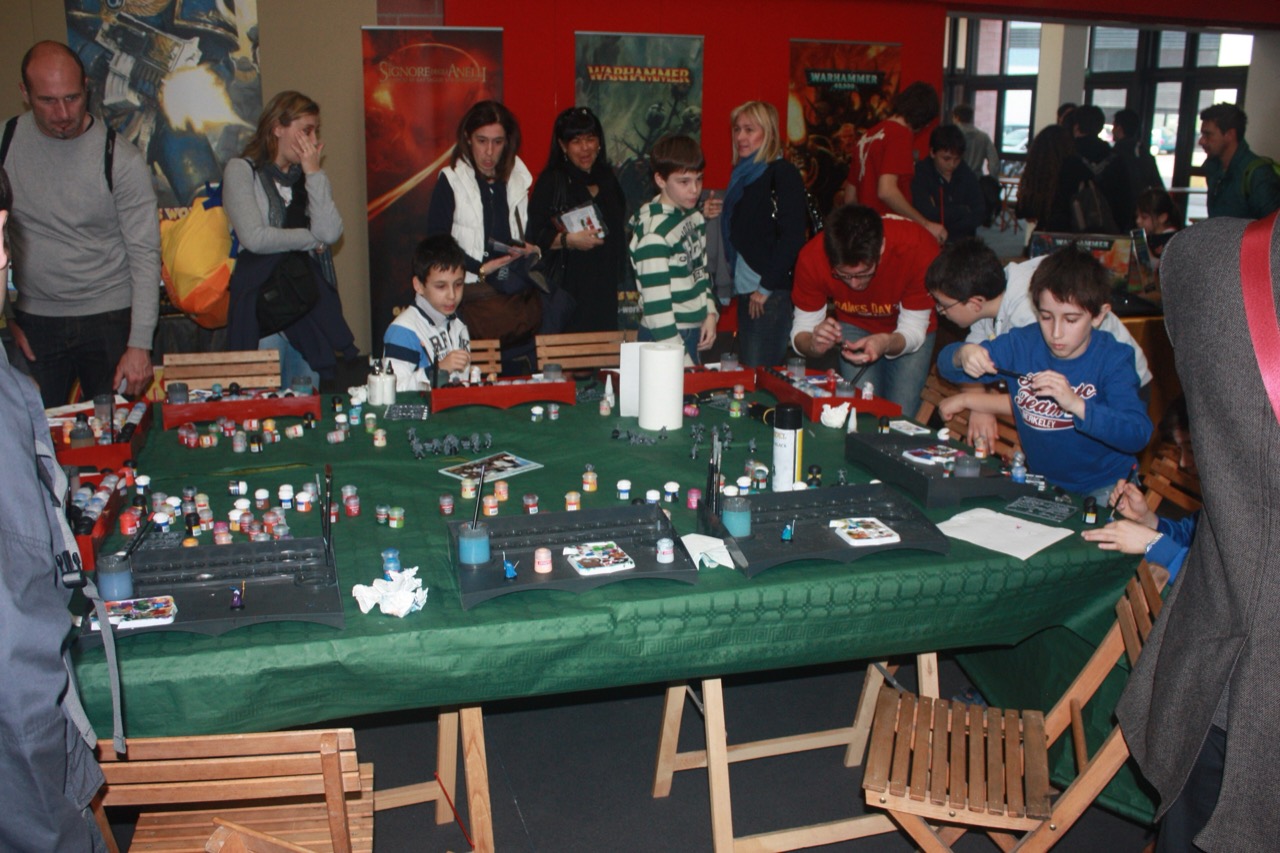
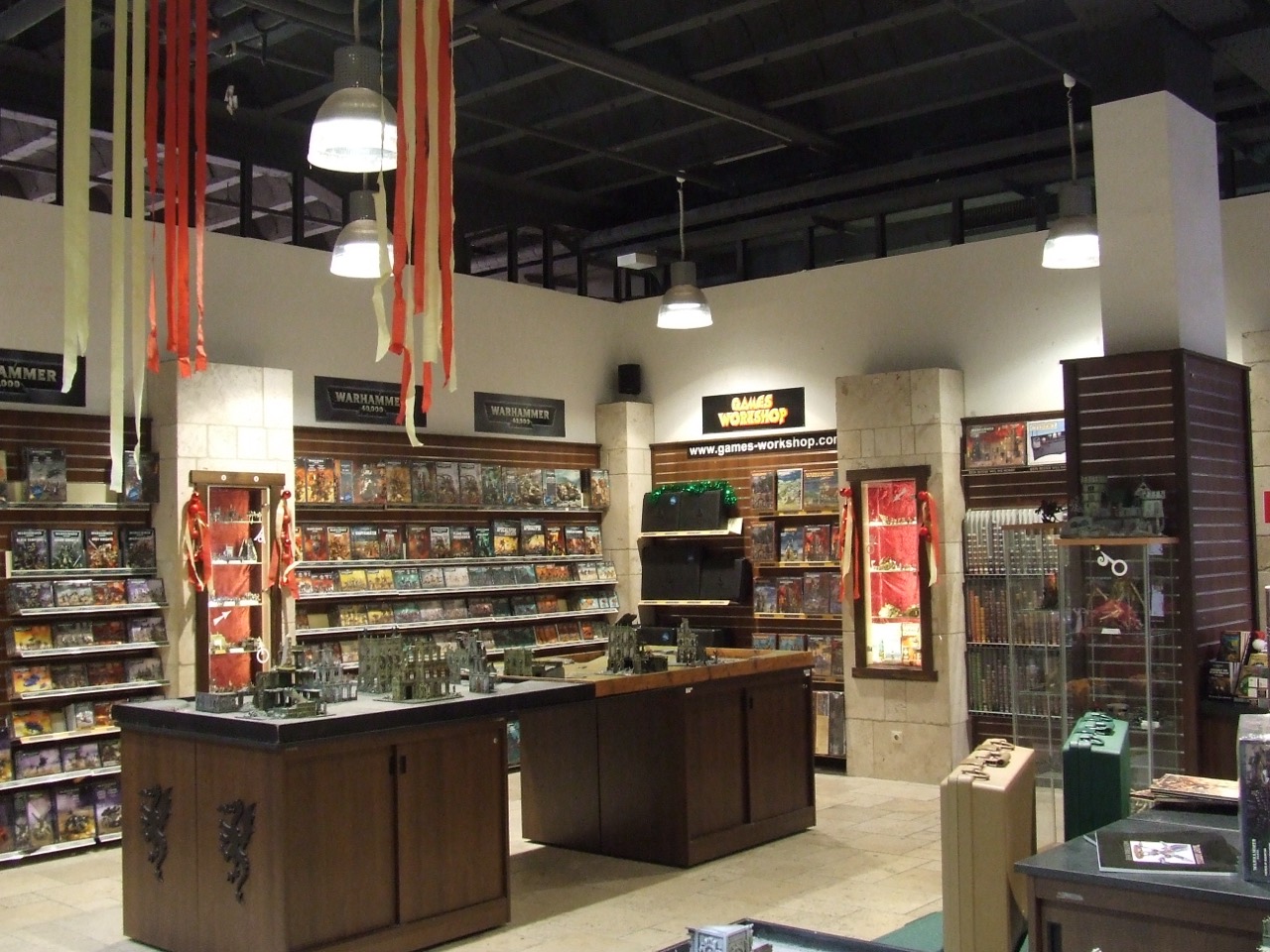
2.The store has two zones. DISCOVER holds new releases, starter boxes and merchandise, plus a TRY BAR where visitors can assemble and paint a model. THE FORGE is for miniature wargames and card games. The back zone is fitted with 152 by 112 cm (60 by 44 inch) gaming tables, and a weekly painting meet, rules lessons, open play and tournaments all run on them.
3.The size of one table explains the store. Two players moving models across a 152 by 112 cm board need a walkway around it for a third person, so each table takes roughly 6 square metres of floor (estimate). That is room for two rows of convenience-store shelving, given to two customers. A single game runs two or three hours, so turnover is the wrong word for this corner.
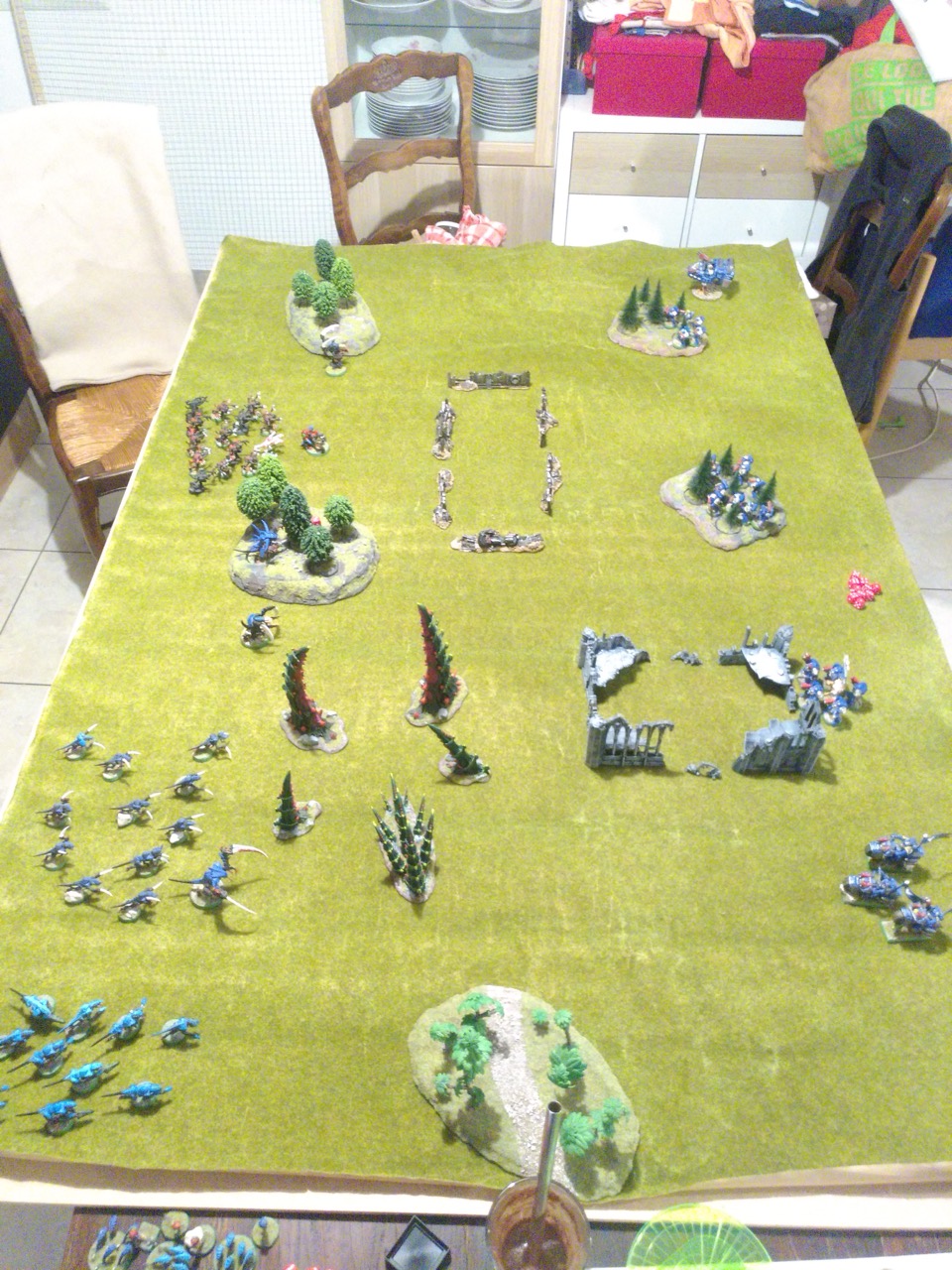
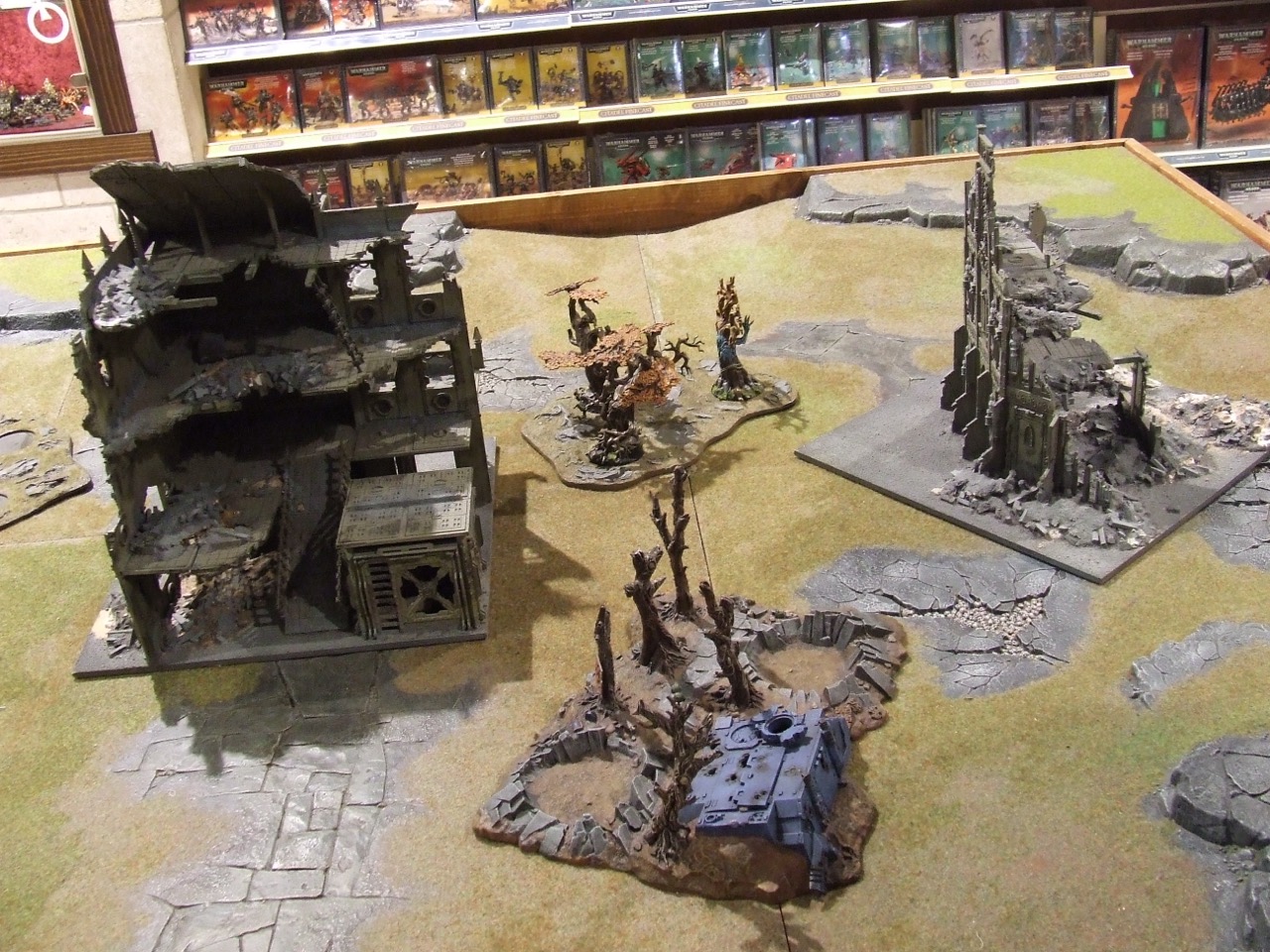
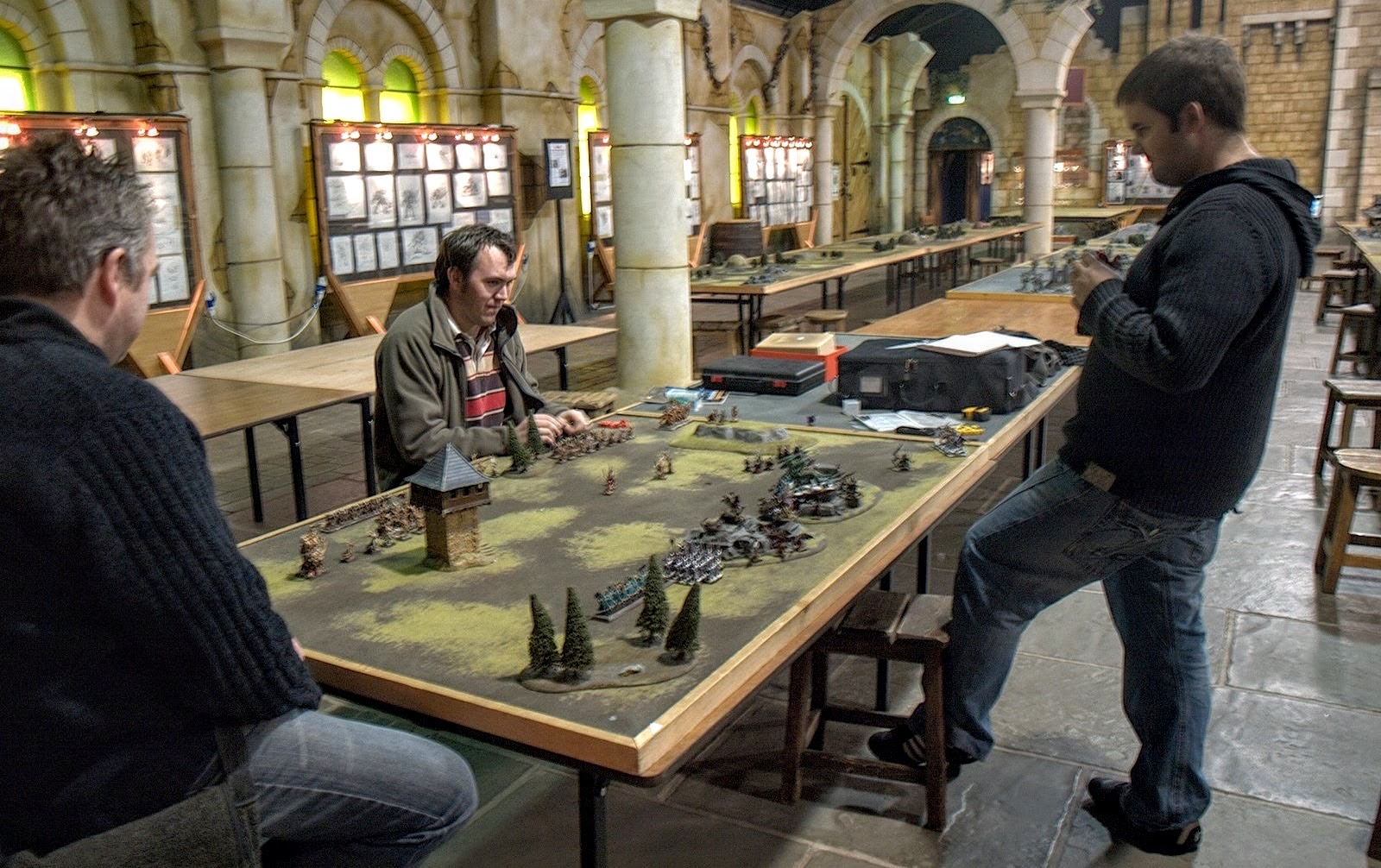
4.The tables are usually covered in green mats or ruined buildings. Soldiers a little over 3 cm tall stand in ranks while players stretch out tape measures for range and roll dice by the handful. The dull knock of dice on the mat, onlookers with folded arms waiting for their turn. A visitor's post from the soft opening says paints and figures sat on the ground floor and finished, painted miniatures in the basement. The layout stops people who came to look before it reaches people who came to buy.
5.This product is not finished when you buy it. Open the box and you find parts on grey plastic frames; you clip them off, glue them, prime them and brush on colour before a single soldier stands up. On the FUNFORGE online store an Ork Warboss costs KRW 55,800 and a Rhino transport KRW 72,000. Neither price includes the hours of building and painting, and the buyer has to add their own time to finish the thing.
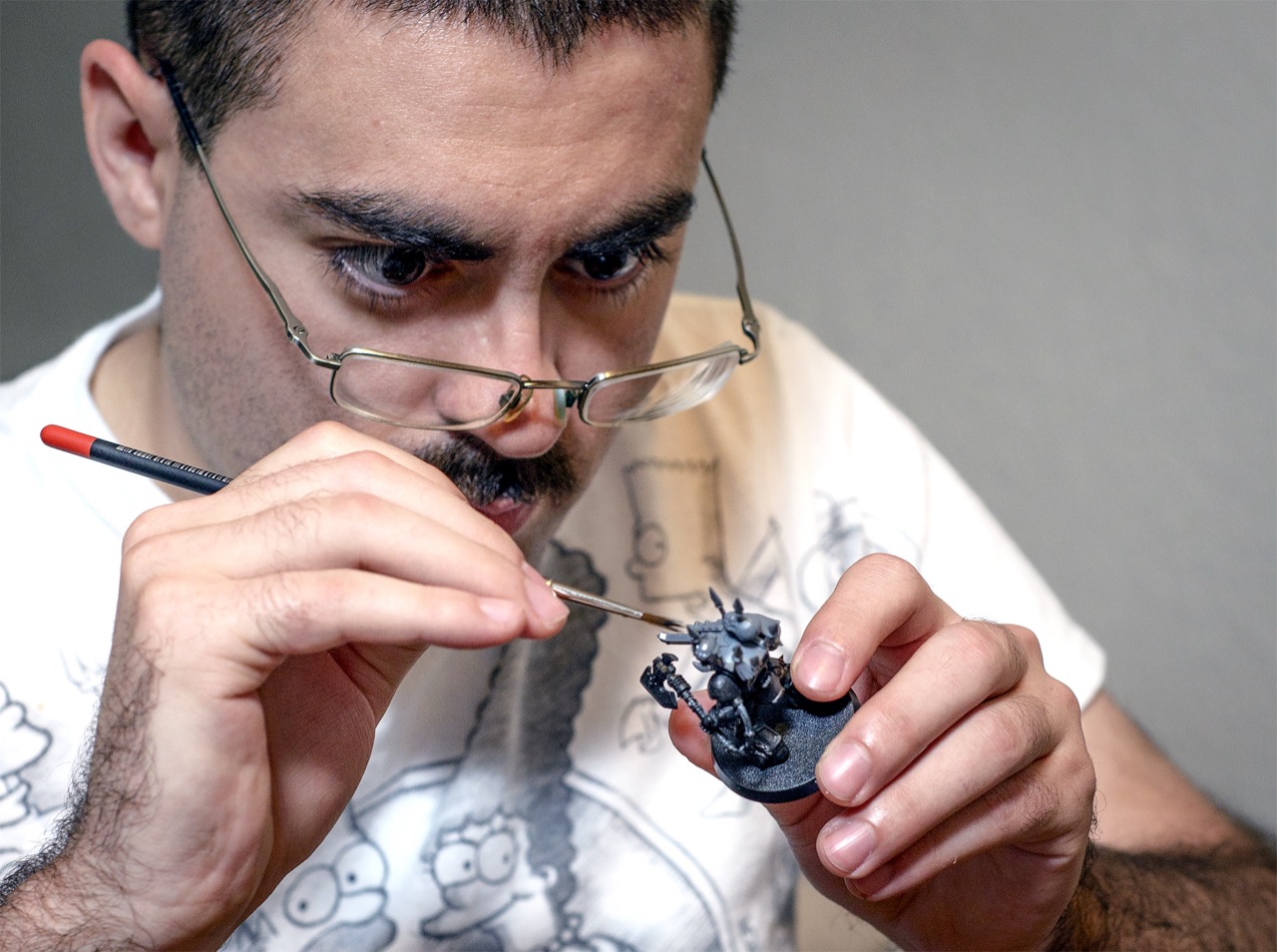
6.Once built, a soldier is of little use on its own. You might think you could just play at home with a friend, but the game needs an opponent, and few people can leave a 152 cm board and terrain set up at home. So people gather where the tables are, look at each other's armies and buy the next box. An online store can sell for less, but it cannot ship you someone to sit across from.
7.Some customers never play. Some only paint, some line models up in a cabinet, some only read the novels. Games Workshop sold more than five million Warhammer novels in its last financial year. Its annual report lists customers as collectors, painters, model builders, gamers and readers, and the table is what holds on to the gamers.
8.Demand is growing in Asia. In the 2025/26 financial year, which ended on May 31, Games Workshop's sales to independent retailers in Asia reached a record £23.1 million, up 38.3%. The company said it had appointed new country managers in Seoul and Shanghai. The Hongdae store opens two months after that announcement.
9.Plastic soldiers earn margins you usually see at software companies. Games Workshop's core business runs a gross margin of 71.1% and an operating margin of 39.1%. It moulds plastic on its own injection machines in Nottingham, England, and sells it wrapped in a fictional world built up over more than 40 years. Core revenue of £626.8 million comes to about KRW 1.16 trillion at KRW 1,850 to the pound.
Games Workshop 본업 매출의 판매 경로와 직영 매장 형태 (2025/26 회계연도)
10.Of that revenue, 65% is sold by distributors such as FUNFORGE and by independent retailers. The company runs 598 stores of its own in 24 countries, and 465 of them are small shops staffed by a single manager. The annual report says the purpose of its stores is recruiting new hobbyists. That is why the shelves carry starter sets and new releases, not the full range.
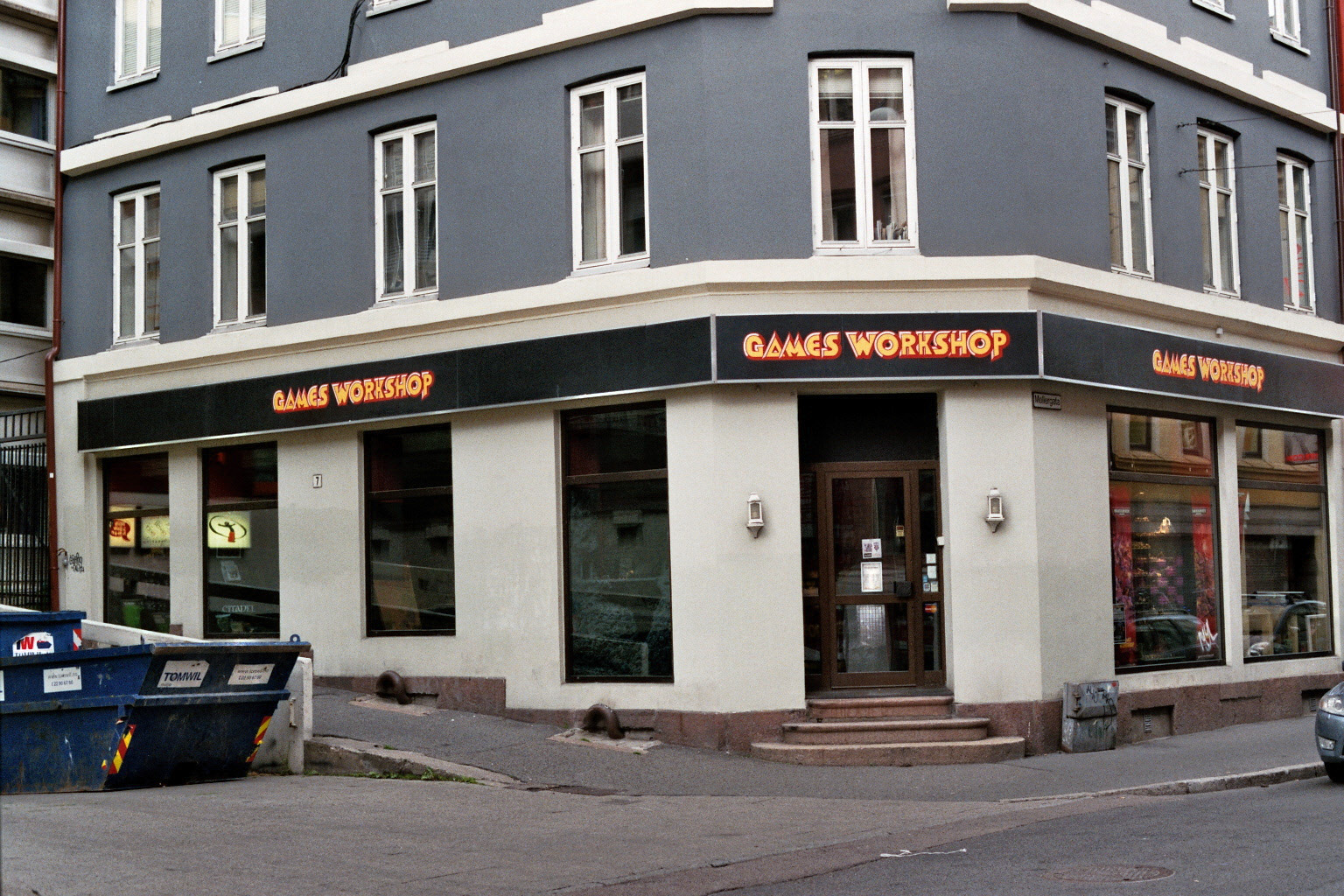
11.An average company store takes £220,000 a year, a little over KRW 400 million (retail revenue divided by store count, at KRW 1,850 to the pound). That is small for a shop built to stack and sell goods, but the customers these stores bring in go on to buy from local independents and online too. Independent accounts grew by about 1,000 in a year, to 9,100 in 71 countries.
12.FUNFORGE publishes no figures, so its side has to be estimated. At the national average rent for mid-to-large retail space in Q2 this year (KRW 26,700 per square metre), the 6 square metres under one table cost KRW 160,000 a month, and a main street in Hongdae costs several times that. That is the price of three Warboss boxes. A distributor keeps both the import margin and the retail margin, so it can afford to treat table space like advertising more easily than an independent shop can.
13.A store with tables is also where this company began. Games Workshop started in London in 1975 making wooden boards for games and opened its first shop in Hammersmith in April 1978. The first Warhammer came out in 1983, Warhammer 40,000 in 1987. Nottingham, where the company is based, still has a hall lined with long gaming tables.
14.Warhammer on screens shrank this year. Licensing income, which hit £52.5 million the year the video game Space Marine 2 came out, fell to £32.9 million, while Warhammer on the tabletop set a sales record in the same year. Even so, what the company is adding is stores, not screens. Last year it opened 42 and closed 14, and it says it will open about 30 more across North America, Europe and Asia this financial year.
15.Warhammer's Korean distributor opened a store in Hongdae and filled part of the floor with 152 by 112 cm tables instead of stock, and it is giving that space away for a month. The parent company's 71% gross margin pays for the free tables. An independent shop in Korea trying the same thing would run into people before tables. A table can be installed in a day, but ten regulars who turn up on the same weekday to play take months of painting meets and tournaments to build.