An Italian restaurant that opened in a residential corner of Gwanggyo, Suwon, moved to Seorae Village in Seoul after a year and a half. Its new home is a second floor that a Michelin-listed chef used for over ten years before leaving. One chef, his younger sister on the floor, and no tasting menu.
1.On August 20, the MICHELIN Guide previewed six restaurants joining its 2027 Seoul and Busan selection. One of the three in Seoul is Trattoria Romagna, an Italian place in Seorae Village. The guide's write-up opens with two facts. It is run by siblings, and it came to Seoul from Gwanggyo.
2.Chef Choi Min-gyu, a graduate of the Italian cooking school ALMA, runs the kitchen, while his younger sister handles the floor and desserts. They first opened on the ground floor of a building in a residential street near Kyonggi University in Gwanggyo, Suwon, in autumn 2023. The Seorae space was vacated by Table for Four, chef Kim Sung-woon's restaurant, which served tasting menus in the neighborhood for more than ten years before moving to Hannam-dong last year.
3.Open the second-floor door and the first things you see are yellow sofas, brown tables and amber light, the setting Michelin likened to a trattoria in Italy. There are five tables in all, and the kitchen is in full view of the dining room. A separate private room carries a minimum spend. No walk-ins: every seat is booked in advance.
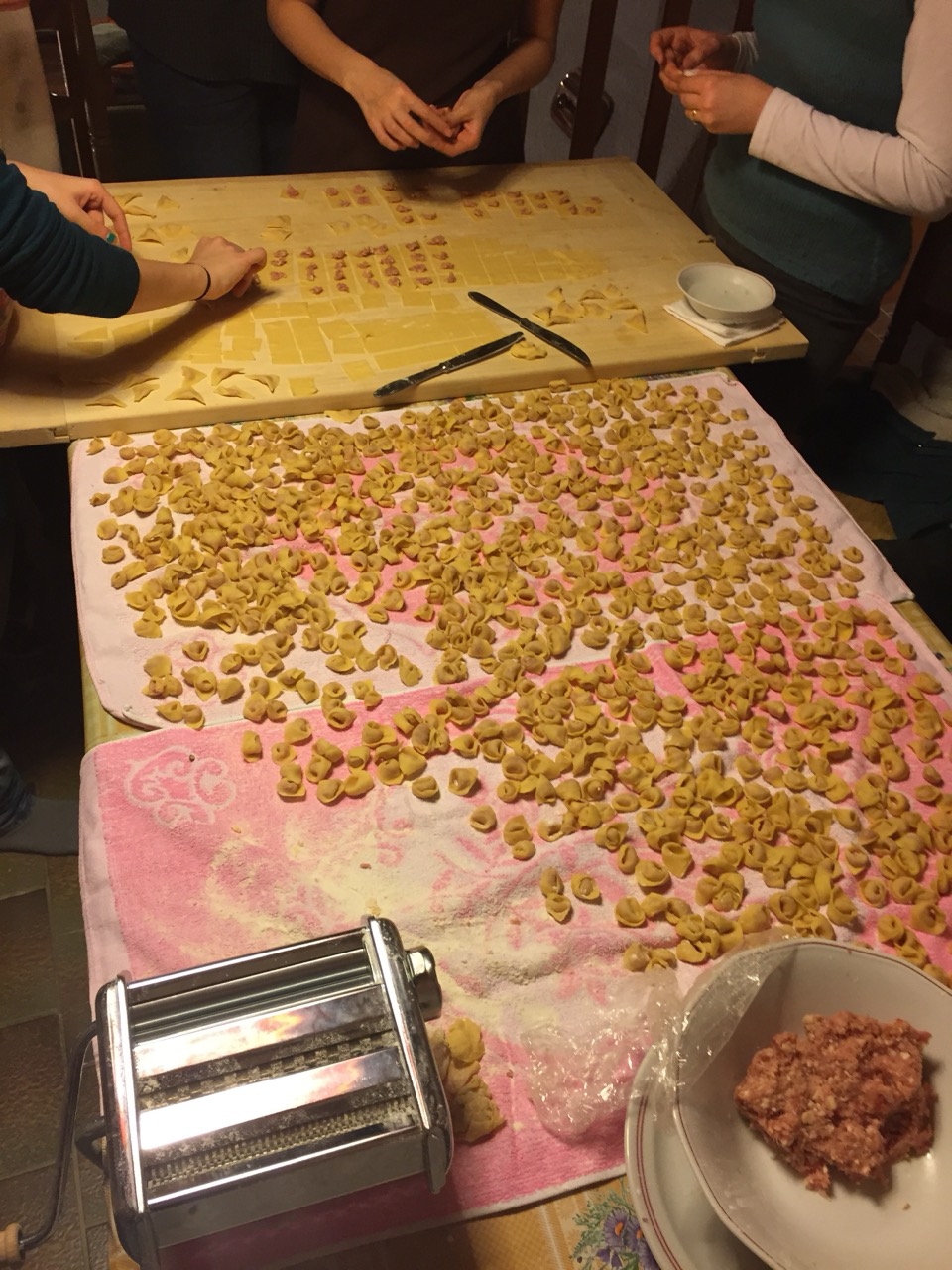
4.The menu splits into starters, pasta and pizza, fish, and meat, with no tasting course. Guests pick plates and share them from the middle of the table. All pasta is made fresh, and cream-based pasta was left off the menu from the start, a rule already noted in customer reviews from the Gwanggyo days.
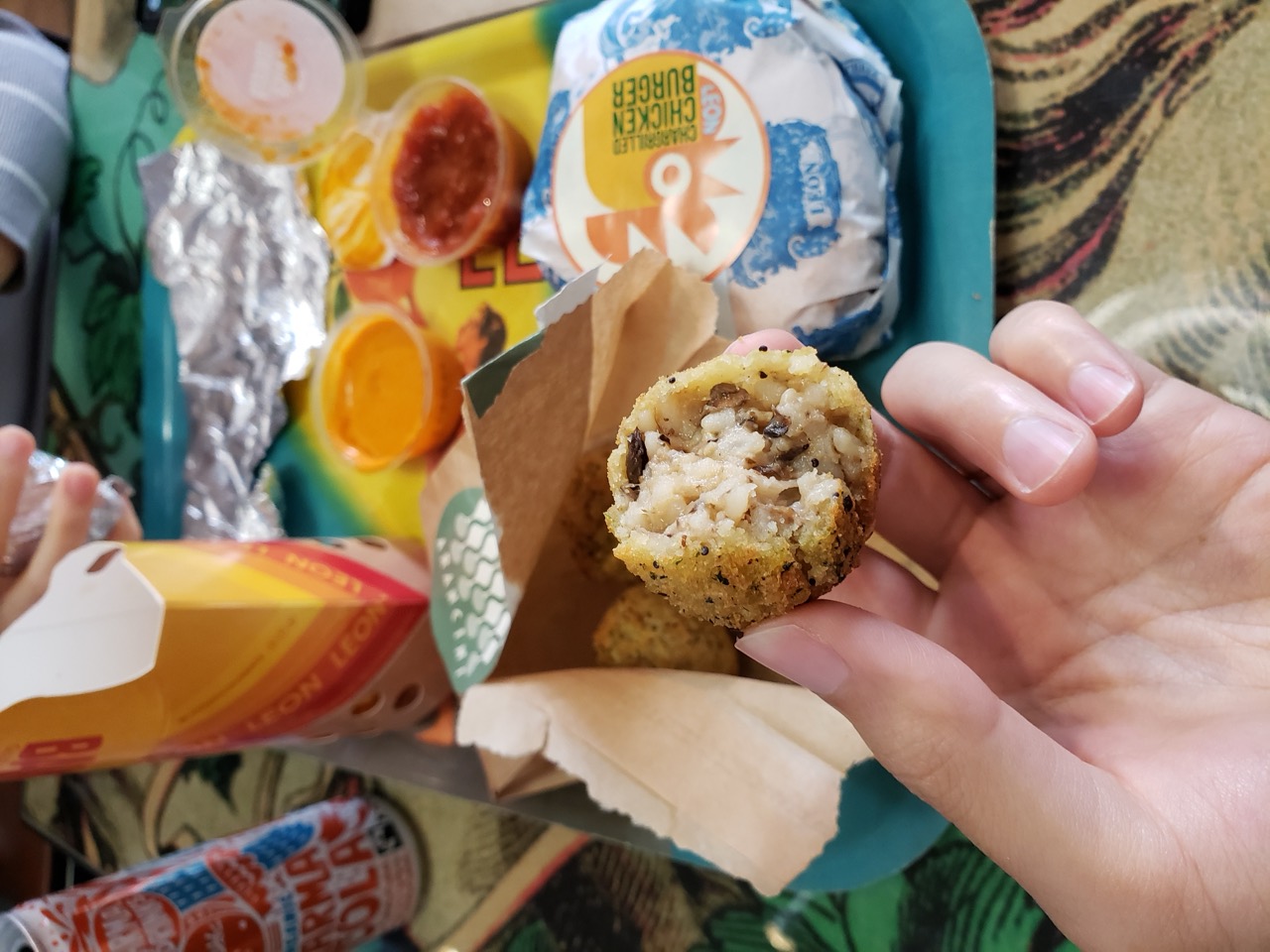
5.Top of the list is the truffle arancini, a rice ball of shiitake risotto rolled and fried, priced at KRW 21,000. Break the shell fresh from the oil with a fork and trapped steam rises, carrying the scent of mushroom and truffle with it. A Sicilian street snack eaten by hand arrives here on a plate as a starter.
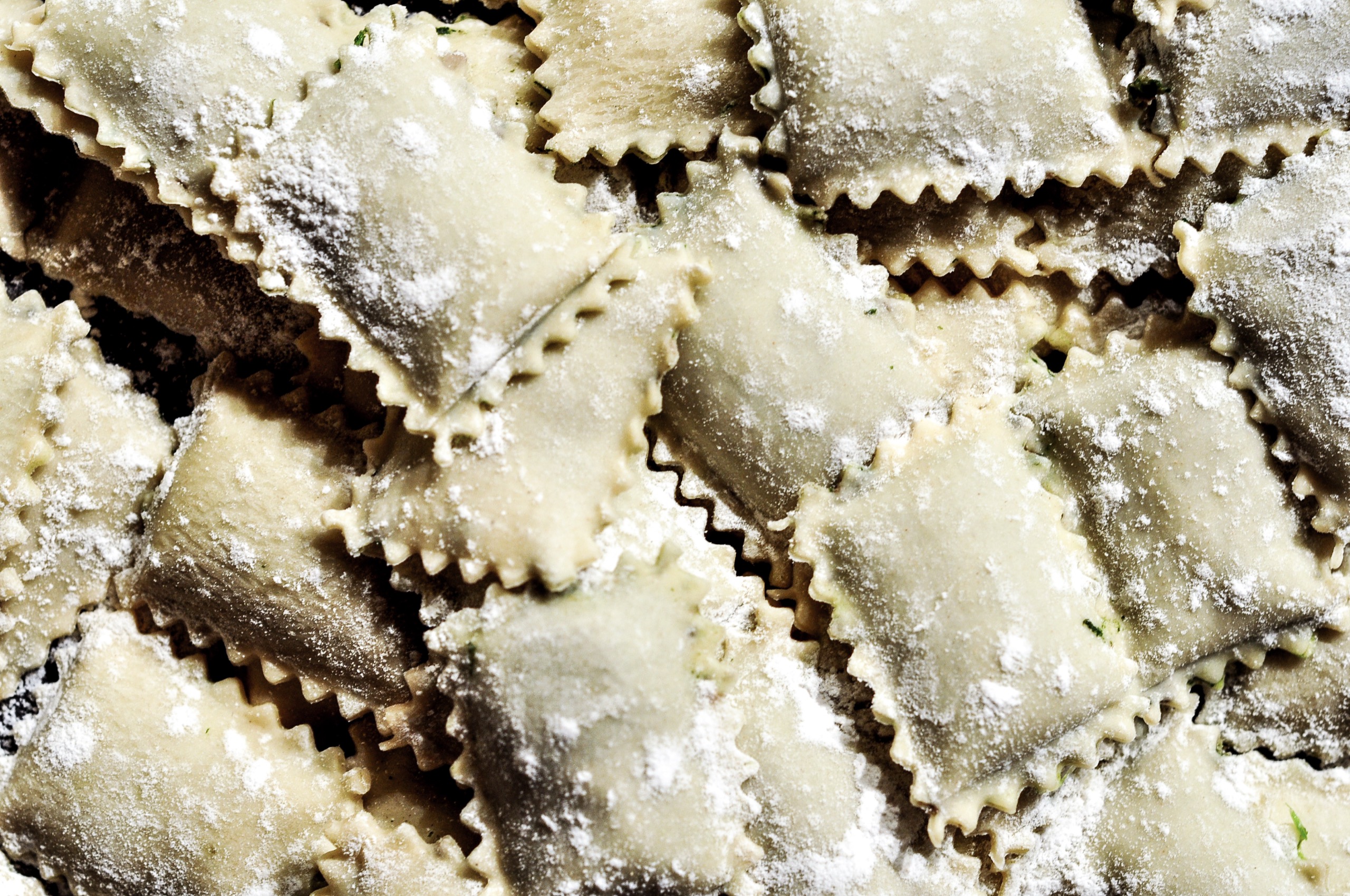
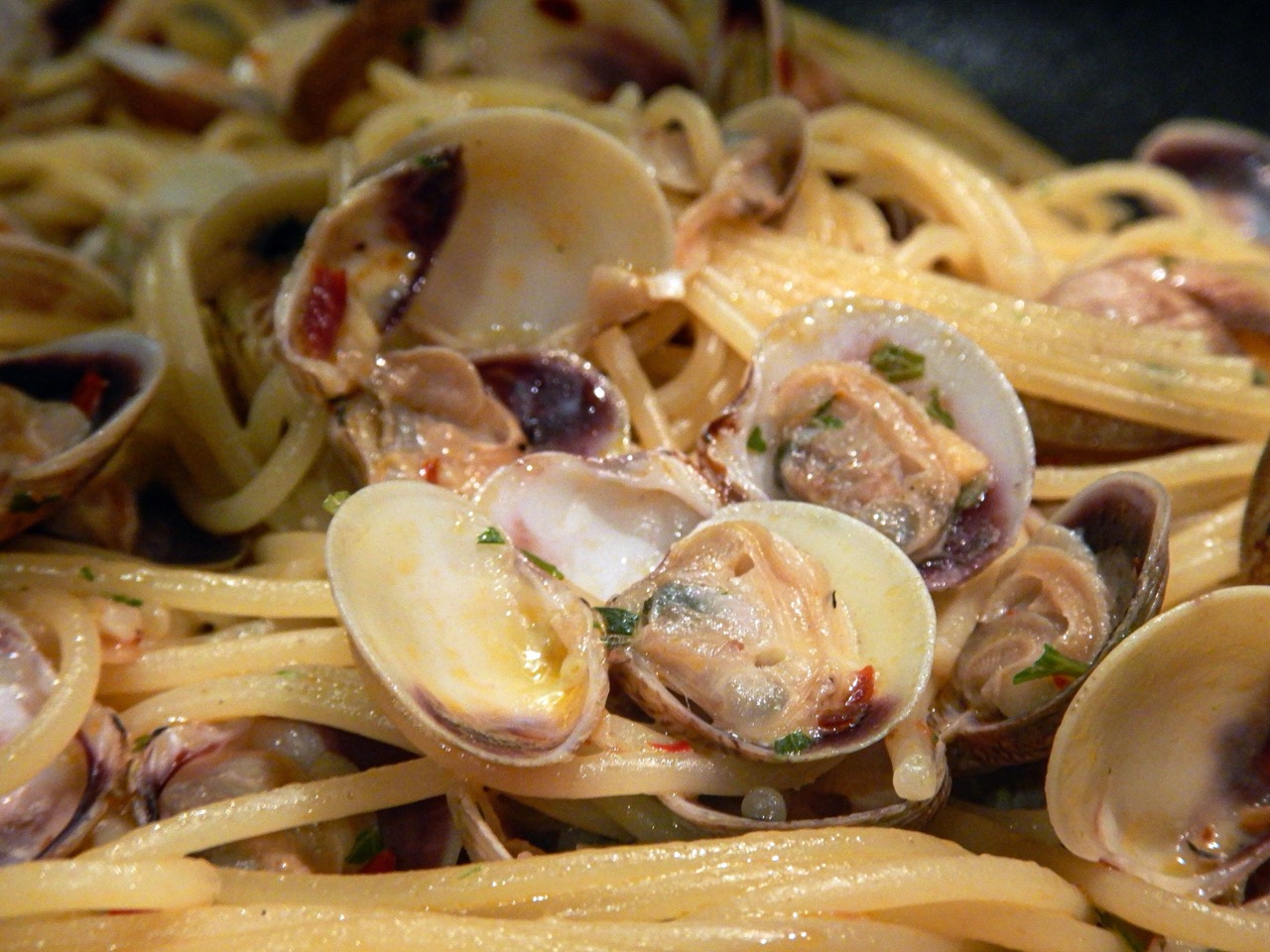
6.The vongole uses clams steamed with hinoki cypress wood. The scent of the wood seeps into the clam juices, and that broth coats the noodles. The ravioli is egg dough rolled thin around a filling, so the filling shows through when it reaches the table. The arancini and the onion soup were already on the menu in Gwanggyo.
7.Italian food in Seoul has split in two. On one side, fine dining with dinner courses well past KRW 100,000. On the other, pasta chains in malls and outside stations. This restaurant sits in the gap, with no course and plates to choose from. Two people sharing three or four plates and finishing a bottle of wine: that evening is what it sells.
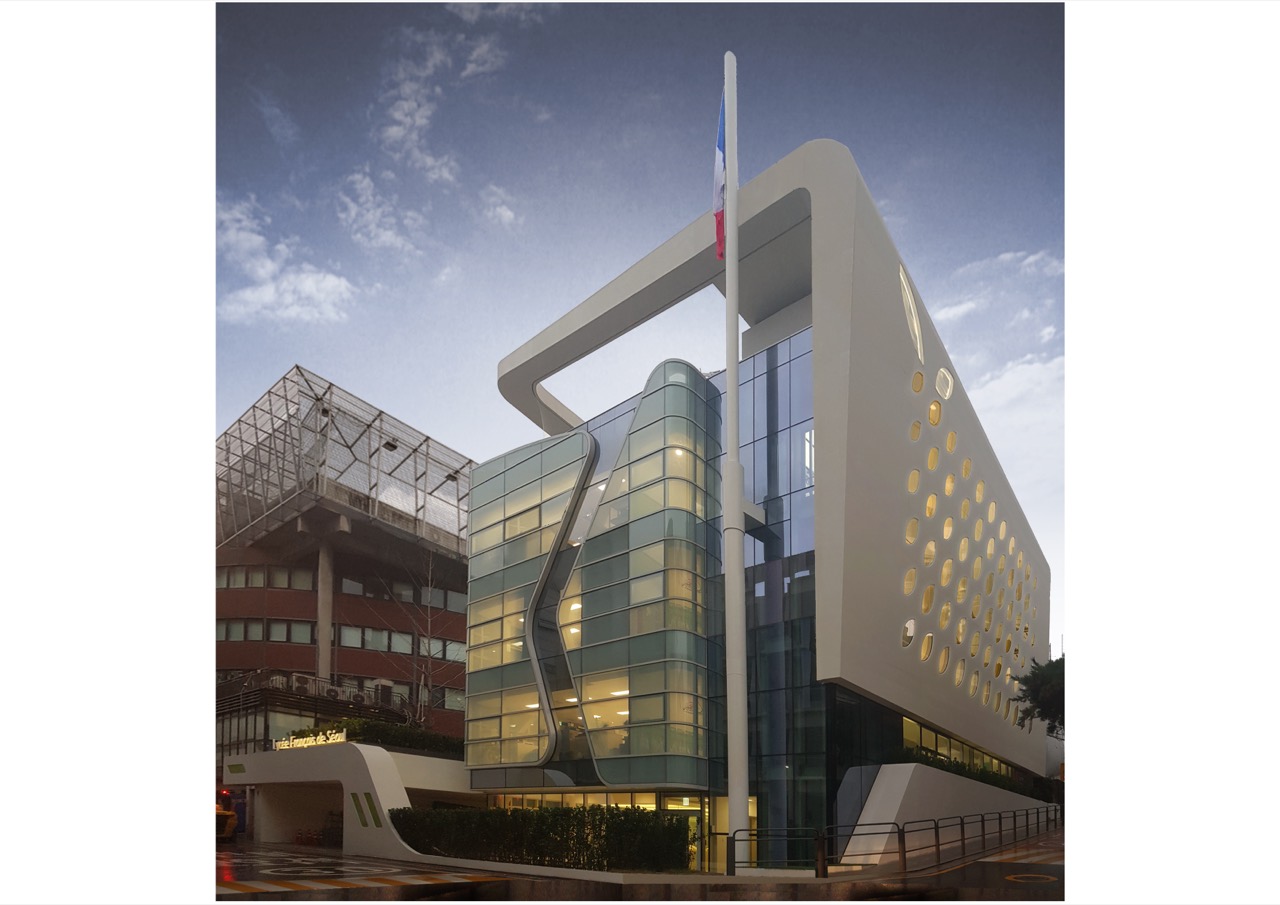
8.Seorae Village became a French enclave after the Lycée Français de Séoul arrived, and its lanes are lined with bistros serving à la carte and wine shops. On top of that, this second-floor address is where Table for Four's diners came and went for more than ten years. In Gwanggyo the siblings had to build a following from scratch. In Seorae they took over an address people already knew how to find.
9.The Michelin list added one more stamp of approval to that address. It is a selection, not a star, and the write-up quotes the chef's line about putting hearty home cooking ahead of lavish dishes. Booking inquiries are rising, yet there were five tables before the announcement and there are five now.
10.Two people ordering arancini, ravioli, chorizo pizza and sea bream steak pay KRW 152,000, about KRW 76,000 each. There is no corkage on the first bottle of wine. When guests bring their own bottle, that table's drink sales come to zero. This is a restaurant that gave up its wine margin to earn on food.
11.Counting five tables plus the private room, we put seating at around 18. Last orders for dinner are taken at 8 p.m., so a table rarely turns twice in an evening. Lunch and dinner together point to monthly sales of roughly KRW 40 million. Seat count, fill rate and spend per head are all estimates; the restaurant has published no figures.
12.Because the siblings split kitchen and floor between them, almost no wages go to outsiders. Taking food cost at 32% and subtracting second-floor rent in Seorae, one assistant, utilities and card fees leaves about KRW 16 million a month. Both siblings' pay comes out of that. All of it is estimated.
13.The same setup is also a weakness. With one chef, the restaurant closes when he does. Spend per head swings on a single meat dish. Add the KRW 130,000 Korean beef sirloin to the four plates above and each person's share passes KRW 140,000; leave it off and it stays in the 70,000s.
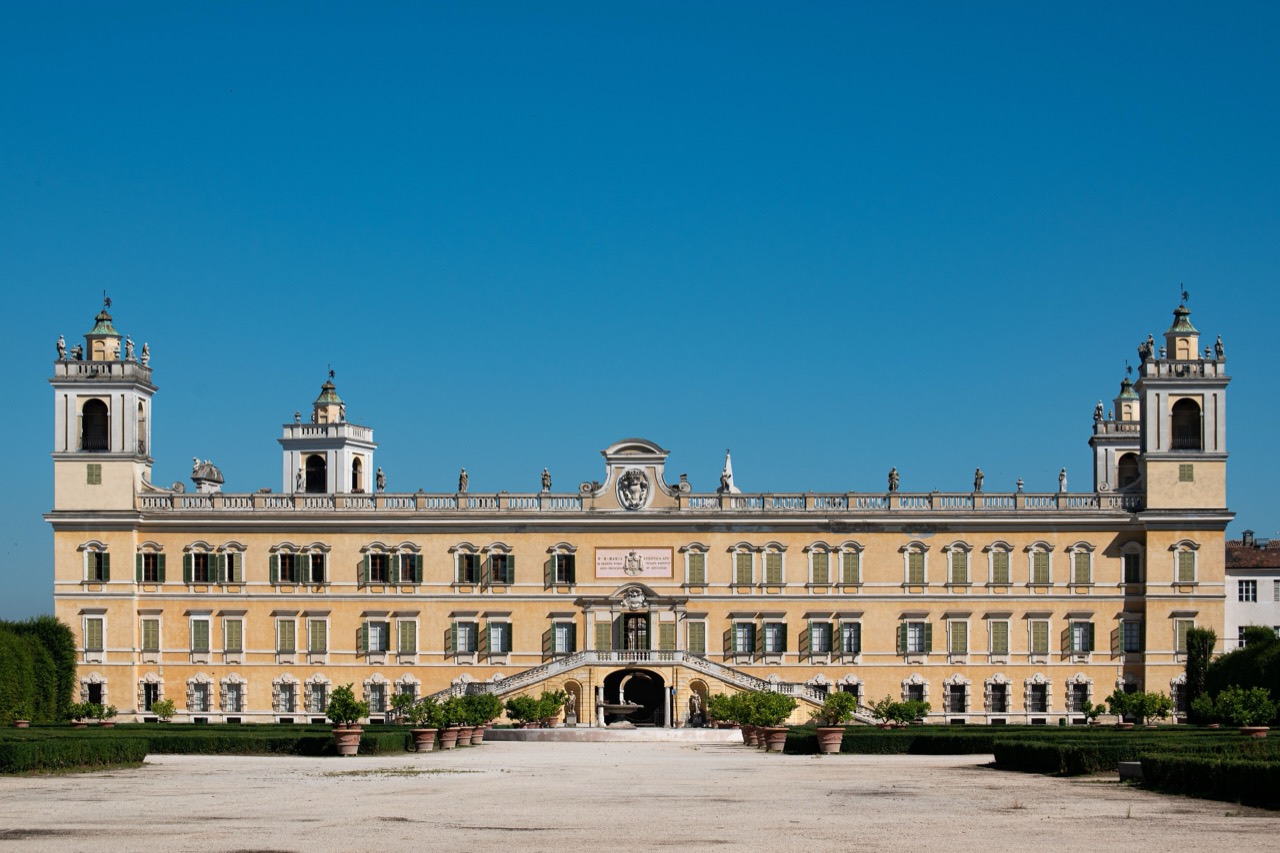
14.In Italy a trattoria ranks one step below a ristorante: family-run, a short menu, the place locals go for a weeknight dinner. The Romagna in the name is the eastern half of the Emilia-Romagna region, home of piadina and cappelletti. ALMA, where chef Choi trained, is in the same region, housed in a former ducal palace in Colorno.
15.Yet Michelin placed this restaurant in the highest of its four price bands (₩₩₩₩). The name of Italy's most casual kind of eatery comes to Seoul wearing the most expensive price marker. A pizza costs KRW 36,000; the sea bream steak, KRW 56,000.
16.A sibling-run restaurant spent a year and a half in Gwanggyo, moved to Seorae Village and made the Michelin list, and in that time it did not add a single table. In Korea, a place this size on a second floor runs into floor area first. A general restaurant on a floor not directly at ground level becomes a multi-use business once its premises reach 100 m², which means installing fire safety systems and getting a completion certificate before it can register. A five-table trattoria is small enough to open below that line. This restaurant has not disclosed its floor area.