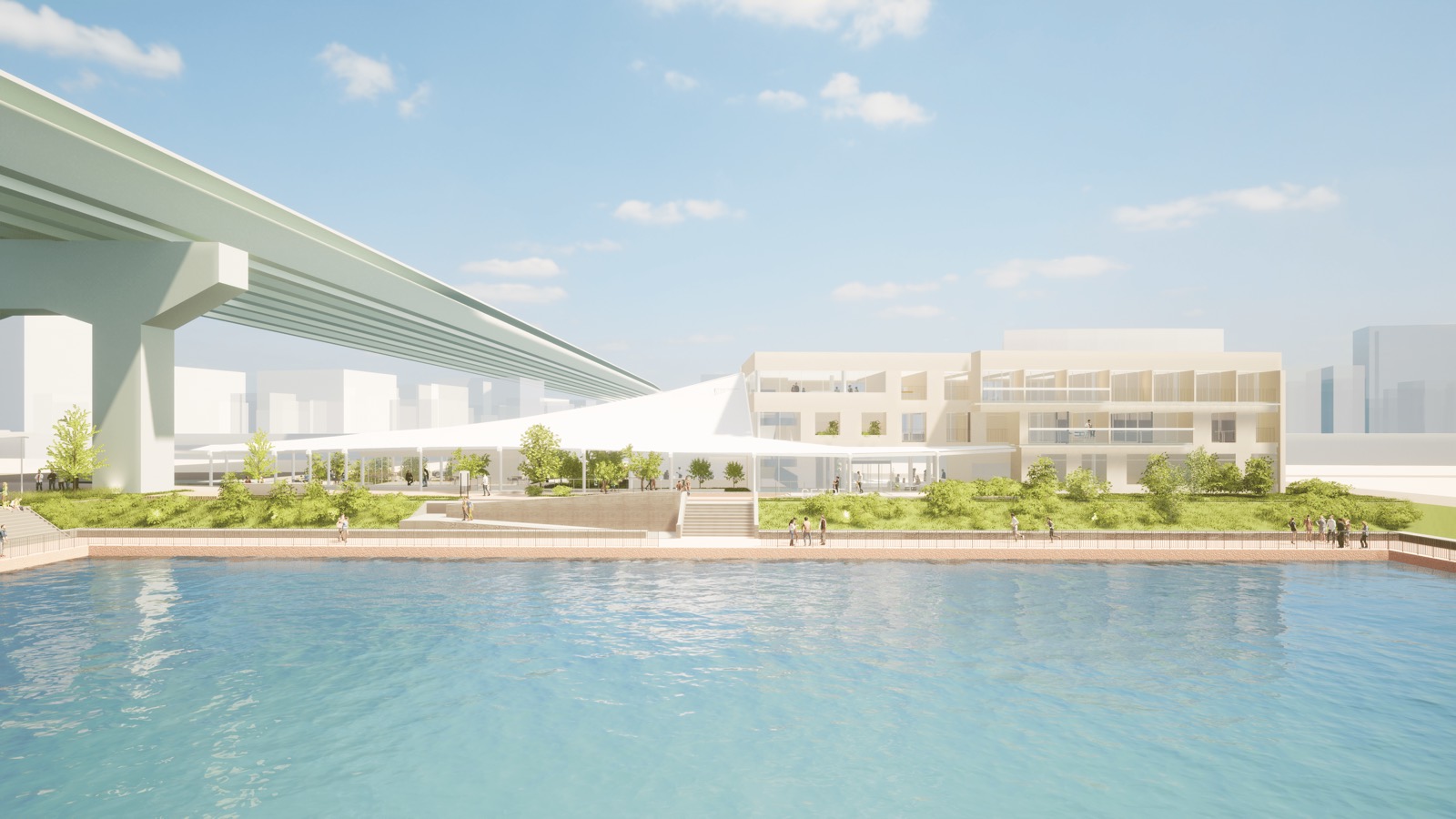
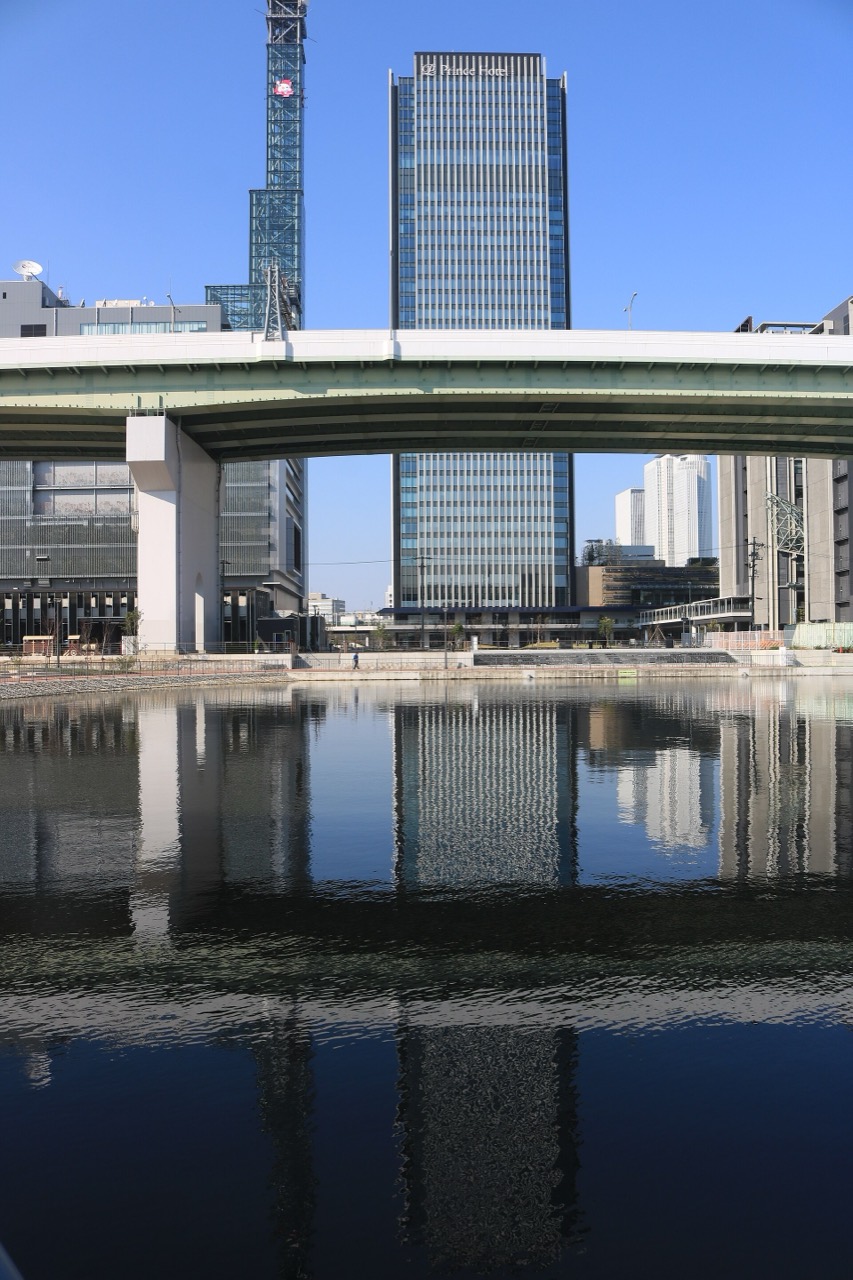
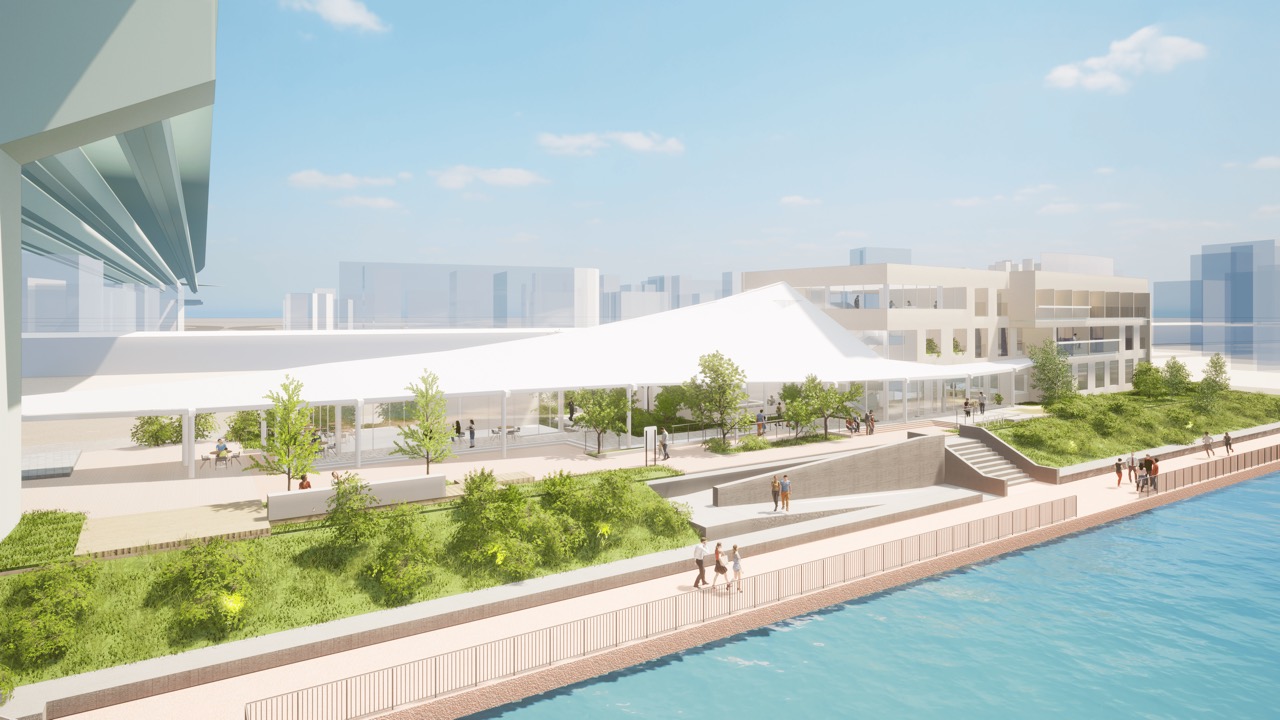
Where the canal endsNAKAGAWA CANAL DOORS, the Horidome district redevelopment. The low block on the left is the hotel. Developer-issued rendering. ⓒ名古屋ステーション開発 press material
Daily Hotel
A 24-Room All-Inclusive Where 26 Seats Set the Ceiling
2026.08.07
Seventeen minutes west on foot from Nagoya station. At the end of a canal where freight traffic stopped, a 24-room hotel opened in June. Dinner, breakfast and drinks are all inside the room rate. Yet the restaurant has 26 seats.
1.Setre Canal Nagoya opened on 18 June. It stands in the Horidome district of Ungacho, Nakagawa-ku, Nagoya, where the Nakagawa Canal ends. Three storeys above ground with 24 rooms, all facing the canal. It is run by Holonic, headquartered in Kobe, the sixth property under the Setre brand and the first in the Tokai region.
2.The rate card is the unusual part. Dinner and breakfast, the drinks at the dinner table and the food set out in the lounge are all inside the room rate. All inclusive. A 24-room house running its own kitchen decided not to count that revenue separately.
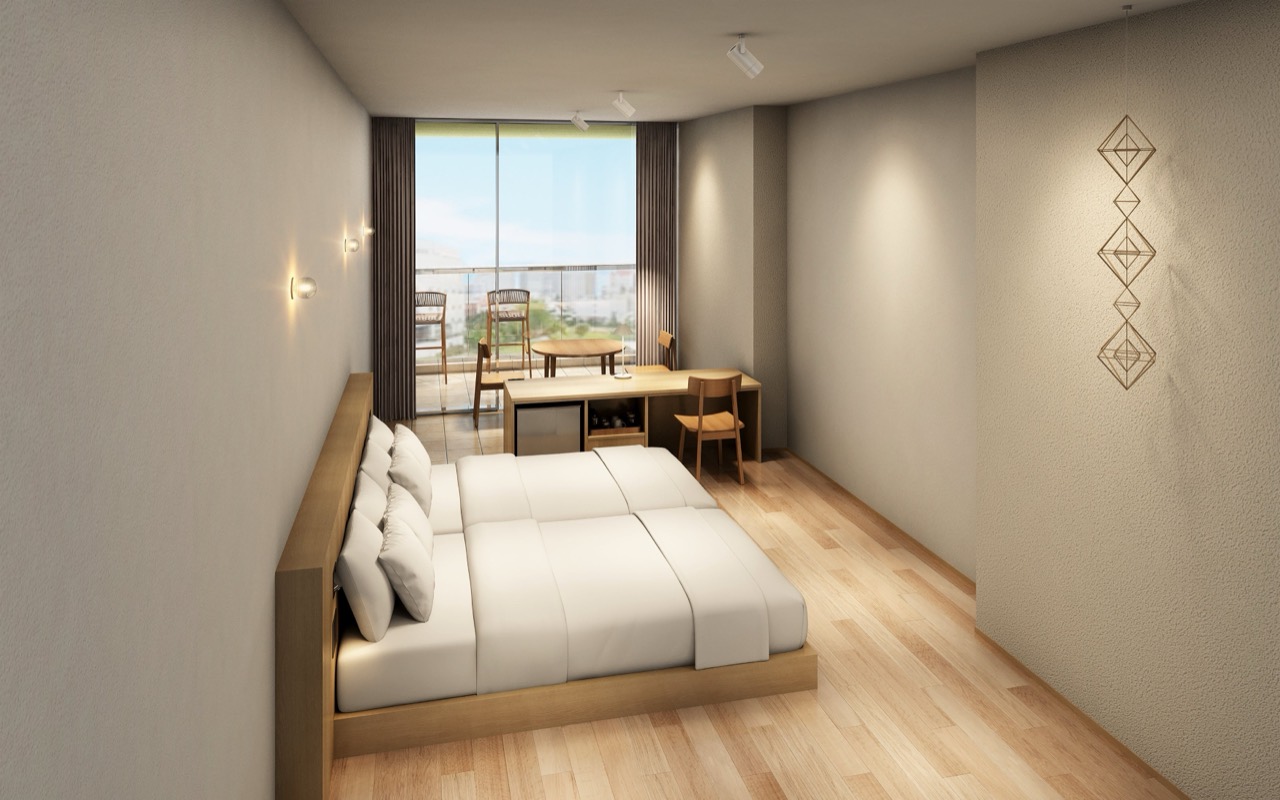
It starts at 34㎡Seven doubles and seventeen twins. More than double a standard Japanese business hotel room. ⓒ名古屋ステーション開発 press material
3.Rooms run 34 to 42㎡. The Japanese business hotel standard sits between 13 and 18㎡, so this clears double with room to spare. The floors are built to be used with shoes off, which lowers the seated eye line so the water catches below the sill. Making every room in a three-storey building face the canal leaves no option but laying the rooms out in a single line, and that layout is what set the number 24.
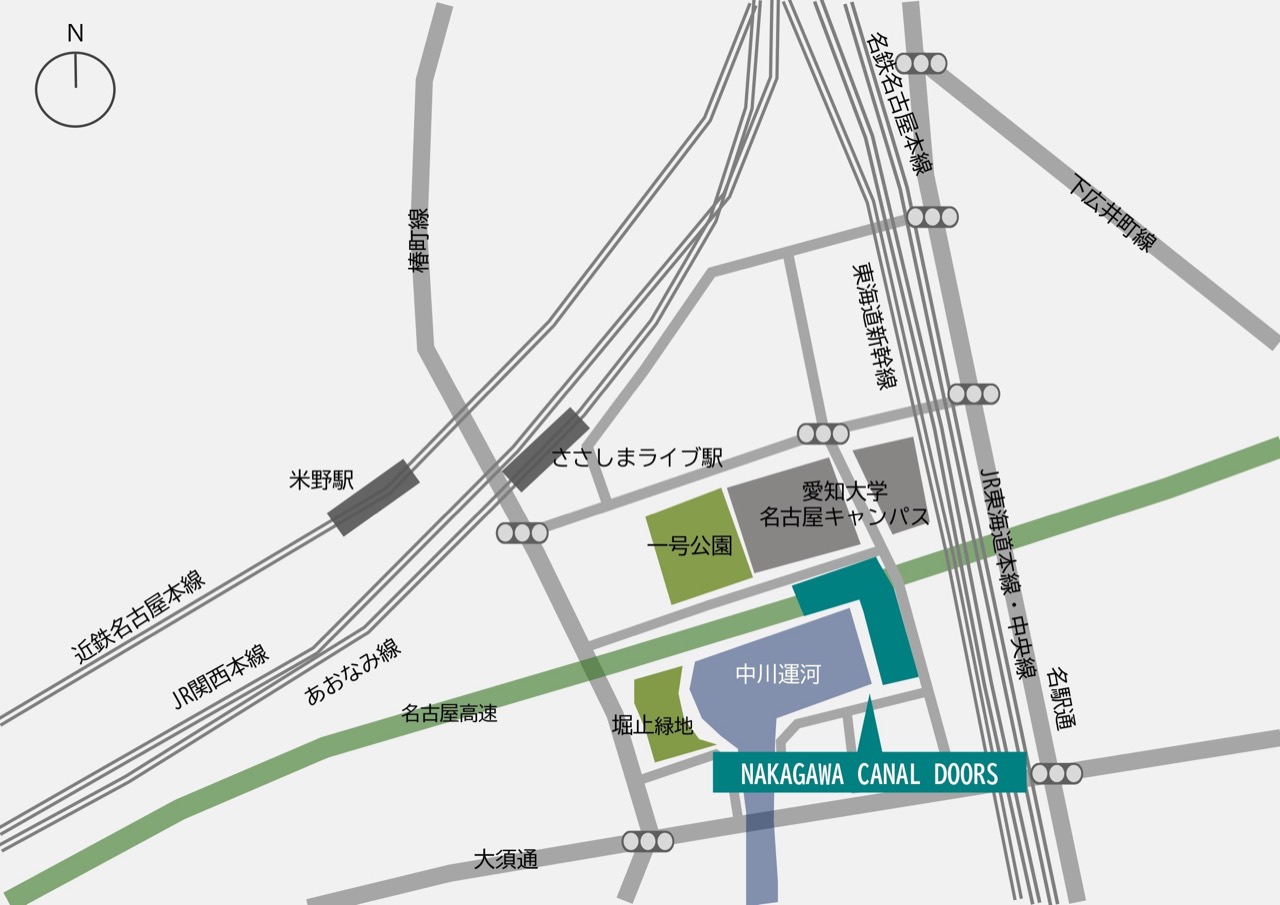
Laid out along the waterSite plan. The building runs long against the line of the canal. Rooms have to sit in one line for every room to get the view. ⓒ名古屋ステーション開発 press material
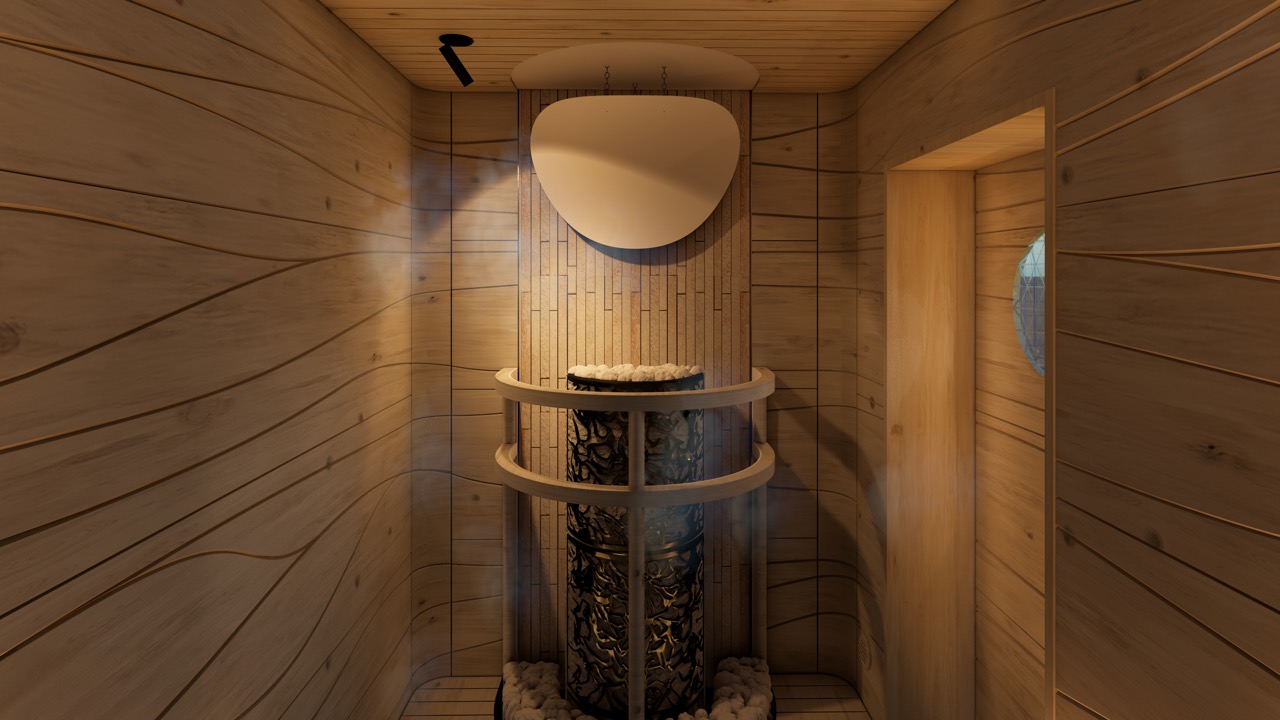
4.The sauna is named Mio, the word for the wake a boat leaves in the water. It was built from timber thinned out of Kaishonomori in Seto, wood that came from clearing a plantation left standing for want of hands. As the heat rises the smell of resin comes down from the ceiling, and no sound enters the half-open bath. At eight in the evening no boats pass on this canal.
Heat built from thinned timberThe sauna Mio. Built with thinned timber from Kaishonomori in Seto. ⓒ名古屋ステーション開発 press material
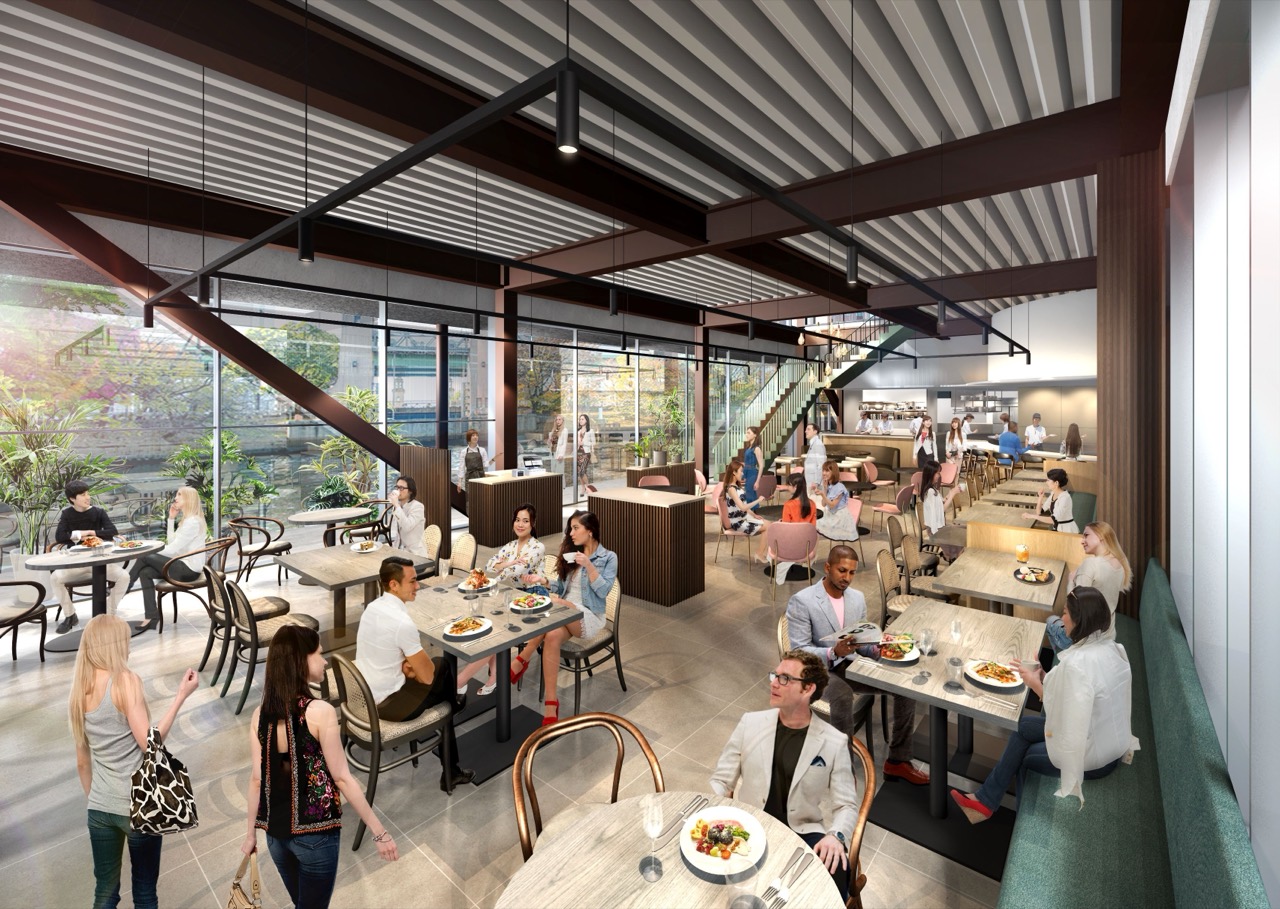
5.The restaurant is one 26-seat counter. Shellfish and fish from Mikawa Bay and produce from the Chita Peninsula go over charcoal. The furniture is by Hida Sangyo. Fill all 24 rooms with two people and that is 48, and there are only 26 seats, and the gap between those two numbers governs almost everything about how this hotel runs.
Seats set the stockThe 26-seat counter. A full house of 48 cannot sit at once, so dinner splits into two services. ⓒ名古屋ステーション開発 press material
6.From here, revenue and cost are the writer's estimates, not figures the company has given. The Nara property under the same brand charges 20,600 to 22,600 yen per person with two meals. Nagoya is new and adds drinks, so put it between 25,000 and 30,000 yen per person. Two people in one room comes to about 55,000 yen for the room.
Four times the take, andIn the same city, what one room makes opens up fourfold. In exchange a fifth of that money leaves first as food cost.
7.Put 70 percent occupancy across 24 rooms and 16.8 rooms sell a day, revenue of 920,000 yen, and 337 million yen over a year. One room makes 14 million yen a year. A Nagoya business hotel at a 12,000 yen room rate and 80 percent occupancy stops around 3.5 million yen per room.
The lounge is inside the rate tooLeaving food and drink out in the lounge removes extra payments and cuts service staff as well. Developer-issued rendering. ⓒ名古屋ステーション開発 press material
8.The problem is that the 14 million yen is not pure room rate. Dinner, breakfast and drinks are all in it, and putting food cost at 6,000 yen a head means 12,000 yen leaves per room first. Twenty-two percent of the room rate. That is not the same cost structure as a business hotel that adds breakfast only and finishes under 5 percent.
Twenty-six beats twenty-fourThe seat count, not the room count, sets the ceiling on rooms sellable that day. That is the fate of small all-inclusive.
9.Staffing changes with it. A 24-room house running a kitchen, a floor, a front desk and a large bath sits between 18 and 22 permanent staff, around 0.8 per room. A business hotel gets by on 0.2 and a traditional ryokan passes 1.0, so this is somewhere between. Without a multi-role roster where the front desk carries plates in the evening and cleans in the morning, this headcount does not turn.
10.The channel splits as well. A 55,000 yen room looks four times the Nagoya average in a booking site listing, and on that screen the fact that meals are included does not read well. So this type concentrates sales in direct booking and high-rate booking sites, which lowers commission but narrows the route for dumping unsold rooms in a hurry. The non-room revenue that banqueting, weddings and a buffet would have made at a graded hotel is folded into the room rate here instead.
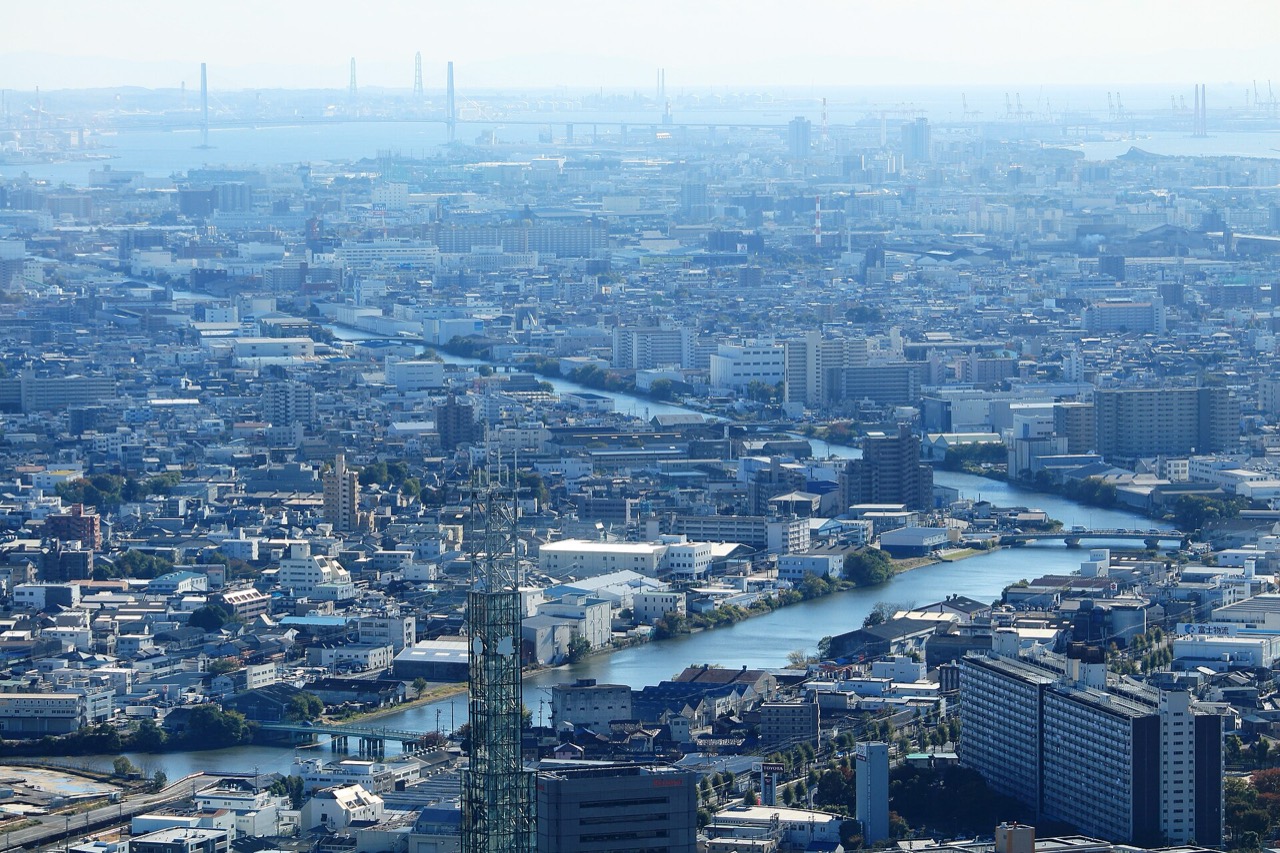
A canal whose work is overA freight canal completed in 1930. After the cargo boats went, only the waterfront was left. ⓒAlpsdake / Wikimedia Commons
11.So why Nagoya? Hotel demand in this city is pulled by weekday business travel. Rooms fill on Tuesday and empty on Saturday, and after six in the evening guests scatter toward the station and spend nothing inside the hotel. That is where a hotel selling dinner can push in.
One stop from the stationThe Sasashima Live district at the northern end of the canal. This hotel is four minutes on foot from the Aonami Line station and seventeen minutes from Nagoya station. ⓒAlpsdake / Wikimedia Commons
12.Turn the location over and the weakness is the product. There is no shopping street at the end of the canal and nobody passing, so opening a restaurant brings no local customers. The decision to give up outside sales and serve only 48 guests is arithmetic, not taste. Where local demand is zero, the only people non-room revenue can come from are the guests.
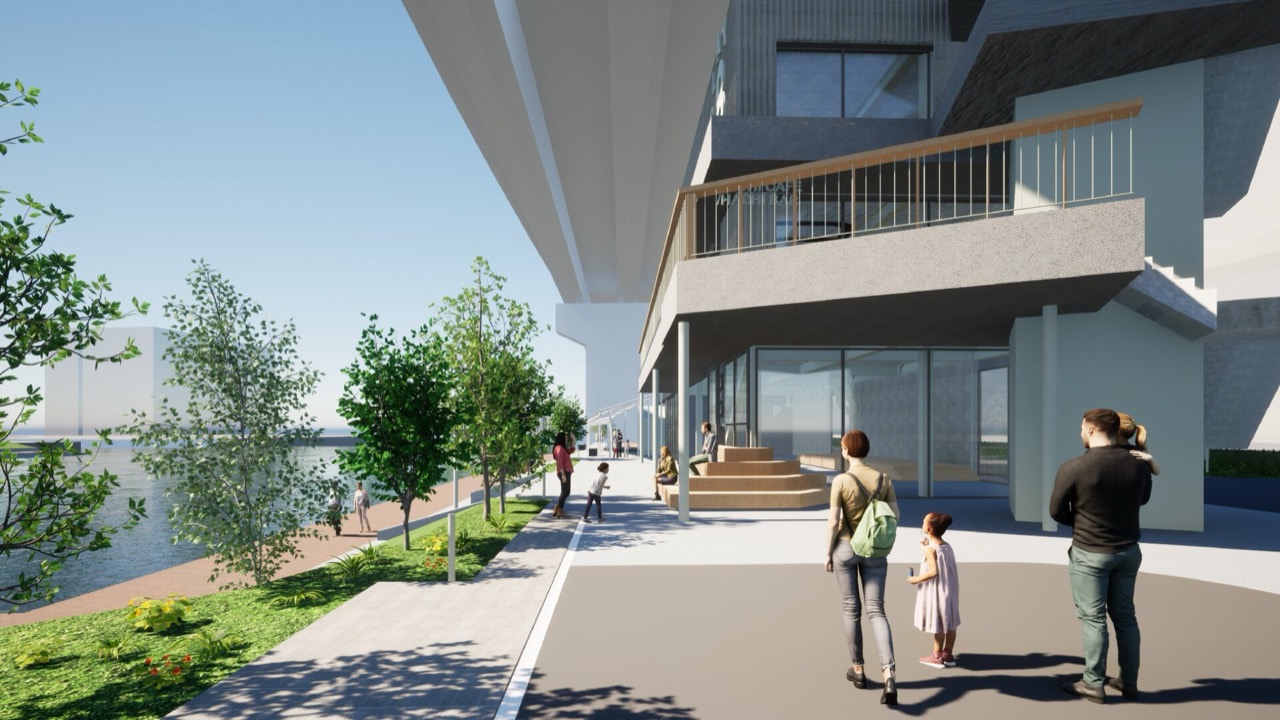
The hotel is one pieceThe NAKAGAWA CANAL DOORS redevelopment is built from a hotel, a bakery, restaurants and sports courts. The developer is 名古屋ステーション開発. Developer-issued rendering. ⓒ名古屋ステーション開発 press material
13.This composition is not a first for Holonic. Founded in Kobe in 1998, the company has grown by buying struggling properties, repairing them and reopening them. Its property inside a yacht marina on Lake Biwa in Shiga is the type, where a total construction cost of 800 million yen was set against a revenue target of 500 million yen three years after opening, with weddings as the mainstay. One hundred and fifty ceremonies a year. That was the grammar of a small hotel making non-room revenue from weddings.
It makes people walk the water's edgeA promenade, a plaza and courts were laid in together. The development built the surroundings that a hotel alone could not. ⓒ名古屋ステーション開発 press material
14.What differs is scale. The average room count of the 582 hotels opening in Japan in 2026 has fallen to 39, and Kyoto averages 12. As construction costs rose, building many rooms turned unfavourable, and at the end of that current sit numbers like 24. Building small and selling dear carries a price, though. With only 24 things to sell a day, leaving one room empty simply loses 55,000 yen, and filling that room is no use if there is no dinner seat.
Summary
A 24-room hotel opened at the end of a canal where freight stopped, and by folding dinner, breakfast and drinks whole into the room rate it built a structure where one room makes 14 million yen a year. That is four times a business hotel in the same city, and inside it 22 percent of the room rate leaves as food cost alone, while a 26-seat restaurant sets the ceiling on rooms sellable that day instead. Anyone moving this to Korea catches in the kitchen before the rooms. Serving meals inside a lodging business means registering a general restaurant business separately under the Food Sanitation Act, with further conditions if alcohol is planned, and the moment a commercial kitchen with extract and water services goes into a 24-room building, change of use under the Building Act, the standards of the Fire Facilities Act and a recalculated septic capacity follow in a row. Whether it registers as hotel business under the Tourism Promotion Act or as lodging business under the Public Health Control Act also changes the support facilities required. Putting meals inside the room rate looks like a question of the rate card, and it is actually priced in the drawings and the permits.